Category Archives: Puddings

Jam Roly-Poly

That lady I fancied I was looking at her, though, as far as I could see, she had the figure and complexion of a roly-poly pudding – William Makepeace Thackeray, Notes of a journey from Cornhill to Grand Cairo, 1846
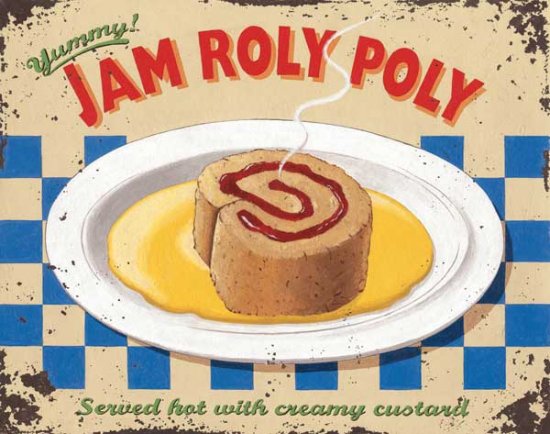
A great piece of modern-day vintage art by Martin Wiscombe 

If you ask most British people what their most favourite childhood dessert is, the jam roly-poly pudding would be one of the top rankers; it certainly is one of mine. A roly-poly is a pudding made from suet dough that is spread with jam and then rolled up. Originally, it was boiled in some muslin, but is these days steamed or baked. Other fillings can be done such as golden syrup, apples or prunes. I have never tried a sweet roly-poly with anything other than jam, and even then I will only use raspberry or blackcurant jam. There are also savoury roly-poly puddings. It was common to boil the roly-poly in a shirt sleeve, giving it the nick-name ‘dead man’s arm’. I’ve never actually made any kind of pudding by boiling it in muslin, never mind a shirt sleeve. Next time I do a pudding I will do it the old-fashioned way. After all this is a history blog, isn’t it? What makes a pudding a pudding? Click here.

This pud seems to have been invented during the first half of the nineteenth century, no mention of it occurs before 1800 as far as I see, apart from writings about a game called Roly-Poly.

ROLY-POLY. (1) A pudding made in round layers, with preserves or treacle between…

(2) A low, vulgar person.

(3) A game played with a certain number of pins and a ball…

James Orchard Halliwell-Phillips, A dictionary of archaic and provincial words Vol II, 1847

Here is my recipe for jam roly-roly poly, the suet pastry shouldn’t be sweet; the sweetness should come from the jam and custard (with which it is always served). You can swap any preserve for the jam if you like, I imagine lemon curd would be good. It feeds at least six people and is pretty good value for money – these sorts of wintertime desserts are supposed to warm and fill you. At some point I’ll give the apple and prune one a try and put the recipes for them on here too.


If you like the blogs and podcast I produce, please consider treating me to a virtual coffee or pint, or even a £3 monthly subscription: follow this link for more information.


Ingredients:

400 g self-raising flour

good pinch of salt

200 g suet

160 – 180 ml milk or water

your favourite jam

custard, to serve

First, make the suet pastry. If you haven’t made pastry before, don’t worry, suet pastry is the easiest of all the pastries to make. In a bowl, mix the flour, sugar and suet together. Using a butter knife, mix in a little liquid. When incorporated, add a little more. Keep adding and incorporating until a dough begins to form, then start using your hands to form a soft, but not sticky dough.
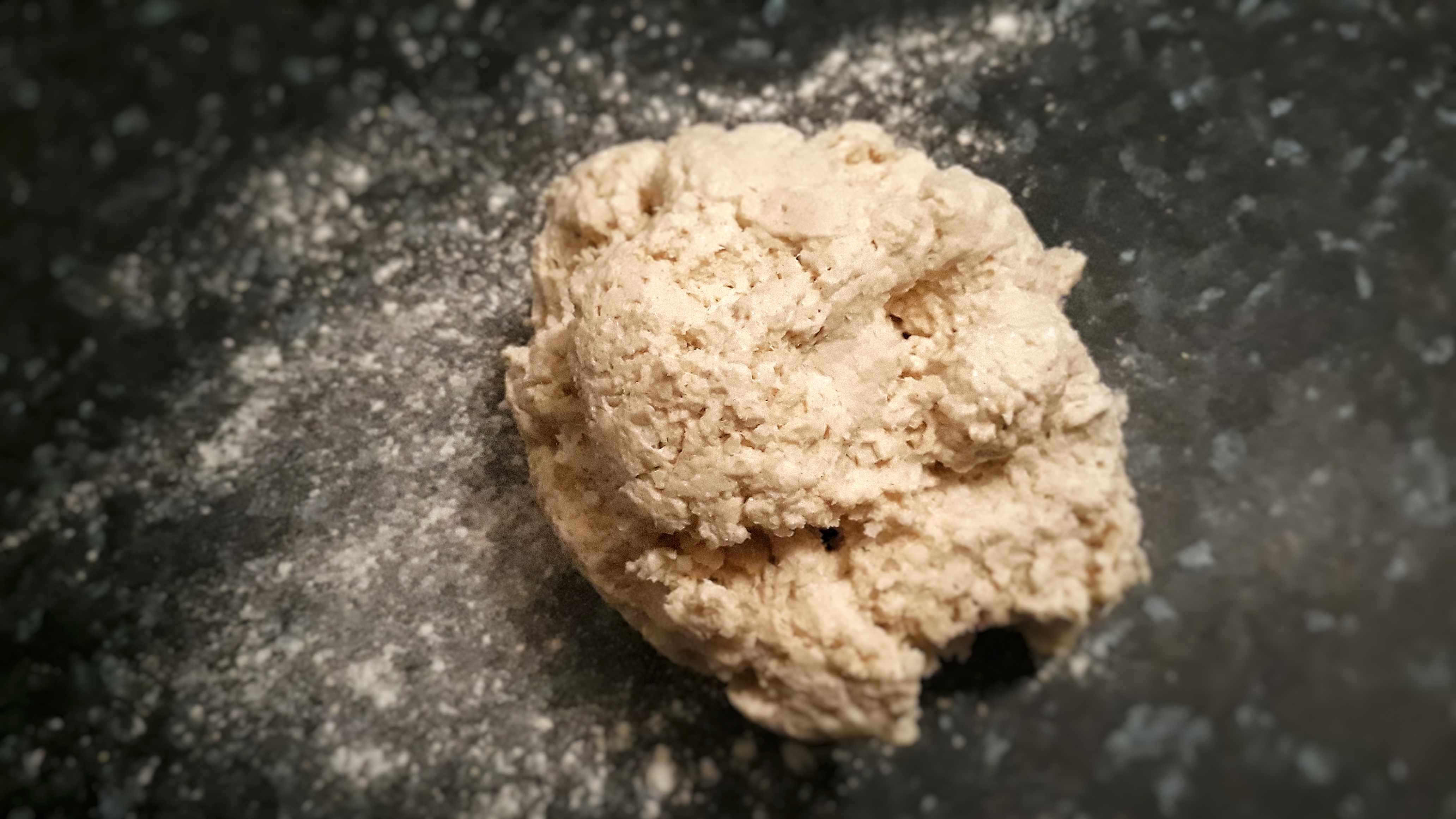
If you add too much liquid add a bit more flour. Now roll out the dough into an oblong as long as your steaming receptacle (I use a large roasting tin with trivet) and spread it with jam.

Make sure you leave a space of a centimetre at each side and a space of 2 cm along the top length of the rolled out pastry.

Moisten the edges all the way round with a little water and fold over the first part of the dough.
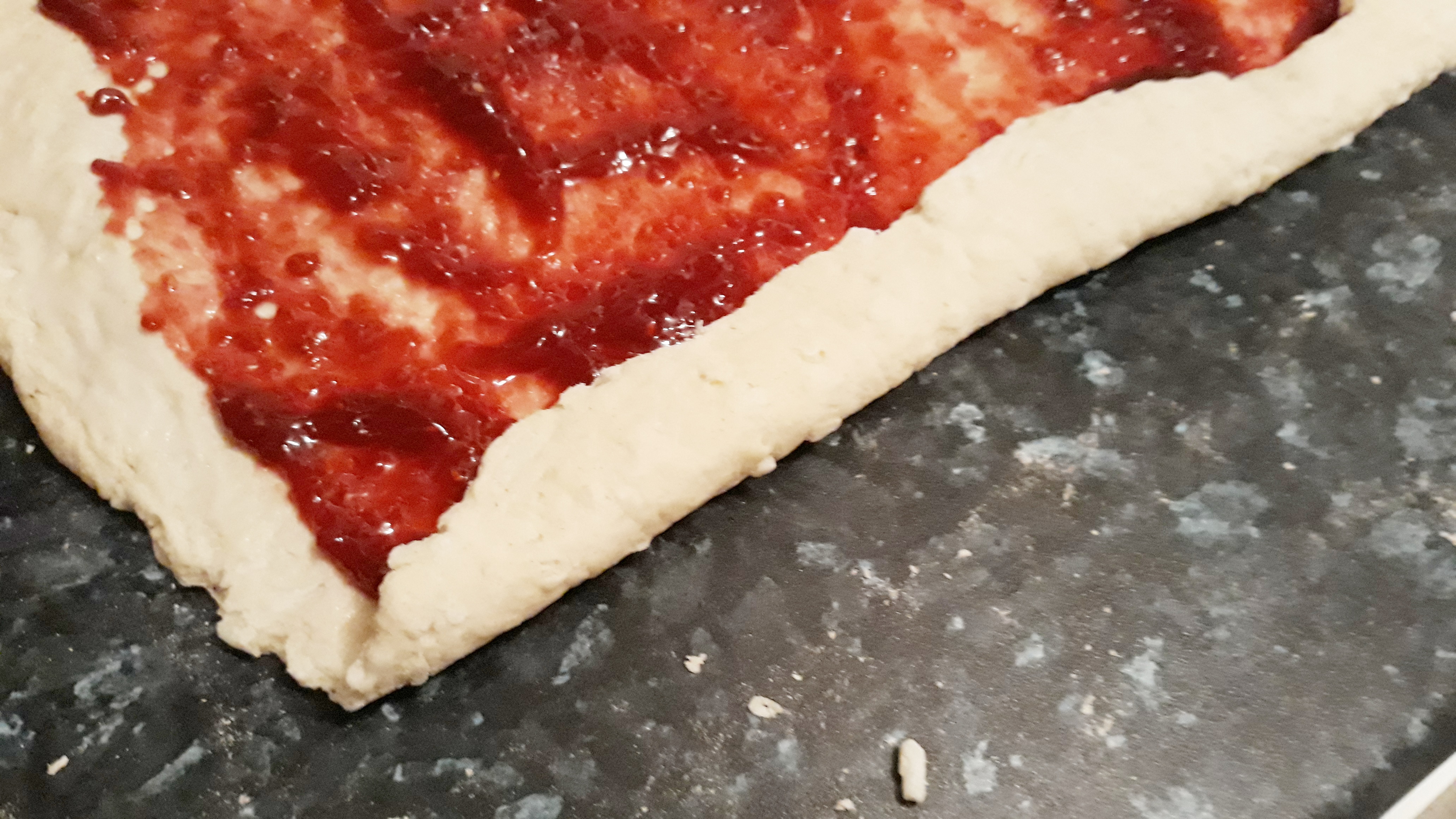
Carefully roll it up, making sure that the jam doesn’t get pushed to the edge, spilling out. Fold the ends under to prevent the jam from escaping.
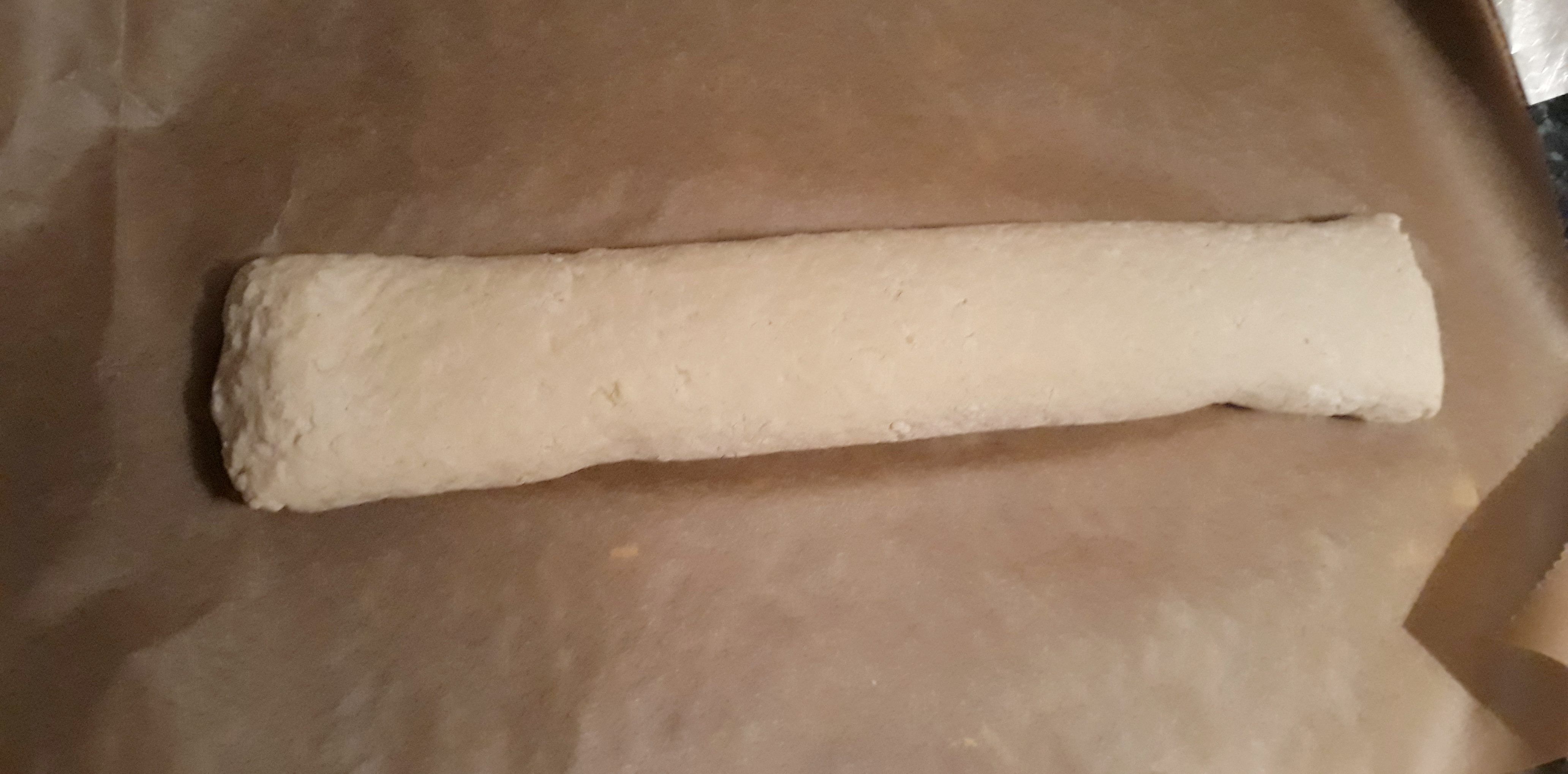
Sit the rolled pudding on some greaseproof paper and fold the edge up in a pleat, tucking the edges under, making sure there is room for the pudding to expand.

Next, sit that on some foil, and again secure by folding a pleat and scrunching the edges.
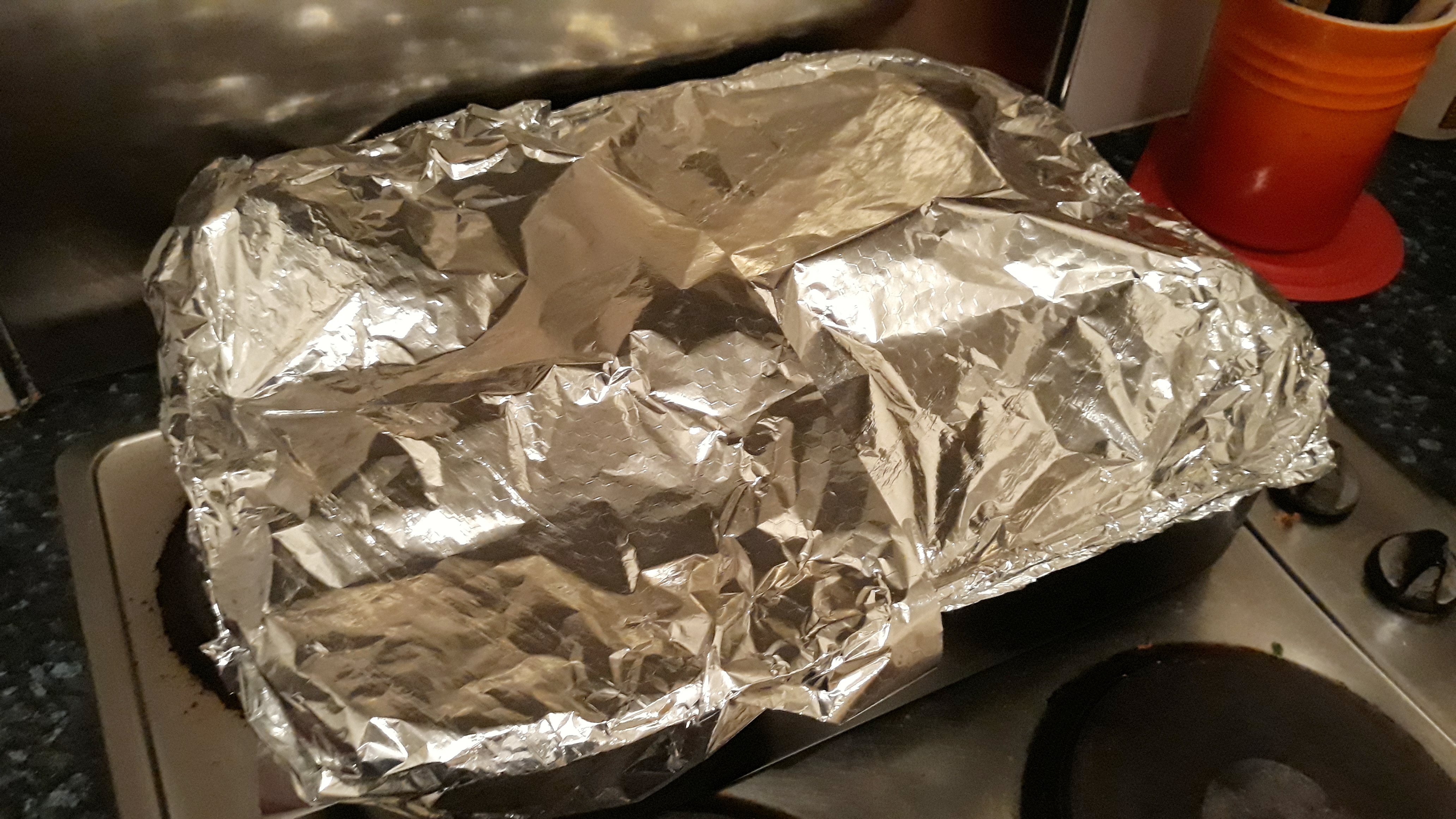
Place the pudding on a trivet in a roasting tin. Cover the whole thing with foil, making it nice and tight around the edges – you don’t want steam (and therefore heat) to escape. Leave one corner unsecured so you can pour a kettle of hot water inside, then secure the final edge. Place over one or two hobs and get the water up to a good boil. After around 20 minutes, turn the heat down to medium-low and leave the pudding to steam for 90 minutes.

When the time is up CAREFULLY remove the foil – don’t get yourself a steam burn at this point! Remove the pudding and let it stand for 5 or 10 minutes before you unwrap, slice and serve it.
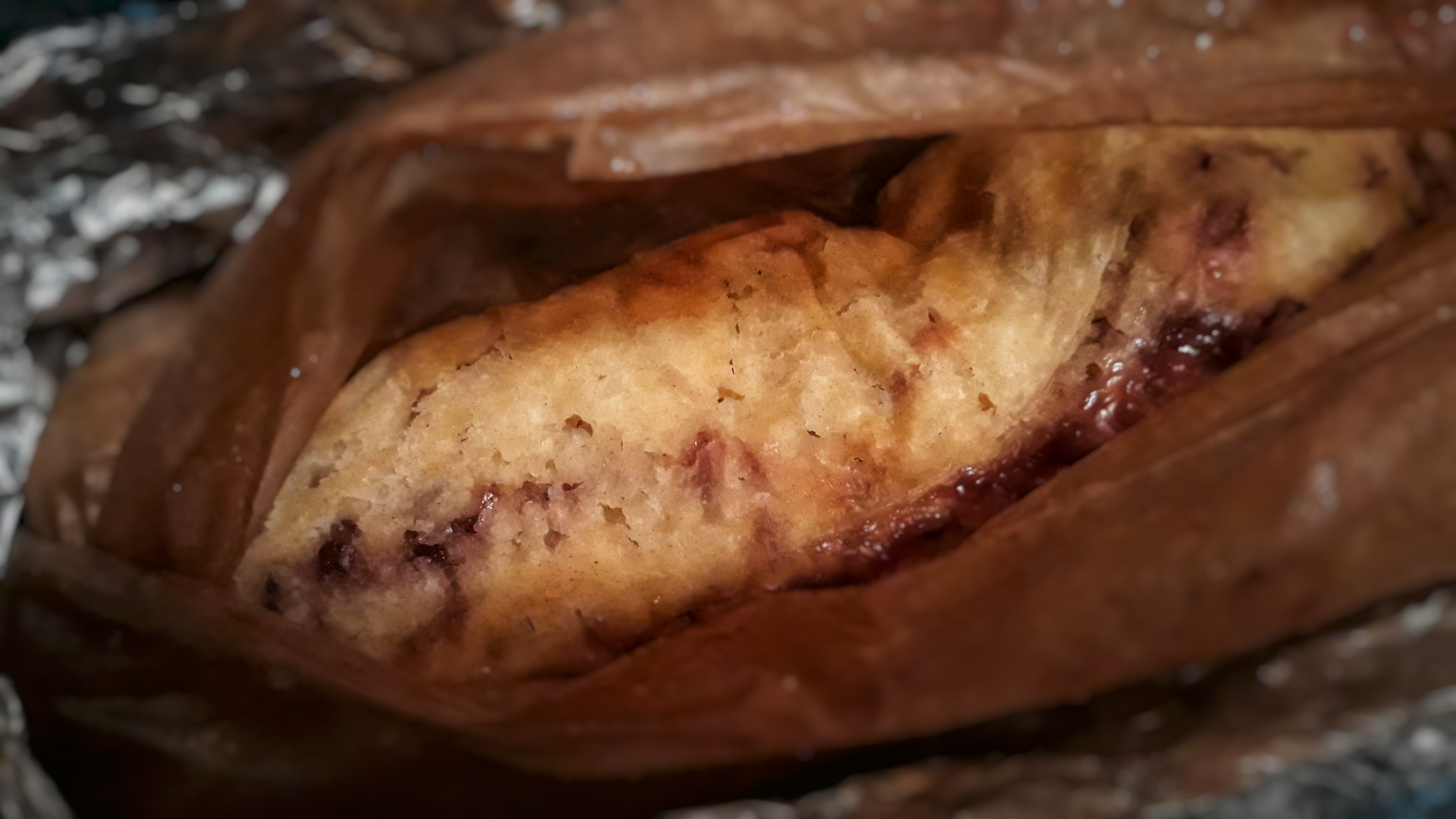
If you like, especially if the pudding hasn’t browned very much in the steaming process, just before the end of the cooking time, preheat the oven to 200⁰C (400⁰F). Take the roly poly out of its little tin prison, place on a baking tray and pop it in the oven for 10 minutes to crisp up.

Serve hot with custard poured over it.
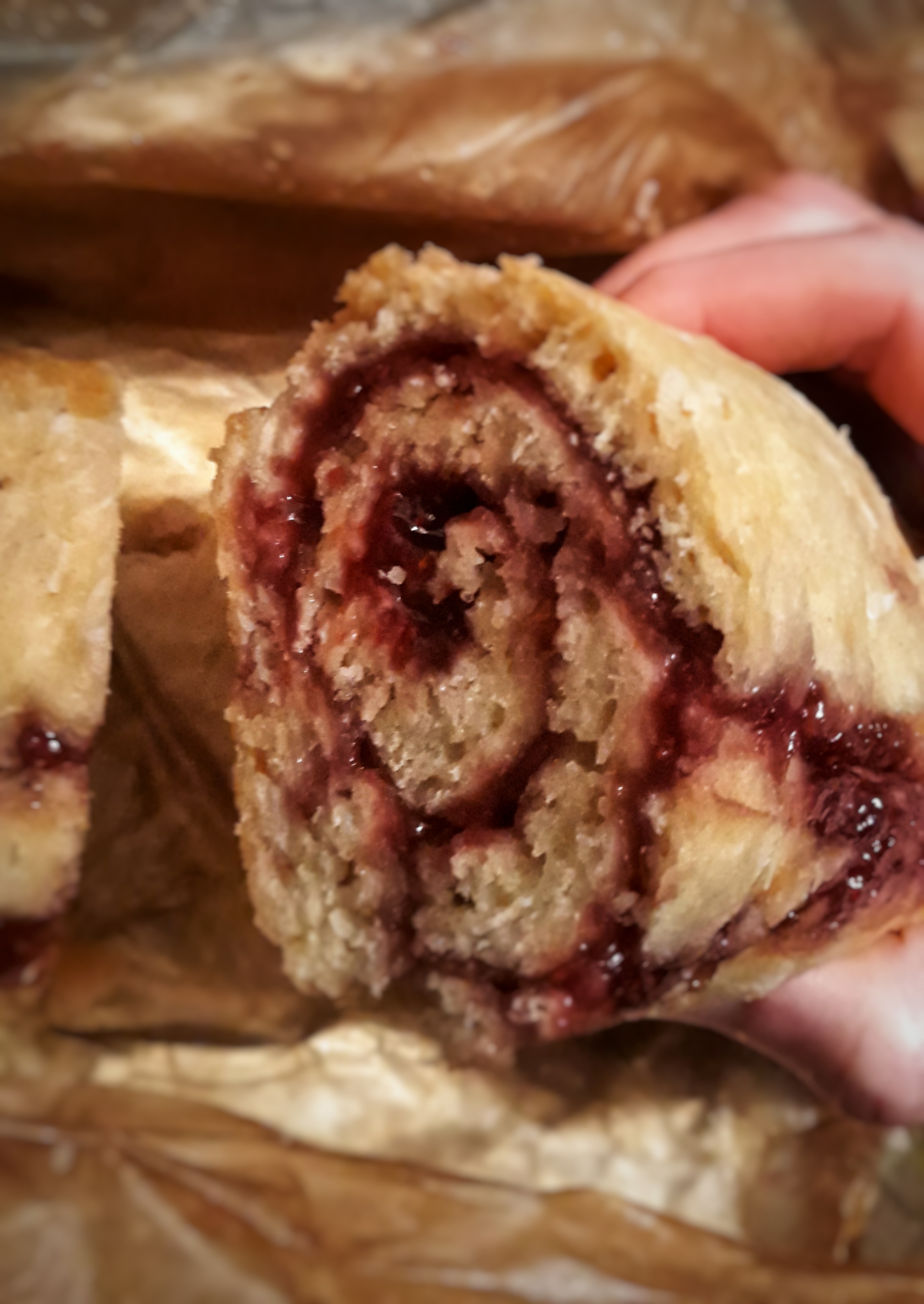
Hey Presto!

25 Comments

Filed under food, history, Nineteenth Century, Puddings, Recipes, The Victorians

What is a pudding?

If you are British and trying to explain the word to a non-Brit the answer is surprisingly difficult. In America, it is a simple answer: a dessert. We all use pudding to mean dessert or afters, but then there are types of dessert that are true puddings. The true puddings are those that are boiled or steamed. Christmas puddings, suet puddings and sponge puddings fit into this category. In fact, anything boiled or steamed in a basin, cloth or handy piece of intestinal tract is a pudding: black pudding, white pudding, steak & kidney pudding, pease pudding and haggis are the ones that immediately spring to mind. So far, so good. However, there is the odd miscellaneous pudding: Yorkshire puddings aren’t boiled, they are baked beneath the roast beef in the oven.

‘Mixing the Pudding’

So, a pudding is any dessert, or the name for the dessert course. Aside from the proper puddings mentioned above, there are some that go under a false name: bread and butter pudding, sticky toffee pudding and Eve’s pudding are examples of this. Why are these puddings and, say, an apple pie not called an apple pie pudding?

I only realised just how complicated a question ‘What is a pudding?’ is when talking about food with my American friends. All these diverse puddings (whether by my own classification true ones or not) must have some common ancestor. What was the first pudding? To answer this question I needed to hit the historical cookbooks.

I had mentioned in a previous post on the subject of dumplings a little while back that the pudding is a descendant of the dumpling. This was the claim made in 1726 by Thomas Gordon and Henry Carey. They said that dumplings became larger and larger that they had to tied up in a cloth, thus creating the pudding. However, I am not too sure about this claim. Elizabeth Raffald gives plenty of recipes for dumplings in her book from 1769 that are large and therefore require a cloth, but she calls them dumplings (a recipe for sparrow dumplings is in this post). Was the word pudding around a long time before this?

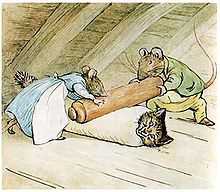
Mr Samuel Whiskers  and Anna-Marie stitch Tom Kitten up a treat in

The Roly-Poly by Beatrix Potter


If you like the blogs and podcast I produce, please consider treating me to a virtual coffee or pint, or even a £3 monthly subscription: follow this link for more information.


Going back almost 200 years I have found recipes for puddings that take two distinct forms. In The Good Housewife’s Jewel from 1596, Thomas Dalton gives recipes for familiar puddings like black pudding and haggis, but he also gives recipes for puddings that are baked, such as the ‘pudding of a calves chaldron’ or the ‘pudding in a pot’. He also makes reference to making puddings in the bellies of animals such as coney and carp. It is interesting that none of the puddings are desserts, though they do contain many spices such as cloves, mace and ginger as well as dried fruits such as currants, plus sugar. They must have been very expensive to make in the late sixteenth century – to give some perspective in 1596 Elizabeth I was on the throne and the first production of The Merchant of Venice was put on at The Globe theatre. Back in the day there was no such thing as a first course, a second course and so on, at least how we know them; everything was just sent out together. So having sweetly spiced meat puddings would not have seemed strange. We don’t eat food like that anymore, except for the single survivor of this branch of the puddings – the Christmas Pudding.

[See this future post, however, for a correction]

The earliest description of the word pudding I could find is in the Bibliotheca scholastica from 1589. There is no real definition here, but examples of puddings and things associated with them. They all seem to be the kind made by stuffing intestines with various fillings. There are some interesting terms though: there was a pudding only eaten at funerals called a murtatum that was flavoured with myrtle berries, and a pudding-maker was called a silicernium.

In fact the earliest puddings do seem to be essentially sausages, so it seems our friends Messrs Gordon and Carey were probably incorrect. Though they were right about one thing: the pudding is certainly a British invention that was developed from the sausages the Romans brought into the country in the first century BC. The word pudding comes from the Latin word botellus, which means literally sausage; the French word boudin has the same root.

So there you go, a pudding was originally a boiled sausage, but selection throughout time has evolved them radially into a huge range of foods, both sweet and savoury and as far as I know, there isn’t a single one I don’t like. Usually I try to give an exhaustive list of dishes, but the list would probably go on for ever if I use the word pudding in its broad sense; therefore I’m just going to list the kind that I consider the true puddings, i.e. the boiled or steamed ones. Hopefully I’ll provide the histories and recipes for them. Of course, if I have missed any puddings out please let me know. I’m sure there are some glaringly obvious ones that I have forgotten. Okay, here we go:

Those boiled in intestines:

Black pudding

White pudding

Haggis

Those that are steamed in a basin and are savoury:

Steak, kidney and oyster pudding

Minted lamb pudding

Pork and apple pudding

Leek and onion pudding

Mutton, apple and raisin roly-poly

Mussel and leek roly-poly

Pease pudding

Those that are steamed in a basin and are for afters:

Christmas pudding

Jam roly-poly

Spotted Dick

Sussex pond pudding

Steamed sponge pudding

Sticky toffee pudding

48 Comments

Filed under food, history, Puddings

Eton Mess

I did a bit of a dinner party recently for my work chums and for dessert I made an Eton Mess.

I always thought that the Eton Mess was ‘invented’ around the 1920s when, during the annual cricket match at Eton College, a rather giddy labrador sat upon the picnic basket containing the strawberry pavlova, squashing it. The plum-mouthed boys didn’t care a single jot that their dessert had been essentially ruined (and probably covered in dog hair) and ate the thing anyway, preferring it to the pavlova. And so the Eton Mess was born and served up as a summertime pudding ever after.

It turns out this story is total nonsense, and was just invented by the cook during the 1930s. I didn’t even have the decade right.

Eton College school yard and chapel

Although  I know the Mess as a delicious mixture of strawberries, broken meringue and cream, it was also made with bananas too.

Here’s my recipe for Eton Mess, hopefully the Eton Old Boy and chef, Hugh Fearnley-Whittingstall would approve of this recipe. Although he says that they didn’t serve it during his time at the college. Ah well, you can’t have everything.


If you like the blogs and podcast I produce, please consider treating me to a virtual coffee or pint, or even a £3 monthly subscription: follow this link for more information.


This pudding was for 10 people, so you can adjust the quantities accordingly if you want to make it for fewer folk. Or just make loads and eat it all to yourself like the fat little piggy you are!

Ingredients:

4 egg whites

10 oz of caster sugar

pinch of salt

2 lbs of strawberries, hulled and chopped

1 tbs of vanilla sugar

2 pints of double (heavy) cream

strawberry jam

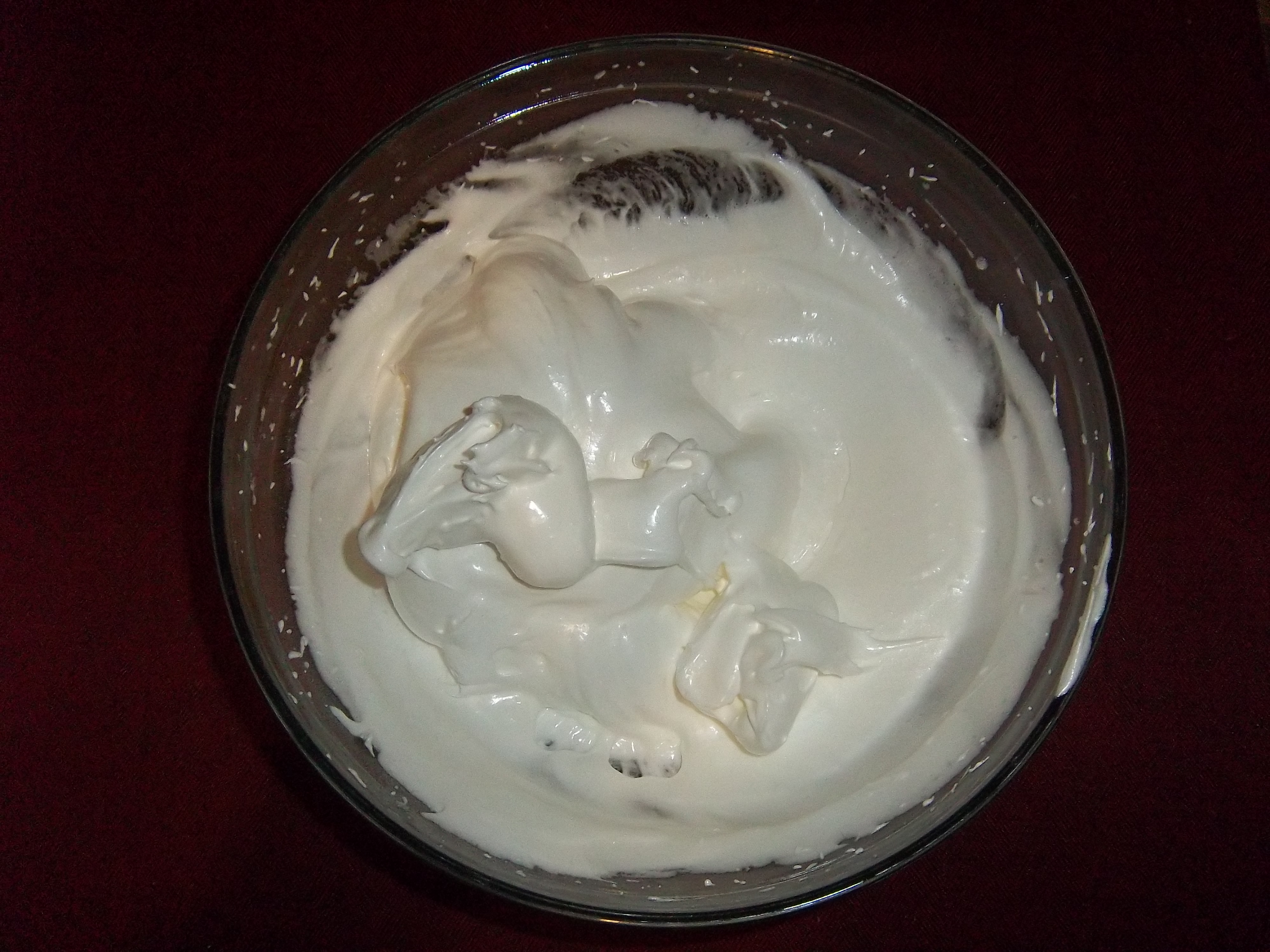
First off all you need to make your meringues – you can of course buy some, but they are quite easy to make. Start by whisking the egg whites with the salt until frothy, then add the sugar bit-by-bit with you electric mixer on a medium setting. The mixture will become very thick and glossy-looking.

Preheat the oven to 100°C (200°F). Line some baking trays with some lightly-oiled wax paper and spoon the mixture onto it to make nests. Use a serving spoon so that each nest is the same size and use the back of the spoon to make the nest shape.

I like to do them this way, as they look nice and home-made. However, if you are handy with a piping bag, then pipe out the mixture. Place trays in the oven and keep the door slightly ajar using the handle of a wooden spoon. The nests need to stay in the oven for around 3 1/2 hours so that they harden. Don’t worry if you leave them in longer, as they can’t really burn at this low temperature.

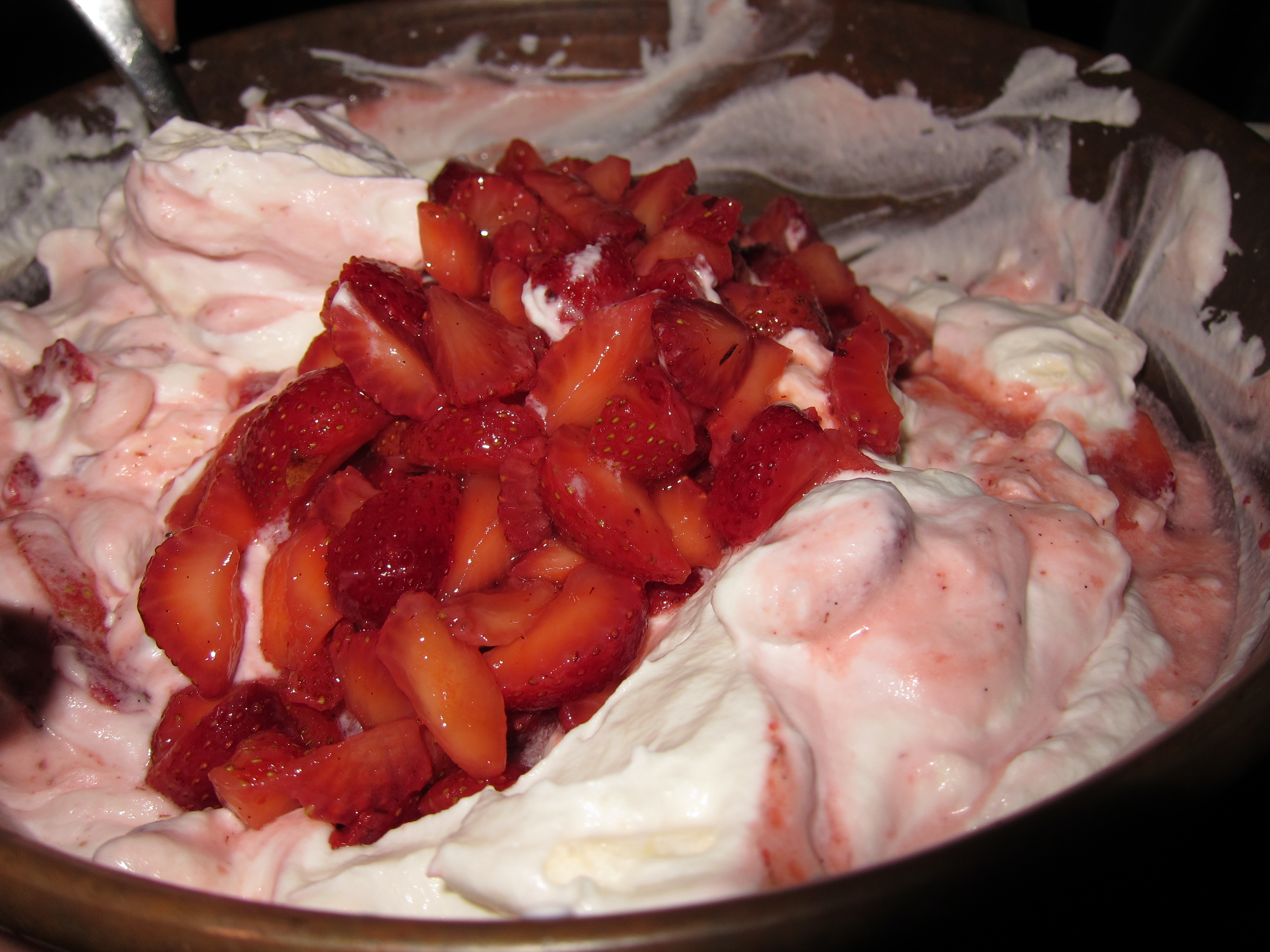
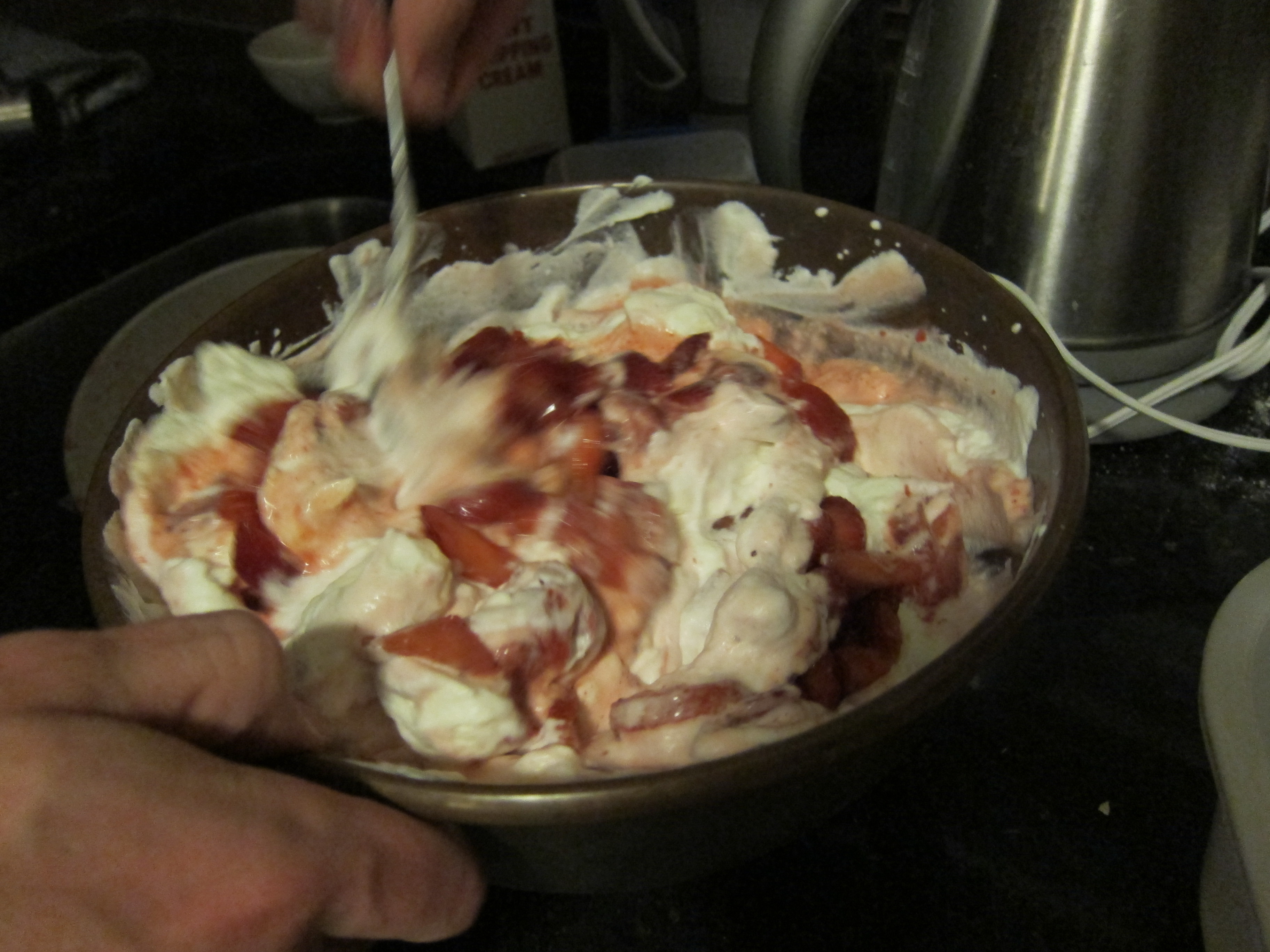
Next, place the strawberries in a bowl with the vanilla sugar (see here and here for two recipes if you want to make your own) and allow them to macerate together at room temperature for at least twenty minutes. Now whip the cream until it forms soft peaks. Now all that needs to be done is create the mess. Crush the meringue nests and stir them into the cream. Fold in the strawberries and their juice.

Lastly, stir through some strawberry jam or a further sweet strawberry hit. Pile into bowls and serve straight away before the meringue gets the chance to go soggy.

18 Comments

Filed under food, history, Puddings, Recipes, Twentieth Century