Blood Ice Cream

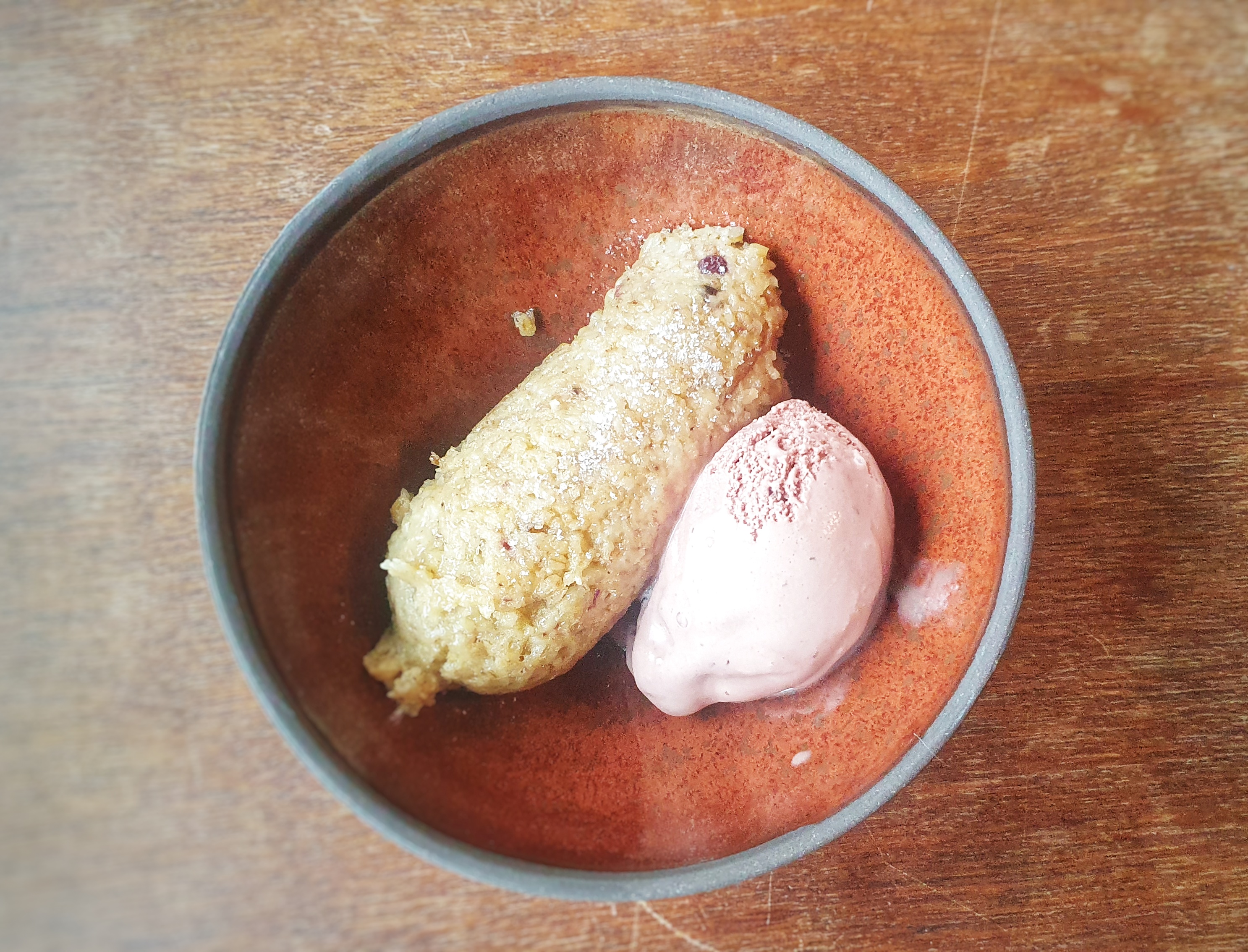
Blood ice cream and white pudding

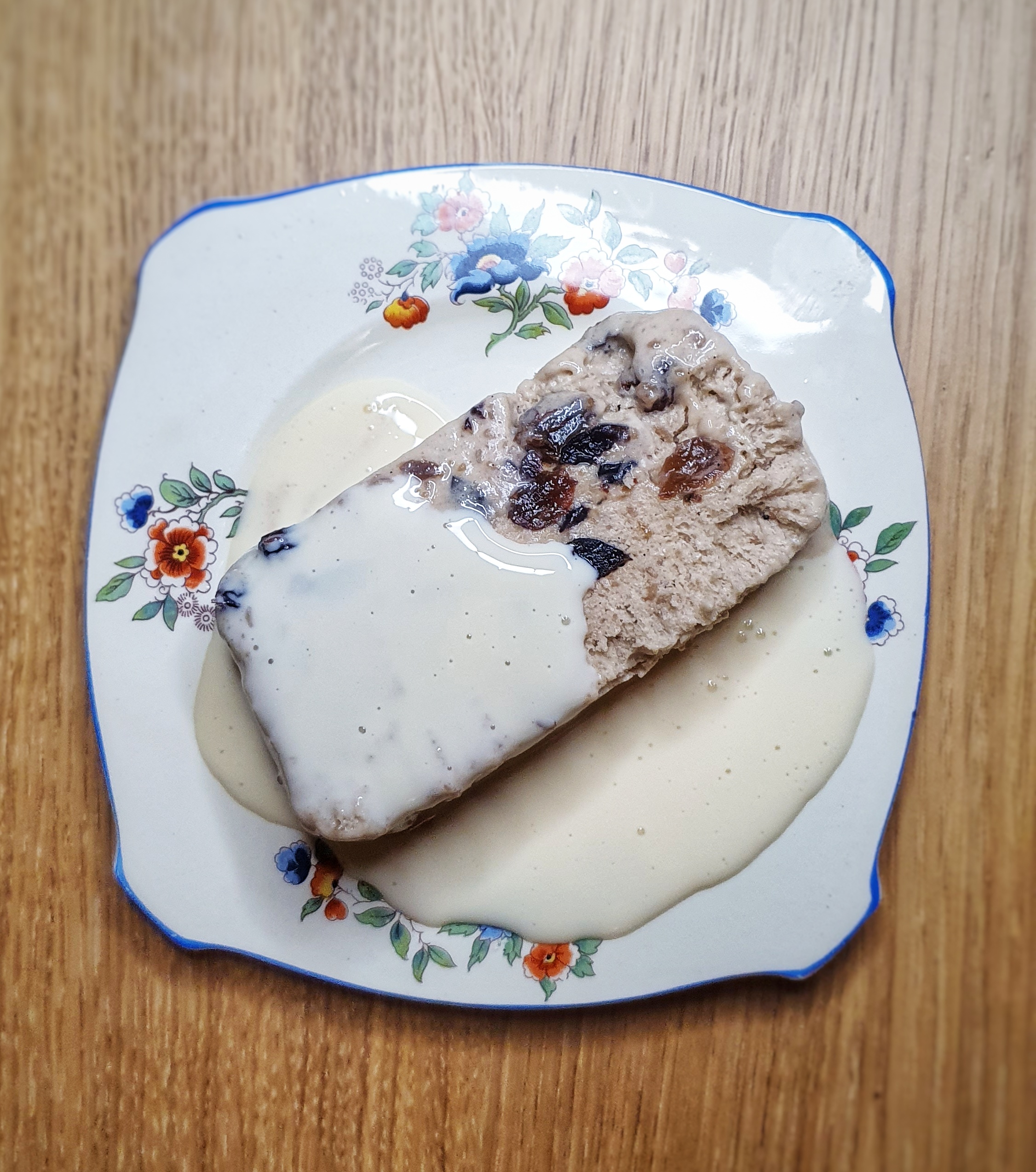
Earlier in the year, the fantastic Fruitpig (sponsors of the ninth season of the podcast) very kindly sent me some fresh pig’s blood so that I could try my hand at making some early modern black puddings, inspired by the recipes of Robert May, Kenelm Digby and Thomas Dawson. I made two versions: a savoury one and another sweetened with sugar and currants – both turned out to be delicious.

Listen to the episode of the podcast with Matthew and Grant aka Fruitpig!

A few years ago I read (I forget where) that blood thickens upon heating just like egg yolks, and I had an idea in the back of my mind that blood ice cream might be possible to make, knowing already that the black puddings of the early modern period were often sweet.

Please that the sweet black puddings tasted good, I set about to see if I could find any British examples of blood ice cream or, at least, something similar. I couldn’t find anything. However, I did discover in the pages of Jennifer McLagan’s excellent offal cookbook Odd Bits, a blood and chocolate ice cream recipe, adapted from an Italian set dessert called sanguinaccio alla Neapolitana: little pots of set chocolate custard, thickened with blood instead of egg yolks.

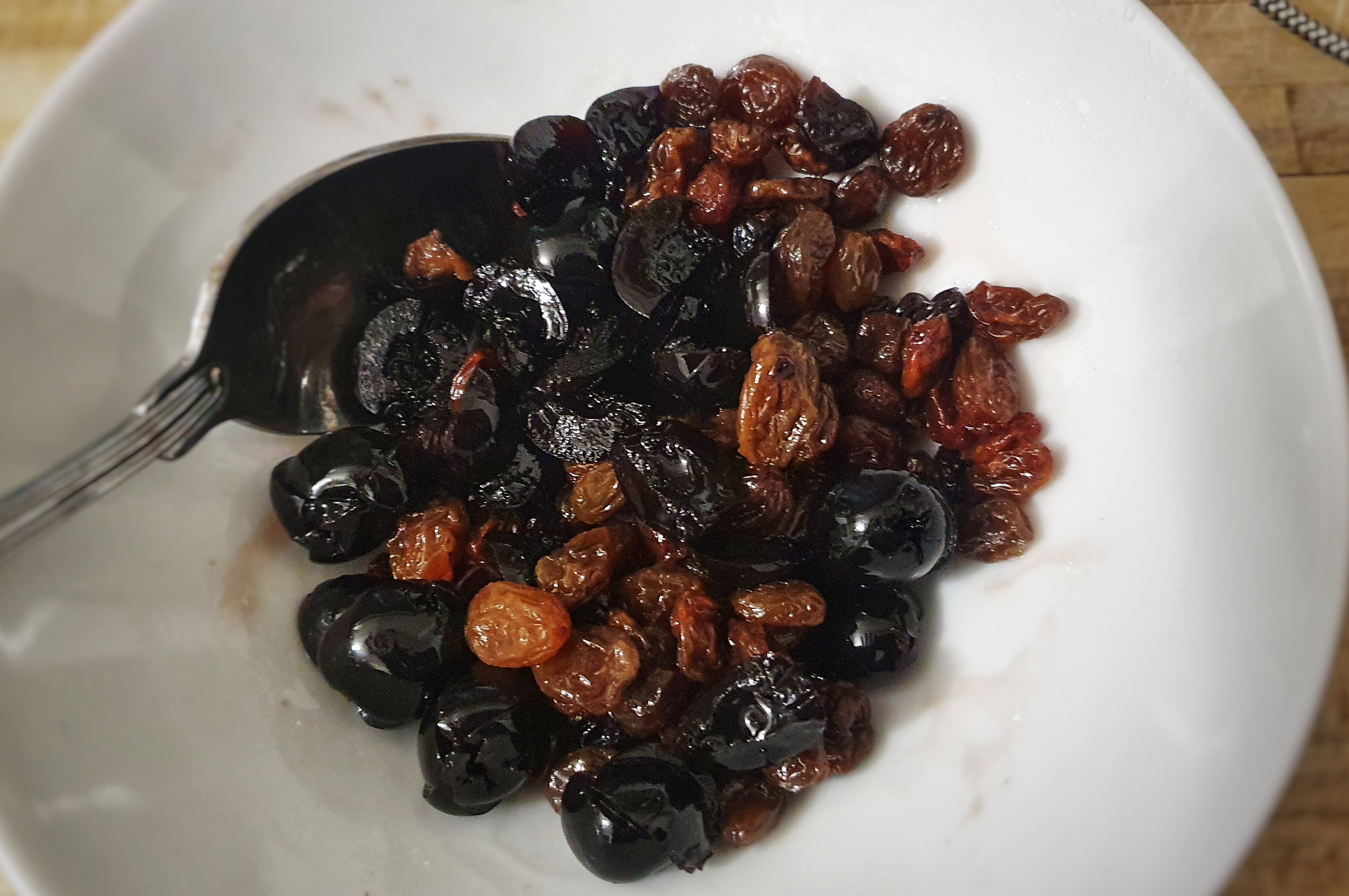
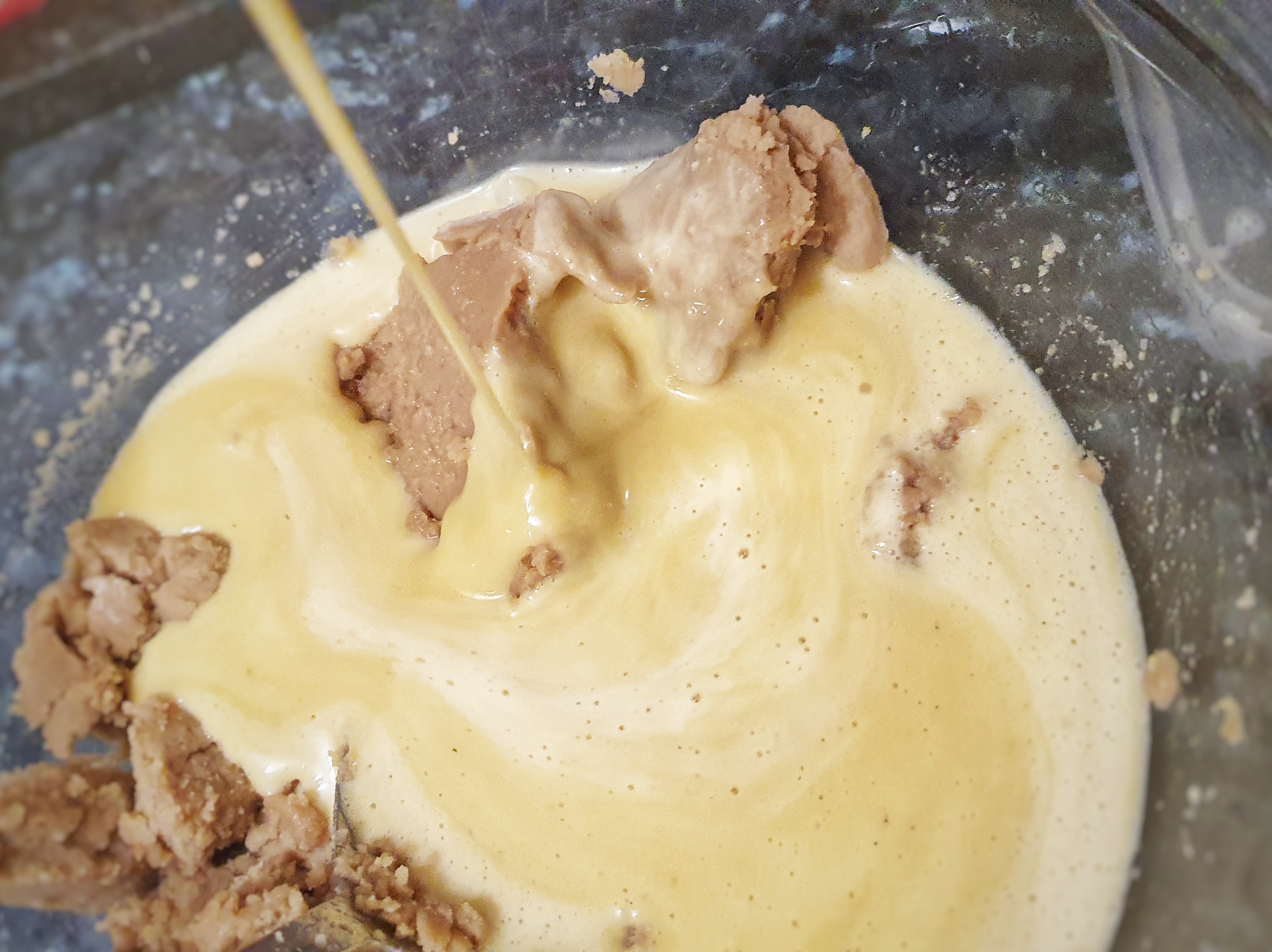
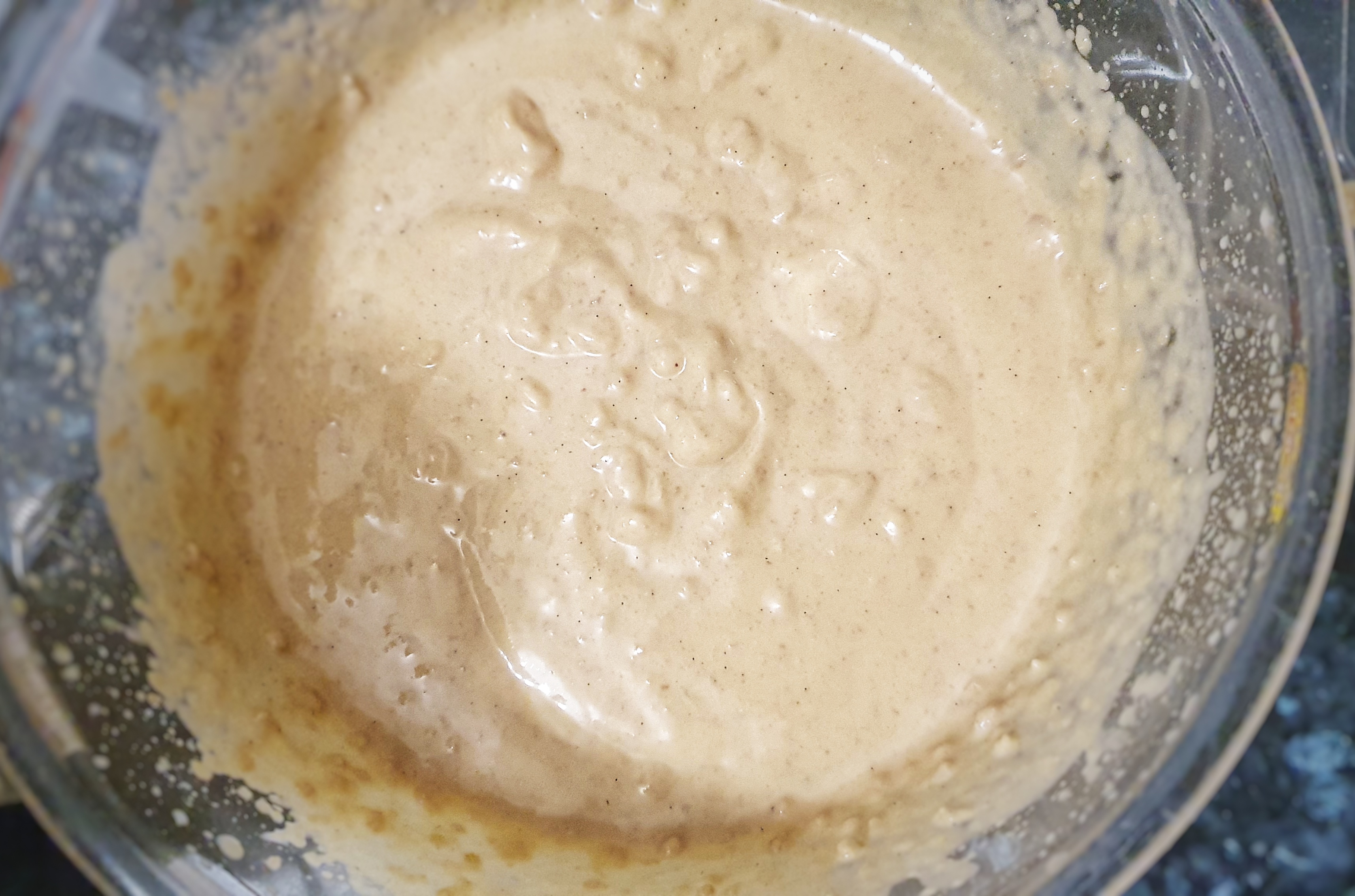
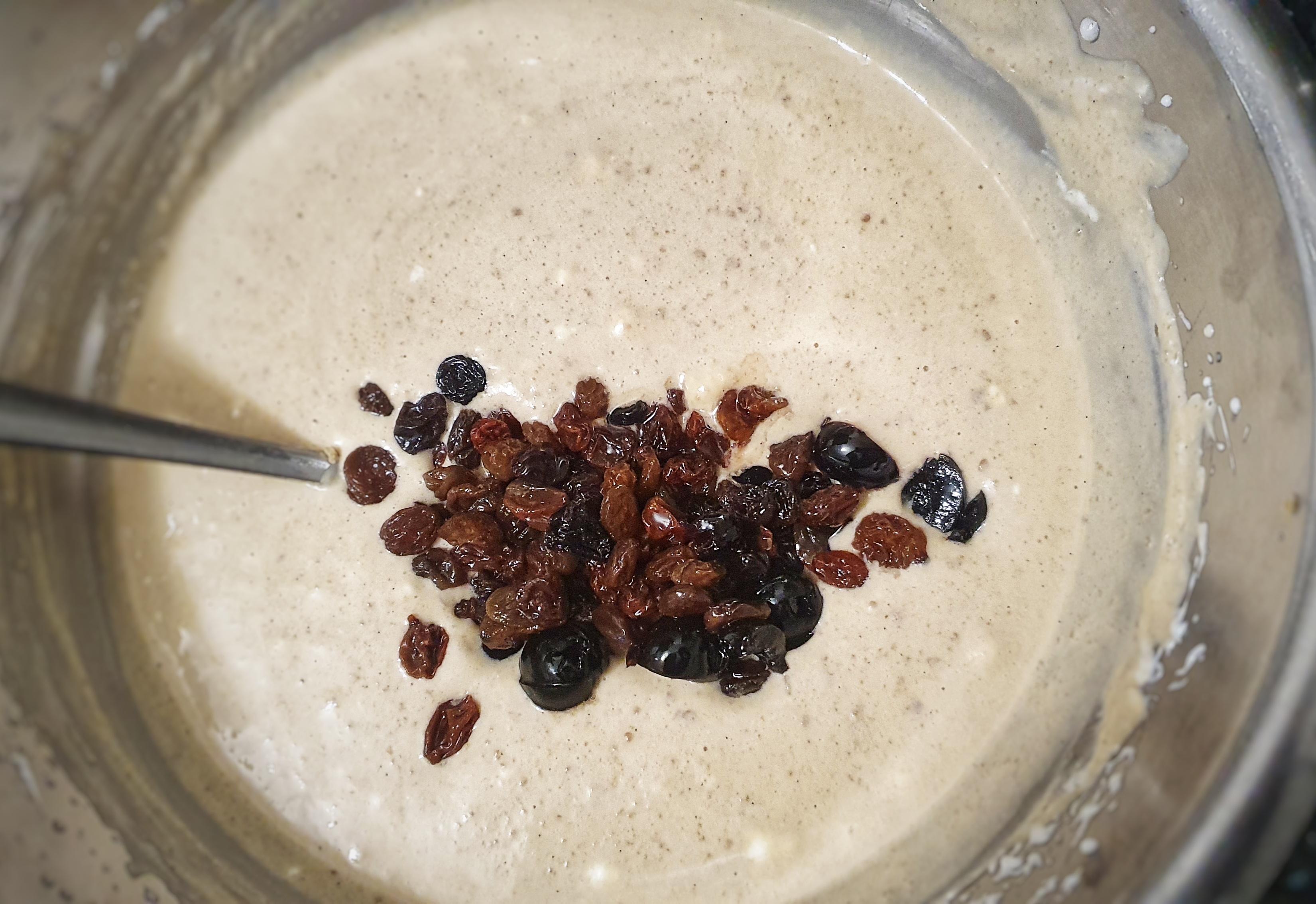
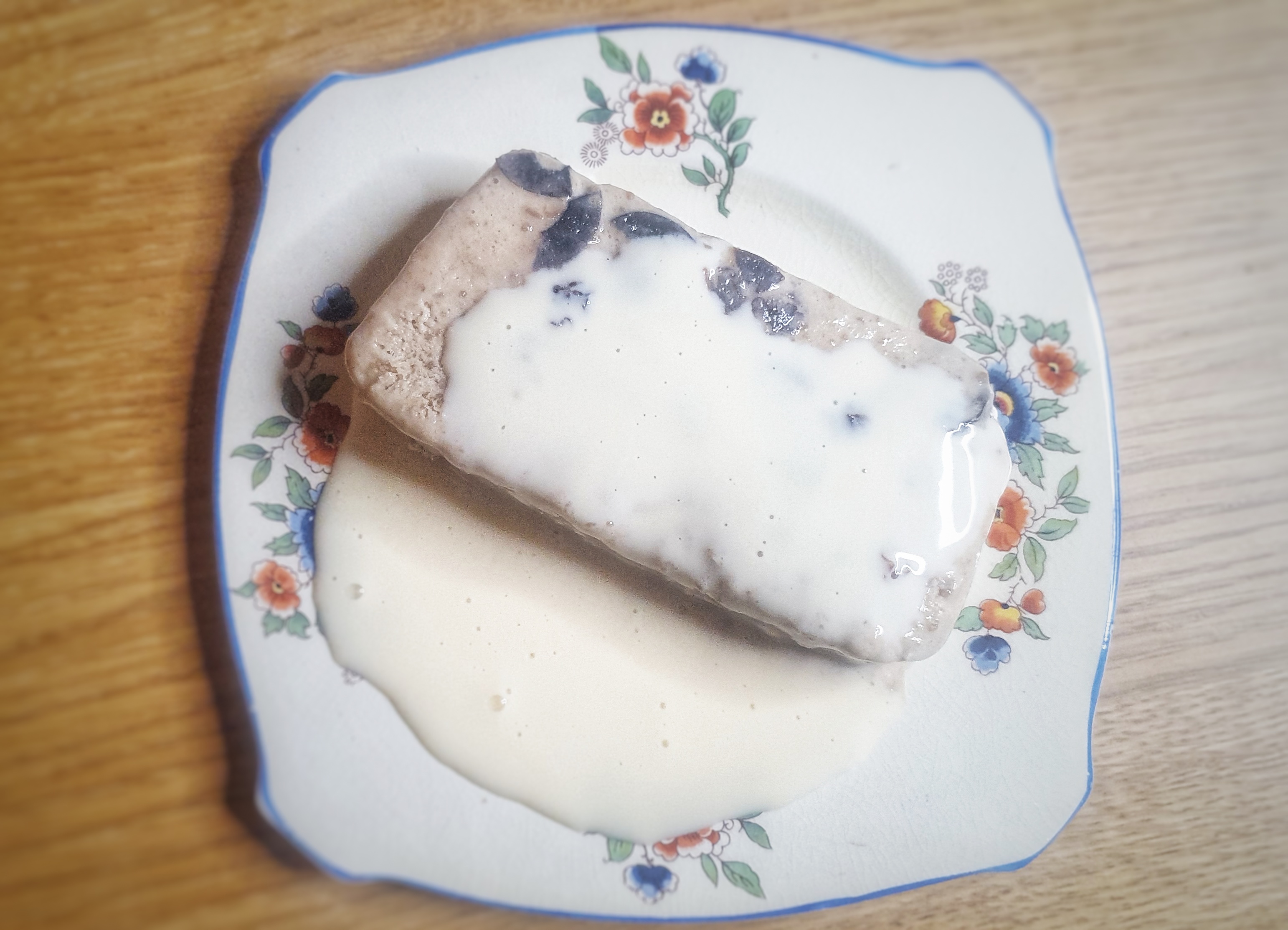
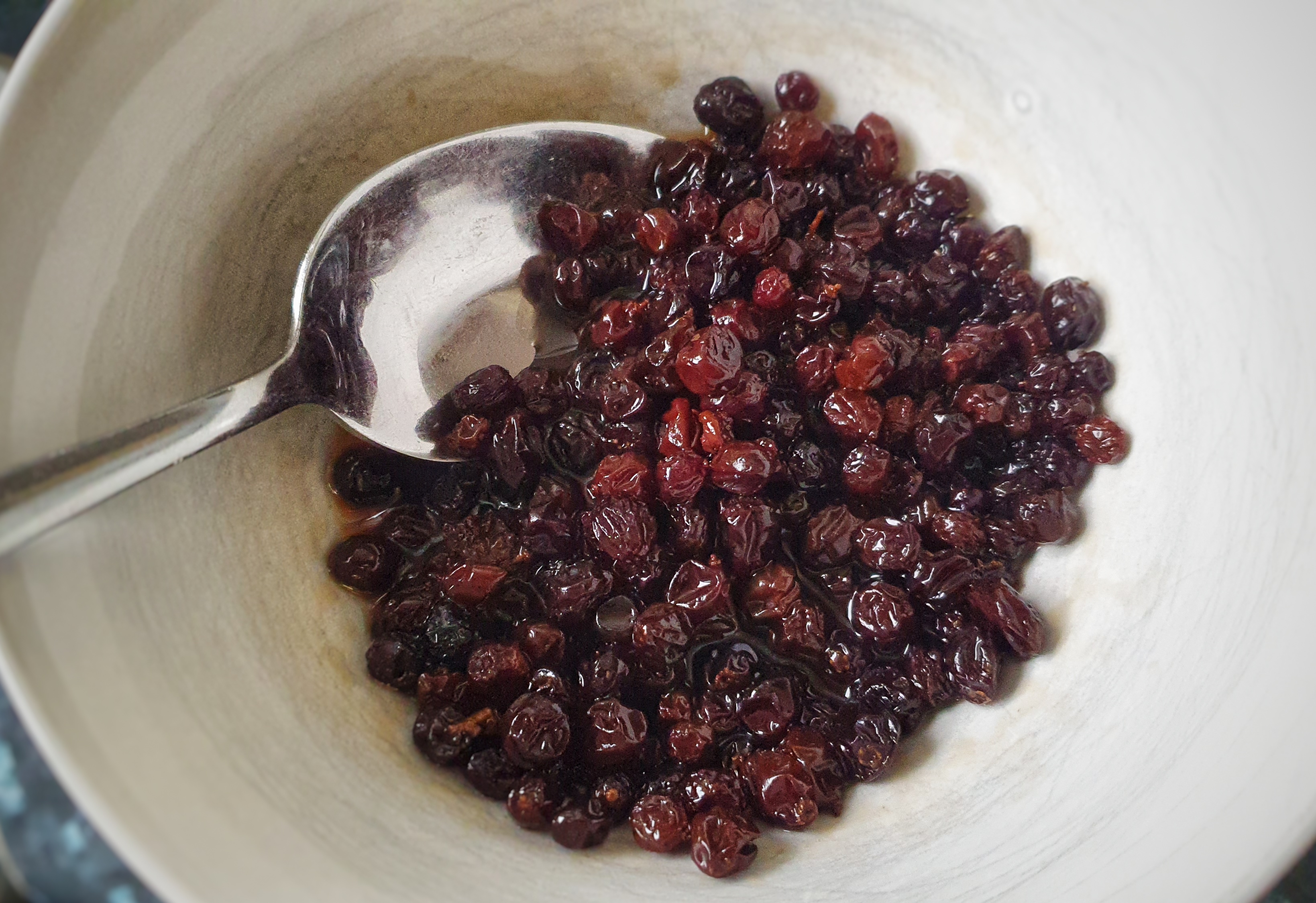
Encouraged by the fact I knew it could be done, I went about adapting my black pudding recipe into an ice cream. I have a good, basic vanilla ice cream recipe that I’ve been using for years, which in turn is based on my custard recipe, and all I did was swap out the eight egg yolks for 200 ml of pig’s blood. Not convinced that the blood would thicken things sufficiently, I popped in two egg yolks for good measure. The milk and cream were flavoured not with a vanilla pod, but the same aromatics as the black pudding: pepper, cloves, mace and dried mixed herbs. I really wanted to include the currants, but knowing they would freeze hard into bullets, I thought an overnight soak in some sherry would work well –  not unlike modern rum and raisin ice cream. I chose sherry because it’s the closest thing we have to sack, the popular fortified wine of the early modern period, and a common addition to recipes.

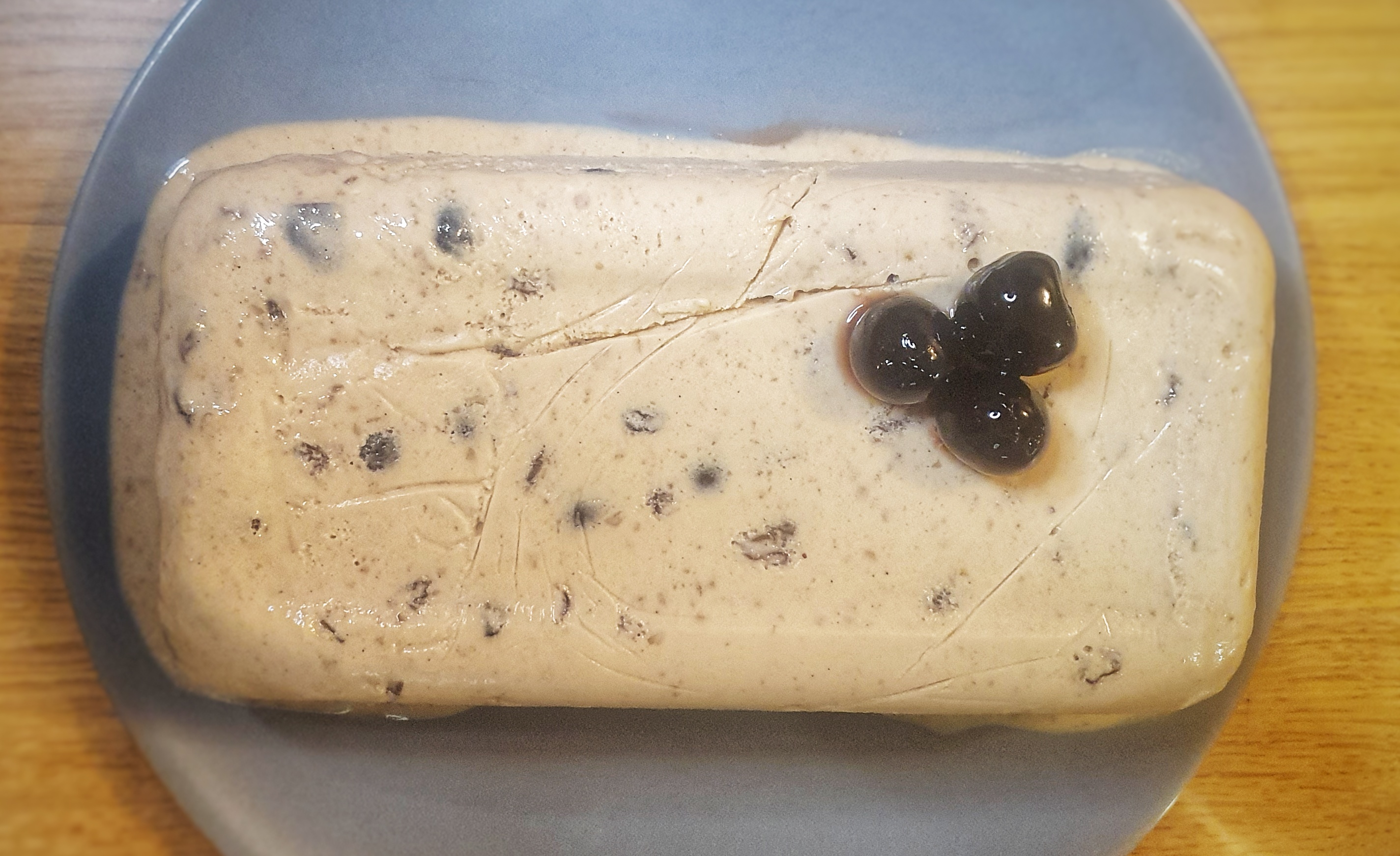
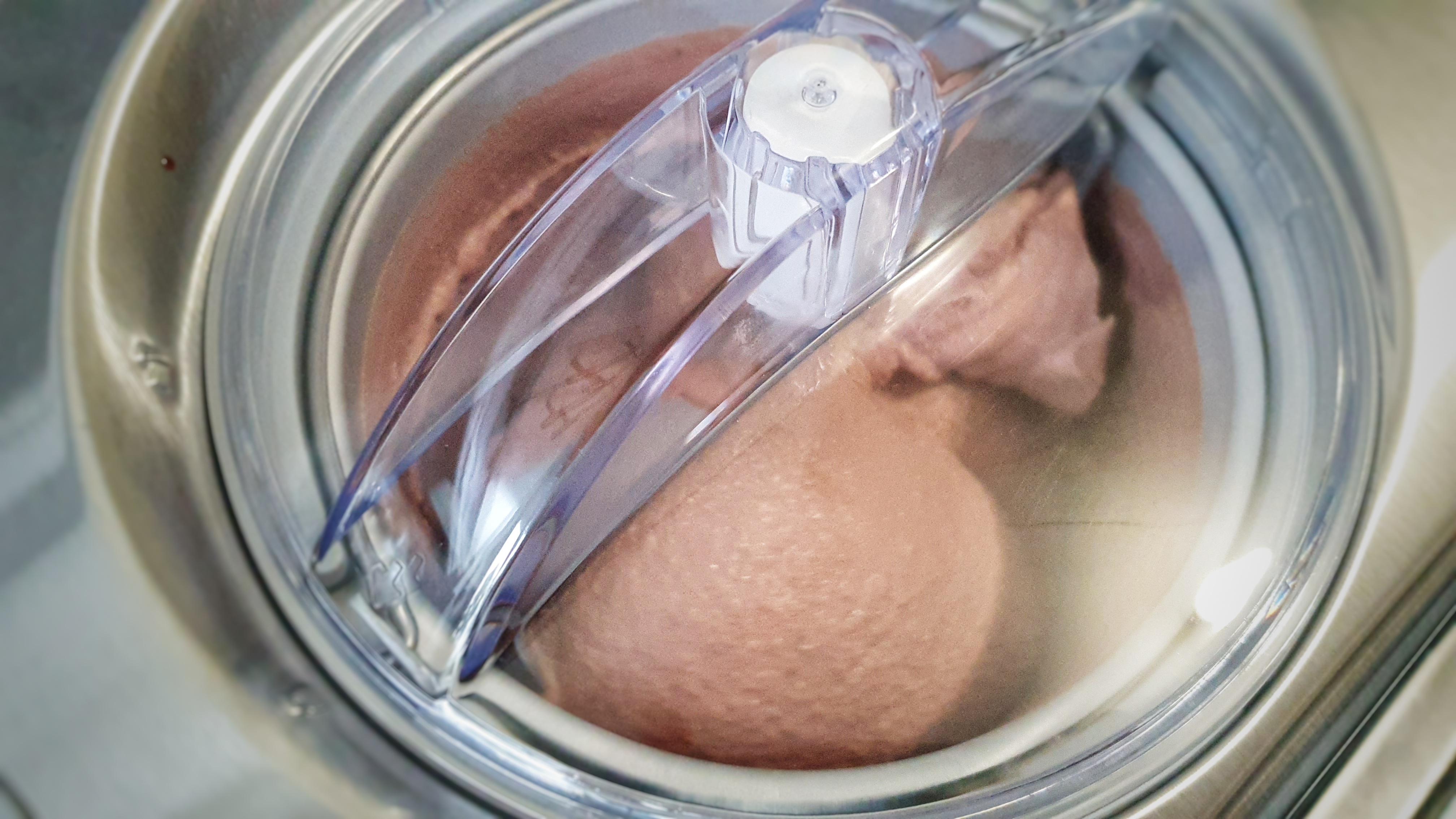
Well, I am very pleased to say that it was a great success. It was the richest ice cream I have ever eaten: luxurious, aromatic and with a very slight metallic tang. I ate a scoop with one of my early modern white puddings. What a combination!


If you like the blogs and podcast I produce, please consider treating me to a virtual coffee or pint, or even a £3 monthly subscription: follow this link for more information.


Ingredients

300 ml milk

300 ml cream seeds

½ tsp bl peppercorns

1 tsp fennel

½ tsp cloves

2 blades of mace

1 tsp dried mixed herbs

200 ml fresh blood

2 egg yolks

160 g sugar

50 g currants

a few tablespoons of sweet or medium sherry overnight

Method

Pour the milk and cream into a saucepan. Crack the peppercorns and bruise the remaining spices in a pestle and mortar, and add to the milk and cream along with the dried herbs. Mix well, making sure everything has been submerged, and warm the mixture over a medium-low heat and bring everything to scalding point – i.e. just before the milk and cream boil.

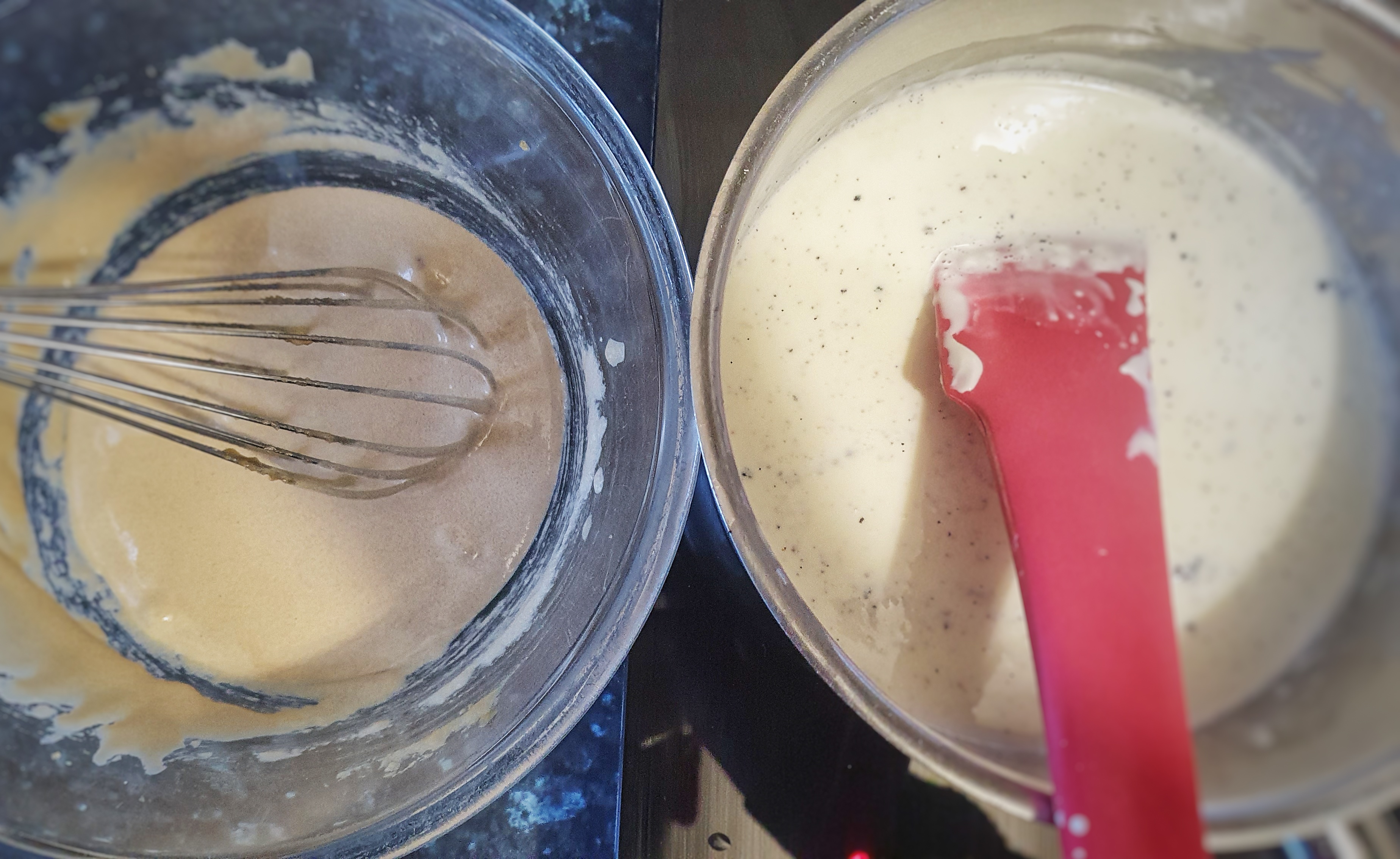
Meanwhile, add the blood, egg yolks and sugar to a mixing bowl and whisk together well.

When the mix and cream mixture reaches scalding point, remove the pan from the heat and whisk in around a quarter of it into the blood mixture. When everything is incorporated, beat in the rest of the cream mixture, and pour the whole thing back into the saucepan.

Now keep whisking or stirring until the temperature reaches 80°C – you can tell this temperature is reached because the mixture thickens noticeably and coats the back of a spoon (check with a difital thermometer, if unsure). Take off the heat and pass the whole thing through a sieve into a clean bowl or tub. Leave to cool and refrigerate overnight. Soak the currants in sherry and leave those to macerate overnight too.

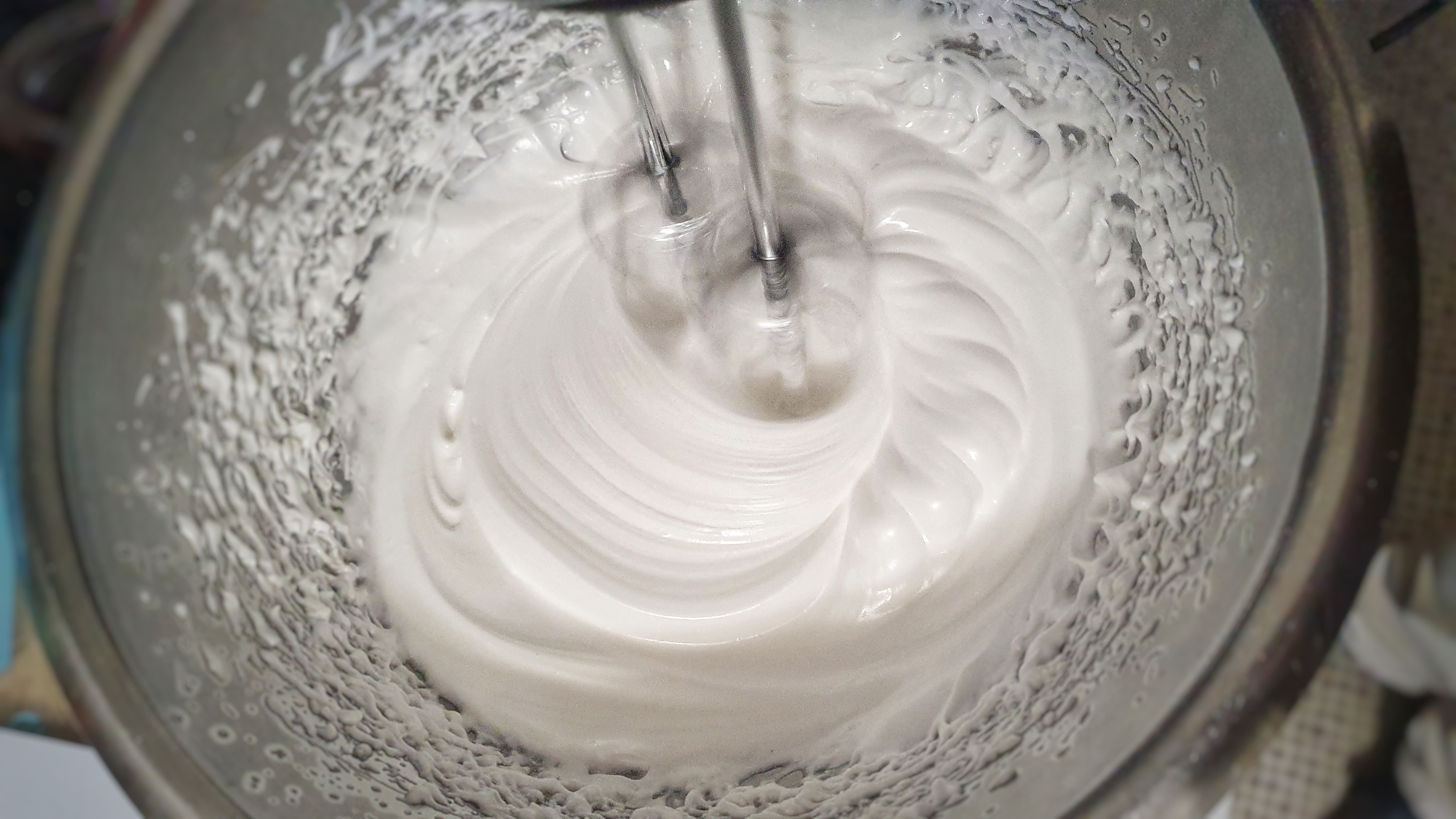
Next day, churn the mixture in an ice cream machine until a very thick soft-scoop consistency. As you wait, strain the currants (keep the sherry and drink it!). When the ice cream is almost ready, add the currants.

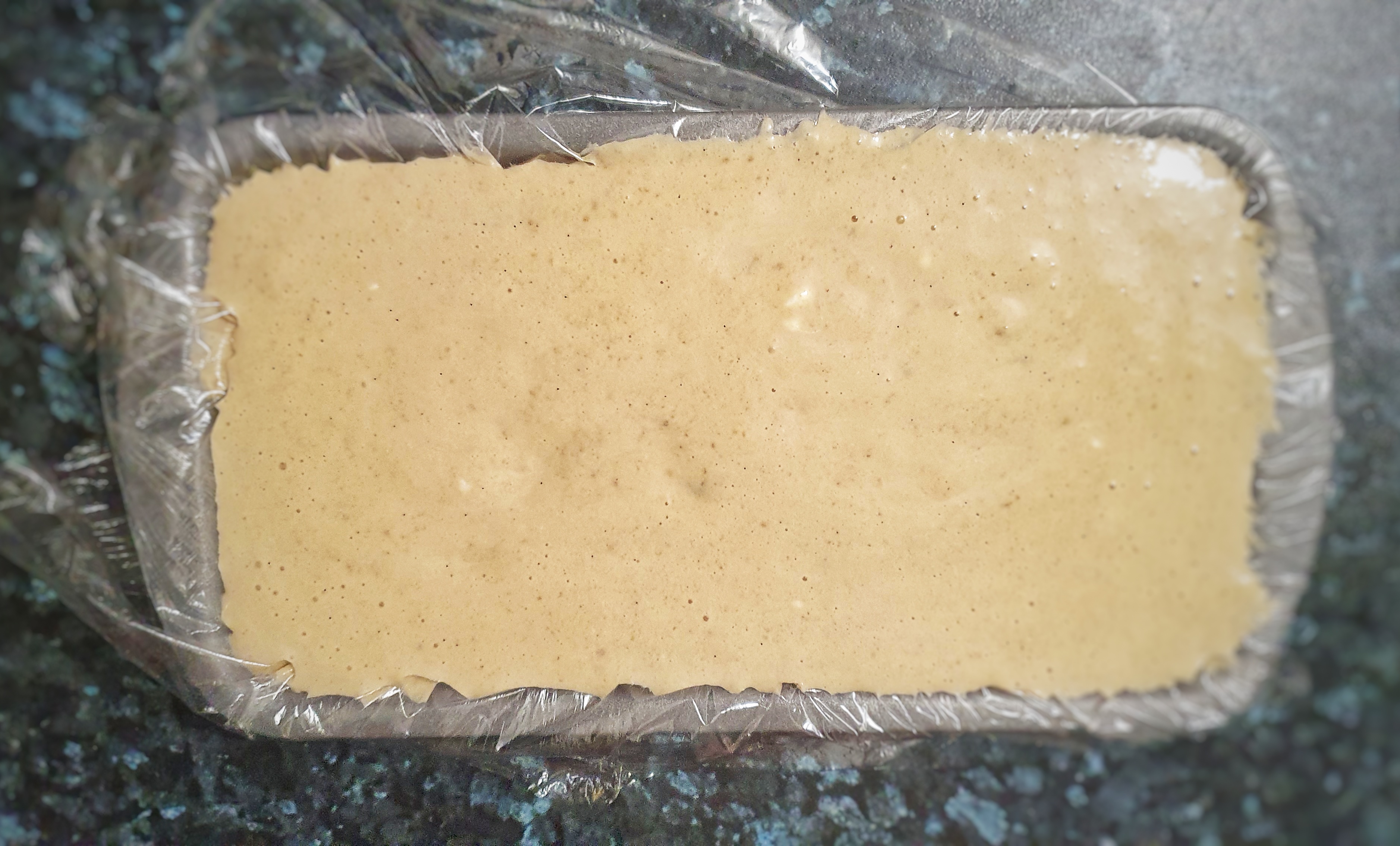
Pour the mixture into tubs and store in the freezer. Eaten within 3 months.

7 Comments

Filed under cooking, Desserts, food, General, Recipes, Uncategorized

Shakespearean Food & Drink with Sam Bilton

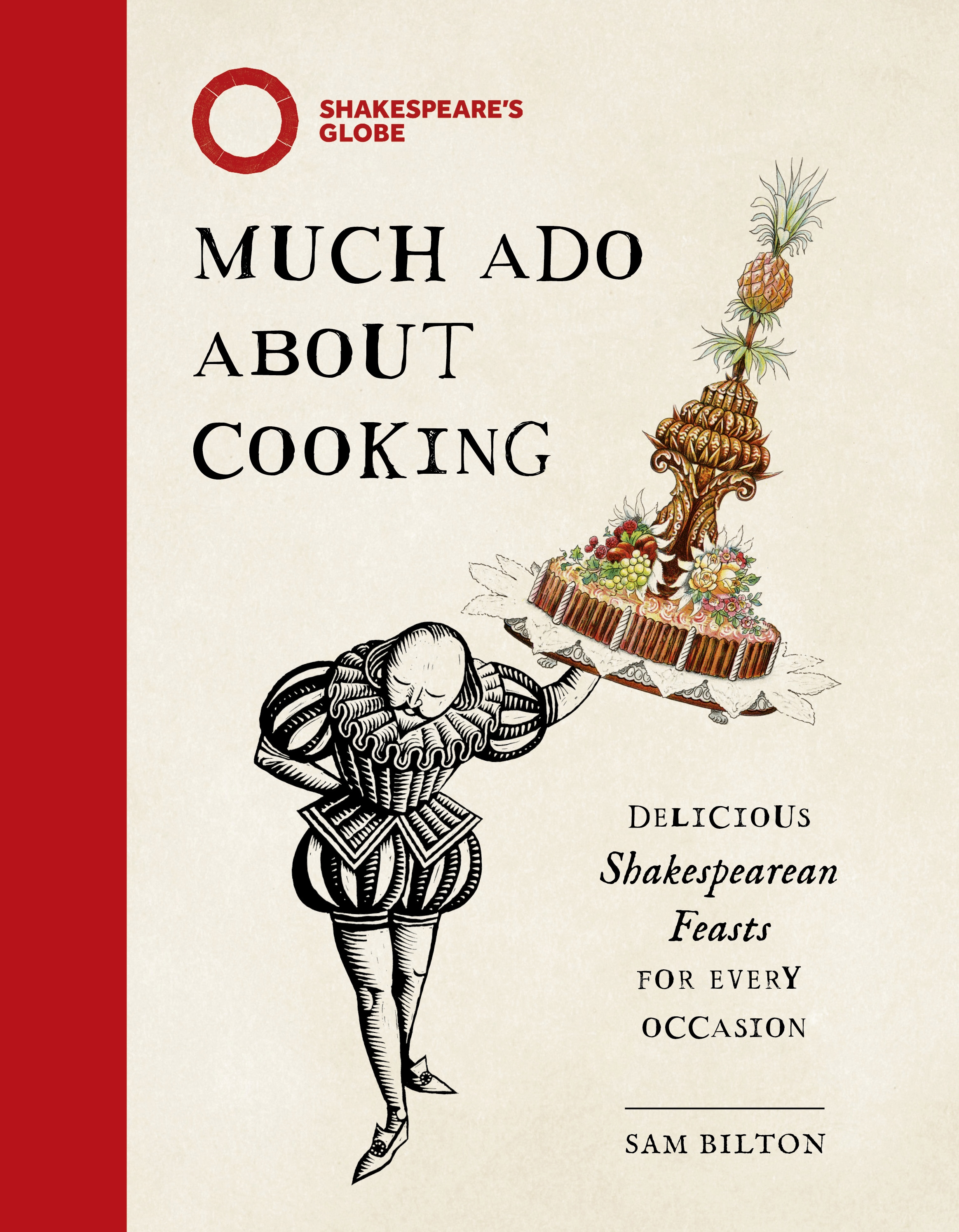
My guest on The British Food History Podcast today is food historian and friend of the show Sam Bilton, podcaster and author of Much Ado About Cooking Delicious Shakespearean Feasts for Every Occasion, published by Headline and commissioned by Shakespeare’s Globe.

It was, of course,  a great opportunity to talk about the food of Shakespearean England as well as the food and drink references in Shakespeare’s plays, and what they meant to those watching the plays at the time they were first performed.

We talked about lots of cookery manuscripts, the importance of keeping historical recipes relevant, capons, Early Modern bread and greedy Falstaff’s sack, amongst many other things.

The British Food History Podcast is available on all apps, or stream it here:

Those listening to the secret podcast can hear about horrible, sweet spinach tarts, Early Modern cakes, possets and more!

Much Ado About Cooking by Sam Bilton

Sam’s website

Follow Sam on BlueSky, Insta and Threads @mrssbilton

Comfortably Hungry

A is for Apple: An Encyclopaedia of Food & Drink

Remember: Fruit Pig are sponsoring the 9th season of the podcast. Visit their website www.fruitpig.co.uk to learn more about them, their journey, to find your local stockist and access their online shop.


If you can, support the podcast and blogs by becoming a £3 monthly subscriber, and unlock lots of premium content, including bonus blog posts and recipes, access to the easter eggs and the secret podcast, or treat me to a one-off virtual pint or coffee: click here.


This episode was mixed and engineered by Thomas Ntinas of the Delicious Legacy podcast.

Things mentioned in today’s episode

The Globe theatre

Who is Falstaff?

Books discussed or mentioned and further reading

First Catch Your Gingerbread by Sam Bilton

Knead to Know: A History of Baking by Neil Buttery

A Dark History of Sugar by Neil Buttery

English Bread & Yeast Cookery by Elizabeth David

The Good Housewife’s Jewel by Thomas Dawson

The English Housewife by Gervase Markham

The Scot’s Kitchen by F. Marion McNeill

Delightes for ladies by Sir High Platt

Elinor Fettiplace’s Receipt Book by Hilary Spurling

Previous pertinent blog posts

Boiled Capon with Sugar Peas

Tudor Salmon en Croute

Manchets and Payndemayn

Previous pertinent podcast episodes

A Rare Early Modern Cheese Manuscript with Alex Bamji

A Tudor Christmas with Brigitte Webster

Tudor Cooking & Cuisine with Brigitte Webster

Neil’s other blog and YouTube channel

The British Food History Channel

‘Neil Cooks Grigson’

Neil’s books

Before Mrs Beeton: Elizabeth Raffald, England’s Most Influential Housekeeper

A Dark History of Sugar

Knead to Know: a History of Baking

The Philosophy of Puddings

Don’t forget, there will be postbag episodes in the future, so if you have any questions or queries about today’s episode, or indeed any episode, or have a question about the history of British food please email me at neil@britishfoodhistory.com, or leave a comment below.

1 Comment

Filed under Books, Britain, food, General, history, Podcast, Uncategorized

Welsh Sheep & Cattle with Carwyn Graves

My guest on The British Food History Podcast today is food historian Carwyn Graves, a specialist in the foodways and traditions of Wales, and we are talking about Welsh Sheep and Cattle – and their products.

Carwyn has written a wonderful book called Welsh Food Stories, published in 2022 by Calon, which explores more than two thousand years of history to discover the rich but forgotten heritage of Welsh foods – from oysters to cider, salted butter to salt-marsh lamb. Despite centuries of industry, ancient traditions have survived in pockets across the country among farmers, bakers, fisherfolk, brewers and growers who are taking Welsh food back to its roots, and trailblazing truly sustainable foods as they do so.

We talk about the importance of sheep and cattle in Wales’s physical and cultural landscape, salt marsh lamb, cawl, colostrum puddings, the Welsh and their love of roasted cheese and sheep fancying Cistercian monks – amongst many other things.

Listen via your favourite podcast app, or stream here via this embed:

Robert Burns, The Globe Inn & the Annandale Distillery with Jane Brown, Teresa Church & David Thomson The British Food History Podcast

Welcome to the second of a two-part special all about Burns Night.Burns Night, celebrated on Robert Burns’ birthday, 25th January, is a worldwide phenomenon and I wanted to make a couple of episodes focussing upon the night, the haggis, but also the other foods links regarding Scotland’s national poet, Robert Burns.So, if you’re readying yourself for a Burns supper, I hope this episode gets you even more into the celebratory spirit. If you’re not marking Burns Night – well, hopefully after listening to this, you will be inspired to get yourself some haggis, neeps, tatties and a dram of whisky. Hopefully, a Man O'Words single malt from the excellent Annandale Distillery – why, well, you will find out very soon.Today’s episode is a jam-packed one where I speak with three guests all about Robert Burns and his links with Dumfriesshire, Southwest Scotland. First of all I speak with Jane Brown, Honorary President of the Robert Burns World Federation, and ex-manager of The Globe, Robert Burns’s favourite haunt when he lived in Dumfries during the last eight years of his life. Jane has attended and spoken at many Burns Nights all over the world, so there's no one better to talk about with Burns’s life which had several links with food and drink: there’s Burns Night and the Address to a Haggis, his time as an exciseman and as a farmer, and his time at the Globe. Then there’s the Globe itself and all of the precious artefacts contained within it that have been painstakingly conserved by owners Teresa Church and David Thomson.David and Teresa also own the Annandale Distillery, which produces a delicious and unique single malt whisky. It’s available unpeated and called Man O’Words, after Robert Burns, and the other is peated and called Man O’Sword, after the other local historical figure associated with Dumfries, Robert the Bruce. Like the Globe, the old distillery was saved, beautifully conserved and brought back to life by David and Teresa.In today’s episode we talk about Burns’s before and after graces, Burns’s penchant for scratching poetry on windows, the importance of cask size on the flavour of whisky, and just what exactly possessed David and Teresa to buy the Globe and a falling-down distillery – amongst many other things.The Globe Inn websiteAnnandale Distillery websiteThe Robert Burns World FederationFollow 1610 at the Globe on social media: Instagram @theglobeinn1610; Facebook https://www.facebook.com/theglobeinn/?locale=en_GB; X @The GlobeInn1610Follow Annandale Distillery on social media: Instagram: @annandale_distillery; Facebook: https://www.facebook.com/annandaledistillery/?locale=en_GB; X: @AnnandaleDstlryIf you can, support the podcast and blogs by becoming a £3 monthly subscriber, and unlock lots of premium content, including bonus blog posts and recipes, access to the easter eggs and the secret podcast, or treat me to a one-off virtual pint or coffee: click here. This episode was mixed and engineered by Thomas Ntinas of the Delicious Legacy podcast. Things mentioned in today’s episodeArticle: <a…
  1. Robert Burns, The Globe Inn & the Annandale Distillery with Jane Brown, Teresa Church & David Thomson
  2. Haggis & the First Burns Suppers with Jennie Hood
  3. Special Postbag Edition #6
  4. Shakespearean Food & Drink with Sam Bilton
  5. Welsh Sheep & Cattle with Carwyn Graves

Those listening to the secret podcast can hear 15 minutes of extra material including flummery, mutton, laverbread sauce, the traditional skills in the collective cultural memory of the Welsh, the etymology of rarebit/rabbit plus more!

Welsh Food Stories by Carwyn Graves

Carwyn’s website

Follow Carwyn on Instagram @carwyngraves

Remember: Fruit Pig are sponsoring the 9th season of the podcast, and Grant and Matthew are very kindly giving listeners to the podcast a unique special offer 10% off your order until the end of October 2025 – use the offer code Foodhis in the checkout at their online shop, www.fruitpig.co.uk.


If you can, support the podcast and blogs by becoming a £3 monthly subscriber, and unlock lots of premium content, including bonus blog posts and recipes, access to the easter eggs and the secret podcast, or treat me to a one-off virtual pint or coffee: click here.


This episode was mixed and engineered by Thomas Ntinas of the Delicious Legacy podcast.

Things mentioned in today’s episode

The Art of Cookery Made Plain & Easy by Hannah Glasse

The First Boke of the Introduction of Knowledge Made by Andrew Boorde

Wikipedia page of Welsh sheep breeds

Rare Breeds Survival Trust page on Welsh cattle breeds

Welsh Rarebit

Previous pertinent blog posts

Colostrum (Beestings) post with pudding recipe

Welsh Rarebit (and Locket’s Savoury)

#98 Cawl

#155 Welsh Rabbit

#183 Scotch Rabbit (1747)

#230 English Rabbit (1747)

Previous pertinent podcast episodes

A Regional Food Tour with Jenny Linford

Neil’s other blog and YouTube channel

The British Food History Channel

‘Neil Cooks Grigson’

Neil’s books

Before Mrs Beeton: Elizabeth Raffald, England’s Most Influential Housekeeper

A Dark History of Sugar

Knead to Know: a History of Baking

The Philosophy of Puddings

Don’t forget, there will be postbag episodes in the future, so if you have any questions or queries about today’s episode, or indeed any episode, or have a question about the history of British food please email me at neil@britishfoodhistory.com, or on twitter and BlueSky @neilbuttery, or Instagram and Threads dr_neil_buttery. My DMs are open.

You can also join the British Food: a History Facebook discussion page: https://www.facebook.com/groups/britishfoodhistory

Leave a comment

Filed under Britain, food, General, history

Subversive Feasting in Medieval King & Commoner Tales with Mark Truesdale

My guest on The British Food History Podcast today is historian Mark Truesdale, scholar of the fifteenth-century King and Commoner tradition and its early modern afterlife and author of The King and Commoner Tradition: Carnivalesque Politics in Medieval and Early Modern Literature, published by Routledge.

We talk about medieval carnival, the plot of a king and commoner tale, spying foresters, rude monks, the love of eating tiny birds, who the audience might be, and the ridiculousness of baking a venison pasty in Sherwood Forest – amongst many other things.

The British Food History Podcast is available on all podcast apps, YouTube, and can be streamed here via this Spotify embed:

Those listening to the secret podcast can hear about Henry VIII’s love of Robin Hood tales, cowardly herons, and Mark tells me who the king in these tales may (or may not) be referring to.

Remember: Fruit Pig are sponsoring the 9th season of the podcast, and Grant and Matthew are very kindly giving listeners to the podcast a unique special offer 10% off your order until the end of October 2025 – use the offer code Foodhis in the checkout at their online shop, www.fruitpig.co.uk.


If you can, support the podcast and blogs by becoming a £3 monthly subscriber, and unlock lots of premium content, including bonus blog posts and recipes, access to the easter eggs and the secret podcast, or treat me to a one-off virtual pint or coffee: click here.


This episode was mixed and engineered by Thomas Ntinas of the Delicious Legacy podcast.

Things mentioned in today’s episode

The King and Commoner Tradition: Carnivalesque Politics in Medieval and Early Modern Literature by Mark Truesdale

Mark’s article The Medieval Robin Hood: Folk Carnivals and Ballads on Folklore Thursday

My blog post about King Alfred burning the cakes

The Great Household in Late Medieval England by C.M. Woolgar

Robin Hood and Other Outlaw Tales

Sentimental and Humorous Romances

Ten Bourdes

Serve it Forth website – You can still receive 25% off the ticket price using the code SERVE25 at the checkout!

Serve it Forth Eventbrite page

Previous pertinent podcast episodes

Medieval Meals & Manners with Danièle Cybulskie

Neil’s blogs and YouTube channel

‘British Food: a History’

The British Food History Channel

‘Neil Cooks Grigson’

Neil’s books

Before Mrs Beeton: Elizabeth Raffald, England’s Most Influential Housekeeper

A Dark History of Sugar

Knead to Know: a History of Baking

The Philosophy of Puddings

Don’t forget, there will be postbag episodes in the future, so if you have any questions or queries about today’s episode, or indeed any episode, or have a question about the history of British food please email me at neil@britishfoodhistory.com, or leave a comment, below.

Leave a comment

Filed under food, Game, General, history, Mediaeval Age

Serve it Forth Food History Festival: 1 week to go!

Hello everyone – I do hope you are all having a great weekend.

This is just a super-short post just to remind you that the first Serve it Forth Food History Festival is just one week away – it’s online and on Saturday 18 October!

We are all very thankful to the fantastic Netherton Foundry and Steenbergs Spices for sponsoring the day.

If you want to get hold of a ticket, visit the Eventbrite page, but remember to use the offer code SERVE25 at the checkout to get 25% off the ticket price.

So, come and join my and my cohosts – Sam Bilton, Thomas Ntinas and Alessandra Pino for an educational and fun day with guests such as Tudor food expert and author Brigitte Webster and food writer, journalist and author Tom Parker Bowles. Check out the full Bill of Fare here.

If you didn’t catch it, here’s a podcast episode we made to let you know more about the day, but also to get to know us all a little better.

Leave a comment

Filed under events, Festivals, General, history

Housekeepers & Butlers with Peter Brears

In today’s episode of The British Food History Podcast, I speak with Peter Brears, a world-leading food historian. He was director of both York and Leeds City Museums, and is a consultant to the National Trust, English Heritage and Historic Royal Palaces.

He is the winner of the André Simon award for his book, Cooking and Dining in Medieval England, published in 2012, which is a must-have, as are his other books in the series that focus on upper-class cooking and dining in the Tudor and Early Stuart periods, and most recently in the Victorian country house.

He is also a founding member of the Leeds Symposium of Food History and Traditions, which will have its 40th next year.

Our conversation was recorded in person at his home in Leeds.

We talk about the roles of the housekeeper and butler first in the Victorian period, but then trace their histories back right to the Middle Ages in the case of the butler. Also covered: orchestrating big meals, the drinks prepared by the butler, the mysteries of the stillroom, and the pressures of preparing a baked Alaska – amongst many other things.

The podcast is available on all podcast apps and YouTube. You can also stream it via this Spotify embed:

Those listening to the secret podcast can hear about French and Russian service, when housekeepers are definitely not subservient, the dos and don’ts of displaying porcelain and the contents of the housekeeper’s cupboard.

Remember: Fruit Pig are sponsoring the 9th season of the podcast, and Grant and Matthew are very kindly giving listeners to the podcast a unique special offer 10% off your order until the end of October 2025 – use the offer code Foodhis in the checkout at their online shop, www.fruitpig.co.uk.


If you can, support the podcast and blogs by becoming a £3 monthly subscriber, and unlock lots of premium content, including bonus blog posts and recipes, access to the easter eggs and the secret podcast, or treat me to a one-off virtual pint or coffee: click here.


This episode was mixed and engineered by Thomas Ntinas of the Delicious Legacy podcast.

Things mentioned in today’s episode

Cooking & Dining in Medieval England by Peter Brears (2012)

Cooking & Dining in Tudor & Early Stuart England by Peter Brears (2015)

Cooking & Dining in the Victorian Country House by Peter Brears (2023)

Before Mrs Beeton: Elizabeth Rafflad, England’s Most Influential Housekeeper by Neil Buttery (2023)

Everyday Life in Seventeenth Century Calderdale by Peter Brears (2025)

Peter’s PPC article ‘What the housekeeper kept in her drawers’ (2015) PPC 103, 61-74

Serve it Forth website – You can still receive 25% off the ticket price using the code SERVE25 at the checkout!

Serve it Forth Eventbrite page

Roast Saddle of Lamb on the Neil Cooks Grigson blog

Previous pertinent podcast episodes

18th Century Dining with Ivan Day

Elizabeth Raffald with Neil Buttery & Alessandra Pino

Neil’s other blog and YouTube channel

The British Food History Channel

‘Neil Cooks Grigson’

Neil’s books

Before Mrs Beeton: Elizabeth Raffald, England’s Most Influential Housekeeper

A Dark History of Sugar

Knead to Know: a History of Baking

The Philosophy of Puddings

Don’t forget, there will be postbag episodes in the future, so if you have any questions or queries about today’s episode, or indeed any episode, or have a question about the history of British food please email me at neil@britishfoodhistory.com, or on twitter and BlueSky @neilbuttery, or Instagram and Threads dr_neil_buttery. My DMs are open.

You can also join the British Food: a History Facebook discussion page: https://www.facebook.com/groups/britishfoodhistory

Leave a comment

Filed under Britain, Eighteenth Century, history, Podcast, Uncategorized

#447 Roast Saddle of Lamb (Neil Cooks Grigson)

Hello! I thought some of you might be interested in a post I just published on the other blog, Neil Cooks Grigson.

Leave a comment

Filed under Britain, food, General, Meat, Recipes

Worcester Porcelain with Paul Crane

In this episode of the podcast, I talk with ceramics expert Paul Crane FSA about the early years of Worcester porcelain. Paul is a consultant at the Brian Haughton Gallery, St James’s, London, and a specialist in Ceramics from the Medieval and Renaissance periods through to the Eighteenth and Nineteenth Centuries. He presently sits as a Trustee of the Museum of Royal Worcester and is also a Fellow of the Society of Antiquaries, an independent historian and researcher and a Liveryman of the Worshipful Company of Art Scholars.

Our conversation was recorded in person at the Museum of Royal Worcester. If you want to see the pieces we discuss, check out this post where I’ve added images of the majority of the items discussed or go to the YouTube channel where I’ve lined up the images with our discussion. Paul and I really do our best to describe the pieces, but of course, it’s best if you can see them for yourself.

The images used are a mixture of my own and those taken from the Museum of Royal Worcester archives. Thank you to the museum for the permission to use them.

The podcast is available on all podcast apps, just search for “The British Food History Podcast”, or stream on this Spotify via this embed:

Alternatively, watch this episode on YouTube to see the images below matched up with the sound.

We talk about Dr Wall and how he got the Worcester manufactory up and running, the importance of seeing porcelain by candlelight, asparagus servers, the first piece of porcelain you see when you walk into the museum, the Royal Lily service and how Worcester porcelain attained the Royal warrant, amongst any other things.

Those listening to the secret podcast can hear more about the early blue and white pieces, including a rare bleeding bowl, the first commemorative coronation porcelain mug and the stunning Nelson tea service, plus much more.

The ‘smoky primitives’ that Paul mentions that attempt to emulate the feel of silverware sparkling in the candlelight.

Remember: Fruit Pig are sponsoring the 9th season of the podcast, and Grant and Matthew are very kindly giving listeners to the podcast a unique special offer 10% off your order until the end of October 2025 – use the offer code Foodhis in the checkout at their online shop, www.fruitpig.co.uk.


If you can, support the podcast and blogs by becoming a £3 monthly subscriber, and unlock lots of premium content, including bonus blog posts and recipes, access to the easter eggs and the secret podcast, or treat me to a one-off virtual pint or coffee: click here.


This episode was mixed and engineered by Thomas Ntinas of the Delicious Legacy podcast.

Things mentioned in today’s episode

YouTube video of the episode with images of the porcelain discussed

Museum of Royal Worcester website

Paul’s YouTube talk called ‘Nature, Porcelain and the Enlightenment’

Paul’s YouTube talk called ‘Early Worcester from Dr Wall to James Giles’

My museum talk about Worcester porcelain and 19th-century dining

The Natural History of Uncommon Birds by George Edwards

A video about the first project Neil took part in with the Museum of Royal Worcester

Serve it Forth website – You can still receive 25% off the ticket price using the code SERVE25 at the checkout!

Serve it Forth Eventbrite page

Previous pertinent podcast episodes

18th Century Dining with Ivan Day

Neil’s other blog and YouTube channel

The British Food History Channel

‘Neil Cooks Grigson’

Neil’s books

Before Mrs Beeton: Elizabeth Raffald, England’s Most Influential Housekeeper

A Dark History of Sugar

Knead to Know: a History of Baking

The Philosophy of Puddings

Don’t forget, there will be postbag episodes in the future, so if you have any questions or queries about today’s episode, or indeed any episode, or have a question about the history of British food, please email me at neil@britishfoodhistory.com, or leave a comment below.

Leave a comment

Filed under Britain, Eighteenth Century, food, General, history, Podcast, The Royals, Uncategorized

Ireland, Ale & the Colonising British with Christina Wade

In this episode, I speak with Christina Wade, a beer historian specialising in the UK and Ireland, with a particular focus on women. She has written an excellent book, Filthy Queens: A History of Beer in Ireland, which was published by Nine Bean Rows earlier this year (2025).

We talk about ale and beer in Ireland, and how colonisation by the English, and then the British, affected beer production and consumption. Topics include: ale in early medieval Ireland, the man who inspired the title of her book, ale consumption during the Irish Rebellion and the Potato Famine, and the use of human skulls in medicinal ales, amongst many other things.

The British Food History Podcast is available on all podcast apps, but you can also hear it on YouTube or stream it via this embed:

Those listening to the secret podcast can hear about the links between alewives and witchcraft, whiskey and beer consumption, tea kettle brews and more!

Christina’s social media handle on Instagram and Bluesky is @braciatrix.

Christina’s website

Christina’s Substack

Filthy Queens: A History of Beer in Ireland

The Devil’s in the Draught Lines: 1000 Years of Women in Britain’s Beer History

The Beer Ladies Podcast

Remember: Fruit Pig are sponsoring the 9th season of the podcast and Grant and Matthew are very kindly giving listeners to the podcast a unique special offer 10% off your order until the end of October 2025 – use the offer code Foodhis in the checkout at their online shop, www.fruitpig.co.uk.


If you can, support the podcast and blogs by becoming a £3 monthly subscriber, and unlock lots of premium content, including bonus blog posts and recipes, access to the easter eggs and the secret podcast, or treat me to a one-off virtual pint or coffee: click here.


This episode was mixed and engineered by Thomas Ntinas of the Delicious Legacy podcast.

Things mentioned in today’s episode

Serve it Forth website – You can still receive 25% off the ticket price using the code SERVE25 at the checkout!

Serve it Forth Eventbrite page

Neil’s blog post about cock ale/beer

Barnaby Rich’s book The Irish hubbub or, the English hue and crie. 1617

Neil’s blog post about junket for £3 subscribers

Listen to Neil on Around the Table

Previous pertinent podcast episodes

Making Medieval Ale at Home with Alison Kay

Recreating 16th Century Beer with Susan Flavin and Marc Meltonville

Neil’s other blog and YouTube channel

The British Food History Channel

‘Neil Cooks Grigson’

Neil’s books:

Before Mrs Beeton: Elizabeth Raffald, England’s Most Influential Housekeeper

A Dark History of Sugar

Knead to Know: a History of Baking

The Philosophy of Puddings

Don’t forget, there will be postbag episodes in the future, so if you have any questions or queries about today’s episode, or indeed any episode, or have a question about the history of British food please email me at neil@britishfoodhistory.com, or leave a comment below.

Leave a comment

Filed under Books, Brewing, Britain, General, history, Podcast, Uncategorized

BONUS PODCAST EPISODE: Serve it Forth Food History Festival Special!

Hello there everyone!

Here’s a quick special bonus episode of the podcast for you – the lowdown on the Serve it Forth Food History Festival 2025, sponsored by the excellent Netherton Foundry. It’s available on all podcast apps, but if you like, listen via this Spotify embed:

My fellow festival coordinators Sam Bilton, Thomas Ntinas and Alessandra Pino and I are here to tell you more about it: how the day will work, what the sessions will be like, the topics and the guests – including my guest Tom Parker Bowles.

We have a brief discussion about our own interests and how we all got into food history. We also talk about our biggest/most embarrassing disasters.

Most important headlines are: it’s online on 18 October. It’s £16, but there’s 25% off ticket price until September 14th. Don’t worry if you miss some, or even all of the day, we will be making every recording available to all ticket holders.


NB: If you want to get 25% off the ticket price after the early bird has finished, use the offer code SERVE25 at the Eventbrite checkout.

Serve it Forth website

The Serve it Forth Eventbrite page


Leave a comment

Filed under Festivals, food, General, history, Uncategorized