Tag Archives: dessert

Nesselrode Pudding

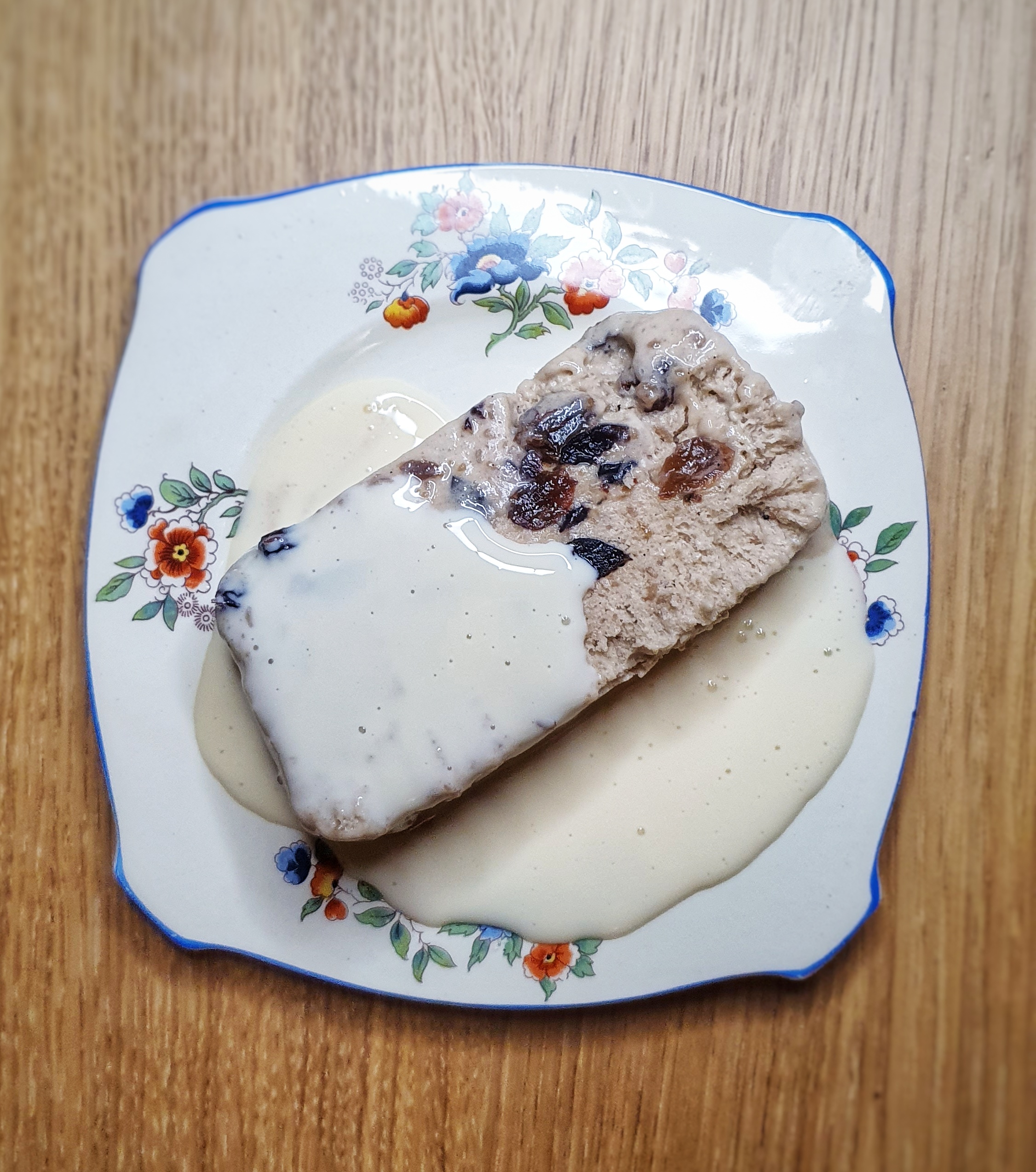
This delicious iced dessert, which was very popular in the 19th century at Christmastime, crops up in most cookery books of the time, and is described as ‘a quiet Victorian icon’ by Annie Gray in her excellent book At Christmas We Feast (2021).[1] It is associated with this time of year because of its main ingredient: puréed chestnuts, and it deserves a comeback.

Count Nesselrode (Creative Commons)

According to Eliza Acton, the pudding was invented by the famous Marie-Antoine Carême,[2] but it is not the case. In one of her best (and most obscure) books, Food with the Famous, Jane Grigson informs us that it was actually ‘invented by Monsieur Mony, chef for many years, to the Russian diplomat, Count Nesselrode, in Paris.’[3] Annie Gray took the research step further: the first printed recipe appears in Carême’s book L’Art de la Cuisine Française. In the original French version, he tells us he got the recipe from Mony, but in the English translation, he claims he – Carême – invented it.[4] Odd.

Listen to Annie discuss her book At Christmas We Feast with me in this past podcast episode.

Recipes do vary, though chestnuts are essential (unless you are Agnes Marshall, who asks – rather controversially – for almonds, in her Book of Ices[5]). Other ingredients include glacé and dried fruits, vanilla and maraschino liqueur – an essential. in my book, but some recipes suggest using brandy or rum as alternatives. There is a custard base, but the mixture is not churned like regular ice cream: this is a no-churn affair. It’s prevented from freezing to a solid block with the addition of airy whipped cream and Italian meringue.


If you like the blogs and podcast I produce, please consider treating me to a virtual coffee or pint, or even a £3 monthly subscription: follow this link for more information.


Recipe

There are several stages to making this pudding, and you need to start making it at least two days before you want to eat it. Don’t let the making of egg custard sauces and Italian meringues put you off. However, a good digital thermometer and electric beater are essential.

Serves 8

For the pudding:

60 g chopped raisins or mixed fruit (currants, raisins and sultanas)[7]

60 g chopped candied peel or Maraschino cherries

80 ml maraschino

1 vanilla pod

300 ml single cream

3 egg yolks

160 g light brown sugar

160 g caster sugar

3 tbs/45 ml water

2 egg whites

300 ml whipping cream

440 g can or 2 x 200 g packets of unsweetened chestnut purée

To garnish: Maraschino cherries or candied chestnuts

For the custard sauce:

300 ml single cream or half-and-half whole milk and cream

50 g caster sugar

4 egg yolks

Around 25 ml maraschino (see recipe)
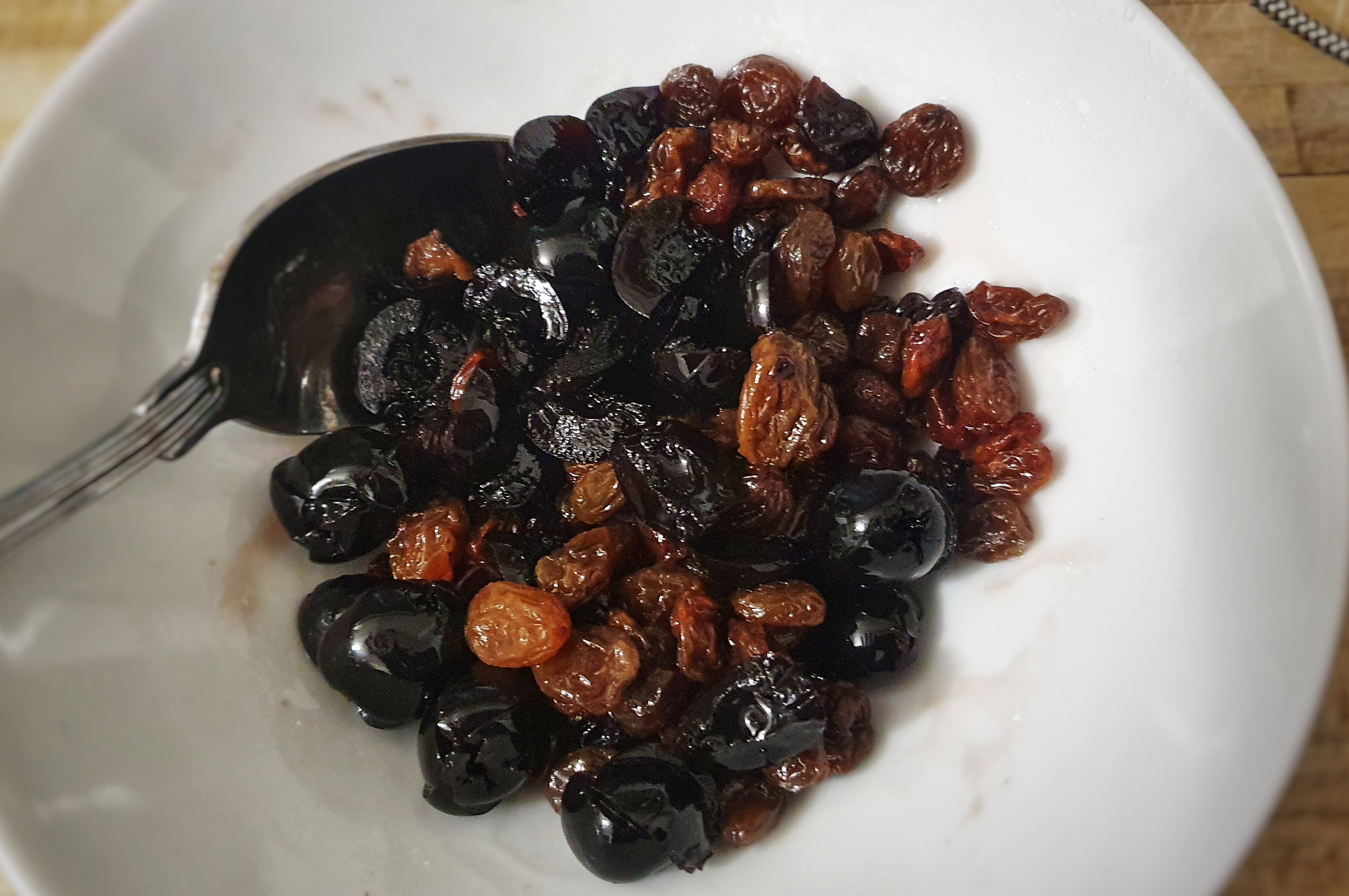
Soak the dried fruit and peel or cherries in maraschino overnight.

Next day, split the vanilla pod lengthways and scrape out the seeds and place both pod and seeds in a saucepan along with the single cream and heat to scalding point.
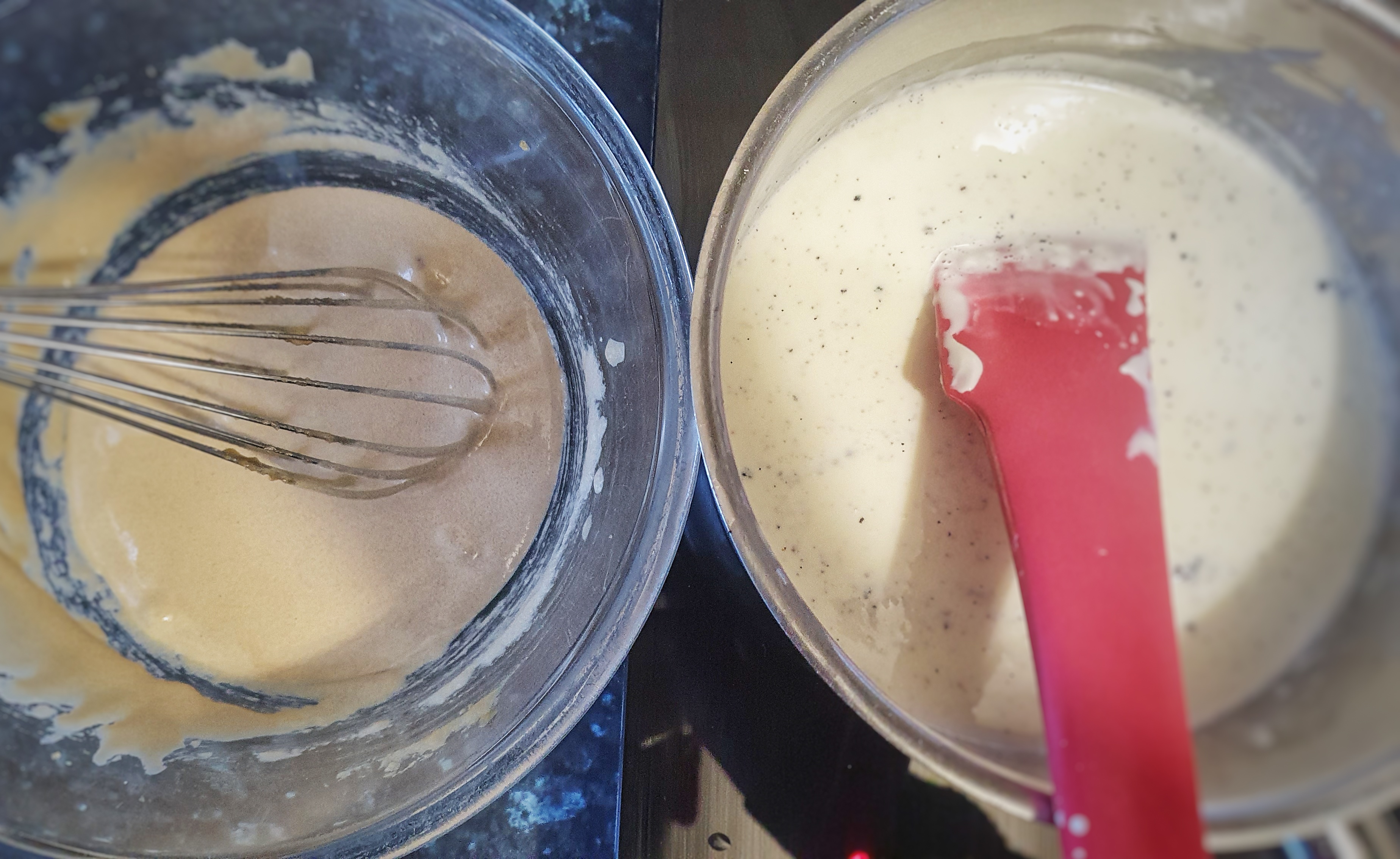
Meanwhile, put the egg yolks and light brown sugar in a mixing bowl, mix and then beat with a balloon whisk until it becomes a few shades paler. Pour in the hot cream by degrees, whisking all the time. Return the mixture to the pan and stir over a medium-low heat until it thickens – don’t let it boil, or you’ll get scrambled eggs – this should take about 5 minutes. If you want to use a thermometer to help you judge this, you are looking for a temperature of 80°C. Pass the mixture through a sieve into a tub, seal, cool and refrigerate until cold.

As it cools, make an Italian meringue: in a thick-bottomed saucepan, add the sugar and water. Place over a medium and stir until the sugar is dissolved, then bring it up to a boil. Insert your thermometer.

Meanwhile, put the whites in a bowl, ready to beat. When the temperature of the syrup hits 110-115°C, start beating the eggs to stiff peaks. When the syrup is 121°C, take the pan off the heat and trickle the syrup into the whites in a steady stream. Keep beating until almost cold – around 10 minutes – then cool completely. Whip the whipping cream until floppy.
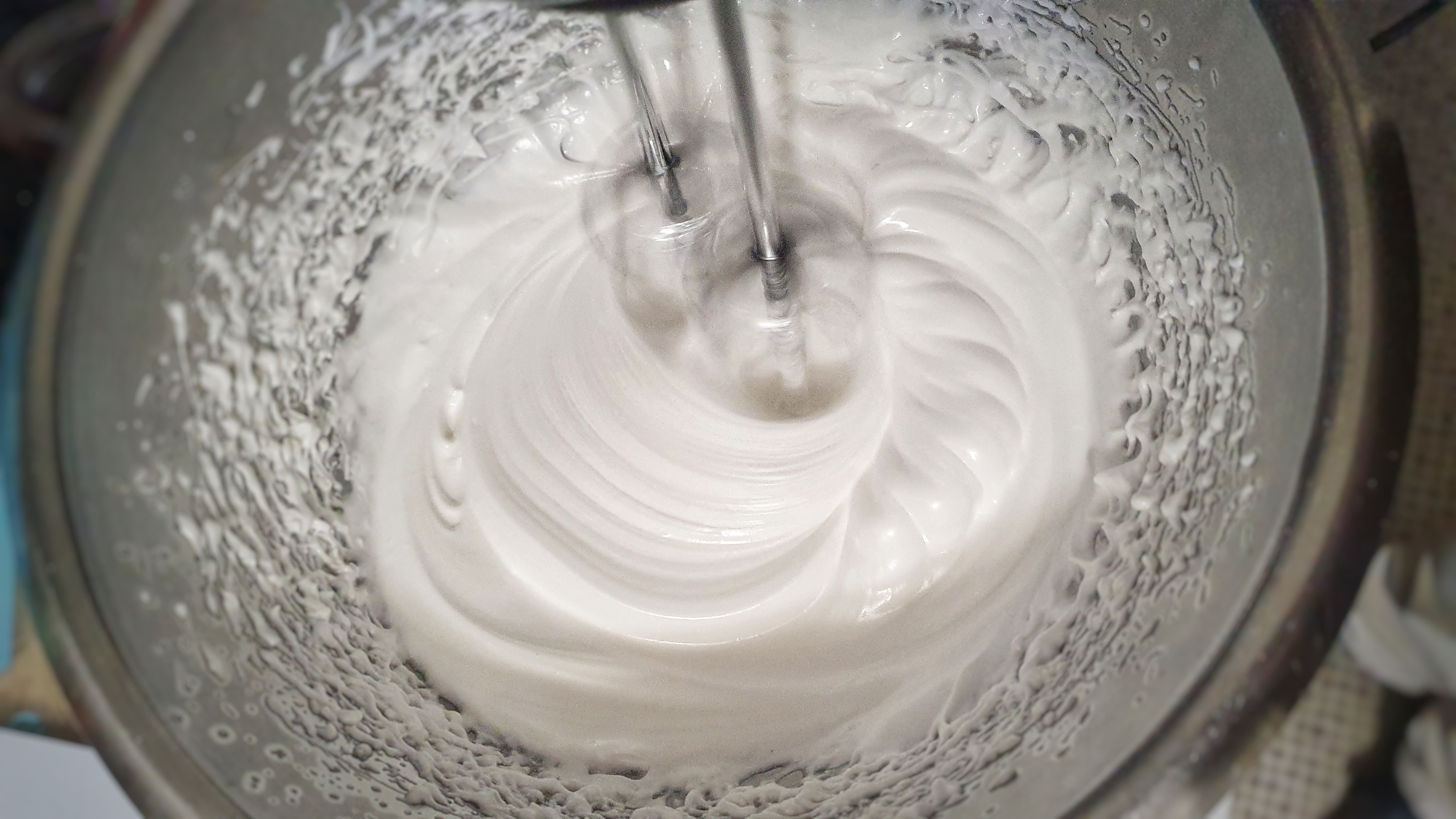
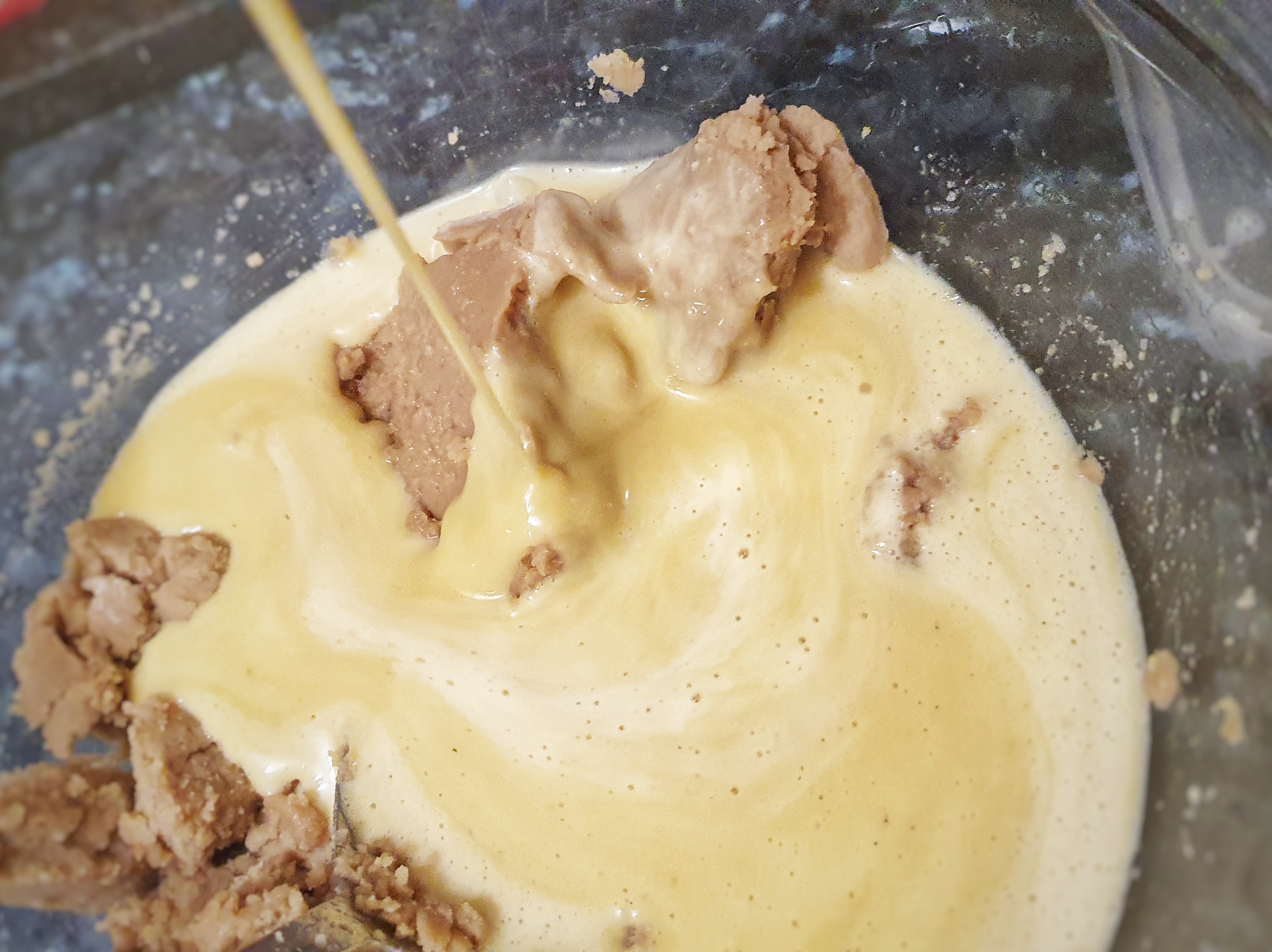
Now the Nesselrode pudding can be assembled. Mix the chestnut puree into the cold, rich custard; you may need to use your electric beater to make the mixture smooth. If you like, pass the mixture through a sieve. Using a metal spoon, fold in the cream, then the meringue. Take your time – you don’t want to lose all of the air you have introduced to the meringue and cream. Strain the fruits (keep the alcohol) and fold those into the mixture.

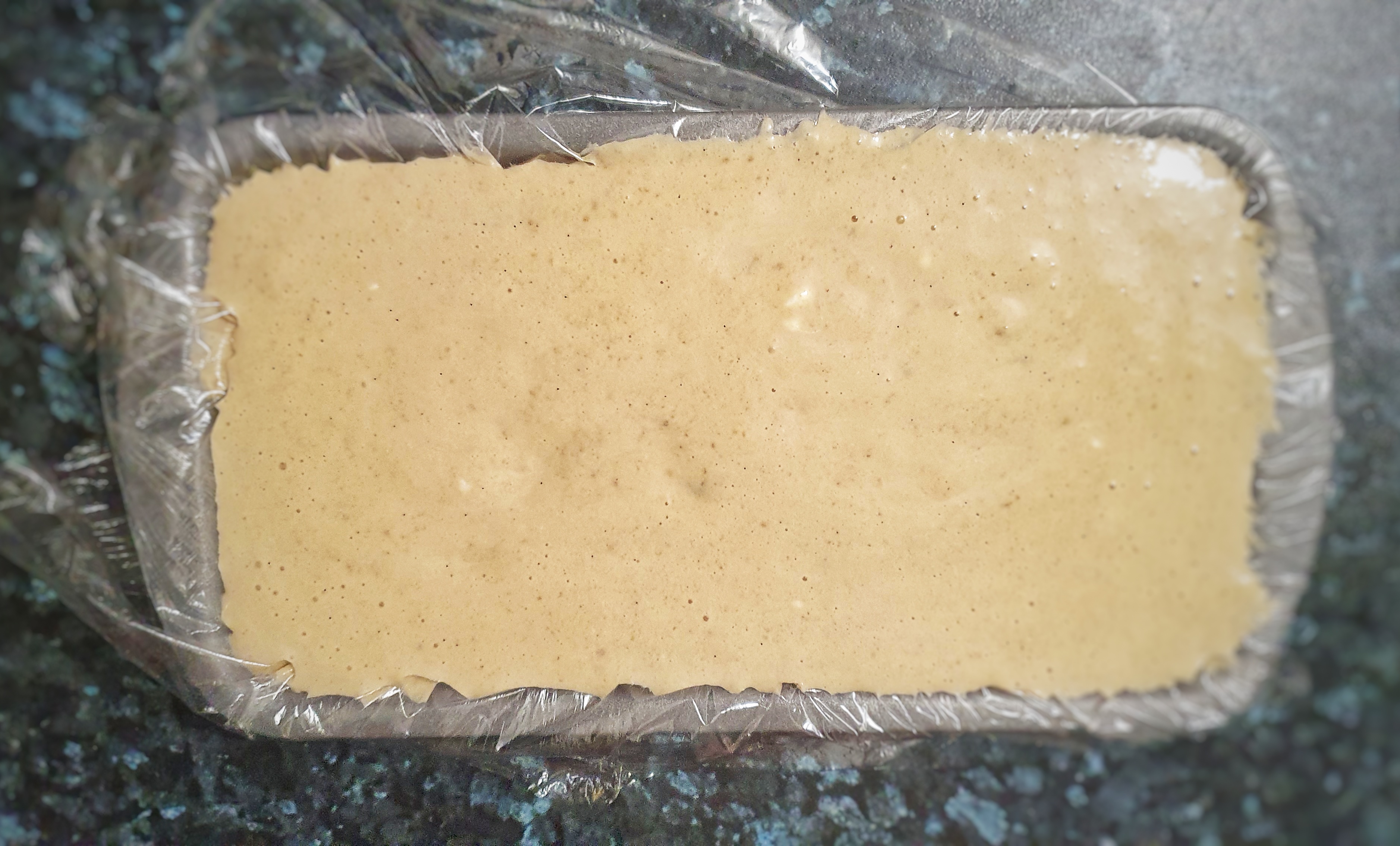
Select your mould – a generous 2 lb/900 g loaf tin is best, but you can use a pudding basin, or anything you like, as long as it has a volume of around 1.5-1.6 litres – and line it with cling film. Gingerly pour or ladle the mixture, cover with more cling film and freeze overnight.

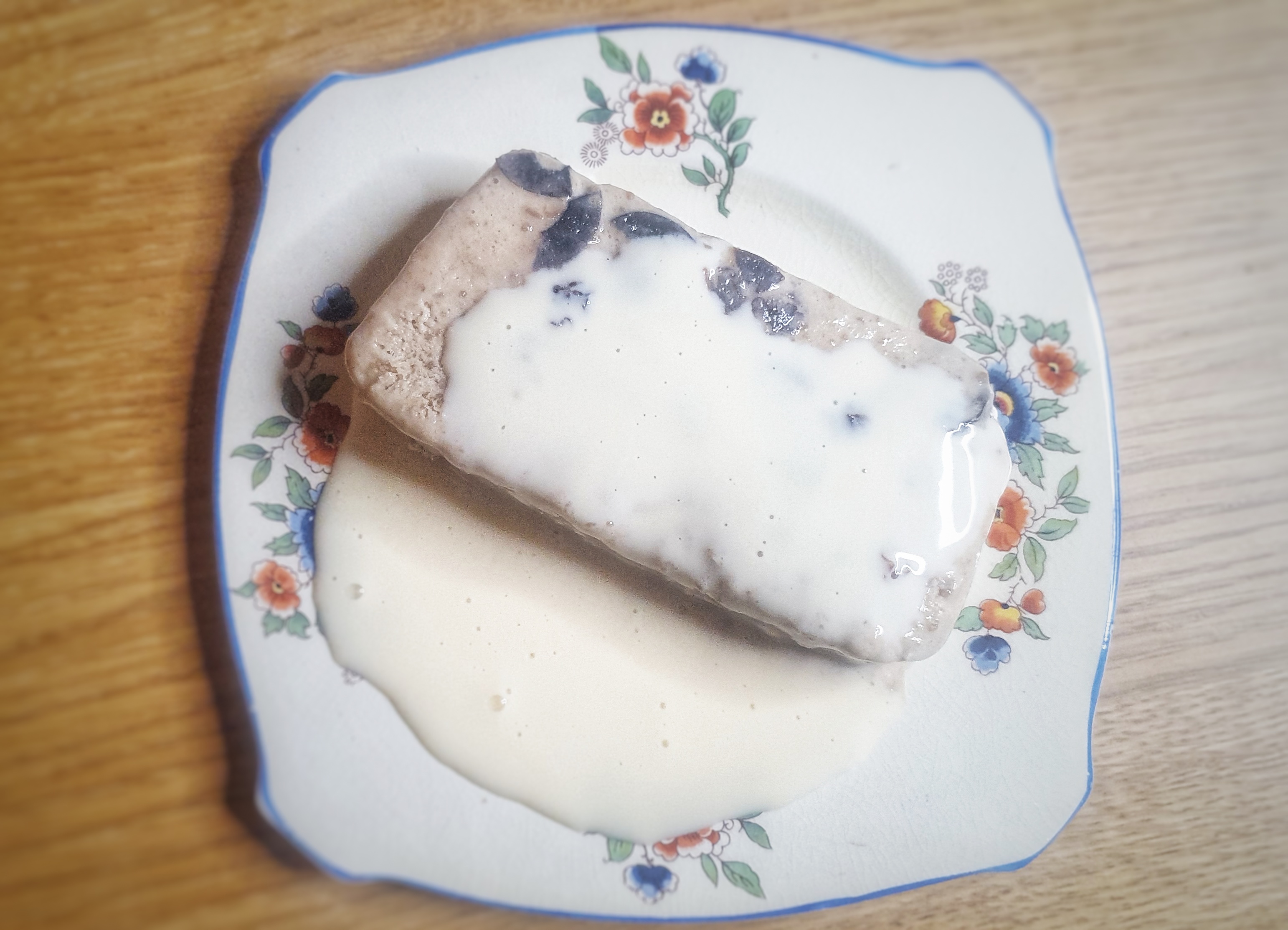
Now make the custard sauce as you normally would – there’s a full method here – flavour with the strained alcohol. Taste it and add more booze if desired. When it tastes just right, add an extra half shot. Cool, cover and refrigerate.
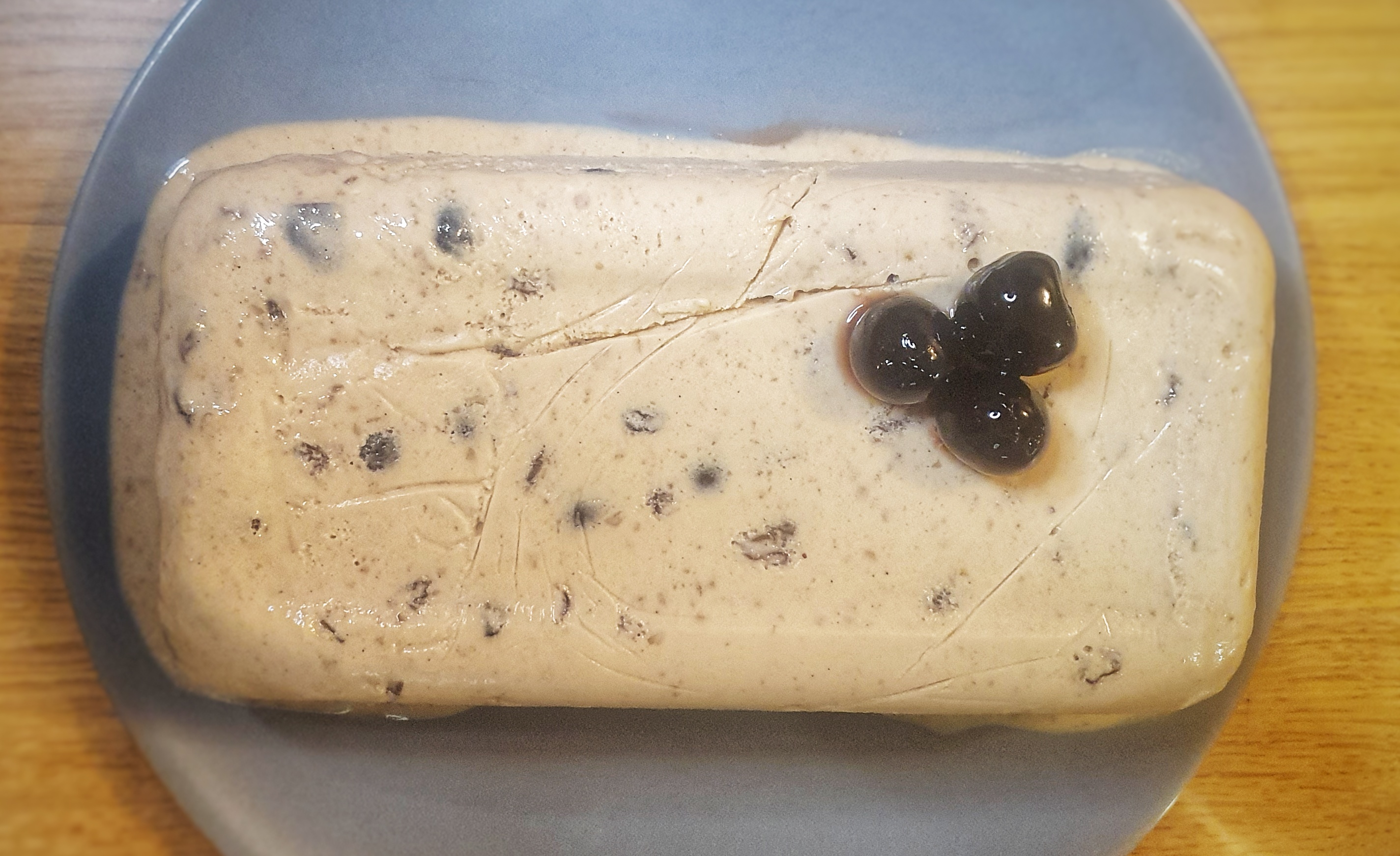
To serve:

Remove the pudding from the freezer 30 to 40 minutes before you want to serve it. At the same time, place the custard sauce in the freezer so that it can get really cold.

Turn out the pudding onto a serving plate, remove the cling film, clean up the edge with kitchen paper and garnish. If the pudding is a bit of a mess around the edge, pipe some whipped cream around it. Pour the ice-cold custard sauce into a jug and serve.

Note: to make nice, neat cuts, pour hot water into a tall mug or (heat-proof) glass and heat up a serrated knife; this heat and a gentle sawing motion should result in clean cuts.

Notes

[1] Gray, A. (2021) At Christmas We Feast: Festive Food Through the Ages. Profile.

[2] This earliest mention of the pudding in the many editions of Acton’s classic Modern Cookery was the 14th. Acton, E. (1854) Modern Cookery for Private Families. 14th ed. Lonman, Brown, Green, and Longhams.

[3] Grigson, J. (1979) Food with the Famous. Grub Street.

[4] Gray (2021)

[5] Marshall, A.B. (1885) The Book of Ices. William Clowes and Sons.

[6] Ibid.

[7] When I made the pudding for the blog, I decided to forego chopping the fruit, wanting nice, big, plump fruits. A mistake: the large pieces sank – rats!

Leave a comment

Filed under Britain, Christmas, food, General, history, Nineteenth Century, Puddings, Recipes, The Victorians

White Pudding Ice Cream

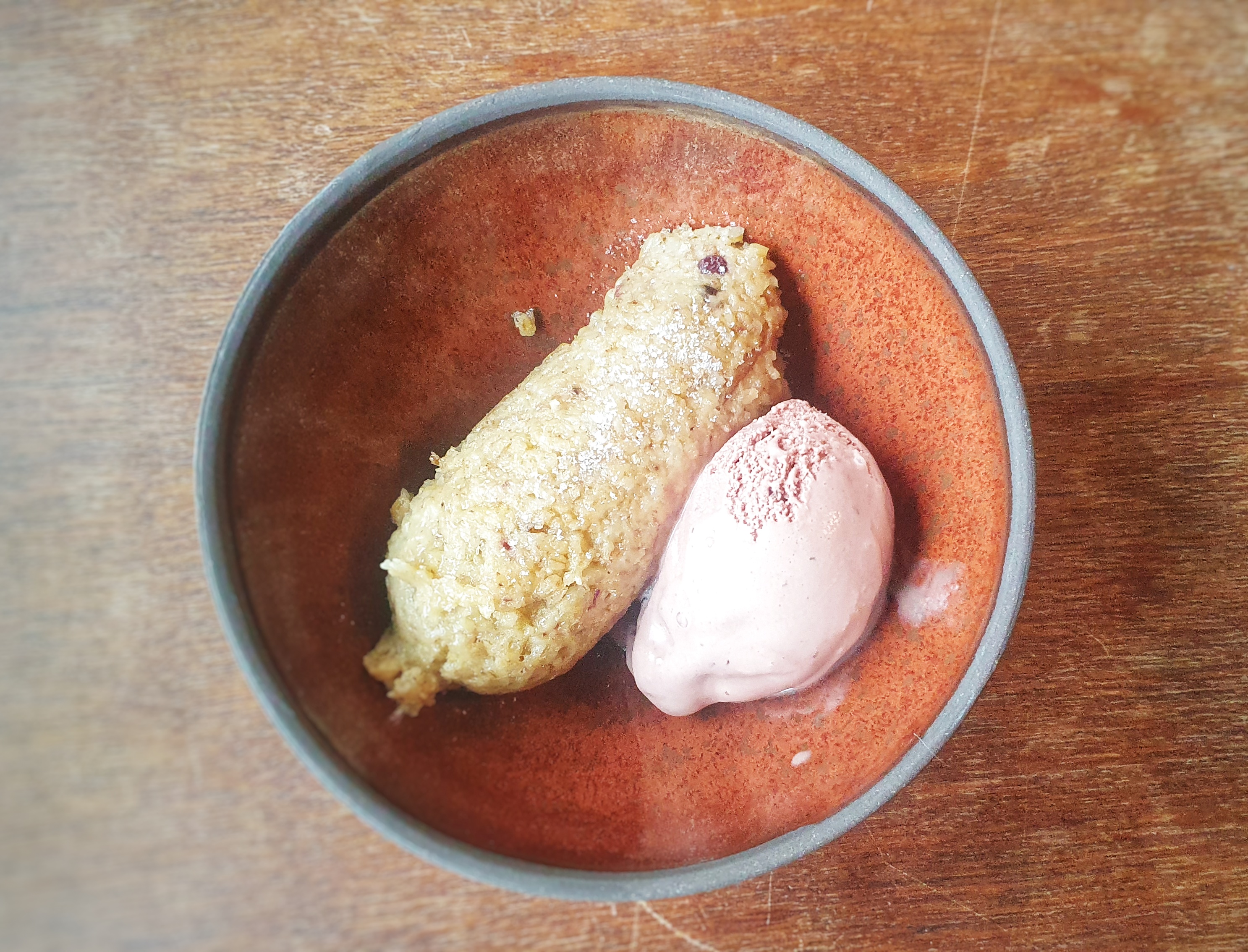
After the roaring success of my blood ice cream, I decided to have a crack at making a white pudding ice cream too, using the flavours in Gervase Markham’s recipe.

The blood ice cream was great, but I didn’t call it black pudding ice cream, because I left out one important ingredient: oats. The flavour of wholegrain oats is key, so much so that without them, I don’t think I captured the pudding’s true flavour.

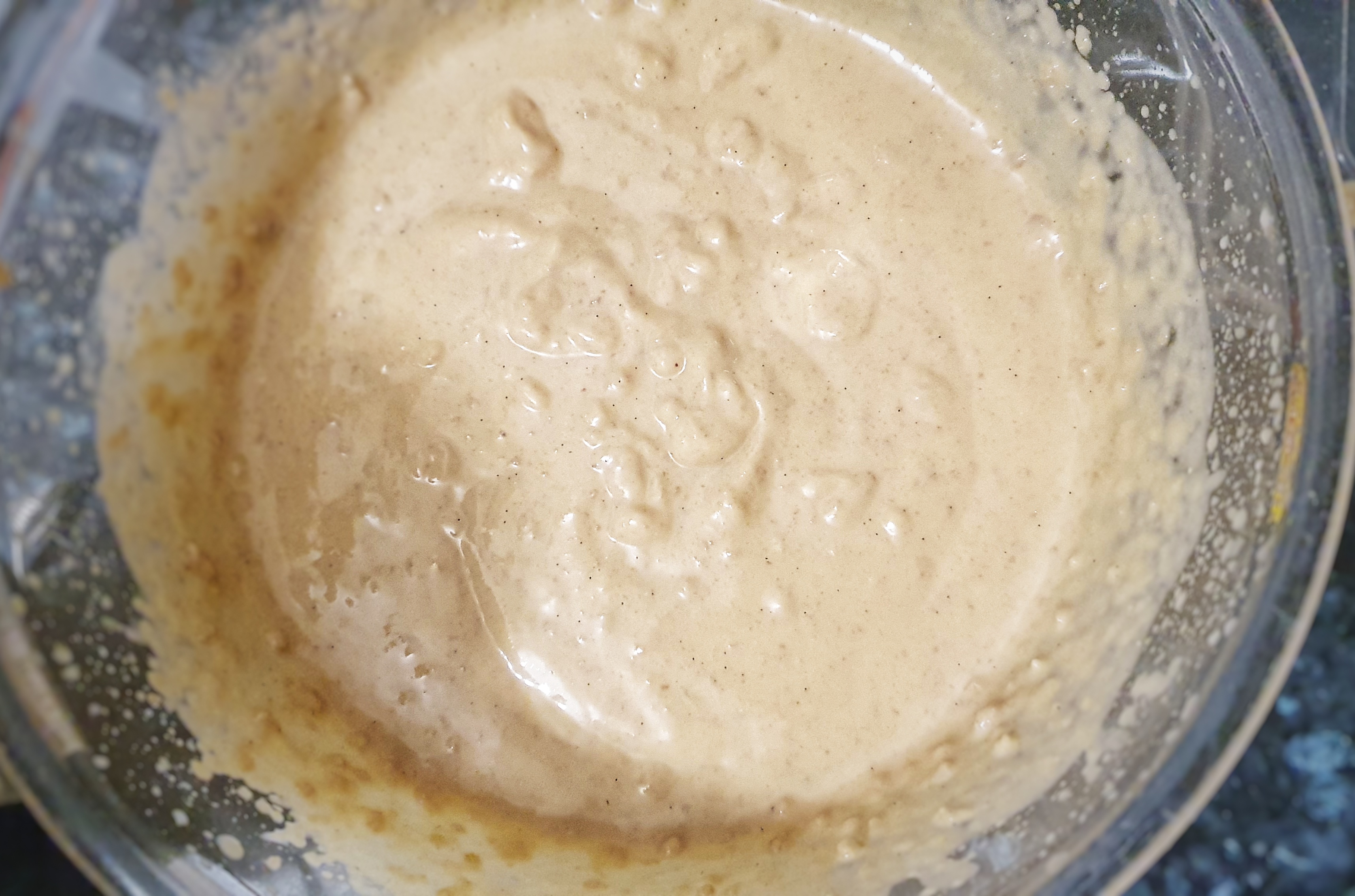
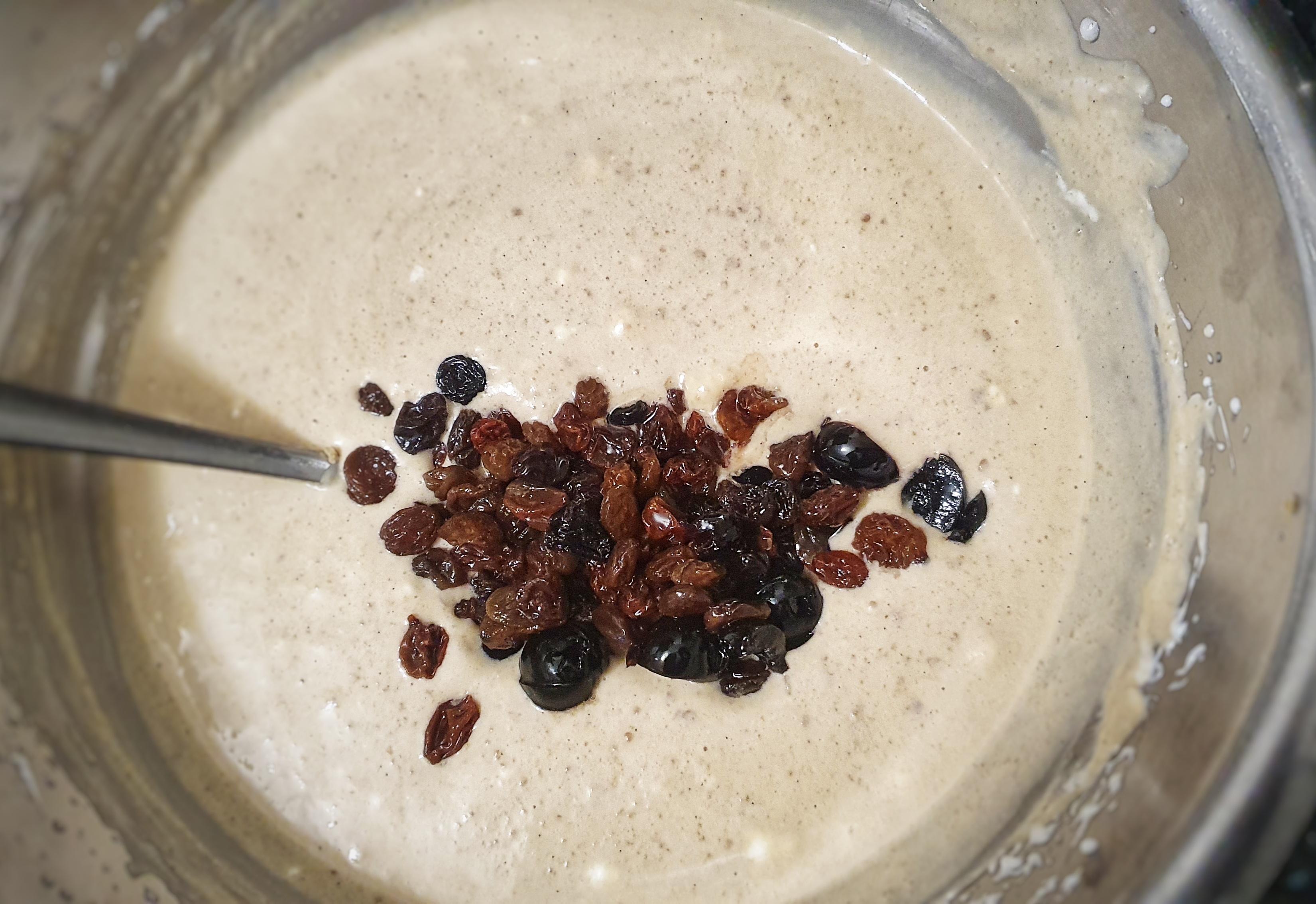
I wanted to change this with this ice cream, but the challenge was to capture the flavour of oats without any annoying frozen groats getting in the way. I decided to take pinhead (steel-cut) oats, soak them in milk and then squeeze it out to create an oat-flavoured milk. This worked really well. I added this to the usual milk and cream to make a custard, warmed it up with the spices and found that it naturally thickened to just the right consistency – all without egg yolks! The mixture froze very well and produced a super-smooth final product. As you can imagine, I was very pleased with this outcome.

Just like the blood ice cream, I soaked some dried fruit in sherry – currants and dates this time, as per Markam’s recipe and stirred them through at the soft-scoop stage of the churning process.

I served my white pudding ice cream with sweet black pudding that had been fried in butter and sugar. I then fried a slice of bread in the sugary and buttery juices and popped the black pudding on top with an accompanying scoop of the white pudding ice cream. It was decadent and delicious!

Subscribe to get access

Read more of this content when you subscribe today and unlock lots of premium content, including bonus blog posts and recipes, my Easter eggs, newsletter and the secret podcast. Please click here for more information.

Leave a comment

Filed under Britain, cooking, Desserts, food, General, history, Puddings, Recipes, Uncategorized

Blood Ice Cream

Blood ice cream and white pudding

Earlier in the year, the fantastic Fruitpig (sponsors of the ninth season of the podcast) very kindly sent me some fresh pig’s blood so that I could try my hand at making some early modern black puddings, inspired by the recipes of Robert May, Kenelm Digby and Thomas Dawson. I made two versions: a savoury one and another sweetened with sugar and currants – both turned out to be delicious.

Listen to the episode of the podcast with Matthew and Grant aka Fruitpig!

A few years ago I read (I forget where) that blood thickens upon heating just like egg yolks, and I had an idea in the back of my mind that blood ice cream might be possible to make, knowing already that the black puddings of the early modern period were often sweet.

Please that the sweet black puddings tasted good, I set about to see if I could find any British examples of blood ice cream or, at least, something similar. I couldn’t find anything. However, I did discover in the pages of Jennifer McLagan’s excellent offal cookbook Odd Bits, a blood and chocolate ice cream recipe, adapted from an Italian set dessert called sanguinaccio alla Neapolitana: little pots of set chocolate custard, thickened with blood instead of egg yolks.

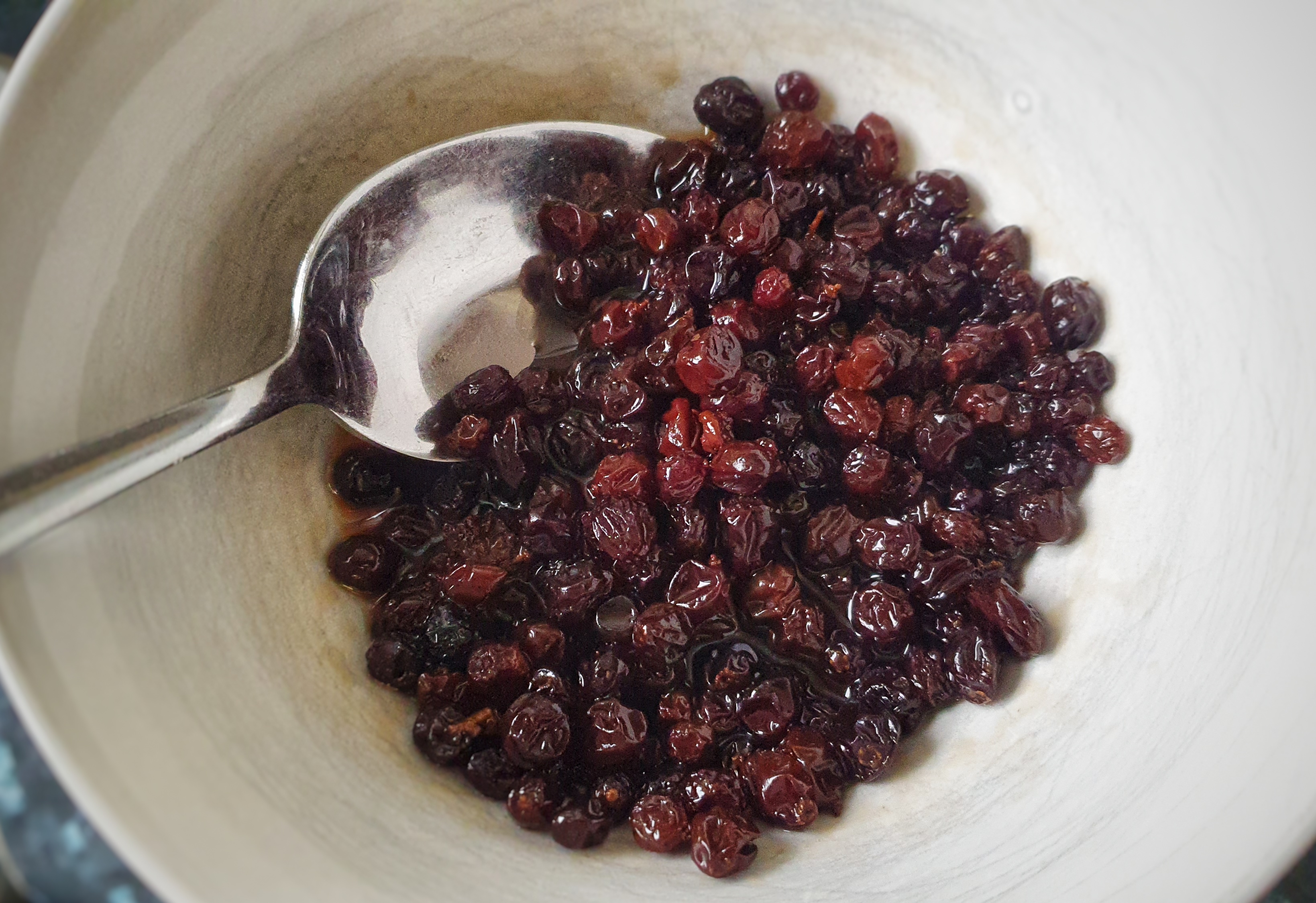
Encouraged by the fact I knew it could be done, I went about adapting my black pudding recipe into an ice cream. I have a good, basic vanilla ice cream recipe that I’ve been using for years, which in turn is based on my custard recipe, and all I did was swap out the eight egg yolks for 200 ml of pig’s blood. Not convinced that the blood would thicken things sufficiently, I popped in two egg yolks for good measure. The milk and cream were flavoured not with a vanilla pod, but the same aromatics as the black pudding: pepper, cloves, mace and dried mixed herbs. I really wanted to include the currants, but knowing they would freeze hard into bullets, I thought an overnight soak in some sherry would work well –  not unlike modern rum and raisin ice cream. I chose sherry because it’s the closest thing we have to sack, the popular fortified wine of the early modern period, and a common addition to recipes.

Well, I am very pleased to say that it was a great success. It was the richest ice cream I have ever eaten: luxurious, aromatic and with a very slight metallic tang. I ate a scoop with one of my early modern white puddings. What a combination!


If you like the blogs and podcast I produce, please consider treating me to a virtual coffee or pint, or even a £3 monthly subscription: follow this link for more information.


Ingredients

300 ml milk

300 ml cream seeds

½ tsp bl peppercorns

1 tsp fennel

½ tsp cloves

2 blades of mace

1 tsp dried mixed herbs

200 ml fresh blood

2 egg yolks

160 g sugar

50 g currants

a few tablespoons of sweet or medium sherry overnight

Method

Pour the milk and cream into a saucepan. Crack the peppercorns and bruise the remaining spices in a pestle and mortar, and add to the milk and cream along with the dried herbs. Mix well, making sure everything has been submerged, and warm the mixture over a medium-low heat and bring everything to scalding point – i.e. just before the milk and cream boil.

Meanwhile, add the blood, egg yolks and sugar to a mixing bowl and whisk together well.

When the mix and cream mixture reaches scalding point, remove the pan from the heat and whisk in around a quarter of it into the blood mixture. When everything is incorporated, beat in the rest of the cream mixture, and pour the whole thing back into the saucepan.

Now keep whisking or stirring until the temperature reaches 80°C – you can tell this temperature is reached because the mixture thickens noticeably and coats the back of a spoon (check with a difital thermometer, if unsure). Take off the heat and pass the whole thing through a sieve into a clean bowl or tub. Leave to cool and refrigerate overnight. Soak the currants in sherry and leave those to macerate overnight too.

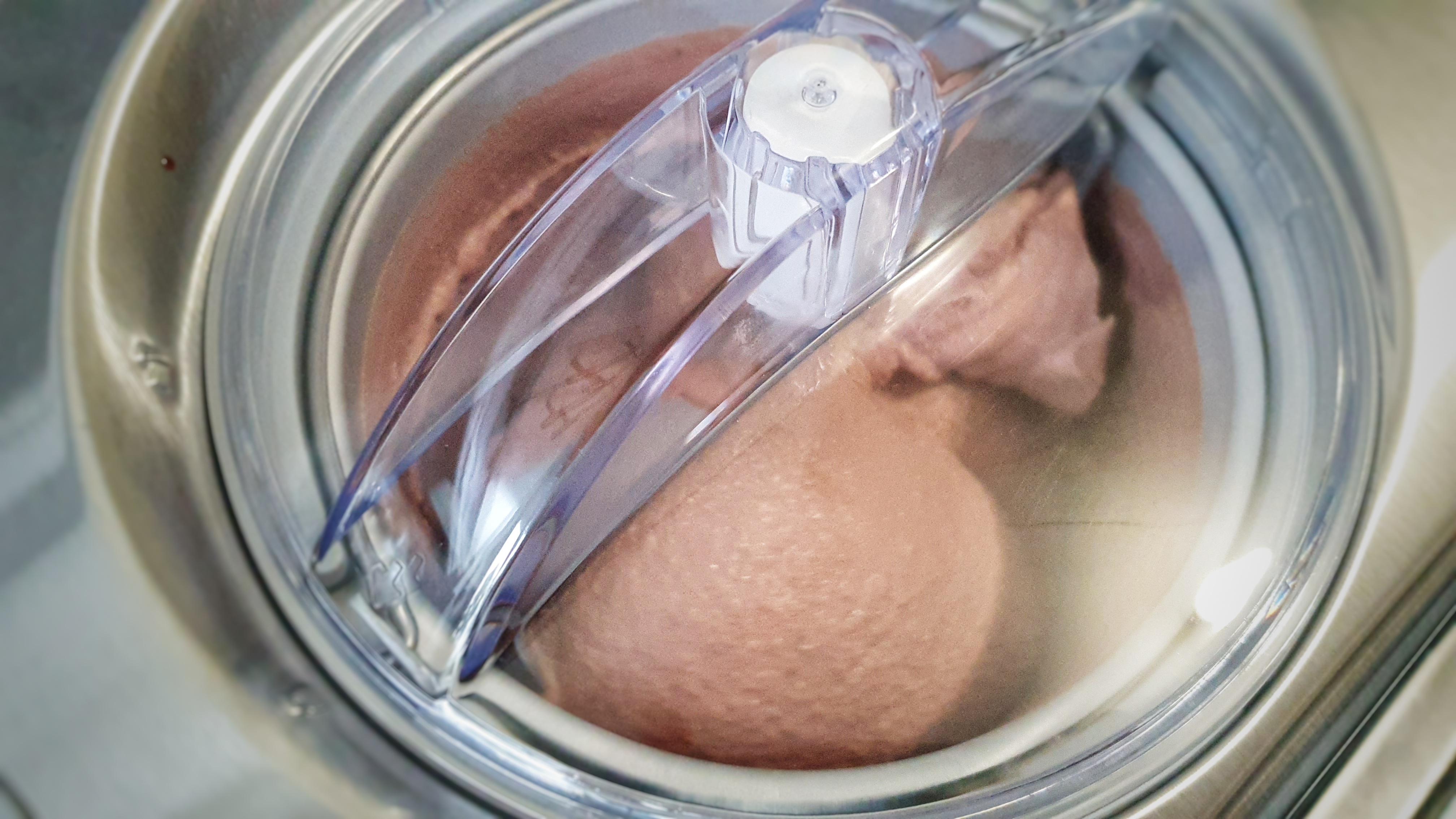
Next day, churn the mixture in an ice cream machine until a very thick soft-scoop consistency. As you wait, strain the currants (keep the sherry and drink it!). When the ice cream is almost ready, add the currants.

Pour the mixture into tubs and store in the freezer. Eaten within 3 months.

6 Comments

Filed under cooking, Desserts, food, General, Recipes, Uncategorized

Junket

Subscribe to get access

Read more of this content when you subscribe today. A monthly subscription costs just £3 (about $3.80 USD). You get access to premium blog content, the secret podcast, the Easter eggs page (with hours of clips to listen to!) and my monthly newsletter. For more information and to sign up, go to the Support the Blog & Podcast tab. Thank you

1 Comment

Filed under Britain, cooking, Dairy, Desserts, food, General, history, Puddings, Recipes, Uncategorized

To make a Bakewell tart

At the end of 2024, I gave you my recipe for Bakewell pudding. The plan was to follow with my recipe for Bakewell tart. Alas, life, Christmas and then a holiday to New Zealand got in the way.

But I always get around to things eventually and I give it to you today!

The Bakewell tart, despite it being dearly loved by Brits, was originally made as a cheap, dumbed-down version of the rich Derbyshire pudding: the puff pastry swapped for shortcrust, and the buttery almond filling swapped for an almond-flavoured sponge cake.

I write about the histories of the Bakewell pudding and tart in Knead to Know: A History of Baking, so pick up a copy if you want to know more.

I have been using this recipe for years now and it’s a real crowd-pleaser. When the restaurant was open, I served this tart warm with a lemon-flavoured cream and received a big bear hug from a diner: there could have been no better seal of approval in my book! The secret to its success is that I make a frangipane rather than a sponge cake filling, bound together with just a tablespoon of flour.


If you like the blogs and podcast I produce and would to start a £3 monthly subscription, or would like to treat me to virtual coffee or pint: follow this link for more information. Thank you.


Recipe

Makes 1 x 21 cm/8 inch tart

For the sweet shortcrust pastry:

200 g plain flour

100 g salted butter, diced (or half-and-half butter and lard)

50 g caster or icing sugar

1 egg, well beaten

Cold water (see recipe)

For the filling:

100 g salted butter, softened

100 g caster sugar

2 eggs

100g ground almonds

30 g self-raising flour

¼ tsp almond extract

3 or 4 tbs raspberry jam

30 g slivered almonds

First, make the pastry: Place the flour and fat(s) in a mixing bowl and rub the fat in until the mixture resembles fresh breadcrumbs. You can do this by hand using fingertips or with the flat beater of a stand mixer on a slow speed. Make a well in the centre and add most of the egg. If using a stand mixer, slowly mix it in, pouring more egg into any dry patches. If doing by hand, use a butter knife to mix (this prevents overworking of the dough). You should have a cohesive dough that can be brought together with your hand – if it does seem dry, add a tablespoon of cold water.

Knead briefly, cover and allow to rest in the fridge for 20 to 30 minutes. Meanwhile, preheat your oven to 180°C and place a baking tray on the centre shelf

On a lightly floured work surface, roll out the pastry to the thickness of a pound coin, and use it to line an 8”/20 cm loose-bottomed tart tin or ring.[1] Prick the base with a fork and place it back in the fridge to firm up.

Now make the filling: using a hand beater or stand mixer, beat together the soft butter, caster sugar, eggs, almonds, flour and extract until smooth.

Take the pastry out of the fridge and spread jam over the bottom leaving a centimetre gap all around the inside edge. Spoon or pipe the mixture first around the edges and then the centre (this stops the jam from rising up the sides of the pastry lining), levelling off with a spatula.

Sprinkle with the slivered almonds and slide the tart onto the hot baking sheet and bake for 40 minutes, turning the heat down to 160°C if the top gets too brown. Cool on a rack, and remove from the tin when just warm.


[1] You will find that there is excess pastry – make some nice jam tarts or turnovers.

10 Comments

Filed under baking, Britain, cooking, food, General, Puddings, Recipes, Teatime

To make a Bakewell pudding

I was at the Foyles Winter Evening on the 28th of November promoting The Philosophy of Puddings. It was at their flagship Charing Cross Road store, adjacent to Soho, and it was all very exciting. To draw folk in, I brought two puddings from opposite ends of the pudding spectrum: a nice, but very sweet, Bakewell pudding and a very savoury black pudding. I’m sure you can guess which was the most popular (by the way, tune into this podcast episode to hear about my gaff involving Rick Astley and the black pudding).

I promised I would post the recipe for a Bakewell pudding because it went down so well at the event. A Bakewell pudding is different from a Bakewell tart: the pudding is made up of a puff pastry case, a layer of raspberry jam, and then a sweet mixture of melted butter, eggs, sugar, and ground almonds. It’s very sweet and seems to be derived from a tribe of puddings called transparent puddings.[1]

The recipe for Bakewell pudding is a closely-guarded secret held by the several bakeries in Bakewell who reckon they have the original recipe. I won’t go into the history of the pudding here, it can all be found in the Philosophy of Puddings and Knead to Know.[2] However, Sheila Hutchins provides a recipe in her excellent 1967 book English Recipes and Others which she obtained from ‘Mr Oulsnam, the cook at the Rutland Arms in Bakewell where the pudding was said to be invented’.[3] There are recipes too in Jane Grigson’s English Food (1992) and Regula Ysewijn’s Pride and Pudding (2015). The first recipe appears in Eliza Acton’s Modern Cookery for Private Families (1845), and it doesn’t have a crust, and is made with egg yolks, not whole eggs.[4]

One of several bakeries in Bakewell that reckon they have the true original Bakewell pudding recipe

All of the recipes vary slightly, but I have gone with something that resembles the modern version, though my filling has a higher proportion of ground almonds than the Rutland Arms recipe (but not too much because it begins to veer on Bakewell tart territory. I feel I have the balance just right, but you can be the judge of that.

By the way, the finished pudding isn’t a particularly beautiful-looking thing, it won’t come out of the oven looking like French patisserie, it’s wonky and slightly scruffy but very delicious; as a pudding should be.

Apologies for the lack of a photo of the interior! I was stressed on the night and forgot to take one, but here I am with the pudding in Foyles.


If you like the blogs and podcast I produce and would to start a £3 monthly subscription, or would like to treat me to virtual coffee or pint: follow this link for more information. Thank you.


Recipe

My recipe makes 1 x 23 cm/9 inch (approx.) pudding in a round tin with sloping sides. The great thing about puddings is that they are very forgiving, so if your tin has straight sides or fluted edges, or not exactly the right dimensions, don’t worry, it will be fine.

The pastry is not blind-baked first. To avoid the dreaded soggy bottom put a baking tray in the oven so it can get nice and hot. When the pudding is ready to bake, sit it on the very hot tray which will help crisp it up before it starts to turn soggy.

1 batch of Quick and Easy Puff Pastry

120 g butter

120 g caster sugar

80 g ground almonds

2 eggs

A few drops of almond essence

2 to 3 dessertspoons of raspberry jam

Preheat your oven to 220°C and place a baking tray on the centre shelf.

Begin by rolling out the pastry to the thickness of a pound coin (3 mm approximately). Allow to rest for a couple of minutes before lining the tin with the pastry. Make sure the pastry is tucked into the edges properly and that there are no air bubbles. Trim with a knife or rolling pin (whichever is most efficient – depends upon your tin!) and prick the pastry all over with a fork so that it doesn’t puff up too much in the oven.

Place the lined tin in the fridge so the butter can harden up. Meanwhile, make the filling: slowly melt the butter in a saucepan, as you wait, mix the sugar and ground almonds in a mixing bowl, then the eggs and almond essence. When the butter is just melted beat it into the mixture.

Take the lined tin out of the fridge and spread with the jam, leaving a gap all around the inside edge.

Spoon or pour the mixture, first around the inside edge and then the centre, smoothing over any gaps.

Place in the oven on the now very hot baking tray for 25 to 35 minutes, turning the temperature down to 180°C when the top reaches a nice, deep golden brown (it was around the 20-minute mark for me).

When the centre is set, remove it from the oven and allow it to cool on a wire rack.


[1] Buttery, N. The Philosophy of Puddings. (British Library Publishing, 2024).

[2] Being a baked pud, Bakewell pudding gets mentioned in both The Philosophy of Puddings and Knead to Know: a History of Baking (though different aspects are discussed).

[3] Hutchins, S. English Recipes, and Others from Scotland, Wales and Ireland as They Appeared in Eighteenth and Nineteenth Century Cookery Books and Now Devised for Modern Use. (Cookery Book Club, 1967).

[4] Acton, E. Modern Cookery For Private Families. (Quadrille, 1845); Grigson, J. English Food. 3rd edition (Penguin, 1992); Ysewijn, R. Pride and Pudding: The History of British Puddings Savoury and Sweet. (Murdoch Books, 2015).

4 Comments

Filed under baking, Britain, cooking, food, General, history, Puddings, Recipes

Two free talks this December (one online & one in person)

Hello there folks. A very quick post just to let you all know that I am giving two free talks this December.

The first is taking place at Manchester Central Library at 6pm on 5 December and is entitled The History of Pies & Puddings. Because it’s December I shall be looking at some festive examples but also a few other favourites. There will also be some of the library’s antiquarian cookery books to view as part of it. Book your spot here.

The second is a free Zoom talk on 17 December at 7pm (GMT) called The Philosophy of Puddings where I will look at the history of this very British food in the kitchen and in our culture. Will any of your favourites be mentioned? Book your spot here.

There are new events cropping up all of the time so make sure that you check the Upcoming Events tab regularly.

Looking forward to seeing some of you there!


If you like the blogs and podcast I produce and would to start a £3 monthly subscription, or would like to treat me to virtual coffee or pint: follow this link for more information. Thank you.


7 Comments

Filed under Books, Britain, cooking, events, food, General, history, Puddings, Teatime

New book ‘The Philosophy of Puddings’ out 24 October 2024

I’m very excited to announce that my next book The Philosophy of Puddings with be published on 24 October 2024, published by the British Library – part of their excellent The Philosophy of… series.

Preorder The Philosophy of Puddings from your favourite bookseller, or from the British Library bookshop.

The word ‘pudding’ is a confusing one if you are not from the British Isles because so many things can be a pudding: steamed sponge, Christmas pud, sticky toffee pudding, plus black and white pudding AND haggis. Add to this the fact that pudding can also be a byword for any dessert. Convoluted craziness.

I have tried to tackle the tricky etymology of the word before – puddings change and morph into so many different things across time that it’s pretty mind-boggling, and I’m so glad to have the opportunity to really study it in depth: a dream come true really. As far as I know there isn’t a book that tracks the word right through history, focussing not just on trends and fashions but also why puddings are so important in British identity.

Here’s what the blurb says:

Just what is a pudding? We all have our favourites, whether it is a school-dinner jam roly-poly with custard, or a Yorkshire with onion gravy, a Burns’ Night haggis or the Christmas plum pudding. The humble pudding started out as a meat boiled in either animal intestine or in a cloth. With the advent of pudding bowls and moulds, the pudding assumed a myriad of identities. Neil Buttery traces the long history of pudding and its importance in British culture and language. He has tried and tested many recipes from across the centuries in his ‘Pud Club’ and shares his extensive knowledge and expertise.

The Philosophy of Puddings features stunning images and photographs from the Library’s collections.

I will present some of my research an online talk in December – the date is to be announced, so make sure you keep an eye out on social media or the ‘Upcoming Events’ page on the blog.

Leave a comment

Filed under baking, Books, Britain, cooking, Desserts, food, General, history, Puddings

To Make Eccles Cakes

Subscribe to get access

Read more of this content when you subscribe today. A monthly subscription costs just £3 (about $3.80 USD). You get access to my premium blog content, my Easter eggs page (with hours of clips to listen to!) and my monthly newsletter.

1 Comment

Filed under baking, Britain, cake, cooking, food, General, Recipes, Uncategorized

Flammable Flour

When we think of the food we eat, we think of it in terms of fuel – this is especially the case with starchy food, those made from flour because they are broken down into sugars and then converted slowly into energy in a form the body can use (unless we eat too much of it, then it is turned into fat). However, workers in factories around the world are very aware of the amount of energy trapped in flour: working with large amounts of it can be a dangerous business. Factory explosions have occurred causing damage, injury and death.

The aftermath of the Tradeston Flour Mill explosion, Glasgow 1872

              The worst accident in the British Isles caused by flour happened on 9 July 1872 at the Tradeston Flour Mill in Glasgow, a century and a half ago. An explosion ripped through the mill seriously injuring 16 and killing 18, among them a mother of three with her three-month-old baby. What caused it? A report published in the journal Nature reported that the ‘origin [was] conclusively traced to the striking of fire by a pair of millstones caused by the stopping of the “feed” or supply of grain to them, and the consequent friction against each other, the result being the ignition of the mixture of air and fine flour dust surrounding the millstones.’[1] It might have been self-contained were it not for the cloud of flour, the explosion itself created. The mill was set up so that several mills were working together in a row, run by steam power, each explosion setting up another sending a cascade of flour bombs ripping through the building.[2] The most recent flour explosion in the UK occurred on 18 November 1981 in the Bird’s Custard factory in Banbury, Oxfordshire where a cloud of cornflour[3] exploded injuring nine.

Beware the explosive power of Bird’s Custard Powder

It has been theorised that it was a flour explosion that exacerbated the Great Fire of London in 1666 when an oven exploded next to several sacks of flour. The (alleged) bakery on Pudding Lane was owned by King Charles II’s own baker, Thomas Farriner. The blaze would continue for five days, destroying 13,500 houses and many important buildings including St Paul’s Cathedral. It killed just six people.


If you like the blogs and podcast I produce and would to start a £3 monthly subscription, or would like to treat me to virtual coffee or pint: follow this link for more information. Thank you.


Notes

[1] Accidental Explosions. Nature 478–479 (1875).

[2] Dalgetty, L. (2022) ‘Remembering the Glasgow Flour Mill explosion that killed 18 people’, Glasgow Live, 10 July.

[3] Bird’s Custard isn’t thickened with egg, but with cornflour/starch and it is by far the main component, the others being colouring and a very fake vanilla flavouring. For more on custard click here.

4 Comments

Filed under baking, Britain, cooking, Desserts, food, General, history, Puddings, The Victorians