Category Archives: Britain

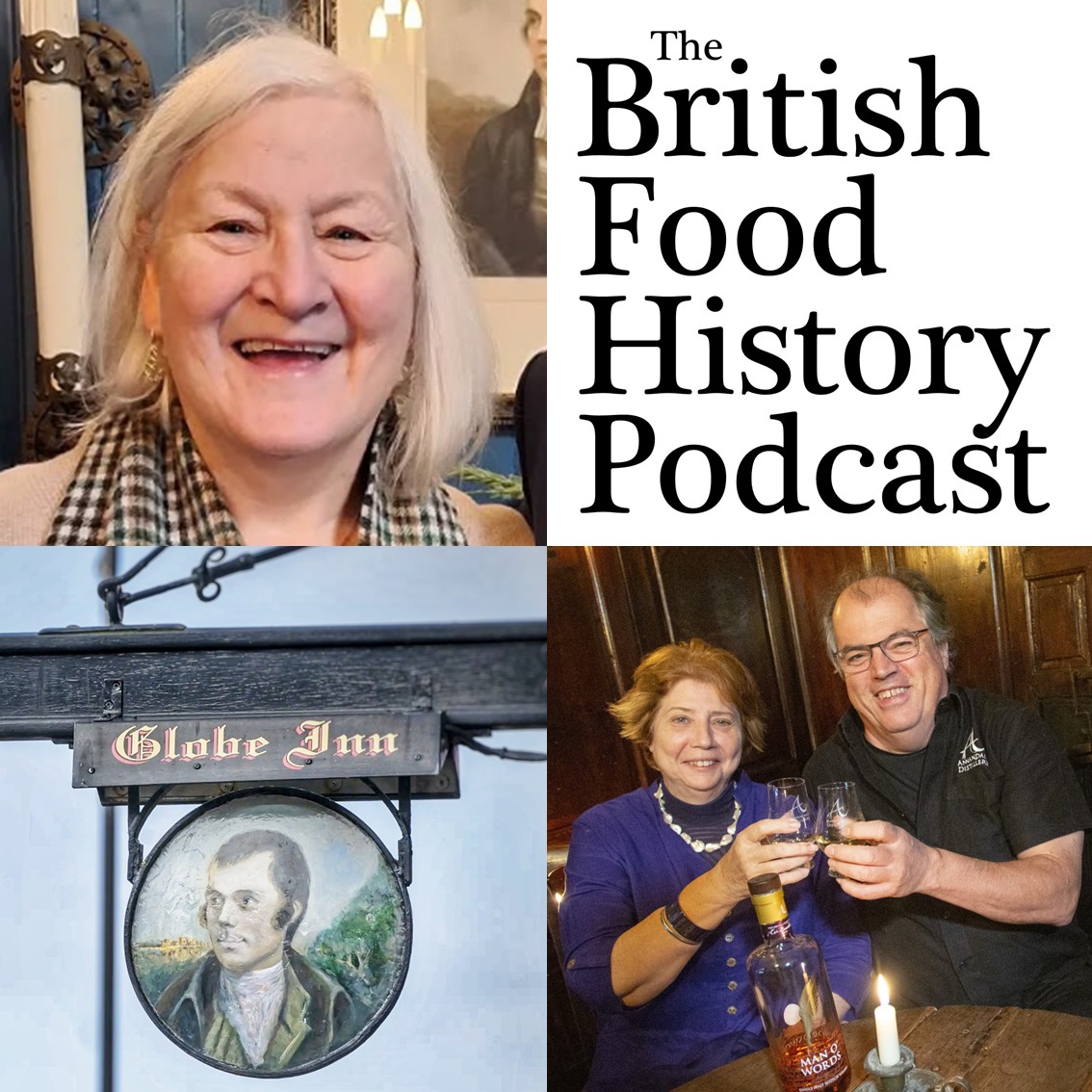
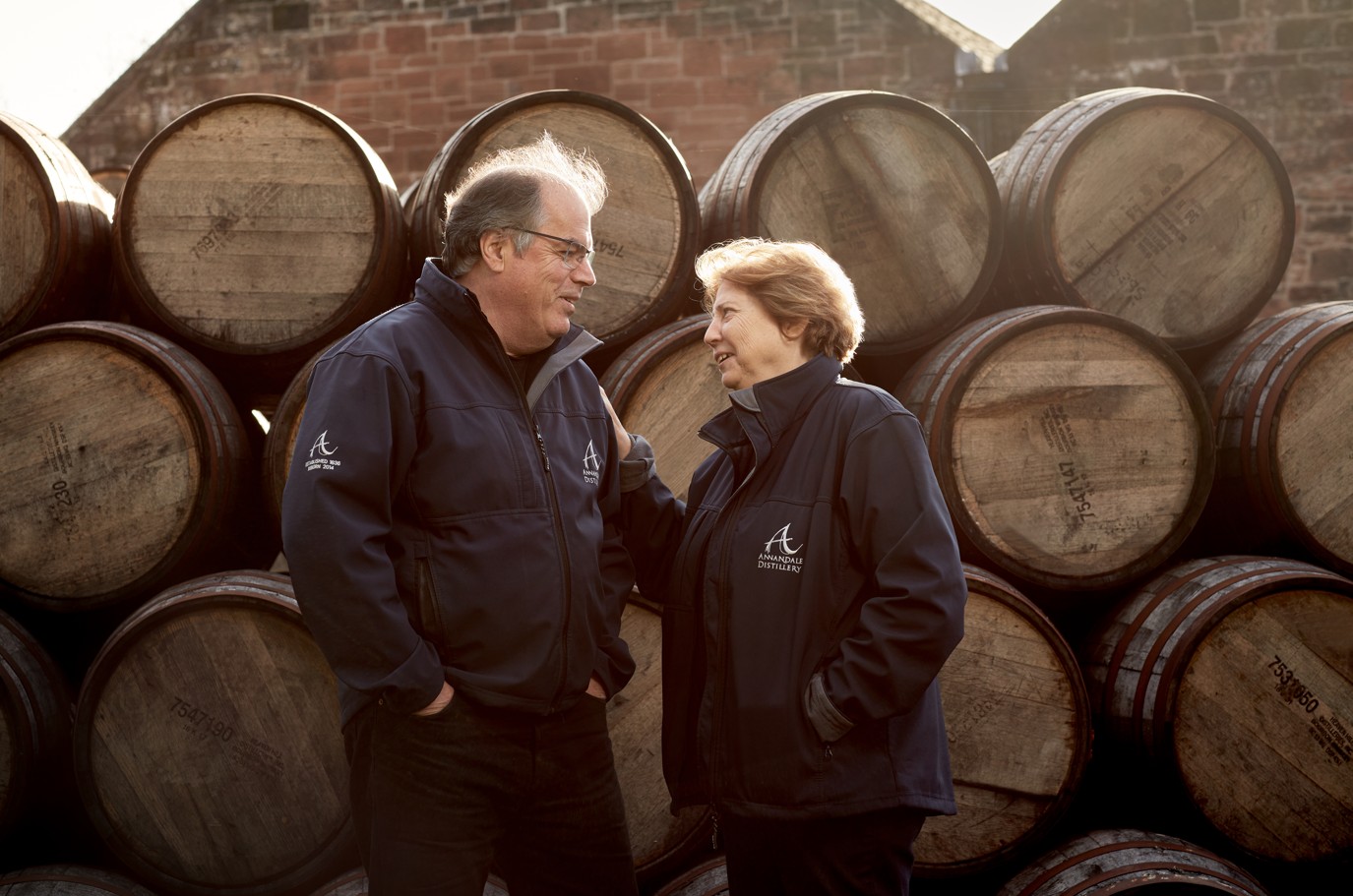
Robert Burns, the Globe Inn & Annandale Distillery with Jane Brown, Teresa Church & David Thomson

Welcome to the second of a two-part podcast special all about Burns Night.

Burns Night, celebrated on Robert Burns’ birthday, 25th January, is a worldwide phenomenon and I wanted to make a couple of episodes focussing upon the night, the haggis, but also the other foods links regarding Scotland’s national poet, Robert Burns.

So, if you’re readying yourself for a Burns supper, I hope this episode gets you even more into the celebratory spirit. If you’re not marking Burns Night? Well, hopefully after listening to this, you will be inspired to get yourself some haggis, neeps, tatties and a dram of whisky.

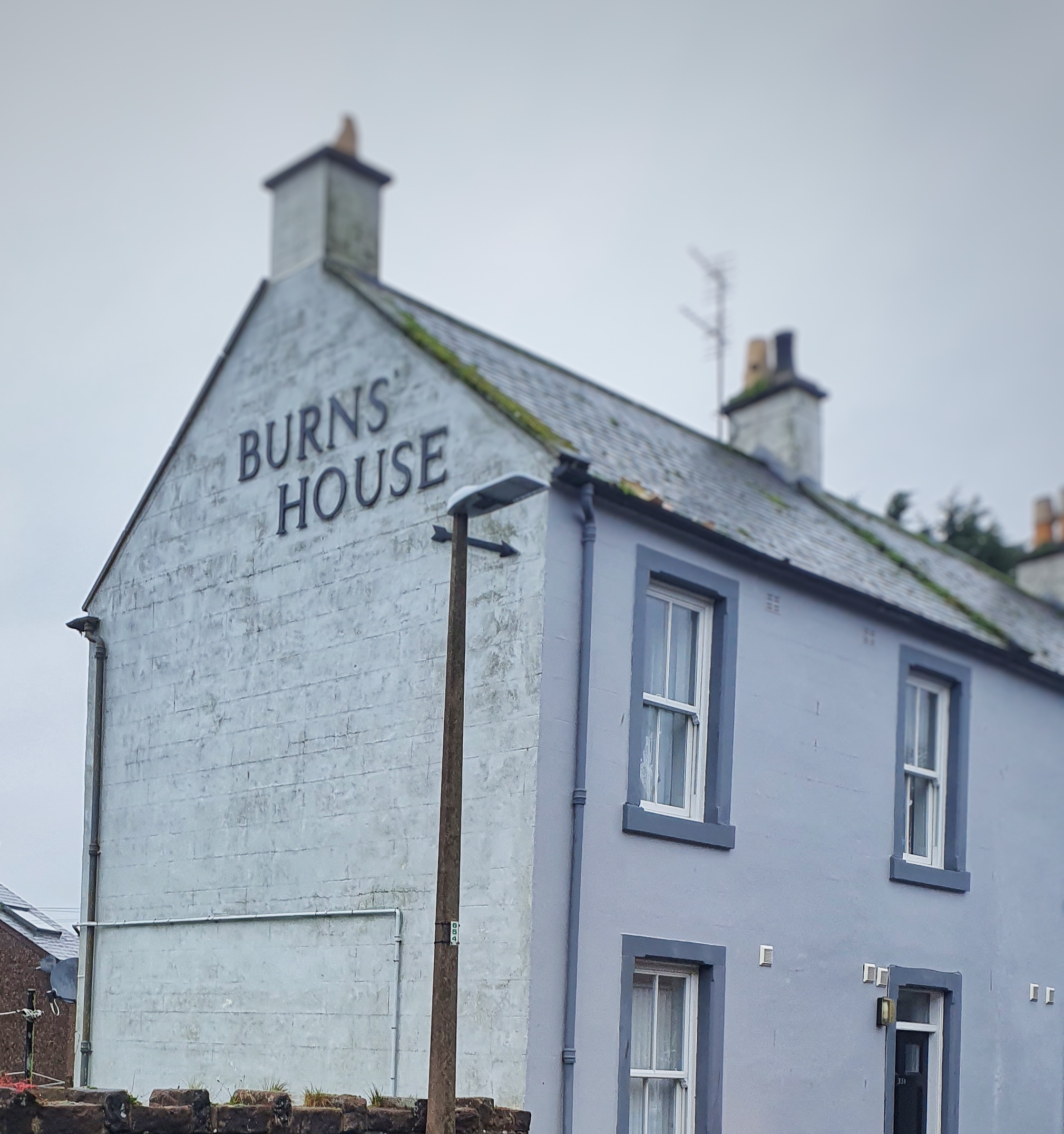
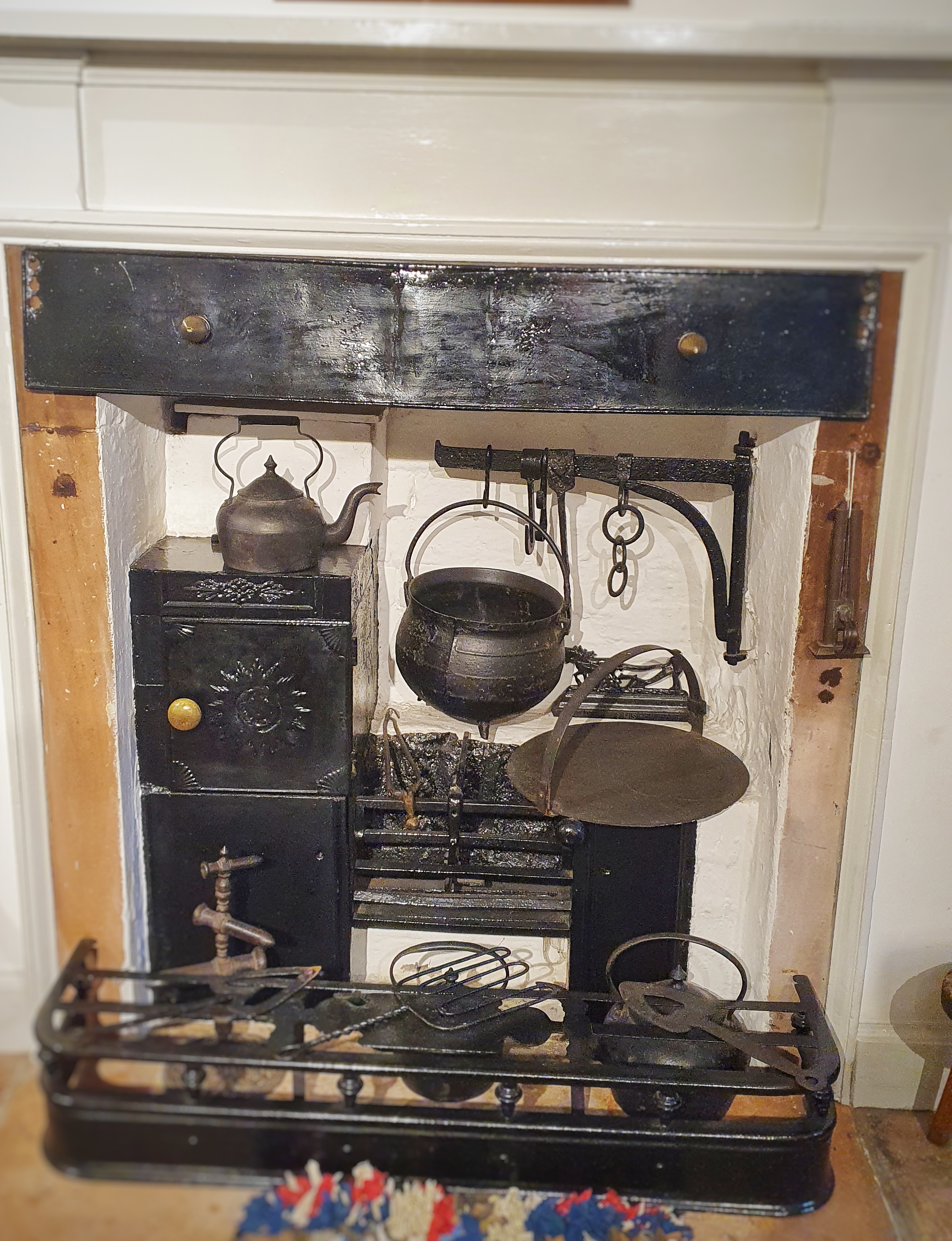
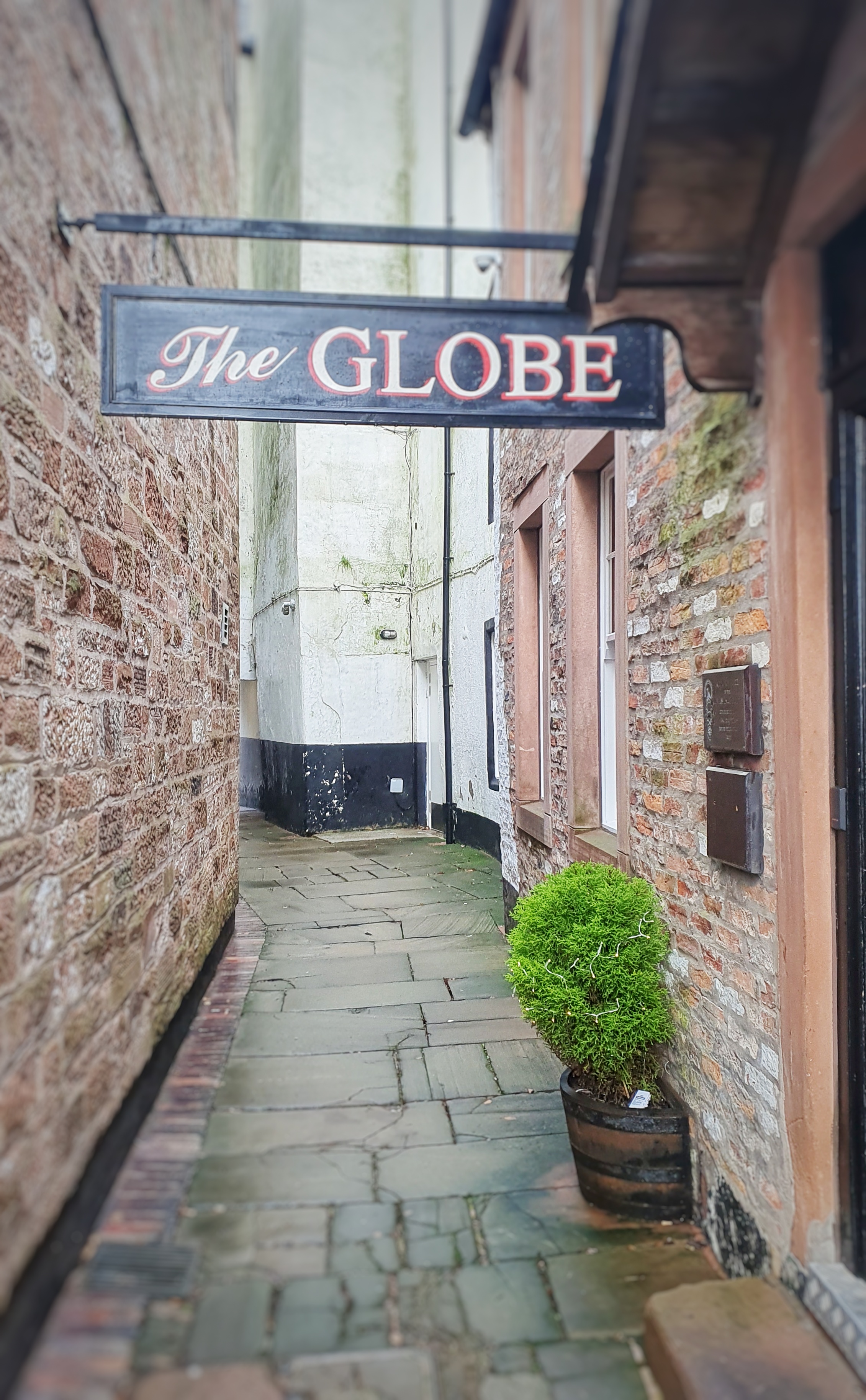
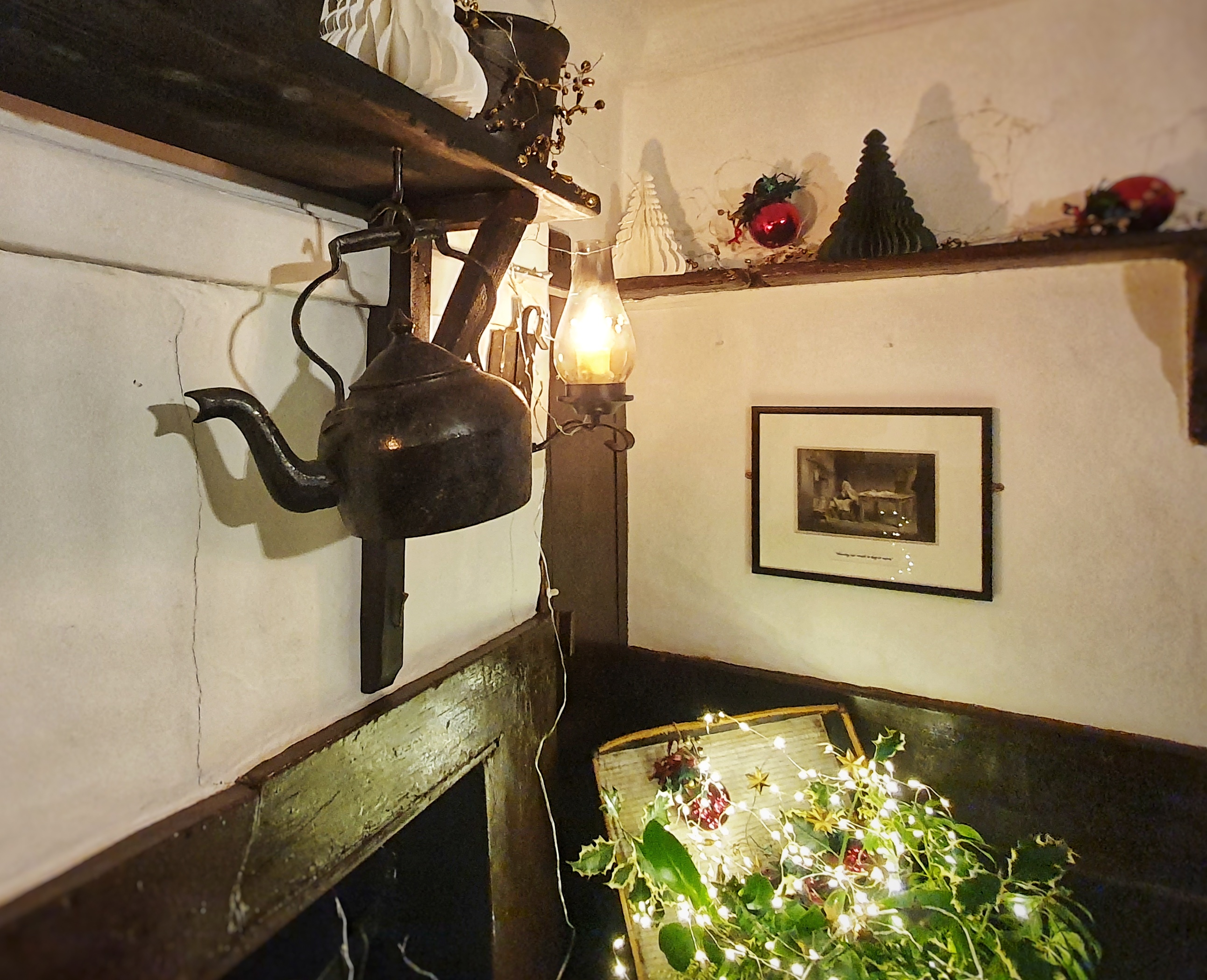
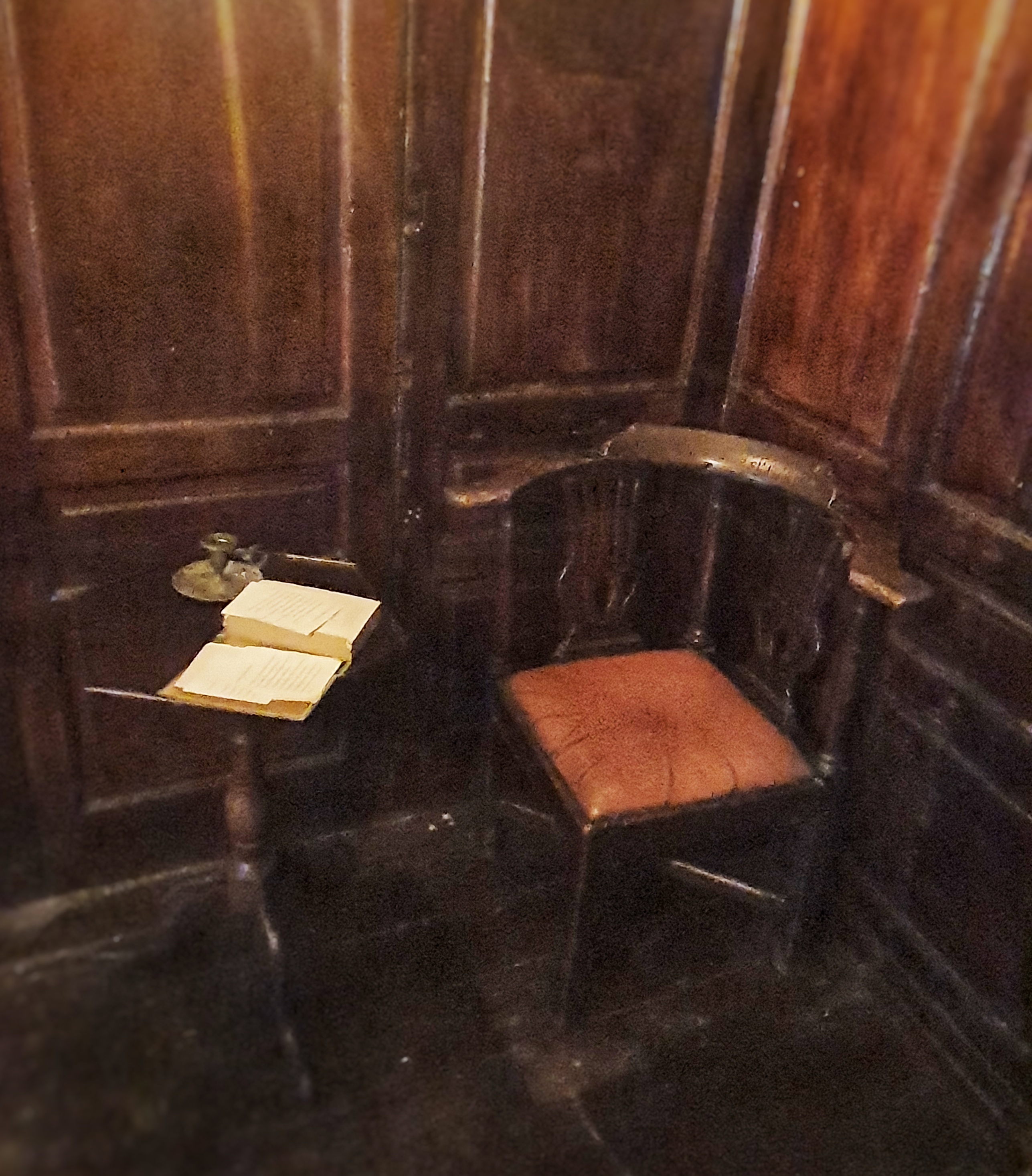
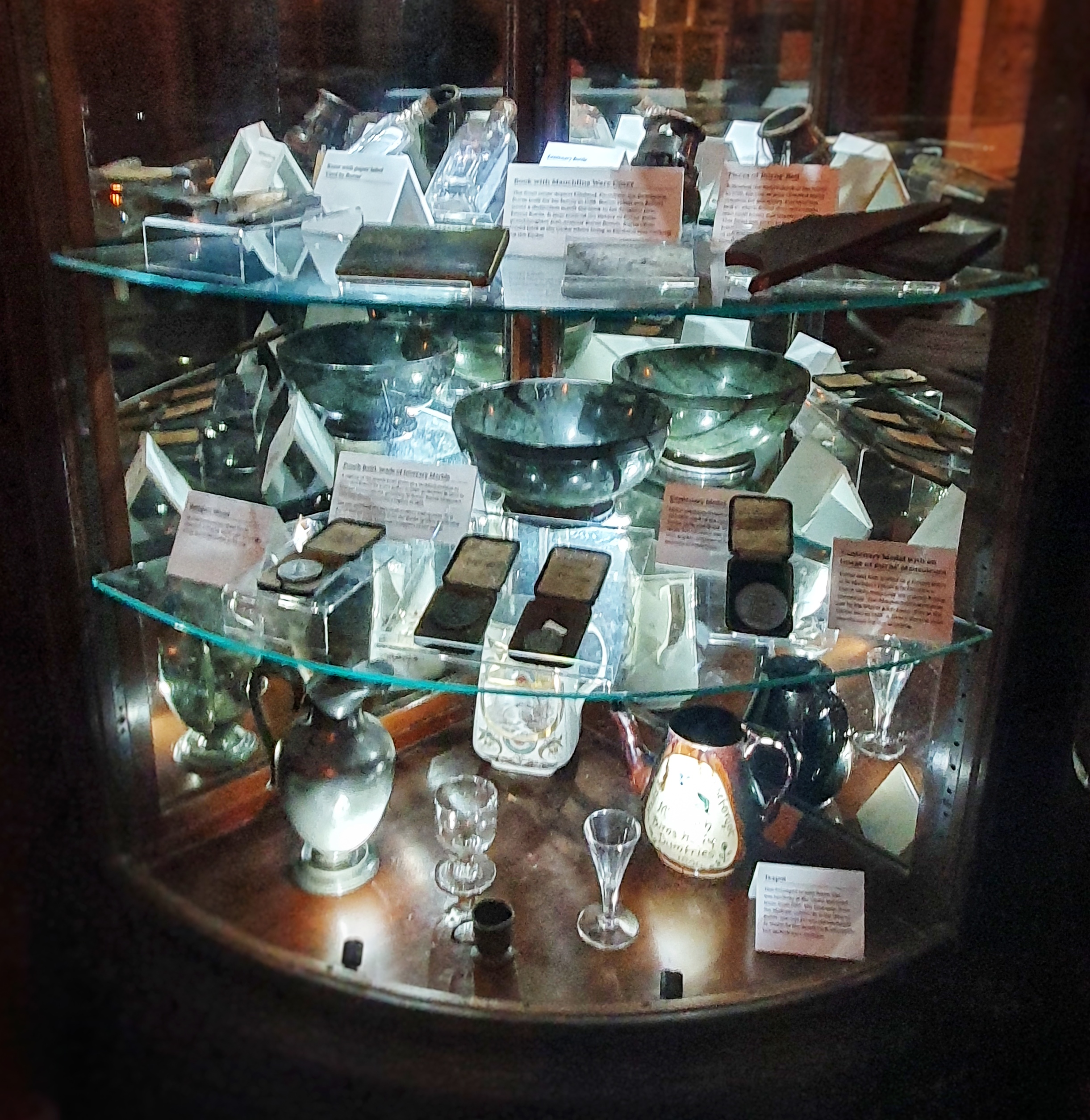
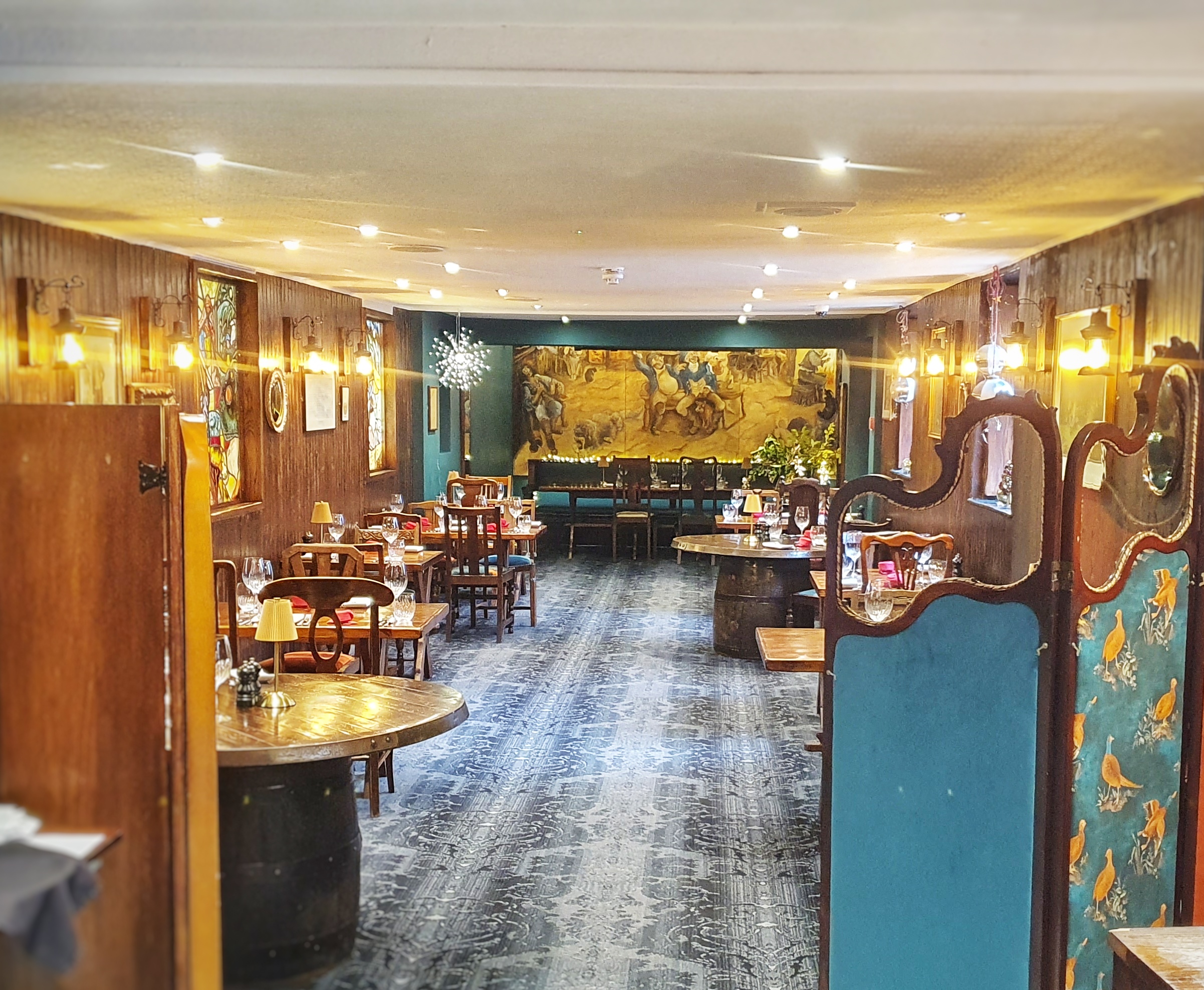
Today’s episode is a jam-packed one where I speak with three guests all about Robert Burns and his links with Dumfriesshire, Southwest Scotland. First of all, I speak with Jane Brown, Honorary President of the Robert Burns World Federation, and ex-manager of The Globe, Robert Burns’s favourite haunt when he lived in Dumfries during the last eight years of his life. Jane has attended and spoken at many Burns Nights all over the world, so there’s no one better to talk about with Burns’s life, which had several links with food and drink: there’s Burns Night and the Address to a Haggis, his time as an exciseman and as a farmer, and his time at the Globe. Then there’s the Globe itself and all of the precious artefacts contained within it that have been painstakingly conserved by owners Teresa Church and David Thomson.

The British Food History Podcast is available on all podcast apps and now YouTube. You can also stream it via this Spotify embed below:

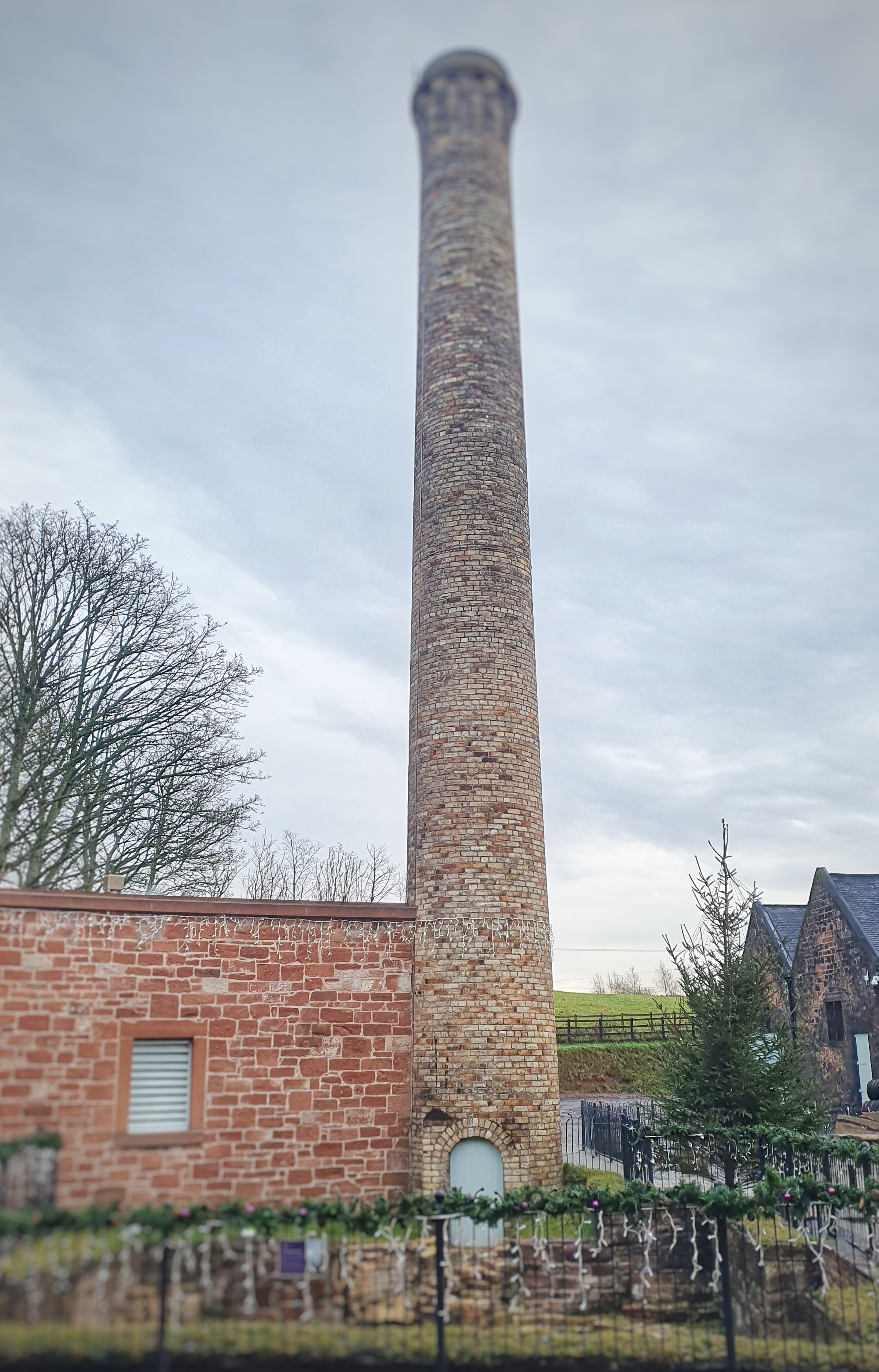
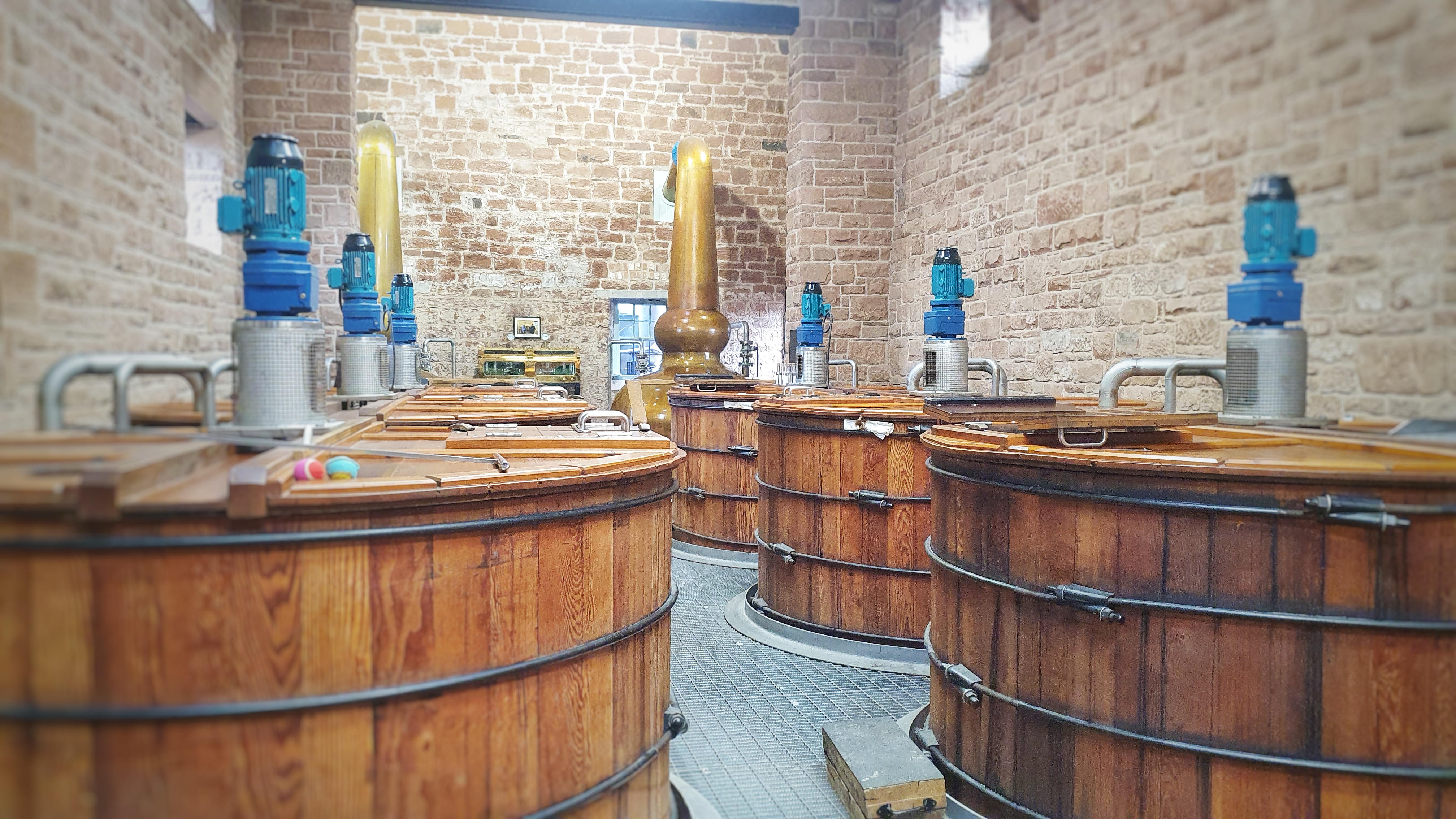
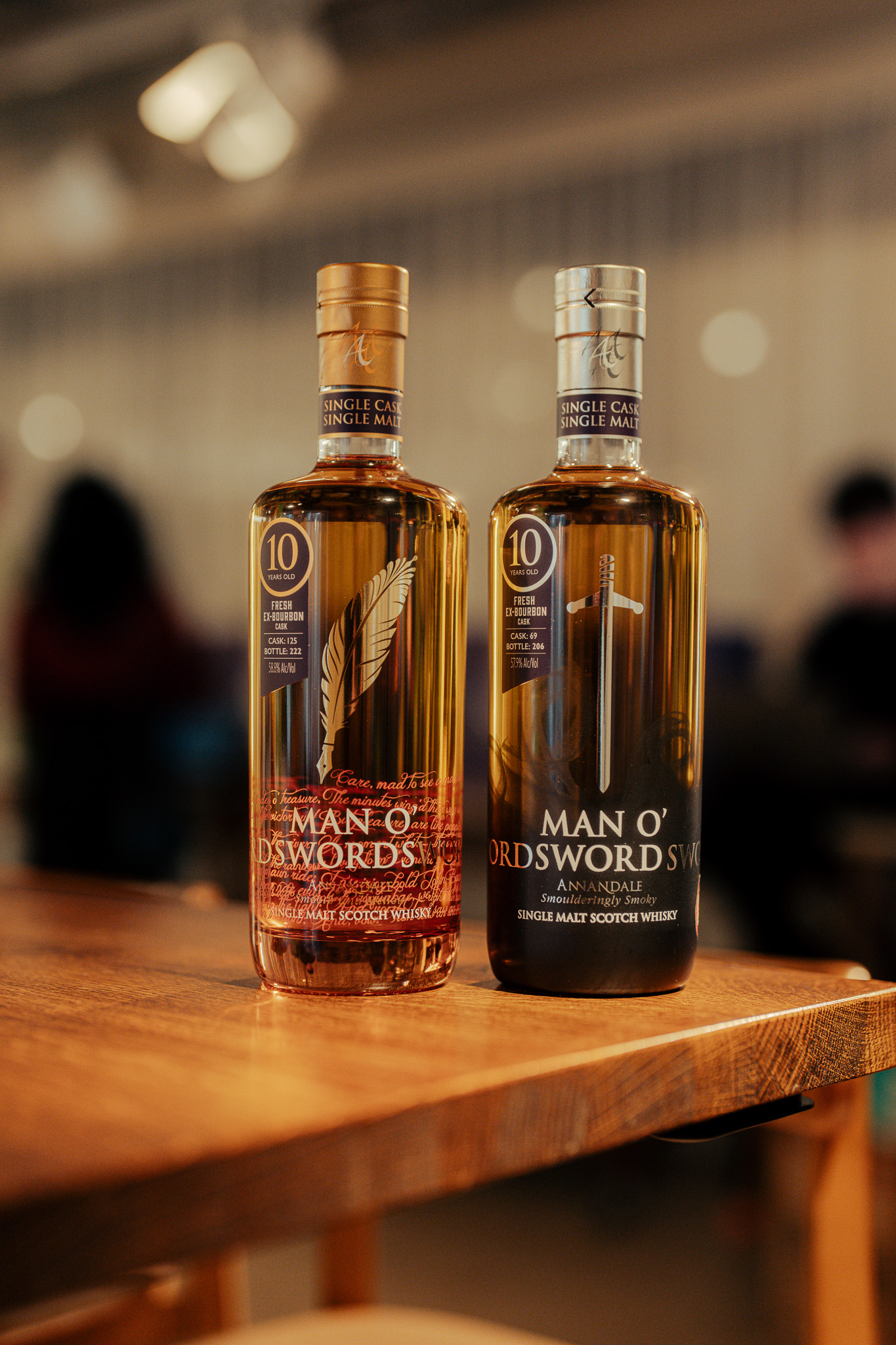
David and Teresa also own the Annandale Distillery, which produces a delicious and unique single malt whisky. It’s available unpeated and called Man O’Words, after Robert Burns, and the other is peated and called Man O’Sword, after the other local historical figure associated with Dumfries, Robert the Bruce. Like the Globe, the old distillery was saved, beautifully conserved and brought back to life by David and Teresa.

In today’s episode, we talk about Burns’s before and after graces, Burns’s penchant for scratching poetry on inn windows, the importance of cask size on the flavour of whisky, and just what exactly possessed David and Teresa to buy the Globe and a falling-down distillery in the first place – amongst many other things.

Don’t forget, there will be postbag episodes in the future, so if you have any questions or queries about today’s episode, or indeed any episode, or have a question about the history of British food, please email me at neil@britishfoodhistory.com, or leave a comment below.

The Globe Inn website

Annandale Distillery website

The Robert Burns World Federation

Follow 1610 at the Globe on social media: Instagram @theglobeinn1610; Facebook https://www.facebook.com/theglobeinn/?locale=en_GB; X @The GlobeInn1610

Follow Annandale Distillery on social media: Instagram: @annandale_distillery; Facebook: https://www.facebook.com/annandaledistillery/?locale=en_GB; X: @AnnandaleDstlry


If you can, support the podcast and blogs by becoming a £3 monthly subscriber, and unlock lots of premium content, including bonus blog posts and recipes, access to the Easter eggs and the secret podcast, or treat me to a one-off virtual pint or coffee: click here.


This episode was mixed and engineered by Thomas Ntinas of the Delicious Legacy podcast.

Things mentioned in today’s episode

Article: Local whisky maker hailed for its ‘world class’ and ‘immaculate’ malt at top awards. From in-Cumbria

Annandale Distillery on Visit Scotland website

MMR website (David and Teresa’s day job!)

The Burns House Museum

David’s article about the importance of cask size when maturing whisky

My ‘Taste of Britain’ series in Countrylife Magazine

Robert the Bruce

My upcoming online talk with Paul Crane as part of the Museum of Royal Worcester’s Winter Talk series on 4 March at 6pm

Previous pertinent blog posts

Chicken Balmoral

Previous pertinent podcast episodes

Haggis and the First Burns Suppers with Jennie Hood

Neil’s blogs and YouTube channel

‘British Food: a History’

The British Food History Channel

‘Neil Cooks Grigson’

Neil’s books

Before Mrs Beeton: Elizabeth Raffald, England’s Most Influential Housekeeper

A Dark History of Sugar

Knead to Know: a History of Baking

The Philosophy of Puddings

Leave a comment

Filed under Brewing, Britain, events, Festivals, General, history, Podcast, science, Scotland

Chicken Balmoral

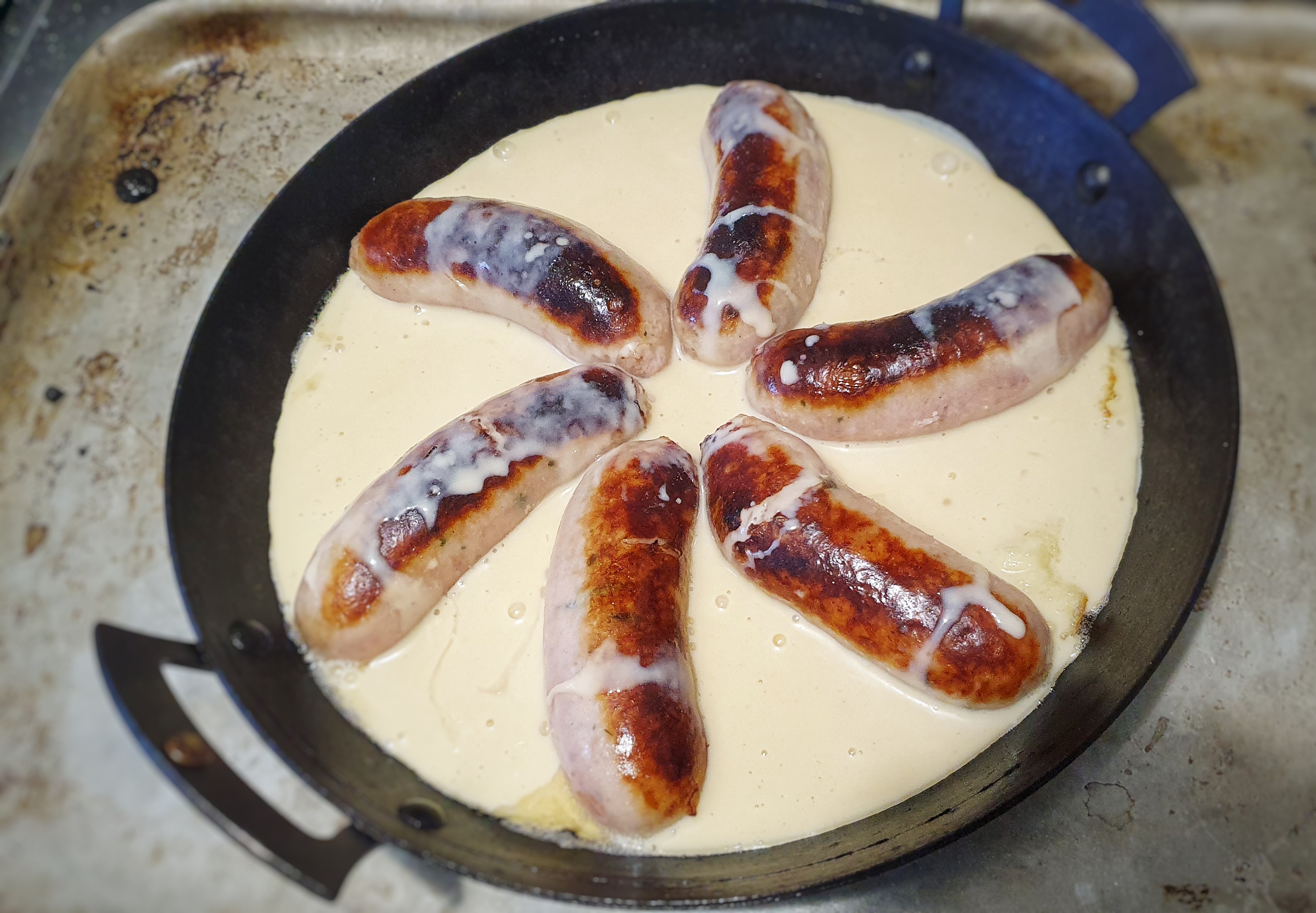
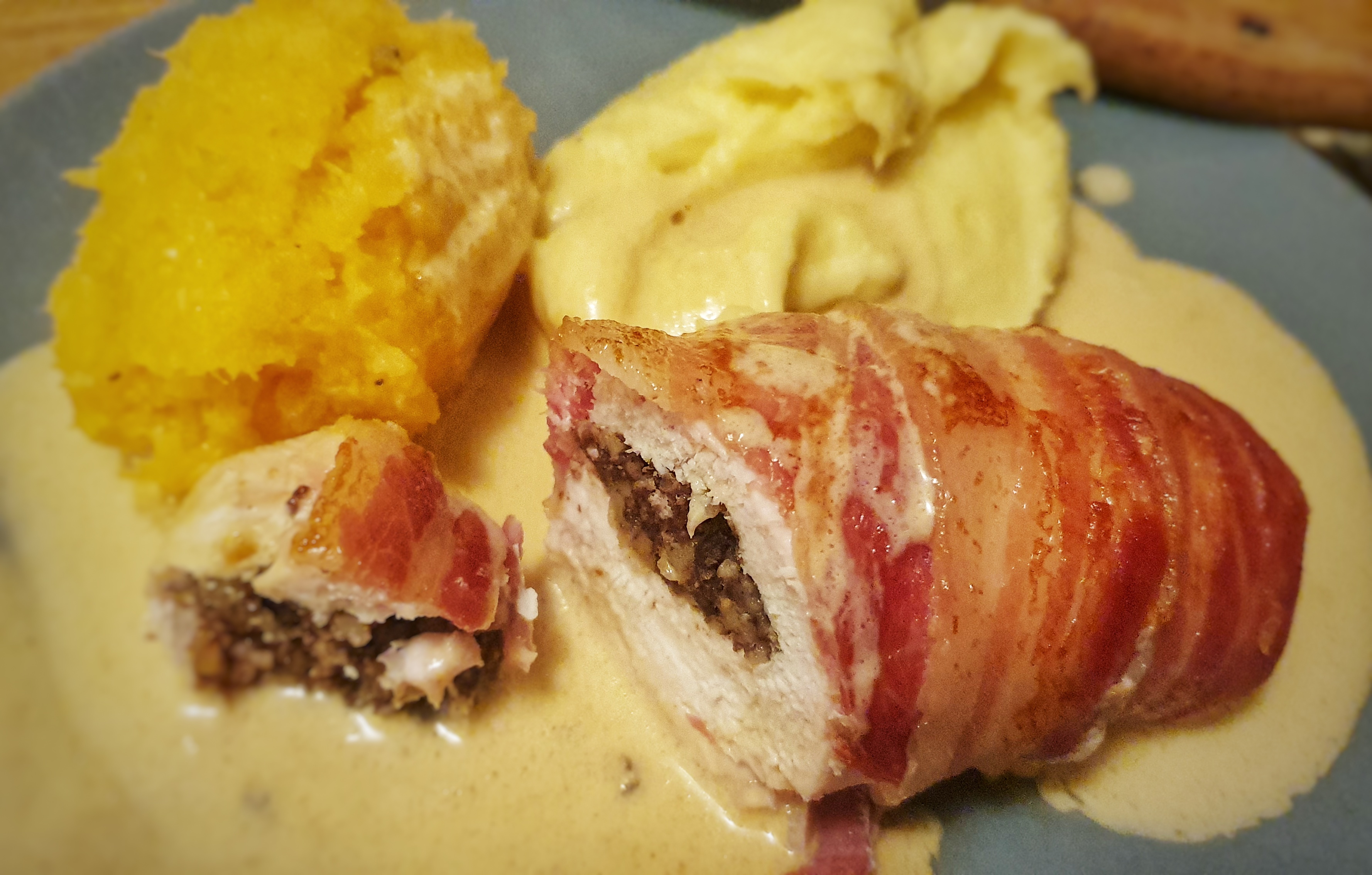
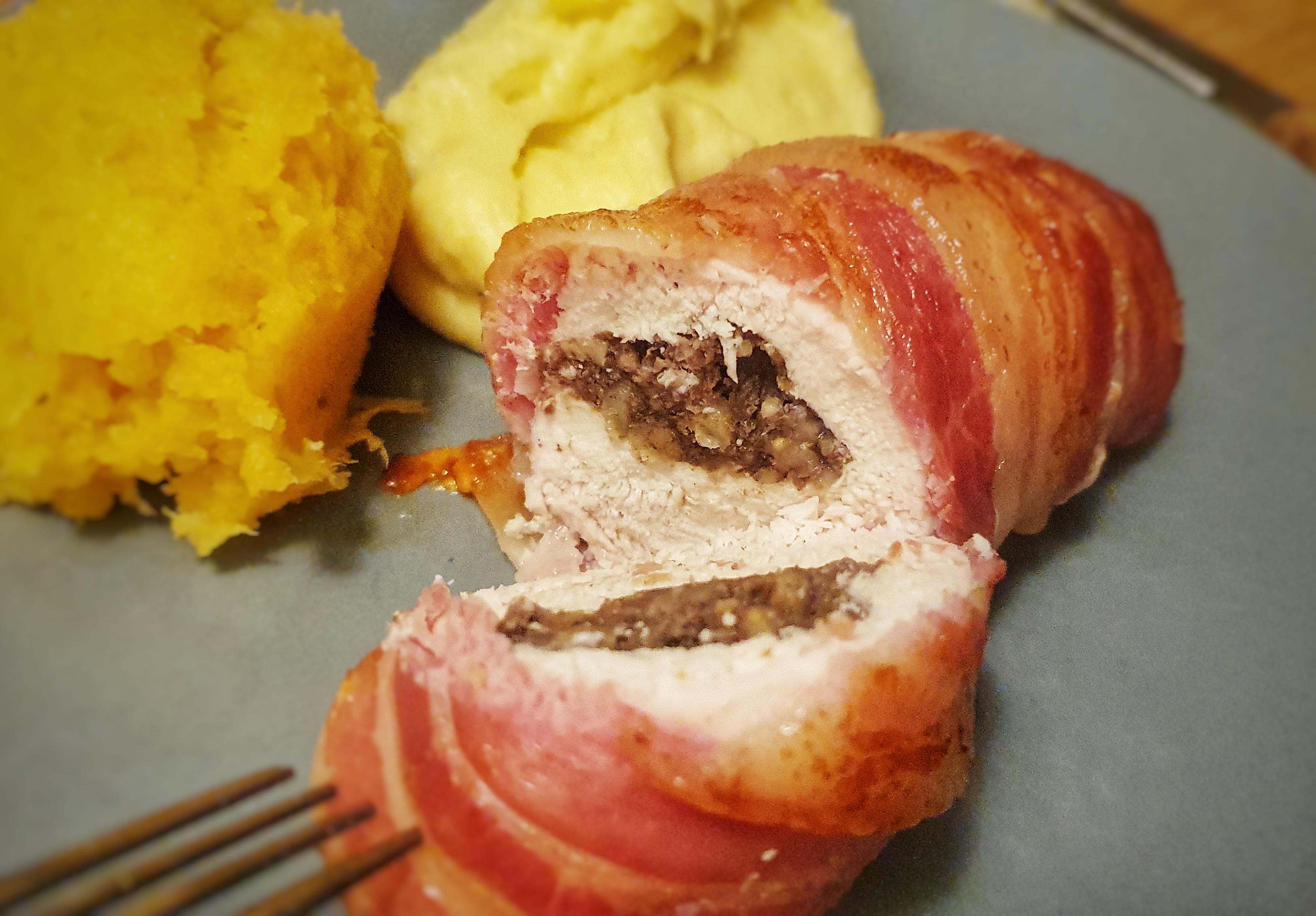
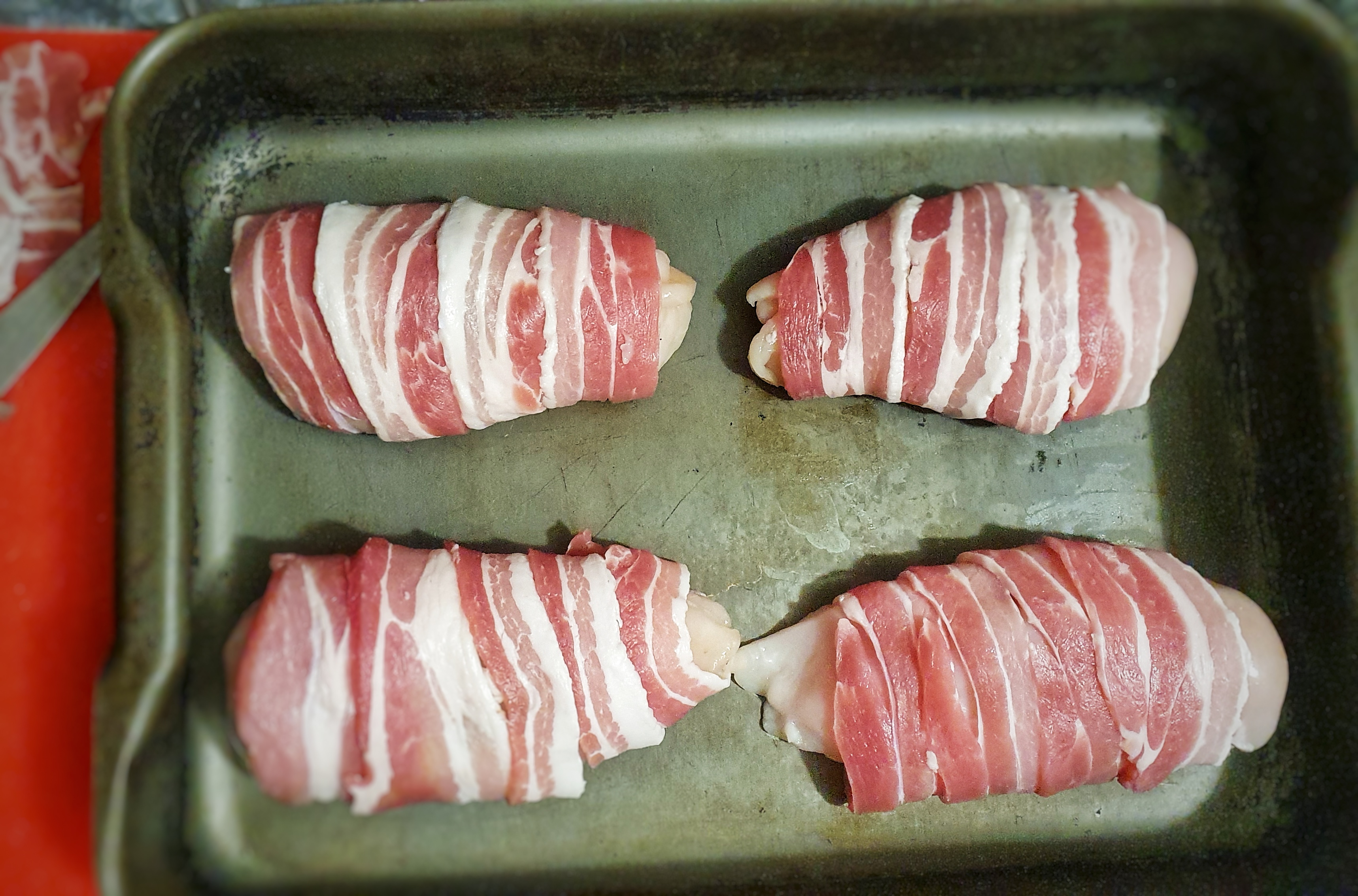
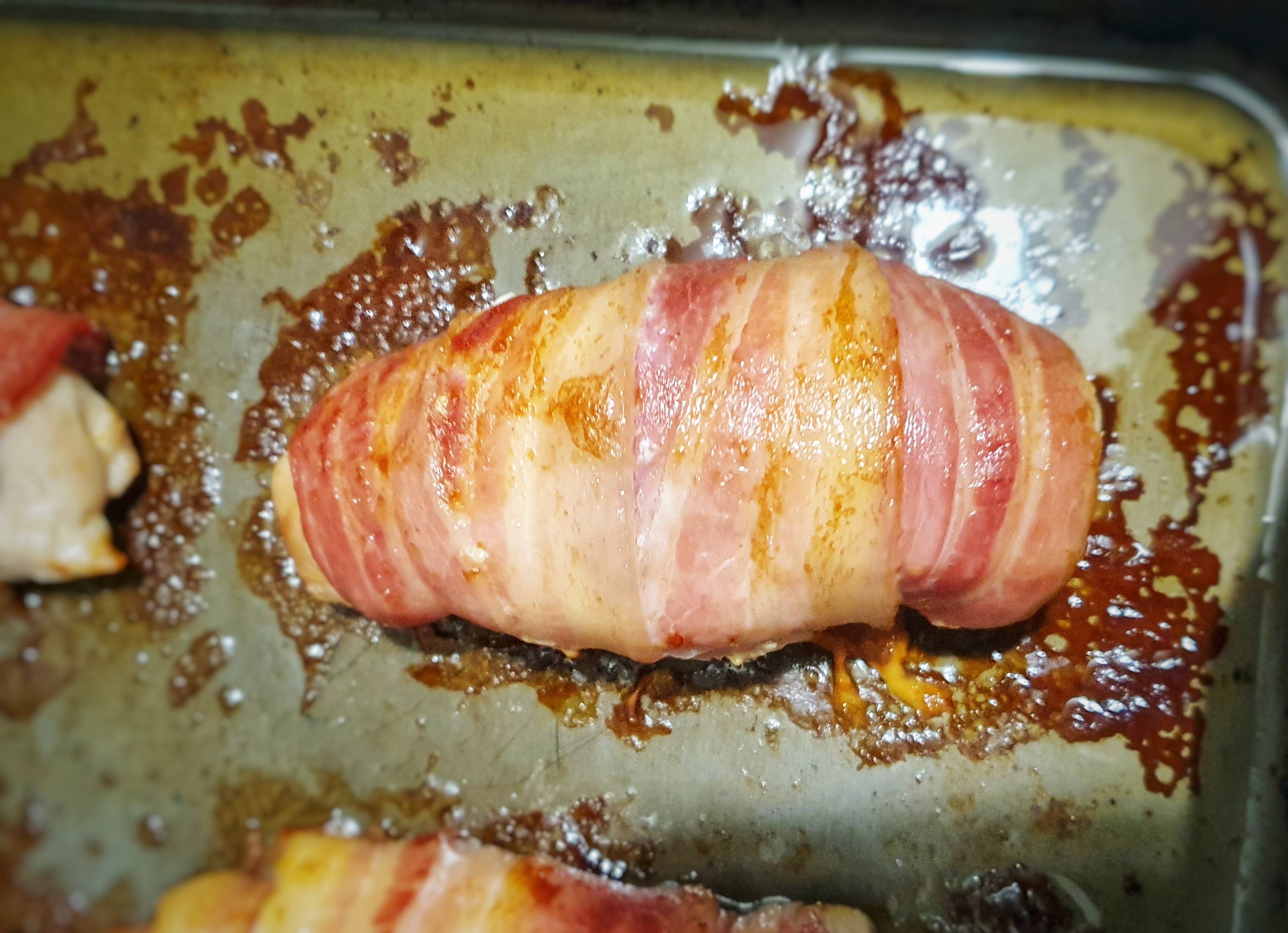
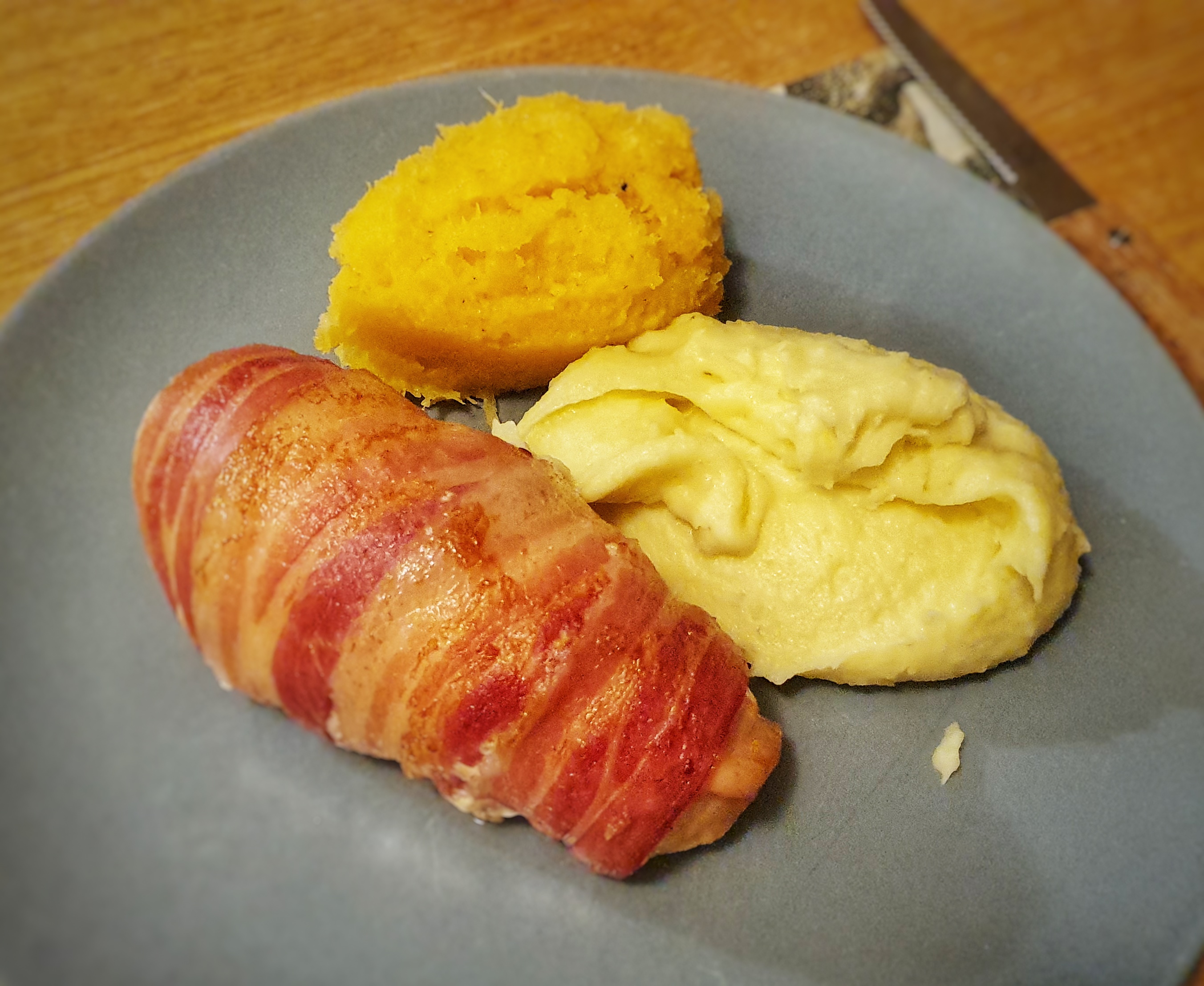
Chicken Balmoral is a modern British classic: a chicken breast stuffed with haggis, wrapped in bacon and then either oven-roasted or pan-fried. It’s served with a rich whisky cream sauce. You can’t stuff a great deal of haggis into a chicken breast, so I find it a great way of using up leftover haggis after a Burns supper. It’s also a great dish to serve up to those uninitiated in the pleasures of the Chieftain of the Pudding Race.

If you want to know more about Robert Burns, the first Burns suppers and the history of this haggis, listen to the first part of my two-part Burns Night specials on The British Food History Podcast:

Despite its name, chicken Balmoral isn’t particularly old; it sounds like it should be Victorian, it being named after Queen Victoria’s beloved Balmoral Castle, nestled in the beautiful Cairngorms. But, no, it is most definitely a 20th-century invention – the earliest mention I could find of a dish called chicken Balmoral is in the 1928 publication A Book of Empire Dinners (published by the Empire Marketing Board of Great Britain), but it is only a mention, not a description.1 It is also conspicuous by its absence from F. Marion McNeill’s The Scot’s Kitchen, which certainly tells us something about its position in traditional Scottish cuisine.2 As Ben Mervis put it in The British Cook Book ‘[it] seems a little too cute – a little too on the nose – to be a truly traditional Scottish dish.’3

Ben came on the podcast to talk about The British Cook Book. Stream it via this embed.

It seems to me that it is a dish created for restaurant service; the use of a prime cut, the fact that most of the prep can be done well ahead of time, and that there is next to no waste, all certainly point to the fact. It does, however, make chicken Balmoral an excellent dish for a dinner party. You won’t be slaving over a hot stove making this meal, that’s for sure.          


If you like the blogs and podcast I produce, please consider treating me to a virtual coffee or pint, or even a £3 monthly subscription, where you will receive access to the secret podcast, a monthly newsletter and other premium content: follow this link for more information.


Recipe

Chicken Balmoral is “traditionally” served with seasonal vegetables; however, for my version, I chose to eat it with the classic Burns Night supper companions of mashed neeps and tatties – i.e. mashed swede and potatoes.      

Serves four, but it can be very easily proportioned for more or fewer folk.

For the chicken

3 tbs flavourless cooking oil, lard or bacon fat (or a mixture)

Around 160 g leftover haggis

4 chicken breasts

16 rashers of dry-cured streaky bacon

For the whisky sauce

30g butter

½ onion or the white part of a leek, thinly sliced

3 to 4 tbs whisky

150ml very hot chicken stock

100ml double cream

Salt and pepper

Preheat your oven to 200°C. Add the fats and/or oil to a roasting tin and place on the middle shelf to get really nice and hot.

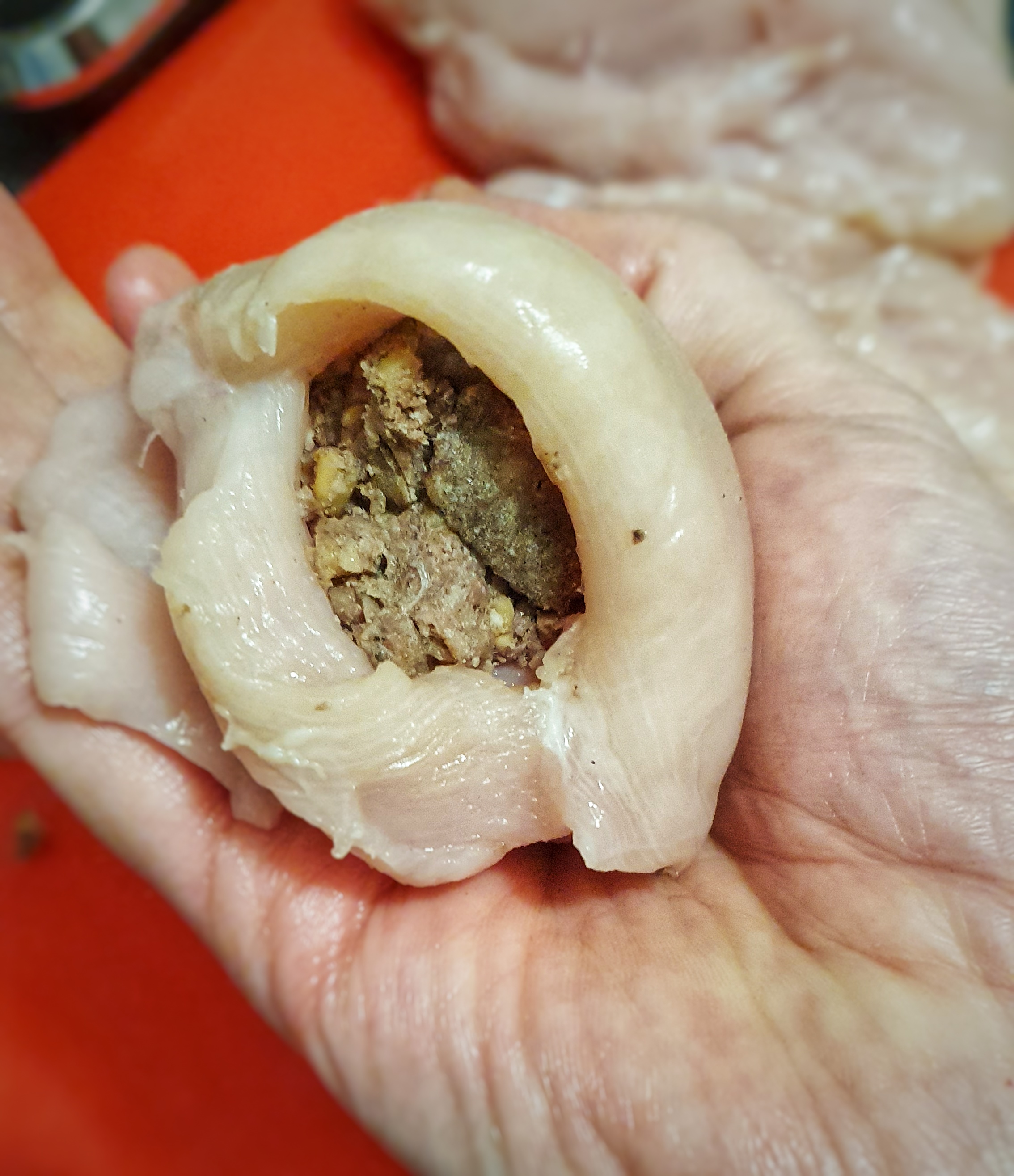
Lay the chicken breasts smooth side down on a chopping board. Move the tender out of the way (it’s sometimes partially attached and can get in the way). Press a breast down firmly with the palm of your hand, and, using a small, sharp, pointed knife, cut into the thick end of the breast as far as you can without puncturing the breast as it tapers toward the end. Widen the hole slightly – it needs to be about 2 centimetres wide at the mouth. Repeat with the other three breasts.

Divide the haggis into four equal pieces and roll each piece into a sausage shape, thin enough to insert into the chicken. Some haggises are quite crumbly, but don’t worry if they are not pliable enough. Use your forefinger to force the haggis into the cuts in the breasts. You might find it easier to break the haggis into smaller pieces.

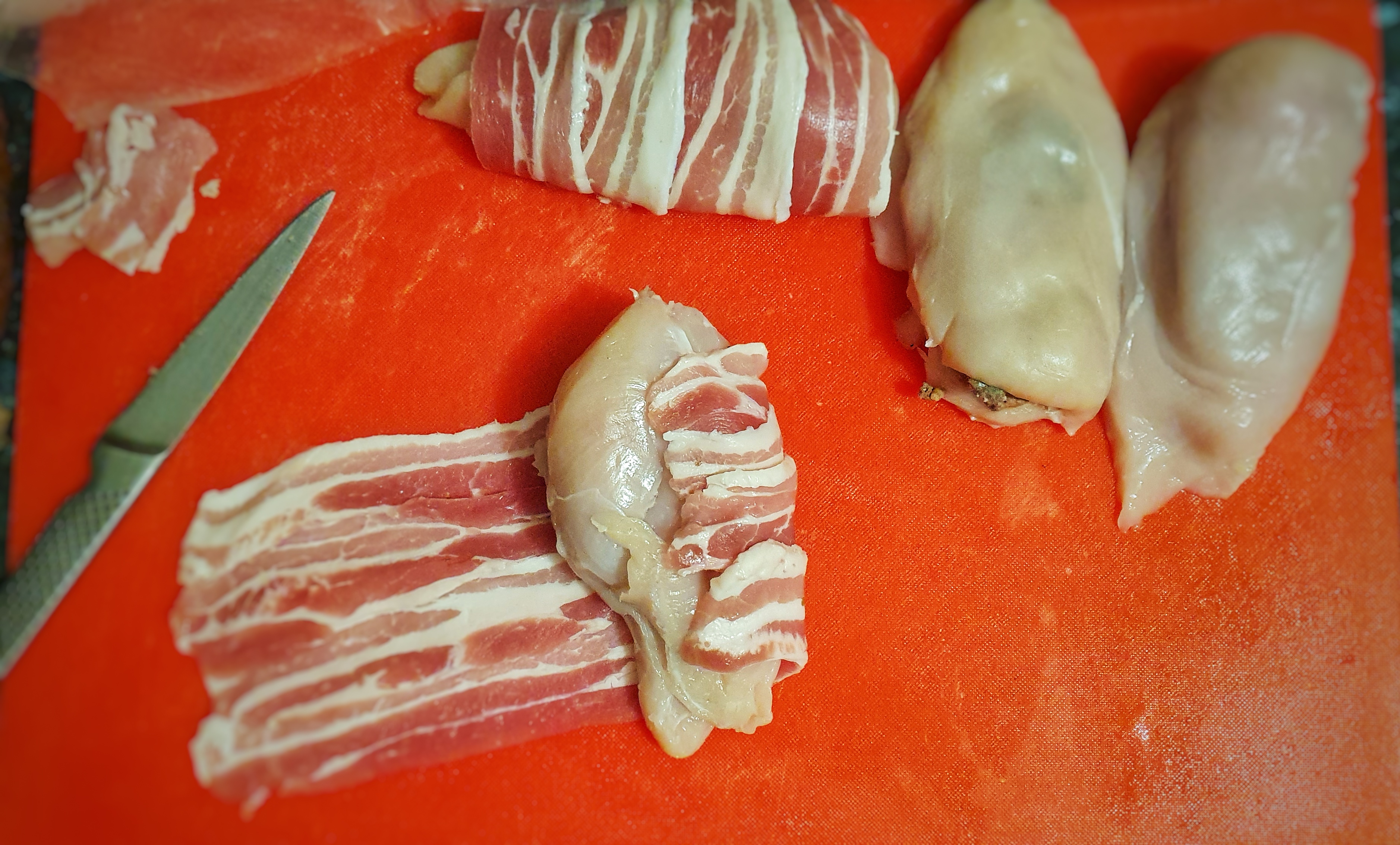
Take four rashers of bacon and lay them across your chopping board lengthways, so that they overlap just slightly. Lay the chicken breast perpendicular to the bacon rashers and roll it up so that the join is underneath the chicken breast. Trim away excess bacon. Repeat with the remaining chicken breasts.

By now, the fat or oil will have become very hot indeed. Take the tin out of the oven (careful!) and sit the breasts in the hot fat, thin ends pointing inwards (this ensures they don’t overcook). Place in the oven for the oven for 30 – 35 minutes, turning it down to 180°C after 15 minutes. Baste at least twice whilst they cook. Remove and allow to rest on a plate.

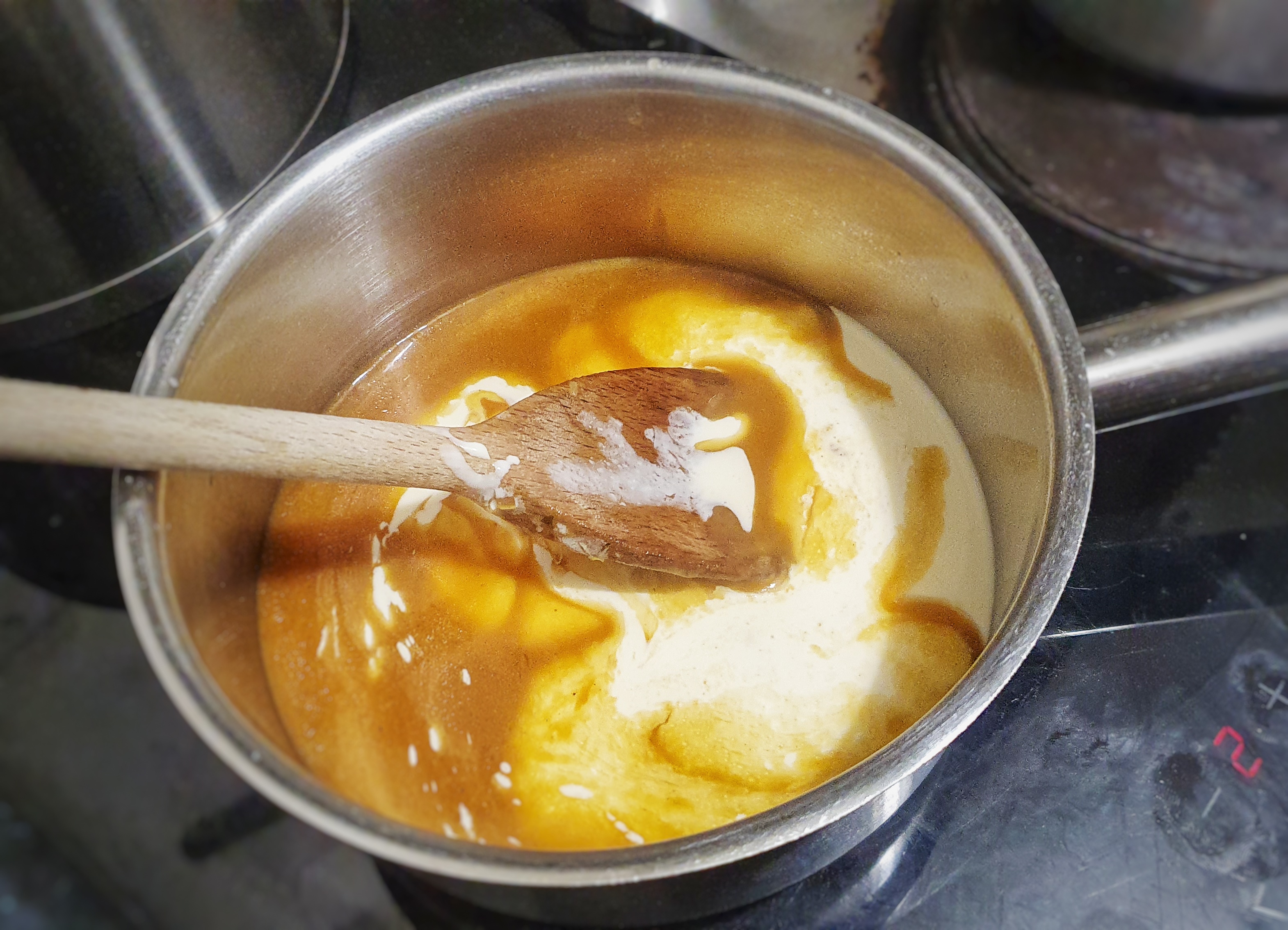
Meanwhile, make the sauce: melt the butter in a saucepan and fry the onion or leek until soft, but not browned (this will take around 8 minutes) before adding three tablespoons of the whisky. Pour the excess fat from the roasting tin and deglaze it with the chicken stock. Scrape all of the nice salty burnt bits with a wooden spoon and cast them into the saucepan. Simmer for a further five minutes before passing through a sieve into a clean saucepan. Add the cream, heat to simmering point and season to taste with salt, pepper and more whisky (if needed).

Serve the chicken with mashed neeps and tatties and pour the sauce into a warm gravy boat.

References

1.         A Book of Empire Dinners. (Empire Marketing Board, 1928).

2.         McNeill, F. M. The Scots Kitchen: Its Lore & Recipes. (Blackie & Son Limited, 1968).

3.         Mervis, B. The British Cook Book. (Phaidon, 2022).

1 Comment

Filed under Britain, cooking, events, Festivals, food, General, history, Meat, Recipes, Twentieth Century, Uncategorized

Haggis & the First Burns Suppers with Jennie Hood

Welcome to the first of a two-part special all about Burns Night. 

Burns Night, celebrated on Robert Burns’ birthday, 25th January, is a worldwide phenomenon and I wanted to make a couple of episodes focussing upon the night, the haggis, but also the other foods links regarding Scotland’s national poet, Robert Burns. 

The episode is available on all podcast apps, but can also be streamed here:

Burns was born in Alloway, Ayrshire on 25 January 1759 and he died in Dumfries on 21 July 1796 at just 37 years old. 

My guest today is food historian Jennie Hood, who has written an excellent article for the most recent edition of food history journal Petit Propos Culinares, entitled ‘A History of Haggis and the Burns Night Tradition’, so she is the perfect person to speak with on this topic.

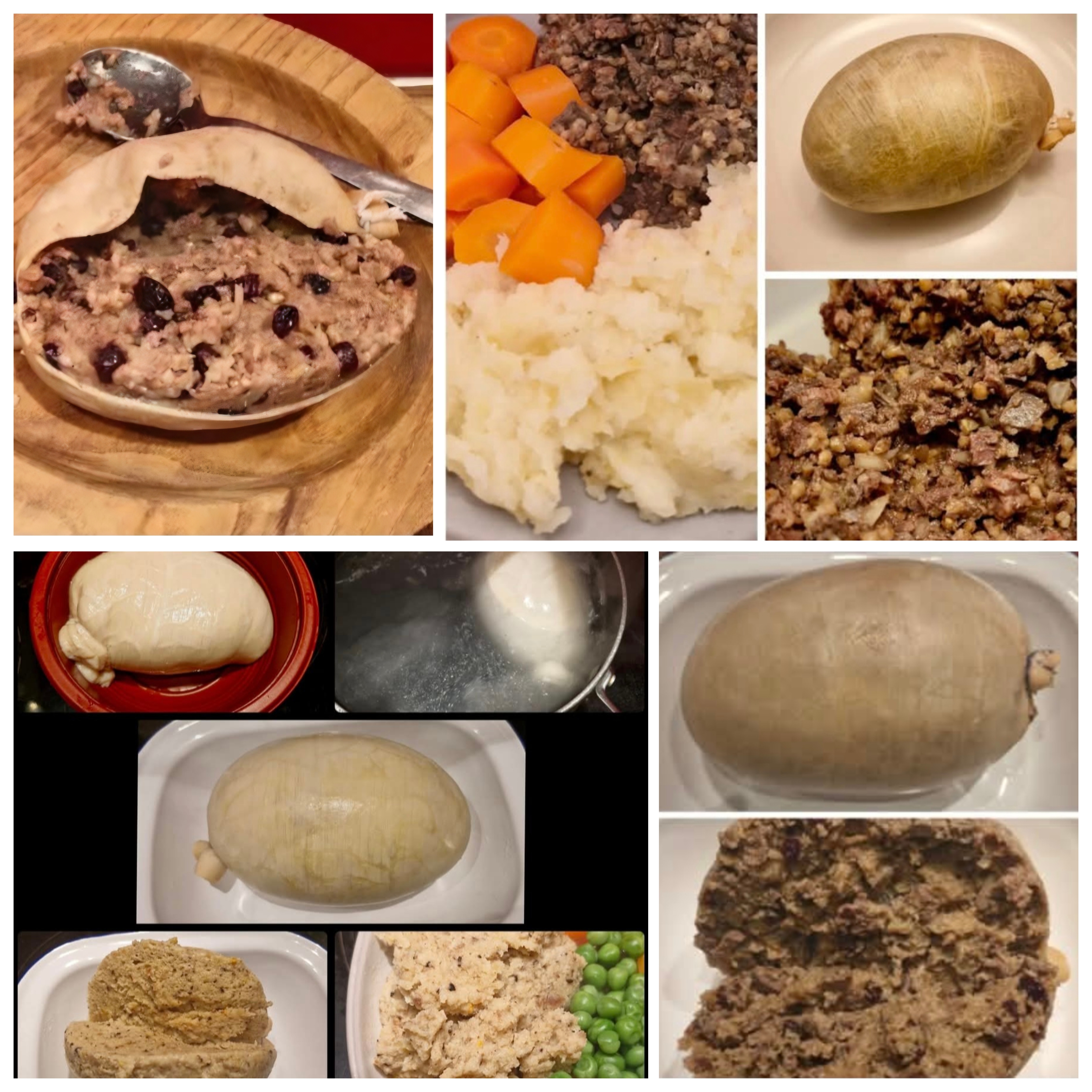
Jennie’s experiments in haggis: It shows (clockwise from top left) Richard Bradley’s 1732 hackin, Mrs MacIver’s 1774 haggis, Henry Blaxton’s 1659 liver pudding and a franchemoyle from Liber Cure Cocorum, English c. 1440. Images: Jennie Hood 

Jennie Hood hails from Ayrshire, just like Robert Burns, and we talk about the origin of Burns Night, but we also talk about the medieval origins of the most important food item on the Burns supper plate – the haggis.

Things covered include the first English recipes for haggis, what makes a haggis a haggis (not as easy a thing as you might expect), Burns’s poem Address to a Haggis and what it tells us about haggises in Burns’s day and how the first Burns suppers started and gained such popularity, amongst many other things.

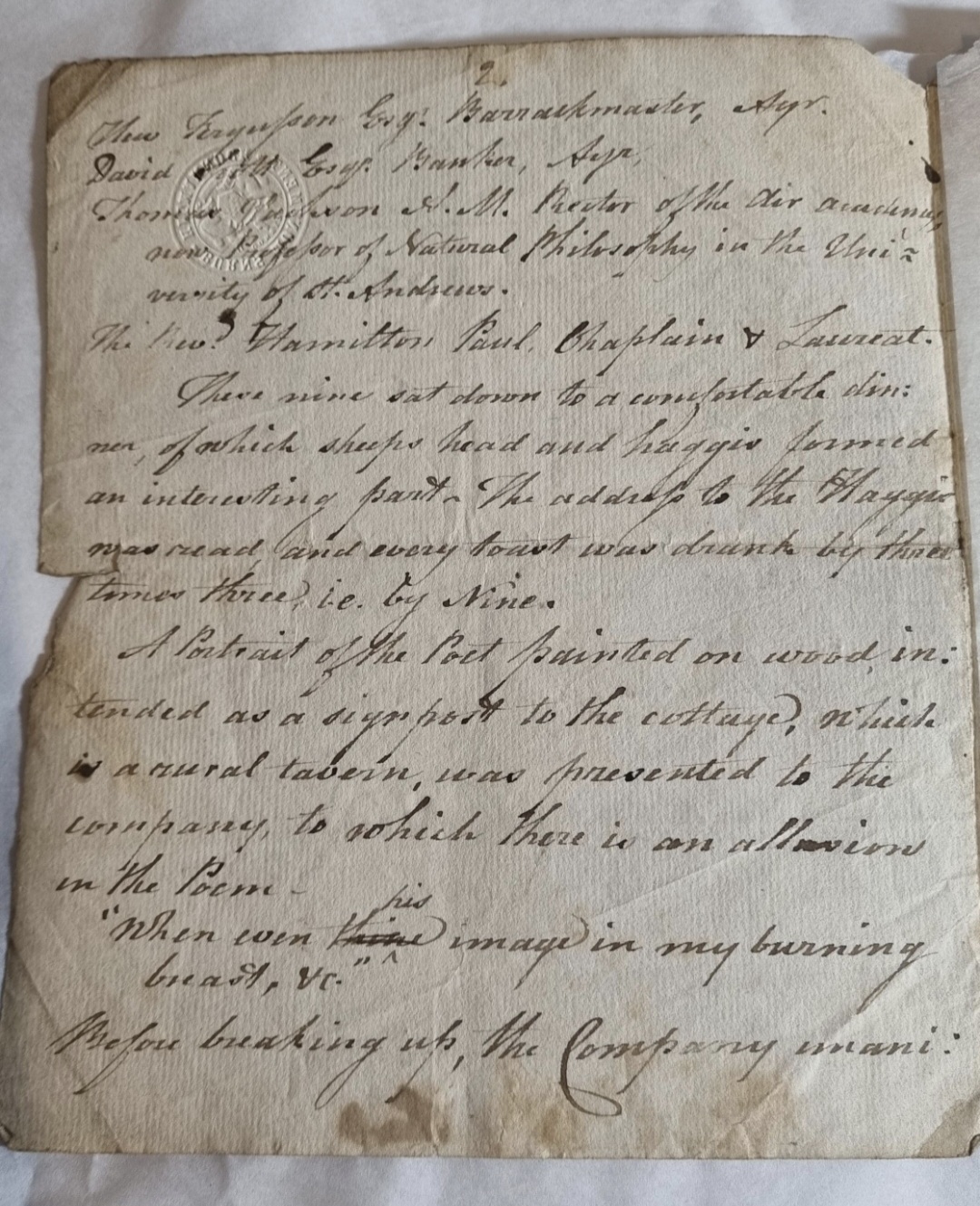
A photo of a manuscript written by Hamilton Paul, recording the first Burns Supper in 1801. From the McKie Collection held by East Ayrshire Museums: https://www.futuremuseum.co.uk/collections/people/key-people/burns/manuscripts/anniversaries-of-burns

Follow Jennie on social media: Threads/Instagram @medievalfoodwithjennie; Bluesky @medievalfoodjennie.bsky.social; Facebook https://www.facebook.com/medievalfoodwithjennie 

Company of St Margaret, Jennie’s late medieval and renaissance re-enactment group

Issue 133 of Petits Propos Culinaires


If you can, support the podcast and blogs by becoming a £3 monthly subscriber, and unlock lots of premium content, including bonus blog posts and recipes, access to the easter eggs and the secret podcast, or treat me to a one-off virtual pint or coffee: click here.


This episode was mixed and engineered by Thomas Ntinas of the Delicious Legacy podcast.

Things mentioned in today’s episode

Harlean MS 279

Liber Cure Cocorum

The Good Housewife’s Jewel by Thomas Dawson

The Art of Cookery Made Plain and Easy by Hannah Glasse (‘Haggas’ recipe p.291)

The Robert Burns World Federation

Address to a Haggis by Robert Burns

Suzanne MacIver’s recipe for haggis

Ivan Day’s recipe for hack pudding

The Philosophy of Puddings by Neil Buttery

BBC Countryfile January 2026 edition

Royal Births, Marriages & Deaths website (Channel 5)

Previous pertinent blog posts

Lamb’s Head with Brain Sauce (from Neil Cooks Grigson)

My review of the year post

Nesselrode Pudding

Turkey & Hazelnut Soup

Lambswool

Previous pertinent podcast episodes

The Philosophy of Puddings with Neil Buttery, Peter Gilchrist & Lindsay Middleton

Neil’s blogs and YouTube channel

‘British Food: a History’ 

The British Food History Channel

‘Neil Cooks Grigson’ 

Neil’s books

Before Mrs Beeton: Elizabeth Raffald, England’s Most Influential Housekeeper

A Dark History of Sugar 

Knead to Know: a History of Baking

The Philosophy of Puddings

Don’t forget, there will be postbag episodes in the future, so if you have any questions or queries about today’s episode, or indeed any episode, or have a question about the history of British food please email me at neil@britishfoodhistory.com, or on twitter and BlueSky @neilbuttery, or Instagram and Threads dr_neil_buttery. My DMs are open.

You can also join the British Food: a History Facebook discussion page: https://www.facebook.com/groups/britishfoodhistory 

Leave a comment

Filed under Britain, cooking, events, Festivals, food, General, history, Mediaeval Age, Podcast, Puddings, Scotland, Uncategorized

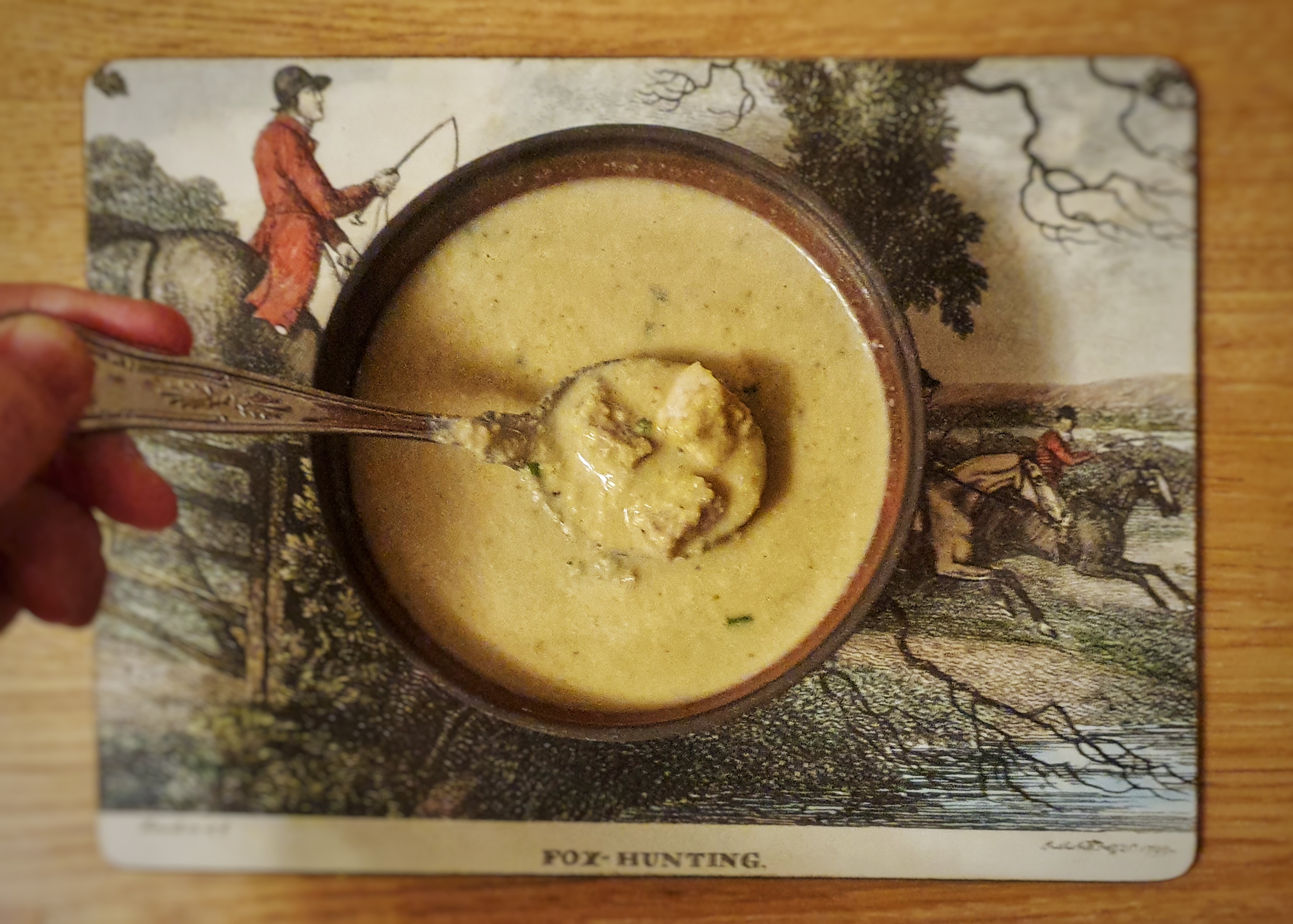
To Make Turkey and Hazelnut Soup (& Turkey Stock)

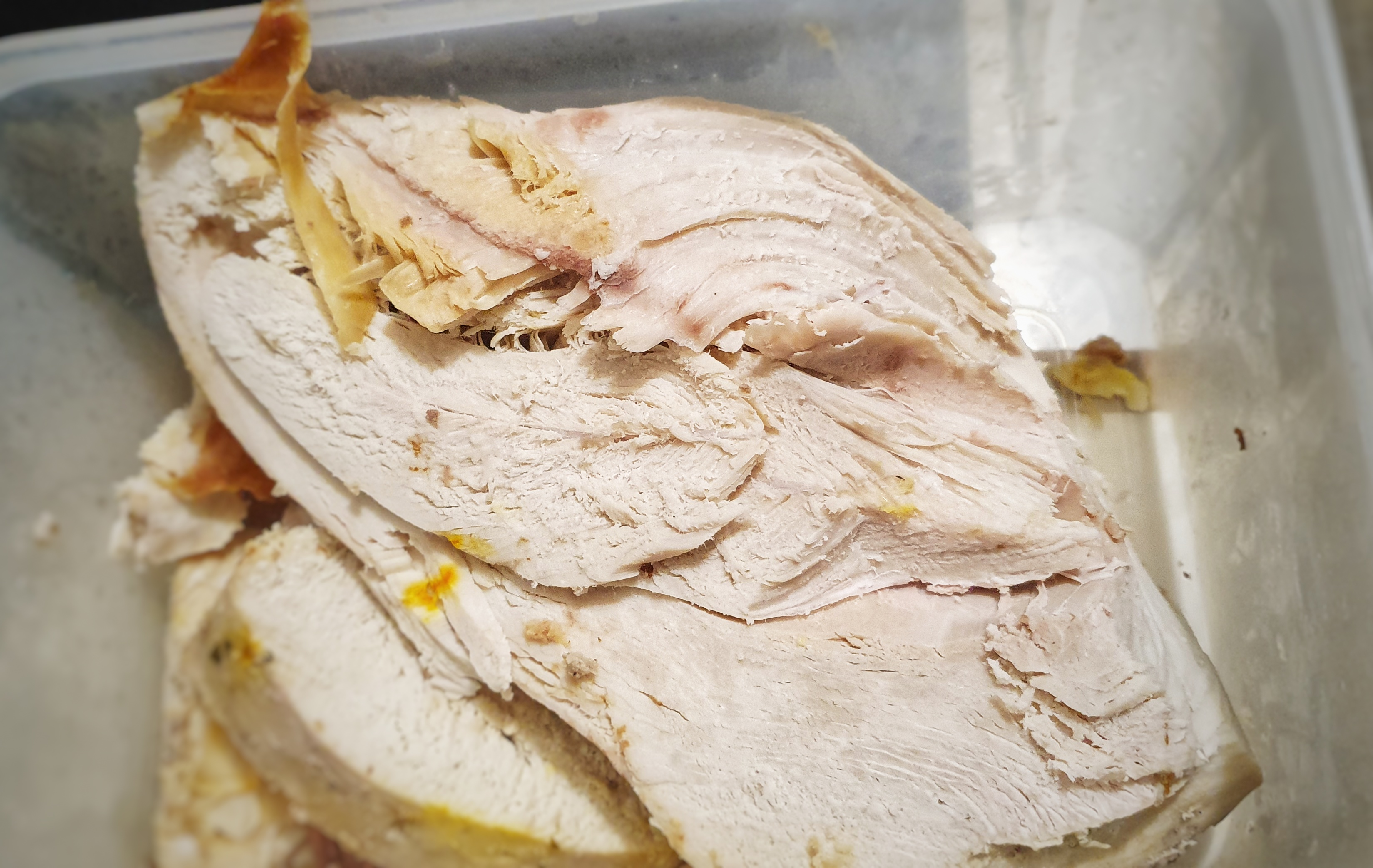
If you are not loving your leftovers at Christmastime, then you are missing a trick: it doesn’t have to be all dry turkey and cranberry sandwiches for the next week.

This is a really great recipe adapted from Jane Grigson’s English Food. I’ve made a few tweaks, and I have provided you with a method for making turkey stock. This recipe would work with leftover chicken, or even pheasant and partridge, or a mix of them.

Because it’s a leftovers dish, don’t worry if you don’t have all of the ingredients, though I would say it’s important to have at least three of the basic soup veg and one herb (fresh or dried). It doesn’t even matter if you don’t have any hazelnuts: almonds would work just as well, or you could miss them out entirely. Also, if there are any leftover boiled or steamed vegetables, or roast potatoes, you can pop them in before everything gets blitzed.


If you like the blogs and podcast I produce, please consider treating me to a virtual coffee or pint, or even a £3 monthly subscription: follow this link for more information.


This recipe makes many servings.

For the soup

2 to 3 tbs of fat: this could be butter, leftover fat from the roast potatoes or skimmed from the roast turkey juices

Basic soup veg, peeled, trimmed and diced, such as 2 carrots, 2 onions, 3 cloves garlic, white part of one or two leeks (keep the green parts for the stock), 3 sticks of celery

Herbs: 4 bay leaves, a small bunch of thyme or a tsp of mixed, dried herbs

1 tsp celery salt

1 bunch tarragon leaves, chopped

1 bunch parsley, chopped

1 medium potato, peeled and diced

1.5-2 L turkey stock

Salt and pepper

2 handfuls diced turkey breast (or whatever you have left)

100 g roast hazelnuts, roughly chopped

Leftover stuffing, cut into approx. 1 cm dice

150 ml cream

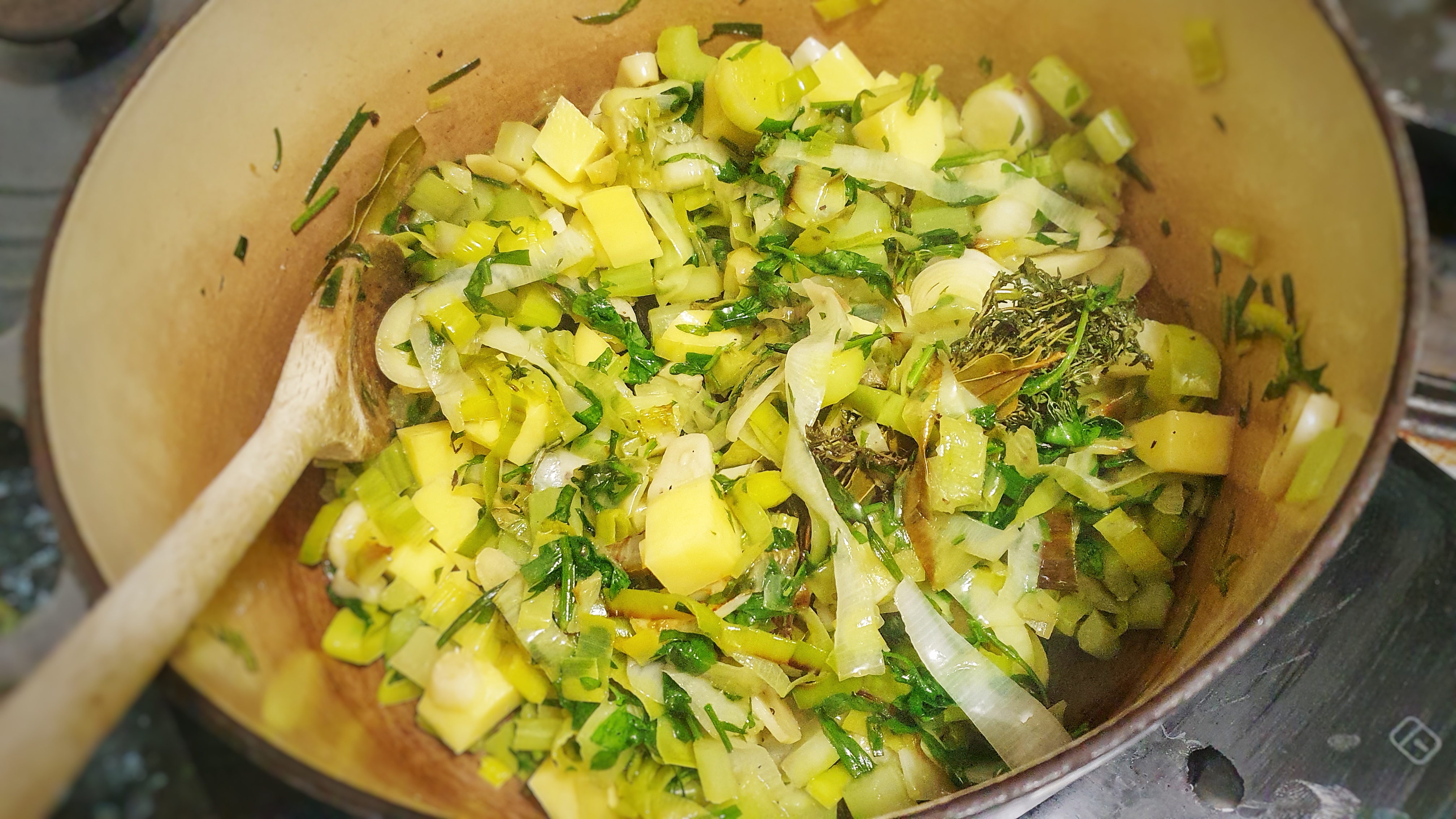
Heat the fat in a stockpot or large saucepan and add the diced soup veg and herbs, plus the celery salt. Stir and fry on a medium heat until things begin to turn golden brown. Add half of the parsley and tarragon plus the potato and continue to cook for another 7 or 8 minutes.

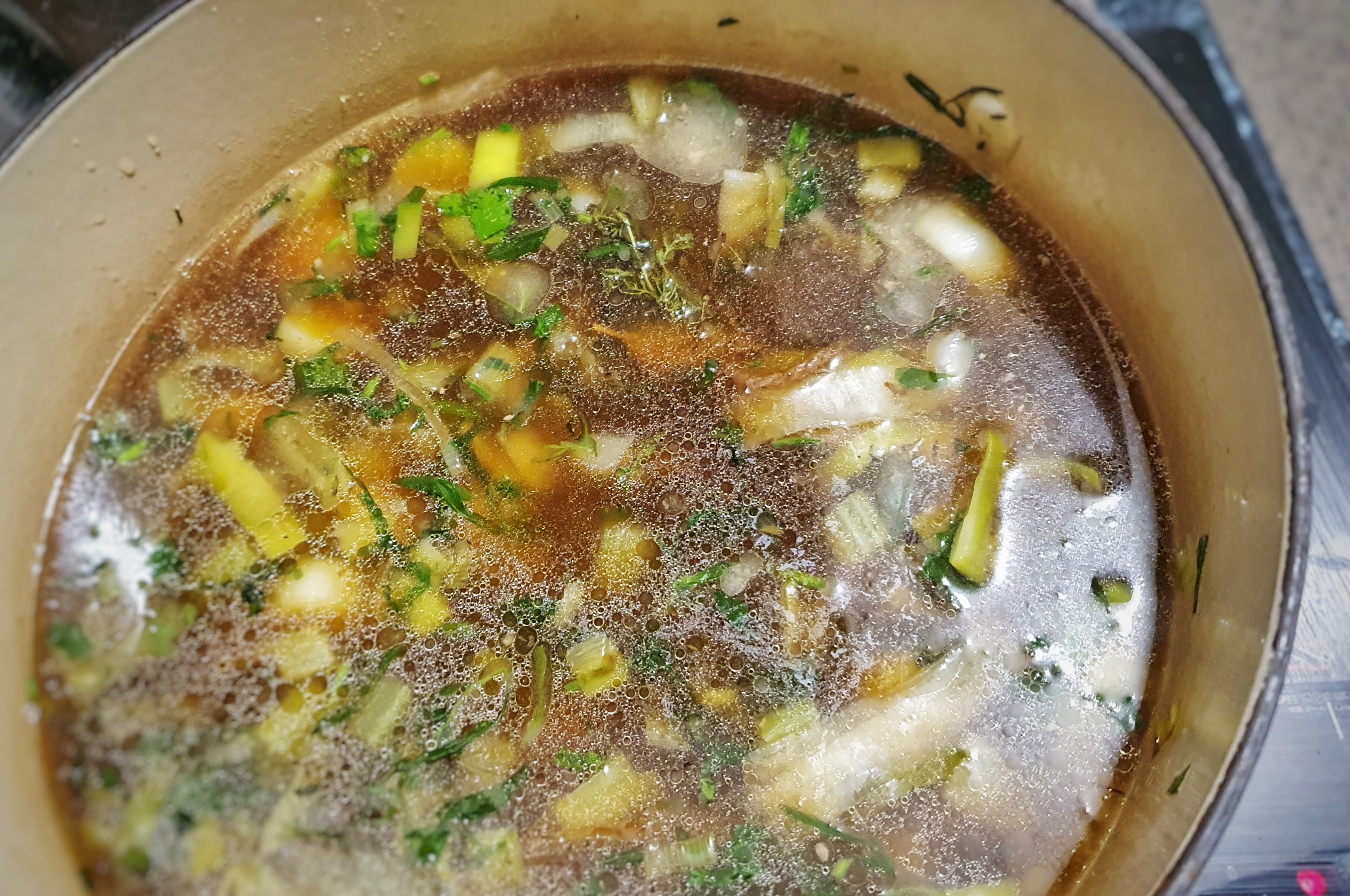
Pour in the turkey stock and bring the whole lot to a lively simmer, then turn it down to gently bubble until the vegetables are nice and soft, about 15 minutes.

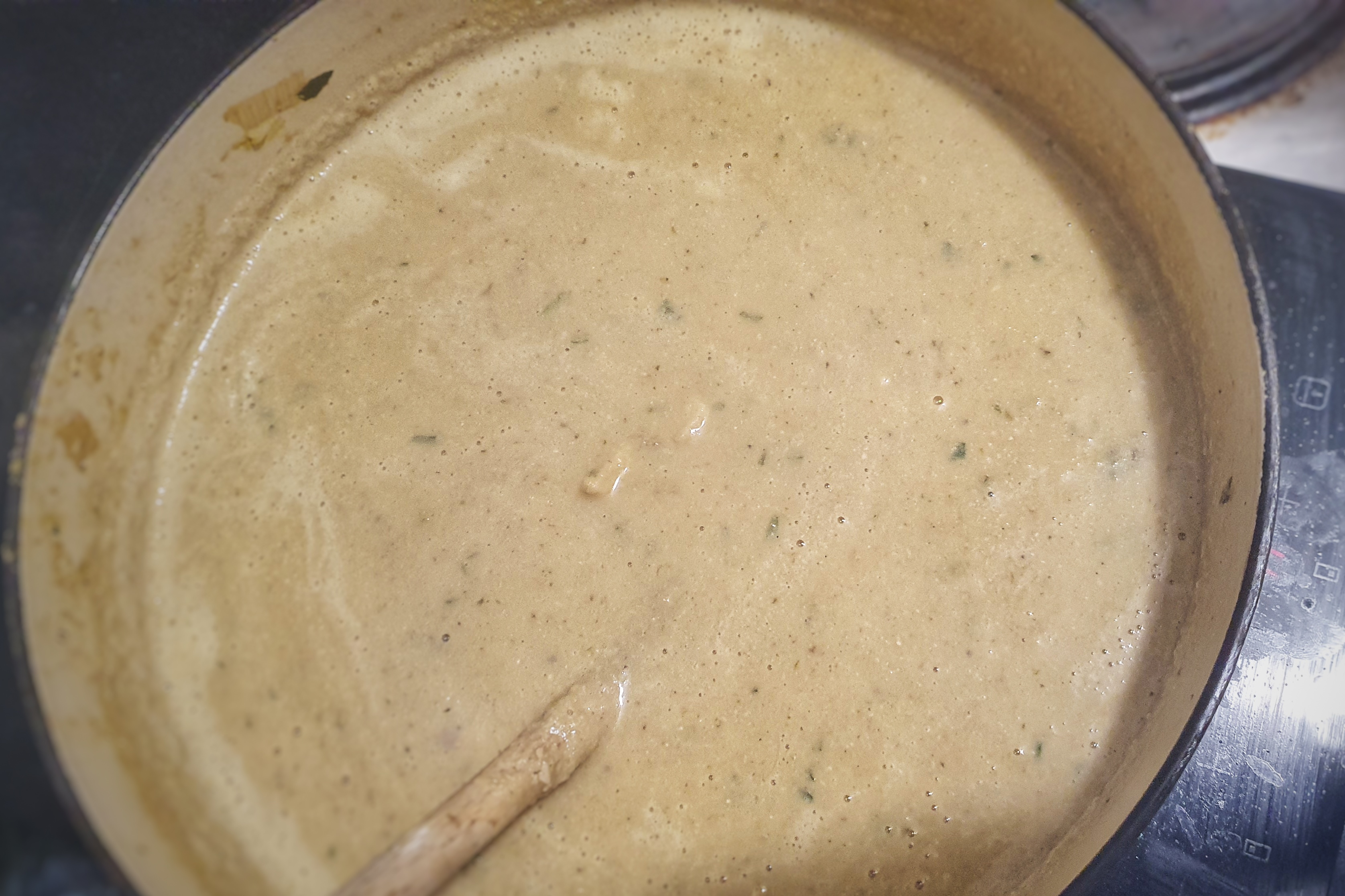
Taste, and season with salt and pepper at this point, then add the diced turkey and the hazelnuts. Simmer for a further 7 or 8 minutes, then allow to cool slightly before blitzing the soup in batches in your blender or food processor. Be careful here! Don’t overfill your blender, especially if the soup is still quite hot.

Return to a clean pan, bring back to a simmer, add the cream and the rest of the parsley and tarragon, as well as the diced leftover stuffing. Taste and season with more celery salt and pepper. Serve immediately.

For the stock

I keep vegetable trimmings and peelings in bags in my freezer for stock-making sessions such as these; you can, of course, use regular stock vegetables: celery, onions, carrots, leeks, etc.

This secret to getting a good colour to your jellied stock is to brown the carcass and vegetables very well.

Makes around 2 litres of jellied stock

2 tbs of fat or oil

The roast turkey carcass, broken into pieces – don’t be too thorough with removing the meat, leave some on.

Vegetable trimmings and peelings (avoid brassicas) or a mixture of stock vegetables: 2 carrots, 2 celery sticks, the green part of a leek or two, a couple of onions, a few smashed garlic cloves.

Aromatic herbs, e.g. 3 or 4 bay leaves, a small bunch of thyme and/or rosemary, parsley stalks

Aromatic spices, e.g. 1 tsp black peppercorns, 6 cloves, 1 tsp allspice berries, 2 blades of mace

1 tsp salt

Any leftover turkey juices or turkey gravy

Cool water to cover

Heat the fat or oil in a stockpot or pressure cooker and add the turkey carcass, the vegetables, the herbs, the spices as well as the salt. Stir and fry until both the turkey and vegetables are starting to turn a good, golden brown.

Add any leftover gravy and top up with water so that it barely covers the turkey and vegetables.

If cooking in a stockpot: bring slowly to a simmer, turn the heat over and let it cook very gently for two hours.

If cooking in a pressure cooker: bring to a simmer, when high pressure is reached, reduce the heat and cook for 25 minutes before turning off the heat and allowing the stock to depressurise.

If cooking in a slow cooker: transfer everything to your slow cooker (careful!) and cook on a high setting for 1 hour and then a medium setting for 2 more hours.

When the stock is ready, pass the whole thing through a strainer, pressing down on the cooked mush with the back of the ladle: we want as much flavour as possible. Let the stock cool down and then refrigerate. Skim away the fat before using.

Tip: If you need the stock straight away, you can skim the fat with a spoon, but a quicker method is to throw in a couple of handfuls of ice cubes. The fats immediately freeze to the exterior of the cubes, and can be lifted out before the ice has had the chance to melt.

2 Comments

Filed under Britain, Christmas, food, General, Meat, Recipes, Soups

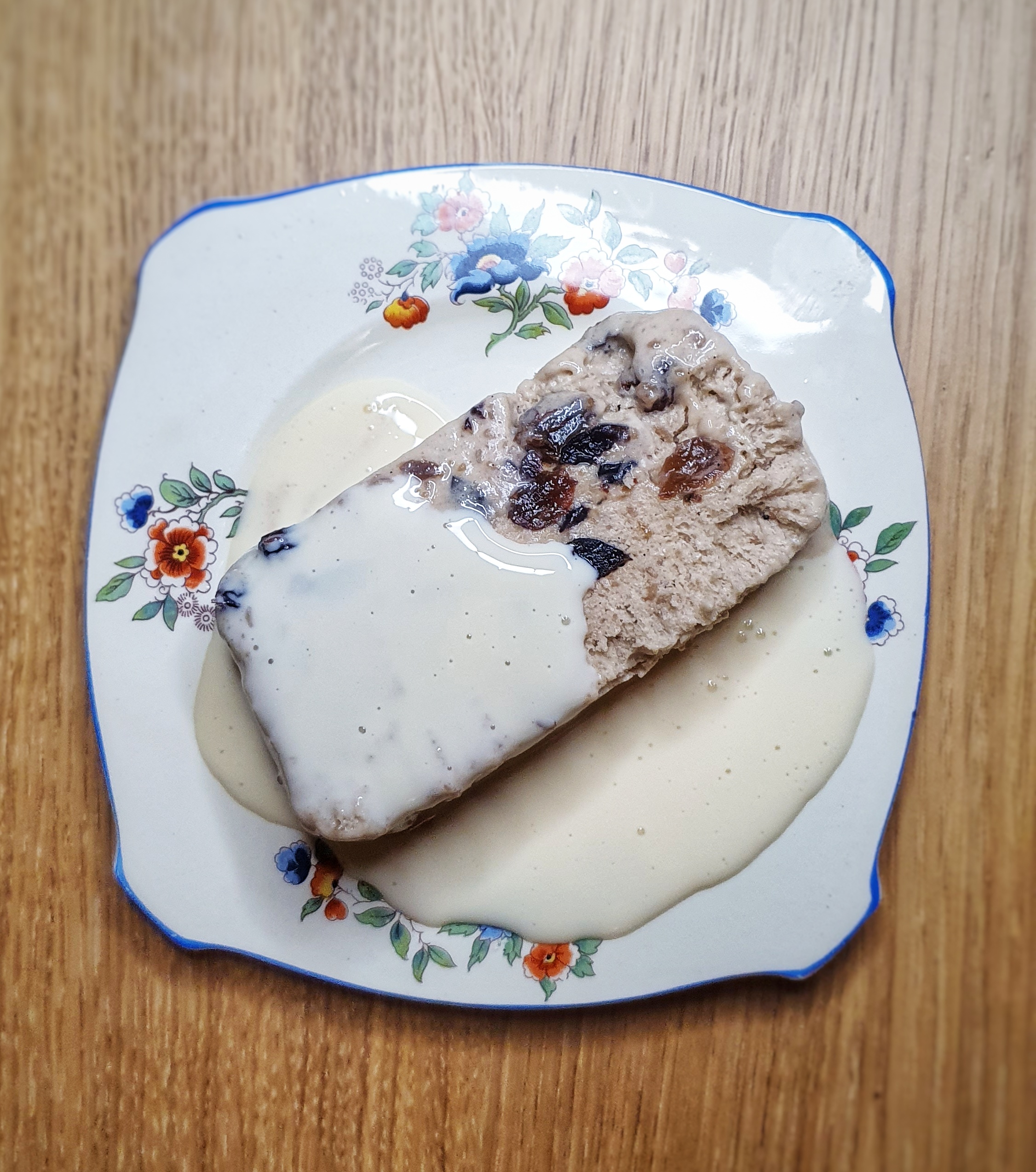
Nesselrode Pudding

This delicious iced dessert, which was very popular in the 19th century at Christmastime, crops up in most cookery books of the time, and is described as ‘a quiet Victorian icon’ by Annie Gray in her excellent book At Christmas We Feast (2021).[1] It is associated with this time of year because of its main ingredient: puréed chestnuts, and it deserves a comeback.

Count Nesselrode (Creative Commons)

According to Eliza Acton, the pudding was invented by the famous Marie-Antoine Carême,[2] but it is not the case. In one of her best (and most obscure) books, Food with the Famous, Jane Grigson informs us that it was actually ‘invented by Monsieur Mony, chef for many years, to the Russian diplomat, Count Nesselrode, in Paris.’[3] Annie Gray took the research step further: the first printed recipe appears in Carême’s book L’Art de la Cuisine Française. In the original French version, he tells us he got the recipe from Mony, but in the English translation, he claims he – Carême – invented it.[4] Odd.

Listen to Annie discuss her book At Christmas We Feast with me in this past podcast episode.

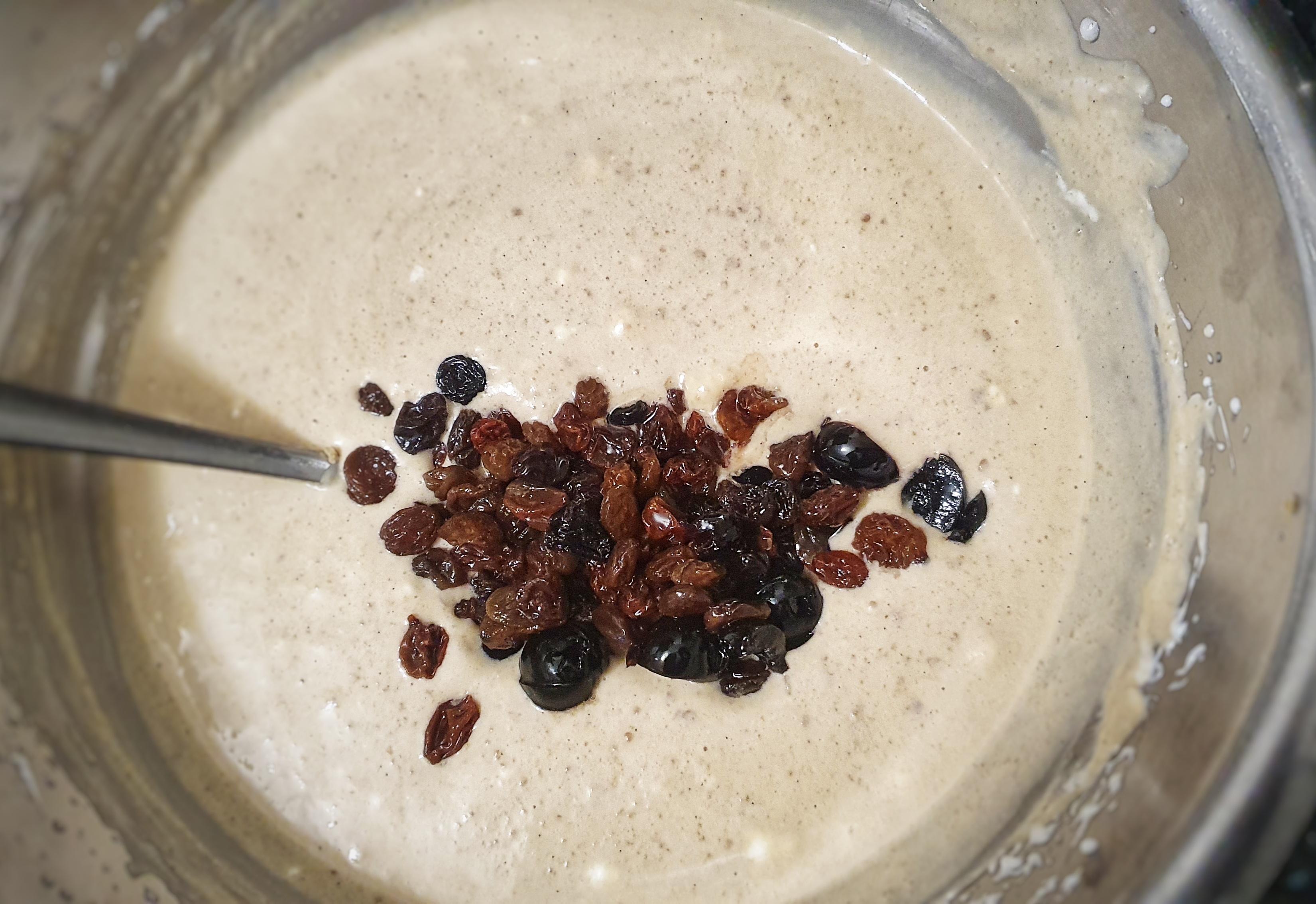
Recipes do vary, though chestnuts are essential (unless you are Agnes Marshall, who asks – rather controversially – for almonds, in her Book of Ices[5]). Other ingredients include glacé and dried fruits, vanilla and maraschino liqueur – an essential. in my book, but some recipes suggest using brandy or rum as alternatives. There is a custard base, but the mixture is not churned like regular ice cream: this is a no-churn affair. It’s prevented from freezing to a solid block with the addition of airy whipped cream and Italian meringue.


If you like the blogs and podcast I produce, please consider treating me to a virtual coffee or pint, or even a £3 monthly subscription: follow this link for more information.


Recipe

There are several stages to making this pudding, and you need to start making it at least two days before you want to eat it. Don’t let the making of egg custard sauces and Italian meringues put you off. However, a good digital thermometer and electric beater are essential.

Serves 8

For the pudding:

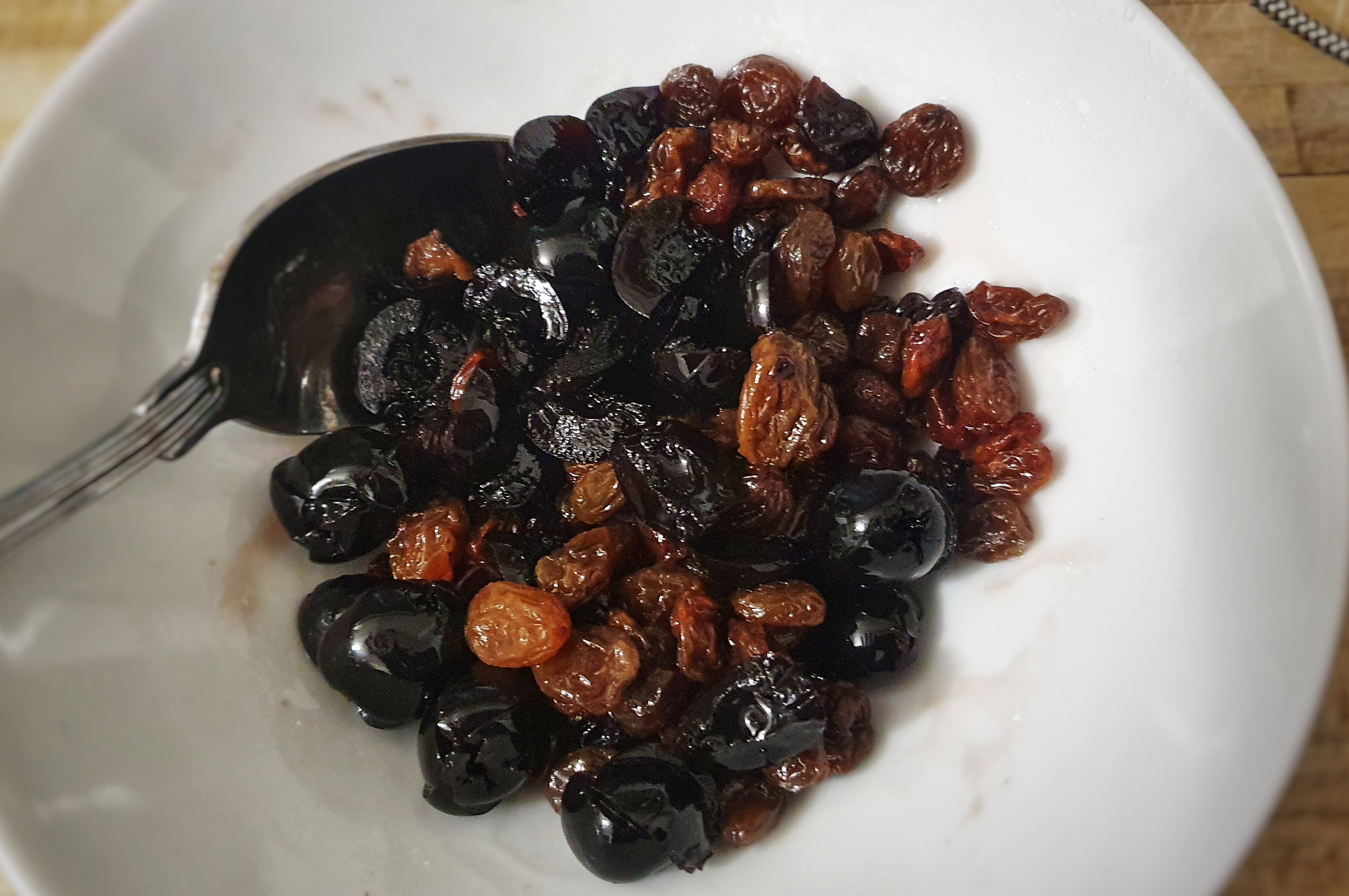
60 g chopped raisins or mixed fruit (currants, raisins and sultanas)[7]

60 g chopped candied peel or Maraschino cherries

80 ml maraschino

1 vanilla pod

300 ml single cream

3 egg yolks

160 g light brown sugar

160 g caster sugar

3 tbs/45 ml water

2 egg whites

300 ml whipping cream

440 g can or 2 x 200 g packets of unsweetened chestnut purée

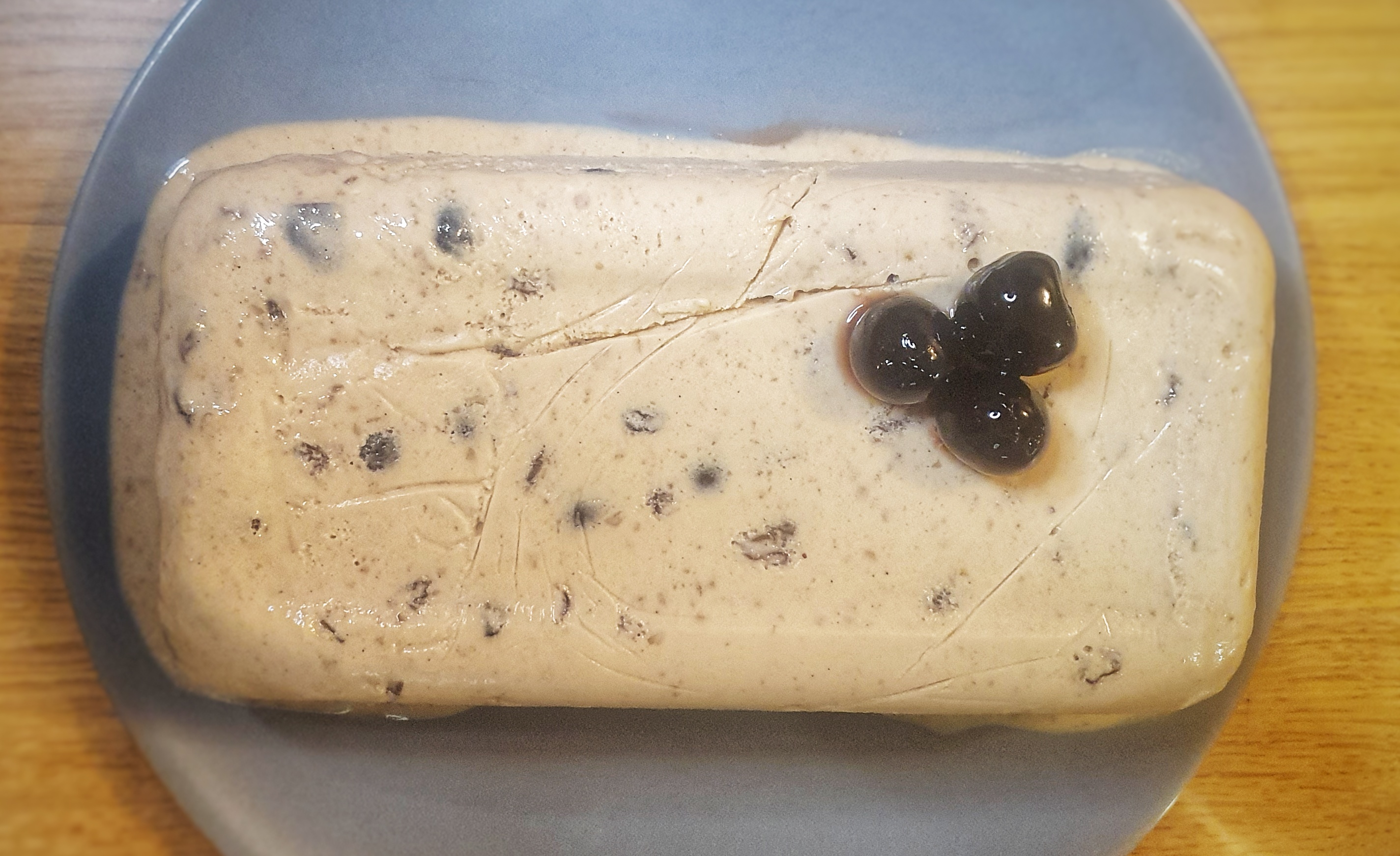
To garnish: Maraschino cherries or candied chestnuts

For the custard sauce:

300 ml single cream or half-and-half whole milk and cream

50 g caster sugar

4 egg yolks

Around 25 ml maraschino (see recipe)

Soak the dried fruit and peel or cherries in maraschino overnight.

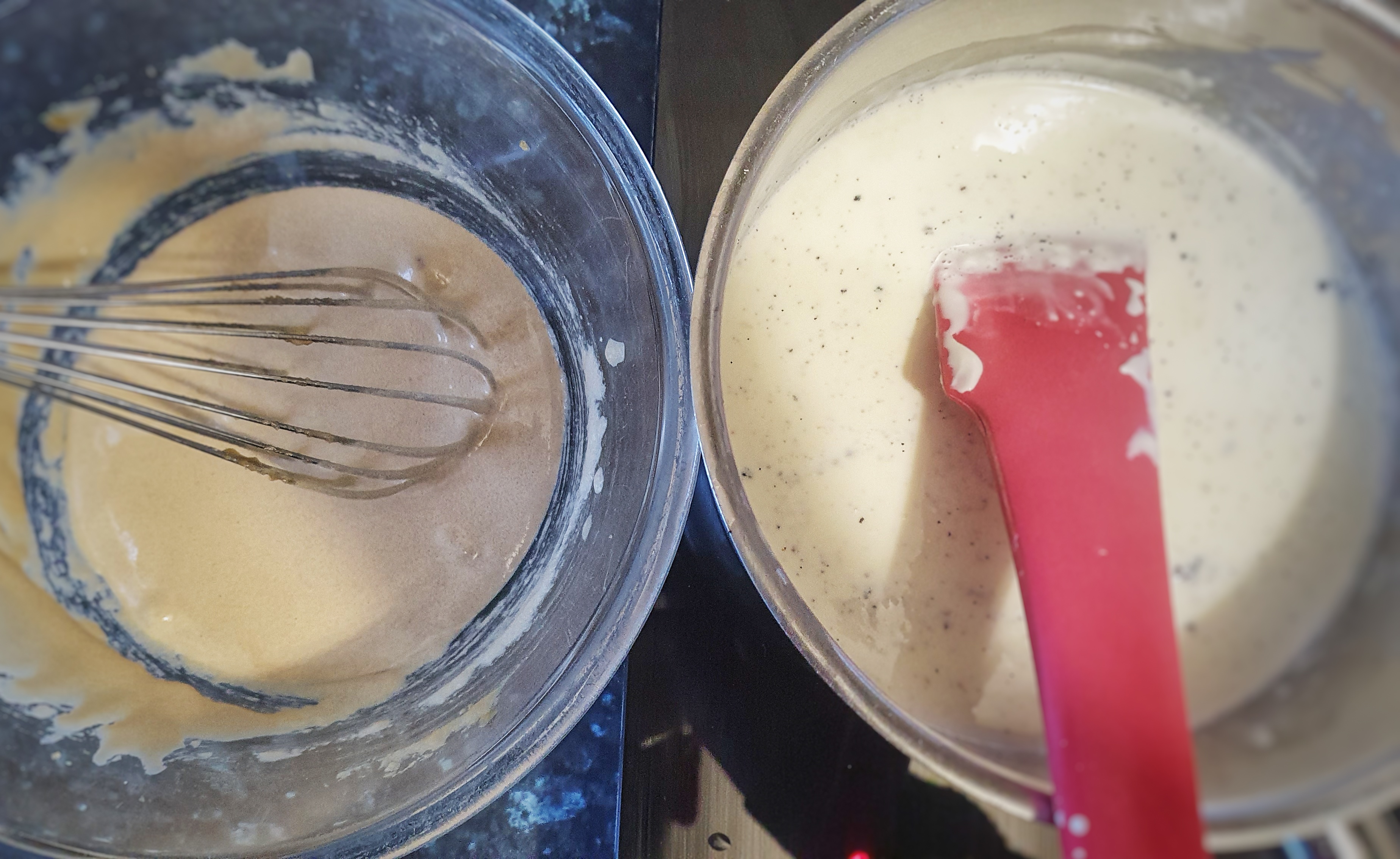
Next day, split the vanilla pod lengthways and scrape out the seeds and place both pod and seeds in a saucepan along with the single cream and heat to scalding point.

Meanwhile, put the egg yolks and light brown sugar in a mixing bowl, mix and then beat with a balloon whisk until it becomes a few shades paler. Pour in the hot cream by degrees, whisking all the time. Return the mixture to the pan and stir over a medium-low heat until it thickens – don’t let it boil, or you’ll get scrambled eggs – this should take about 5 minutes. If you want to use a thermometer to help you judge this, you are looking for a temperature of 80°C. Pass the mixture through a sieve into a tub, seal, cool and refrigerate until cold.

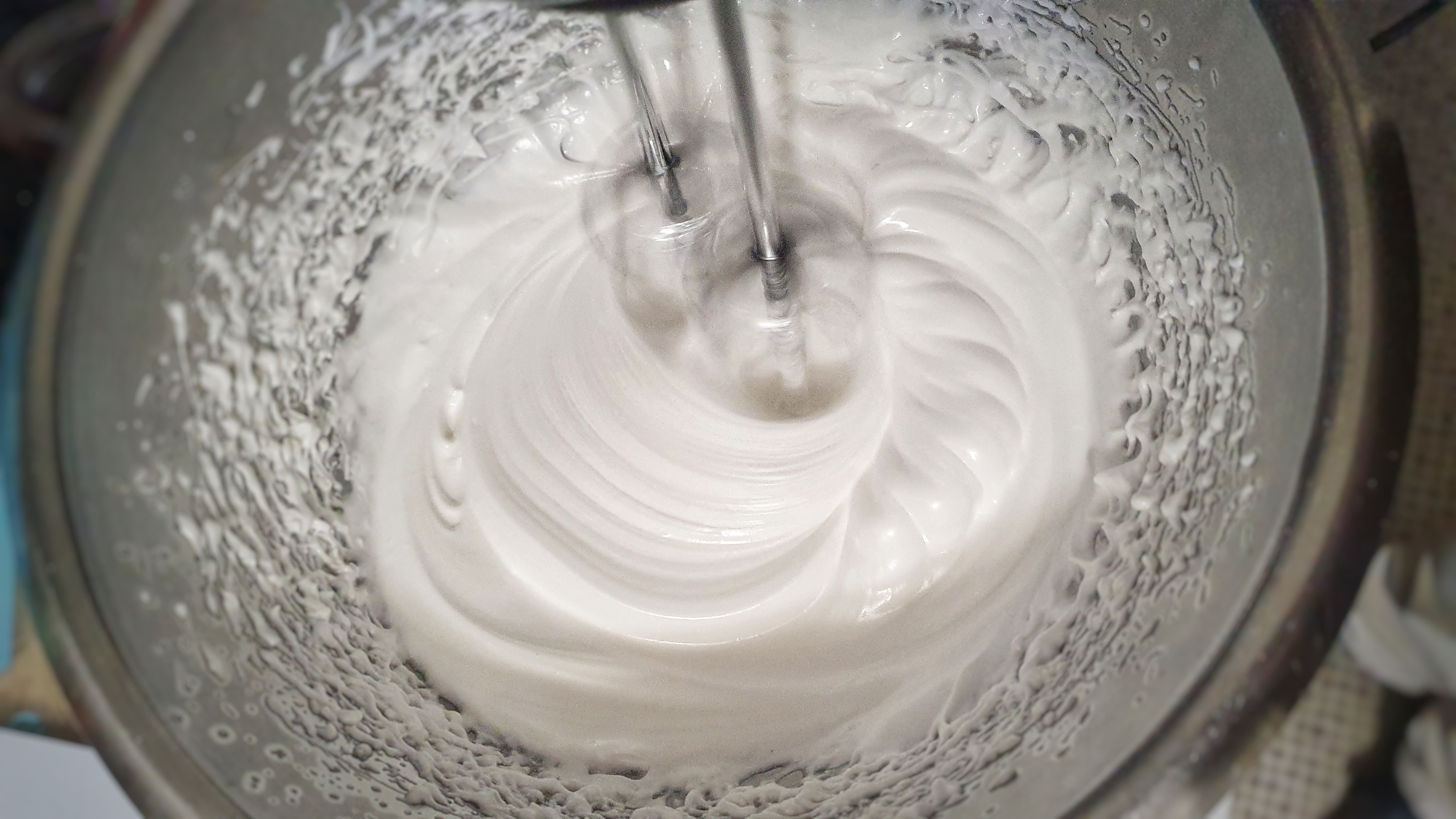
As it cools, make an Italian meringue: in a thick-bottomed saucepan, add the sugar and water. Place over a medium and stir until the sugar is dissolved, then bring it up to a boil. Insert your thermometer.

Meanwhile, put the whites in a bowl, ready to beat. When the temperature of the syrup hits 110-115°C, start beating the eggs to stiff peaks. When the syrup is 121°C, take the pan off the heat and trickle the syrup into the whites in a steady stream. Keep beating until almost cold – around 10 minutes – then cool completely. Whip the whipping cream until floppy.

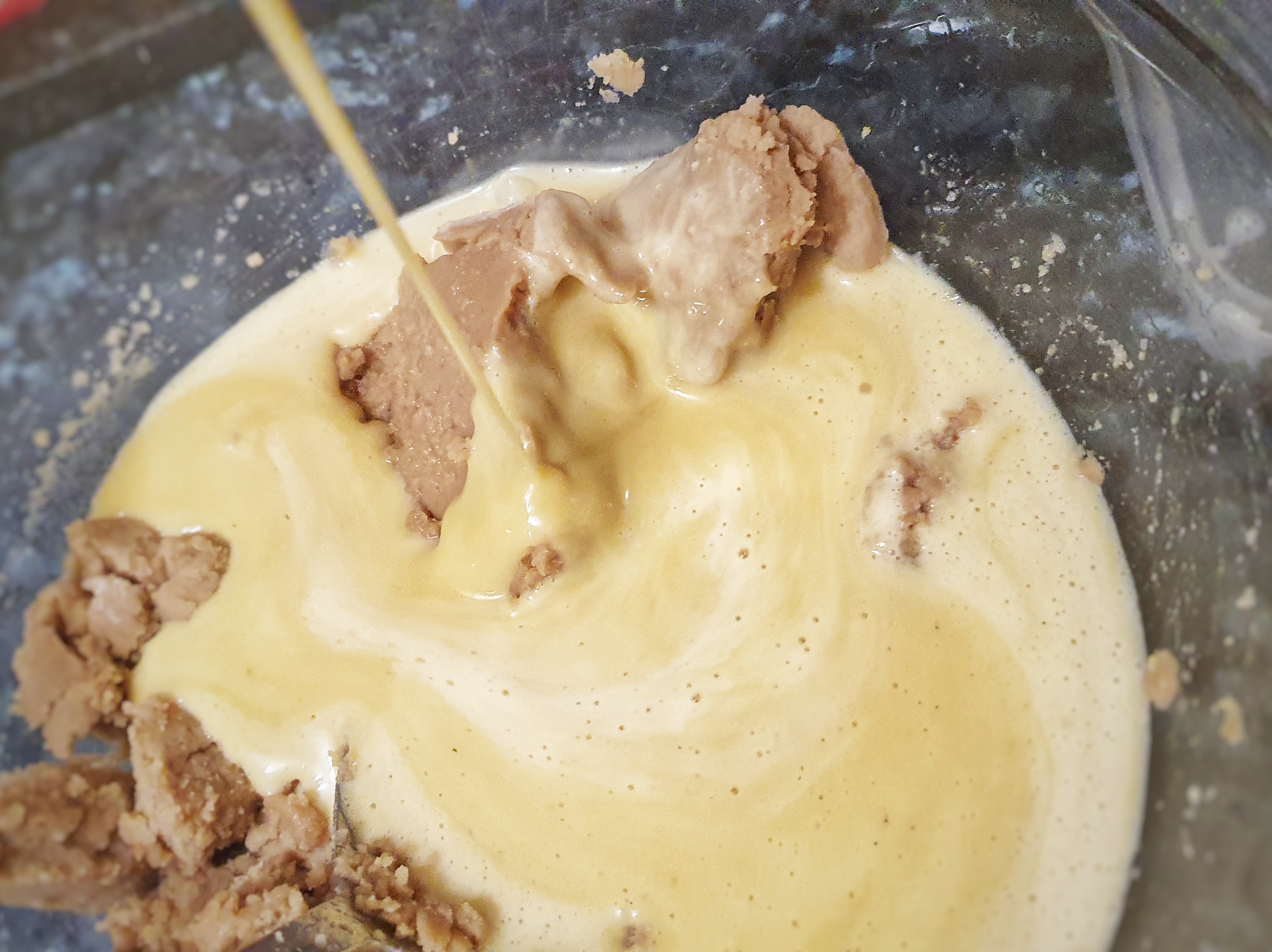
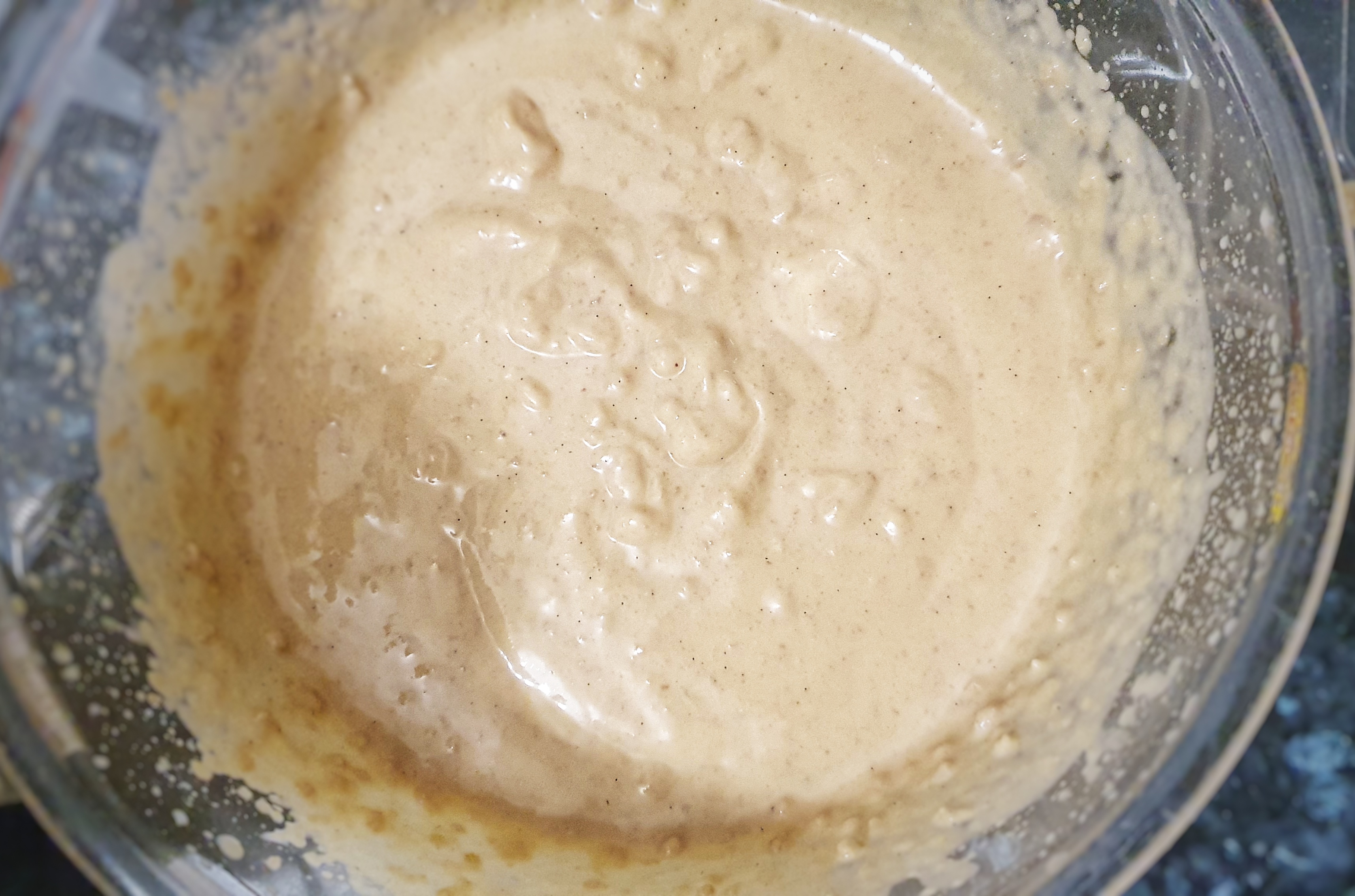
Now the Nesselrode pudding can be assembled. Mix the chestnut puree into the cold, rich custard; you may need to use your electric beater to make the mixture smooth. If you like, pass the mixture through a sieve. Using a metal spoon, fold in the cream, then the meringue. Take your time – you don’t want to lose all of the air you have introduced to the meringue and cream. Strain the fruits (keep the alcohol) and fold those into the mixture.

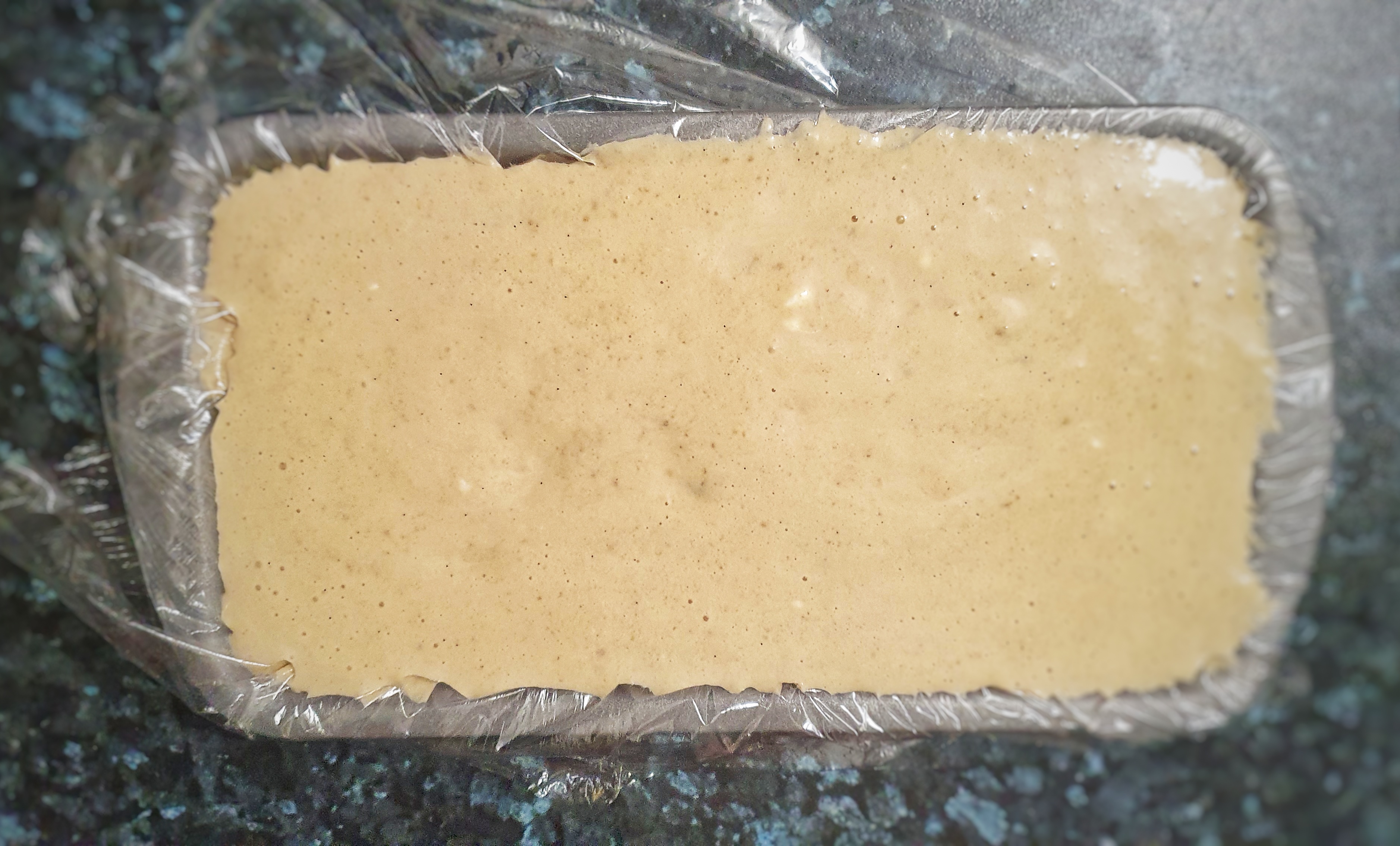
Select your mould – a generous 2 lb/900 g loaf tin is best, but you can use a pudding basin, or anything you like, as long as it has a volume of around 1.5-1.6 litres – and line it with cling film. Gingerly pour or ladle the mixture, cover with more cling film and freeze overnight.

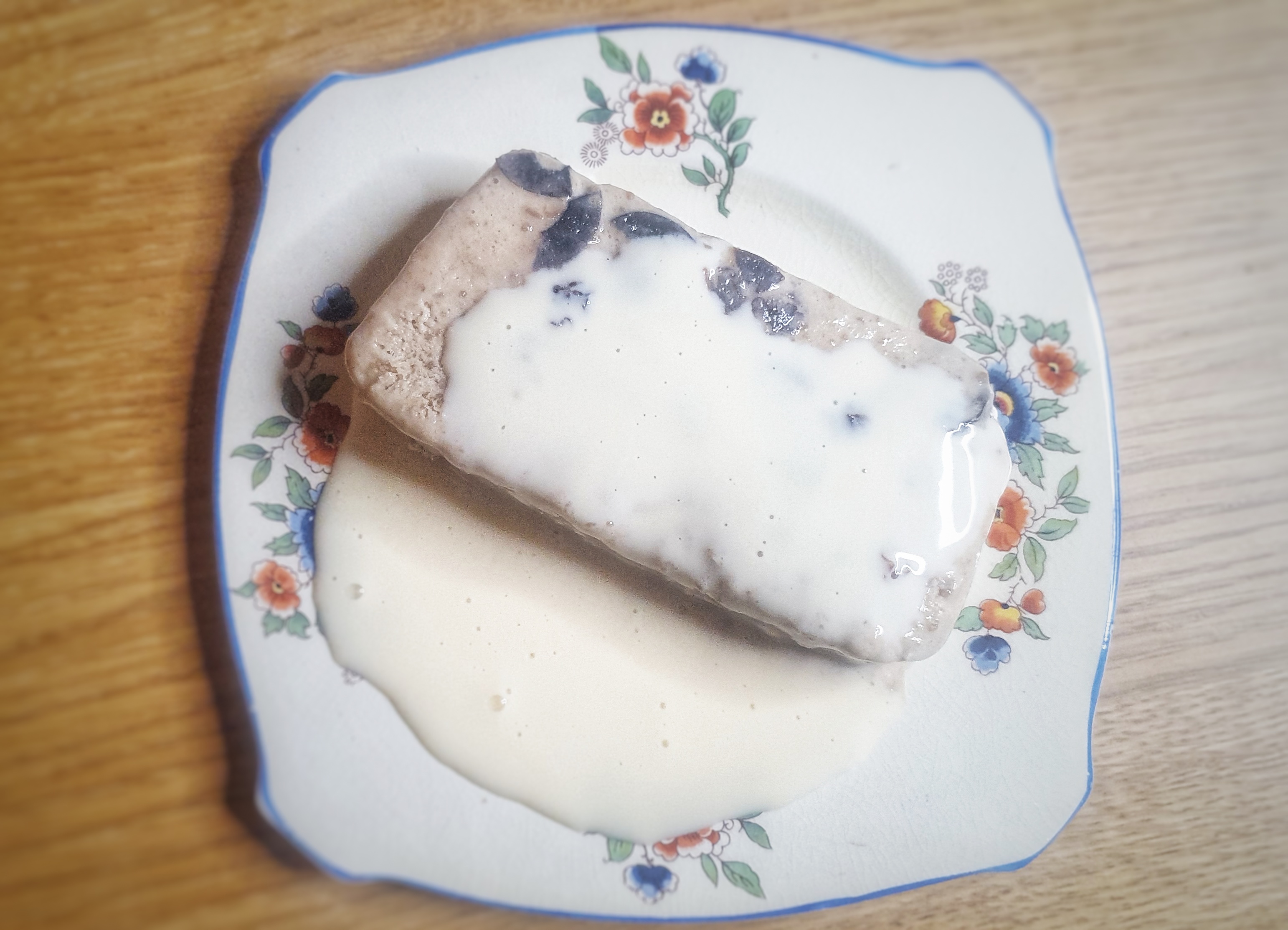
Now make the custard sauce as you normally would – there’s a full method here – flavour with the strained alcohol. Taste it and add more booze if desired. When it tastes just right, add an extra half shot. Cool, cover and refrigerate.

To serve:

Remove the pudding from the freezer 30 to 40 minutes before you want to serve it. At the same time, place the custard sauce in the freezer so that it can get really cold.

Turn out the pudding onto a serving plate, remove the cling film, clean up the edge with kitchen paper and garnish. If the pudding is a bit of a mess around the edge, pipe some whipped cream around it. Pour the ice-cold custard sauce into a jug and serve.

Note: to make nice, neat cuts, pour hot water into a tall mug or (heat-proof) glass and heat up a serrated knife; this heat and a gentle sawing motion should result in clean cuts.


Notes

[1] Gray, A. (2021) At Christmas We Feast: Festive Food Through the Ages. Profile.

[2] This earliest mention of the pudding in the many editions of Acton’s classic Modern Cookery was the 14th. Acton, E. (1854) Modern Cookery for Private Families. 14th ed. Lonman, Brown, Green, and Longhams.

[3] Grigson, J. (1979) Food with the Famous. Grub Street.

[4] Gray (2021)

[5] Marshall, A.B. (1885) The Book of Ices. William Clowes and Sons.

[6] Ibid.

[7] When I made the pudding for the blog, I decided to forego chopping the fruit, wanting nice, big, plump fruits. A mistake: the large pieces sank – rats!

2 Comments

Filed under Britain, Christmas, food, General, history, Nineteenth Century, Puddings, Recipes, The Victorians

White Pudding Ice Cream

After the roaring success of my blood ice cream, I decided to have a crack at making a white pudding ice cream too, using the flavours in Gervase Markham’s recipe.

The blood ice cream was great, but I didn’t call it black pudding ice cream, because I left out one important ingredient: oats. The flavour of wholegrain oats is key, so much so that without them, I don’t think I captured the pudding’s true flavour.

I wanted to change this with this ice cream, but the challenge was to capture the flavour of oats without any annoying frozen groats getting in the way. I decided to take pinhead (steel-cut) oats, soak them in milk and then squeeze it out to create an oat-flavoured milk. This worked really well. I added this to the usual milk and cream to make a custard, warmed it up with the spices and found that it naturally thickened to just the right consistency – all without egg yolks! The mixture froze very well and produced a super-smooth final product. As you can imagine, I was very pleased with this outcome.

Just like the blood ice cream, I soaked some dried fruit in sherry – currants and dates this time, as per Markam’s recipe and stirred them through at the soft-scoop stage of the churning process.

I served my white pudding ice cream with sweet black pudding that had been fried in butter and sugar. I then fried a slice of bread in the sugary and buttery juices and popped the black pudding on top with an accompanying scoop of the white pudding ice cream. It was decadent and delicious!

Subscribe to get access

Read more of this content when you subscribe today and unlock lots of premium content, including bonus blog posts and recipes, my Easter eggs, newsletter and the secret podcast. Please click here for more information.

1 Comment

Filed under Britain, cooking, Desserts, food, General, history, Puddings, Recipes, Uncategorized

Special Postbag Edition #6

It’s time for the now traditional end-of-season postbag episode of The British Food History Podcast, where I (attempt to) answer your questions, read out your comments and mull over your queries.

I’ll be disappearing for a couple of months, unless of course, you are a monthly subscriber, where there will be a bonus episode coming up for you to listen to via the website: Keeping Food Traditions Alive with Tom Parker Bowles, which was recorded live at the Serve it Forth Food History Festival on 18 October.

The British Food History Podcast is available on all podcast platforms. Please subscribe, rate and review. Alternatively, stream the episode via this Spotify embed:


If you can, support the podcast and blogs by becoming a £3 monthly subscriber, and unlock lots of premium content, including bonus blog posts and recipes, access to the Easter eggs and the secret podcast, or treat me to a one-off virtual pint or coffee please click here.


Remember: Fruit Pig are sponsoring the 9th season of the podcast. Visit their website www.fruitpig.co.uk to learn more about them, their journey, to find your local stockist and access their online shop.

This episode was mixed and engineered by Thomas Ntinas of the Delicious Legacy podcast.

Things mentioned in today’s episode

Book your place at the Serve it Forth Spooky Christmas Special on 11th of December

BBC article World black pudding championship throwers take aim

Linny’s Kitchen Facebook page

The Ginger Pig

Billingsgate Market

BBC article about the Denby Dale pie play

The seaside town of Morecombe

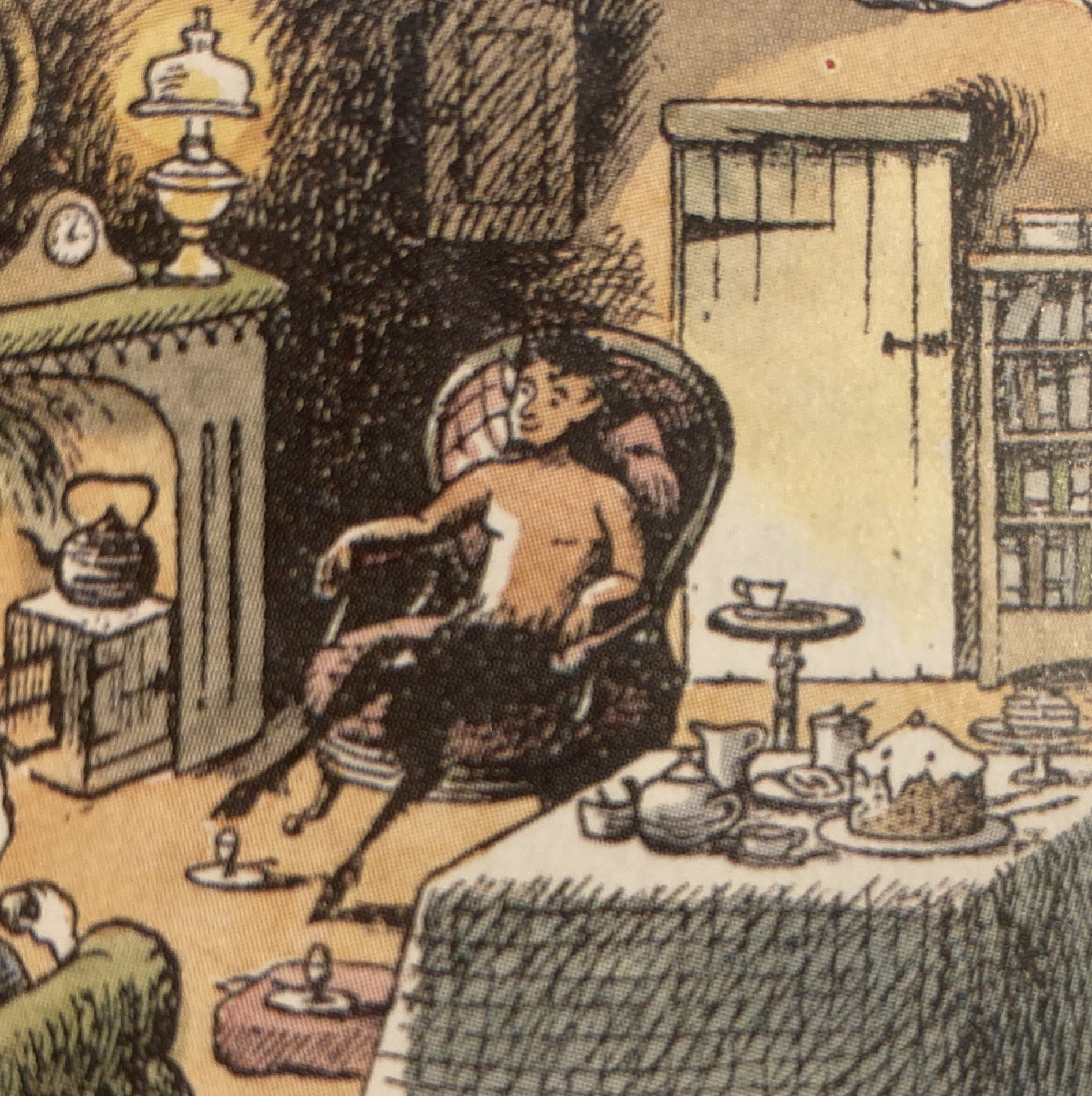
Detail of the illustration from The lion, the Witch & the Wardrobe sent in by listener Andrew Smith showing Mr Tumnus’s iced cake.

Books discussed or mentioned in today’s episode

Bilton, S. Fool’s Gold: A History of British Saffron. (Prospect Books, 2022).

Thomas, J. & Schultz, C. How to Mix Drinks, Or, The Bon-Vivant’s Companion. (Dick & Fitzgerald, 1862).

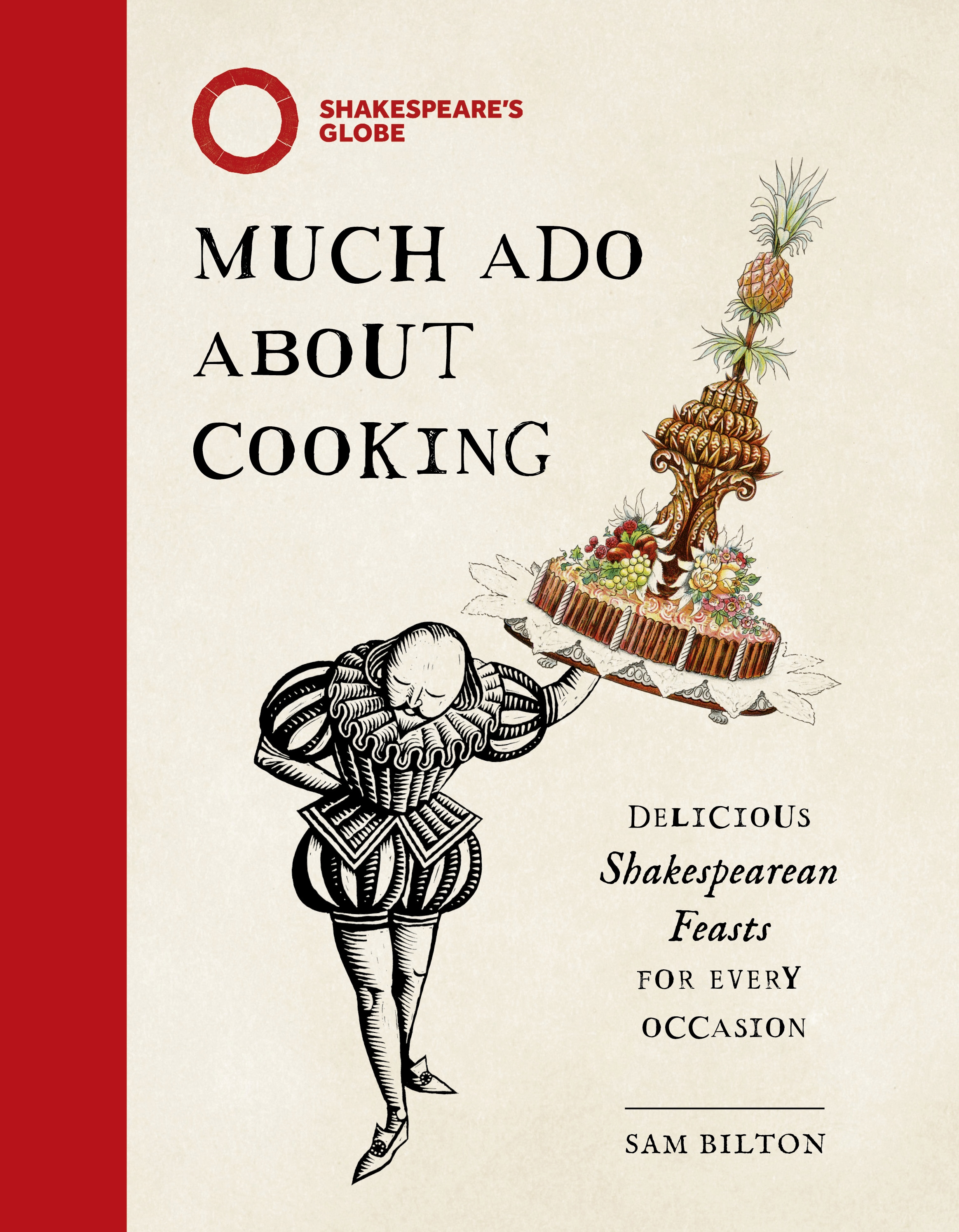
Bilton, S. Much Ado About Cooking: Delicious Shakespearean Feasts for Every Occasion. (Headline, 2025)

Buttery, N. Knead to Know: A History of Baking. (Icon Books, 2024).

Previous pertinent podcast episodes

Black & White Pudding with Matthew Cockin & Grant Harper

Derbyshire Oatcakes with Mark Dawson

Welsh Sheep & Cattle with Carwyn Graves

Housekeepers & Butlers with Peter Brears

Subversive Feasting in Medieval King & Common Tales with Mark Truesdale

Shakespearean Food & Drink with Sam Bilton

Cooking English Food with Nicola Aldren, Simone Blogg and Anthea Craig

Sam Bilton & Neil Buttery Talk Tripe

Previous pertinent blog posts

Blood Ice Cream

Cheese and Leek (or Onion) Pie

Neil’s other blog and YouTube channel

The British Food History Channel

‘Neil Cooks Grigson’

Neil’s books:

Before Mrs Beeton: Elizabeth Raffald, England’s Most Influential Housekeeper

A Dark History of Sugar

Knead to Know: a History of Baking

The Philosophy of Puddings

Don’t forget, there will be postbag episodes in the future, so if you have any questions or queries about today’s episode, or indeed any episode, or have a question about the history of British food please email me at neil@britishfoodhistory.com, or on twitter and BlueSky @neilbuttery, or Instagram and Threads dr_neil_buttery. My DMs are open.

You can also join the British Food: a History Facebook discussion page: https://www.facebook.com/groups/britishfoodhistory
3 Comments

Filed under Britain, cooking, food, General, history, Podcast, Uncategorized

Shakespearean Food & Drink with Sam Bilton

My guest on The British Food History Podcast today is food historian and friend of the show Sam Bilton, podcaster and author of Much Ado About Cooking Delicious Shakespearean Feasts for Every Occasion, published by Headline and commissioned by Shakespeare’s Globe.

It was, of course,  a great opportunity to talk about the food of Shakespearean England as well as the food and drink references in Shakespeare’s plays, and what they meant to those watching the plays at the time they were first performed.

We talked about lots of cookery manuscripts, the importance of keeping historical recipes relevant, capons, Early Modern bread and greedy Falstaff’s sack, amongst many other things.

The British Food History Podcast is available on all apps, or stream it here:

Those listening to the secret podcast can hear about horrible, sweet spinach tarts, Early Modern cakes, possets and more!

Much Ado About Cooking by Sam Bilton

Sam’s website

Follow Sam on BlueSky, Insta and Threads @mrssbilton

Comfortably Hungry

A is for Apple: An Encyclopaedia of Food & Drink

Remember: Fruit Pig are sponsoring the 9th season of the podcast. Visit their website www.fruitpig.co.uk to learn more about them, their journey, to find your local stockist and access their online shop.


If you can, support the podcast and blogs by becoming a £3 monthly subscriber, and unlock lots of premium content, including bonus blog posts and recipes, access to the easter eggs and the secret podcast, or treat me to a one-off virtual pint or coffee: click here.


This episode was mixed and engineered by Thomas Ntinas of the Delicious Legacy podcast.

Things mentioned in today’s episode

The Globe theatre

Who is Falstaff?

Books discussed or mentioned and further reading

First Catch Your Gingerbread by Sam Bilton

Knead to Know: A History of Baking by Neil Buttery

A Dark History of Sugar by Neil Buttery

English Bread & Yeast Cookery by Elizabeth David

The Good Housewife’s Jewel by Thomas Dawson

The English Housewife by Gervase Markham

The Scot’s Kitchen by F. Marion McNeill

Delightes for ladies by Sir High Platt

Elinor Fettiplace’s Receipt Book by Hilary Spurling

Previous pertinent blog posts

Boiled Capon with Sugar Peas

Tudor Salmon en Croute

Manchets and Payndemayn

Previous pertinent podcast episodes

A Rare Early Modern Cheese Manuscript with Alex Bamji

A Tudor Christmas with Brigitte Webster

Tudor Cooking & Cuisine with Brigitte Webster

Neil’s other blog and YouTube channel

The British Food History Channel

‘Neil Cooks Grigson’

Neil’s books

Before Mrs Beeton: Elizabeth Raffald, England’s Most Influential Housekeeper

A Dark History of Sugar

Knead to Know: a History of Baking

The Philosophy of Puddings

Don’t forget, there will be postbag episodes in the future, so if you have any questions or queries about today’s episode, or indeed any episode, or have a question about the history of British food please email me at neil@britishfoodhistory.com, or leave a comment below.

1 Comment

Filed under Books, Britain, food, General, history, Podcast, Uncategorized

Welsh Sheep & Cattle with Carwyn Graves

My guest on The British Food History Podcast today is food historian Carwyn Graves, a specialist in the foodways and traditions of Wales, and we are talking about Welsh Sheep and Cattle – and their products.

Carwyn has written a wonderful book called Welsh Food Stories, published in 2022 by Calon, which explores more than two thousand years of history to discover the rich but forgotten heritage of Welsh foods – from oysters to cider, salted butter to salt-marsh lamb. Despite centuries of industry, ancient traditions have survived in pockets across the country among farmers, bakers, fisherfolk, brewers and growers who are taking Welsh food back to its roots, and trailblazing truly sustainable foods as they do so.

We talk about the importance of sheep and cattle in Wales’s physical and cultural landscape, salt marsh lamb, cawl, colostrum puddings, the Welsh and their love of roasted cheese and sheep fancying Cistercian monks – amongst many other things.

Listen via your favourite podcast app, or stream here via this embed:

Robert Burns, The Globe Inn & the Annandale Distillery with Jane Brown, Teresa Church & David Thomson The British Food History Podcast

Welcome to the second of a two-part special all about Burns Night.Burns Night, celebrated on Robert Burns’ birthday, 25th January, is a worldwide phenomenon and I wanted to make a couple of episodes focussing upon the night, the haggis, but also the other foods links regarding Scotland’s national poet, Robert Burns.So, if you’re readying yourself for a Burns supper, I hope this episode gets you even more into the celebratory spirit. If you’re not marking Burns Night – well, hopefully after listening to this, you will be inspired to get yourself some haggis, neeps, tatties and a dram of whisky. Hopefully, a Man O'Words single malt from the excellent Annandale Distillery – why, well, you will find out very soon.Today’s episode is a jam-packed one where I speak with three guests all about Robert Burns and his links with Dumfriesshire, Southwest Scotland. First of all I speak with Jane Brown, Honorary President of the Robert Burns World Federation, and ex-manager of The Globe, Robert Burns’s favourite haunt when he lived in Dumfries during the last eight years of his life. Jane has attended and spoken at many Burns Nights all over the world, so there's no one better to talk about with Burns’s life which had several links with food and drink: there’s Burns Night and the Address to a Haggis, his time as an exciseman and as a farmer, and his time at the Globe. Then there’s the Globe itself and all of the precious artefacts contained within it that have been painstakingly conserved by owners Teresa Church and David Thomson.David and Teresa also own the Annandale Distillery, which produces a delicious and unique single malt whisky. It’s available unpeated and called Man O’Words, after Robert Burns, and the other is peated and called Man O’Sword, after the other local historical figure associated with Dumfries, Robert the Bruce. Like the Globe, the old distillery was saved, beautifully conserved and brought back to life by David and Teresa.In today’s episode we talk about Burns’s before and after graces, Burns’s penchant for scratching poetry on windows, the importance of cask size on the flavour of whisky, and just what exactly possessed David and Teresa to buy the Globe and a falling-down distillery – amongst many other things.The Globe Inn websiteAnnandale Distillery websiteThe Robert Burns World FederationFollow 1610 at the Globe on social media: Instagram @theglobeinn1610; Facebook https://www.facebook.com/theglobeinn/?locale=en_GB; X @The GlobeInn1610Follow Annandale Distillery on social media: Instagram: @annandale_distillery; Facebook: https://www.facebook.com/annandaledistillery/?locale=en_GB; X: @AnnandaleDstlryIf you can, support the podcast and blogs by becoming a £3 monthly subscriber, and unlock lots of premium content, including bonus blog posts and recipes, access to the easter eggs and the secret podcast, or treat me to a one-off virtual pint or coffee: click here. This episode was mixed and engineered by Thomas Ntinas of the Delicious Legacy podcast. Things mentioned in today’s episodeArticle: <a…
  1. Robert Burns, The Globe Inn & the Annandale Distillery with Jane Brown, Teresa Church & David Thomson
  2. Haggis & the First Burns Suppers with Jennie Hood
  3. Special Postbag Edition #6
  4. Shakespearean Food & Drink with Sam Bilton
  5. Welsh Sheep & Cattle with Carwyn Graves

Those listening to the secret podcast can hear 15 minutes of extra material including flummery, mutton, laverbread sauce, the traditional skills in the collective cultural memory of the Welsh, the etymology of rarebit/rabbit plus more!

Welsh Food Stories by Carwyn Graves

Carwyn’s website

Follow Carwyn on Instagram @carwyngraves

Remember: Fruit Pig are sponsoring the 9th season of the podcast, and Grant and Matthew are very kindly giving listeners to the podcast a unique special offer 10% off your order until the end of October 2025 – use the offer code Foodhis in the checkout at their online shop, www.fruitpig.co.uk.


If you can, support the podcast and blogs by becoming a £3 monthly subscriber, and unlock lots of premium content, including bonus blog posts and recipes, access to the easter eggs and the secret podcast, or treat me to a one-off virtual pint or coffee: click here.


This episode was mixed and engineered by Thomas Ntinas of the Delicious Legacy podcast.

Things mentioned in today’s episode

The Art of Cookery Made Plain & Easy by Hannah Glasse

The First Boke of the Introduction of Knowledge Made by Andrew Boorde

Wikipedia page of Welsh sheep breeds

Rare Breeds Survival Trust page on Welsh cattle breeds

Welsh Rarebit

Previous pertinent blog posts

Colostrum (Beestings) post with pudding recipe

Welsh Rarebit (and Locket’s Savoury)

#98 Cawl

#155 Welsh Rabbit

#183 Scotch Rabbit (1747)

#230 English Rabbit (1747)

Previous pertinent podcast episodes

A Regional Food Tour with Jenny Linford

Neil’s other blog and YouTube channel

The British Food History Channel

‘Neil Cooks Grigson’

Neil’s books

Before Mrs Beeton: Elizabeth Raffald, England’s Most Influential Housekeeper

A Dark History of Sugar

Knead to Know: a History of Baking

The Philosophy of Puddings

Don’t forget, there will be postbag episodes in the future, so if you have any questions or queries about today’s episode, or indeed any episode, or have a question about the history of British food please email me at neil@britishfoodhistory.com, or on twitter and BlueSky @neilbuttery, or Instagram and Threads dr_neil_buttery. My DMs are open.

You can also join the British Food: a History Facebook discussion page: https://www.facebook.com/groups/britishfoodhistory
Leave a comment

Filed under Britain, food, General, history

Housekeepers & Butlers with Peter Brears

In today’s episode of The British Food History Podcast, I speak with Peter Brears, a world-leading food historian. He was director of both York and Leeds City Museums, and is a consultant to the National Trust, English Heritage and Historic Royal Palaces.

He is the winner of the André Simon award for his book, Cooking and Dining in Medieval England, published in 2012, which is a must-have, as are his other books in the series that focus on upper-class cooking and dining in the Tudor and Early Stuart periods, and most recently in the Victorian country house.

He is also a founding member of the Leeds Symposium of Food History and Traditions, which will have its 40th next year.

Our conversation was recorded in person at his home in Leeds.

We talk about the roles of the housekeeper and butler first in the Victorian period, but then trace their histories back right to the Middle Ages in the case of the butler. Also covered: orchestrating big meals, the drinks prepared by the butler, the mysteries of the stillroom, and the pressures of preparing a baked Alaska – amongst many other things.

The podcast is available on all podcast apps and YouTube. You can also stream it via this Spotify embed:

Those listening to the secret podcast can hear about French and Russian service, when housekeepers are definitely not subservient, the dos and don’ts of displaying porcelain and the contents of the housekeeper’s cupboard.

Remember: Fruit Pig are sponsoring the 9th season of the podcast, and Grant and Matthew are very kindly giving listeners to the podcast a unique special offer 10% off your order until the end of October 2025 – use the offer code Foodhis in the checkout at their online shop, www.fruitpig.co.uk.


If you can, support the podcast and blogs by becoming a £3 monthly subscriber, and unlock lots of premium content, including bonus blog posts and recipes, access to the easter eggs and the secret podcast, or treat me to a one-off virtual pint or coffee: click here.


This episode was mixed and engineered by Thomas Ntinas of the Delicious Legacy podcast.

Things mentioned in today’s episode

Cooking & Dining in Medieval England by Peter Brears (2012)

Cooking & Dining in Tudor & Early Stuart England by Peter Brears (2015)

Cooking & Dining in the Victorian Country House by Peter Brears (2023)

Before Mrs Beeton: Elizabeth Rafflad, England’s Most Influential Housekeeper by Neil Buttery (2023)

Everyday Life in Seventeenth Century Calderdale by Peter Brears (2025)

Peter’s PPC article ‘What the housekeeper kept in her drawers’ (2015) PPC 103, 61-74

Serve it Forth website – You can still receive 25% off the ticket price using the code SERVE25 at the checkout!

Serve it Forth Eventbrite page

Roast Saddle of Lamb on the Neil Cooks Grigson blog

Previous pertinent podcast episodes

18th Century Dining with Ivan Day

Elizabeth Raffald with Neil Buttery & Alessandra Pino

Neil’s other blog and YouTube channel

The British Food History Channel

‘Neil Cooks Grigson’

Neil’s books

Before Mrs Beeton: Elizabeth Raffald, England’s Most Influential Housekeeper

A Dark History of Sugar

Knead to Know: a History of Baking

The Philosophy of Puddings

Don’t forget, there will be postbag episodes in the future, so if you have any questions or queries about today’s episode, or indeed any episode, or have a question about the history of British food please email me at neil@britishfoodhistory.com, or on twitter and BlueSky @neilbuttery, or Instagram and Threads dr_neil_buttery. My DMs are open.

You can also join the British Food: a History Facebook discussion page: https://www.facebook.com/groups/britishfoodhistory
Leave a comment

Filed under Britain, Eighteenth Century, history, Podcast, Uncategorized