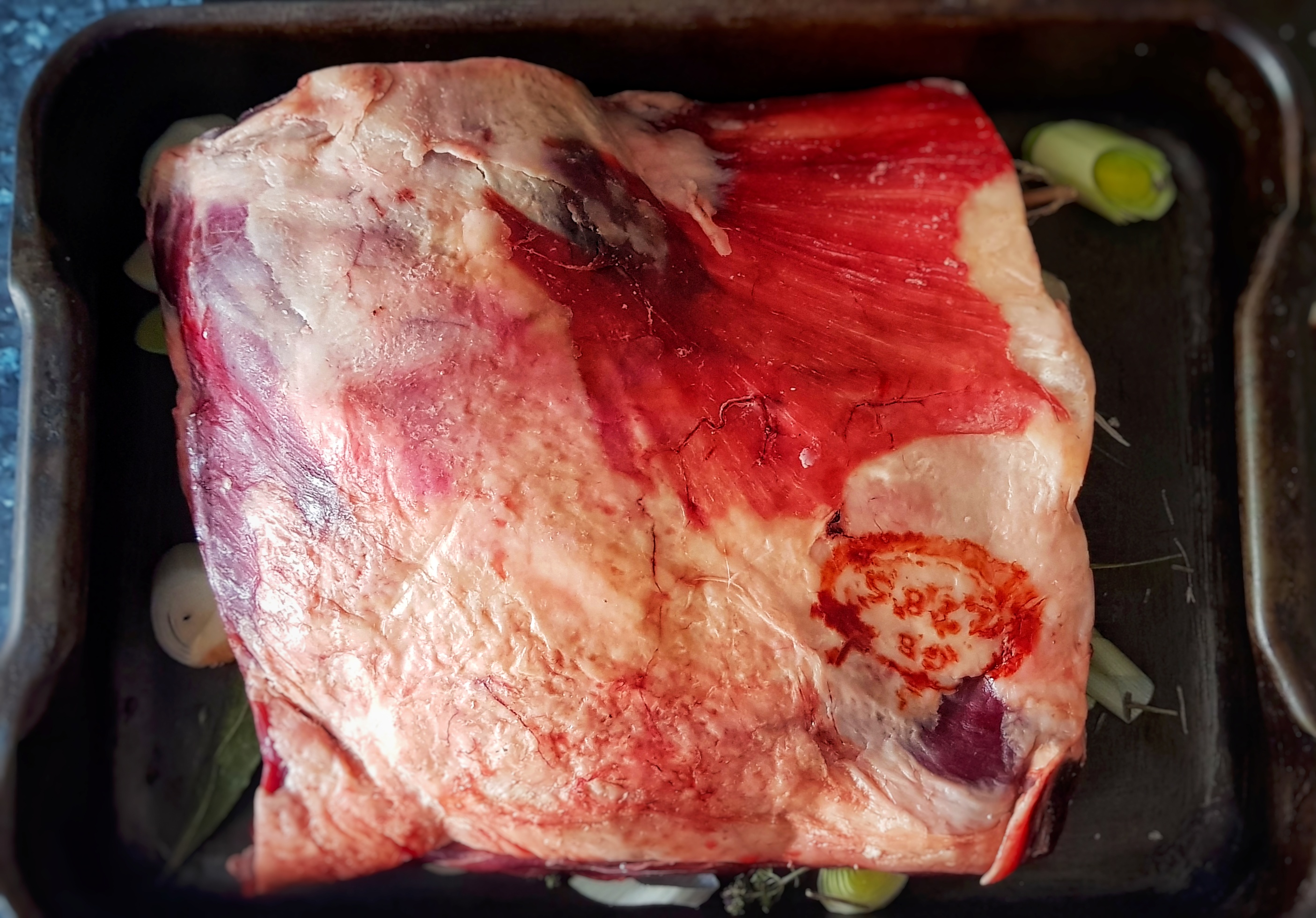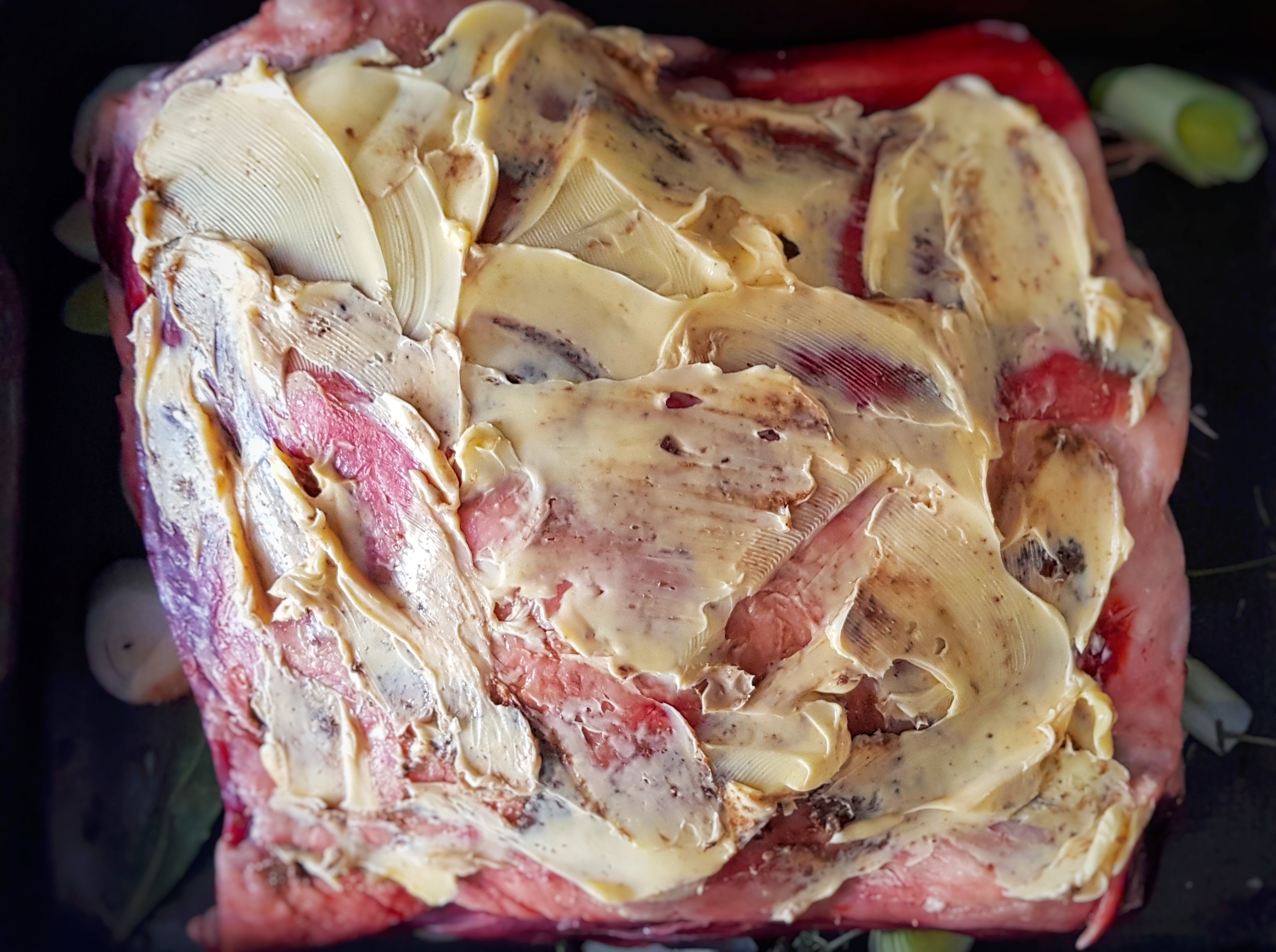
This post has been written in a collaboration with Swaledale Online Butchers, ‘a strictly whole-carcass, nose-to-tail butchers based in Yorkshire.’ Their meat is of the highest quality, and they supply to some of the best restaurants in the country.
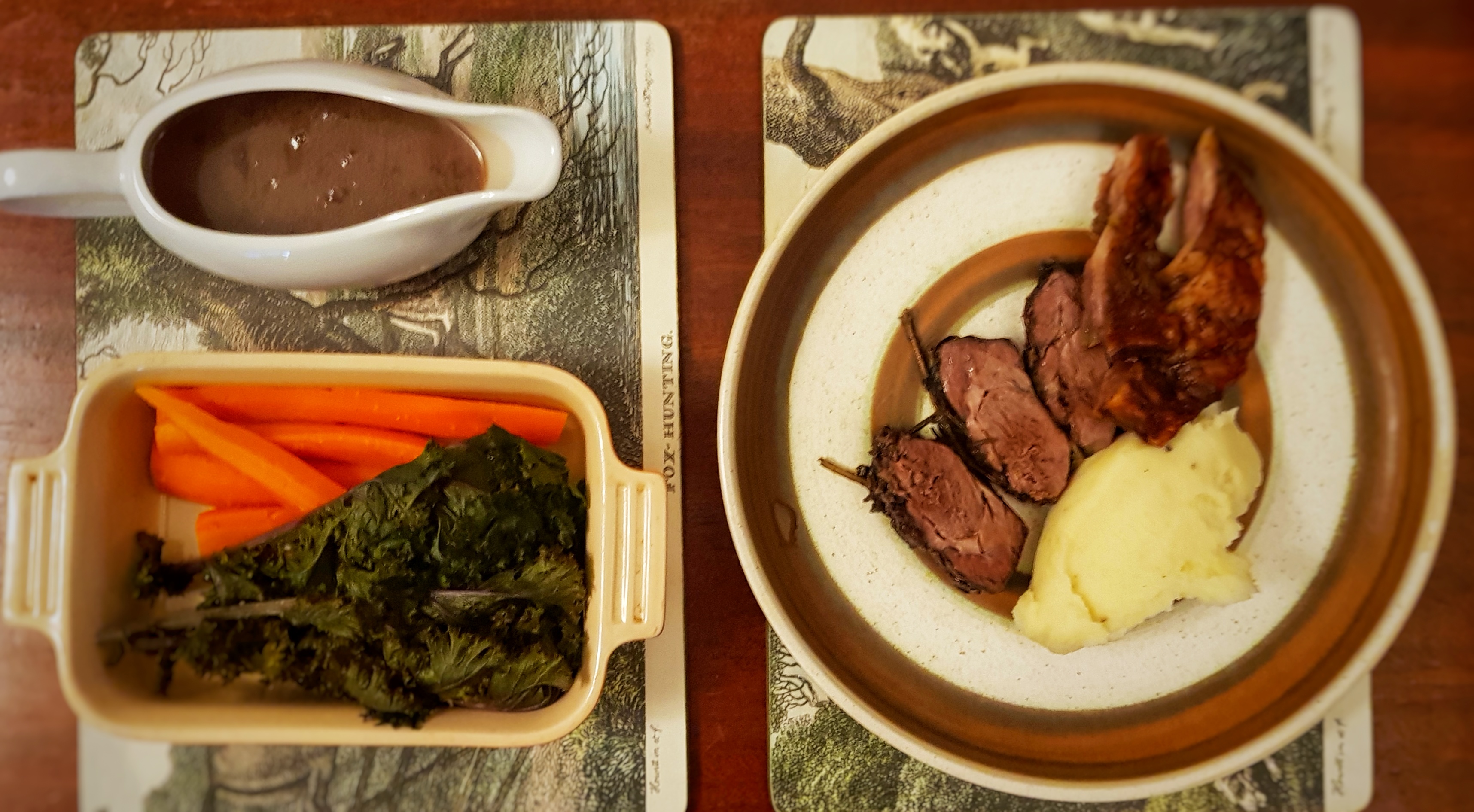
Braised shoulder of mutton is an iconic British dish, though I wonder how many of us has ever tried it. That it was such a part of our food culture is reflected in the fact that it is a very popular pub name. The shoulder is made up of several muscles, all of which work hard, so slow cooking is essential. Braising is by far the best way to cook it: the meat sat in the cooking liquid goes wonderfully tender whilst the rest of the meat roasts and the skin goes crisp.
Mutton and lamb go very well with anchovy, and I’ve chosen to roast my mutton spread with Gentleman’s Relish, the spiced potted anchovy spread. If you can’t get hold of it, don’t worry, you can make some yourself, or simply mash some canned anchovies with a few spices.
The shoulder takes 6 hours to cook, but don’t let that put you off; for the vast majority of the time, you don’t need to do anything at all!
Serves 8
2 leeks or red onions, sliced
4 good sized cloves of garlic, crushed with the flat of a knife
8 sprigs or rosemary, marjoram or oregano
1 shoulder of mutton, on the bone
Salt and pepper
20g (half a tub) Gentleman’s Relish or ½ can of anchovies and ½ tsp each nutmeg, mace and cayenne pepper
125g butter, softened
500ml red wine
250 ml beef or mutton/lamb stock
2 level tsp cornflour
1 tsp brown sugar or 1 tbs redcurrant jelly
Preheat your oven to 120°C.
Strew the leek or onion, garlic and herbs over the base of roasting tin large enough to fit your mutton.
On a board, season the underside of the meat, then place in the tin, skin side up. If using Gentleman’s relish, spread it over the skin of the mutton, then spread the butter on top of it. If using anchovies, simply mash them with some of the softened butter with the spices.
Season again with salt and pepper – though hold back a little on the salt if you have used Gentleman’s Relish – and pour the stock and red wine over the lamb. Cover with foil and braise in the oven for 5 ½ hours.
Remove from the oven and turn up the temperature to 220°C, take off the foil and pour the majority of the cooking liquor into a saucepan. Be careful here – it’s easier to remove the mutton to a board, then pour the wine and stock, then pop the mutton back in the pan.
Return the mutton to the oven for 25 minutes to crisp up, basting it half way through the time. Remove, cover with foil and allow to rest.
Meanwhile, spoon off any fat from the liquid and place over a high heat to reduce by half. Slake the cornflour in a little cold water and whisk into the reducing gravy. Add the sugar or redcurrant jelly, taste and correct for seasoning. Add more sugar or jelly if required.
Take the meat from the bone and cut into thick slices and place on a warm serving dish and pour the gravy through a sieve into a gravy jug.
This post has been written in a collaboration with Swaledale Online Butchers, ‘a strictly whole-carcass, nose-to-tail butchers based in Yorkshire.’ Their meat is of the highest quality, and they supply to some of the best restaurants in the country.
I was contacted by Swaledale Butchers recently to write some traditional recipes using their excellent meat. Swaledale is an online butcher who share exactly the same ethos as I do: championing all cuts of meat, not just the prime ones, so when they asked me to choose a couple of items to cook at home, I jumped at the chance.
I decided to choose mutton, a meat that many folk think is tough and not worth eating. They couldn’t be more wrong! Eating mutton over lamb is no different to eating beef over veal. A longer life gives the meat more flavour, but it is certainly not tough. To prove my point I chose two very different cuts one requiring slow cooking, the other a quick cook: shoulder and chops. I’ll deal with the shoulder in a future post soon. Today it’s all about tender mutton chops.
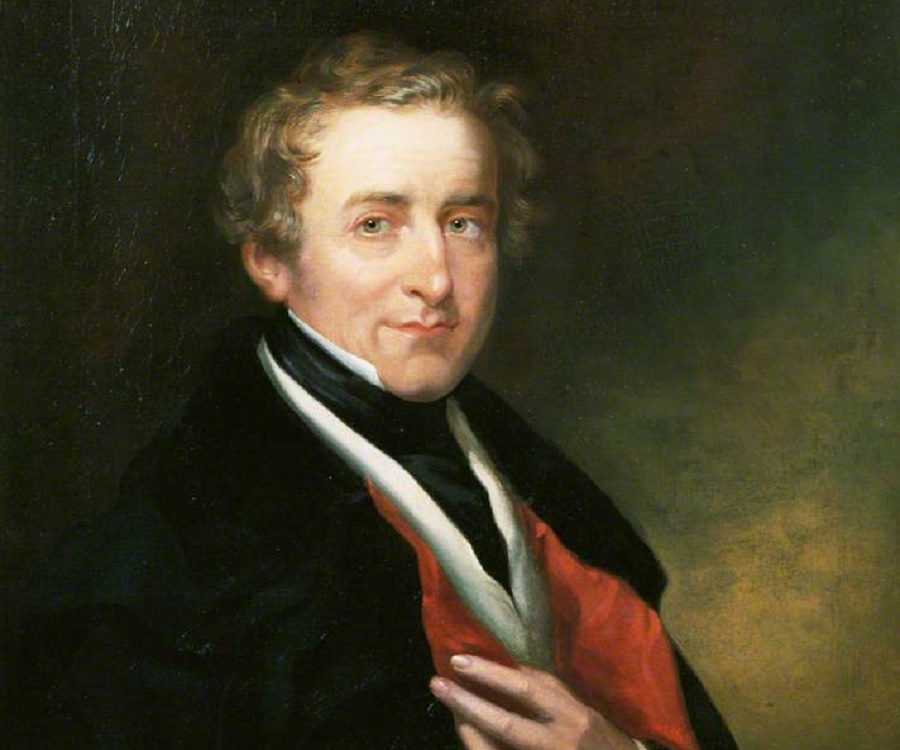
A 19th century chap sporting a fine set of mutton chops
Breaded Mutton Cutlets with Lemon Butter Sauce
Mutton chops were a very popular food, grilled or fried and served with a strong tasting sauce or gravy. Devilled mutton chops are very good – indeed if you fancy a go at that, I have an excellent devil sauce recipe here. My recipe for breaded chops couldn’t be more different though; it’s an excellent summery dish that’s especially useful for people who, like me, don’t have a barbecue but really enjoy eating al fresco.
The chops may be breaded and fried, and the sauce somewhat buttery, but it’s surprisingly light; using chicken stock over beef or mutton stock, as one might usually expect. For the aromatics, I eschew rosemary and mint completely and go instead for zesty marjoram and grassy parsley.
Feel free to trim the chops into cutlets, but I always think you’re losing a lot of the meat, and these chops from Swaledale have such soft fat, it really would be a crime to cut it off. Because it is a rather quick cook, you may want to trim the small amount of rind, but it is really not a necessity.
Serves 2
80 g breadcrumbs made from stale bread (gluten-free bread works very well here, by the way)
Zest 1 lemon, grated
2 tsp finely chopped parsley
1 tsp finely chopped marjoram (oregano, thyme or savory are good substitutes)
Mix the breadcrumbs, lemon zest and herbs, season with salt and pepper and spread the mixture out onto a plate. Coat each chop in egg, then coat in the breadcrumbs, tapping away excess. Set aside.
Melt the lard or dripping in a heavy based frying pan over a medium heat. Once hot, add the chops. It’s important to leave them be for the first two or three minutes, lest you lose the breadcrumb coating. After four minutes turn them over and cook the other side, basting the chops every now and again. After 8 minutes they will be ready, remove and place on kitchen paper and put them in a warm oven to keep them crisp.
Now make the sauce. In the same frying pan, turn up the heat to medium-high (don’t worry about any dark brown breadcrumbs, we’ll deal with those soon) sprinkle the flour and stir with a wooden spoon so that the flour absorbs any stray fat, then pour in the stock by degrees, making sure there are few lumps. Bring to a boil and simmer for a couple of minutes to cook out the flour, then take off the heat and whisk in the cubed butter two or three cubes at a time. Add a squeeze of lemon juice. Taste and check for seasoning, adding more lemon, salt or pepper as required. Pass through a sieve and straight into a sauceboat.
Serve the cutlets and the sauce with steamed new potatoes, mushrooms fried in butter and a rocket salad.
The Corn Laws were in place between 1815 and 1842. During this time several petitions of repeal were made to Parliament; in all 1,414,303 signatures were presented within 467 petitions. There were, of course, signatures scribbled upon petitions against repeal of the Laws, but they were far fewer: just 145,855 signatures, a whole order of magnitude fewer!1 This goes to show just how powerful the country landowners were; no matter how bad things got, and no matter the number of signatures, Parliament would not budge. But there were folk chipping away at this issue, whether it be in the streets, in the townhouses, or in the corridors of power. Repeal would come, and there were several key players in the story, and in the second of my two posts on the Corn Laws, we shall meet them.
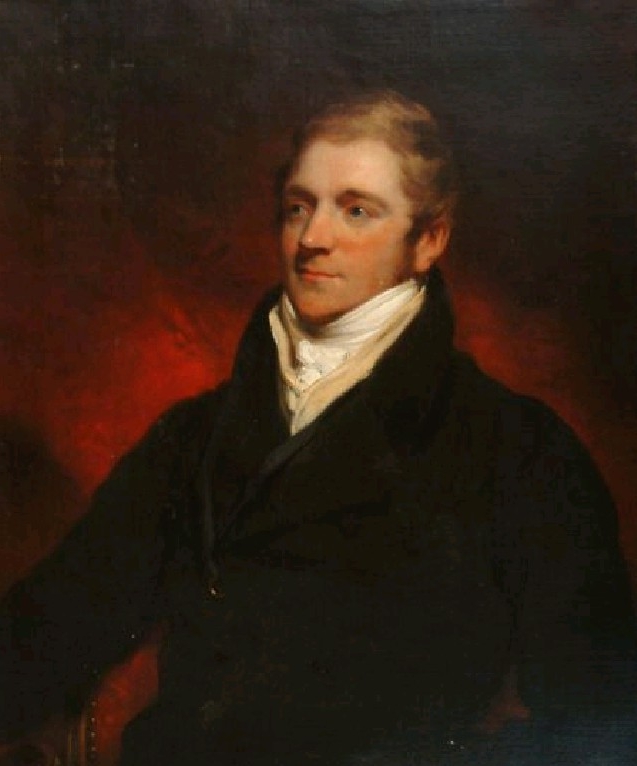
Thomas Tooke
Thomas Tooke (1774-1858)
An experienced merchant and economist, Thomas Tooke could see that the Corn Laws were having a deleterious upon the majority of the population. He argued that stopping the free grain in foreign grain was harmful to trade in broader terms, saying
There appears to be at the moment, a quantity of corn on one side of an impenetrable barrier, and a quantity of manufacturers on the other, which would naturally be interchanged, if it were not for the artificial hindrance occasioned by the present system.
The Laws were there to protect the landed gentry in the countryside at the expense of the income and quality of life of the working classes. It didn’t even help the farmers in the countryside because landowners charged them higher rents. As far as Tooke was concerned, making staple foodstuffs scarcer raised prices and adversely affected the working classes.2
Lord Liverpool, the Tory Prime Minister blocked his petition, but Tooke still presented his case to a House of Commons Select Committee in 1821. So impressive was his thinking and well laid-out his argument, he was made a Fellow of the Royal Society later in the same year. So, whilst his petition wasn’t debated, he still got to say his piece, which reinforced the idea to lower tariffs and emboldened those for whom repeal of the Corn Laws was the only fair and sensible option.2
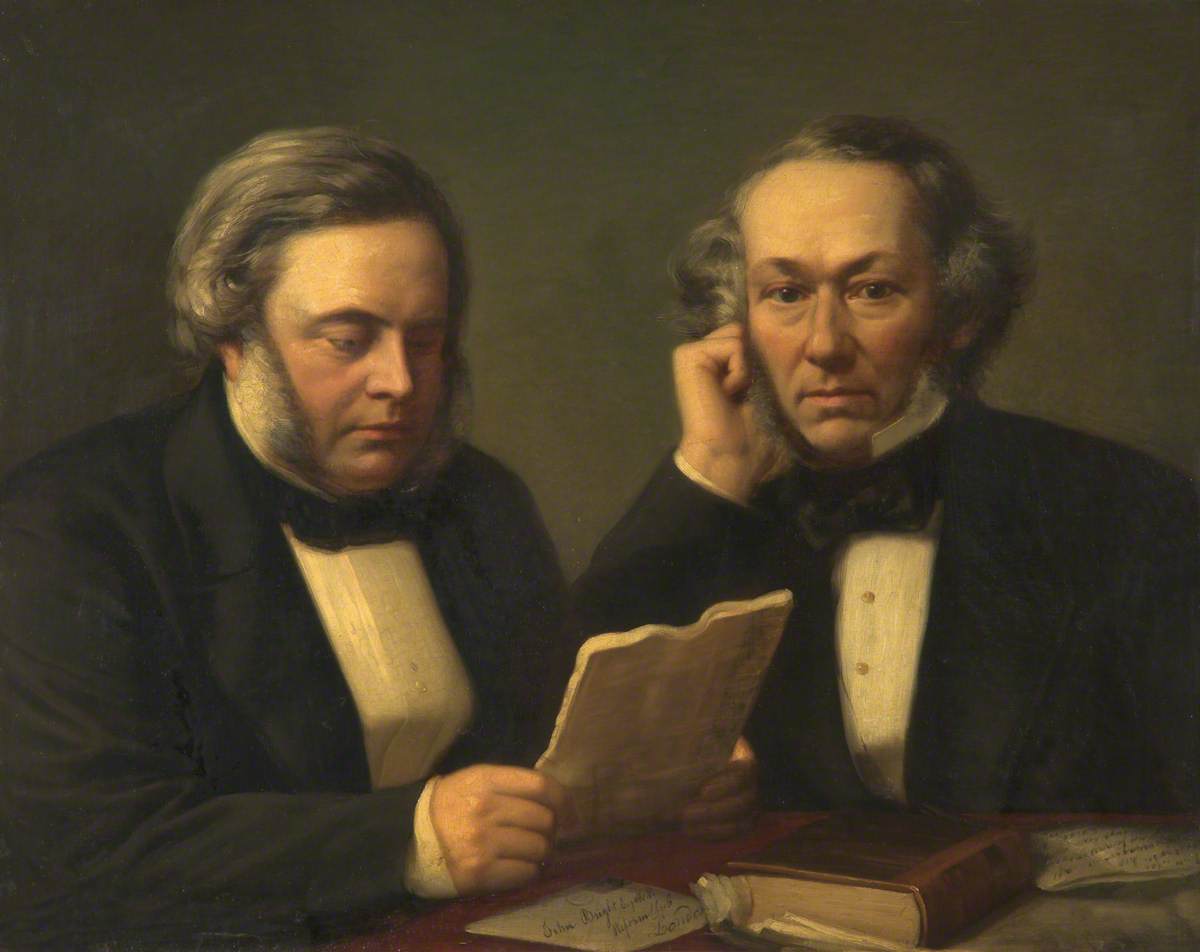
Richard Cobden and John Bright
As soon as the idea of implementing the first Corn Law was debated in Parliament, anti-Corn Law groups sprang up all around the country, but they were not a united, cohesive front. This changed however with two industrialists Richard Cobden and John Bright, who together formed what would become known as the Manchester School. Tooke had taken the argument for repeal to the Commons, but Cobden and Bright would be so effective in communicating their argument that would both become MPs.
Richard Cobden owned a calico[*] printing mill and was the son of a poor farmer from Sussex, so could appreciate the harm the Corn Laws were inflicting on industry, and both the urban and rural workforce. He created the Manchester Anti-Corn League in 1839. His writing and speeches were based on the notions that free trade benefited the majority, and that manufacturing and trade should be allowed to continue with minimal interference from Parliament. In short, the Corn Laws ‘were both economically disastrous and morally wrong.’3
In 1941, he invited John Bright to join him and help him develop the political, economic and moral argument against the Corn Laws.4 John, also an industrialist, was Lancashire born and bred, a devout Quaker and a skilled orator, who managed to make protest and debate entertaining, ‘produc[ing] an entire theatre of opposition activity.’5
John Bright (1811-1889) & Richard Cobden (1804-1865)
They made quite the team: John was the man of the people, the salt of the earth, able to communicate their ideas to the common man In the North of England. The country had – and still has – a strong north-south divide, and Cobden’s southern accent made his speeches in Parliament more palatable, allowing him to give insight into the economics of the industrial north. Together they began to turn the tide of opinion both within and without the House of Commons.
If you like the blogs and podcast I produce, please consider treating me to a virtual coffee or pint, or even a £3 monthly subscription: follow this link for more information.
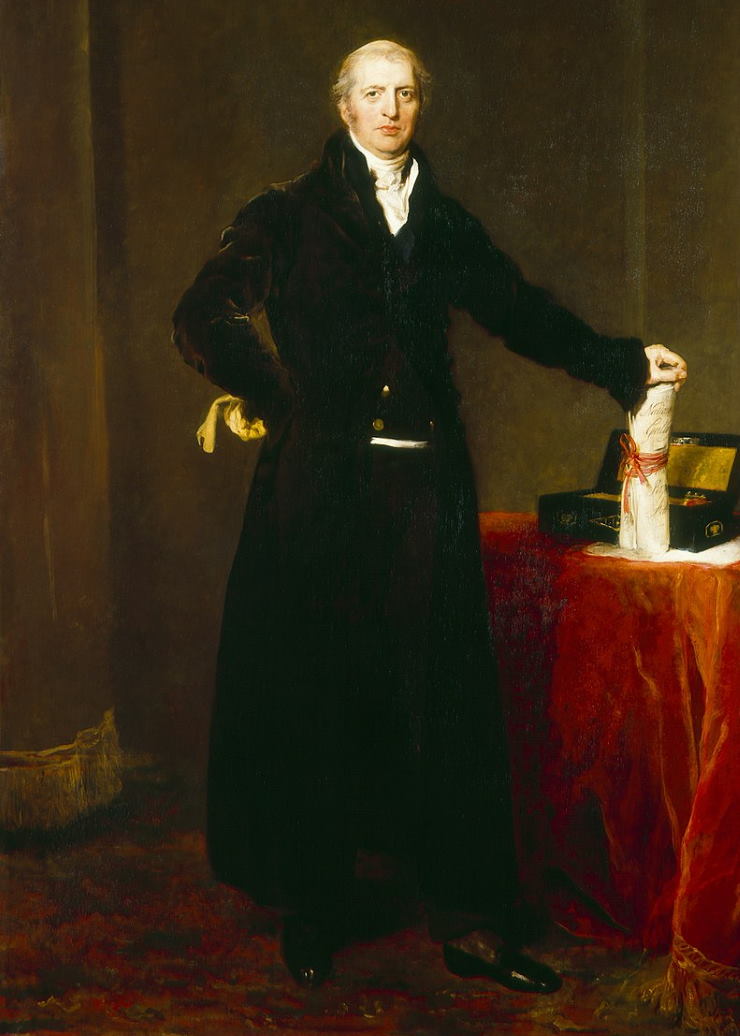
Robert Peel
Robert Peel (1778-1850)
Sir Robert Peel became Prime minister for the second time in 1841. He had won his position – partially – on his view that the Corn Laws should stay in place. However, Cobden and Bright’s arguments persuaded him to rethink his position. Peel could see that the Laws were only benefiting landowners and that the working classes – and some of the middle classes too – were beginning to starve. It was not sustainable, and revolution was on the cards: the early 1840s had seen a series of wet summers, lowering production and raising prices greatly. Then, the Irish Potato Famine hit Britain received much of its corn from Ireland, but with a dying population, the workforce didn’t exist that could farm the grain; add to that, a great number of Irish emigrating to Britain to escape the crisis only exacerbated the problem.6 Something had to be done: the Corn Laws had to be repealed. The opposition party, the Whigs – the more liberal party of the day – were generally up for repeal, but two-thirds of the Tory party were vehemently against it. Peel had tried to pass an act to real the Corn Laws twice already, but as the Potato Famine reached its peak in 1942, he attempted to pass it one more time. This was a rare case of a Prime Minister going against their party majority, and he knew it would be career suicide should the act get through, and it did, with a majority of 98.
Peel resigned shortly afterwards, and the legislation surrounding the Laws was dismantled over the space of three years, leaving behind a country where the working and lower-middle classes were empowered and very much pro-free trade.6 The Manchester School had achieved its goal. The School is considered by many to be the first political pressure group, and a most successful one at that.
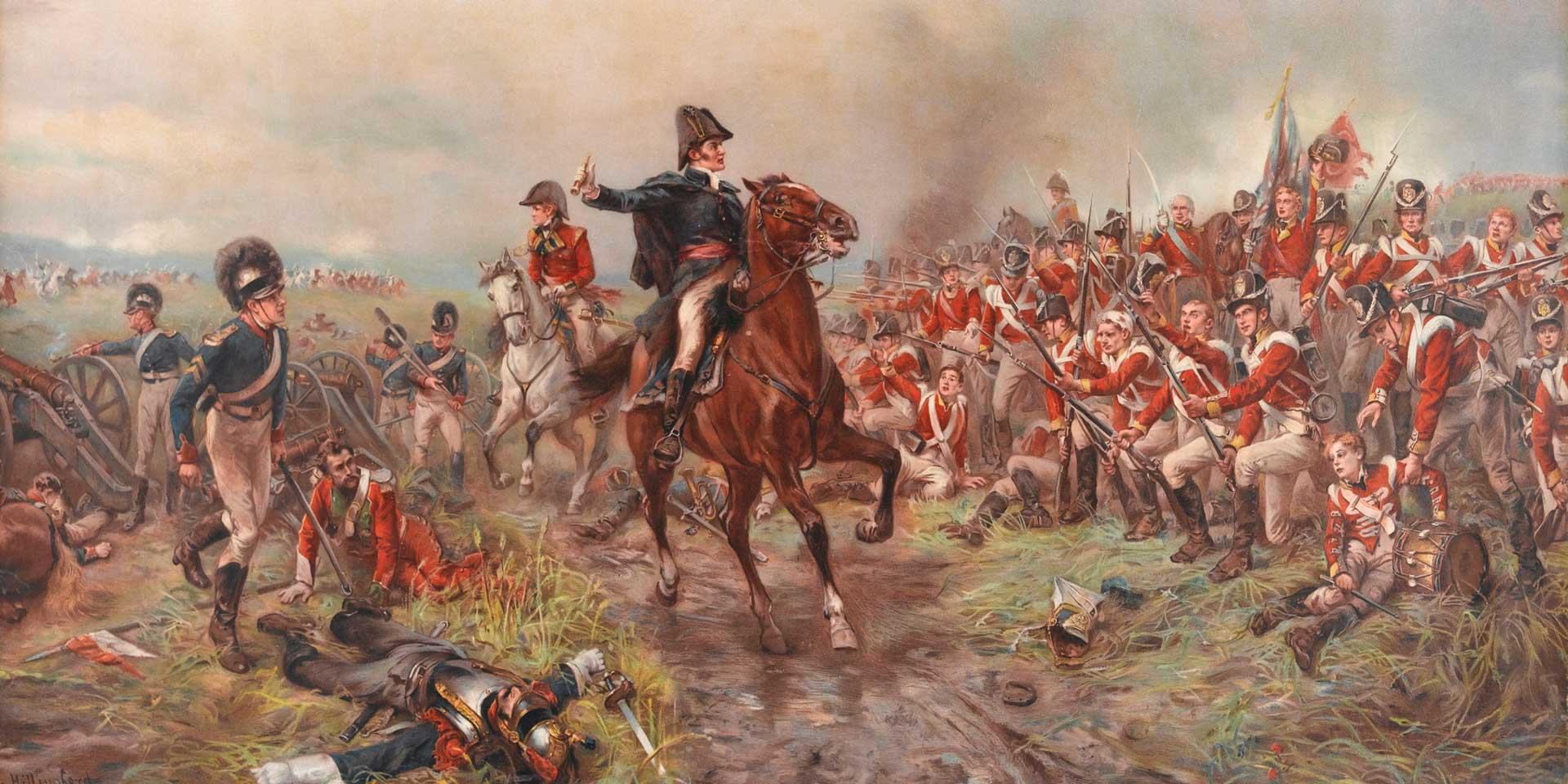
Britain in 1815 was a country exhausted. Under the Duke of Wellington’s command, Napoleon had been defeated at the Battle of Waterloo. The country was victorious. But it had come at a huge cost.
The Duke of Wellington at the Battle of Waterloo
The country had been haemorrhaging money to pay for the war, and the series of naval blockades had prevented the import of certain key food imports. It had meant very lean times; Britain was far from being self-sufficient when it came to key cereal crops, and a poor domestic harvest in 1812 forced up prices, hitting the working poor hard. Indeed, the poverty had started to creep up to the middle classes. The next year saw a bumper crop, and prices dropped, but they were not decreased exactly in line, so the starving poor didn’t feel as great a benefit as they should in the good growing years.
The war may have brought the country to its knees, but it did bring the country landowners a monopoly; that significant drop in cheap imports, meant that the British, in the main, had to buy British. This came in contrast to the Britain before the wars: the idea and implementation of free (or nearly free) trade was driving down the prices of staples and luxuries alike, and the working classes were finding that they had a little surplus money to buy more of life’s luxuries. It also kept wages low, meaning that the new industrialists, who employed citizens in the factories could make a tidy profit. Low food prices, in short, were powering the people of the industrial revolution, and the tax from the profits were paying for the country’s empire building. There was, then, a tension between the landed gentry and landlords in the countryside and the industrialists in their towns and cities.
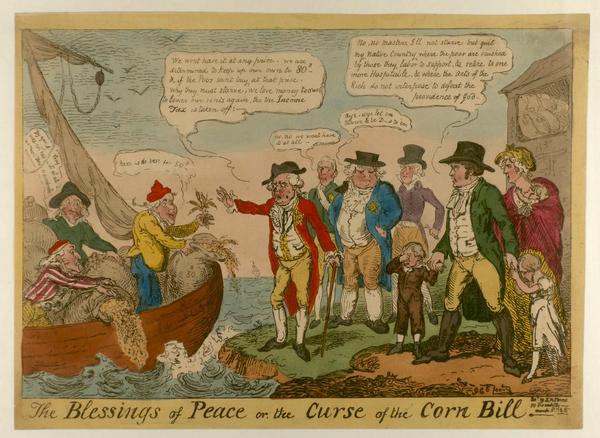
A Cruikshank cartoon from 1815 showing the English turning away cheap foreign corn whilst the poor starve
When the Napoleonic Wars came to an end, the landowners did not want a return to a world where competitive foreign imports drove down prices, forcing them to sell their grain for less than they were prepared to sell it, and so a plan was hatched to protect them and their grain prices. This plan was not done in secret, but in plain sight in the House of Commons. The landowners were powerful, indeed many of the country’s MPs were landowners. At this point in history, one could only vote if one owned a certain amount of land. Industrialists, though vocal, did not – in the main – own large amounts of land, and therefore there was a political bias toward the rich men of the countryside, and away from the rich men of the towns and cities.
At first glance their arguments seemed not just solid, but patriotic too: after all this war, and the lack of domestically-grown foods that came with it, Britain should never find itself in this situation again. We need to favour our own farmers and develop our agriculture so that we can be self-sufficient. Not only that, Britain had led the world in the agricultural revolution the century before, and without that, the industrial revolution would never have got off the ground. As 20th century historian C.R. Fay put it: ‘Producers’ strength pulled one way and consumers’ necessity the other. For wheat was a necessity of the poor, and agriculture was the symbol of productive strength at home.’ Britain’s agriculture had to keep going.1 Lord Liverpool leader of the Tory Party and Prime Minister argued that millions of British citizens ‘could not depend upon foreign nations for the necessities of life’.2
Tory Prime Minister, Lord Liverpool
This all sounds fine in theory doesn’t it? But the reality would be very different when Liverpool passed the Corn Law Act on 23 March 1815. You see, the Act allowed the free trade of grains imported into the country, but only after domestic prices reached a threshold amount. And it was high: 80 shillings per quarter3[*] in the case of wheat, these prices were ‘were near famine inducing levels’.4 The only way prices would go above the threshold would be when there were extreme droughts or crop failures from cold or wet weather. So despite there being cheap and plentiful cereals available from outside the country, because of their monopoly, British landowners could sell their grain at any price up to that threshold.
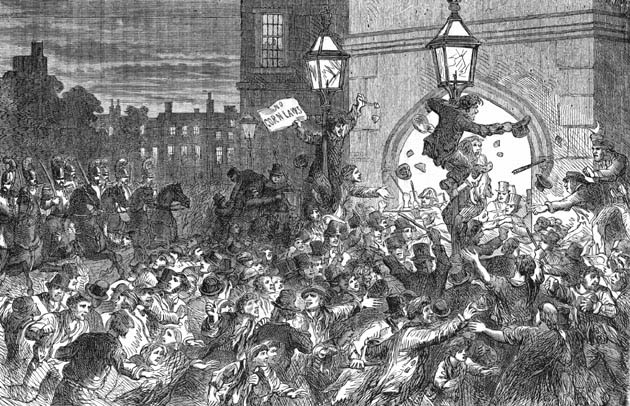
When the Act was announced there were riots in the streets, but despite the vocal lobbying from industrialists, they arguments fell largely upon deaf ears. Before the Act was announced Anti Corn Law Leagues were set up too, but their efforts came to nought.
The passing of the Act in 1815 incited rioting in the streets
As the poor became more destitute, the Acts were reissued with lower thresholds, but they were still too high. The Duke of Wellington during his tenure as Prime Minister introduced a sliding scale, allowing some foreign grain into the country, but not it was not freely-traded. Over the following decades (they wouldn’t be repealed until 1842), the working classes were ground down by degrees: never before or since was the country so close to revolution. In the 1840s, wages reached their lowest levels in a century, and staple foods were expensive and hard to come by.5 It didn’t just affect the urban poor either. A Shetland fisherman, who before the laws were passed happily traded his fish for grain from Spain and Germany. This cashless exchange of goods suited all parties, but after the pass he had to sell his fish within Britain for cash, and being able to buy British grain only, found he could afford to buy just have the amount he used to before the acts were passed.4
The country was stuck under the thumb of greedy landowners and the House of Commons, but they would be repealed, and in part two, we’ll look at the key players on both sides of the battle.
If you like the blogs and podcast I produce, please consider treating me to a virtual coffee or pint, or even a £3 monthly subscription: follow this link for more information.
References
Fay, C. R. The Corn Laws and Social England. (Cambridge University Press, 1932).
Thompson, T. P. Catechism on the Corn Laws: With a List of Fallacies and the Answers. (Westminster Review, 1834).
An Act to amend the Laws now in force for regulating the Importation of Corn. (1815).
Drummond, J. C. & Wilbraham, A. The Englishman’s Food: Five Centuries of English Diet. (Pimlico, 1939).
[*] A quarter was a unit of measure used typically for dry goods rather than liquids and it was equal to 8 bushels, a bushel being 8 gallons. In metric units, a quarter is the equivalent of 291 litres.
This pudding has been on my ‘to post’ list for absolutely ages. It has become of my favourites, though as you will discover as you read the post, not everyone agrees with me. I’ve called it a forgotten food, but it is still well-known in Ireland. It was popular in many parts of England too, but it doesn’t seem to get made anymore. Carrageen pudding is a set dessert akin to jellies, blancmanges and flummeries, but it is made from the gelatinous seaweed carrageen, also known as Irish moss. It used to be gathered in Yorkshire and South-West England, going by the name ‘Dorset Moss’.1
I first made it in 2015 as part of one of my semi-regular Pud Clubs; I always liked to make one risky pud, and carrageen pudding was it. I flavoured it the traditional way with sugar, lemon and brandy. I didn’t particularly like the taste: there was something of a Lemsip about it. If I remember rightly, it was voted worst pudding of the day. However it wasn’t the flavour that put people off; it is more gummy than a gelatine set dessert, and doesn’t dissolve cleanly in the mouth. As John Wright puts it: it doesn’t have an acquired taste – it barely has any – ‘more of an acquired texture.’2 That particular Pud Club was the closest I’ve seen anyone get to vomiting at one of my paid food events.
I returned to it later in the year after I’d had the idea for a seaside-themed popup restaurant, and though I could use it in the dessert course. I refined the recipe, adding some whipped cream to give it a mousse-like texture and flavoured it with elderflowers. I combined it with a gooseberry sherbet, and I was pretty pleased with it.
My ‘Buttery by the Sea’ menu from 2015
What is carrageen?
Carrageen is a common seaweed found throughout the coasts British Isles, except for parts of Lincolnshire and East Anglia.2 It is found in rockpools, is branched and a dark red colour. The wonderful food writer Theodora Fitzgibbon describes it as ‘a branching mucilaginous seaweed found on all rocks in Ireland’, which does not sound appetising, I realise. She goes on the comfort the reader, telling us that ‘it does not taste at all marine when properly prepared.’3 It is picked and dried in the sun, typically in April and May, and during the process it lightens from a dark red-brown to a creamy brownish beige, tinged with a pink-red hue.
Dried carrageen
To prepare carrageen, it is reconstituted in cold water, drained and then simmered in fresh water. It quickly turns viscous, bubbling away like the contents of a witch’s cauldron. The gloopiness is caused by the release of a trio of closely-related carbohydrates together called carrageenan.2 To extract it properly, the whole lot has to be squeezed through some muslin (cheesecloth). These carbohydrates are not digested by the body, and are therefore an excellent source of soluble fibre. Indeed, carrageen has been used as a treatment for a range of stomach and digestive complains and it ‘is considered extremely salutary for persons of delicate constitutions’.4 Its viscosity also made it a common treatment for sore throats and chest complaints. It also ‘fills plaster pores, makes wallpaper dressings…and fixes false teeth.’1
Carrageen a-bubbling away
Today carrageenan is commonly found in factory foods. For example, fat-free yoghurts no longer able to set properly are thickened with carrageenan. It is perfectly safe to eat, but foods that contain it should be avoided, because its inclusion is a dead giveaway that the food has been highly processed. Eat your yoghurt lipid intacta.
Don’t let my previous description put you off making this dessert; I really think I have the recipe right. The texture is good and is certainly better than using cornflour to set desserts.
My recipe for carrageen pudding
Subscribe to get access
Read more of this content when you subscribe today.
A subscription gives you access to premium content and costs £3/month. You’ll find extra recipes and posts, as well as access to my Easter Eggs page on the blog containing deleted scenes from podcast episodes as well as a whole extra mini-season. Follow this link for more information.
It is always an exciting day when I happen upon an ingredient I have never cooked or eaten, but have read about. I was, therefore, very excited when I approached the market stall of organic dairy farmers Hook & Son at London’s Borough Market at the end of December last year. They specialise in raw dairy products – indeed, it was spotting raw milk and butter that originally piqued my interest – but then I saw on their products list amongst the more typical dairy produce: colostrum. I immediately bought some (along with some excellent raw salted butter).
Colostrum is the name given to the milk produced by female mammals from their mammary glands for the first few days after giving birth to their young. It is very rich and is particularly high in protein: in the case of cows, around five times the protein of whole milk. Because it is the milk produced in order to give a newly-born calf a nutritional boost, it is not a commercial product. A calf should not be ‘deprived of this first natural aperitif’ as Dorothy Hartley put it.1 Whilst this is true, the reality is that there is a great deal of surplus colostrum ever since dairy cows have been bred to produce huge amounts of milk following the agricultural revolution of the 18th century. It was surplus because the highly nutritional colostrum – the beestings (sometimes spelt beastings) as they were called – gave calves diarrhoea.2 Some was reserved for motherless calves.
Leftover beestings would be sent into the community in jugs where it was considered a great treat. ‘It could not be bought’, Florence White tells us, ‘the farmer’s wife used to send a jugful to some of her oldest and best customers’, she would insist that the jug came back unwashed. Superstition held that ‘[t]o return the jug washed [would] bring about the death of the new-born calf.’3 It is today a niche foodstuff, and is typically considered ‘unmarketable’. Today colostrum is dried into powder and sold as a supplement to calves that would otherwise miss out in this very important food.4
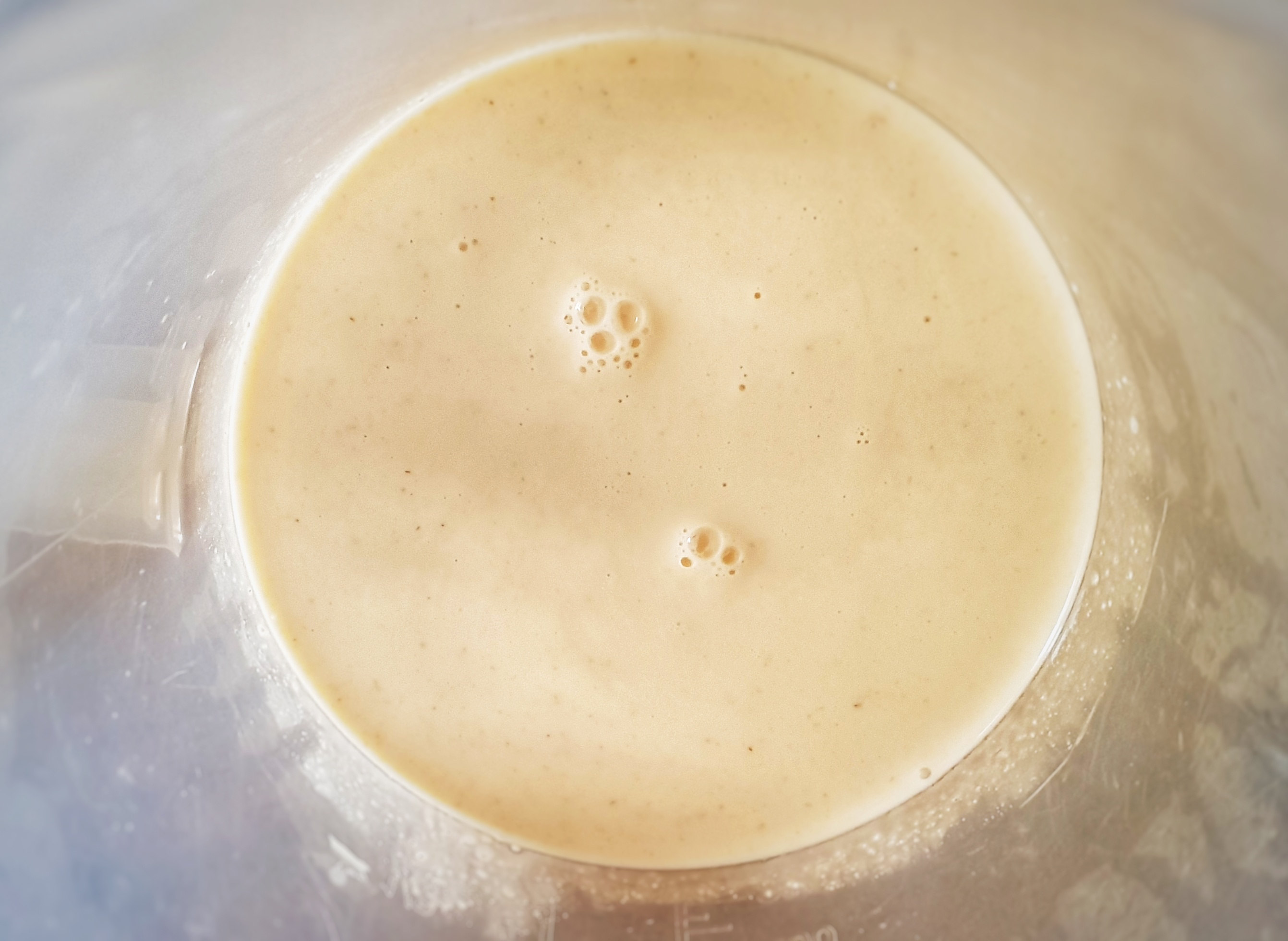
Colostrum has been described as ‘golden yellow and as thick as double cream’.1 Well as you can see from my photograph, mine was certainly golden in colour: like a rich egg yolk custard. Upon inspection, however, it did not seem thick at all; in fact, I’d go so far as to say that it appeared watery. I tasted it and rather than it tasting lusciously creamy, it lacked sweetness. In fact, it had an almost savoury minerality about it. It still tasted nice; just not what I was expecting.
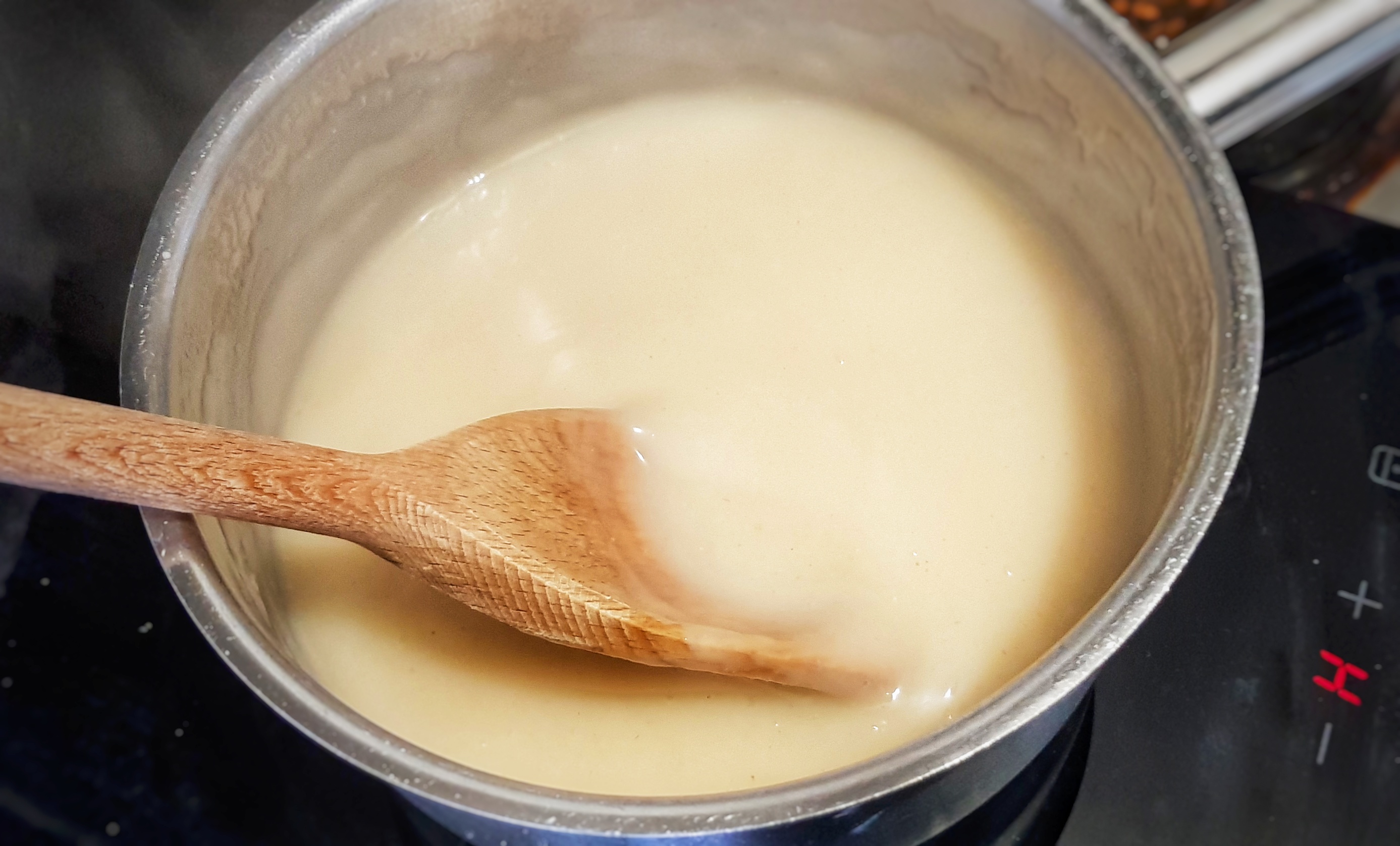
As colostrum comes to just the barest simmer, it thickens noticeably
Colostrum in the Kitchen
Being rich in fat and protein, colostrum was a foodstuff in its own right, but it was more often consumed cooked. This special milk has a rather curious property in that when it is poured into a saucepan and heated, it thickens just like a custard without having to add egg yolks or cornflour. The reason is down to the proteins. Regular whole milk contains broadly three types of protein: casein, whey protein and immunoglobulins (aka antibodies). The vast majority of the protein is made of casein in whole milk. This protein is temperature stable and doesn’t unfold (‘denature’) when hot. Therefore regular milk doesn’t gel or thicken. Colostrum however is very high in whey proteins (5x more than whole milk) and immunoglobulins (80x more than whole milk), both of which denature between around 55°C and 70°C.5 There is so much protein that colostrum will thicken and set like a custard all on its own. There can be so much protein in there that it has to be diluted with milk.
More typically, it was made into a thick ‘porridge’ with sugar and various flavourings: in Yorkshire it went under the name ‘bull jumpings’,6 in Wales it was called pwdin llo bach (calf’s pudding),7 but more generally, it was called beestings pudding. It is made by simply heating colostrum in a saucepan with sugar, some spices and dried fruit. It could also be set in the oven if more convenient. In fact it could be baked inside a pastry case like a Yorkshire curd tart (but without the curds or eggs!).
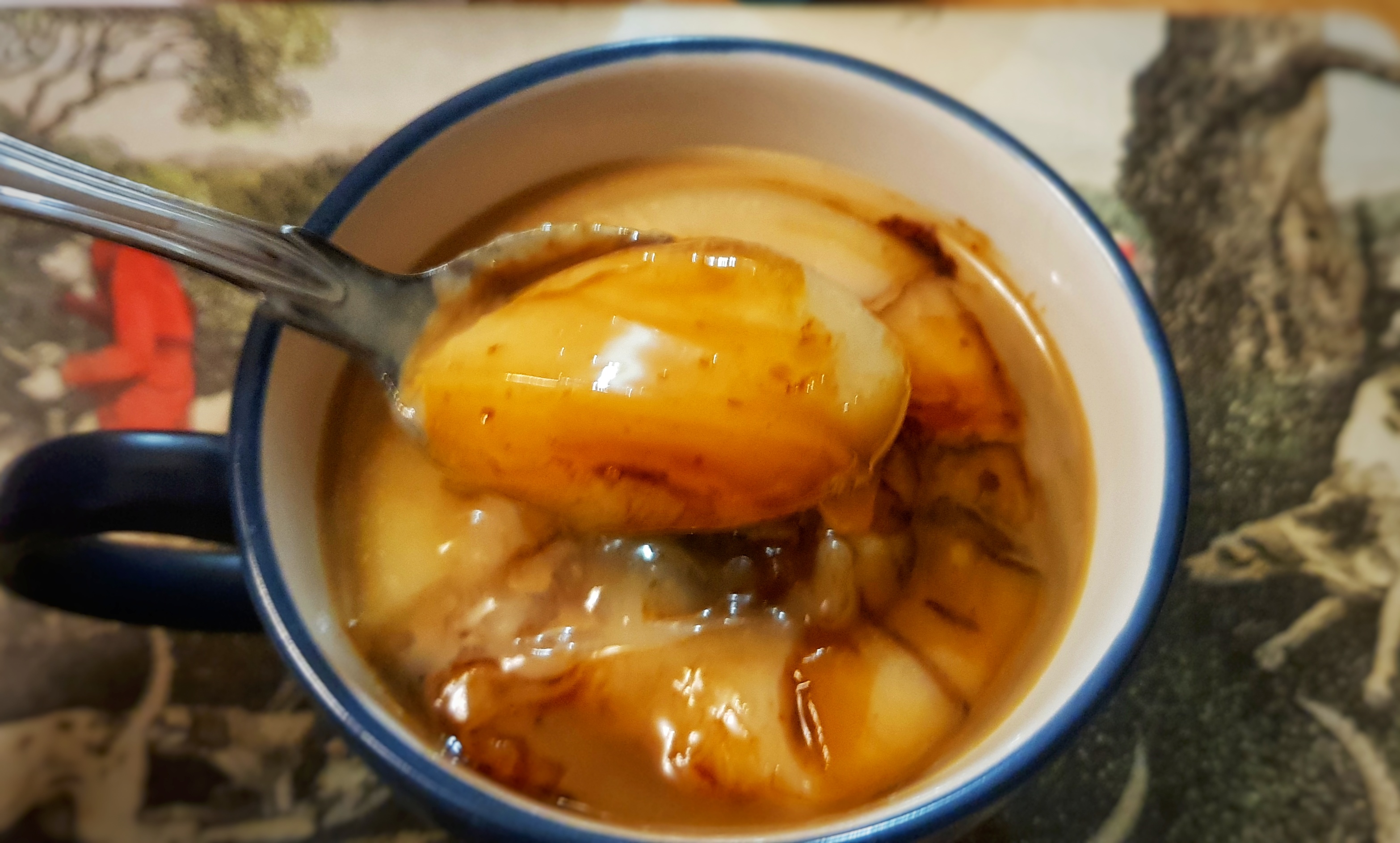
There was a certain amount of trepidation when I made mine – I thought that perhaps it would be too thin to thicken up. Well I needn’t have worried, it thickened readily with a pleasant slight graininess, just like a curd tart. Whilst it did feel rather odd to be eating colostrum, I have to admit it was a delicious milk pudding – one I heartily recommend.
Beestings pudding hot
If you like the blogs and podcast I produce, please consider treating me to a virtual coffee or pint, or even a £3 monthly subscription: follow this link for more information.
Beestings Pudding
Beestings pudding takes a matter of minutes to make. It tastes very much like the filling of a Yorkshire curd tart, especially if the pudding is flavoured with allspice. If you like, the pudding can be baked in shallow dish, or even better, a blind-baked sweet shortcrust pastry base. Follow the instructions for baking a Yorkshire curd tart if you fancy having a go at that.
Serves 4
500 ml colostrum
60 g caster sugar
60 g raisins
Pinch salt
Pinch freshly grated nutmeg or ground allspice
Place all of the ingredients in a small saucepan over a low to medium heat, stirring to dissolve the sugar.
When the sugar has dissolved, turn up the heat to medium. It’s a bit like making custard now, but the heat can be higher: keep stirring until the beestings thicken – as if by magic – as it comes to a simmer.
When the beestings are thick like creamy, but slightly granular, porridge, it is ready.
Divide between four bowls and serve, or refrigerate and eat cold.
Beestings pudding cold
References
Hartley, D. Food in England. (Little, Brown & Company, 1954).
The Medical Times and Gazette (1857).
White, F. Good Things in England. (Persephone, 1932).
Foley, J. A. & Otterby, D. E. Availability, storage, treatment, composition, and feeding value of surplus colostrum: a review. J. Dairy Sci.61, 1033–1060 (1978).
Hege, J., Ghebremedhin, M., Joshi, B. L., Schreiber, C. & Vilgis, T. A. Soft gels from bovine colostrum. Int. J. Gastron. Food Sci.23, (2021).
Brears, P. Traditional Food in Yorkshire. (Prospect Books, 2014).
BUT if you like, you can order a book straight from me for £18 plus postage. This is £2.85 in the UK, but if you’re ordering from another country, it’s whatever the going rate is.* If you would like to purchase a copy, drop me an email at neil@britishfoodhistory.com. I will of course, sign it for you.
People of North America: you will have to wait until 23 June 2022 before you can lay your hands on a copy. Rest of world: I literally know nothing!
HOWEVER, here’s a chance to win a signed copy – and it is open to anyone around the world. If you fancy having a go, all you have to do is answer this multiple choice question in the comments section below. I’ll reply to the winner on Sunday 5 June 7pm, GMT, so don’t forget to look at the comments and check to see if you have won.
Here goes:
A Dark History of Sugar charts the sinister global history of sugar, but where was sugar first cultivated?
A. New Guinea
B. China
C. Hawaii
D. India
When you leave your comment, don’t forget to check back to see if I have replied to your comment!
*So far I’ve posted to the Republic of Ireland and the US and prices have varied between £9.90 and £24!
Just like the workers of the 19th century, my work days are punctuated by tea & biscuits
I have been promising recently a blog post for subscribers containing my recipe for digestive biscuits, it’s taken me a little longer to write it up than I expected, but here it is.
This blog post complements the podcast episode ‘A Dark History of Sugar Part 2’ on the British Food History Podcast.
Read more of this content when you subscribe today.
This post complements the episode ‘Cheddar & the Cheese Industry’ on The British Food History Podcast:
Britain’s cheese industry has certainly been through its peaks and troughs over the centuries. As Peter Atkins and I discuss in the podcast episode Cheddar & the Cheese Industry there was once a great variety of local cheeses, but as urban populations grew and there was the need for cheap cheeses for the masses, Britain underwent a cheese bottleneck. The reason? The ‘cheddarfication’ of the industry: our lovely Cheddars were stripped of their character in the 19th and 20th centuries, massed produced and insipid. Not only that, but other cheeses became more like Cheddar, i.e. sharper and harder: Cheshire, Dunlop and Wensleydale all became more like Cheddar. The latter, now a mild and curdy cow’s milk cheese was once a soft, blue ewe’s milk cheese! Writing in the 1950s, Dorothy Hartley thought our cheese industry was dead: ‘the sub-standard cheese is so poor that it invites contrast; so the good cheese standard must be lowered till both are “standard mediocre”. The industrial revolution of the dairy is complete! And our really fine cheeses are lost to England.’1
But then old cheeses and old methods returned with gusto from the late 1980s. How? You’ll have to listen to the podcast! Writing in the 1990s in the third edition of her book English Food, Jane Grigson was impressed by the ‘marvellous choice’ available by the end of the 20th century: ‘One of the happy developments since I wrote [the first edition of] this book has been the renaissance of cheesemaking in Britain.’2 She was particularly happy about the raw milk cheeses, and chesses made with ewe’s and goat’s milk. I’d like to add more soft cheeses and proper full-flavoured hard cheeses.
You are not going to find these cheeses in your local supermarket: you need a good purveyor. I can highly recommend Harvey & Brockless. They have some excellent cheeses, in fact some of my absolute all-time favourites. They sent me a selection of British cheeses through the post, and I must say I was impressed.* It wasn’t just the quality but the fact there was the full gamut of historical and traditional cheeses represented: a Romanesque fresh goat’s milk cheese (Rosary), a cheese that could have been Anglo-Saxon (Bix, a raw creamy cow’s milk cheese), my favourite blue cheese of all time (Isle of Wight Blue; just divine). There was too the oozy and very ripe Baron Bigod, and some traditional cheesecloth matured Cheddar and Devonshire Red (both by Quicke’s). There was even a jar of salty raw goat’s cheese in a herby and garlicky oil (Graceburn) which I made into a salad using the oil to make the dressing – excellent!
Eating Cheese
Excellent cheeses such as these require little help. It’s important you allow your cheese to come up to room temperature under a cheese cloche (or upturned bowl). Proper cheese is a living breathing community of bacteria and fungi and it can sit happily under cover for 2 or 3 days in a cool cupboard or larder.
Letting your cheese come up to room temperature brings out their true flavour.
Eat with simple crackers (H&B provided me with Fig & Sultana Toasts from the excellent Millar’s, and Peter’s Yard Sourdough Crispbreads) or good bread, oatcakes and digestive biscuits (recipe coming soon!). In Yorkshire cheese is eaten with fruit cake, apple pie and gingerbread. Add equally simple accoutrements such as fruit jellies, chutneys or pickles.
Cheese Recipes
Using great cheeses in your cooking improves dishes immeasurably and I thought I’d provide you with a couple of good recipes that makes a small amount of cheese go a long way: a historical toasted cheese and a blue cheese ice cream which is excellent served with poached pears and home-made spelt digestives (that one will be coming in the next post).
Lady Shaftsbury’s Toasted Cheese
This is a recipe I have adapted slightly from Jane Grigson’s English Food. Jane was fortunate to receive the ‘receipt’ book that belonged to Emily Shaftesbury ‘wife of the great social reformer, the seventh Earl of Shaftesbury’. They were relatively poor, at least as far as the aristocracy go, and were always in debt.2 Because of this, many of the dishes are cheap – again, as far as the aristocracy go – and this one is delicious. It would make an excellent savoury or starter, or even a ‘light’ lunch if served with a green salad on the side.
I use inverted commas when I write ‘light’ because it is actually pretty heavy going; essentially it’s a fondue of good Cheddar cheese, egg yolks and cream that is grilled before serving with toast. The small amounts given are enough to feed four people.
A good strong melting cheese is required, and I used Quicke’s mature clothbound Cheddar. It is perfect: potent, yet creamy with just the merest hint of blue. Just one 150g piece is needed for four people.
Be warned, Jane points out that toasted cheese can cause nightmares,2 so don’t eat it too close to bedtime.**
50 g butter
5 tbs double cream
150 g grated mature Cheddar cheese such as Quicke’s mature clothbound Cheddar
2 medium egg yolks
Freshly ground pepper
Optional extras: pinch of Cayenne pepper or 1-2 tsp smooth or wholegrain mustard
4 slices of toast cut into soldiers
Preheat your grill to a medium-high heat.
Gently melt the butter in a saucepan over a medium-low heat, then add the cream, cheese and egg yolks.
Stir to combine so that the cheese melts and the egg yolks thicken the mixture to produce a smooth, thick mixture like a thick pouring custard. On no account let it boil, otherwise the cheese may split and the egg yolks scramble. Slow and steady wins the race.
As the sauce is melting, season with pepper and add the Cayenne or mustard if using.
Divide the cheese mixture between four ramekins and grill until a golden brown colour, around 3 minutes.
Serve immediately with the toast soldiers.
References
Hartley, D. Food in England. (Little, Brown & Company, 1954).
Grigson, J. English Food. (Penguin, 1992).
* I should point out that I am asked fairly often to do this sort of thing, but I usually turn the company/producer down, the products on offer not being my thing at all, but the brands sold by Harvey & Brockless are genuinely the ones I purchase anyway. You can be sure I would never endorse a product I didn’t think was excellent. I am no cynic!
Regular readers of the blog will know that I have been working on a book all about sugar’s dark side over the last couple of years, and I am very pleased to announce that A Dark History of Sugar will be published on 30 April 2022 by Pen & Sword History. It is – as far as I know when I write this – available in the UK and Australia from this date. North America, you’ll have to wait a little longer for it: 30 May.
Before I tell you all about the book, I thought I’d let you know that if you pre-order via Pen & Sword’s website (so there’s not long left) you can get 25% off the cover price. The book is, of course, available from other booksellers. I will be receiving some copies, which of course will be signed by Yours Truly. I’ll let you know when they are available. I’m not sure as yet how much I’ll be able to sell them for, but hopefully it’ll be under the cover price. Keep your eyes peeled here and on my social media.
In fact there’s another reason to look at my social media: I’ll be doing some competitions on here, but also on Twitter and Instagram on, or around, publishing day. If you don’t follow me already I am @neilbuttery on Twitter and dr_neil_buttery on Instagram.
Okay, let’s talk about the book.
Writing it was very involving and sometimes even distressing and upsetting; unfortunately the history of this everyday and all-too-common commodity contains possibly the darkest in human history. But why is its history so bad? Well, it’s because it’s so good.
Botanical plate (c.1880) of sugarcane, Saccharum officinarum
I begin the book looking at the lengths early man went to just to get its hands on honey – the purest natural source of sugar. You see, Homo sapiens adapted to spend a great deal of its time thinking about sugar and how to get hold of it. We evolved bigger brains with the ability to problem solve that feed on glucose only – no other sugar will do – and we evolved pleasure centres that are never sated and stomachs we can stuff with sweet foods well after we are full.
This evolved adaptation is advantageous if there is little sugar about, but when it’s available any time we want in any amount we want, our brains go into overdrive and out pleasure centres spin like Catherine wheels, reinforcing our behaviours, training us up to eat more and more of it. At any cost. As I say in the book:
We take sugar for granted, but now we are paying the price, and have been for some time. With cheap and plentiful sugar came centuries of exploitation, slavery, racism, diabetes, obesity, rotten teeth, and mistreatment of an exhausted planet.
But sugar and sweetness are seen as pretty favourable: sugar is good, heavenly even; little girls are made of ‘sugar and spice and all things nice’ Somebody who is described as ‘sweet’ is cute, friendly, kind, and your romantic partner is your ‘sweetheart’. We look at sugar with dewy-eyed nostalgia: baking cakes with Grandma, chocolate coins at Christmas, buying sweets in the corner shop.
Detail from A compleat map of the West Indies (1774). The tiny islands of the Lesser Antilles are dwarfed by the greater islands, Cuba and Hispaniola.
The reality is different, for we are a world of sugar junkies, and as consumers we have had the wool pulled over our eyes for centuries. Of course, sugar manufacturers, confectioners and fizzy drinks companies much preferred it when we knew nothing about how sugar was made and what its effects are upon the human body.
Just how did we in Europe go from returning crusading knights bringing back a few sugar samples to pass around at court, to a transatlantic trade in African slaves that displaced 12 million African men, women and children to the sugar colonies via the horrific Middle Passage?1 The slave and sugar trade made many people rich; not just investors and merchants, but also those in Britain selling fancy goods, food, tools and furniture to the colonies. This intricate web of commerce reached into almost every aspect of trade is called the ‘sugar-slave complex’.2
Iron mask, collar, leg shackles and spurs used to restrict slaves on the sugar colonies. From the 1807 book The Penitential Tyrant by Thomas Branagan.
When the slave trade, and then slavery itself, was abolished, one might think that working conditions might have improved. Sadly they did not: new World sugar plantation owners simply swapped one type of exploitation for another, making it nigh-on impossible for freed slaves to leave them.
As the British Empire grew, so did the British sugar manufacturing industry, with sugar plantations cropping up wherever it was viable to do so. At this point, the association of sugar manufacture with exploitation could have been decoupled, but sadly this was not the case, and the indigenous people who had become suddenly, and usually violently, subjects of the empire were worked to death, and many were displaced to work on plantations thousands of miles away from home. Indian workers, for example, were forced to work on the West Indies, South Africa and Mauritius as well as India itself.
A political cartoon from 1791 titled Barbarities of the West Indias showing a cruel overseer plunge a slave into a kettleful of boiling sugar syrup to ‘warm’ them up.
And it still goes on today: people across the world are still being exploited to make sugar, even children.
There is not enough space on the blog to go through everything discussed in the book: sugar as (useless) medicine, the Coca Cola Company, Cadbury and Queen Victoria, environmental disasters, the horrors of the sugar making processes and squalor of the slaves, rotting teeth, diabetes, Big Sugar, Christopher Columbus, the Haitian Revolution and the fact that every English monarch from Elizabeth I to George III had a stake in the sugar-slave trade. The list goes on…
An 1890s Coca Cola advertisement. Coca Cola managed to keep its price set at five cents a bottle until the close of the Second World War.
I hope you find A Dark History of Sugar interesting and informative, and that I achieve my aim: to connect the dots between the first time sugar was made in Asia to the mess we are in now…and some thoughts upon how we can get out of it.
References
Curtin, P. D. The Atlantic Slave Trade: A Census. (Madison: The University of Wisconsin Press, 1969).
Abbot, E. Sugar: a Bittersweet History. (Penguin, 2008).