Tag Archives: food

My Best Yorkshire Pudding Recipe

Carrying on from my conversation about Yorkshire pudding with Elaine Lemm on the podcast recently, I thought I should toss my hat into the ring with my own recipe.


This post complements the episode ‘Yorkshire Pudding with Elaine Lemm’ on The British Food History Podcast:


This is a simple affair, and after some rigorous recipe testing, using fewer eggs or different mixtures of milk and water, as well as different receptacles in which to cook the batter, I think it is both excellent and fool proof. It goes by the tried-and-tested equal ratio method: i.e. equal volumes of plain flour, milk and eggs, plus a good pinch of salt, and animal fat (in my case, lard).

The pudding takes around 40 minutes to cook, the perfect amount of time to rest your roast meat before carving and serving.

In the podcast episode Elaine and I came to the conclusion that anything made in a muffin tin, isn’t really a proper Yorkshire pudding. Indeed, the consensus on my Special Postbag Edition of the podcast, cooking the batter in a tray achieves the best proportion of crispy, crunchy bits on the fringes and nice puddingy softness in the base. Listen to that episode here:

Have something to add to the debate? Please get in contact or leave a comment at the end of this post, I’m sure I shall be revisiting the subject in future postbag episodes.

A large pudding has both softness and crunch

Cooking in a dish that is good and thick is important for a good rise: you need something that will heat up in the oven, but also retain it when the cool batter is poured in. Don’t go for anything flimsy here: a really thick metal tin, or even better, an earthenware dish: it’s thickness and its property of retaining heat creates a pud with a fantastic rise: I got such a good one it almost hit the grill elements in my oven when put on the middle shelf! I give the dimensions of my dish in the recipe, but don’t worry if yours is slightly different; puddings like this are very forgiving with respect to dish size.


If you like the blogs and podcast I produce, please consider treating me to a virtual coffee or pint, or even a £3 monthly subscription: follow this link for more information.


Make the batter a few hours (minimum one) before you want to cook it.

Serves 6 to 8 if eaten with a roast dinner:

¾ cup (180 ml) plain flour

A good three-finger pinch of sea salt

¾ cup (180 ml) eggs

¾ cup (180 ml) milk, full fat, if possible

30 g lard, dripping or goose or duck fat

Put the flour and salt in a bowl, make a well in the centre and pour your eggs inside the well. Use a whisk to combine the eggs and flour, starting in the well, gradually mixing the flour into the eggs. This prevents lumps forming.
Once the flour and eggs are mixed, add the milk, whisking slowly at first, until it is fully mixed in, then give it a good thrashing for 30 seconds or so. Leave, covered, at room temperature until you want to cook it. If you like, pour the whole lot into a jug, for easier handling later.

When you are ready to cook your pudding, preheat the oven to 200°C.

Place the fat in your tin or dish – I used an earthenware dish of dimension 20 x 28 cm, with steeply sloping sides – and place on the centre shelf of your oven. Give the dish and fat plenty of time to get fully hot: I leave it in there for a good 25 minutes.

Now give the batter a final good whisking, quickly (but carefully) open the oven door, pull the shelf of the oven out slightly so that you can pour in the batter. The batter should sizzle and frill up in the fat.

Quickly push the shelf back into place and close the door. Do not open the door until 25 minutes have elapsed.

Bake for 25 to 30 minutes, depending upon how dark you like your risen crispy edges.

Remove and slice into squares, serving it up with your roast dinner.

A pudding of high proportions

13 Comments

Filed under baking, Britain, cooking, food, General, history, Podcast, Puddings, Recipes, Uncategorized

To Make Sowans

Last post I gave you a potted history of sowans, the Scots drink or flummery made from the starch left clinging to oat husks after the oats were threshed after harvest. Well, since then I have been doing a little experimenting, and have – I think – successfully made some. It’s taken a couple of goes, but I reckon I have a good practical method for you, should you fancy having a crack of making it yourself.

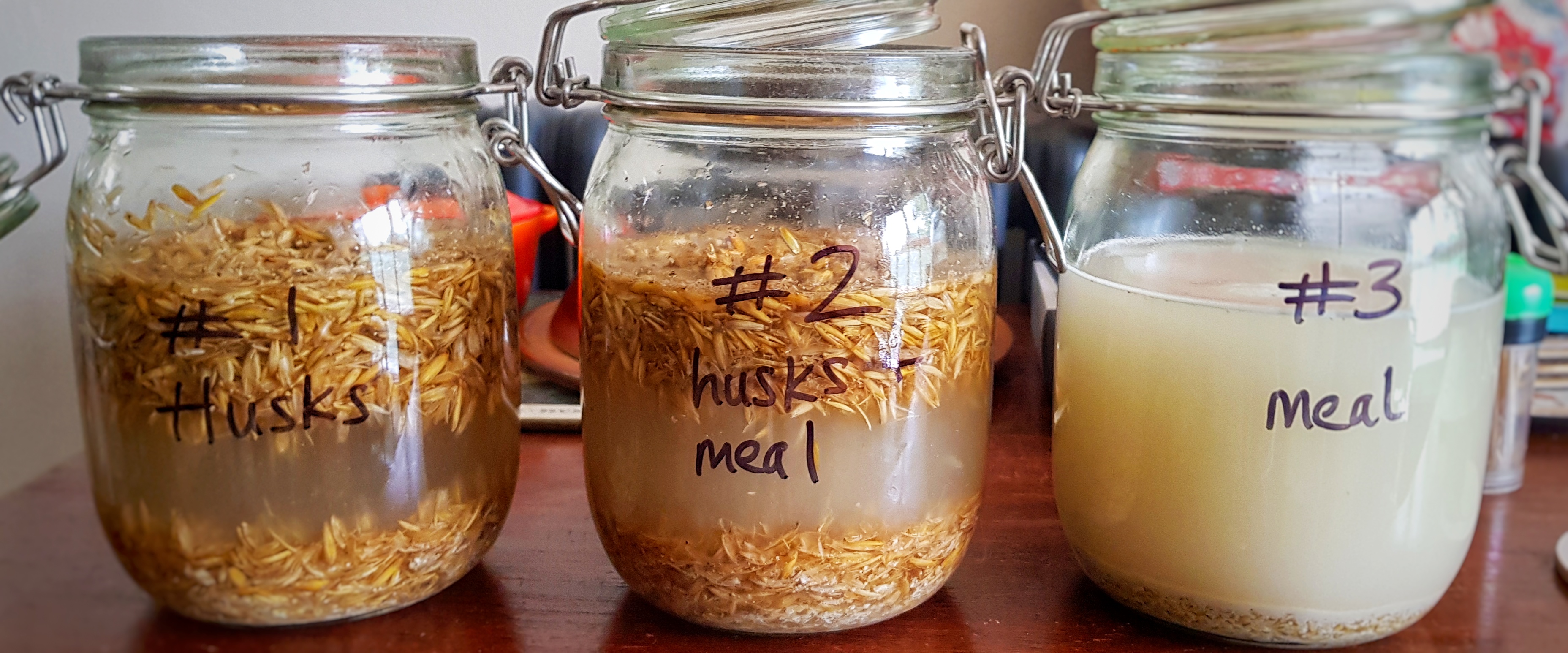
In the main, oat husks are used, but I saw other accounts of sowans making and I saw that some recipes used a proportion of whole oat groats, oatmeal or porridge oats. Other recipes – and it turns out that a similar dish in Wales is made1,2 – using buttermilk or whey instead of water to kickstart the fermentation. One modern recipe by Scotland-based chef Craig Grozier uses whey and salt3; the salt providing an excellent environment for the lactic acid bacteria present in the oats and the whey, hastening the fermentation and ensuring the sowans would not be infiltrated by some other spoilage organism. I’ve made sourdough starters enough times to trust the oats and water to work their own magic, to test this, I designed a simple experiment with three conditions:

  1. Oat husks and water;
  2. Medium cut organic oatmeal and water; and
  3. Oat husks plus one tablespoon of the oatmeal, to make up for the fact that the husks may be lacking in healthy bacteria and fungi. Adding some organic oats might help things out.

I left the sowans to ferment for seven days, after which I tasted the liquid and it was far too sour for my liking, but I was impressed with how well it all worked: the sour-sweet oaty smell give off was certainly not unpleasant. It turned out that actually one is not supposed to drink the sour liquid: it should be poured away and fresh water mixed in.4 I was rather surprised as to how much starch came out of the husks.

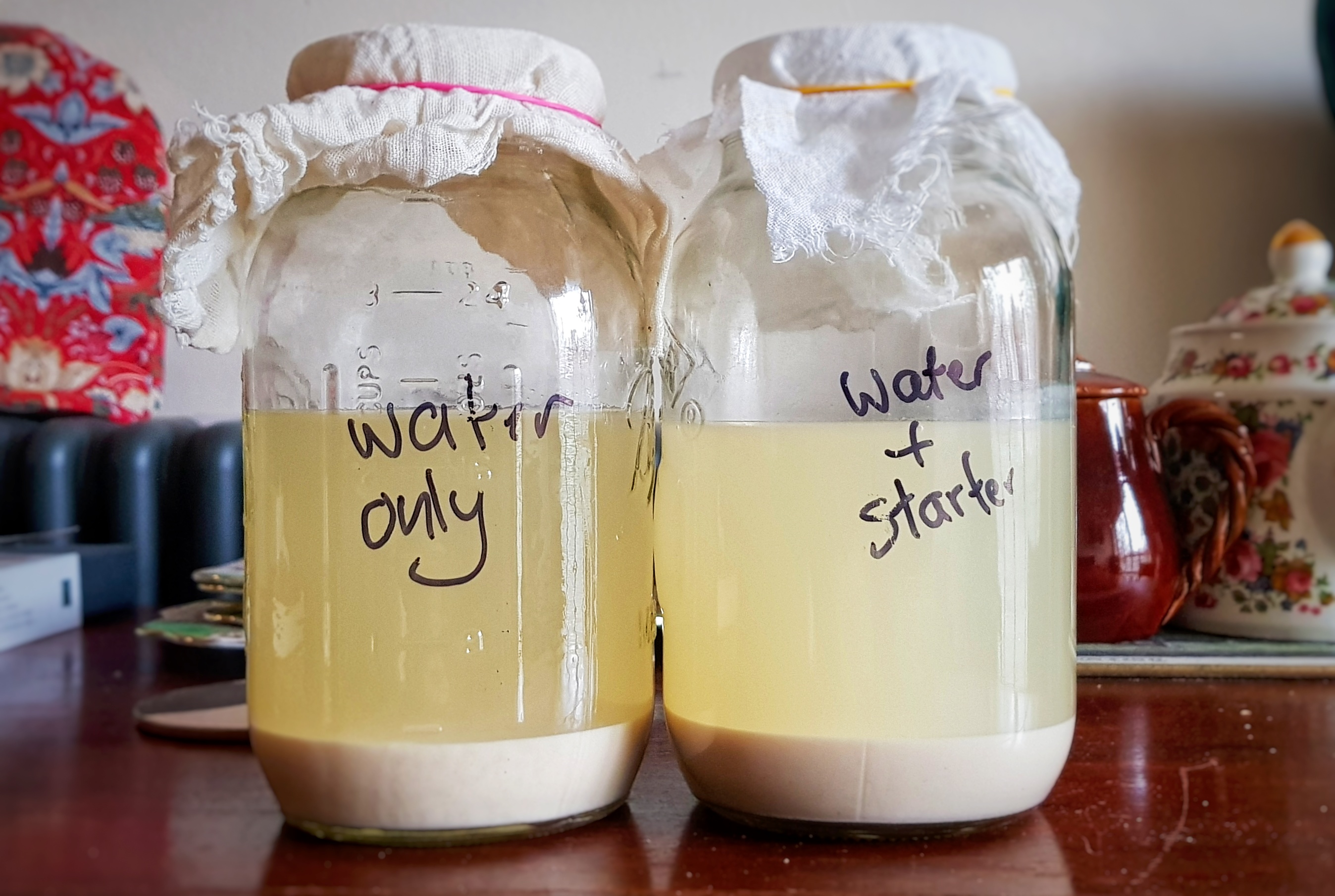
Emboldened, I tried again, this time with two conditions: one with water and organic oatmeal and the other exactly the same, except for a couple of tablespoons of the sour liquid from the first experiment, to give the sowans a boost. Note I didn’t use oat husks, and there are three reasons for this:

  1. You get very little starch from them, and we are no longer living in the kind of poverty that existed in Scotland two or three centuries ago;
  2. Oat husks are difficult to buy – though I did manage to get some from the Malt Miller – these oats weren’t organic however, and may have had traces of pesticide and fungicide that might kill the natural community of microbes living on the oats;
  3. Because they were so light, it was very difficult to keep them submerged under the water, and consequently, mould grew on any husks floating on, or touching the water’s surface.
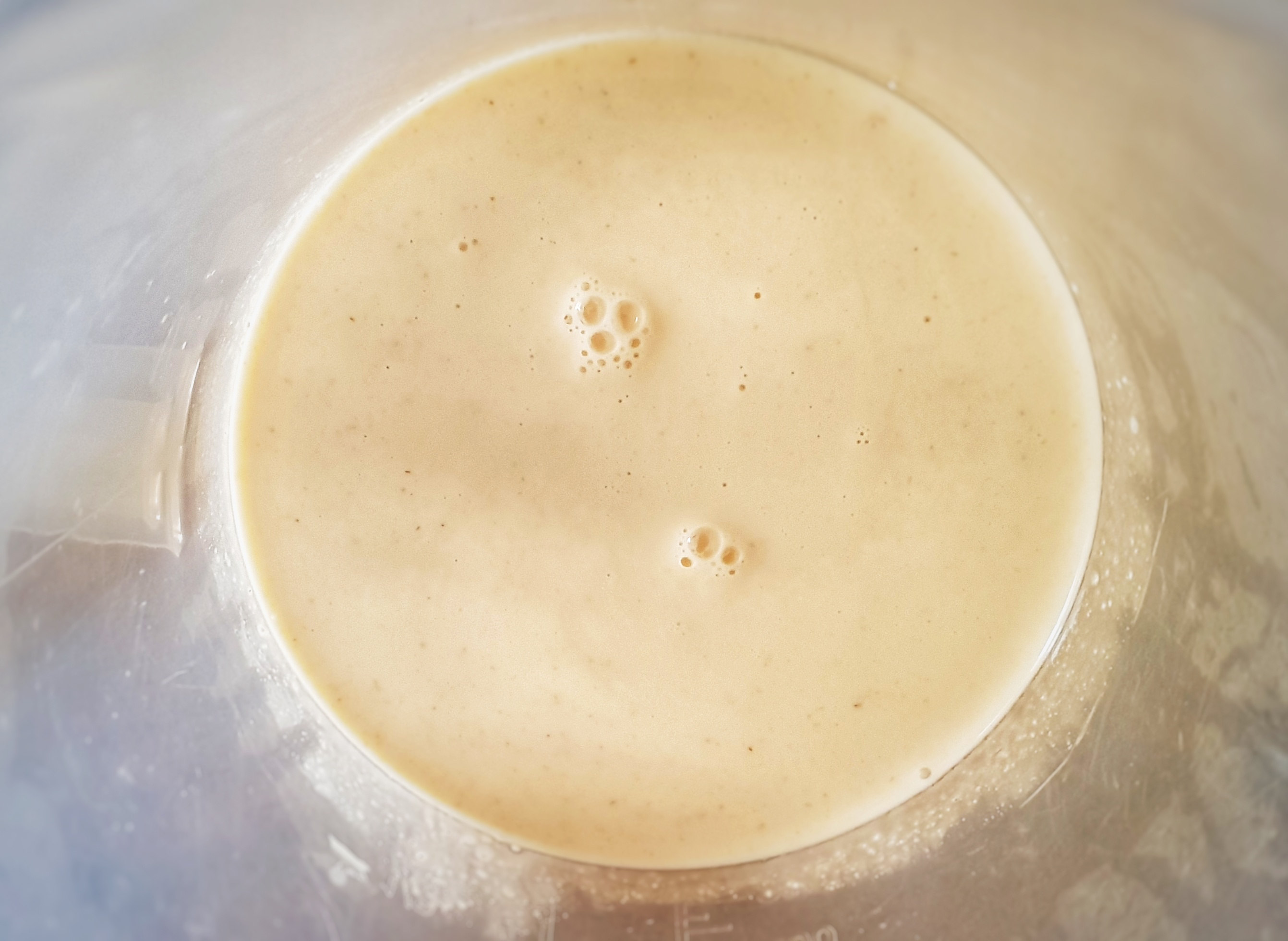
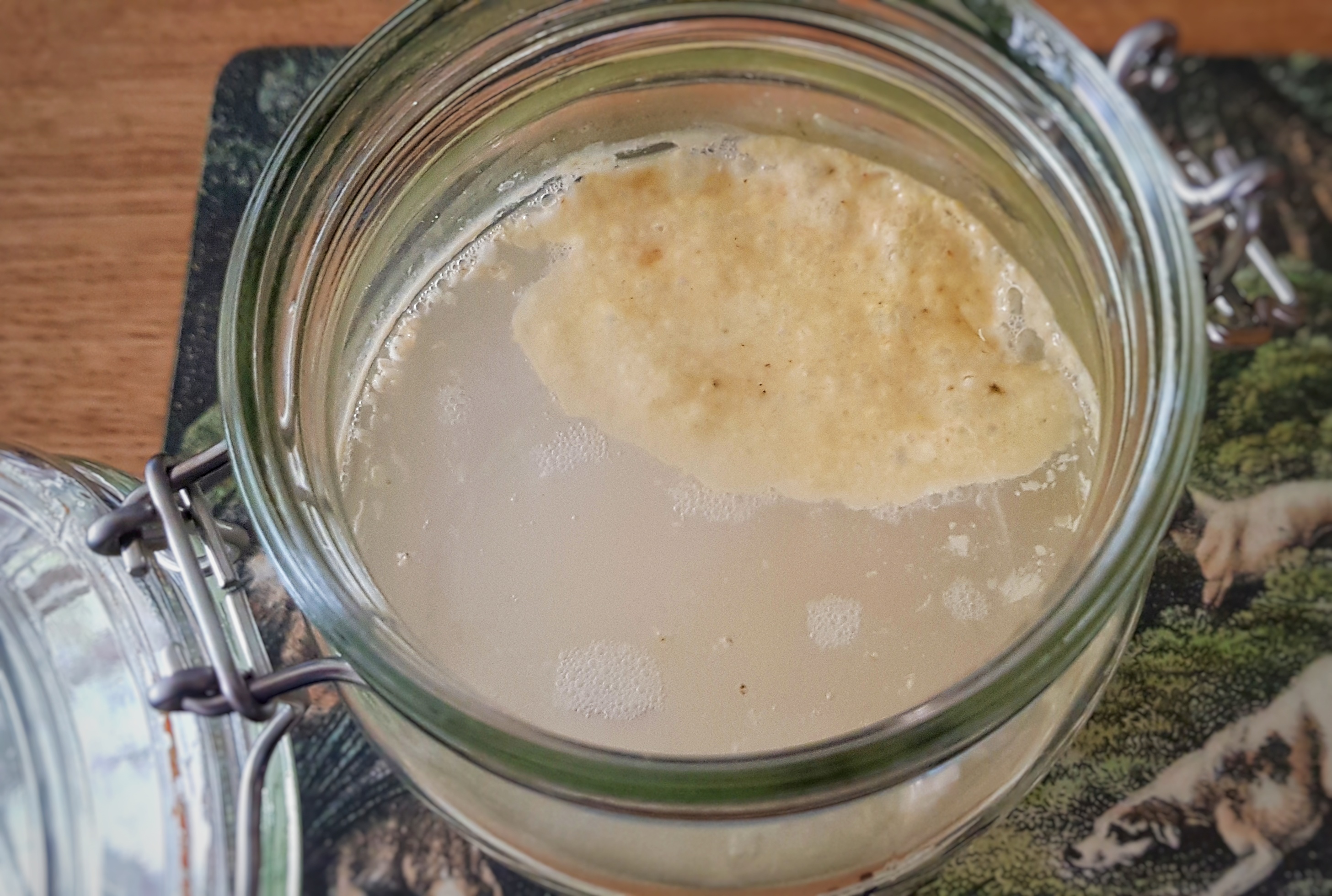
Sowans suspended in water ready to be made into porridge or flummery

I gave it a shorter fermentation time and the results were great: sowans as a drink, i.e. the sour water decantated off and the sediment mixed into fresh water.  It was tart, surprisingly sweet (especially the one with the starter) and had a good, raw oat flavour. It would be great to use in a smoothie, or just sweetened with a little maple or agave syrup. However it was the settled sediment that I was more interested in and was looking forward to making the sowans porridge and the cold flummery.

If you like the blogs and podcast I produce, please consider treating me to a virtual coffee or pint, or even a £3 monthly subscription: follow this link for more information.


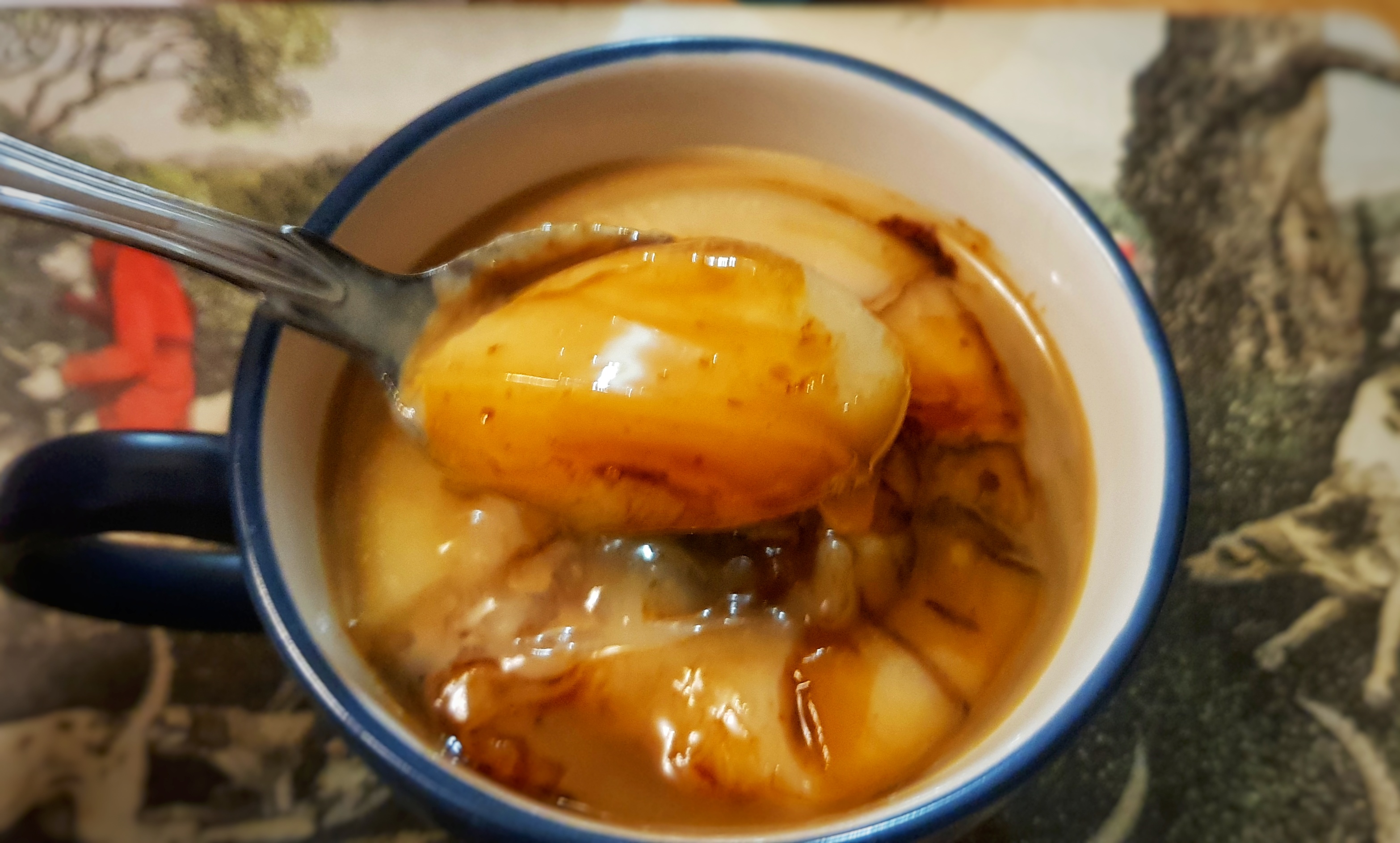
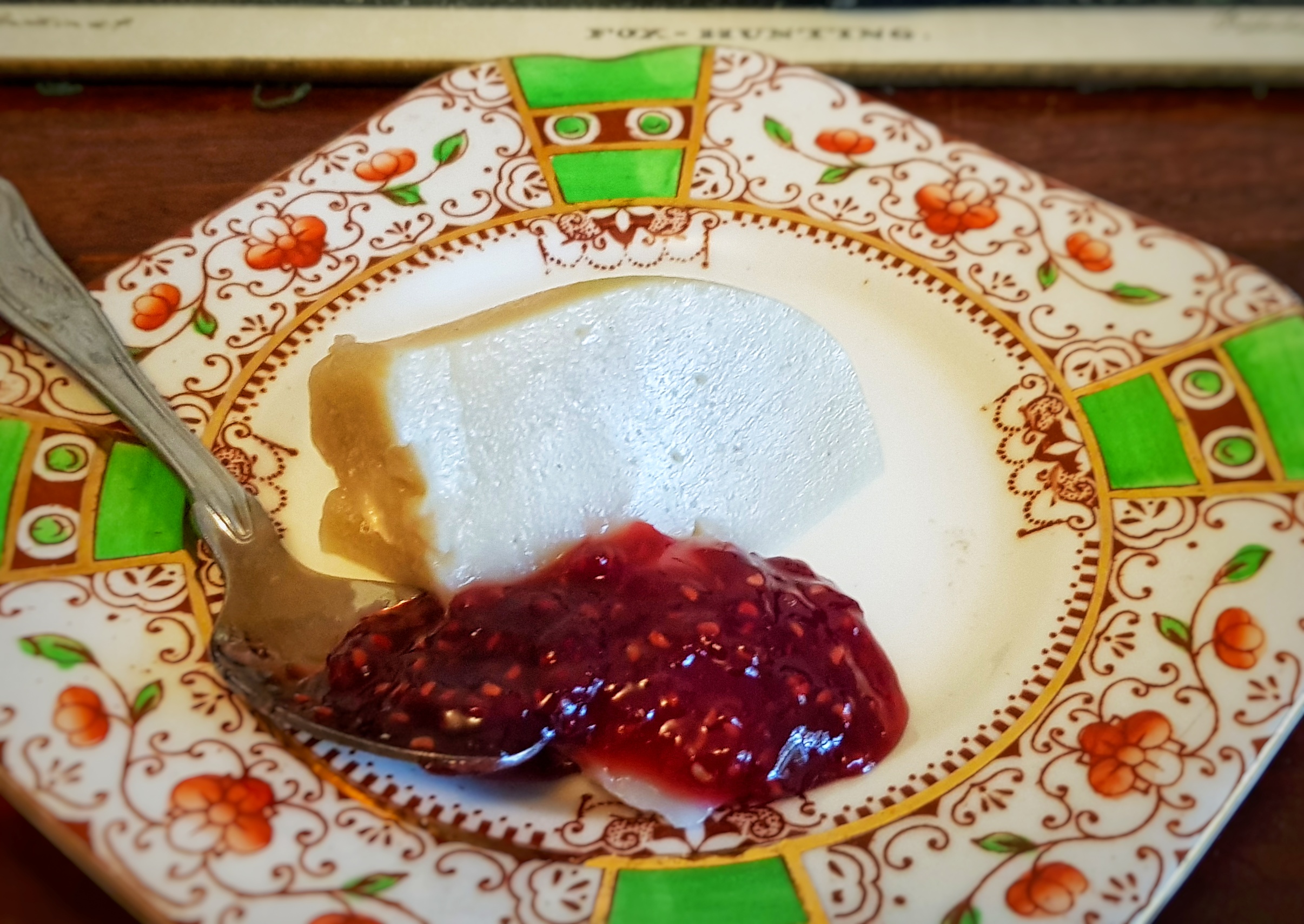
I was very pleased with the results, and I present them for you below. Whether you make the drink, the porridge or the flummery, the basic recipe is the same. It makes 550ml of drinking sowans or around 450 ml of porridge or flummery. I ate the porridge with treacle and milk, and I ate the flummery with raspberry jam, and I enjoyed them both. I think the flummery would be great flavoured with sweetened raspberry purée or orange flower water.

Basic ingredients:

150 g organic medium oatmeal

650 ml cool water

2 tbs of the clear liquid from a previous batch (optional)

For sowans porridge or flummery:

2 dsp sugar

½ tsp salt

A smidge of oil (for the flummery)

Place the oats, water and starter (if using) into a tub or jar and stir well. Cover the jar with a square of fabric secured with an elastic band. Leave to ferment for four days, giving the mixture a good stir every other day: give the liquid a sniff or a taste; it needs to have a definite acid tang.

When you are ready to strain your sowans, set a fine sieve or a colander lined with a sheet of muslin over a bowl and pour in the mixture. You might have to add a little water to rinse out all of the meal. Make sure you press the meal with a ladle to get as much sediment out as possible.

If you want drinking sowans you are now done, and it can be used now or stored in the fridge.

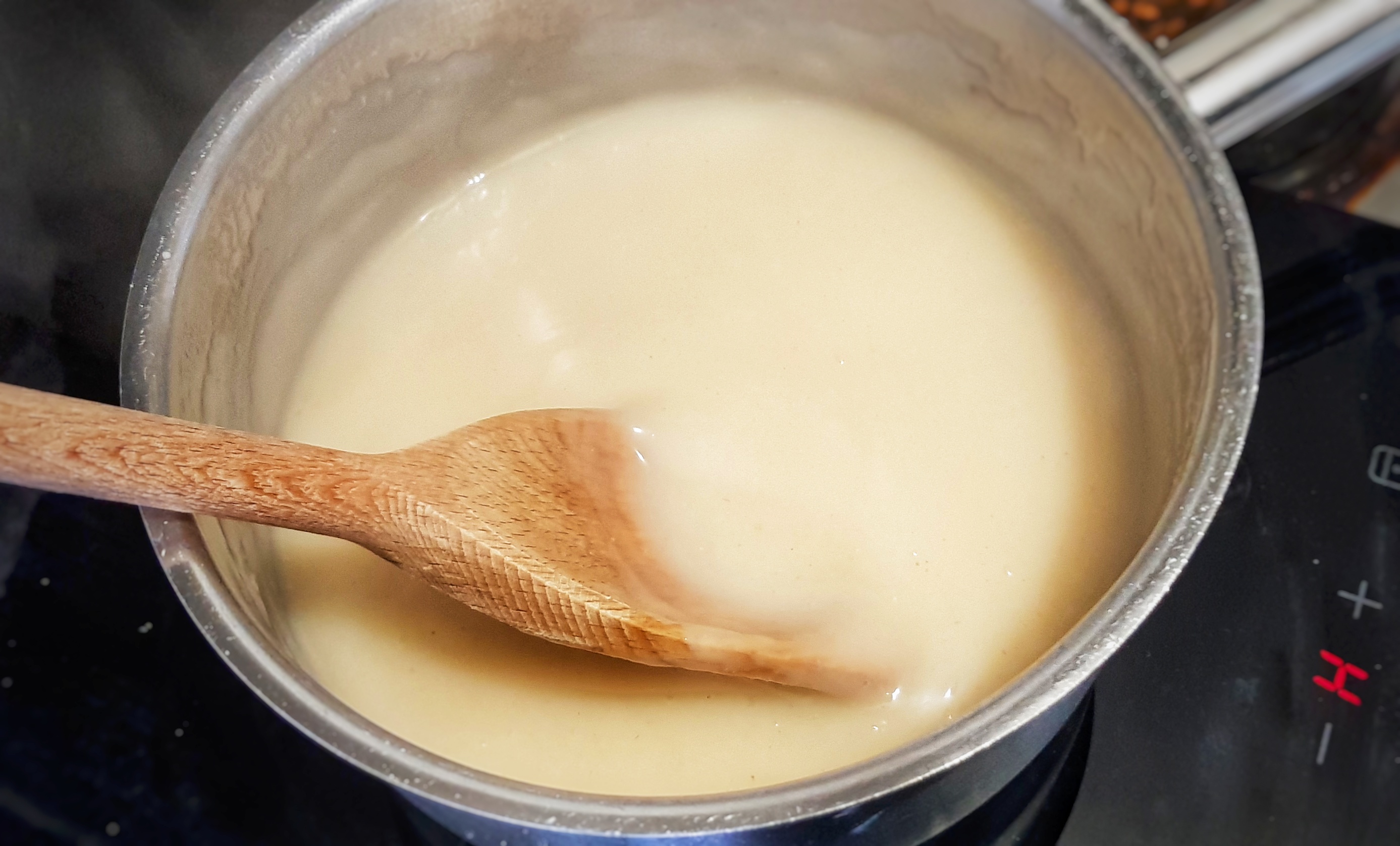
Cooked sowans ready to eat as porridge or set into flummery

For the porridge or flummery, leave the sowans to settle for 1 or 2 days, pour away the liquid, reserving it to use like buttermilk in another recipe. Don’t worry if there is a small layer of liquid remaining. Give it a good stir and pour into a saucepan; you should have around 150 ml of sediment. Add double the volume of water, plus the sugar and salt, and cook over a medium setting, stirring all the time until the sowans thickens – it will soon become very thick and glossy. If it seems too thick, add a little more water. It should be ready in 7 or 8 minutes.

For porridge: pour into bowls and eat with treacle and milk, or whatever you usually eat with your porridge.

For flummery: pour into a mould or moulds, I used teacups brushed lightly with oil. Cover them and refrigerate overnight before turning onto plates.

References

  1. Sowans. People’s Collection Wales https://www.peoplescollection.wales/items/513127 (2016).
  2. White Sowans. People’s Collection Wales https://www.peoplescollection.wales/items/513062 (2016).
  3. Mervis, B. The British Cook Book. (Phaidon, 2022).
  4. Fenton, A. Sowens in Scotland. J. Ethnol. Stud. 12, 41–47 (2013).

10 Comments

Filed under Britain, cooking, food, General, history, Puddings, Recipes, Scotland

Sowans / Sowens

Experiments are under way!

Live-fermented foods are becoming more and more popular here in the UK. We seem to have embraced sourdough bread and its heady community of wild yeasts and bacteria; a community of microbes that not only leaven the dough but also provide that distinctive flavour. They also digest the gluten and other constituents in the flour, making it easier on our own stomachs. The microbes also create nutrients such as vitamins and essential amino acids, and make the food inhospitable to other microbes which would otherwise spoil it; a necessity in a world before refrigerators and freezers. Another live-fermented food is sauerkraut, traditionally made with cabbage, flavoured with caraway, and there are also fermented drinks like kefir (fermented milk) and kombucha (fermented sugar or honey, and tea) which are available in almost every supermarket and grocer’s shop around the country.

I think for many of us in the UK, all of this enthusiasm for live ferments looks like a bit of a fad, despite the growing evidence that foods that contain live cultures of fermenting microbes are very good for us. One reason why some regard them with suspicion is that in the UK we have never had a culture – as it were – of consuming these sorts of foods, except perhaps yoghurt, which unfortunately is all too often laced with sugar, had its fat skimmed away and its healthy microbes killed by pasteurisation.

But the thing is, we did have a culture of eating live-fermented foods, we have simply lost it; but the more I read old cookery books or manuscripts, the more I come across examples of these types of foods and drinks. One of these foods has recently captured my imagination, and that is the Scots fermented oat ‘milk’ or porridge called sowans (sometimes spelt sowens, and pronounced ‘soo-ans’). Sowans goes by a couple of other names; it is called subhan or súghan in Gaelic, and is known as virpa on the Shetland Isles.1

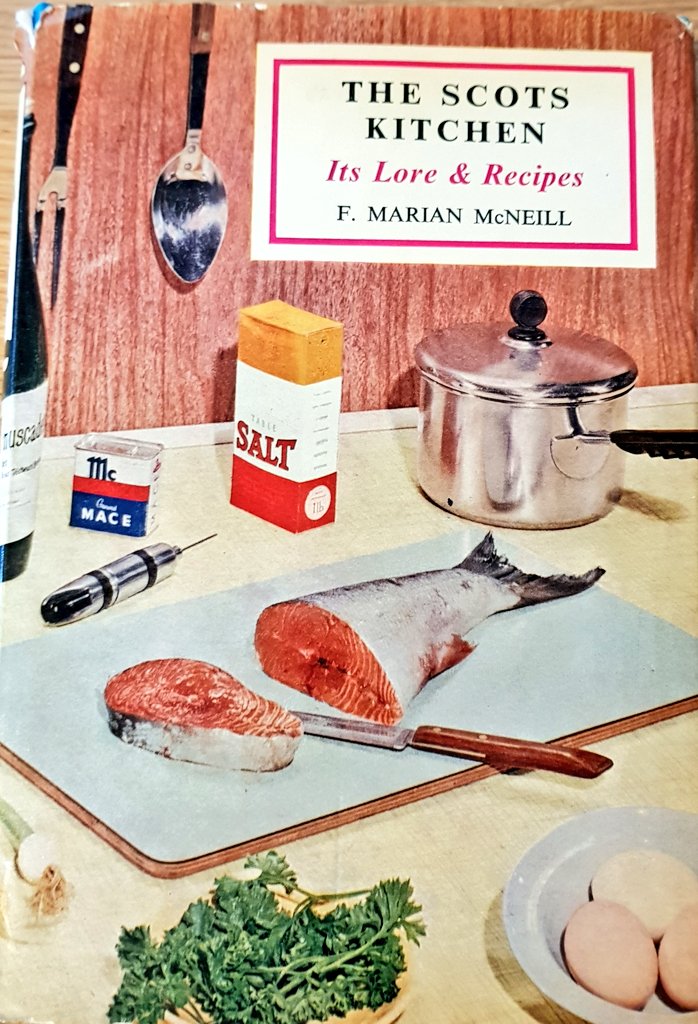
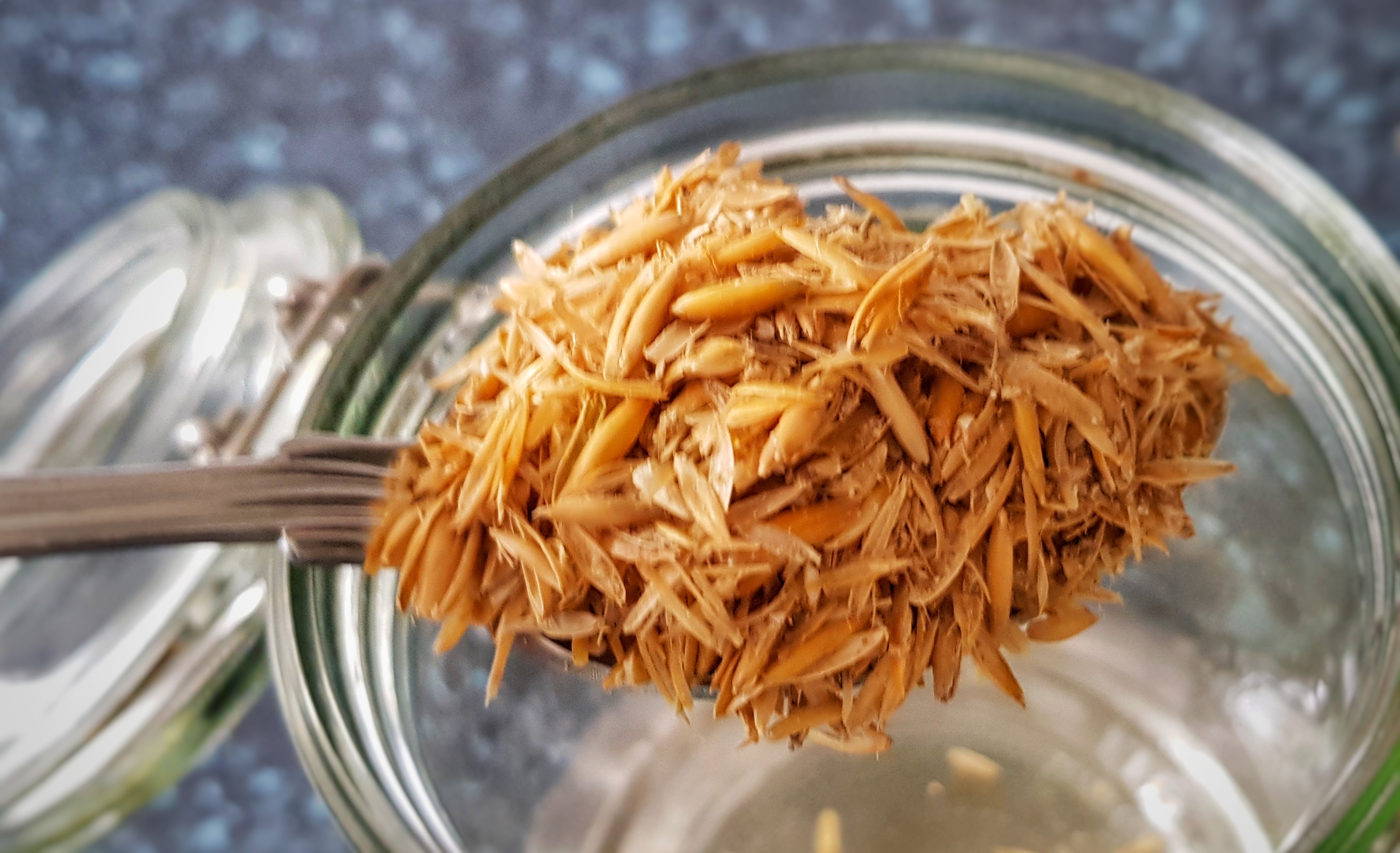
I discovered it leafing through the classic The Scots Kitchen by F. Marian McNeill.2 She describes how it was made: steeping the inner husks of the whole oat grains in water for several days in a large jar called a sowans-bowie until it soured, before being passed through a sieve.3 The resulting liquid would be left to settle for a day or so, where there would be a layer of white starch at the bottom. The liquid would be decanted off, and the starch cooked and eaten like porridge. Reading it, I simply could not understand how a foodstuff could be made just from the oat husks, known as sids in Scots.2 The husks are obviously inedible so how could a porridge or oat milk be made from them?

After a little more detective work, I found that the husks do contain some residual starch. As the oats are threshed to remove their husks, which is a quite violent process, inevitably some of the seed would be left attached to the husks. By mixing the husks in water, the starchy seed residue becomes suspended in the liquid and the natural yeasts and bacteria present on the husks begin to ferment it. After a few days – anywhere between 3 and 14 days depending upon time of year – the mixture becomes sour, rather like, I suppose, a sourdough starter, and then passed through a fine sieve. The milky liquid was drunk as it was, or the starch was allowed to settle so it could be used to make a porridge and eaten with salt, treacle or sugar. The decanted liquid wasn’t wasted, by the way, it was used to make sowans scones, where it was used rather like the buttermilk in regular scones.2 The fermented husks would sometimes be formed into cakes and baked. More often, though, they were fed to pigs or chickens.4

Oat husks

As a foodstuff, sowans is associated with harvesttime and commonly eaten by oat farmers. It is also associated with Hallowe’en, which falls not too long after harvest and the harvest festival. By making sowans, farmers were able to extract every scrap of carbohydrate from the sids that were left behind, after they had sold their crop. In Ireland, sowans was drunk or eaten in some parts of Ireland on St. Brigid’s Day in February.5

It was regarded as good for one’s health – and no doubt it was! The starch would be a precious source of energy and the microbes, and the products of the microbes’ metabolism, provided a whole suite of nutrients. ‘Some authorities claim it had sexual qualities.’ This seems to be because of its resemblance to semen when taken as a drink, which went by the name ‘Bull’s Semen’ or ‘White Bull’s Milk’ in some places. I’ve found one mention of farmlads teasing and goading young women, saying “I’ll be at you wi’ me sowans.”6,7


If you like the blogs and podcast I produce, please consider treating me to a virtual coffee or pint, or even a £3 monthly subscription: follow this link for more information.


Sowans was particularly associated with Christmas. I found an article in The Family Friend, published in 1861, describing sowans drinking on ‘Auld Yule morning’. The author is simply known as ‘A.H.’. It says it was enjoyed all year round, but at Yuletide it was consumed only as a milky drink. In fact it was customary, and everyone was expected to drink some sowans out of bickers (beakers), “[n]ot that any of us were immoderately fond of sowans”, said one. That said, folk did get a taste for it and ‘there was a good rivalry, too, amongst the sowans makers.’8

After finding all of this out, I hope you can see why I was so intrigued by this unusual food. Determined to make some, I managed to get hold of some oat husks – and they are not easy to get hold of these days! I am currently part way through having a go at making sowans. They are not quite ready to drink or eat, but things seem to be working well. I shall report back soon with the results of my little experiment and hopefully a usable recipe.

Fermentation is occurring!

References

  1. Fenton, A. Sowens in Scotland. J. Ethnol. Stud. 12, 41–47 (2013).
  2. McNeill, F. M. The Scots Kitchen: Its Lore & Recipes. (Blackie & Son Limited, 1968).
  3. Dawson, W. F. Christmas: Its Origin and Associations (Illustrated Edition). (e-artnow, 2018).
  4. Macdonald, F. Christmas, A Very Peculiar History. (Salariya Book Company Limited, 2010).
  5. Nic Philibín, C. & Iomaire, M. C. M. An exploratory study of food traditions associated with Imbolg (St. Brigid’s Day) from The Irish Schools’. Folk Life 59, 141–160 (2021).
  6. Douglas, H. The Hogmanay Companion. (Neil Wilson Publishing, 2011).
  7. Asala, J. Celtic Folklore Cooking. (Llewellyn Publications, 1998).
  8. A.H. Auld Yule; Or Christmas in Scotland. Fam. Friend Ed. by R.K. Philp (1861).

17 Comments

Filed under Britain, food, history, Preserving, Scotland

Season 4 of The British Food History Podcast

Hello folks! Just a very quick post to let you all know that the fourth season my podcast – The British Food History Podcast – is underway and the first two episodes are ready for you to download and listen to.

Felicity Cloake

In episode 1, I talk to journalist and food writer Felicity Cloake about the Great British breakfast. Listen here:

We talk about how breakfast might be the only thing uniting all 4 countries that make up the UK, the complexities of planning a nation-wide breakfast tour, injuries, why it’s okay to like both red and brown sauce, as well as neither, the importance of pudding on a fried breakfast, regional specialities and recipe writing.

Emma Kay

In episode 2, my guest is historian and friend of the show Emma Kay. Today we talk about Emma’s new book A History of Herbalism: Cook, Cure & Conjure which was published in June 2022. Listen here:

We talk about the importance of herbs in medicine, magic and food, and how these things were interconnected, the four humours, Anglo-Saxon medical texts, the double standards surrounding men and women who practised magic and medicine, two female pioneers of botany and herbalism, and narcotic garden vegetables.

I have a few extra guests lined up for you throughout August and September, so make sure to subscribe, follow and like wherever you get your podcasts, and if you can, leave comments, ratings and reviews.

There are Easter Eggs associated with the episodes which are available to subscribers.


If you like the blogs and podcast I produce, please consider treating me to a virtual coffee or pint, or even a £3 monthly subscription. Subscriptions give you access to the Easter Eggs page as well as special blog posts: follow this link for more information.


Leave a comment

Filed under General, history, Podcast, Uncategorized

The Corn Laws Part 2 – Repeal

The Corn Laws were in place between 1815 and 1842. During this time several petitions of repeal were made to Parliament; in all 1,414,303 signatures were presented within 467 petitions. There were, of course, signatures scribbled upon petitions against repeal of the Laws, but they were far fewer: just 145,855 signatures, a whole order of magnitude fewer!1 This goes to show just how powerful the country landowners were; no matter how bad things got, and no matter the number of signatures, Parliament would not budge. But there were folk chipping away at this issue, whether it be in the streets, in the townhouses, or in the corridors of power. Repeal would come, and there were several key players in the story, and in the second of my two posts on the Corn Laws, we shall meet them.

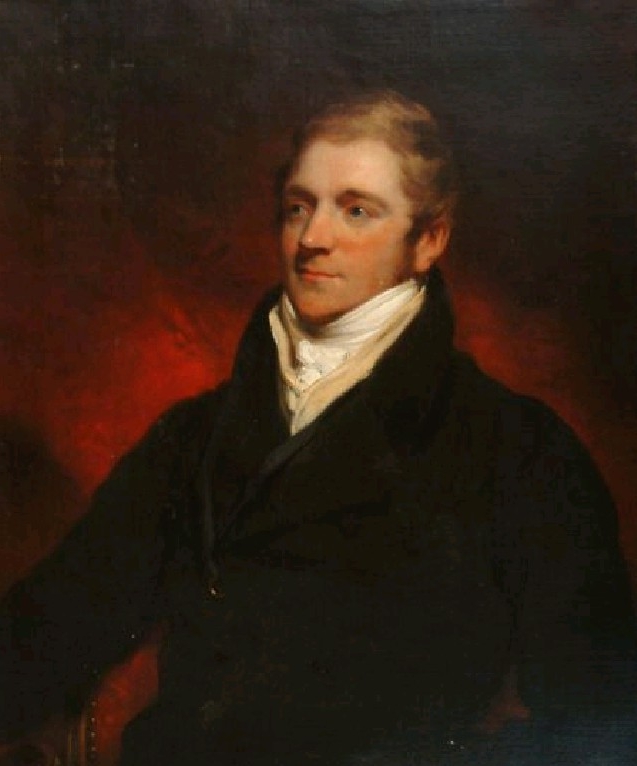
Thomas Tooke

Thomas Tooke (1774-1858)

An experienced merchant and economist, Thomas Tooke could see that the Corn Laws were having a deleterious upon the majority of the population. He argued that stopping the free grain in foreign grain was harmful to trade in broader terms, saying

There appears to be at the moment, a quantity of corn on one side of an impenetrable barrier, and a quantity of manufacturers on the other, which would naturally be interchanged, if it were not for the artificial hindrance occasioned by the present system.

The Laws were there to protect the landed gentry in the countryside at the expense of the income and quality of life of the working classes. It didn’t even help the farmers in the countryside because landowners charged them higher rents. As far as Tooke was concerned, making staple foodstuffs scarcer raised prices and adversely affected the working classes.2

Lord Liverpool, the Tory Prime Minister blocked his petition, but Tooke still presented his case to a House of Commons Select Committee in 1821. So impressive was his thinking and well laid-out his argument, he was made a Fellow of the Royal Society later in the same year. So, whilst his petition wasn’t debated, he still got to say his piece, which reinforced the idea to lower tariffs and emboldened those for whom repeal of the Corn Laws was the only fair and sensible option.2

Richard Cobden and John Bright

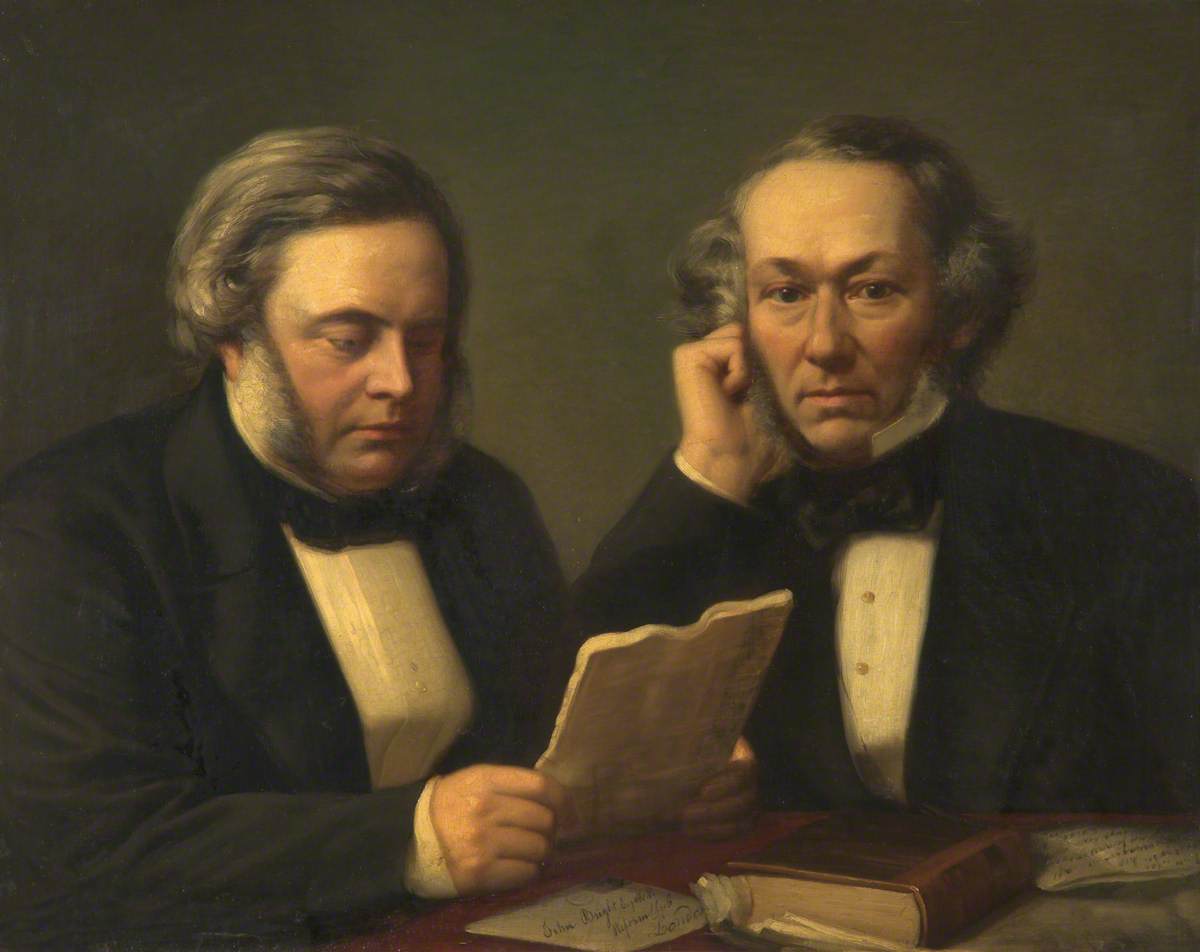
As soon as the idea of implementing the first Corn Law was debated in Parliament, anti-Corn Law groups sprang up all around the country, but they were not a united, cohesive front. This changed however with two industrialists Richard Cobden and John Bright, who together formed what would become known as the Manchester School. Tooke had taken the argument for repeal to the Commons, but Cobden and Bright would be so effective in communicating their argument that would both become MPs.

Richard Cobden owned a calico[*] printing mill and was the son of a poor farmer from Sussex, so could appreciate the harm the Corn Laws were inflicting on industry, and both the urban and rural workforce. He created the Manchester Anti-Corn League in 1839. His writing and speeches were based on the notions that free trade benefited the majority, and that manufacturing and trade should be allowed to continue with minimal interference from Parliament. In short, the Corn Laws ‘were both economically disastrous and morally wrong.’3

In 1941, he invited John Bright to join him and help him develop the political, economic and moral argument against the Corn Laws.4 John, also an industrialist, was Lancashire born and bred, a devout Quaker and a skilled orator, who managed to make protest and debate entertaining, ‘produc[ing] an entire theatre of opposition activity.’5

John Bright (1811-1889) & Richard Cobden (1804-1865)

They made quite the team: John was the man of the people, the salt of the earth, able to communicate their ideas to the common man In the North of England. The country had – and still has – a strong north-south divide, and Cobden’s southern accent made his speeches in Parliament more palatable, allowing him to give insight into the economics of the industrial north. Together they began to turn the tide of opinion both within and without the House of Commons.


If you like the blogs and podcast I produce, please consider treating me to a virtual coffee or pint, or even a £3 monthly subscription: follow this link for more information.


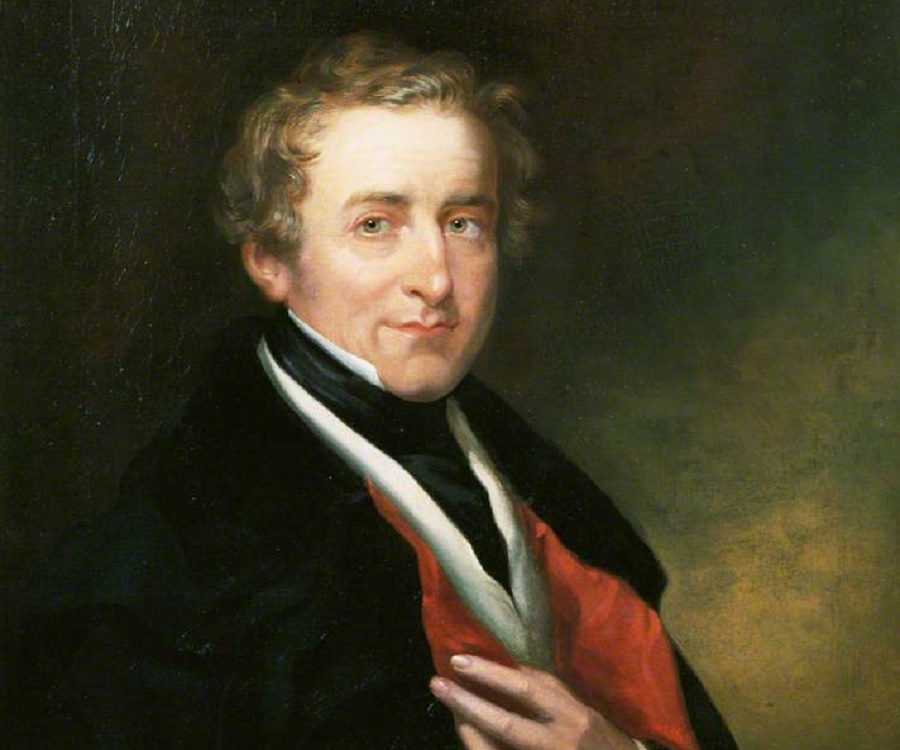
Robert Peel

Robert Peel (1778-1850)

Sir Robert Peel became Prime minister for the second time in 1841. He had won his position – partially – on his view that the Corn Laws should stay in place. However, Cobden and Bright’s arguments persuaded him to rethink his position. Peel could see that the Laws were only benefiting landowners and that the working classes – and some of the middle classes too – were beginning to starve. It was not sustainable, and revolution was on the cards: the early 1840s had seen a series of wet summers, lowering production and raising prices greatly. Then, the Irish Potato Famine hit Britain received much of its corn from Ireland, but with a dying population, the workforce didn’t exist that could farm the grain; add to that, a great number of Irish emigrating to Britain to escape the crisis only exacerbated the problem.6 Something had to be done: the Corn Laws had to be repealed. The opposition party, the Whigs – the more liberal party of the day – were generally up for repeal, but two-thirds of the Tory party were vehemently against it. Peel had tried to pass an act to real the Corn Laws twice already, but as the Potato Famine reached its peak in 1942, he attempted to pass it one more time. This was a rare case of a Prime Minister going against their party majority, and he knew it would be career suicide should the act get through, and it did, with a majority of 98.

Peel resigned shortly afterwards, and the legislation surrounding the Laws was dismantled over the space of three years, leaving behind a country where the working and lower-middle classes were empowered and very much pro-free trade.6 The Manchester School had achieved its goal. The School is considered by many to be the first political pressure group, and a most successful one at that.

References

  1. Carpenter, K. Petitions and the Corn Laws. UK Parliament: Petitions Committees https://committees.parliament.uk/committee/326/petitions-committee/news/99040/petitions-and-the-corn-laws/ (2019).
  2. Smith, M. Thomas Tooke on the Corn Laws. Hist. Polit. Econ. 41, 343–382 (2009).
  3. Briggs, A. Richard Cobden. Britannica https://www.britannica.com/biography/Richard-Cobden (2022).
  4. John Bright. Quakers in the World https://www.quakersintheworld.org/quakers-in-action/304/John-Bright.
  5. Philp, M. John Bright and Richard Cobden: The Corn Laws. To the Barricades https://barricades.ac.uk/items/show/103.
  6. Boudreaux, Donald, J. Repealing the Corn Laws, 175 Years Later. Discourse Magazine https://www.discoursemagazine.com/culture-and-society/2021/06/18/repealing-the-corn-laws-175-years-later/ (2021).

[*] Calico is a wafty thin-weave cotton fabric.

Leave a comment

Filed under Britain, food, General, history, Nineteenth Century, The Victorians

To Make Digestive Biscuits

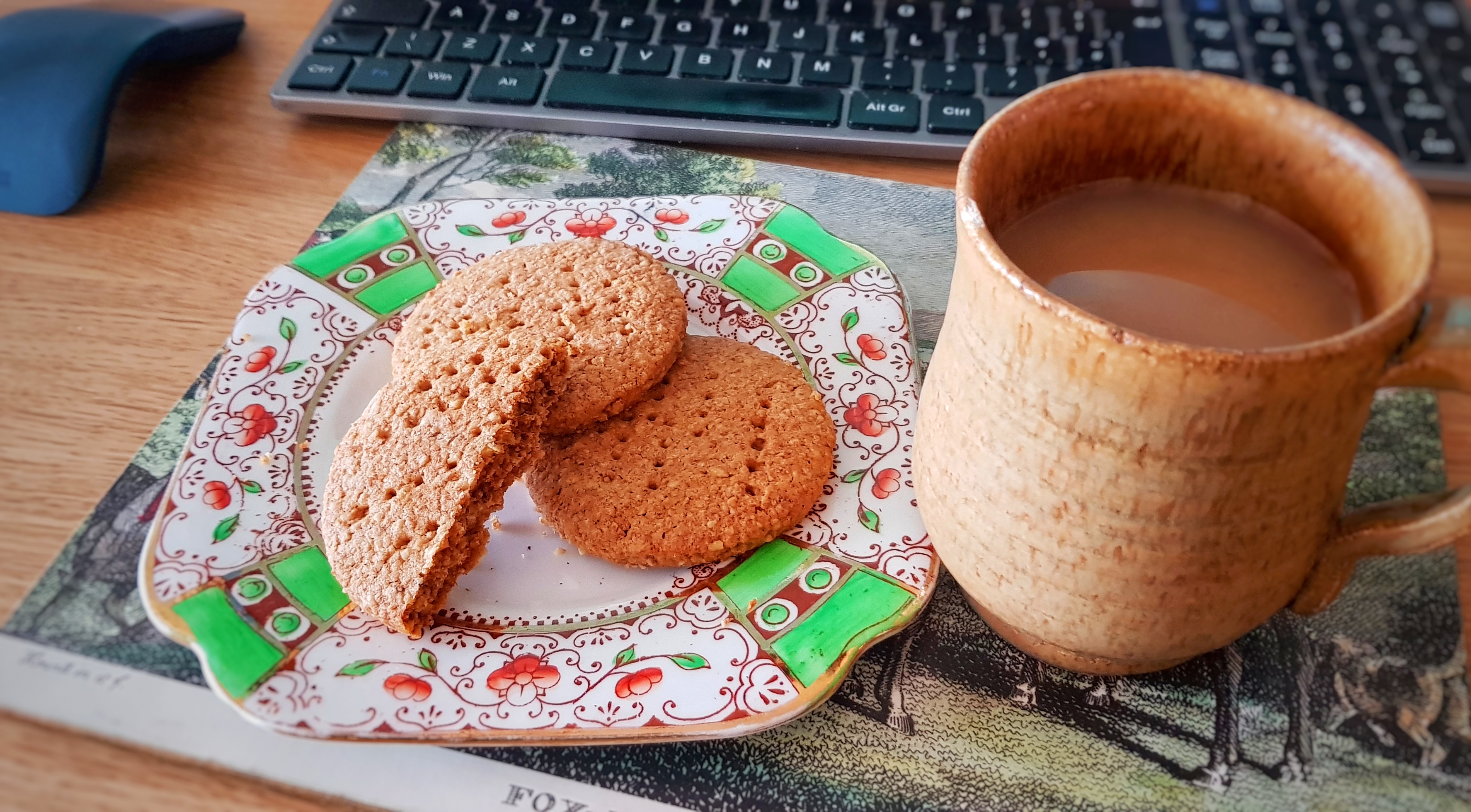
Just like the workers of the 19th century, my work days are punctuated by tea & biscuits

I have been promising recently a blog post for subscribers containing my recipe for digestive biscuits, it’s taken me a little longer to write it up than I expected, but here it is.

This blog post complements the podcast episode ‘A Dark History of Sugar Part 2’ on the British Food History Podcast.

Read more of this content when you subscribe today.

To subscribe please visit the Support the Blog & Podcast tab.

2 Comments

Filed under baking, Biscuits, Britain, cooking, food, General, history, Recipes, Scotland, The Victorians

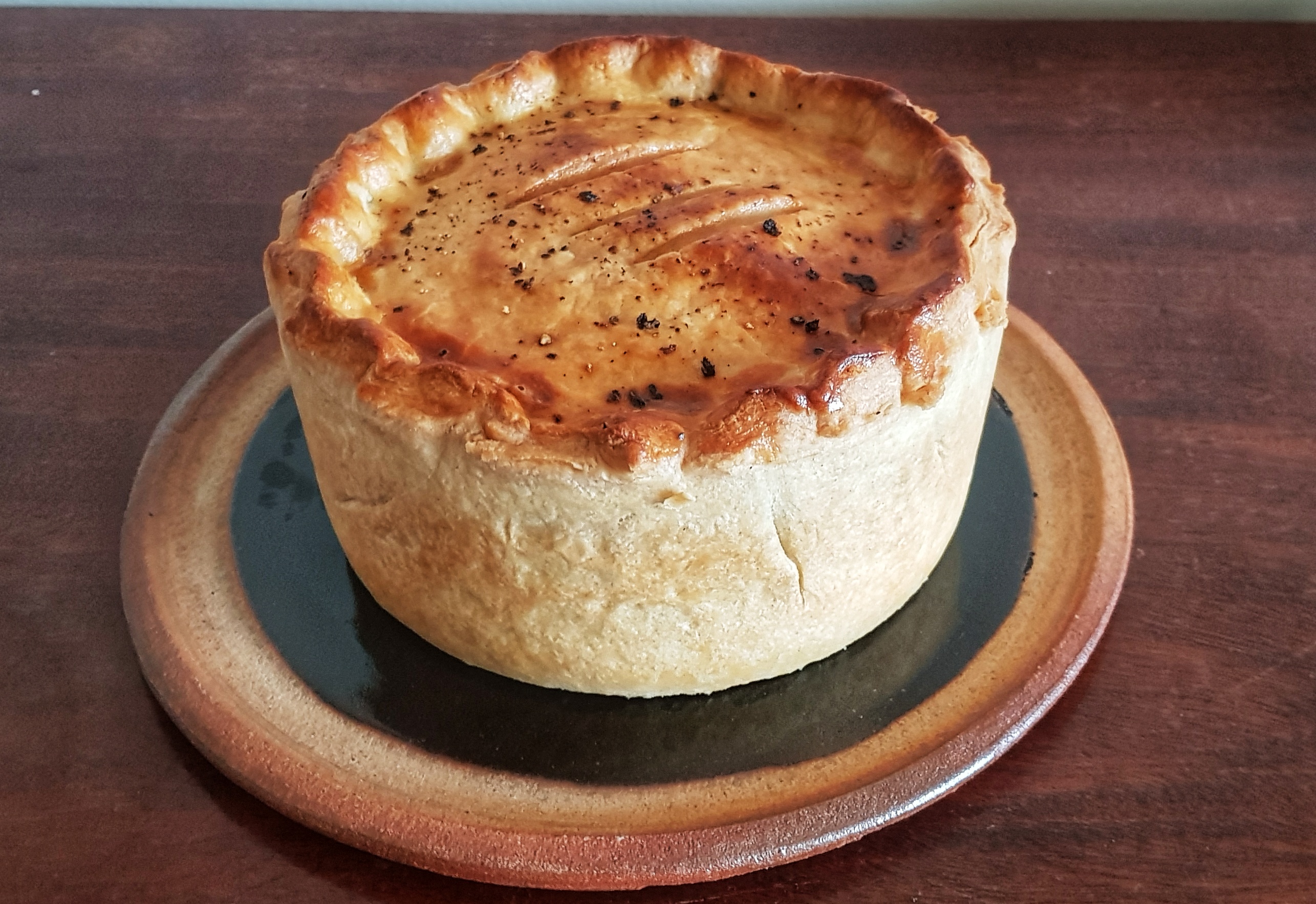
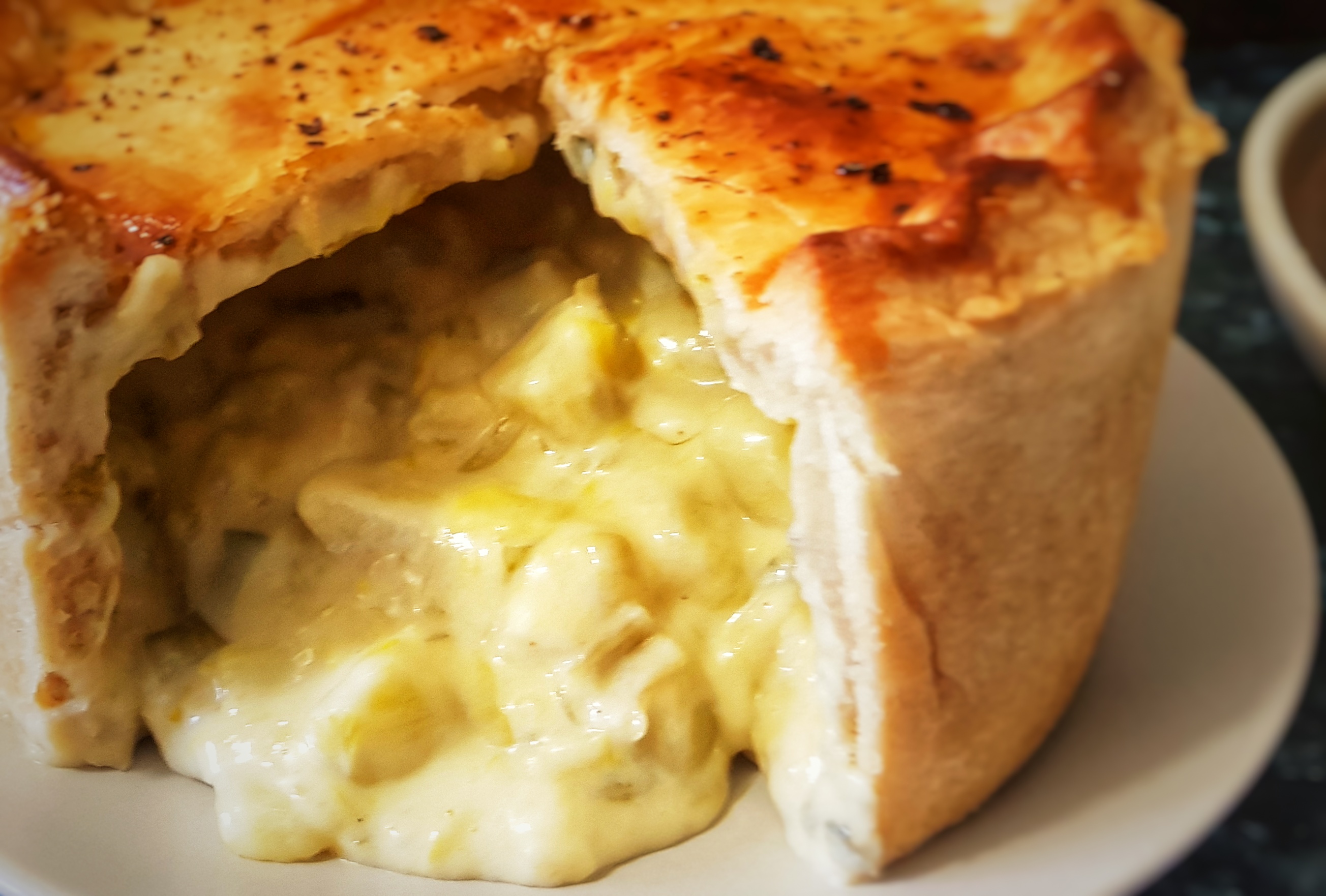
Cheese and Leek (or Onion) Pie

Hello! I’m back after two-month hiatus. Did you miss me?

It’s British Pie Week this week so I thought I’d post a recipe for a favourite of mine. The trouble is, I have many favourites, so I came up with a list of four and let Twitter decide. I was very glad to see my favourite won.

Later, I saw the cheese and leek/onion pie was tenth in the top ten favourite UK pies, receiving just 1% of the vote!* Shocking. I think there may be a north-south divide effect at work there; back in the days of my market stall and restaurant, cheese and leek pie was by far the favourite.

The cheese and onion pie or pasty used to be a very important food for the working classes of Northern England, especially Yorkshire and Lancashire: it’s easy to make and the ingredients are cheap compared to meaty fillings. It’s the pie equivalent of the Welsh Rabbit/Rarebit.

The simplest of fillings were made of cooked onion, thinly-sliced raw potato, or cold mashed potato, and grated cheese. On the fancier side, a thick white sauce is used instead of mash. For my recipe I am going somewhere in between to hopefully enjoy the best of both worlds. I use onion and leek interchangeably because either (or both) can be used: I make leek pies as I’m intolerant to onion.

As for the cheese, use a mature kind that melts easily: Cheddar, Lancashire, Double Gloucester etc. The pastry should be a simple shortcrust made with half butter, half lard, but all butter is good too.

Serve the pie with mashed potatoes or chips, with peas and gravy as is traditional, but this pie eats very well just warm with a dressed green salad and some good old salad cream.


If you like the blogs and podcast I produce, please consider treating me to a virtual coffee or pint, or even a £3 monthly subscription: follow this link for more information.


Makes one large pie to serve 6 people (or 4 greedy ones who always have seconds)

For the filling:

50 g butter

1 leek, trimmed and sliced, but with the green left on; or 2 medium onions, peeled and sliced

350 g (approx.) potatoes, peeled and diced (about 2 medium-sized ones)

Salt and pepper

1 tbs plain flour

1 tsp English mustard powder

275 ml hot milk

150 g grated cheese

Pinch Cayenne pepper (optional)

2 tbs double cream

For the pastry:

400 g plain flour

200g salted butter, or 100 g each butter and lard (or shortening)

120 ml water or milk

Egg wash

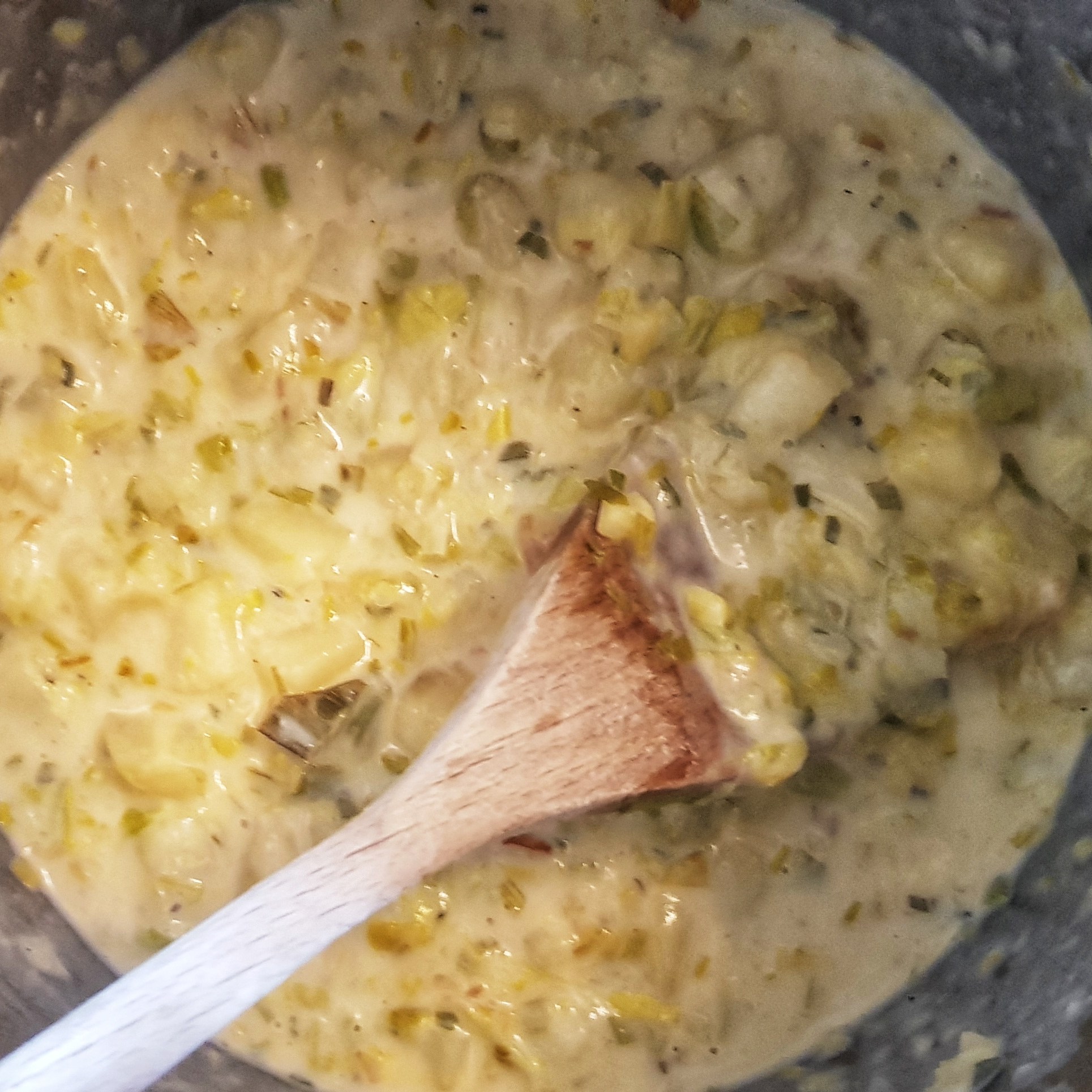
Start with the filling. Melt the butter in a saucepan and add the leek or onion and potatoes, season with half a teaspoon of salt and a good grind of pepper. Cook over a medium heat until the leek or onion melts right down. Do this slowly, turning down the heat if necessary – you don’t want to fry them, though a pale golden brown colour is fine.

Stir in the flour and mustard and cook for a minute before mixing half of the milk. When the milk combines with the flour to make a smooth sauce, add the remainder of the milk and combine again.

Simmer gently for 10 minutes, stirring occasionally. Then remove from the heat and stir in the cheese. Mix in the Cayenne pepper. Check the seasoning and add more salt and pepper. It’s a good idea to slightly over season the filling to make up for the comparatively bland shortcrust pastry. Finally stir in the cream and allow to cool completely. I usually make my cooked fillings a day or two ahead of time.

Now make the pastry. Rub the fat(s) into the flour. If you are using unsalted butter, add half a teaspoon of salt. If you are making pastry by hand, unless you have forearms like Popeye, use fats that are at room temperature. If using a mixer, use the flat beater and use cold fats straight from the fridge. Either way, once it resembles breadcrumbs add the water a couple of tablespoons at a time until you have a soft but not sticky dough. Knead very briefly, wrap in cling film and leave it rest in the fridge for 30 minutes.

After resting, take around a third of the dough and roll out on a lightly floured worktop. I used an 18 cm cake tin because I like deep-filled pies, but a shallow pie dish or flan ring of around 25 cm would work too. Roll out a third of the pastry into a circle. Leave the pastry to rest again for a minute or so before laying it in the tin. Be careful to press the pastry into the corners without stretching it: lift it in carefully. If using a deep dish as I have it’s helpful to fold the pastry into quarters, placing it in the dish or tin and then unfolding it.

Roll out the remainder of the pastry to make a lid. Cut a steam hole in the centre and set aside.

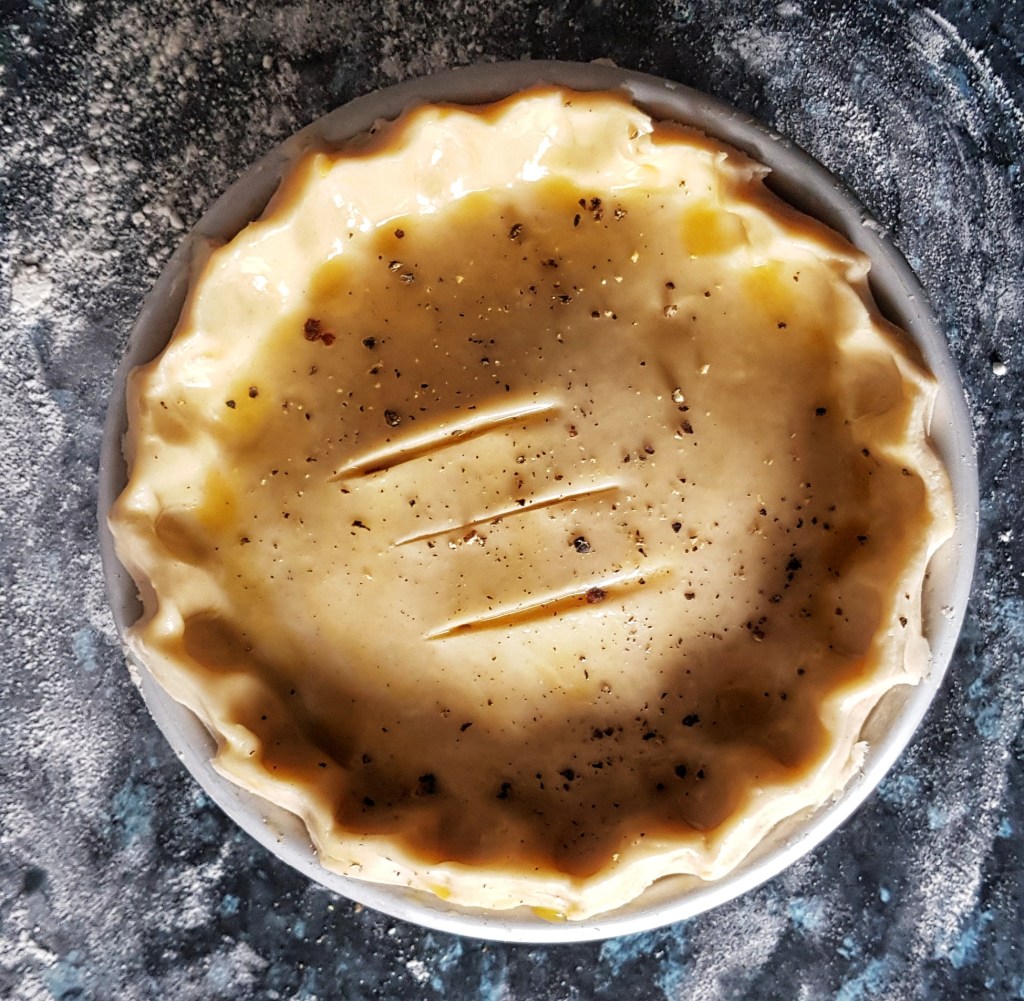
Spoon in the pie filling, but don’t fill it too much – it does expand as it cooks. Now brush the edges with egg wash (I use an egg, or egg yolk, beaten with half a teaspoon of salt). Glue the lid in place, pressing the lid down well.

Trim the excess pastry with a sharp knife and then crimp the edges or use a fork to seal the lid. Paint with more egg wash, and if you like add a bit more black pepper. Place in the fridge to set the pastry.

Preheat your oven to 220°C and pop a baking tray on the centre shelf.

(If you have any left-over pastry and filling, make a pasty with it (see here for my Cornish pasty recipe) and bake it with the pie, or freeze it. Both pastry and filling freeze well separately.)

Take the pie out of the fridge and place in the oven on the hot baking tray (this prevents a soggy bottom from developing) and bake for 45 minutes, turning down the heat to 180°C when the pastry is a nice golden brown.

*The poll appeared in the Metro back in 2017: https://metro.co.uk/2017/03/09/the-most-loved-pies-around-the-uk-may-divide-the-nation-6498584/

7 Comments

Filed under baking, Britain, food, General, history, Recipes

Rum Butter & Brandy Butter

This post complements the episode ‘Christmas Special 2021: Christmas Pudding’ on The British Food History Podcast.

I used to believe that brandy butter – that infamous accompaniment to Christmas pudding and mince pies – was far too rich and sweet, and always preferred custard. I made a traditional Christmas pudding from a 19th century recipe and because it wasn’t as rich as modern day puds, I found the buttery sauce complemented the dessert perfectly – though I still prefer the rum butter.

Subscribe to get access

Read more of this content when you subscribe today.

To subscribe please visit the Support the Blog & Podcast tab.

7 Comments

Filed under Blogs, Britain, Christmas, cooking, Festivals, food, General, history, Puddings, Recipes, Uncategorized

To Make a Christmas Pudding Part 2: the Big Day

This post complements the episode ‘Christmas Special 2021: Christmas Pudding’ on The British Food History Podcast.

On Stir Up Sunday I made my Christmas Pudding, using Sam Bilton’s Great Aunt Eliza’s plum pudding recipe, and now it is time to cook it and get it ready to serve for the big day. If you missed the first post click here to catchup.

I fed the pudding a couple of tablespoons of rum (but brandy is also good) twice, and I found the best way to do this was the untie the pudding, open the top and sprinkle in the rum, before retying with fresh string.

On Christmas Day, get your big pot of boiling water just like you did for the first boiling. Simmer the pudding for 2 hours, making sure the pudding doesn’t touch the base of the pot and scorch.

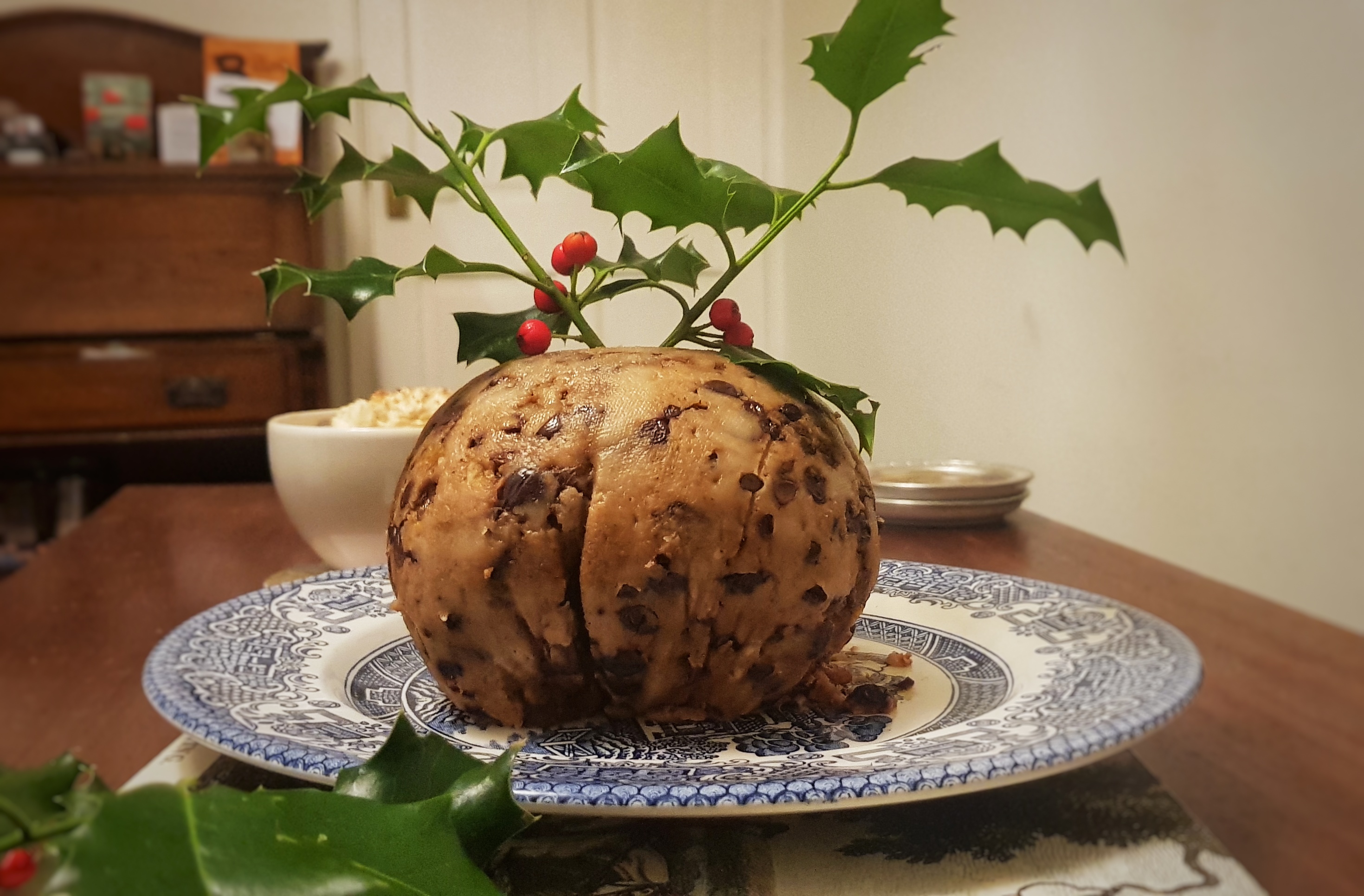
When ready, remove from the pan and gingerly cut away the string and carefully unwrap the pudding; don’t worry too much about it breaking because it develops a skin made from the flour that had been dredged on the cloth before its first boiling, keeping it all together. Pop it on a serving dish with a sprig of holly.

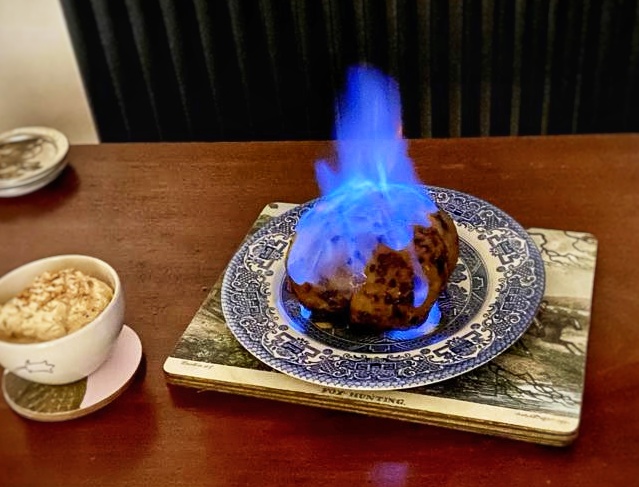
When you want to serve it, flame with rum or brandy, turn the lights down and carry it into the dining room. There will be applause.

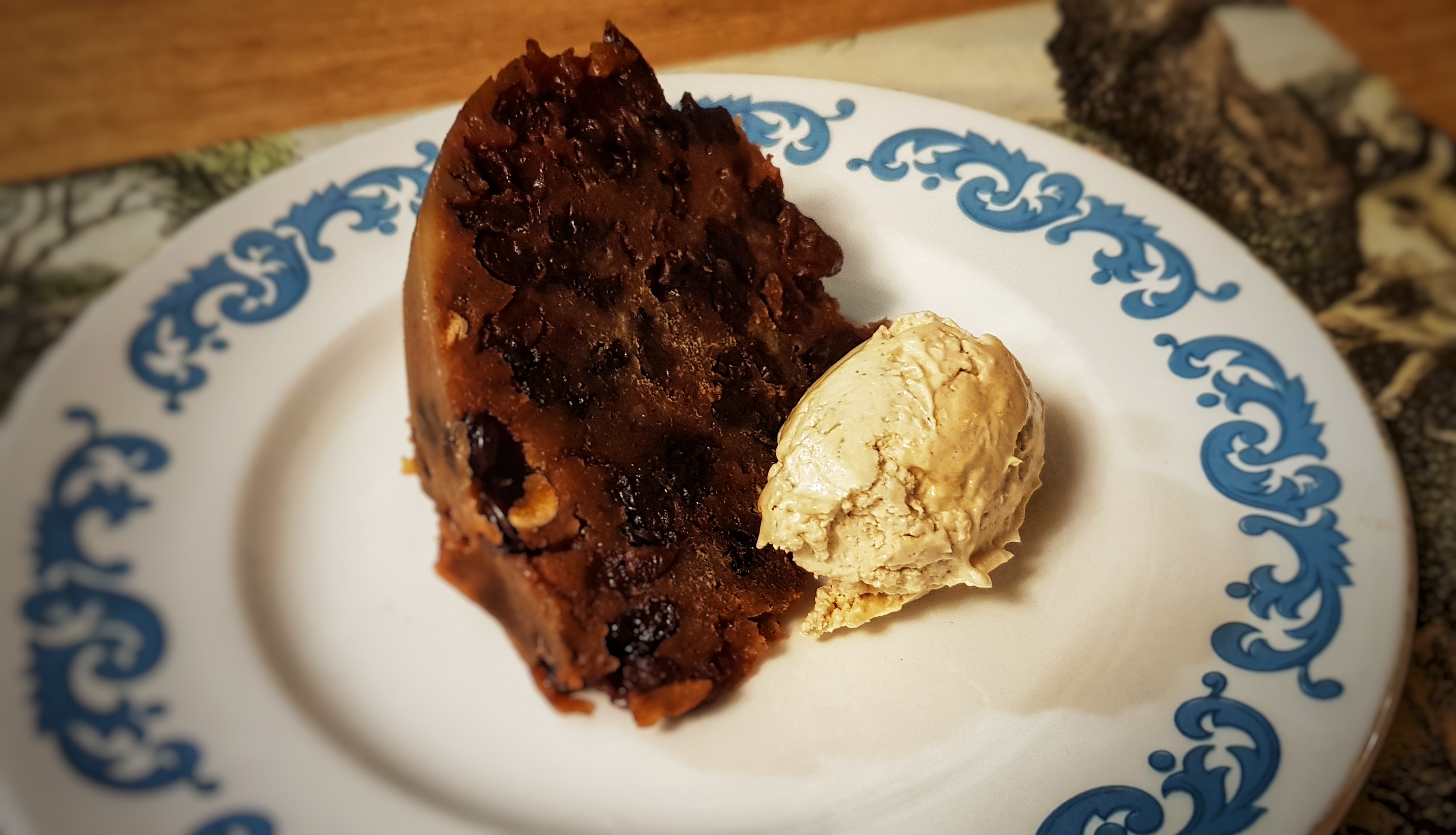
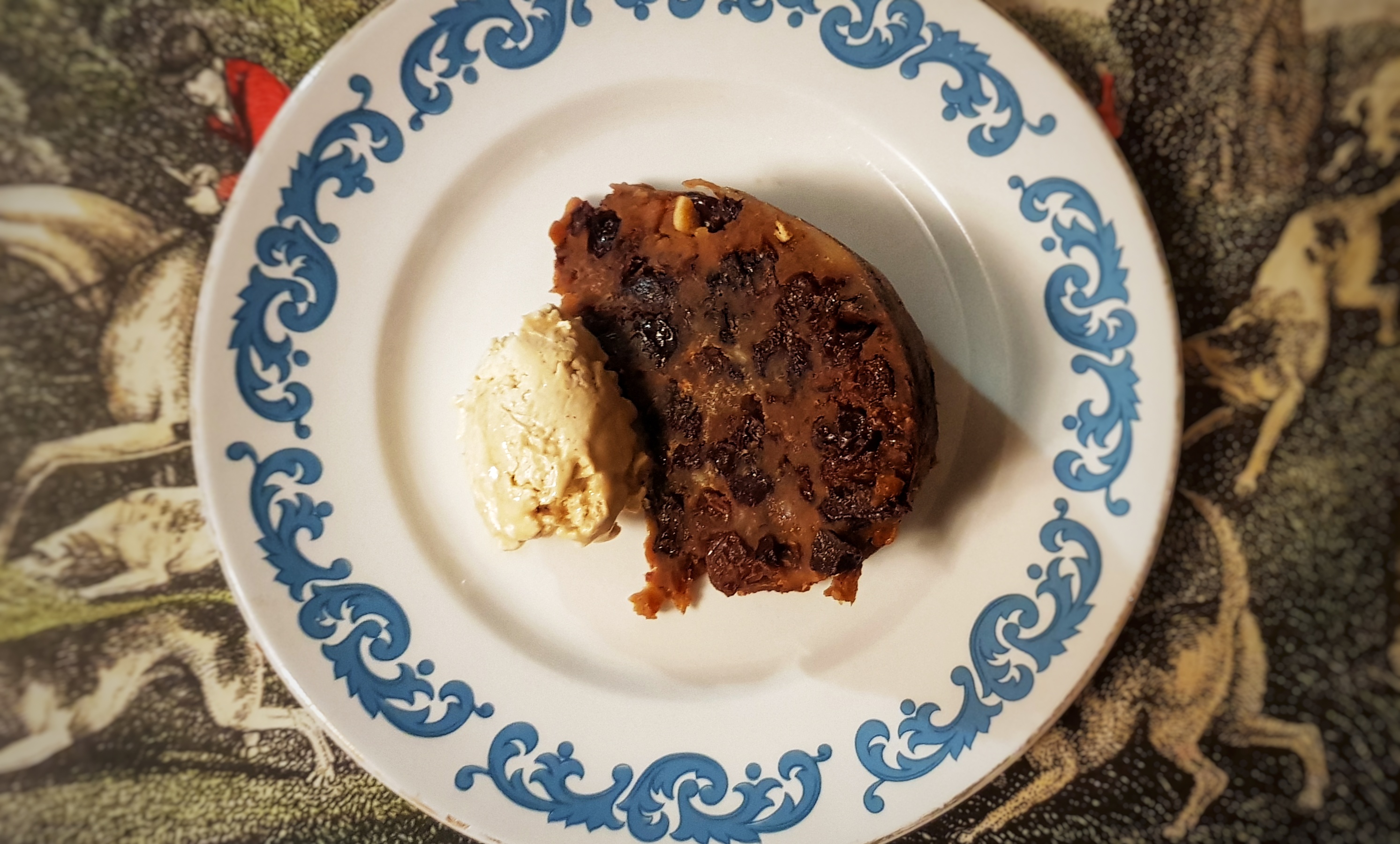
I served the pudding with rum butter, but you can also serve it with brandy butter (which I must admit, I don’t like as much as the rum butter), or good old custard. I’ll be publishing a post tomorrow with my recipe for brandy or rum butter.


If you like the blogs and podcast I produce, please consider treating me to a virtual coffee or pint, or even a £3 monthly subscription: follow this link for more information.


The pudding was delicious, I must say, and it will forever be my standard, so thanks again to Sam Bilton for her letting me use the recipe.

Listen to the podcast episode for more information, including the history and folklore surrounding Christmas pudding, plus a cooking spot, and a handy guide to flaming your pudding safely and effectively!

1 Comment

Filed under baking, Britain, Christmas, cooking, Desserts, Festivals, food, General, history, Podcast, Puddings, Recipes, The Victorians

To Make a Christmas Pudding Part 1: Stir Up Sunday

This post complements the episode ‘Christmas Special 2021: Christmas Pudding’ on The British Food History Podcast.

Today is Stir Up Sunday, traditionally the day Christmas pudding is made. The day was also a cue to local grocers to begin to make their orders and get ready for the 12-day long Christmastide feast.1 As they mixed, the children would sing:

Stir up, we beseech thee

The Pudding in the pot,

And when we get home,

We’ll it it all hot!

Stir Up Sunday is always the Sunday before Advent; which isn’t 1 December despite what manufacturers of Advent calendars would have you believe. Advent actually begins on the sixth day before Christmas, so this year (2021) Advent begins on 28 November. The day has a deeper meaning beyond reminding us to prep our puds; the children’sl song was sung on the day comes from a hymn: Stir up, we beseech thee O Lord the wills of my faithful people… and is call for everyone to stir up their pious and spiritual feelings in preparation for Advent – a period of fasting and reflection before the festivities begin.

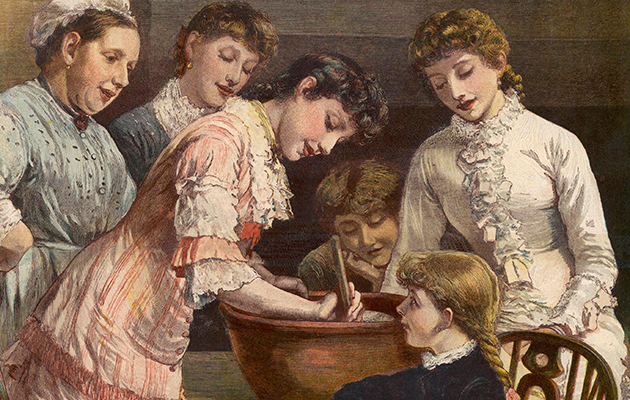
When you make your Christmas pudding (whichever day you make it on) there are various superstitions which should be held. First, each member of the family should add at least one ingredient to the mix, give it a good stir and make a wish. The stirring must either go from east to west (like the Sun).2 The pudding should be made up of 13 ingredients to represent Jesus and his 12 disciples.

There are trinkets too of course: a sixpence to represent financial success or good luck in the New Year, a ring to represent romance or marriage, or a thimble – bad luck! No romance for you, spinster!


If you like the blogs and podcast I produce, please consider treating me to a virtual coffee or pint, or even a £3 monthly subscription: follow this link for more information.


Great Aunt Eliza’s Christmas Pudding

I love Christmas pudding, but whenever I’ve made my own (I have used Delia Smith’s and Jane Grigson’s recipes in the past) I’ve always been rather disappointed. I reached out to Twitter for inspiration and food historian (and podcast alumnus) Sam Bilton very kindly let me use her Great Aunt Eliza’s recipe taken from her handwritten recipe book. Sam has cooked it for a demonstration at Petworth House, West Sussex.3 Click here to find out more about Sam’s Great Aunt, and how she adapted and recreated the recipe. Here’s the original:

Note there are indeed 13 ingredients!

I decided to adapt the recipe myself, only later looking at Sam’s interpretation and we took a similar approach, which is pleasing.

I took the recipe and converted it into metric and then divided everything by 3, making a huge pudding with a 15 hour boiling would have been craziness. I could have made one good-sized pudding from my one-third mix, but decided to make 2 smaller ones. I used vegan suet because I already had that in. Fresh beef suet would have been best, but there’s no point buying more if there’s some already in the cupboard.

I hedged my bets on the plums and used half prunes and half raisins, and swapped out almond extract for the bitter almonds. Feel free to toss in some slivered almonds for texture though.

Makes 2 x 800 g puddings:

150 g plain flour

150 g breadcrumbs from a stale loaf

120 g suet

300 g currants

225 g raisins

225 g prunes, roughly chopped

40 g candied peel

2 tsp mixed spice

75 g soft dark brown sugar

½ tsp almond extract

60 ml milk

40 ml brandy

40 ml rum

2 eggs

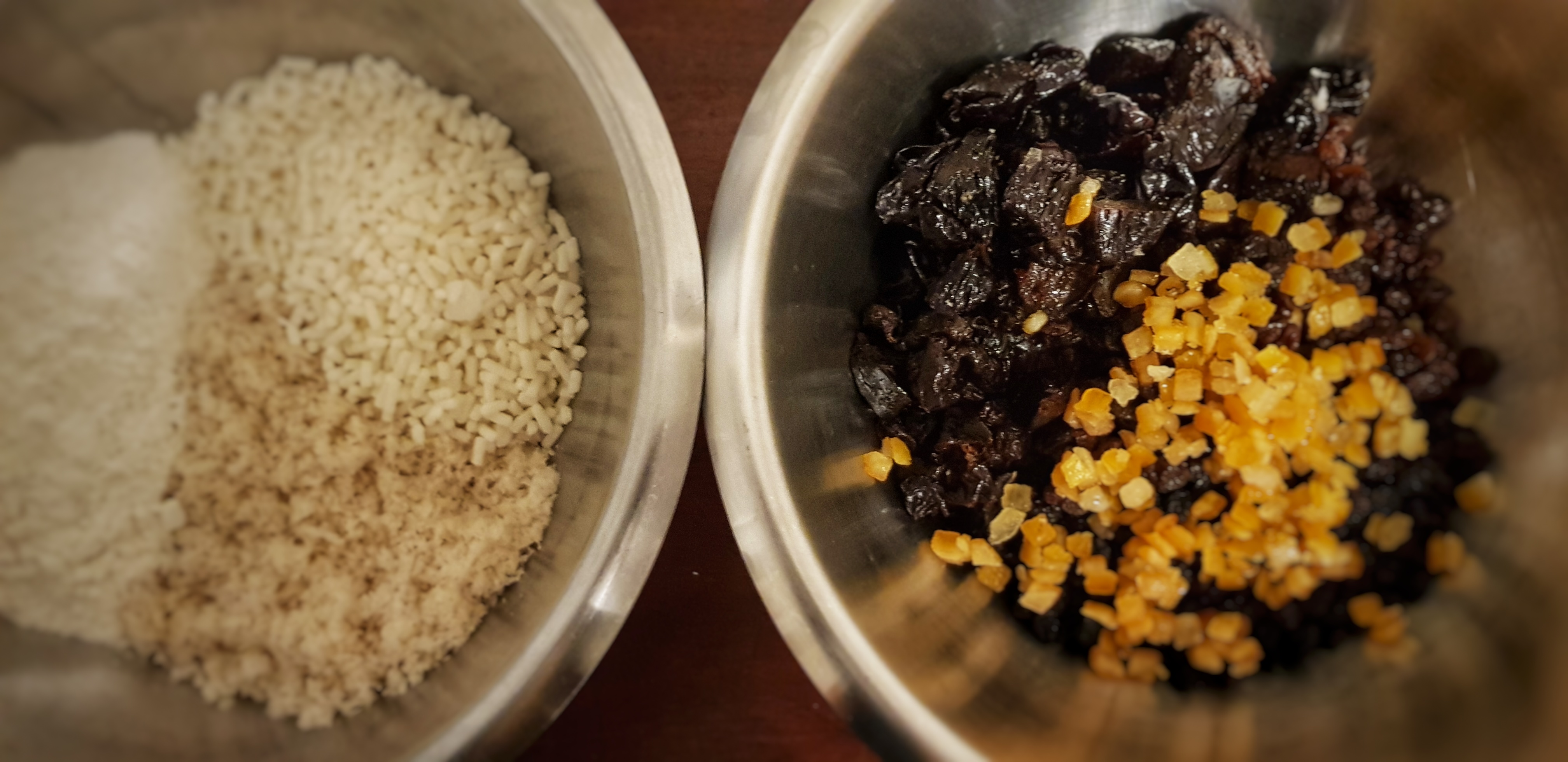
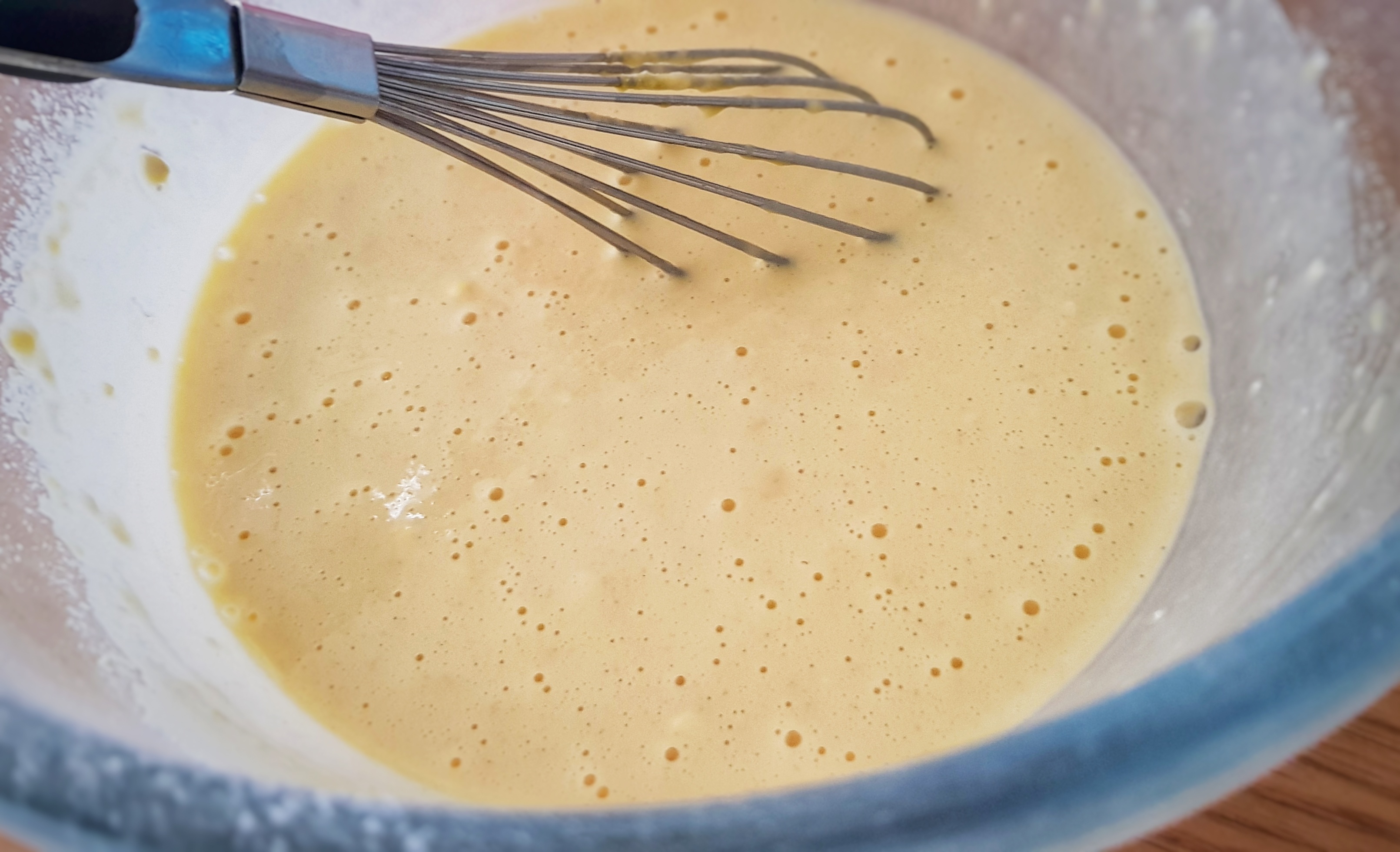
Making a Christmas pudding batter couldn’t be easier: mix all of the dry ingredients in a large bowl, i.e. everything on the list from plain flour down to the soft dark brown sugar, then add all of the remaining wet ingredients to a jug and give them a good whisk.

Make a well in the centre and pour in the eggy mixture then stir until combined. If after a few minutes’ mixing things still seem a little bit dry, add an extra slug of milk, brandy or rum. Mine needed a bit more rum.

Cover the mixture and leave it somewhere cool overnight to let the flavours develop – if you’re in a rush, leave for an hour.

Next day (or next hour) make you puddings. First get a large pot of water on the boil; deep enough for two puddings to cook without touching the base of the pot. Next, cut two pieces of muslin (cheesecloth) into rectangles of around 30 x 60 cm, place in a bowl and pour boiling water over them. When cool enough to handle, remove one and squeeze out excess water. Fold it in half to make a square shape, then lay it in a bowl.

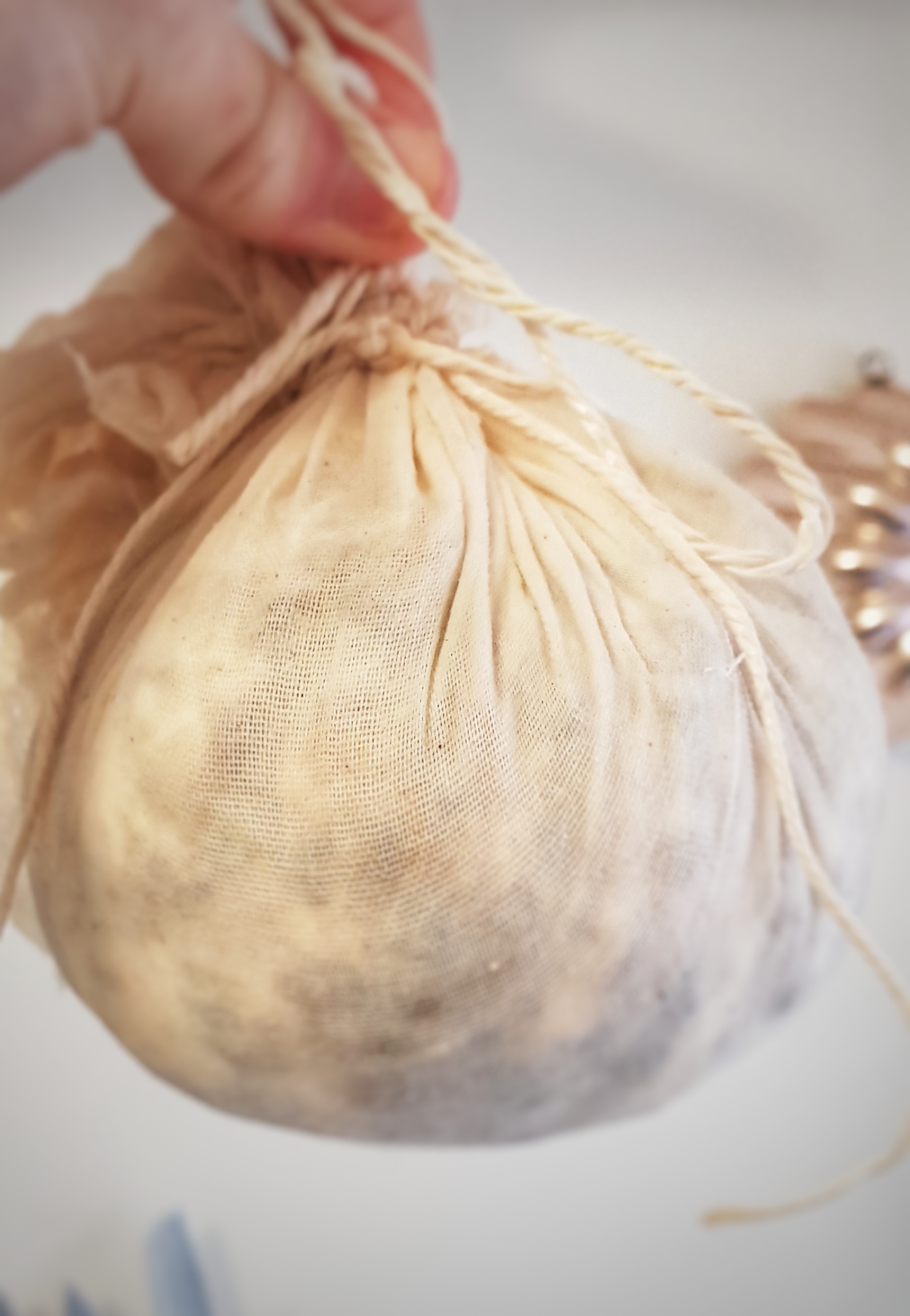
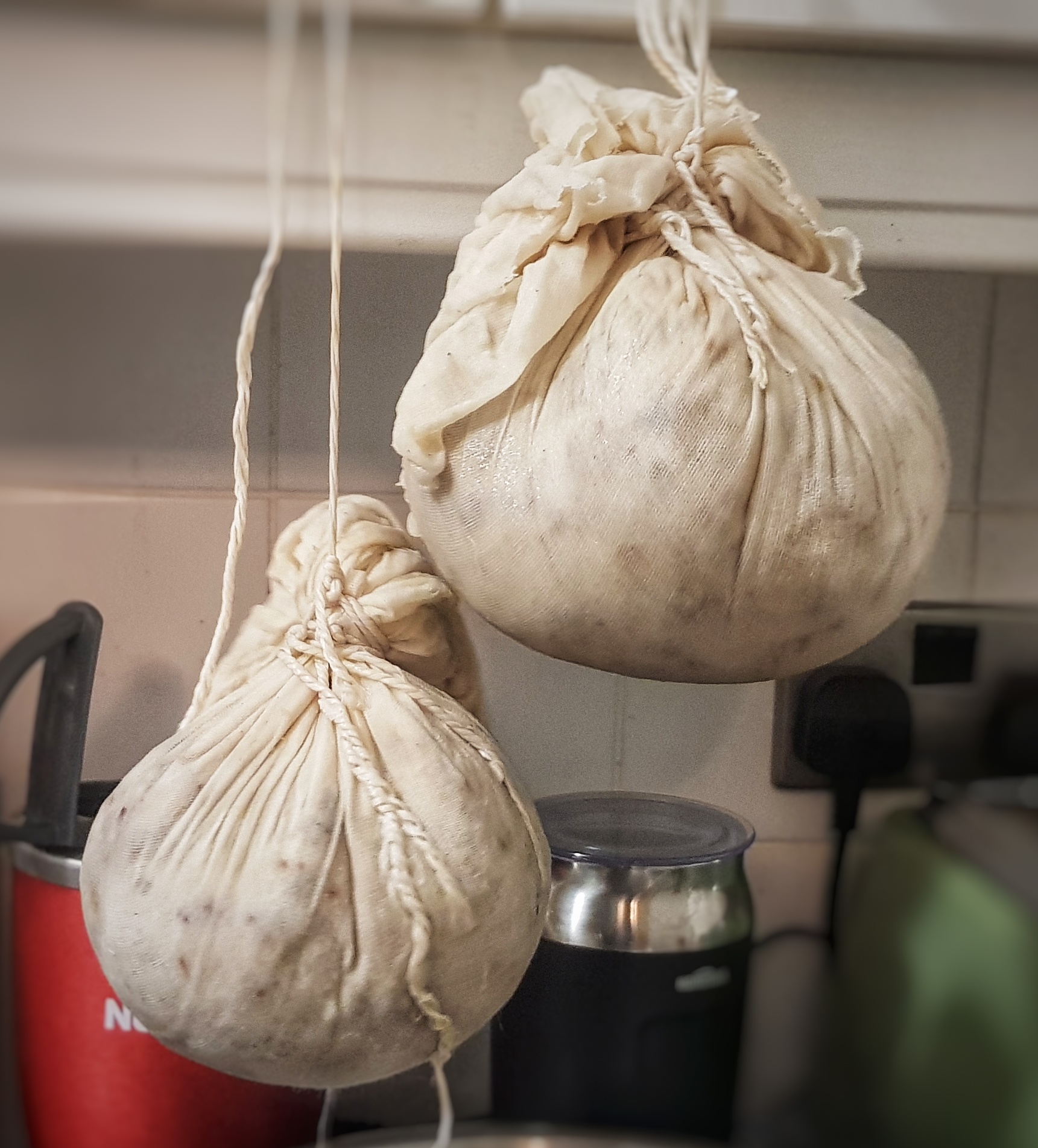
Dust the muslin very well with plain flour, leaving no bare patches, then spoon in half the mixture, then gather up the corners and twist to tighten. Use some good quality string to tie the pudding tight. If there are folds in the cloth, they can be easily smoothed out. Repeat with the other piece of cloth.

Tie a longer piece of string to your puddings, drop them in the boiling water, and tie them so that they are nicely bobbing about in the water and not touching the bottom. Cover, bring the water back to a boil, and let things cook on a simmer for 2½ hours.

Remove and cool on a cooling rack and keep in a tub or tin. You can feed the puddings a few times if you like with more brandy or rum by untying the top and pouring some in, or by rolling them in a few tablespoons – they quickly absorb it!

Then it’s just a case of giving it a second boil on the big day…I’ll post that a few days before Christmas Day, along with a recipe for brandy or – even better – rum butter to go with.

References

1.           Simpson, J. & Roud, S. A Dictionary of English folklore. (Oxford University Press, 2000).

2.           Kerensa, P. Hark: The Biography of Christmas. (Lion Hudson Ltd., 2017).

3.           Bilton, S. A Proper Plum Pudding. Comfortably Hungry http://www.sambilton.com/plum-pudding/ (2019).

5 Comments

Filed under baking, Britain, Christmas, food, General, history, Podcast, Puddings, Recipes, Uncategorized