
Tag Archives: Hannah Glasse

Treasures of the Guildhall Library with Peter Ross

Today I am talking with returning guest Peter Ross who was, until recently, the Principal Librarian at the City of London’s Guildhall Library. His fantastic book called Insatiable Appetites, Eating Out in Georgian London, published by the Bodleian Library, was published last month, May 2026. Today we are talking about the collections in the Guildhall Library, which is a staggering 600 years old.
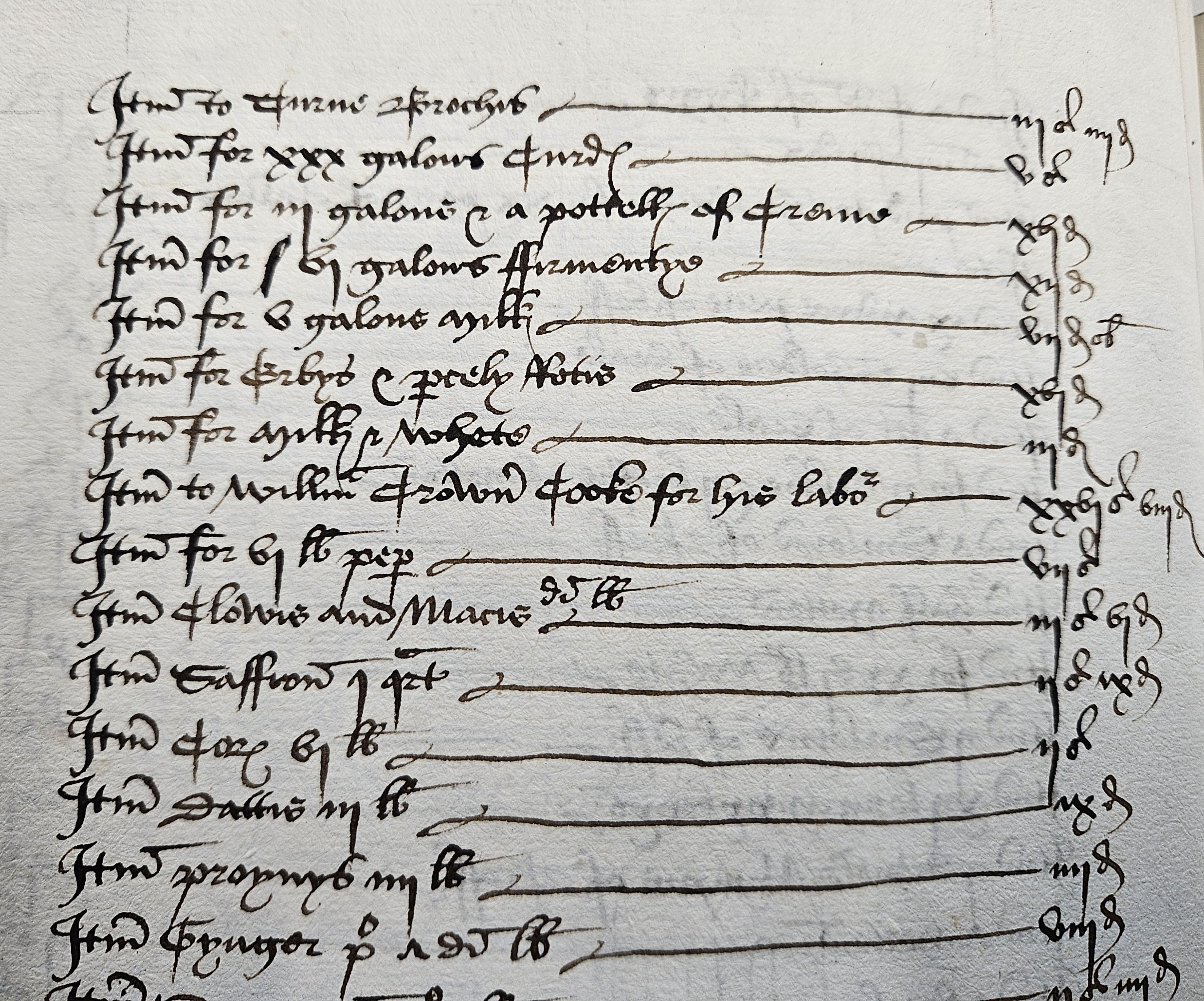
We talk about the history of the library and how it got some of its collections such as the Elizabeth David collection, but also some of the lesser known ones such as the Robert Miller collection, the splendiferous feast put on for James I by the Merchant Tailors, the importance of the author’s voice when it comes to writing popular cookery books, Hannah Glasse’s sauerkraut, and Elizabeth David’s Fanny Cradock avoidance techniques, amongst many other things.

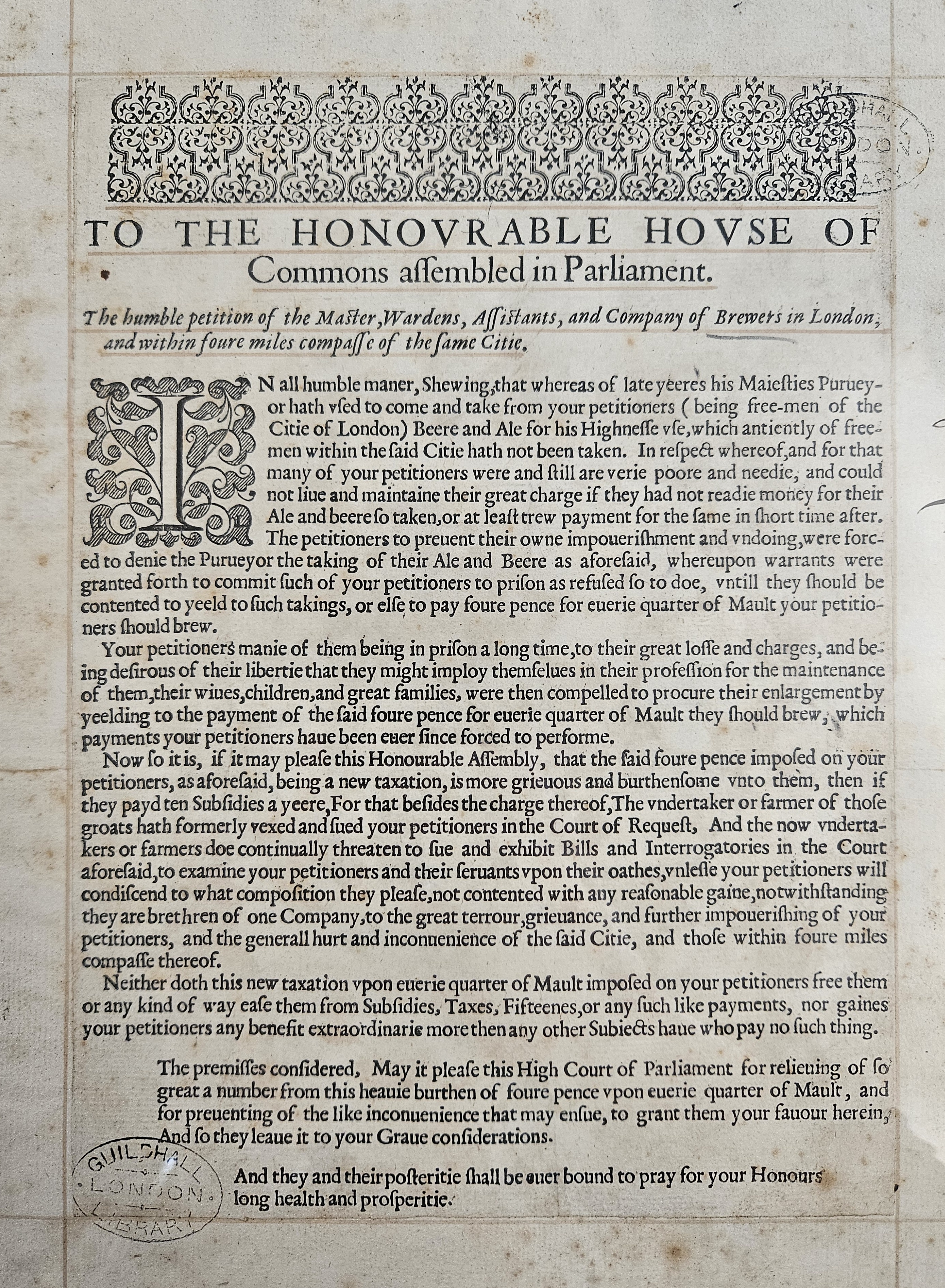
Those listening to the secret podcast get some bonus material where we discuss the Hannah Glasse recipes that don’t work, the Worshipful Company of Brewers, poisonous pears in pewter pots and more.

The British Food History Podcast is available to follow and download on all podcast apps. Alternatively, you can listen to this episode via this Spotify embed:
The Guildhall Library

Insatiable Appetites, Eating Out in Georgian London by Peter Ross

Peter will be at the Chalke History Festival on 27 June 2024 talking about Georgian Feasting

Season 10 of the podcast is sponsored by Netherton Foundry, makers of high-quality kitchen and outdoor cookware. Netherton Foundry ships to several countries outside of the UK, including the USA and Canada. Visit www.netherton-foundry.co.uk to find out more about their wonderful products – approved not just by me but by folk such as Tom Parker-Bowles, Diana Henry and Nigella Lawson.

The mixing and sound engineering were done by Thomas Ntinas of The Delicious Legacy podcast

If you can, support the podcast and blogs by becoming a £3 monthly subscriber, and unlock lots of premium content, including bonus blog posts and recipes, access to the easter eggs and the secret podcast, or treat me to a one-off virtual pint or coffee: click here.


Things mentioned in today’s episode

The Guildhall Library Collections

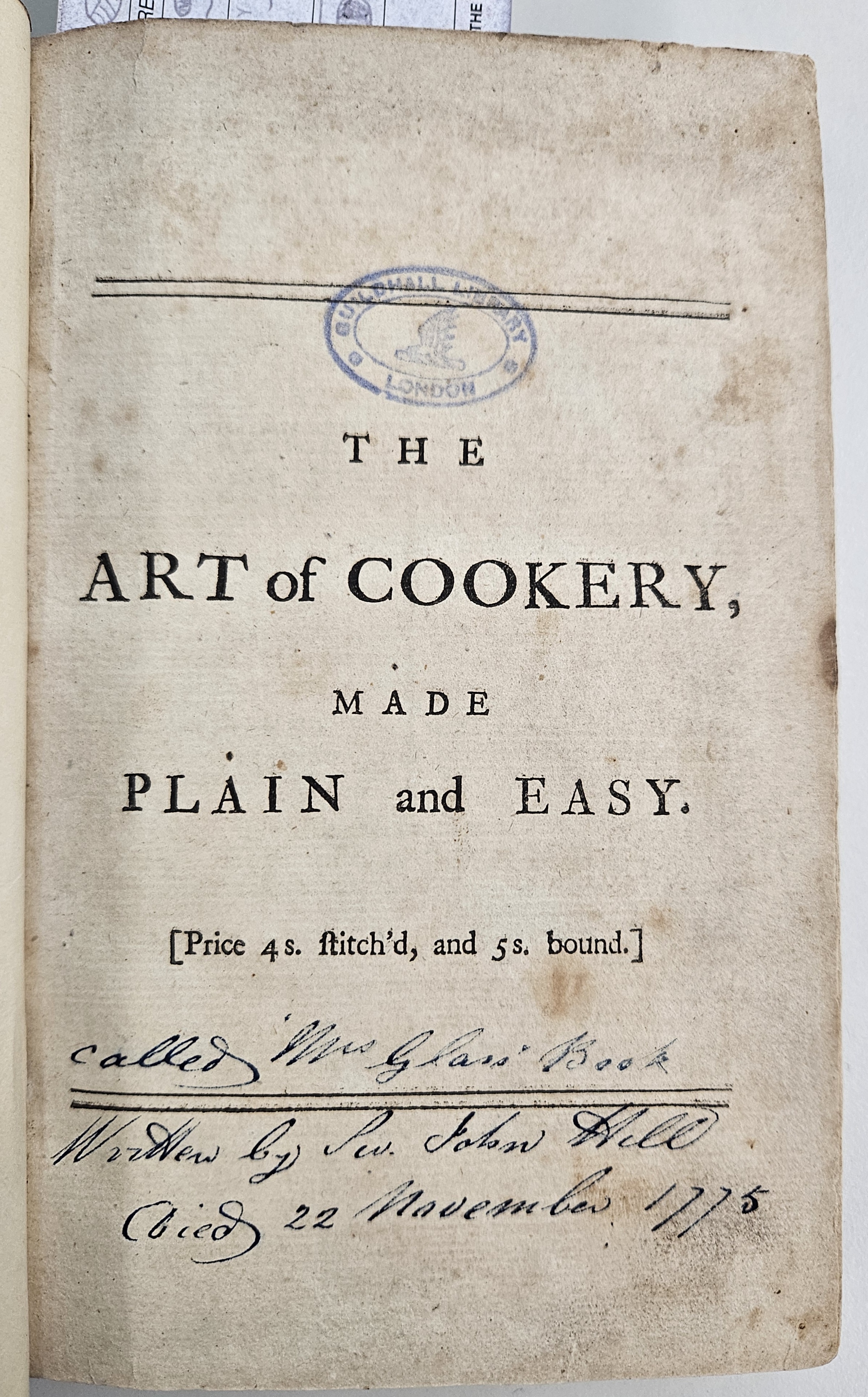
The Art of Cookery Made Plain and Easy by Hannah Glasse

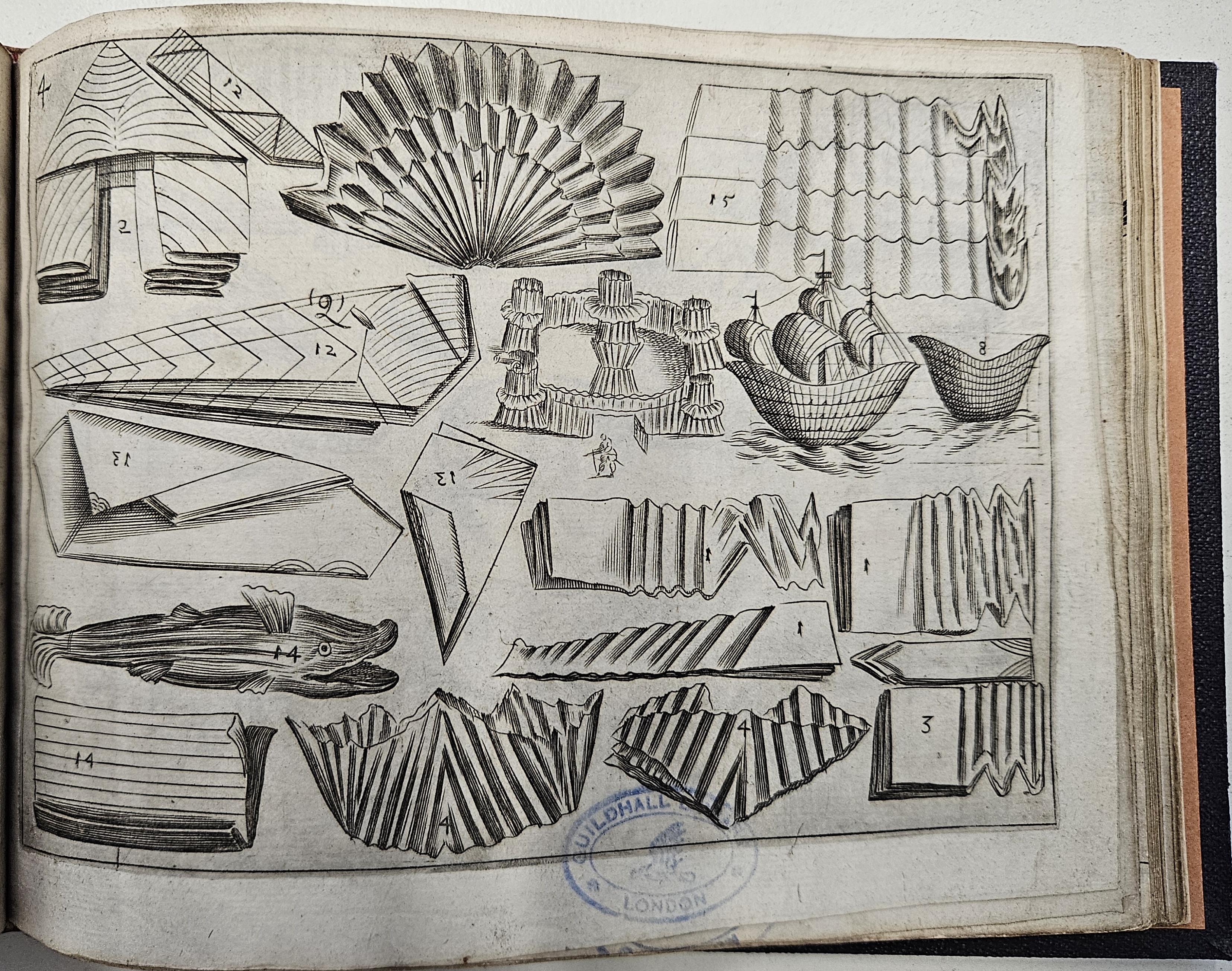
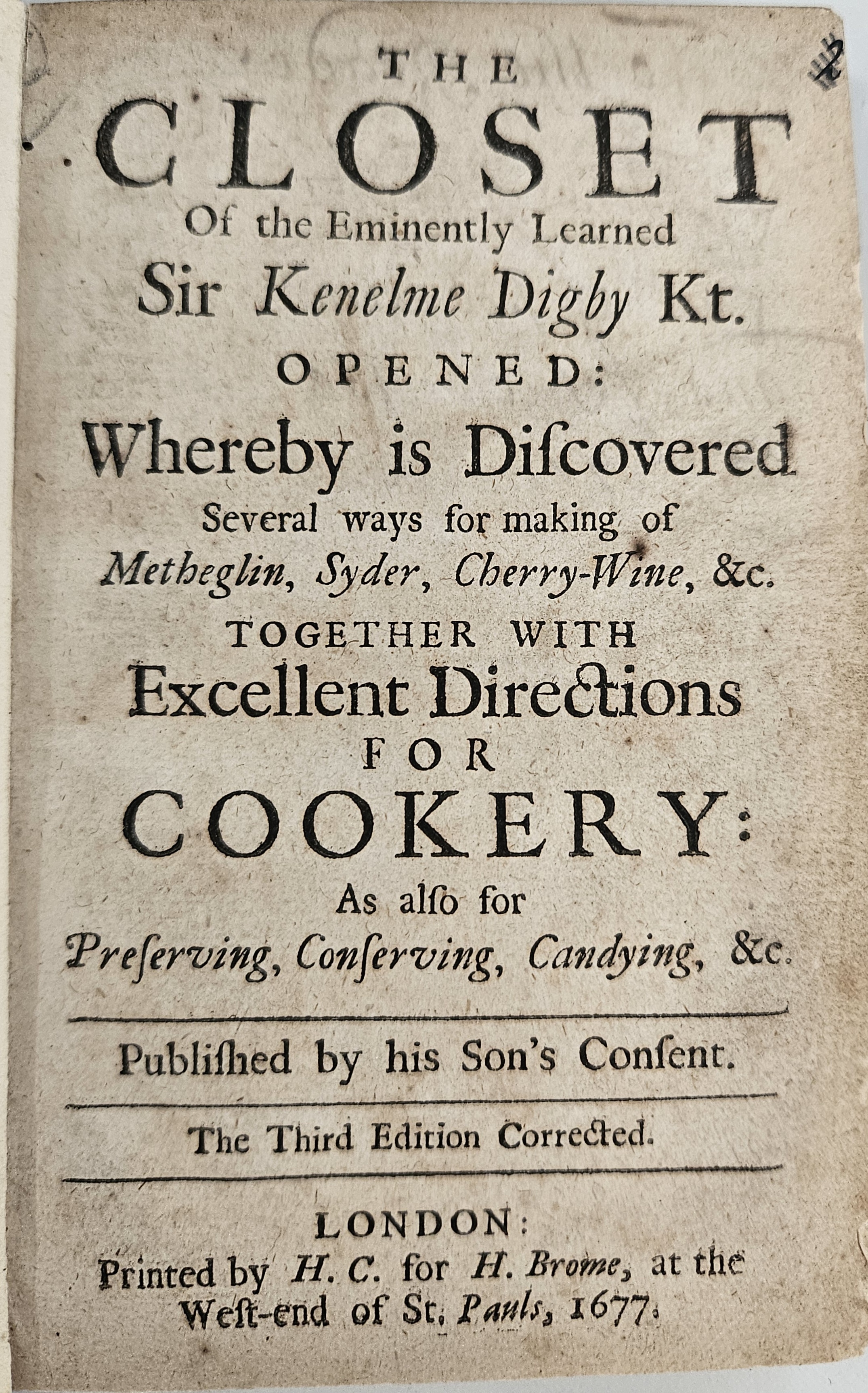
The Closet of the Eminently Learned Sir Kenelme Digby kt. Opened

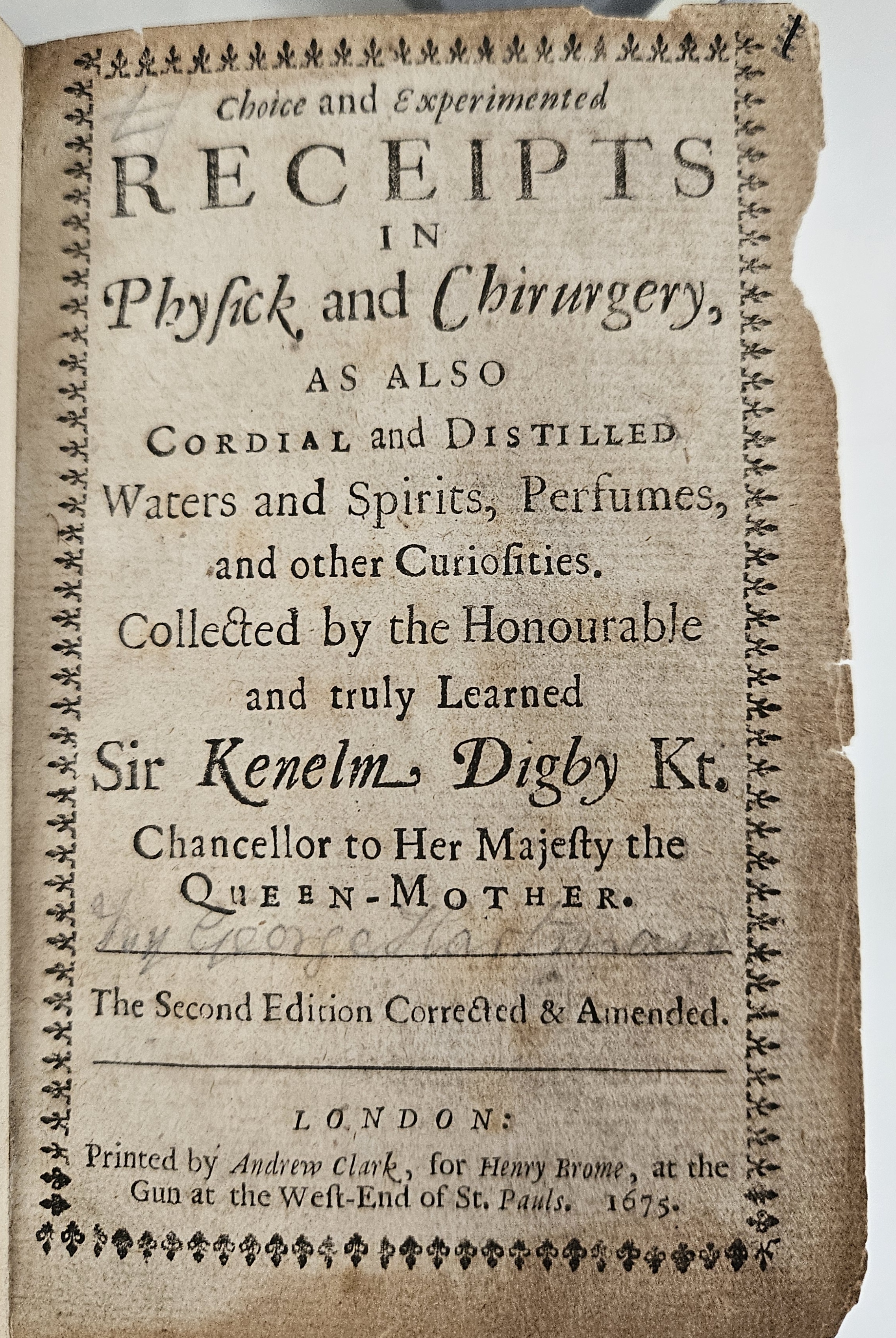
Choice and experimented receipts in physick and chirurgery by Kenelm Digby

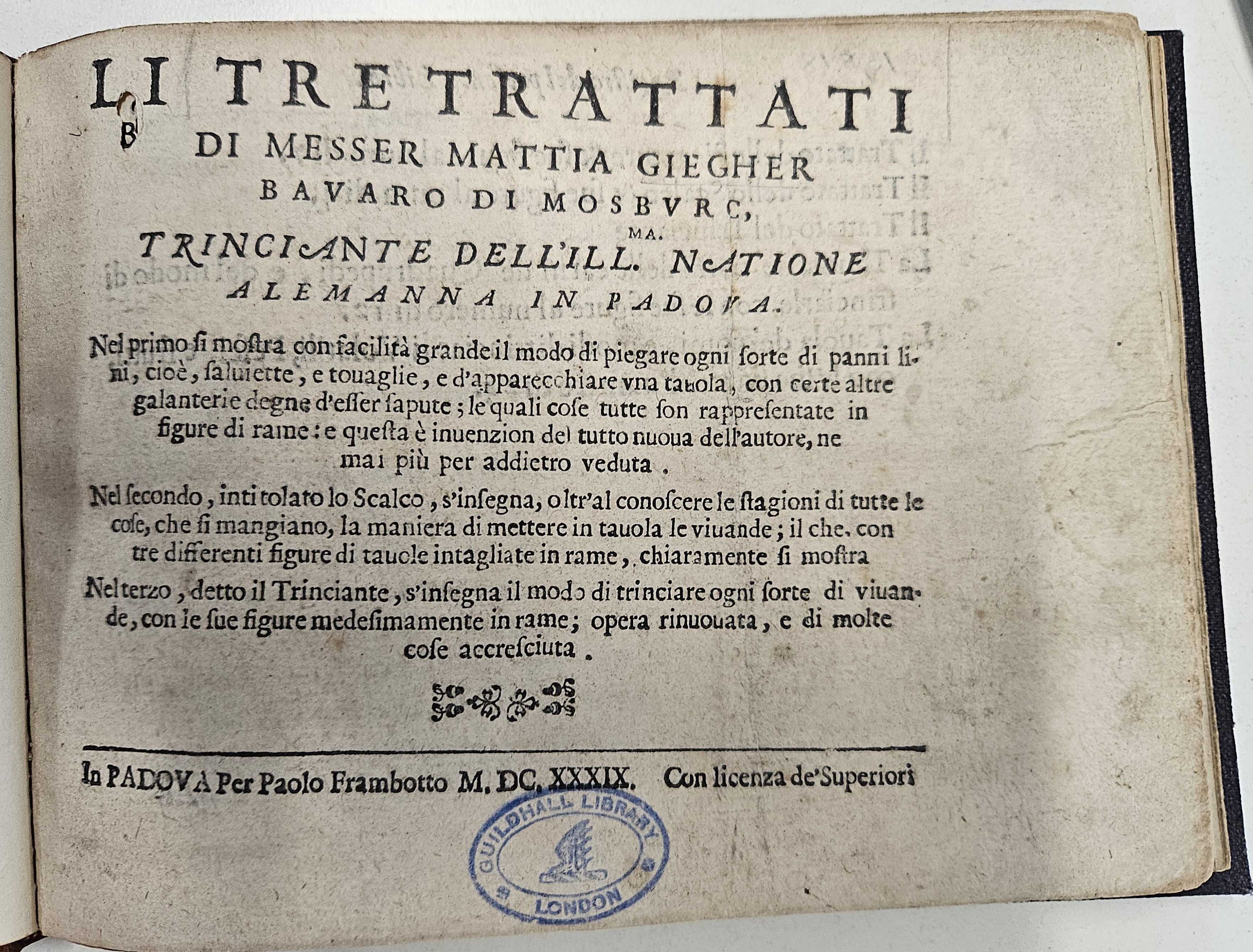
Li tre trattati on Abebooks for a mere £12,500

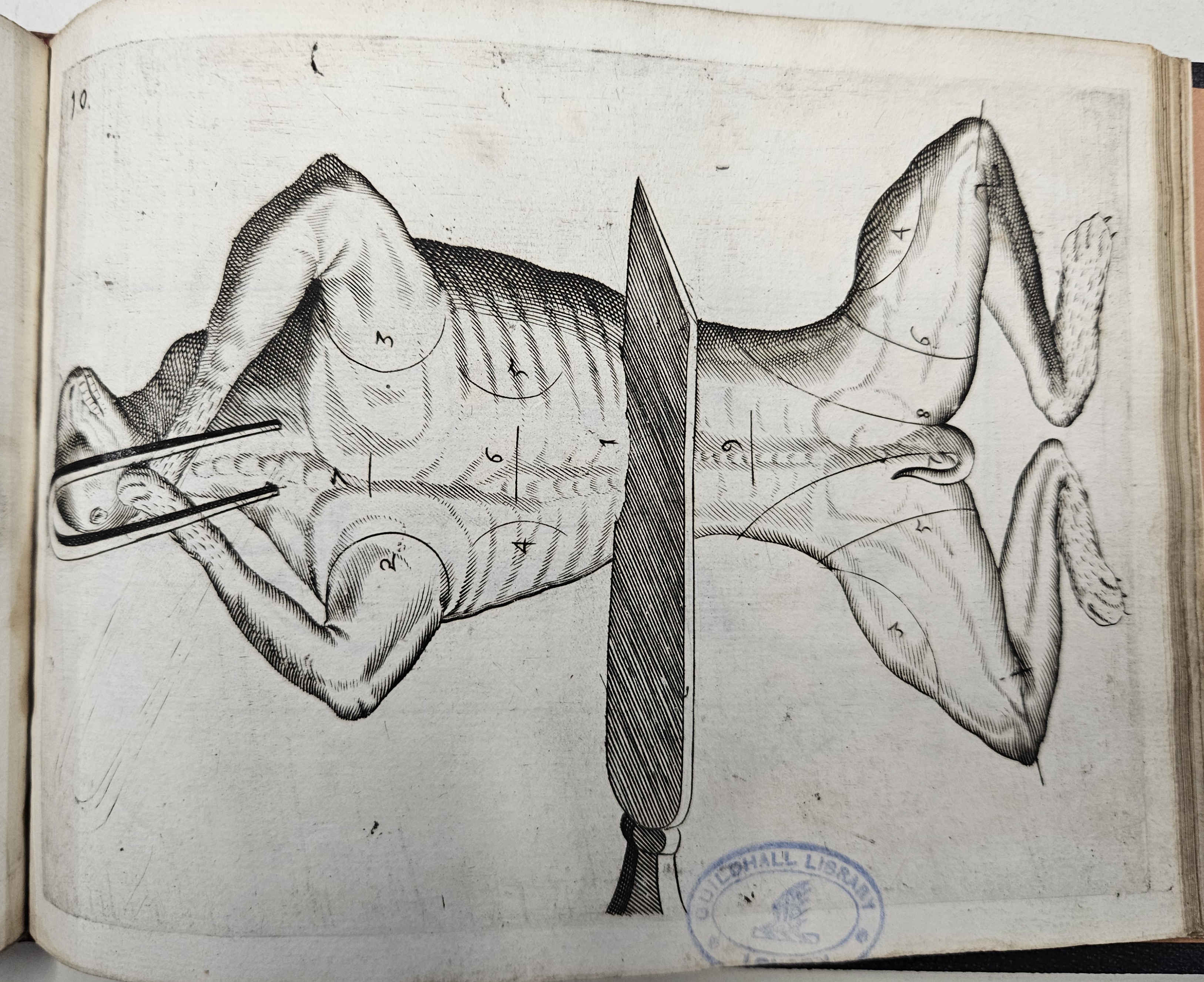
A Creative List of Meat Carving Terms from the Middle Ages

Previous pertinent podcast episodes

Eating Out in Georgian London with Peter Ross

Fanny Cradock with Kevin Geddes

Early Television Cookbooks and Tie-ins with Kevin Geddes

The English Table with Jill Norman

50 Years of ‘English Food’ by Jane Grigson with Sam Bilton, Annie Gray, Ivan Day & Jill Norman

18th Century Female Cookery Writers with the Delicious Legacy Podcast

Previous pertinent blog posts

Charles Darwin and the Owl

Neil’s blogs and YouTube channel

‘British Food: a History’

The British Food History Channel

‘Neil Cooks Grigson’

Neil’s books

Before Mrs Beeton: Elizabeth Raffald, England’s Most Influential Housekeeper

A Dark History of Sugar

Knead to Know: a History of Baking

The Philosophy of Puddings

Don’t forget, there will be postbag episodes in the future, so if you have any questions or queries about today’s episode, or indeed any episode, or have a question about the history of British food please email me at neil@britishfoodhistory.com, or leave a comment.

You can also join the British Food: a History Facebook discussion page: https://www.facebook.com/groups/britishfoodhistory
Leave a comment

Filed under Books, Britain, cooking, food, General, history, Uncategorized

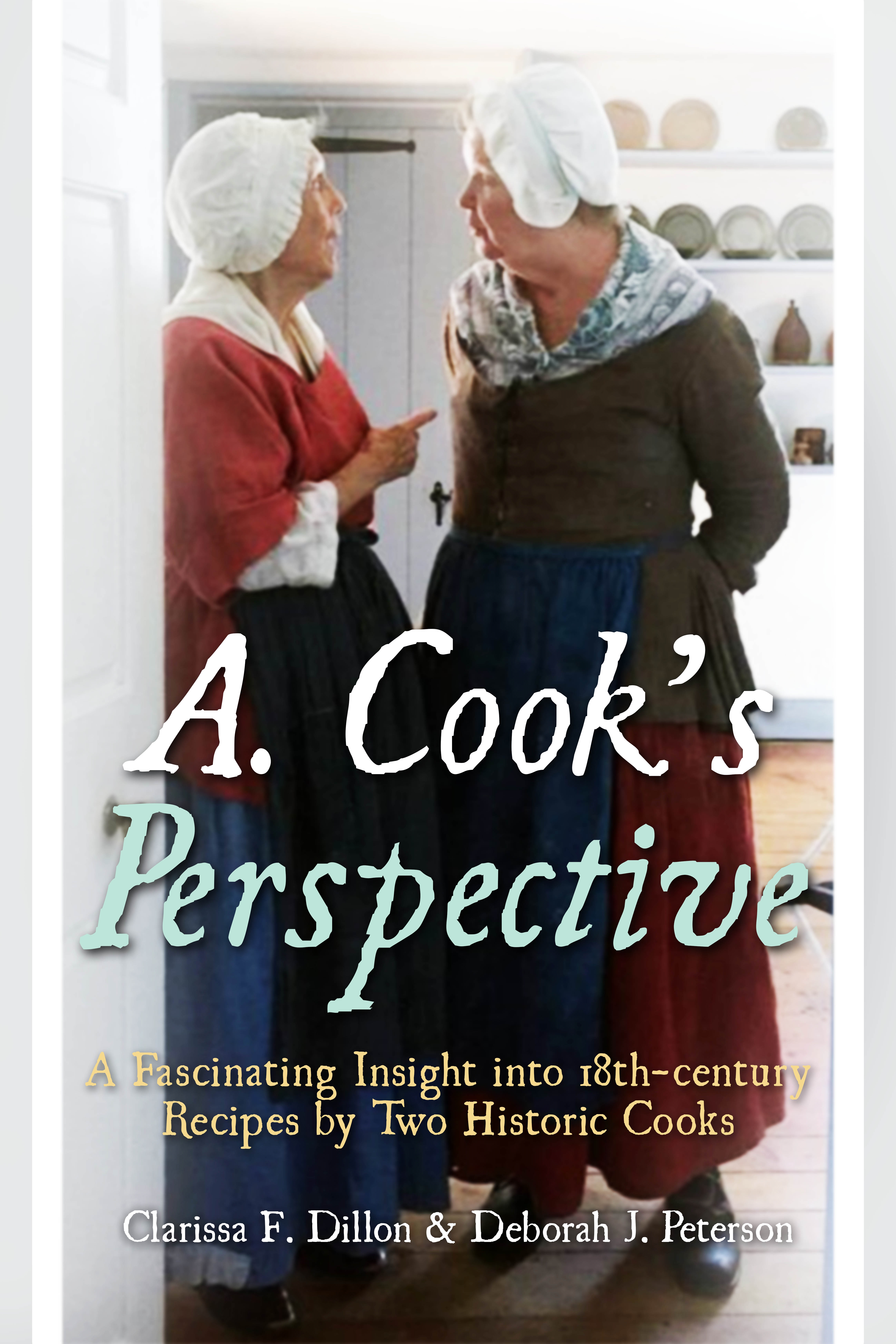
Book review: A. Cook’s Perspective by Clarissa F. Dillon & Deborah J. Peterson

A. Cook’s Perspective is an investigation into the work of the rather obscure and eccentric 18th-century cook and cookery writer Ann Cook, her methods and her infamous hatred of the popular cookery writer, and her contemporary, Hannah Glasse and her book The Art of Cookery Made Plain and Easy. The book is essentially a transcript of Cook’s Professed Cookery garnished liberally with comments and insights into Ann and Hannah’s recipes, their cooking methods as well as Ann’s state of mind. The book is authored by experienced food historians and historical cooks Clarissa F. Dillon and Deborah J. Peterson who investigate Cook’s spleen-venting by cooking her and Hannah’s recipes to understand whether Cook’s vitriolic take-down of Glasse has any grounding.

A. Cook’s Perspective is a very useful book – firstly because it’s an edited transcription of Cook’s work (including her bizarre preface which attacks Hannah Glasse in rhyming couplets and long-form poetry) which is very handy for those who prefer to read a book over a digitised PDF. But the book adds so much more than that because Dillon and Peterson really get to work on fact-checking and inspecting the minutiae of Cook’s methodologies by making the recipes themselves – and it’s a mixed bag, sometimes landing in favour of Cook, other times Glasse. Their work also exposes Mrs Cook as a vindictive, petulant, embittered woman, and it gives this reader more insight into the bizarre one-sided acrimony (it is unknown whether Hannah Glasse ever met, or even knew, Ann Cook) which I had previously thought was generally in agreement of Cook’s assessment. The reality is – as usual – much more complex. Having a physical book in my hand allowed me to read Cook’s work more closely (something difficult to do when reading digitised texts online), and it shed light on the evolution and pedigree of some dishes. For example, I spotted elements of Cook’s recipe ‘To make a White Fricassey of Rabbets’ in Elizabeth Raffald’s recipe ‘Rabbits Surprized’, a dish I thought to be totally unique to Raffald.

Dillon and Peterson’s approach of writing comments beneath original prose is a good one: it helps us to understand how some recipes work, and how the writers go about interpreting them. They also demonstrate the importance and benefit of cooking the recipes oneself, rather than simply reading them. There are several occasions too where the authors are at a loss as to Ann’s meaning or point in some of her comments, many of which seem to be nonsensical or simply ‘whining’. By criticising Ann Cook’s own criticisms we do glean an extra layer of understanding of 18th-century cooking.

As someone with an interest in the cookery writers of the 18th century, I would have liked to have seen the introduction, i.e. the backstory, fleshed out a lot more: the two ladies’ biographies, achievements and inter-relatedness. Photos of the food would have helped bring the dishes to life, as would some images, say contemporary artwork, of 18th-century foods being served or prepared.

Overall, A. Cook’s Perspective is a worthy addition to the home library of anyone interested in 18th-century cookery because it provides us with practical knowledge of cooking at this point in history, but it also gives us an almost voyeuristic view of Ann Cook’s psyche and her deep-seated, intense dislike of a cookery icon at a time when the personal thoughts and feelings of female cookery writers are so rarely captured.

A. Cook’s Perspective: A Fascinating Insight into 18th-century Recipes by Two Historic Cooks by Clarissa F. Dillon & Deborah J. Peterson is out now and is published by Brookline Books.


If you like the blogs and podcast I produce and would to start a £3 monthly subscription, or would like to treat me to virtual coffee or pint: follow this link for more information. Thank you.


1 Comment

Filed under Books, Britain, cooking, Eighteenth Century, food, General, history

Mulled Wine

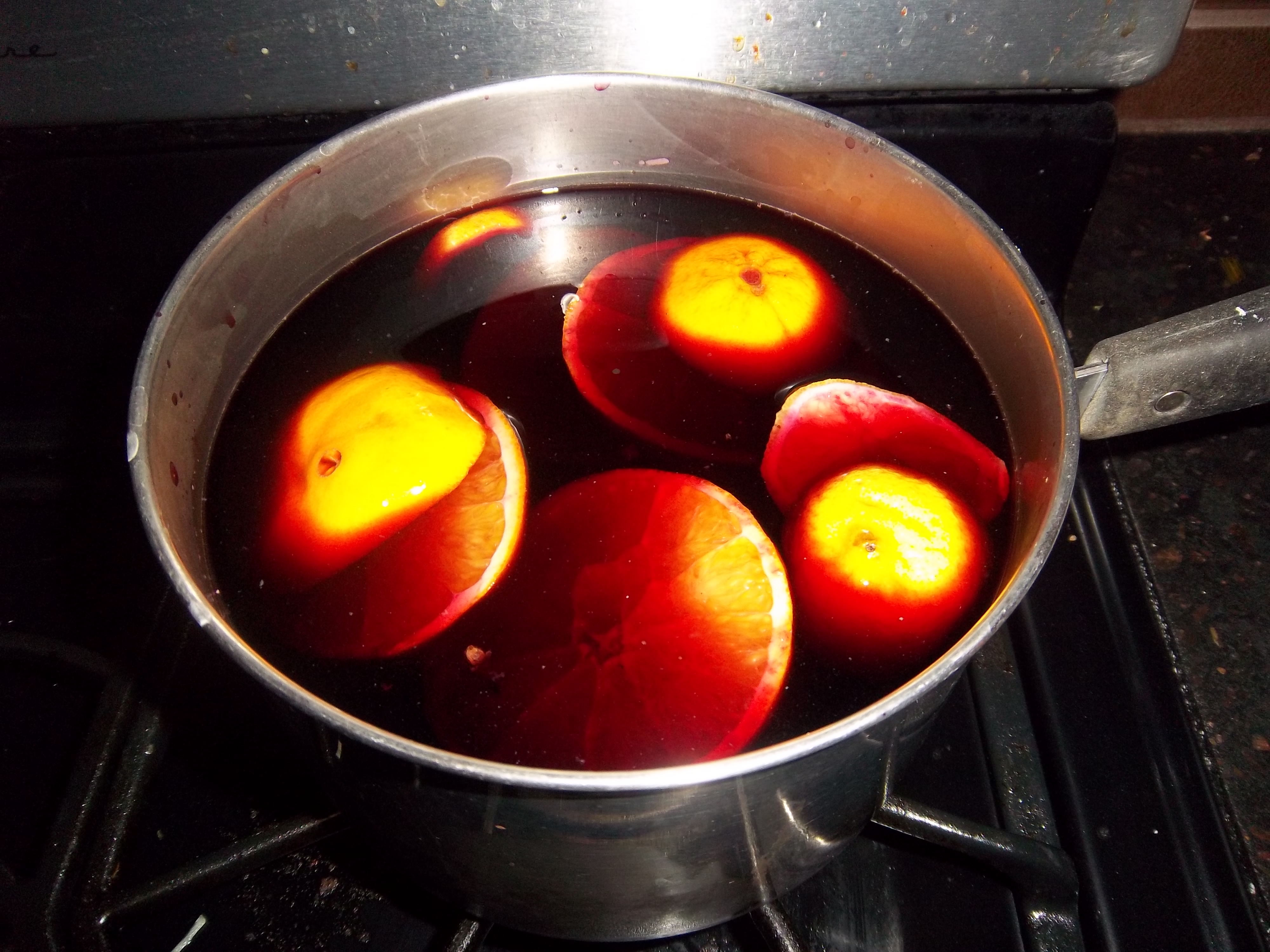
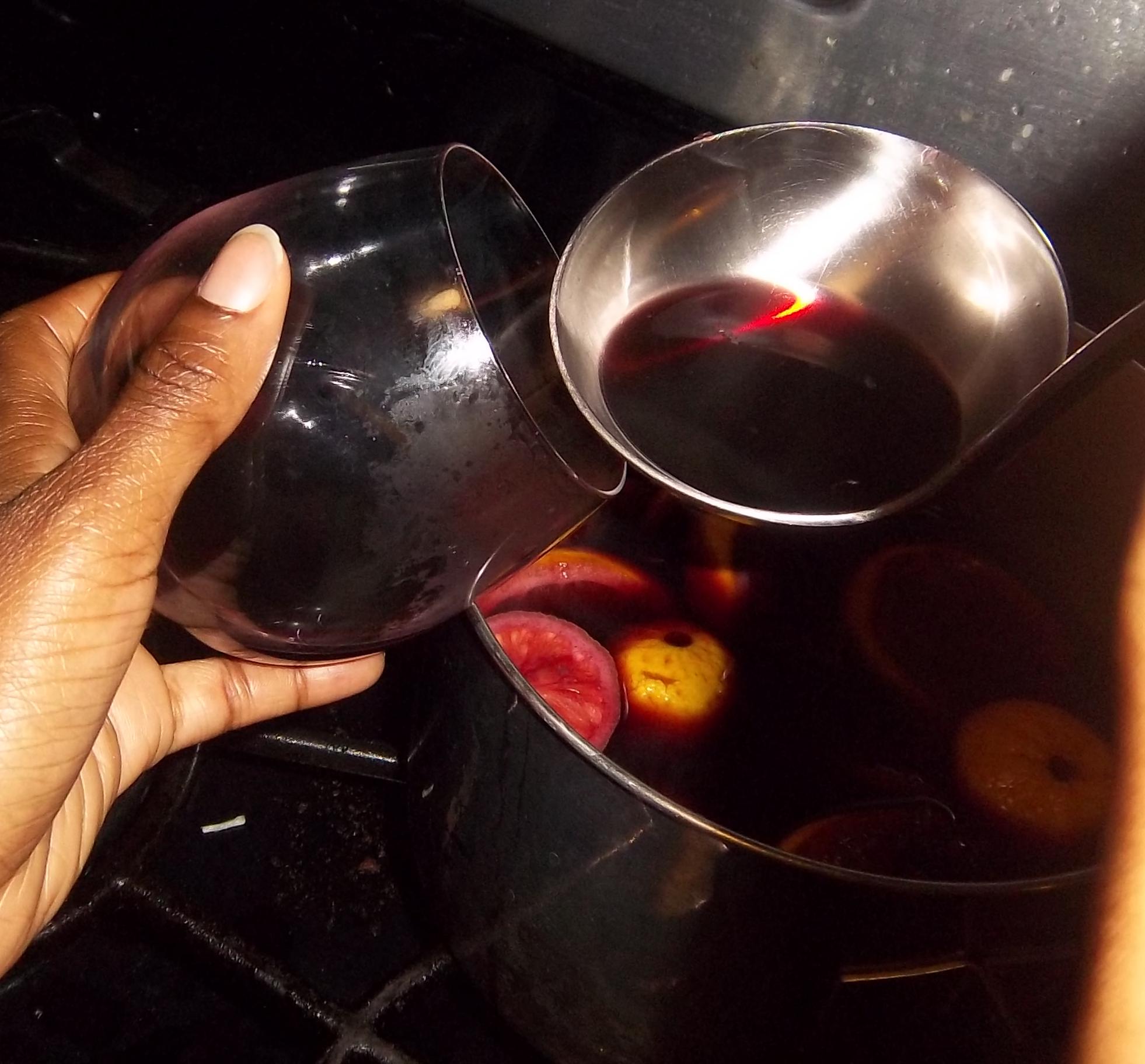
There is nothing better to warm your cockles during Christmastime than a bit of mulled wine. If you have never tried it or heard of it, then you are certainly missing out on something. Mulled wine is essentially hot, sweetened red wine made aromatic with the addition of citrus fruits and warming spices such as cloves, cinnamon and nutmeg. It’s history goes right back to the Ancient Greeks.

Before mulled wine was the drink hippocras, which was supposedly invented by the Greek scientist and Father of Medicine, Hippocrates. The idea being that it was something of a tonic. The wine was either red or white and not necessarily hot either, but it was spiced and sweetened with honey. In Britain, the drink was very popular and there are several recipes for it. Here’s one from The Good Housewife’s Jewel by Thomas Dawson (1596):

To make Hypocrace

Take a gallon of white wine, sugar two pounds, of cinnamon, ginger, long pepper, mace not bruised galingall [sic]…and cloves not bruised. You must bruise every kind of spice a little and put them in an earthen pot all day. And then cast them through your bags two times or more as you see cause. And so drink it.

Not heating it up obviously meant you had plan a little ahead if you wanted to have a few goblets of hippocras at your Tudor feast.

By the seventeenth century, mulled wine recipes start to appear such as this eighteenth century recipe from Elizabeth Raffald in The Experienced English Housekeeper:

Grate half a nutmeg into a pint of wine and sweeten it to your taste with loaf sugar. Set it over the fire and when it boils take it off to cool. Beat the yolks of four eggs exceedingly well, add to them a little cold wine, then mix them carefully with your hot wine a little at a time. Then pour it backwards and forwards several times until it looks fine and bright. The set it on the fire and heat it a little at a time for several times till it is quite hot and pretty thick, and pour it backwards and forwards several times. Then send it in chocolate cups and serve it with dry toast cut in long narrow pieces.

It is strange that the Tudor recipe actually seems more like modern mulled wine that the newer one.


If you like the blogs and podcast I produce, please consider treating me to a virtual coffee or pint, or even a £3 monthly subscription: follow this link for more information.


Well here is my recipe for mulled wine – it is difficult to add quantities as you add most things to taste. It is also quite difficult to give an official list of ingredients; you can add any warm spice you like really (I expect a blade of mace would be an excellent addition, though I have never tried it), so this recipe is more a guideline than anything.

Ingredients

2 bottles of red wine, good but not great

¼ pint of brandy

½ pint of water

2 oranges, sliced

1 lemon, sliced

2 sticks of cinnamon

½ a nutmeg broken into several pieces

5 cloves

at least 4 tablespoons sugar

In a large saucepan, add all the ingredients and slowly heat the wine, stirring every now and again to dissolve the sugar and get the flavours dispersed.

It is important not to let the mulled wine boil as the alcohol will evaporate and we don’t want that. Taste, and add more brandy, sugar or water if you think it needs it. Keep the mulled wine on the lowest heat possible to keep warm and ladle into mugs or glasses.

5 Comments

Filed under Christmas, Eighteenth Century, food, history, Recipes, Sixteenth Century, Uncategorized