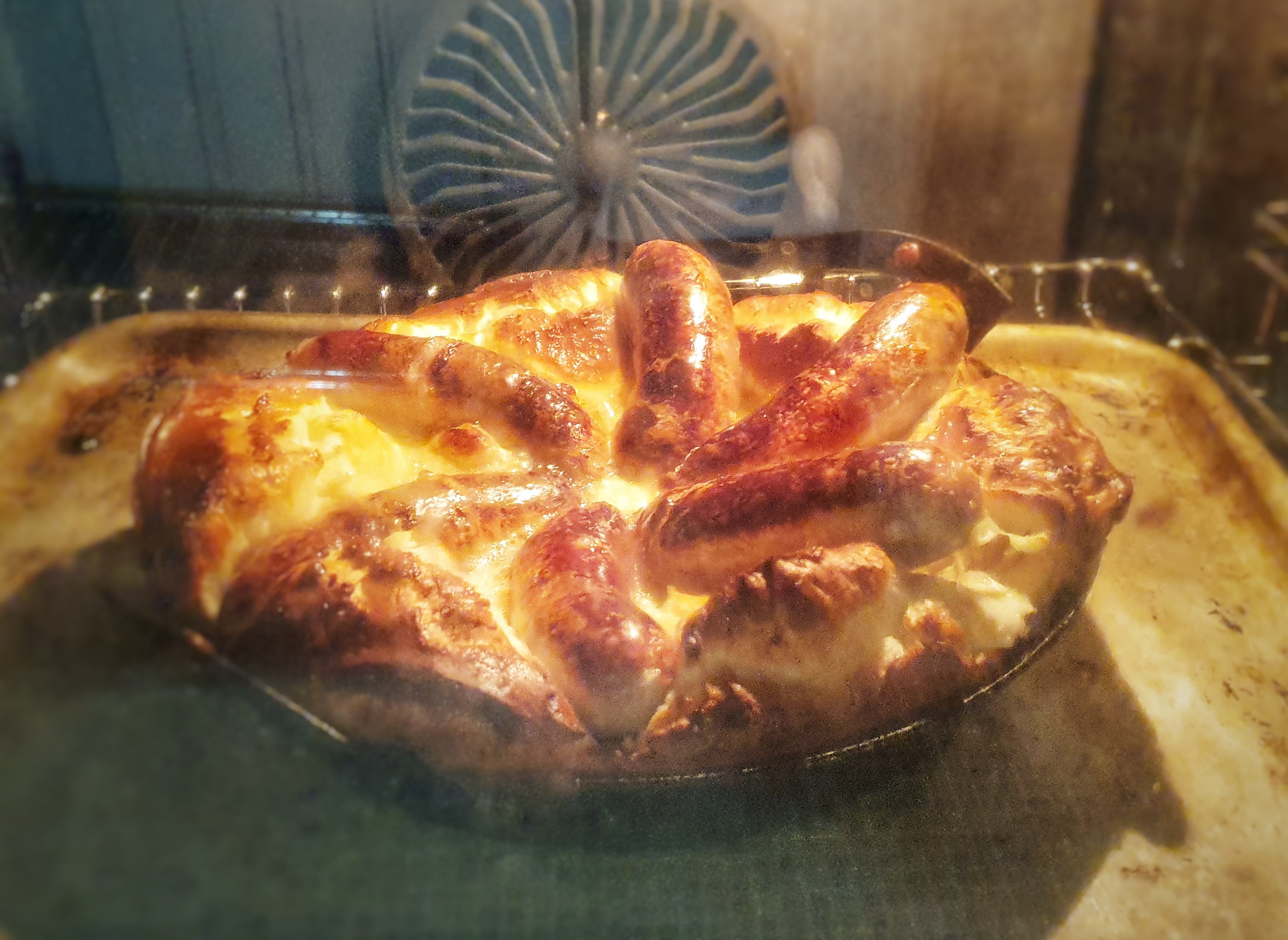
Tag Archives: meat

Chicken Balmoral

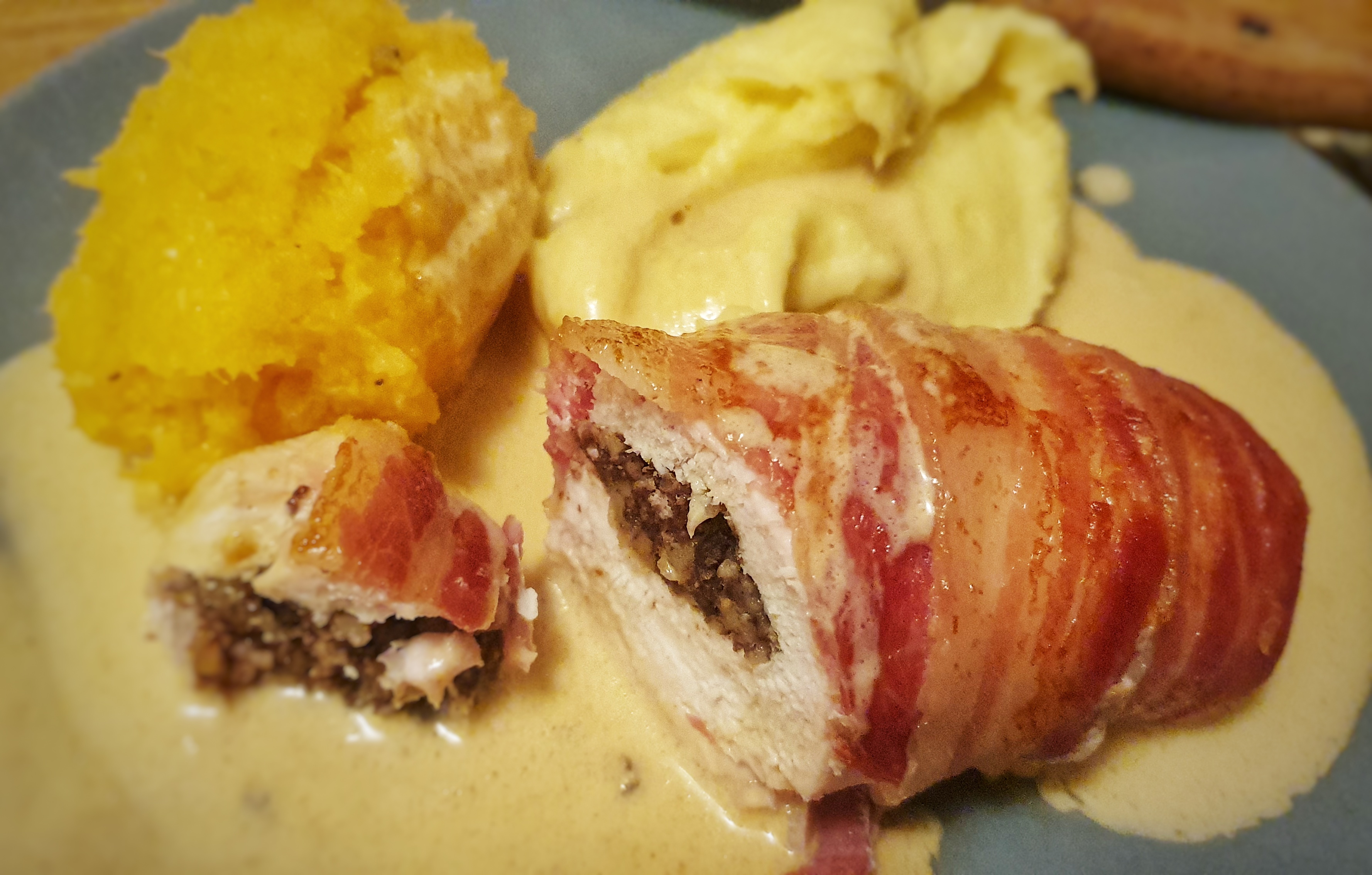
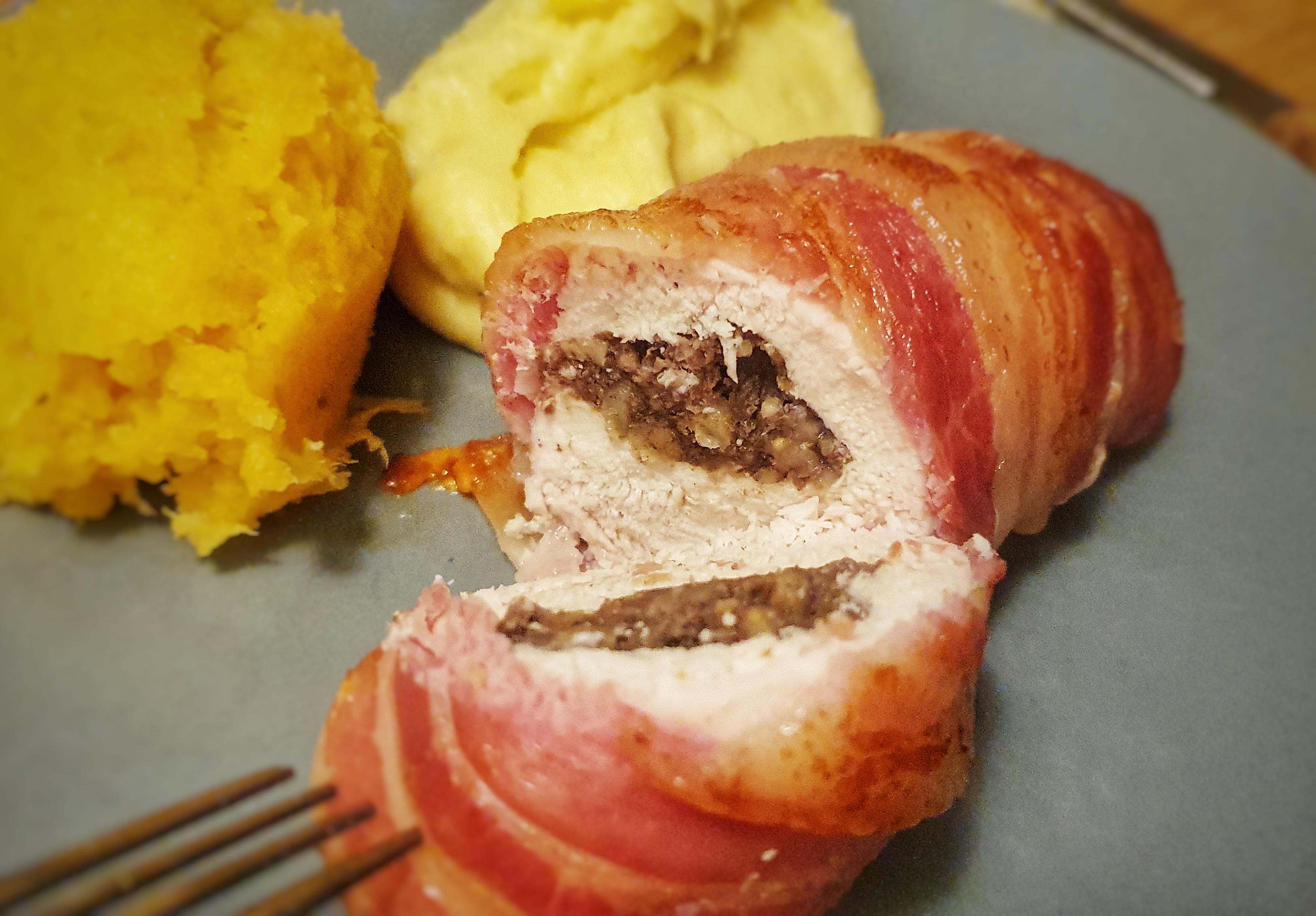
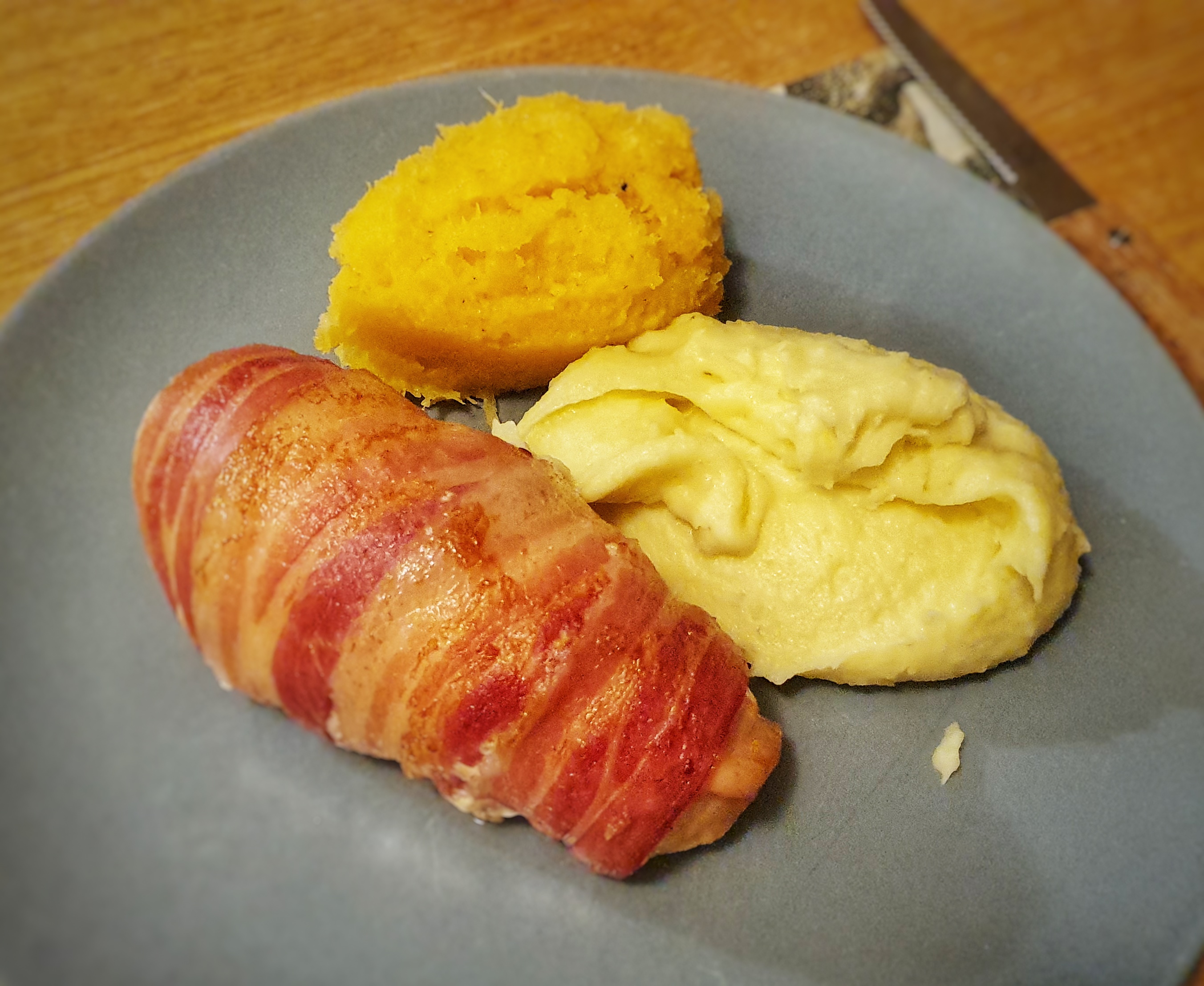
Chicken Balmoral is a modern British classic: a chicken breast stuffed with haggis, wrapped in bacon and then either oven-roasted or pan-fried. It’s served with a rich whisky cream sauce. You can’t stuff a great deal of haggis into a chicken breast, so I find it a great way of using up leftover haggis after a Burns supper. It’s also a great dish to serve up to those uninitiated in the pleasures of the Chieftain of the Pudding Race.

If you want to know more about Robert Burns, the first Burns suppers and the history of this haggis, listen to the first part of my two-part Burns Night specials on The British Food History Podcast:

Despite its name, chicken Balmoral isn’t particularly old; it sounds like it should be Victorian, it being named after Queen Victoria’s beloved Balmoral Castle, nestled in the beautiful Cairngorms. But, no, it is most definitely a 20th-century invention – the earliest mention I could find of a dish called chicken Balmoral is in the 1928 publication A Book of Empire Dinners (published by the Empire Marketing Board of Great Britain), but it is only a mention, not a description.1 It is also conspicuous by its absence from F. Marion McNeill’s The Scot’s Kitchen, which certainly tells us something about its position in traditional Scottish cuisine.2 As Ben Mervis put it in The British Cook Book ‘[it] seems a little too cute – a little too on the nose – to be a truly traditional Scottish dish.’3

Ben came on the podcast to talk about The British Cook Book. Stream it via this embed.

It seems to me that it is a dish created for restaurant service; the use of a prime cut, the fact that most of the prep can be done well ahead of time, and that there is next to no waste, all certainly point to the fact. It does, however, make chicken Balmoral an excellent dish for a dinner party. You won’t be slaving over a hot stove making this meal, that’s for sure.          


If you like the blogs and podcast I produce, please consider treating me to a virtual coffee or pint, or even a £3 monthly subscription, where you will receive access to the secret podcast, a monthly newsletter and other premium content: follow this link for more information.


Recipe

Chicken Balmoral is “traditionally” served with seasonal vegetables; however, for my version, I chose to eat it with the classic Burns Night supper companions of mashed neeps and tatties – i.e. mashed swede and potatoes.      

Serves four, but it can be very easily proportioned for more or fewer folk.

For the chicken

3 tbs flavourless cooking oil, lard or bacon fat (or a mixture)

Around 160 g leftover haggis

4 chicken breasts

16 rashers of dry-cured streaky bacon

For the whisky sauce

30g butter

½ onion or the white part of a leek, thinly sliced

3 to 4 tbs whisky

150ml very hot chicken stock

100ml double cream

Salt and pepper

Preheat your oven to 200°C. Add the fats and/or oil to a roasting tin and place on the middle shelf to get really nice and hot.

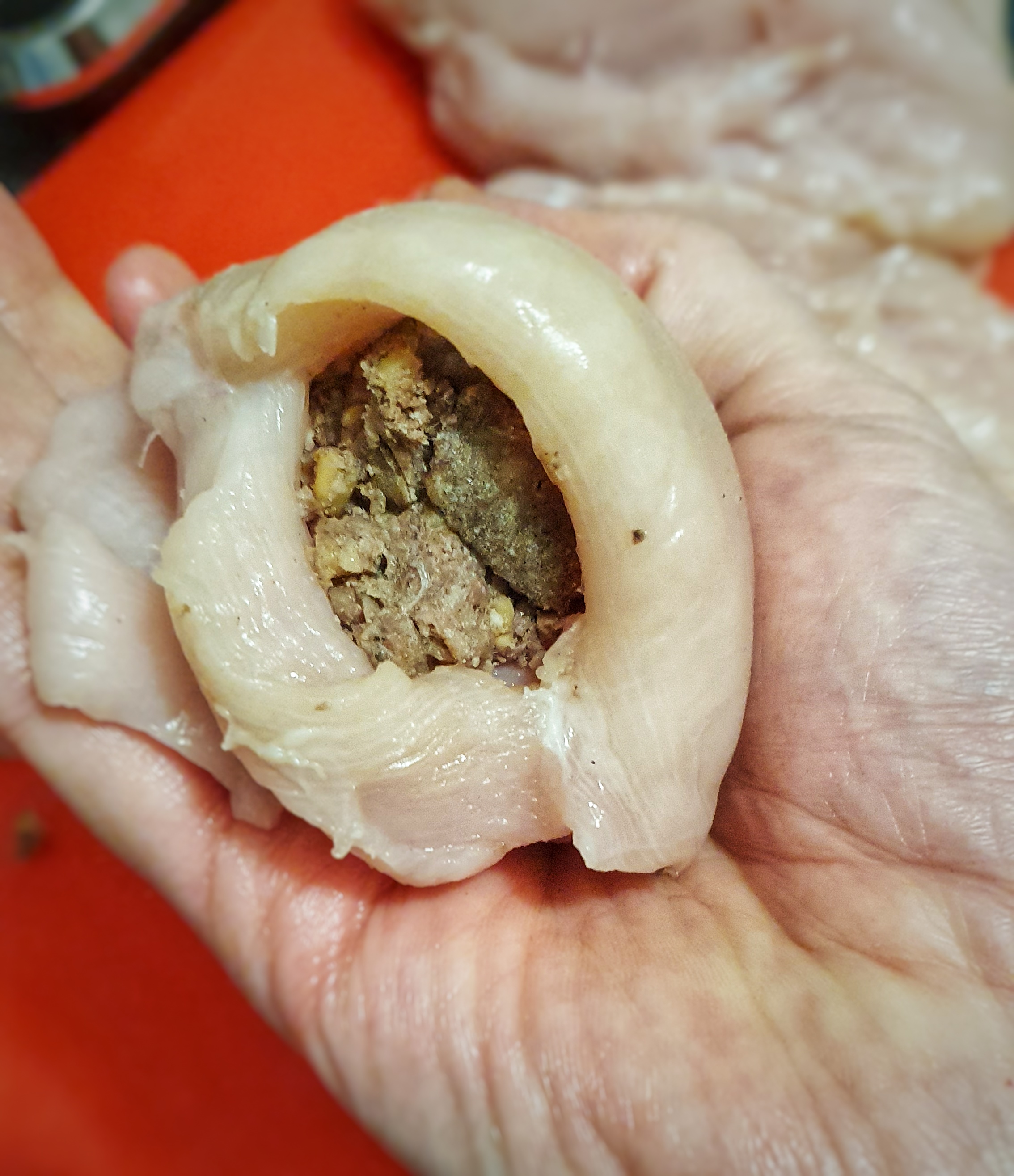
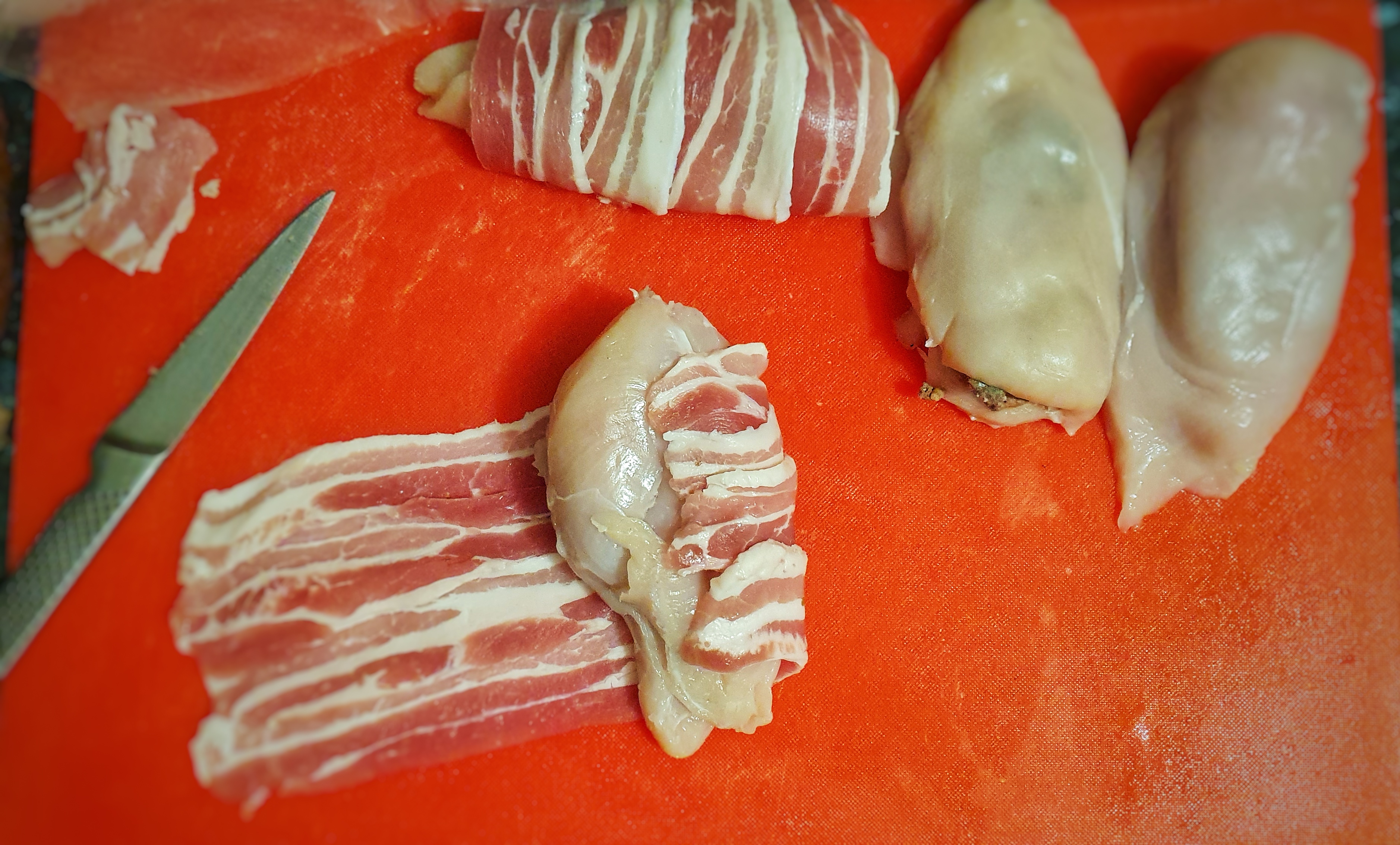
Lay the chicken breasts smooth side down on a chopping board. Move the tender out of the way (it’s sometimes partially attached and can get in the way). Press a breast down firmly with the palm of your hand, and, using a small, sharp, pointed knife, cut into the thick end of the breast as far as you can without puncturing the breast as it tapers toward the end. Widen the hole slightly – it needs to be about 2 centimetres wide at the mouth. Repeat with the other three breasts.

Divide the haggis into four equal pieces and roll each piece into a sausage shape, thin enough to insert into the chicken. Some haggises are quite crumbly, but don’t worry if they are not pliable enough. Use your forefinger to force the haggis into the cuts in the breasts. You might find it easier to break the haggis into smaller pieces.

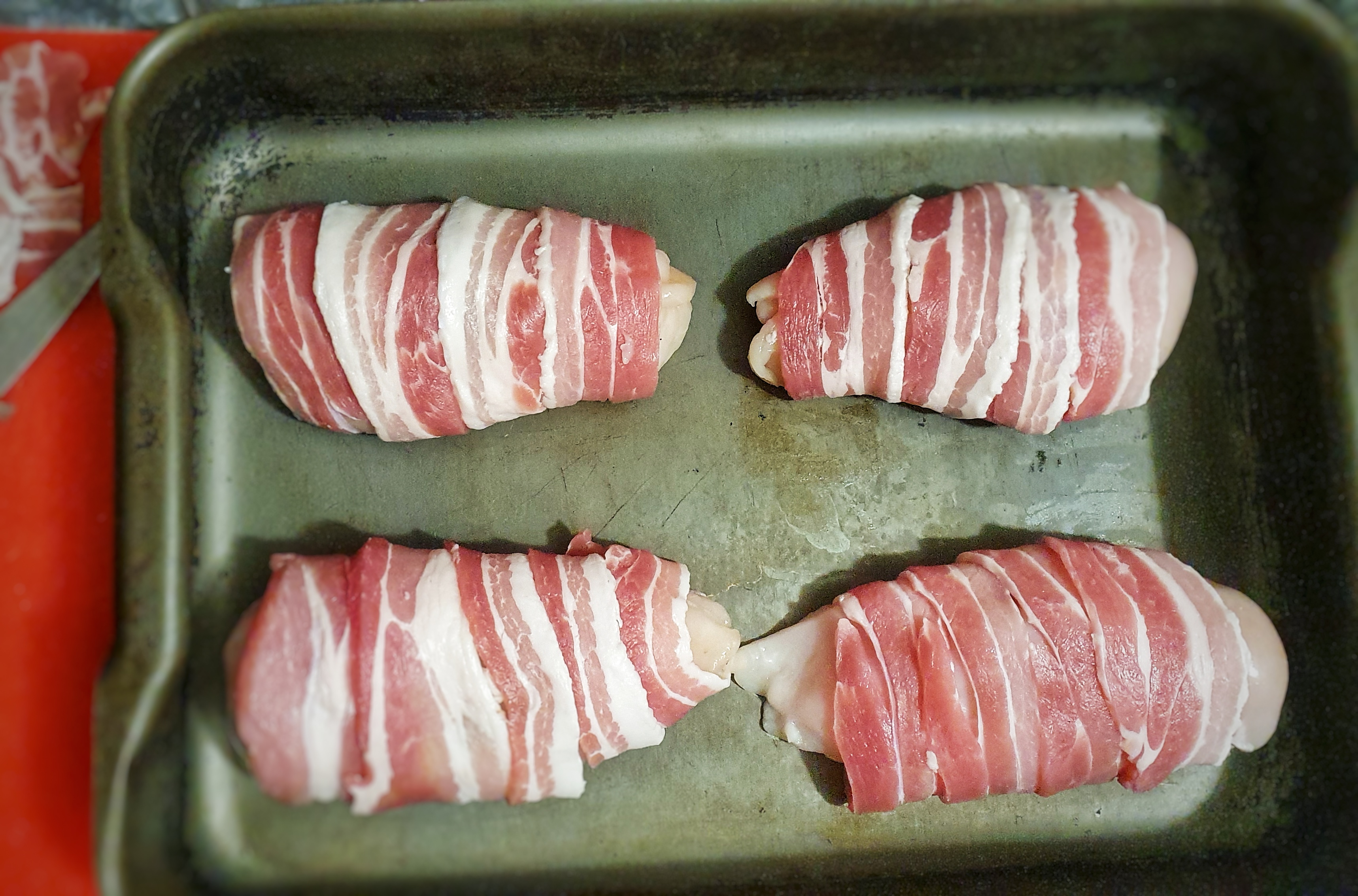
Take four rashers of bacon and lay them across your chopping board lengthways, so that they overlap just slightly. Lay the chicken breast perpendicular to the bacon rashers and roll it up so that the join is underneath the chicken breast. Trim away excess bacon. Repeat with the remaining chicken breasts.

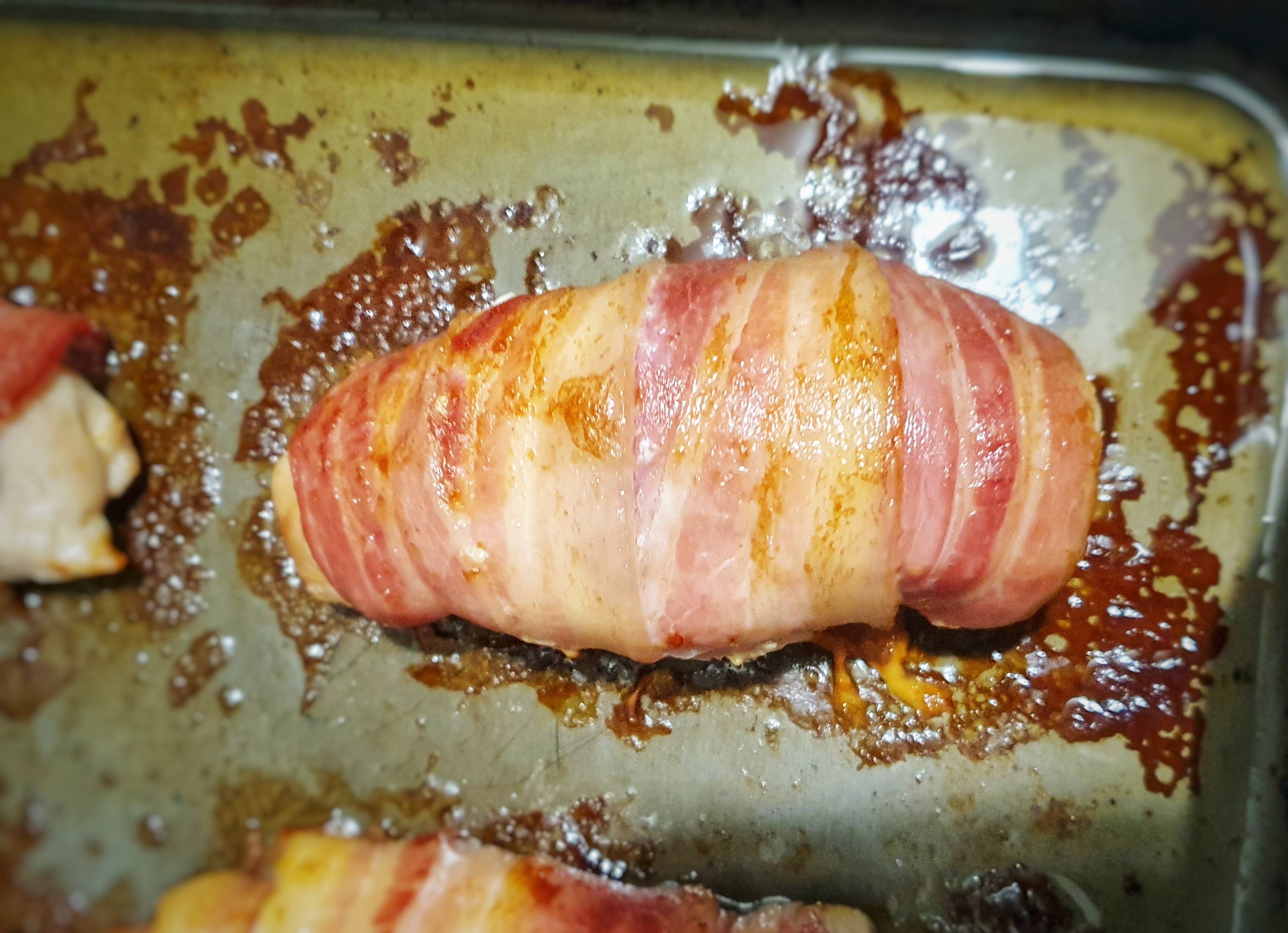
By now, the fat or oil will have become very hot indeed. Take the tin out of the oven (careful!) and sit the breasts in the hot fat, thin ends pointing inwards (this ensures they don’t overcook). Place in the oven for the oven for 30 – 35 minutes, turning it down to 180°C after 15 minutes. Baste at least twice whilst they cook. Remove and allow to rest on a plate.

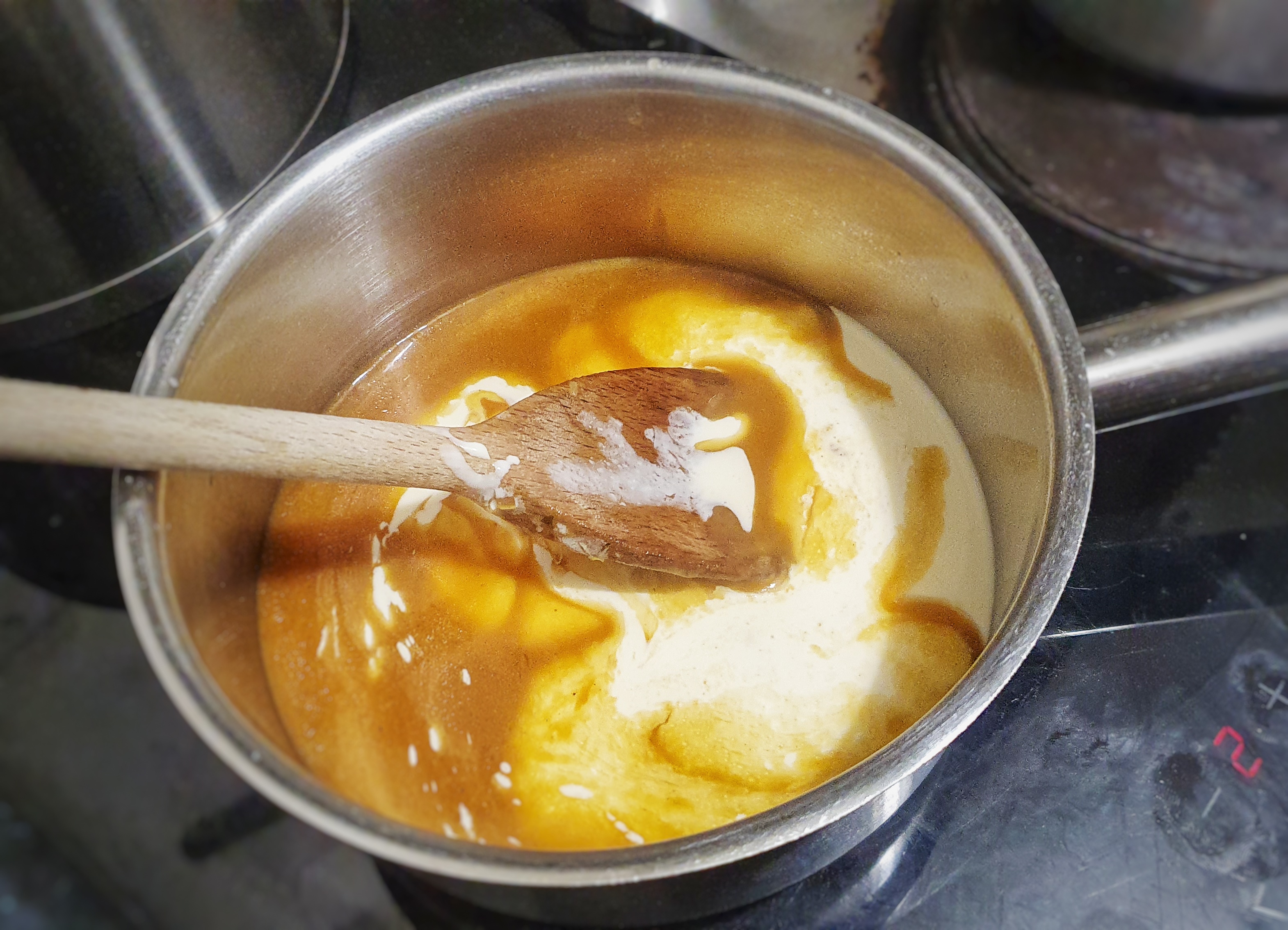
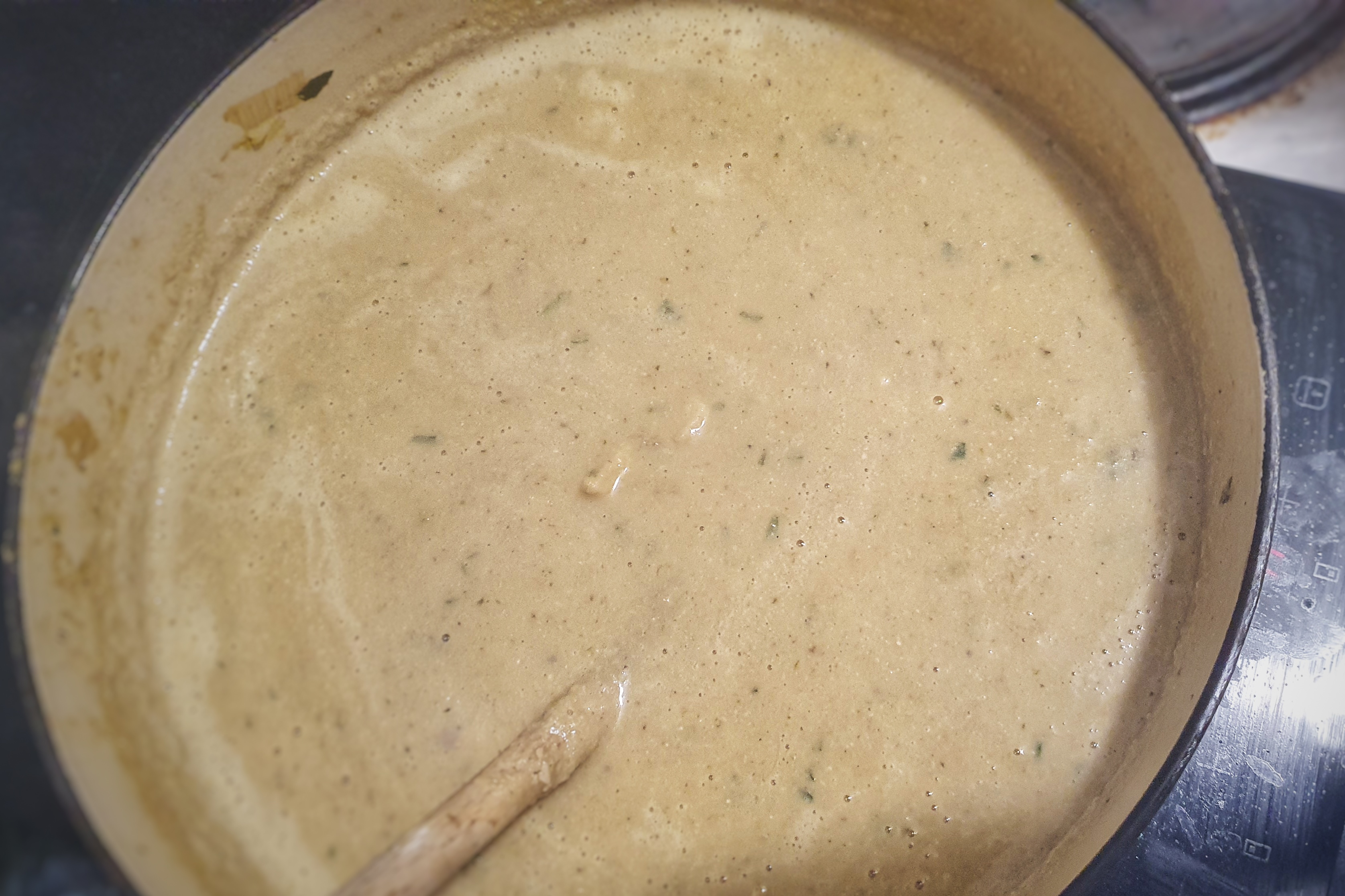
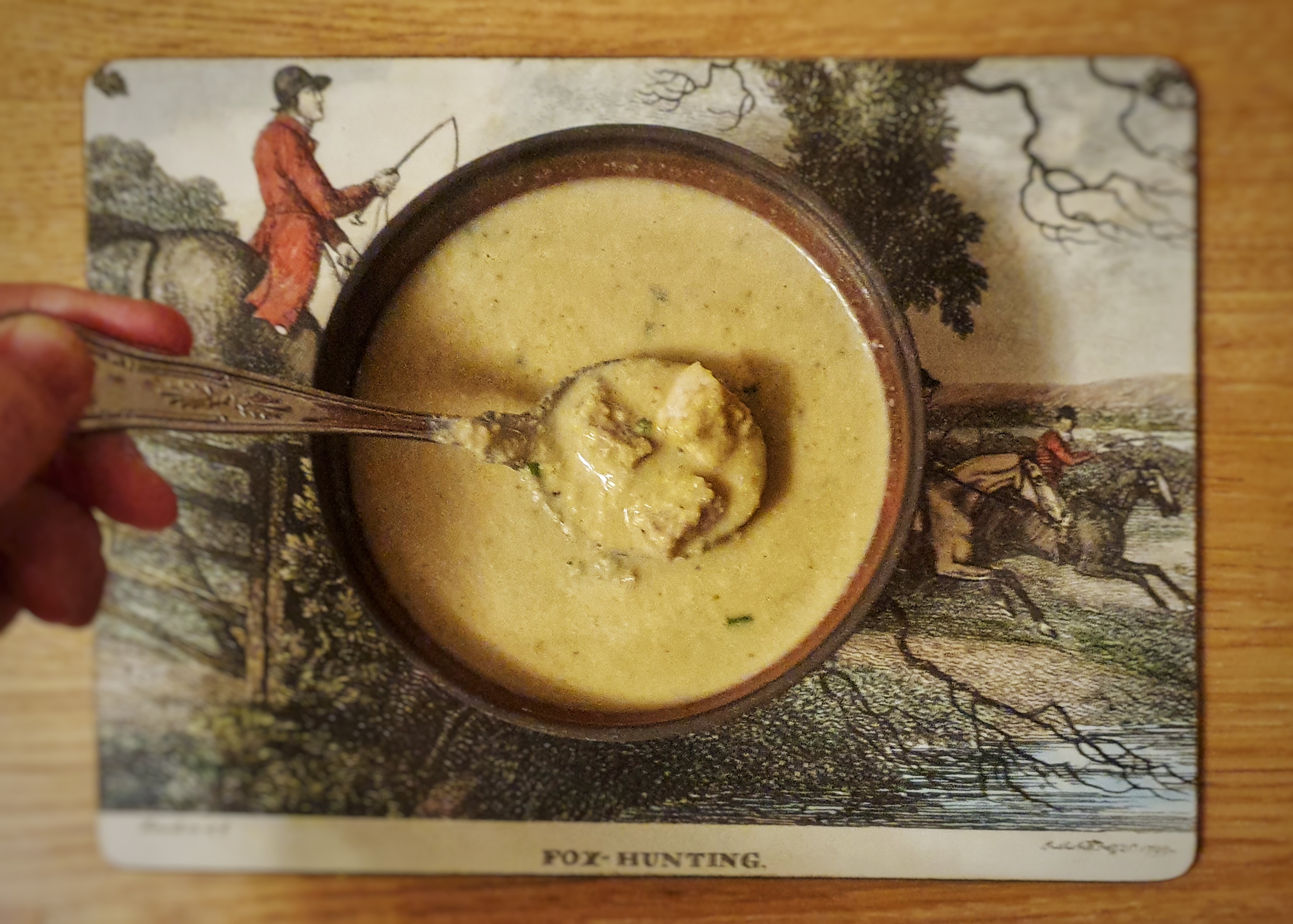
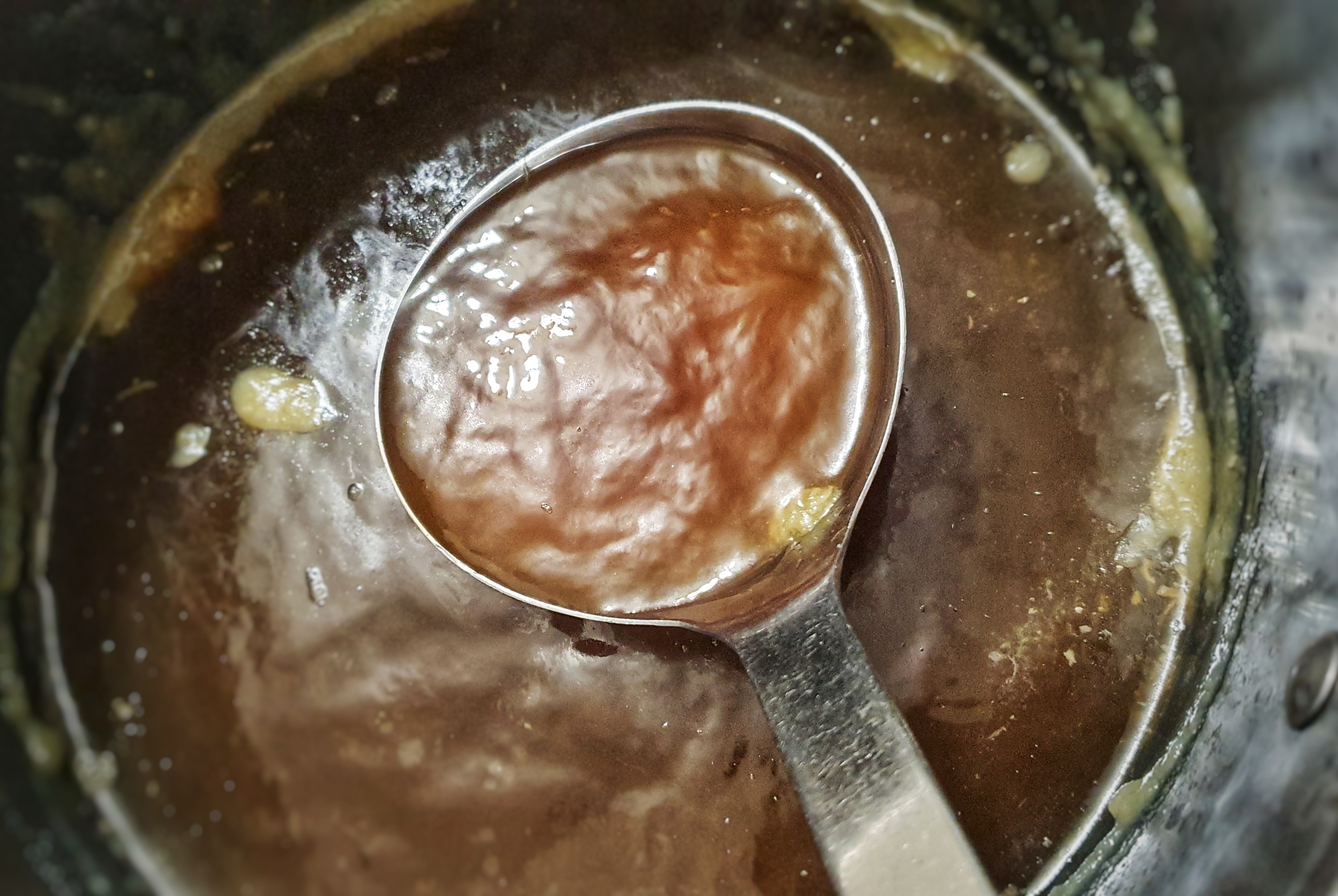
Meanwhile, make the sauce: melt the butter in a saucepan and fry the onion or leek until soft, but not browned (this will take around 8 minutes) before adding three tablespoons of the whisky. Pour the excess fat from the roasting tin and deglaze it with the chicken stock. Scrape all of the nice salty burnt bits with a wooden spoon and cast them into the saucepan. Simmer for a further five minutes before passing through a sieve into a clean saucepan. Add the cream, heat to simmering point and season to taste with salt, pepper and more whisky (if needed).

Serve the chicken with mashed neeps and tatties and pour the sauce into a warm gravy boat.

References

1.         A Book of Empire Dinners. (Empire Marketing Board, 1928).

2.         McNeill, F. M. The Scots Kitchen: Its Lore & Recipes. (Blackie & Son Limited, 1968).

3.         Mervis, B. The British Cook Book. (Phaidon, 2022).

1 Comment

Filed under Britain, cooking, events, Festivals, food, General, history, Meat, Recipes, Twentieth Century, Uncategorized

Haggis & the First Burns Suppers with Jennie Hood

Welcome to the first of a two-part special all about Burns Night. 

Burns Night, celebrated on Robert Burns’ birthday, 25th January, is a worldwide phenomenon and I wanted to make a couple of episodes focussing upon the night, the haggis, but also the other foods links regarding Scotland’s national poet, Robert Burns. 

The episode is available on all podcast apps, but can also be streamed here:

Burns was born in Alloway, Ayrshire on 25 January 1759 and he died in Dumfries on 21 July 1796 at just 37 years old. 

My guest today is food historian Jennie Hood, who has written an excellent article for the most recent edition of food history journal Petit Propos Culinares, entitled ‘A History of Haggis and the Burns Night Tradition’, so she is the perfect person to speak with on this topic.

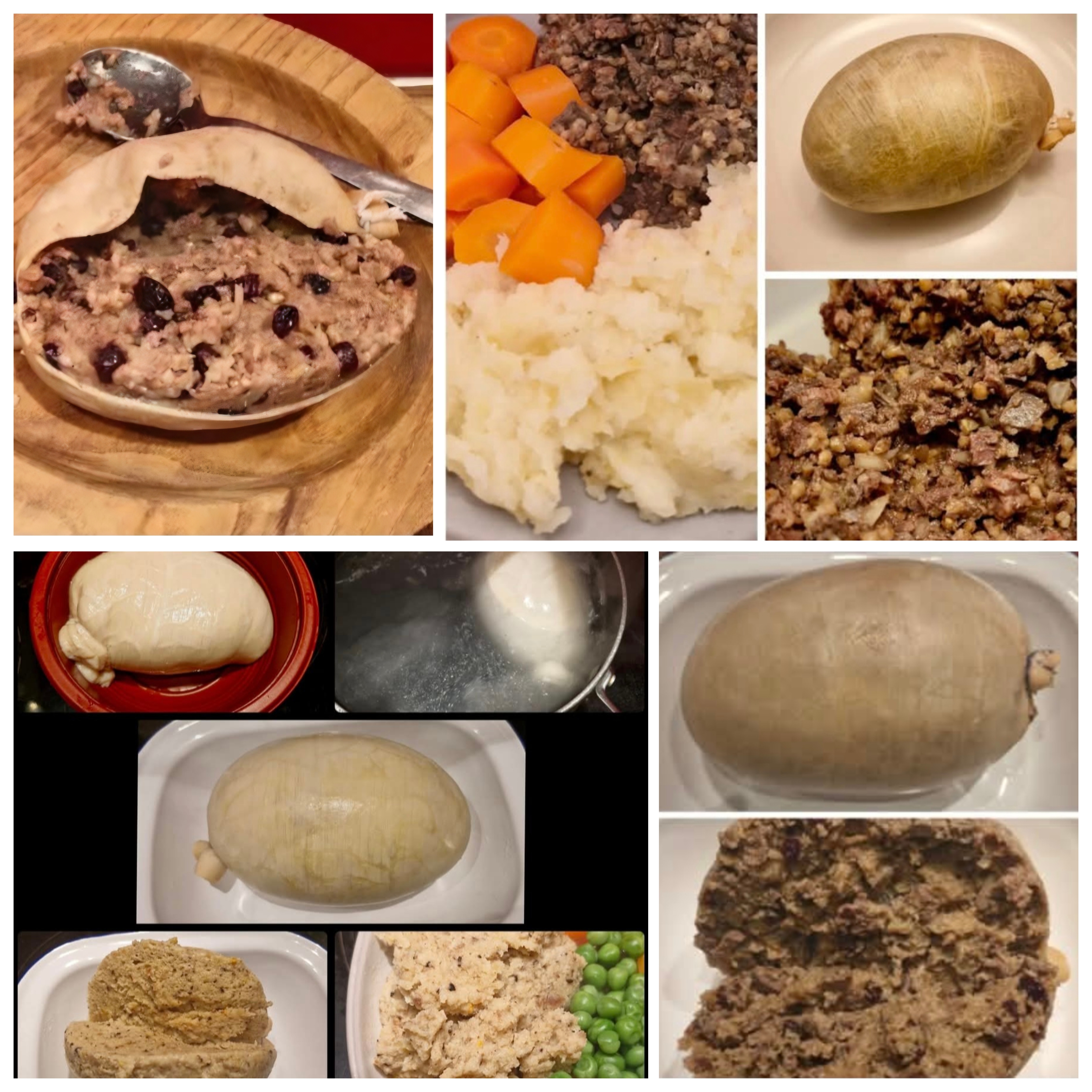
Jennie’s experiments in haggis: It shows (clockwise from top left) Richard Bradley’s 1732 hackin, Mrs MacIver’s 1774 haggis, Henry Blaxton’s 1659 liver pudding and a franchemoyle from Liber Cure Cocorum, English c. 1440. Images: Jennie Hood 

Jennie Hood hails from Ayrshire, just like Robert Burns, and we talk about the origin of Burns Night, but we also talk about the medieval origins of the most important food item on the Burns supper plate – the haggis.

Things covered include the first English recipes for haggis, what makes a haggis a haggis (not as easy a thing as you might expect), Burns’s poem Address to a Haggis and what it tells us about haggises in Burns’s day and how the first Burns suppers started and gained such popularity, amongst many other things.

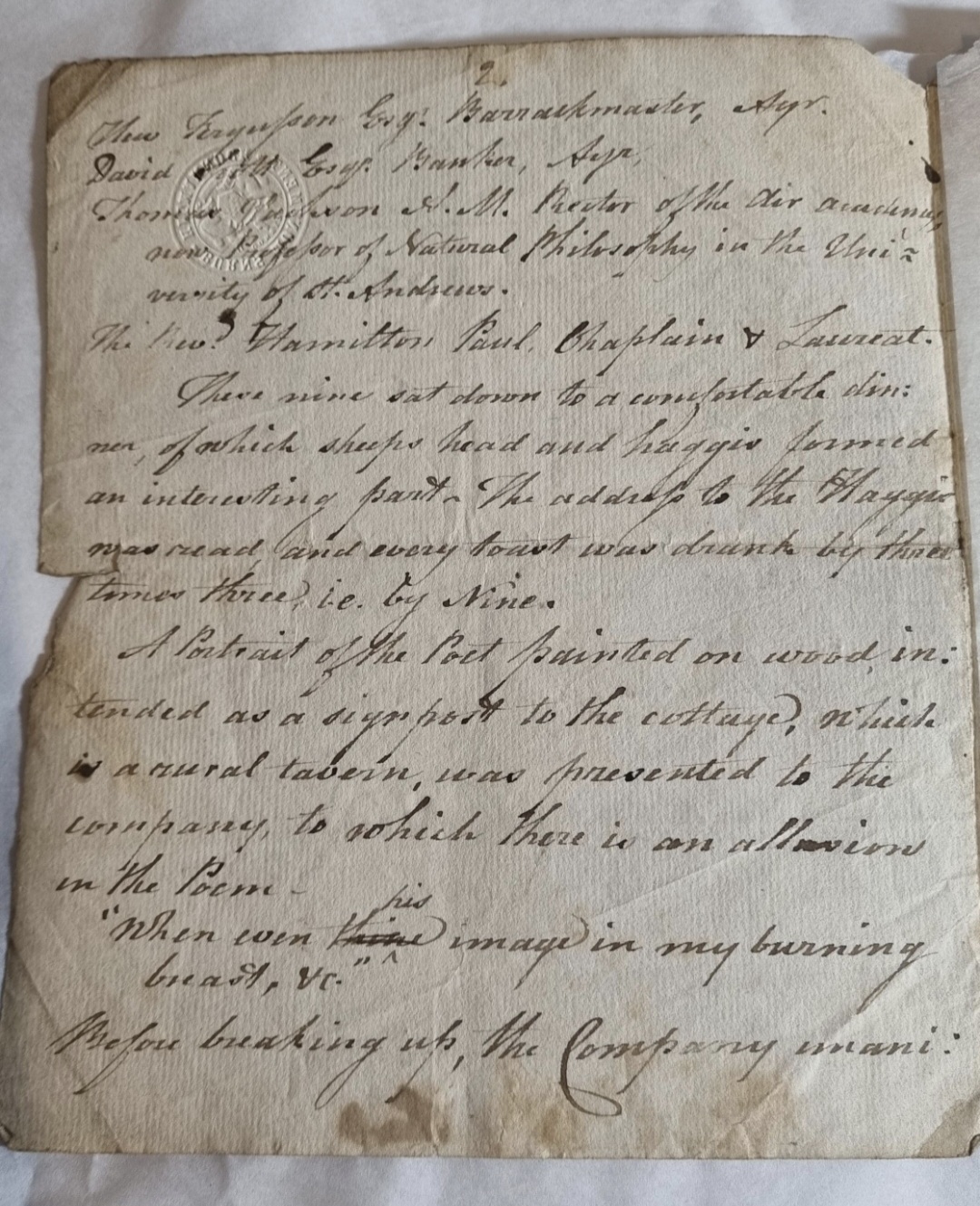
A photo of a manuscript written by Hamilton Paul, recording the first Burns Supper in 1801. From the McKie Collection held by East Ayrshire Museums: https://www.futuremuseum.co.uk/collections/people/key-people/burns/manuscripts/anniversaries-of-burns

Follow Jennie on social media: Threads/Instagram @medievalfoodwithjennie; Bluesky @medievalfoodjennie.bsky.social; Facebook https://www.facebook.com/medievalfoodwithjennie 

Company of St Margaret, Jennie’s late medieval and renaissance re-enactment group

Issue 133 of Petits Propos Culinaires


If you can, support the podcast and blogs by becoming a £3 monthly subscriber, and unlock lots of premium content, including bonus blog posts and recipes, access to the easter eggs and the secret podcast, or treat me to a one-off virtual pint or coffee: click here.

This episode was mixed and engineered by Thomas Ntinas of the Delicious Legacy podcast.

Things mentioned in today’s episode

Harlean MS 279

Liber Cure Cocorum

The Good Housewife’s Jewel by Thomas Dawson

The Art of Cookery Made Plain and Easy by Hannah Glasse (‘Haggas’ recipe p.291)

The Robert Burns World Federation

Address to a Haggis by Robert Burns

Suzanne MacIver’s recipe for haggis

Ivan Day’s recipe for hack pudding

The Philosophy of Puddings by Neil Buttery

BBC Countryfile January 2026 edition

Royal Births, Marriages & Deaths website (Channel 5)

Previous pertinent blog posts

Lamb’s Head with Brain Sauce (from Neil Cooks Grigson)

My review of the year post

Nesselrode Pudding

Turkey & Hazelnut Soup

Lambswool

Previous pertinent podcast episodes

The Philosophy of Puddings with Neil Buttery, Peter Gilchrist & Lindsay Middleton

Neil’s blogs and YouTube channel

‘British Food: a History’ 

The British Food History Channel

‘Neil Cooks Grigson’ 

Neil’s books

Before Mrs Beeton: Elizabeth Raffald, England’s Most Influential Housekeeper

A Dark History of Sugar 

Knead to Know: a History of Baking

The Philosophy of Puddings

Don’t forget, there will be postbag episodes in the future, so if you have any questions or queries about today’s episode, or indeed any episode, or have a question about the history of British food please email me at neil@britishfoodhistory.com, or on twitter and BlueSky @neilbuttery, or Instagram and Threads dr_neil_buttery. My DMs are open.

You can also join the British Food: a History Facebook discussion page: https://www.facebook.com/groups/britishfoodhistory 

Leave a comment

Filed under Britain, cooking, events, Festivals, food, General, history, Mediaeval Age, Podcast, Puddings, Scotland, Uncategorized

To Make Turkey and Hazelnut Soup (& Turkey Stock)

If you are not loving your leftovers at Christmastime, then you are missing a trick: it doesn’t have to be all dry turkey and cranberry sandwiches for the next week.

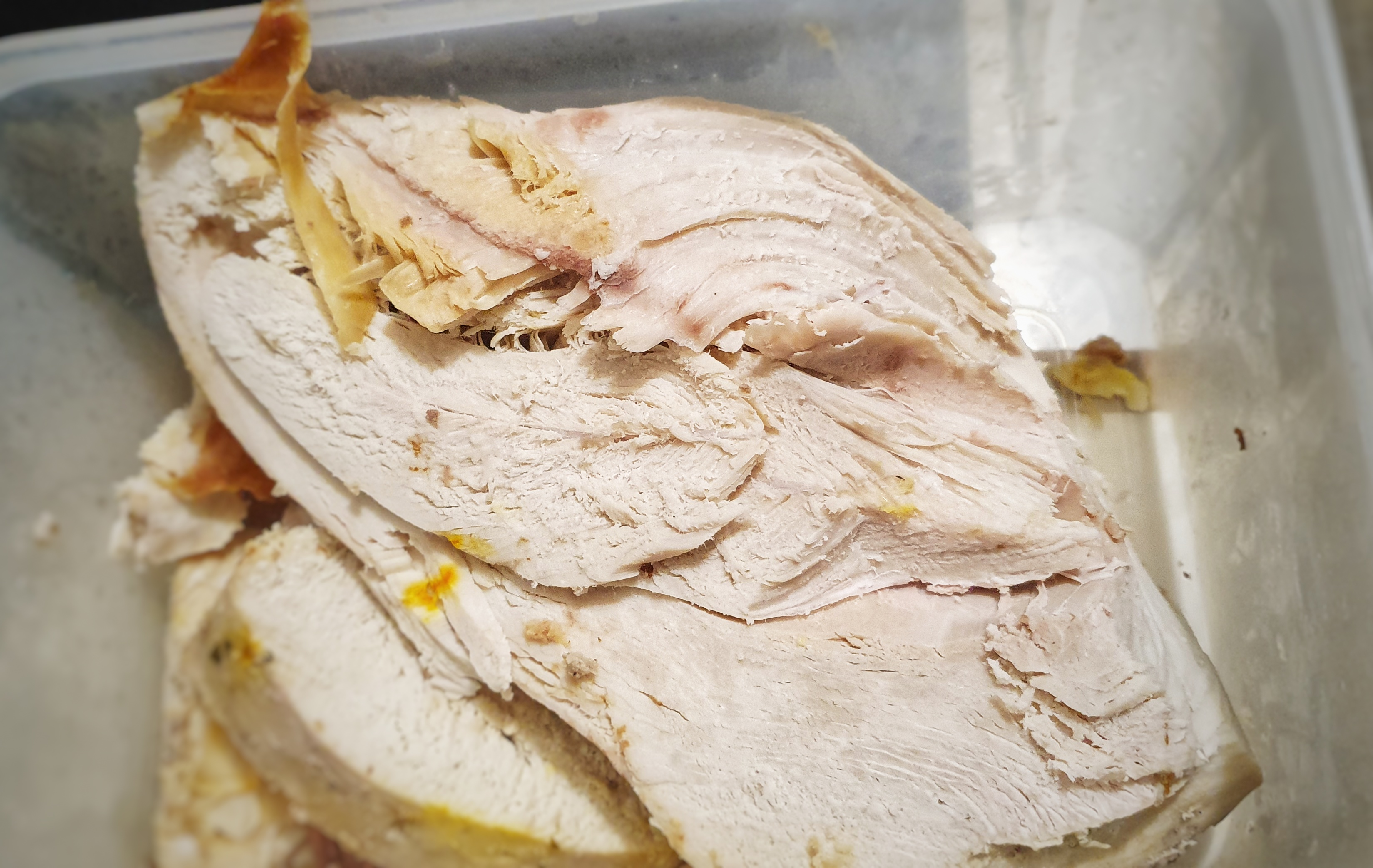
This is a really great recipe adapted from Jane Grigson’s English Food. I’ve made a few tweaks, and I have provided you with a method for making turkey stock. This recipe would work with leftover chicken, or even pheasant and partridge, or a mix of them.

Because it’s a leftovers dish, don’t worry if you don’t have all of the ingredients, though I would say it’s important to have at least three of the basic soup veg and one herb (fresh or dried). It doesn’t even matter if you don’t have any hazelnuts: almonds would work just as well, or you could miss them out entirely. Also, if there are any leftover boiled or steamed vegetables, or roast potatoes, you can pop them in before everything gets blitzed.


If you like the blogs and podcast I produce, please consider treating me to a virtual coffee or pint, or even a £3 monthly subscription: follow this link for more information.


This recipe makes many servings.

For the soup

2 to 3 tbs of fat: this could be butter, leftover fat from the roast potatoes or skimmed from the roast turkey juices

Basic soup veg, peeled, trimmed and diced, such as 2 carrots, 2 onions, 3 cloves garlic, white part of one or two leeks (keep the green parts for the stock), 3 sticks of celery

Herbs: 4 bay leaves, a small bunch of thyme or a tsp of mixed, dried herbs

1 tsp celery salt

1 bunch tarragon leaves, chopped

1 bunch parsley, chopped

1 medium potato, peeled and diced

1.5-2 L turkey stock

Salt and pepper

2 handfuls diced turkey breast (or whatever you have left)

100 g roast hazelnuts, roughly chopped

Leftover stuffing, cut into approx. 1 cm dice

150 ml cream

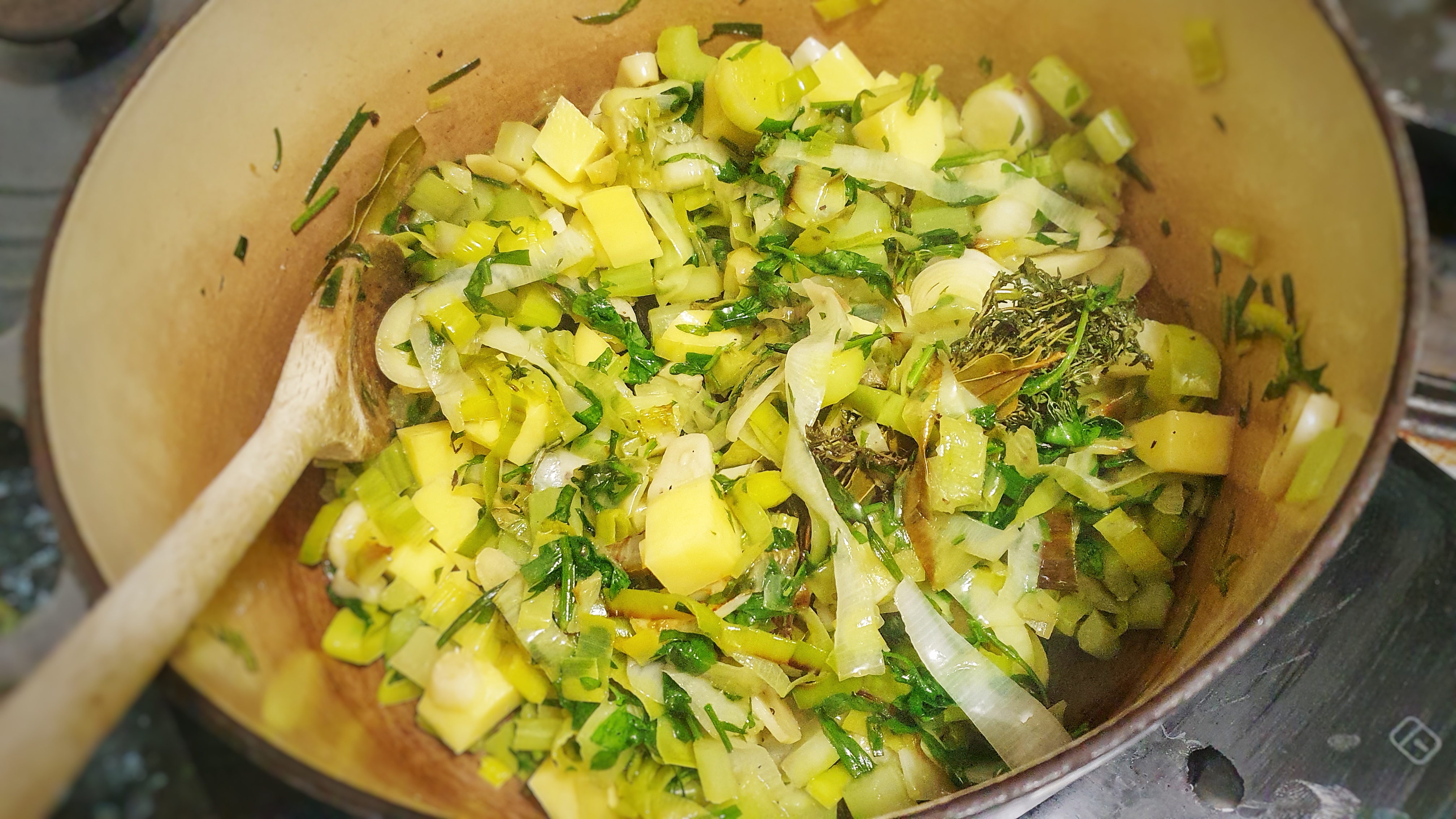
Heat the fat in a stockpot or large saucepan and add the diced soup veg and herbs, plus the celery salt. Stir and fry on a medium heat until things begin to turn golden brown. Add half of the parsley and tarragon plus the potato and continue to cook for another 7 or 8 minutes.

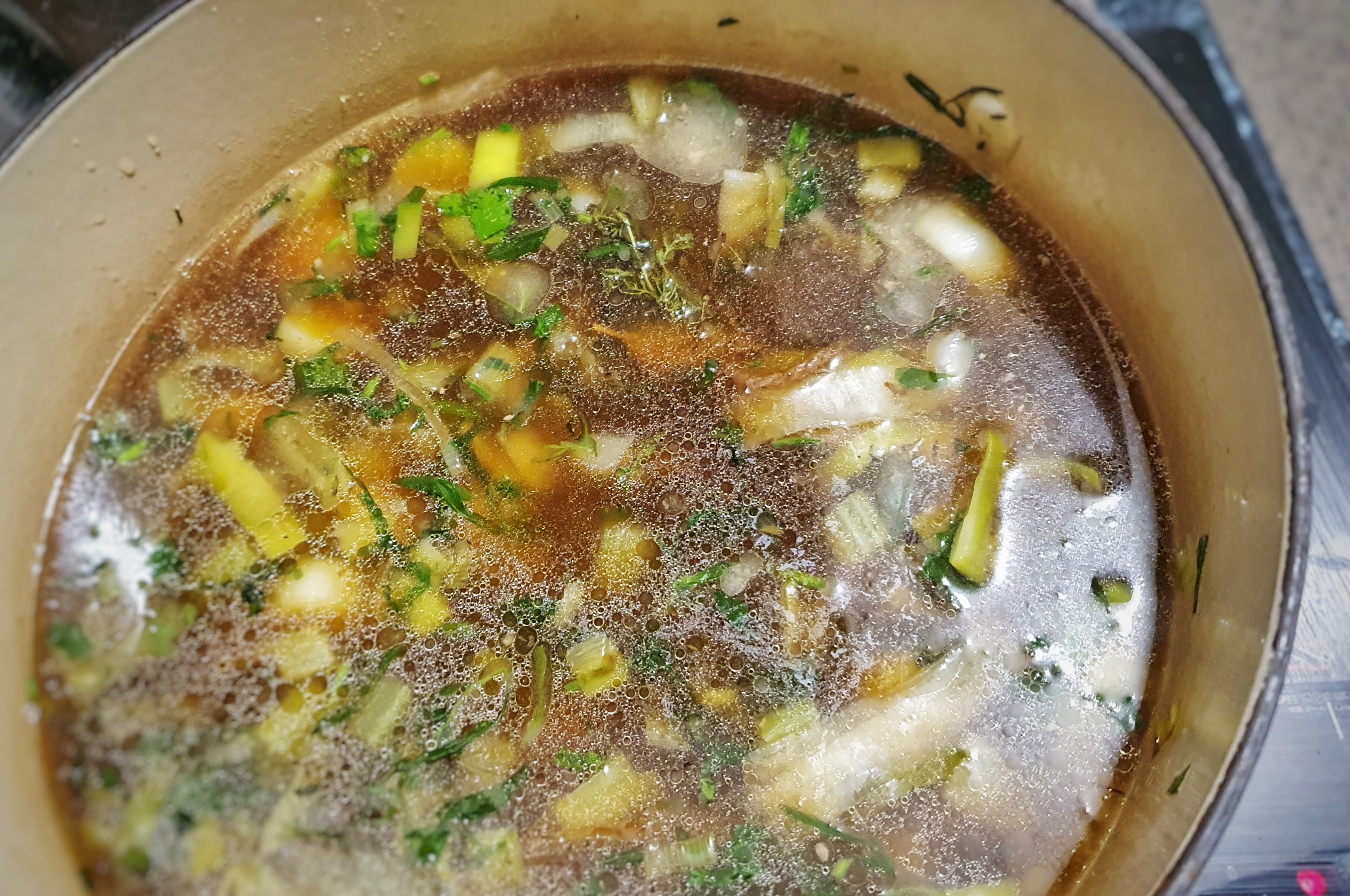
Pour in the turkey stock and bring the whole lot to a lively simmer, then turn it down to gently bubble until the vegetables are nice and soft, about 15 minutes.

Taste, and season with salt and pepper at this point, then add the diced turkey and the hazelnuts. Simmer for a further 7 or 8 minutes, then allow to cool slightly before blitzing the soup in batches in your blender or food processor. Be careful here! Don’t overfill your blender, especially if the soup is still quite hot.

Return to a clean pan, bring back to a simmer, add the cream and the rest of the parsley and tarragon, as well as the diced leftover stuffing. Taste and season with more celery salt and pepper. Serve immediately.

For the stock

I keep vegetable trimmings and peelings in bags in my freezer for stock-making sessions such as these; you can, of course, use regular stock vegetables: celery, onions, carrots, leeks, etc.

This secret to getting a good colour to your jellied stock is to brown the carcass and vegetables very well.

Makes around 2 litres of jellied stock

2 tbs of fat or oil

The roast turkey carcass, broken into pieces – don’t be too thorough with removing the meat, leave some on.

Vegetable trimmings and peelings (avoid brassicas) or a mixture of stock vegetables: 2 carrots, 2 celery sticks, the green part of a leek or two, a couple of onions, a few smashed garlic cloves.

Aromatic herbs, e.g. 3 or 4 bay leaves, a small bunch of thyme and/or rosemary, parsley stalks

Aromatic spices, e.g. 1 tsp black peppercorns, 6 cloves, 1 tsp allspice berries, 2 blades of mace

1 tsp salt

Any leftover turkey juices or turkey gravy

Cool water to cover

Heat the fat or oil in a stockpot or pressure cooker and add the turkey carcass, the vegetables, the herbs, the spices as well as the salt. Stir and fry until both the turkey and vegetables are starting to turn a good, golden brown.

Add any leftover gravy and top up with water so that it barely covers the turkey and vegetables.

If cooking in a stockpot: bring slowly to a simmer, turn the heat over and let it cook very gently for two hours.

If cooking in a pressure cooker: bring to a simmer, when high pressure is reached, reduce the heat and cook for 25 minutes before turning off the heat and allowing the stock to depressurise.

If cooking in a slow cooker: transfer everything to your slow cooker (careful!) and cook on a high setting for 1 hour and then a medium setting for 2 more hours.

When the stock is ready, pass the whole thing through a strainer, pressing down on the cooked mush with the back of the ladle: we want as much flavour as possible. Let the stock cool down and then refrigerate. Skim away the fat before using.

Tip: If you need the stock straight away, you can skim the fat with a spoon, but a quicker method is to throw in a couple of handfuls of ice cubes. The fats immediately freeze to the exterior of the cubes, and can be lifted out before the ice has had the chance to melt.

2 Comments

Filed under Britain, Christmas, food, General, Meat, Recipes, Soups

Blood Ice Cream

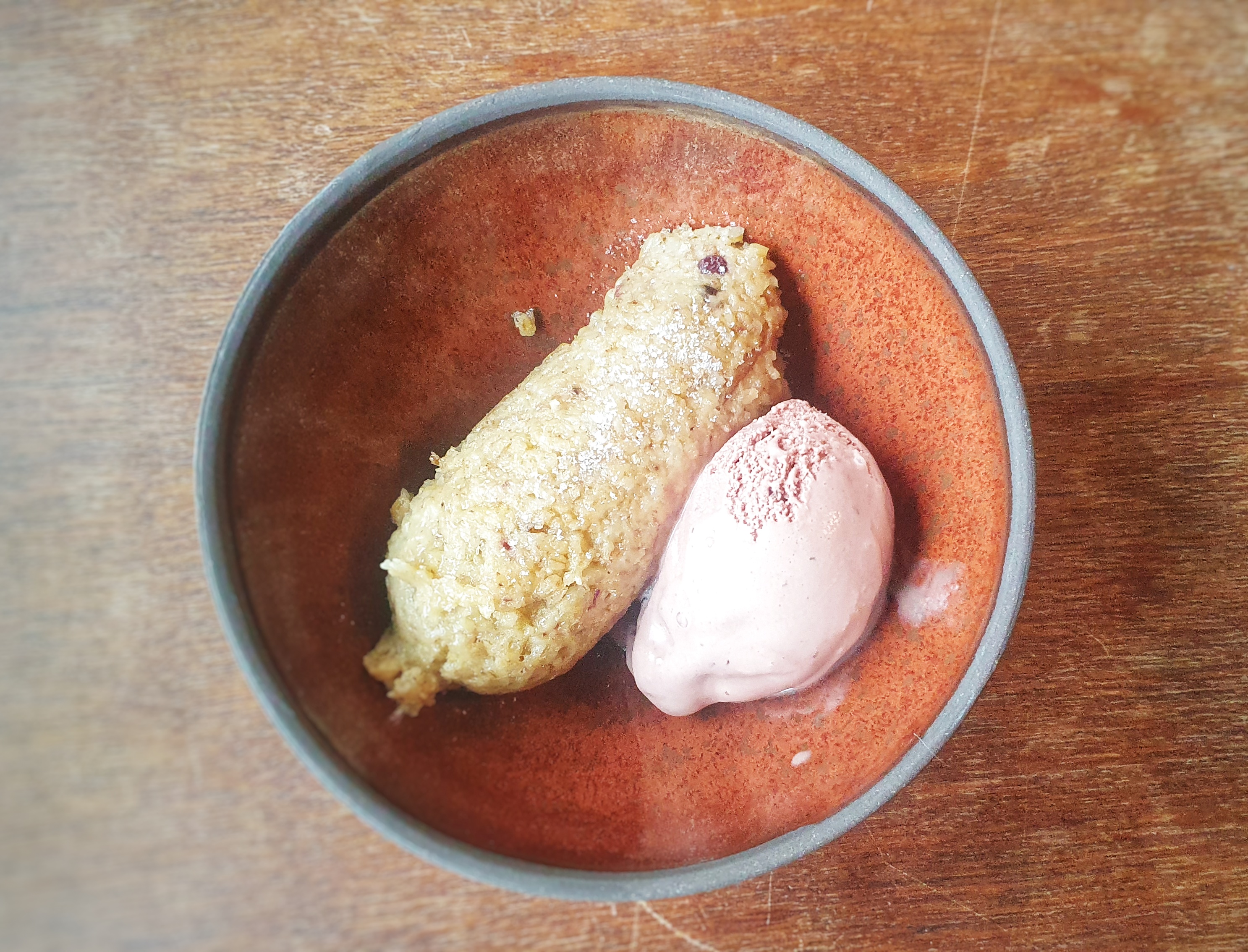
Blood ice cream and white pudding

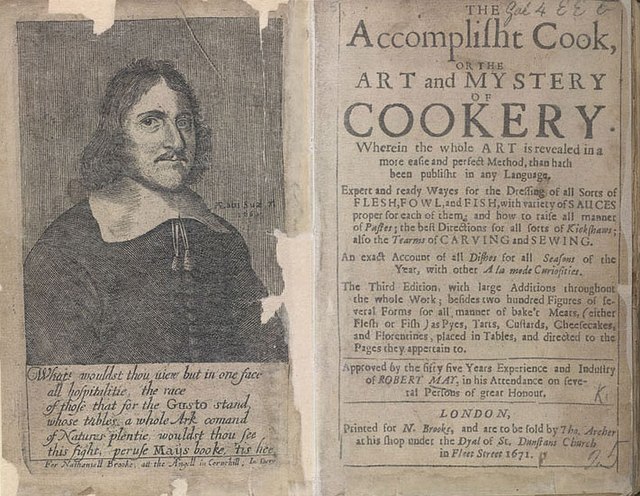
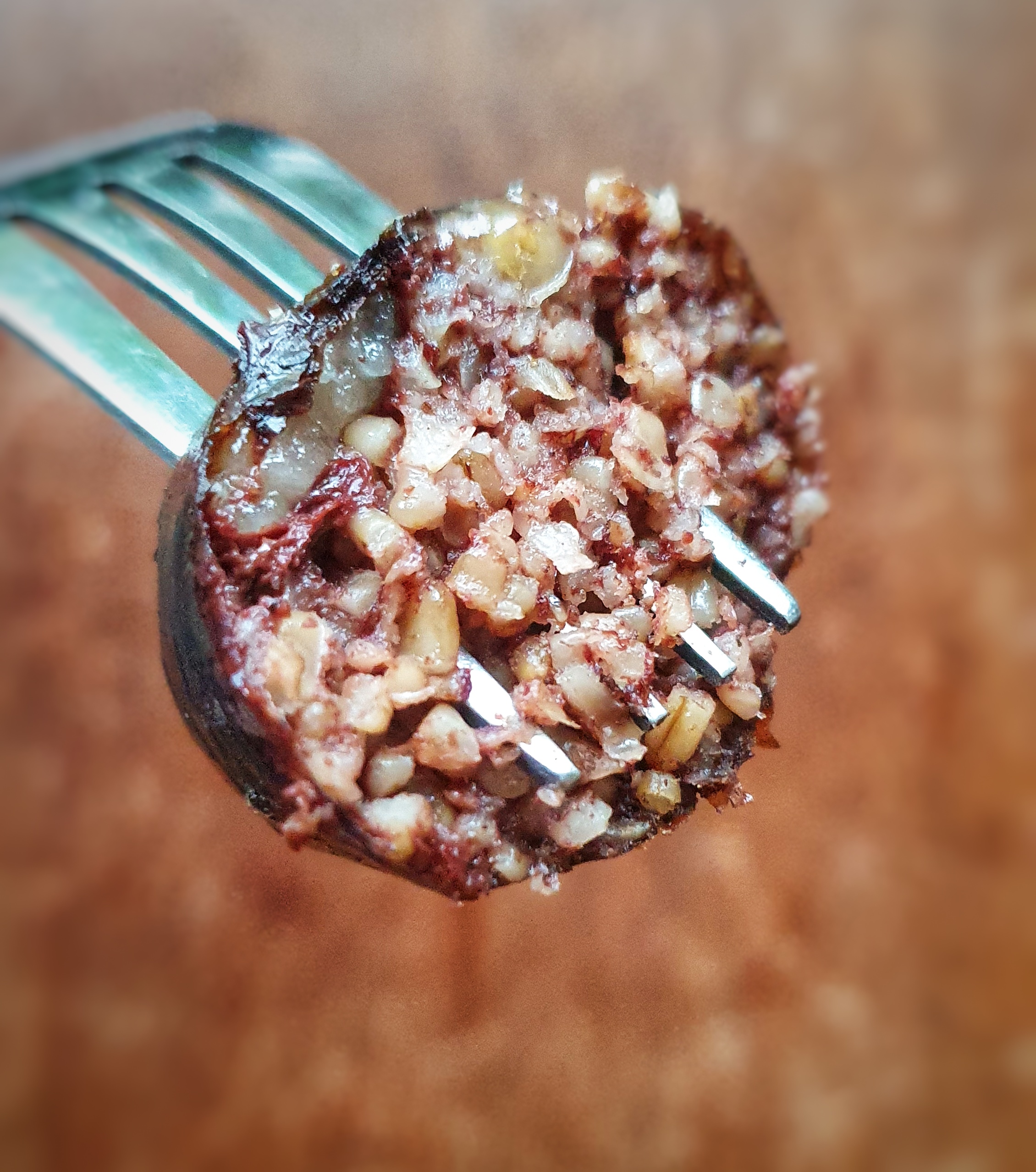
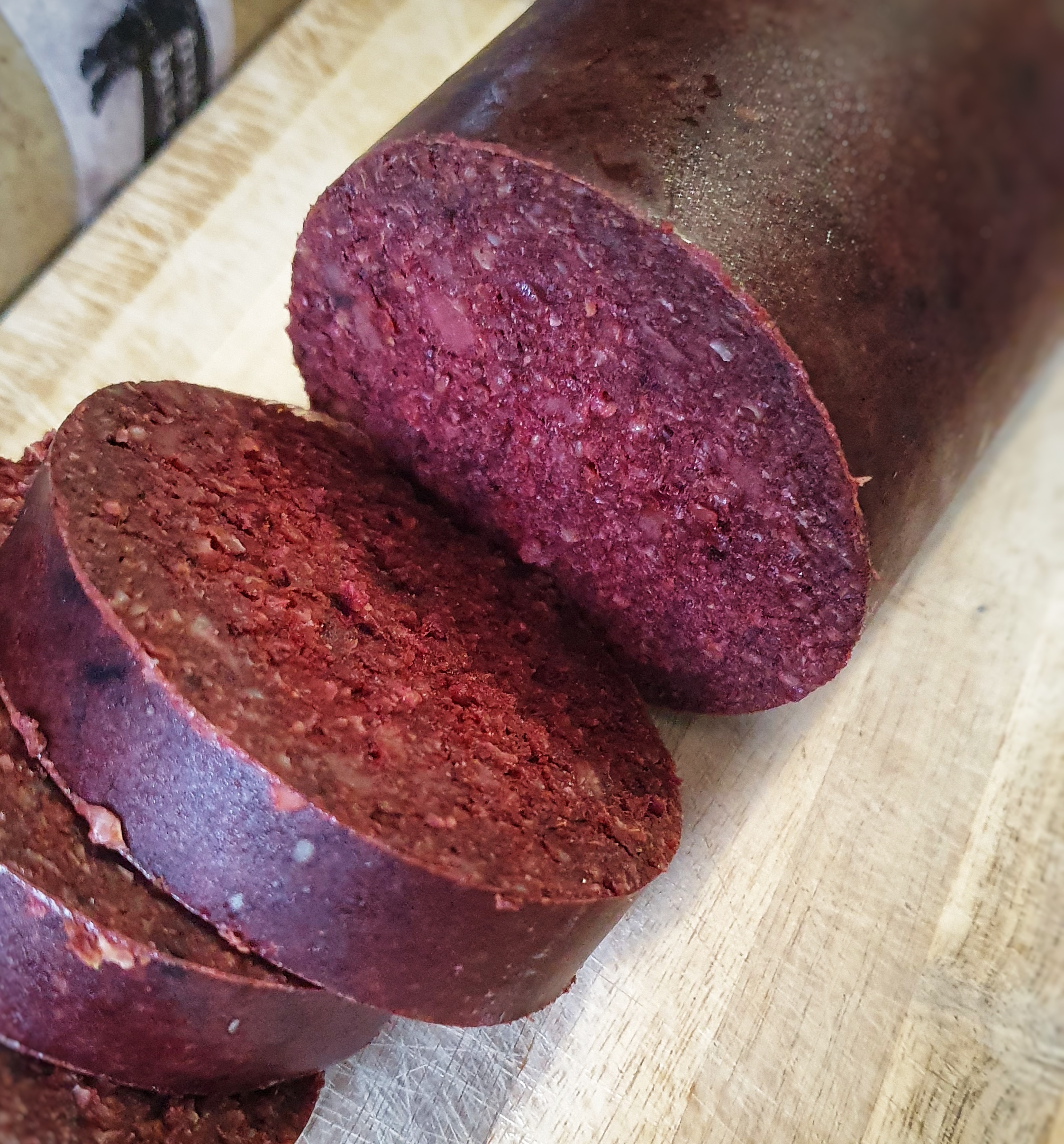
Earlier in the year, the fantastic Fruitpig (sponsors of the ninth season of the podcast) very kindly sent me some fresh pig’s blood so that I could try my hand at making some early modern black puddings, inspired by the recipes of Robert May, Kenelm Digby and Thomas Dawson. I made two versions: a savoury one and another sweetened with sugar and currants – both turned out to be delicious.

Listen to the episode of the podcast with Matthew and Grant aka Fruitpig!

A few years ago I read (I forget where) that blood thickens upon heating just like egg yolks, and I had an idea in the back of my mind that blood ice cream might be possible to make, knowing already that the black puddings of the early modern period were often sweet.

Please that the sweet black puddings tasted good, I set about to see if I could find any British examples of blood ice cream or, at least, something similar. I couldn’t find anything. However, I did discover in the pages of Jennifer McLagan’s excellent offal cookbook Odd Bits, a blood and chocolate ice cream recipe, adapted from an Italian set dessert called sanguinaccio alla Neapolitana: little pots of set chocolate custard, thickened with blood instead of egg yolks.

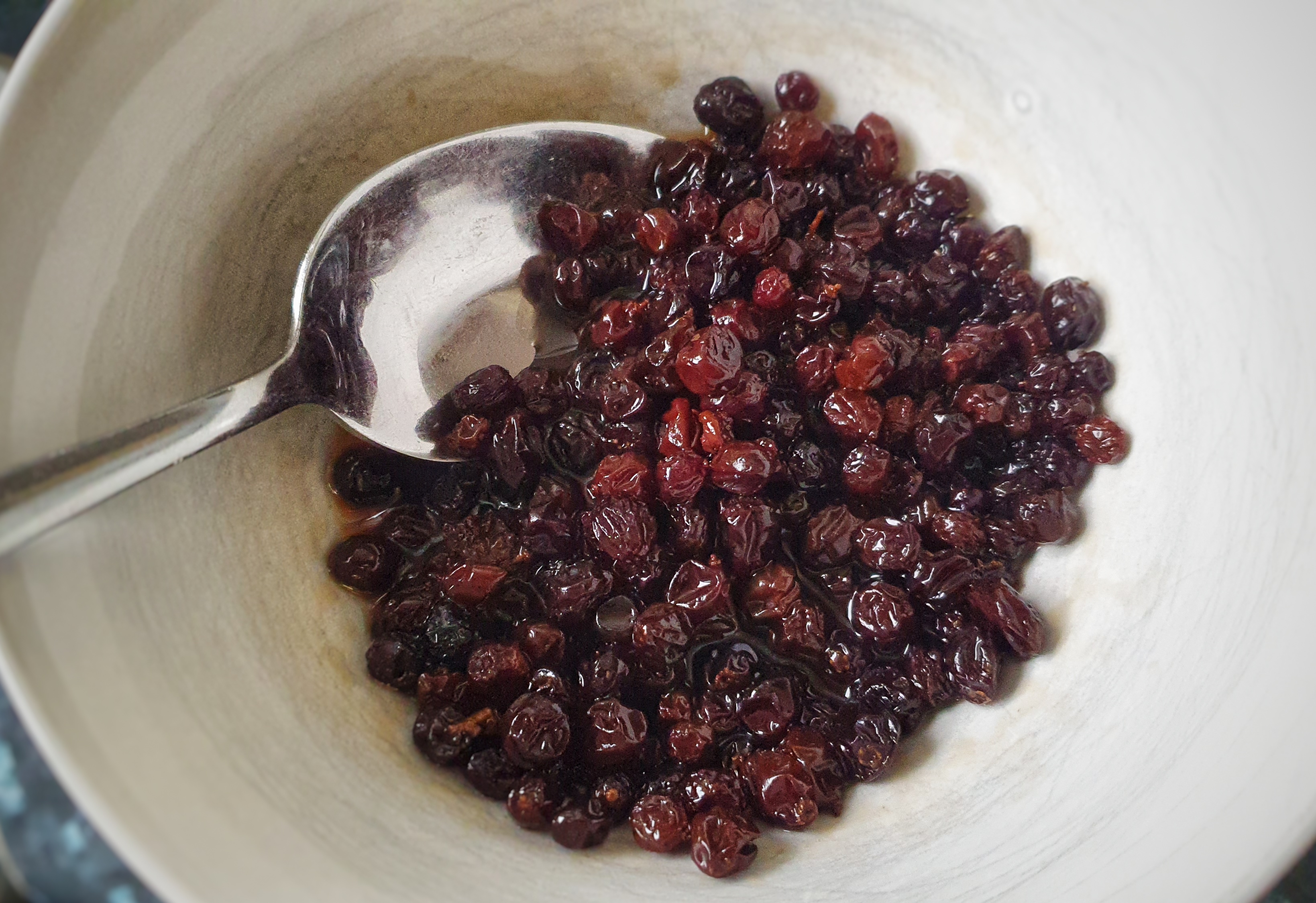
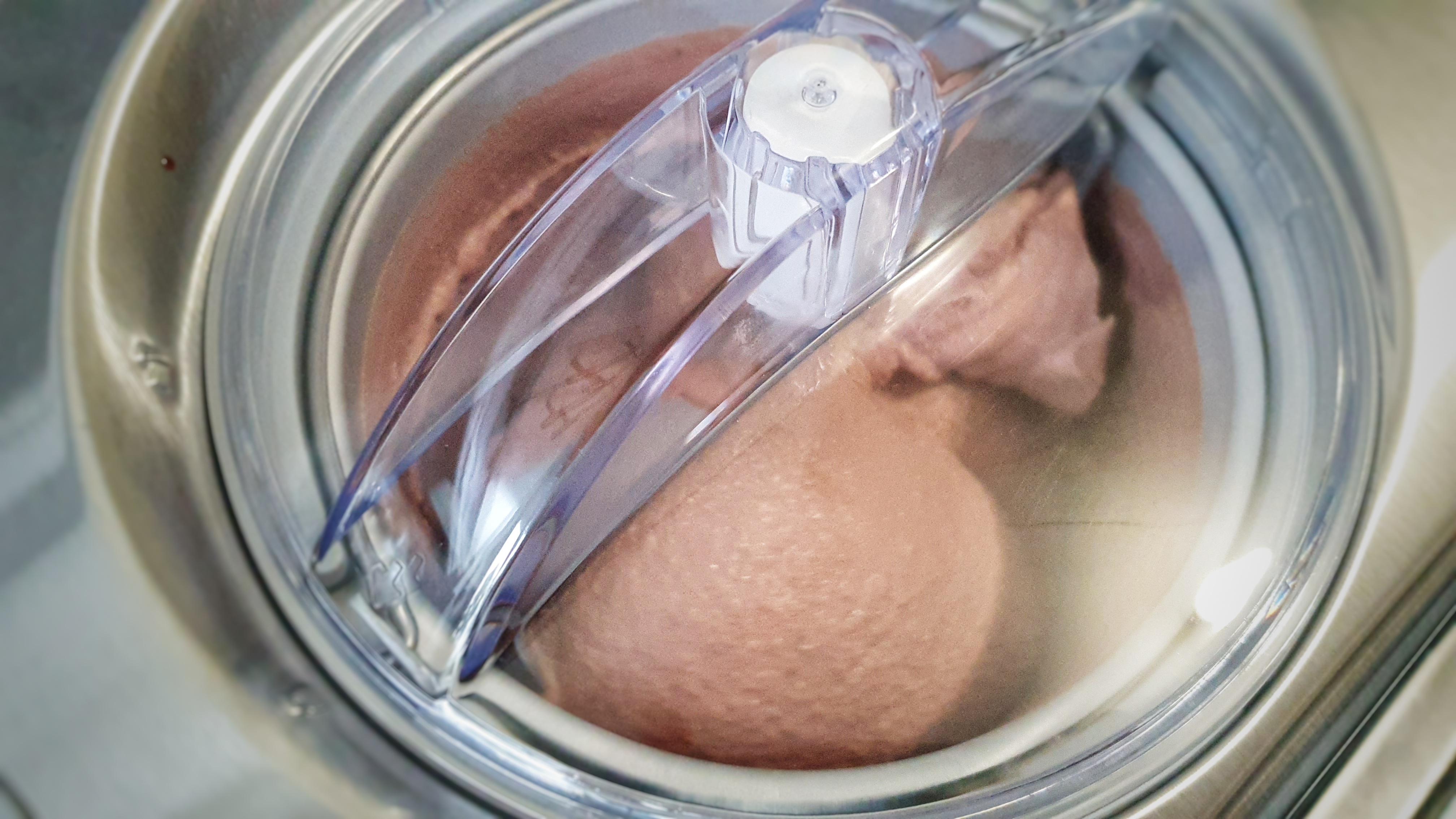
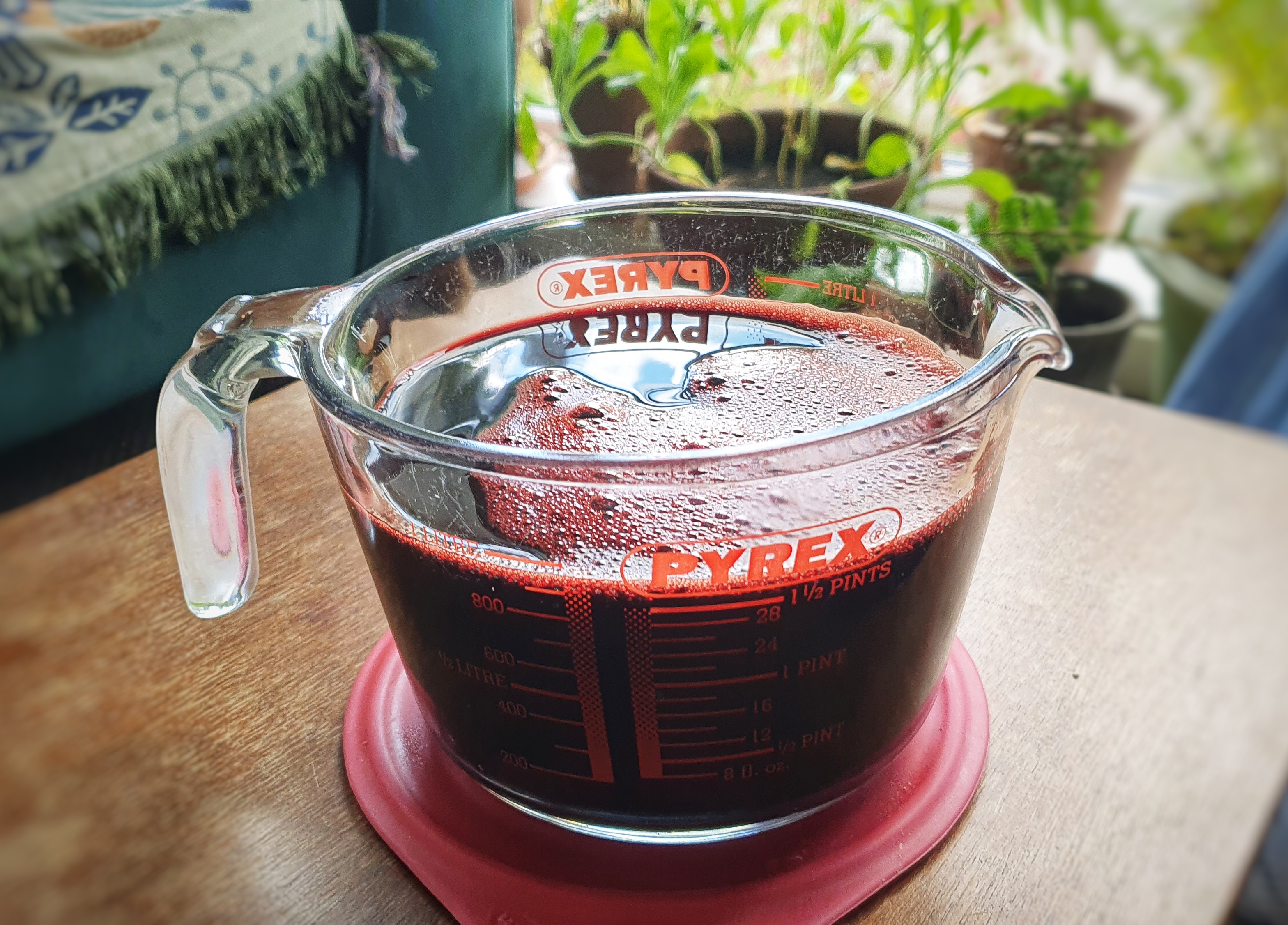
Encouraged by the fact I knew it could be done, I went about adapting my black pudding recipe into an ice cream. I have a good, basic vanilla ice cream recipe that I’ve been using for years, which in turn is based on my custard recipe, and all I did was swap out the eight egg yolks for 200 ml of pig’s blood. Not convinced that the blood would thicken things sufficiently, I popped in two egg yolks for good measure. The milk and cream were flavoured not with a vanilla pod, but the same aromatics as the black pudding: pepper, cloves, mace and dried mixed herbs. I really wanted to include the currants, but knowing they would freeze hard into bullets, I thought an overnight soak in some sherry would work well –  not unlike modern rum and raisin ice cream. I chose sherry because it’s the closest thing we have to sack, the popular fortified wine of the early modern period, and a common addition to recipes.

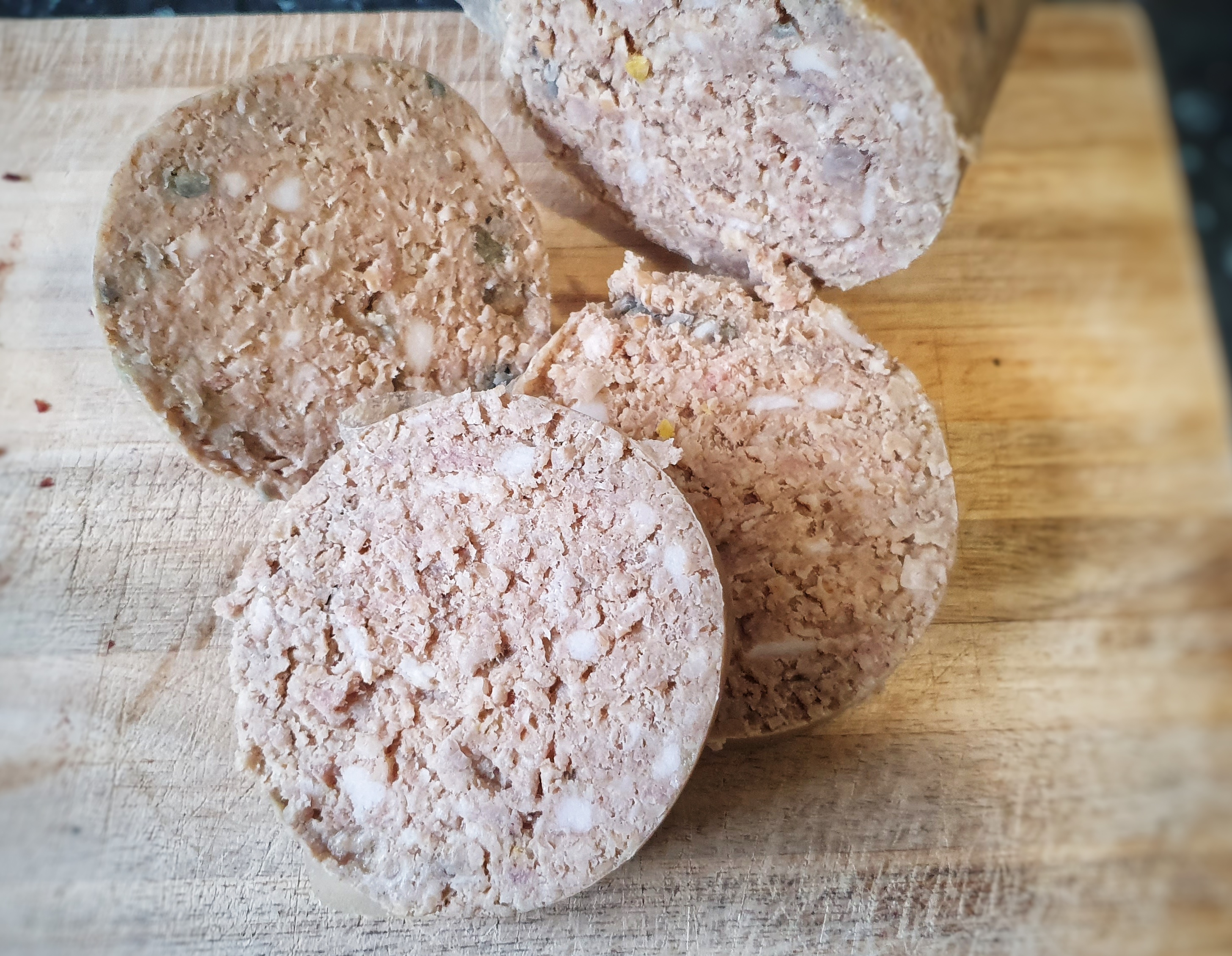
Well, I am very pleased to say that it was a great success. It was the richest ice cream I have ever eaten: luxurious, aromatic and with a very slight metallic tang. I ate a scoop with one of my early modern white puddings. What a combination!


If you like the blogs and podcast I produce, please consider treating me to a virtual coffee or pint, or even a £3 monthly subscription: follow this link for more information.


Ingredients

300 ml milk

300 ml cream seeds

½ tsp bl peppercorns

1 tsp fennel

½ tsp cloves

2 blades of mace

1 tsp dried mixed herbs

200 ml fresh blood

2 egg yolks

160 g sugar

50 g currants

a few tablespoons of sweet or medium sherry overnight

Method

Pour the milk and cream into a saucepan. Crack the peppercorns and bruise the remaining spices in a pestle and mortar, and add to the milk and cream along with the dried herbs. Mix well, making sure everything has been submerged, and warm the mixture over a medium-low heat and bring everything to scalding point – i.e. just before the milk and cream boil.

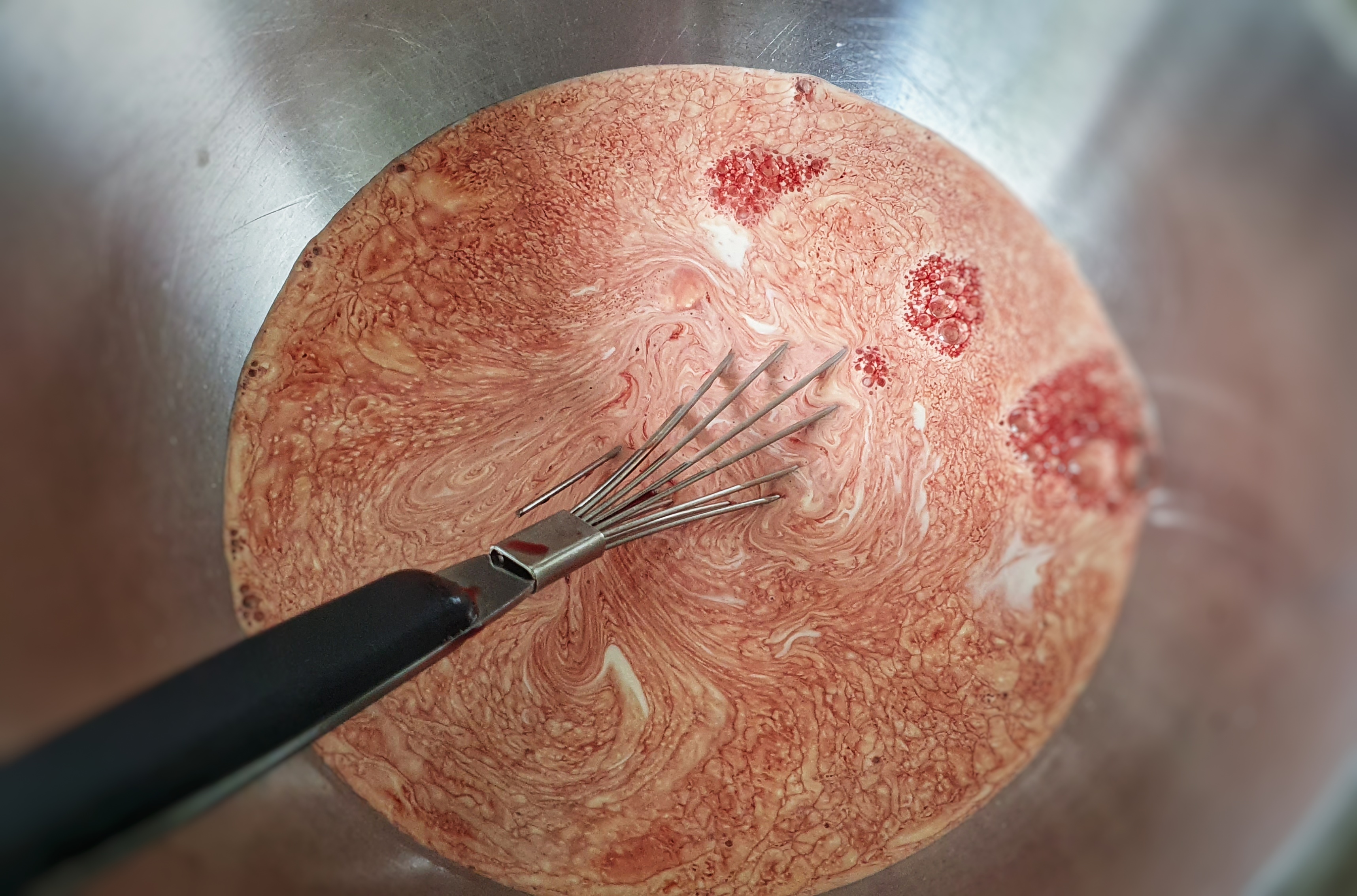
Meanwhile, add the blood, egg yolks and sugar to a mixing bowl and whisk together well.

When the mix and cream mixture reaches scalding point, remove the pan from the heat and whisk in around a quarter of it into the blood mixture. When everything is incorporated, beat in the rest of the cream mixture, and pour the whole thing back into the saucepan.

Now keep whisking or stirring until the temperature reaches 80°C – you can tell this temperature is reached because the mixture thickens noticeably and coats the back of a spoon (check with a difital thermometer, if unsure). Take off the heat and pass the whole thing through a sieve into a clean bowl or tub. Leave to cool and refrigerate overnight. Soak the currants in sherry and leave those to macerate overnight too.
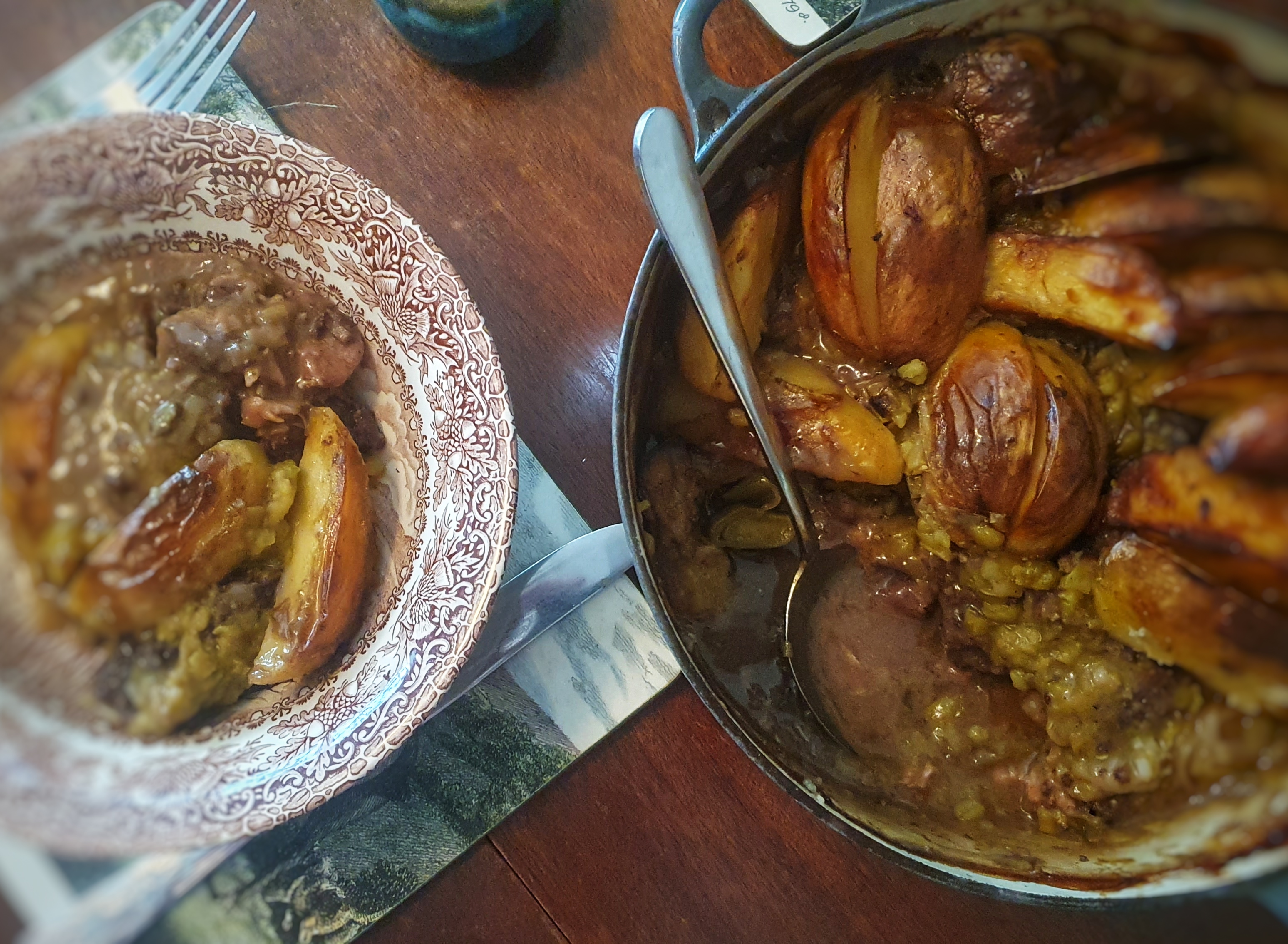
Next day, churn the mixture in an ice cream machine until a very thick soft-scoop consistency. As you wait, strain the currants (keep the sherry and drink it!). When the ice cream is almost ready, add the currants.

Pour the mixture into tubs and store in the freezer. Eaten within 3 months.

7 Comments

Filed under cooking, Desserts, food, General, Recipes, Uncategorized

#447 Roast Saddle of Lamb (Neil Cooks Grigson)

Hello! I thought some of you might be interested in a post I just published on the other blog, Neil Cooks Grigson.

Leave a comment

Filed under Britain, food, General, Meat, Recipes

A Recipe for Early Modern Black Puddings

For years now, I have wanted to make my own fresh blood black puddings, but fresh blood is so tricky to get hold of in Britain, I thought I would never get the opportunity. Lucky for me then, that Fruit Pig, who are sponsoring the ninth season of The British Food History Podcast, kindly sent me a litre of pig’s blood. When it came to recipes, I very much had my eye on Early Modern black puddings because they seem so outlandish compared to traditional black puddings of today. On one hand, they are very British, containing oatmeal and/or breadcrumbs and plenty of chopped beef suet. On the other, they are reminiscent of a French boudin noir in that there are lashings of cream and egg yolks.

If you haven’t listened to the episode about black and white puddings with Matthew and Grant of Fruit Pig listen here.
Read about the history of puddings in The Philosophy of Puddings

There are lots of unexpected herbs and spices, too. Thomas Dawson uses sheep’s blood, milk-soaked oats, suet and what we might think of as the constituents of a mixed spice today: nutmeg, mace, black pepper, ginger and cinnamon.[1] Sir Kenelm Digby liked to use chicken blood, cream, almond cream, bone marrow, sugar, salt, rosewater and eggs.[2] Robert May gives us some precise pointers as well as several ways of making black puddings. In one recipe he combines blood and cream in a ratio of 2:1. Sometimes he soaks oats in milk, sometimes blood: ‘Steep great oatmeal in eight pints of warm goose blood, sheeps blood, calves, or lambs, or fawns blood’. He uses a whole range of interesting herbs, including thyme, spinach, parsley, sorrel and strawberry leaves, to name but a few. He also adds ‘Sometimes for variety, Sugar, Currans, &c.’[3] I really want to know what sweet black pudding tastes like!

Robert May liked to add currants and sugar to his black puddings ‘for variety’.

Using these descriptions as inspiration, I created the recipe below. There was a certain amount of trial-and-error, and whenever I got stuck, I made sure to gain advice from Regula Ysewijn’s Pride and Pudding, Hugh Fearnley-Whittingstall’s The River Cottage Cookbook and Fergus Henderson’s The Complete Nose to Tail.[4]

I learned a great deal making them – the most important lesson being just how skilled one must be to make these sorts of puddings frequently and in large amounts. It made me appreciate even more the hard work of our forebears and Fruit Pig!

I was really surprised with how well the puddings turned out, and I would certainly recommend giving them a go. I made one batch with sugar and currants and one without. You might be surprised to hear that the sweet one was really quite delicious. I fried my savoury puddings and served them with fried eggs atop some sourdough toast. They tasted rich and were a cross between a black pudding and haggis. I’ll let you know how I served the sweet black puddings.

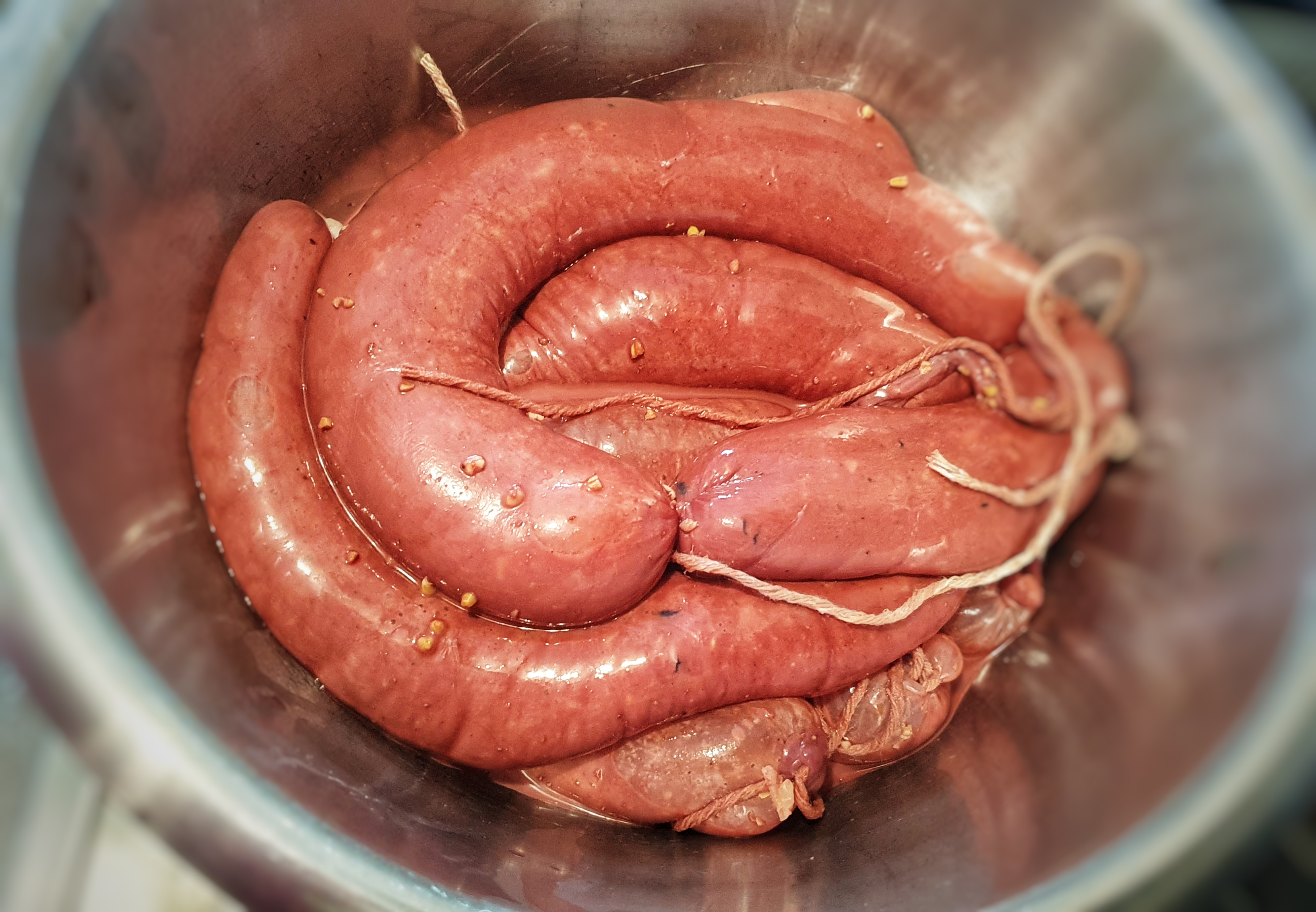
There are just a couple of things I would have done differently: my main issue was that the butcher gave me pigs’ casings which were not suitable for these black puddings – the nubbly pieces of oat tore through them easily, and the skin burst under their own weight at times. I would therefore recommend beef casings or simply baking them in the oven in loaf tins, or maybe even frying up blood pancakes as suggested by Regula Ysewijn![5]

A big thank you to Matthew and Grant of Fruit Pig for supplying me with fresh blood

If you can, support the podcast and blogs by becoming a £3 monthly subscriber, and unlock lots of premium content, including bonus blog posts and recipes, access to the easter eggs and the secret podcast, or treat me to a one-off virtual pint or coffee: click here.


Recipe

Makes approximately 12 x 20 cm black puddings if made in pork casings, and 6 x 20 cm puddings if made in beef casings.

600 g pinhead oats

Milk (see recipe)

1 tsp fennel seeds

½ tsp cloves

½ tsp black peppercorns

3 blades of mace

1 ½ tsp dried, mixed herbs

2 tsp salt

900 ml fresh pig’s blood (or reconstituted dried blood)

600 ml double cream

200 g chopped beef suet

2 whole eggs, beaten

140 g currants (optional)

320 g sugar (optional)

Natural pork or beef skins, soaked in water overnight (optional, see recipe)

The day before you want to make your puddings, place the oats in a bowl or large jug and pour in enough milk to just cover them. Place in the fridge overnight. Grind the spices and mix in the dried herbs and salt.

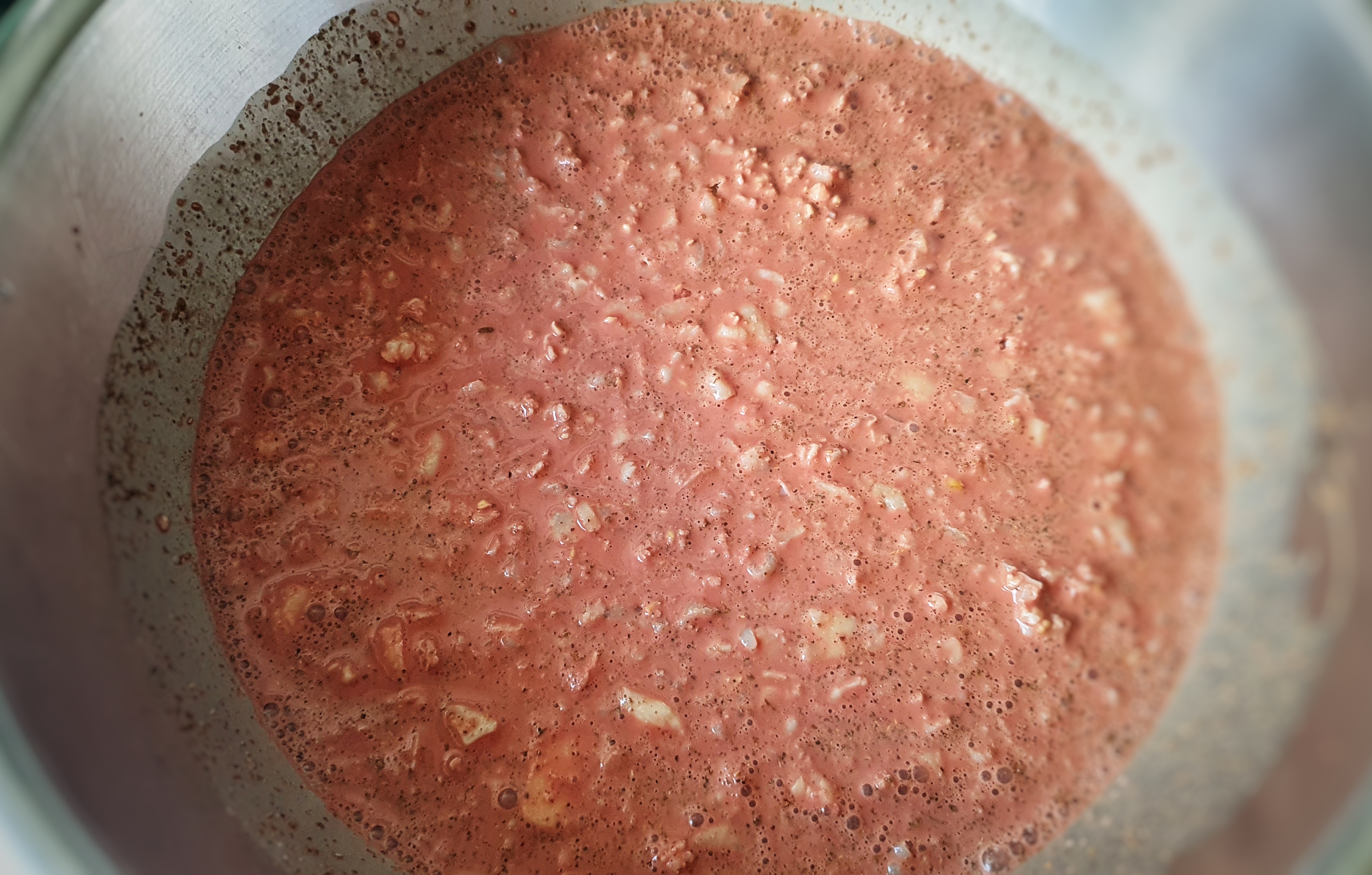
Next day, place all of the ingredients (aside from the casings, if using) in a large mixing bowl. Combine and allow everything to mingle, dissolve and absorb; around an hour – or more if you have the time.[6]

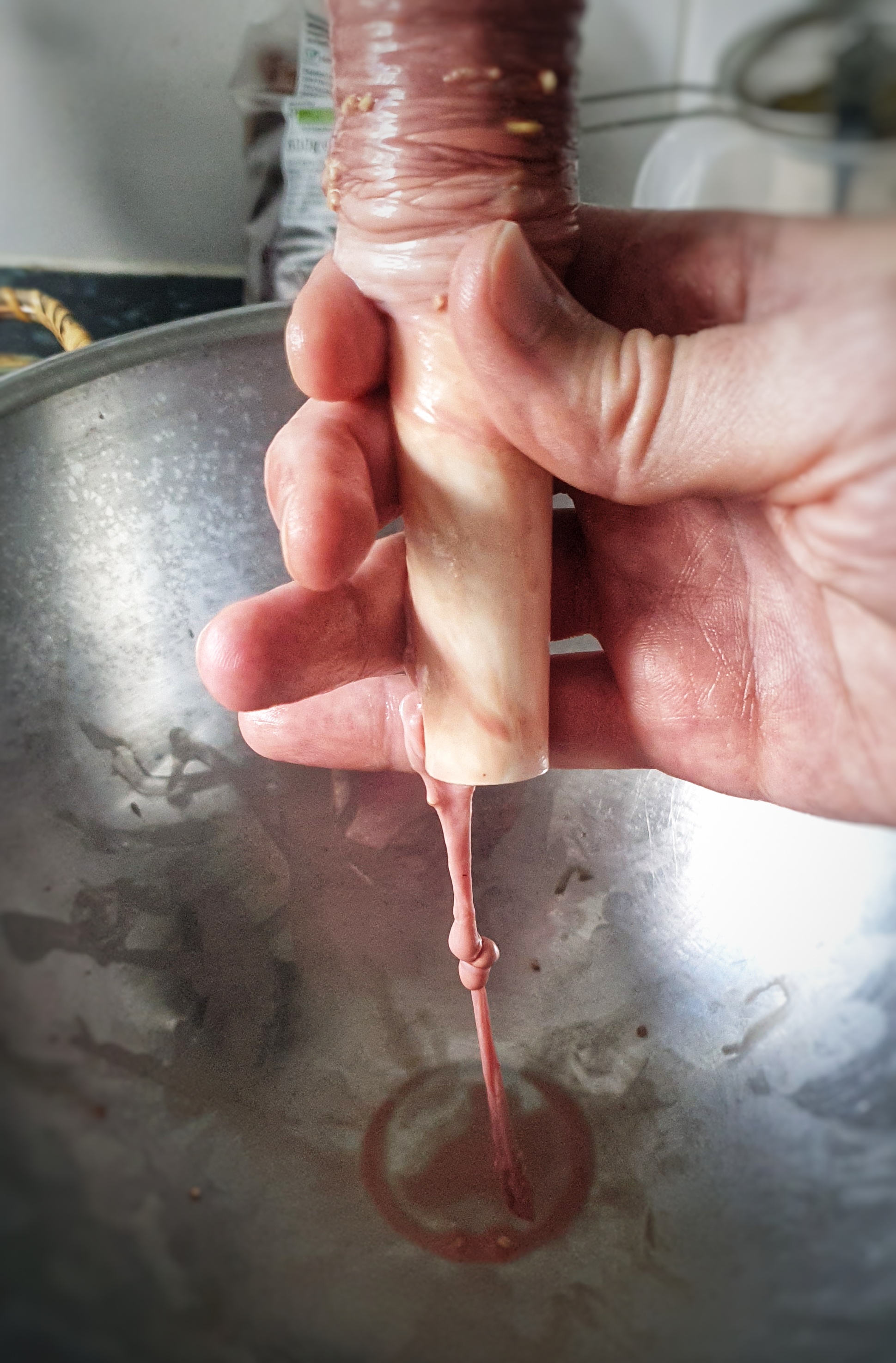
Once everything has had the chance to macerate and absorb, it is time to assemble the puddings. I used my sausage stuffer funnel from the Kitchen Aid and attached a length of pork casing onto it, then secured it with some string and knotted the end. Then I set about filling the casings, a spoon at a time, letting the skins naturally fill and fall into a bowl. Then I tied a link off with some string, making sure the casing wasn’t full and there were no obvious air bubbles. The lengths of the puddings were around 20 cm – though I wasn’t very consistent. In retrospect, I would recommend using beef casings tied to a wide-mouthed jam funnel, much easier to fill and no constant tearing.

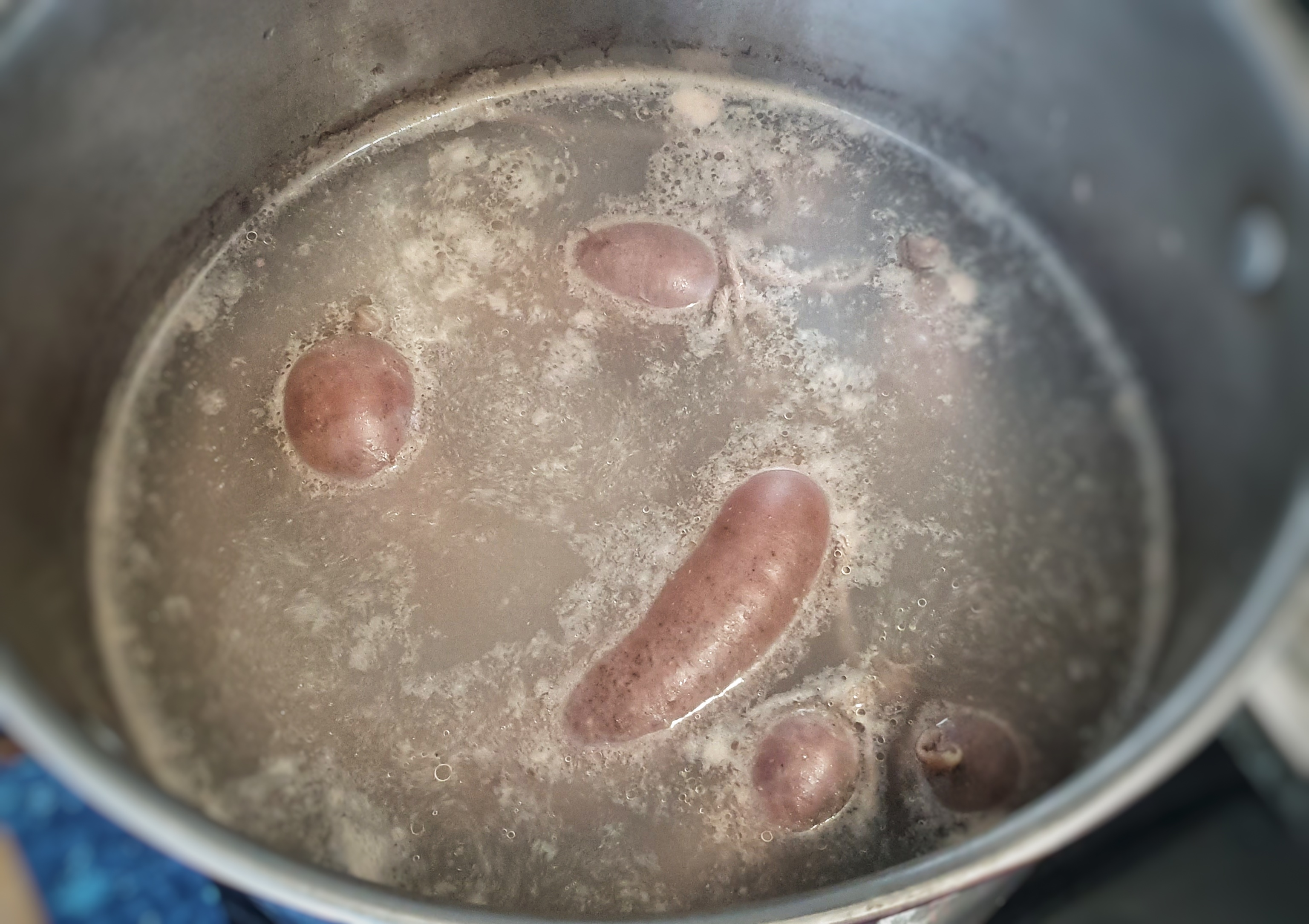
Once all of the mixture is used up, get a large pot of water to a good simmer and gingerly plop them in a few at a time. Three was a good number. Keep the water at a gentle simmer and arm yourself with a pin and pop any bubbles that appear in the cooking puds, lest they burst. They will take around 20 minutes to cook, and you must watch them like a hawk, pin poised and ready to pop. You can tell they are done when the liquid that comes out of a freshly-pricked pudding is clear. If using beef casings, they will take 30 to 35 minutes to cook.

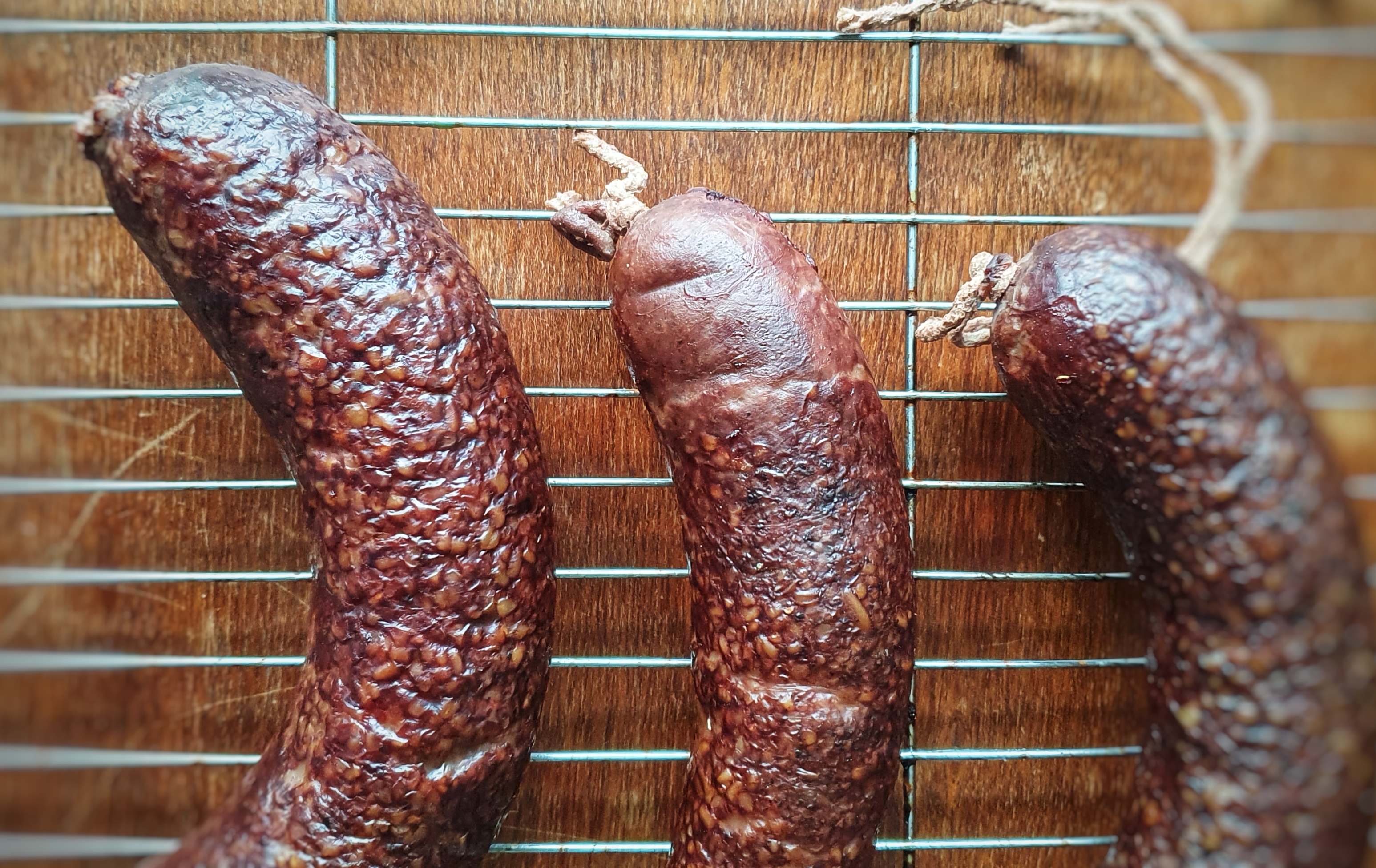
Carefully remove the puddings and either hang them up or lay them on a cooling rack to dry for a few hours before placing them in the refrigerator.

You can avoid all of this faff by baking the mixture in large loaf tins sat in a bain-marie for around 1½ hours at 160°C.[7]

The finished black puddings!

Notes

[1] Dawson, T. (1596). The Good Housewife’s Jewel (1996 Edition). Southover Press.

[2] Digby, K. (1669). The Closet of Sir Kenelm Digby Opened (1997 reprint) (J. Stevenson & P. Davidson, Eds.). Prospect Books.

[3] May, R. (2012). The Accomplisht Cook (1660/85) (A. Davidson, M. Bell, & T. Jaine, Eds.; 1685th ed.). Prospect Books.

[4] Fearnley-Whittingstall, H. (2001). The River Cottage Cookbook. Collins; Henderson, F. (2012). The Complete Nose to Tail: A Kind of British Cooking. Bloomsbury; Ysewijn, R. (2015). Pride and Pudding: The History of British Puddings Savoury and Sweet. Murdoch Books.

[5] Ysewijn (2015)

[6] Note: Looking back on these initial stages, it would have been much better to soak the oats in the blood overnight, mix everything together in the morning, let everything meld and mingle for a couple of hours, and then add enough milk to make a mixture of a spoonable porridge consistency. We live and learn.

[7] Note: I haven’t tested this method; these instructions have been extrapolated from the Fergus Henderson recipe for blood cake in Henderson (2012).

3 Comments

Filed under Britain, cooking, food, General, history, Meat, Puddings, Recipes

Cumbrian Tatie Pot (aka Cumberland or Westmorland Hotpot)

In my last post I launched the ninth season of The British Food History Podcast with an episode about Black and White Pudding with Matthew Cockin and Grant Harper (aka Fruit Pig). Not only are they the only remaining craft producer of fresh blood black puddings in Britain, but they are very kindly sponsoring this season of the podcast. Their puddings are exceptional, and Matthew and Grant are very kindly giving readers of the blog and listeners of the podcast 10% off at their online shop (www.fruitpig.co.uk) with the offer code Foodhis, so if you can please support them – if we don’t use producers like Fruit Pig, we will lose them, and that would be a terrible shame. It’s also worth checking with your local butcher – my nearest traditional butcher, Littlewood’s in Heaton Moor, Stockport, the very place where I bought the meat for today’s recipe, stock them – so perhaps yours does too (or you could suggest they do if they don’t!). Have a listen to the episode, if you haven’t already:

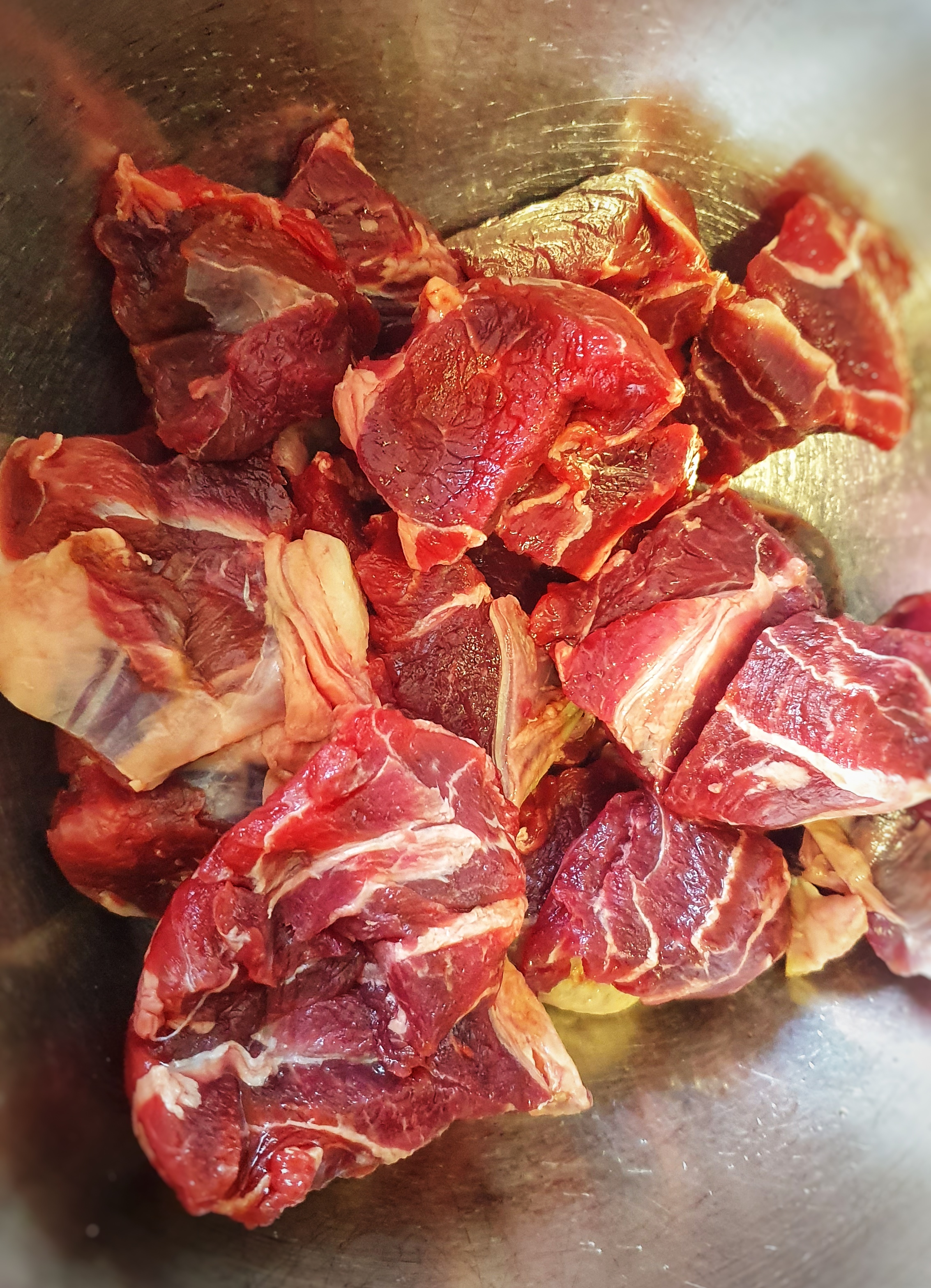
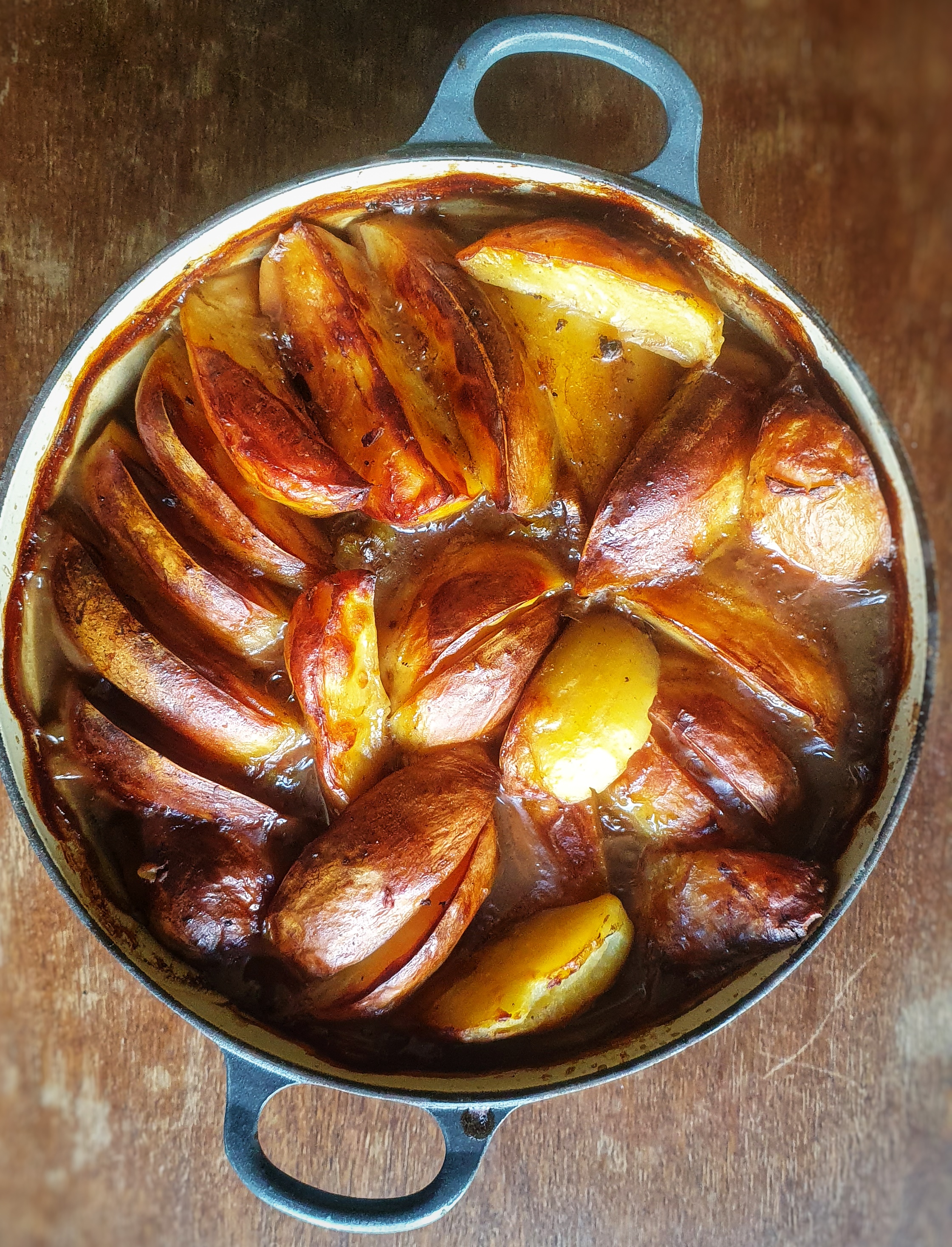
Now, I reckon the vast majority of black pudding eaters enjoy theirs as part of a fried breakfast, but I think we need to remember that black puddings can be eaten for any meal, and in the last post I detailed the old traditional way of eating them with mashed potato and apple sauce. Today I am going one better with this delicious and warming Cumbrian Tatie Pot, a hotpot made of lamb, beef and black pudding, pulses and onions, topped not with nice, neat round slices of potato like a Lancashire hotpot, but quartered floury potatoes.[1] It is important that the cheaper, tougher cuts of beef shin and lamb neck are used, and that the hotpot should be cooked long and slow.

The result is a rich and unctuous hotpot that sticks to your ribs and serves plenty of people; it was on the menu at The Buttery in the first year it was open, and it was very popular.[2] Well-flavoured meat cuts like shin and neck require a similarly good-flavoured black pudding like those made by Fruit Pig.

I first heard about this rather decadent one-pot dish from Jane Grigson in her book English Food.[3] I can find only a few other references to it – a regional dish that seems to be rarely cooked today, yet should, in my opinion, be much more popular than it is.

Jane was given the recipe from a Mrs Burrows, and in English Food, she tells us that ‘Mrs Burrows said that what interested her was that the tatie pot is one of our few dishes in which different meats are combined, something which is common in mainland Europe.’ Indeed, and assuming your black pudding contains pigs’ blood, then we have three species of mammal altogether; very rare indeed!

Jane Grigson points out that some recipes say that the beef is optional, ‘which it most definitely is not’, she writes, ‘[i]t makes the character of the dish.’ Looking at similar Lakeland recipes available on the Foods of England Project website, there are recipes that contain beef but not lamb (Westmorland tatie pot), and lamb but not beef (Cumberland hotpot). Neither contain pulses, and both have sliced potatoes nicely arranged on top like a Lancashire hotpot.[4] I’m not saying that Jane’s is right and others wrong; it is just interesting to me that everyone has their own correct version of a dish, possibly with slight geographical differences, and usually it’s the one you grew up with, the one that is most familiar to you, that is the ‘right’ one.


If you can, support the podcast and blogs by becoming a £3 monthly subscriber, and unlock lots of premium content, including bonus blog posts and recipes, access to the easter eggs and the secret podcast, or treat me to a one-off virtual pint or coffee: click here.


Recipe

The long cook time on this hotpot means that you need to keep the liquid levels topped up. You can use stock or water for this – there is nothing wrong with the latter when cooking with these robust cuts of meat.

Serves 8

4 tbs dried split peas or mixed pulses

750 g shin of beef

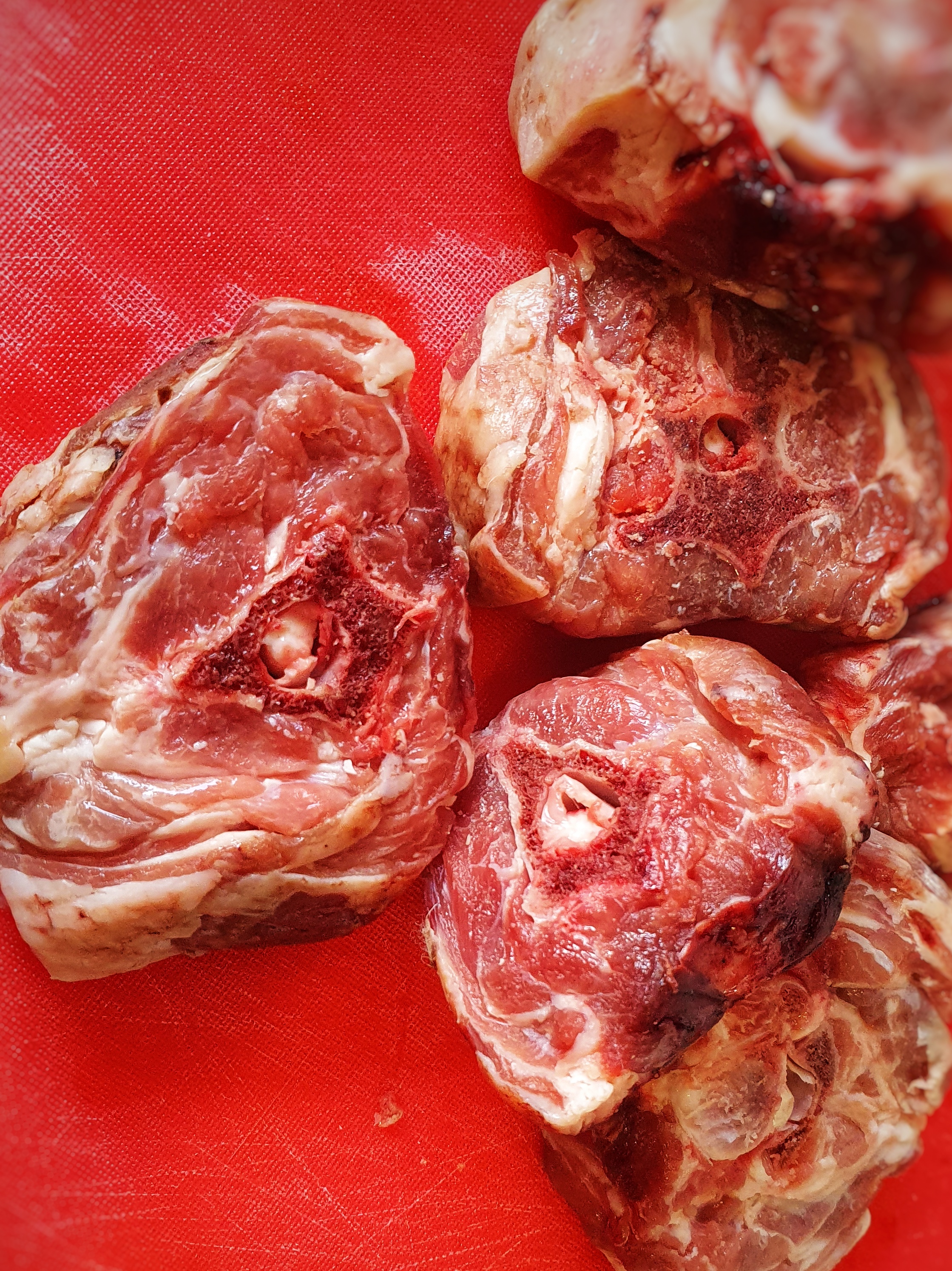
750 g lamb neck (‘scrag end’ of neck)

1 level tablespoon of cornflour

Salt and pepper

One 350 g Fruit Pig black pudding

2 onions, peeled and sliced, or 2 leeks, trimmed, rinsed and thinly sliced

Around 1.2 kg floury potatoes

Around 800 ml hot light beef, lamb, or chicken stock, or water

Soak the pulses in water overnight (or, if you are badly organised, soak in warm water for 4 or 5 hours).

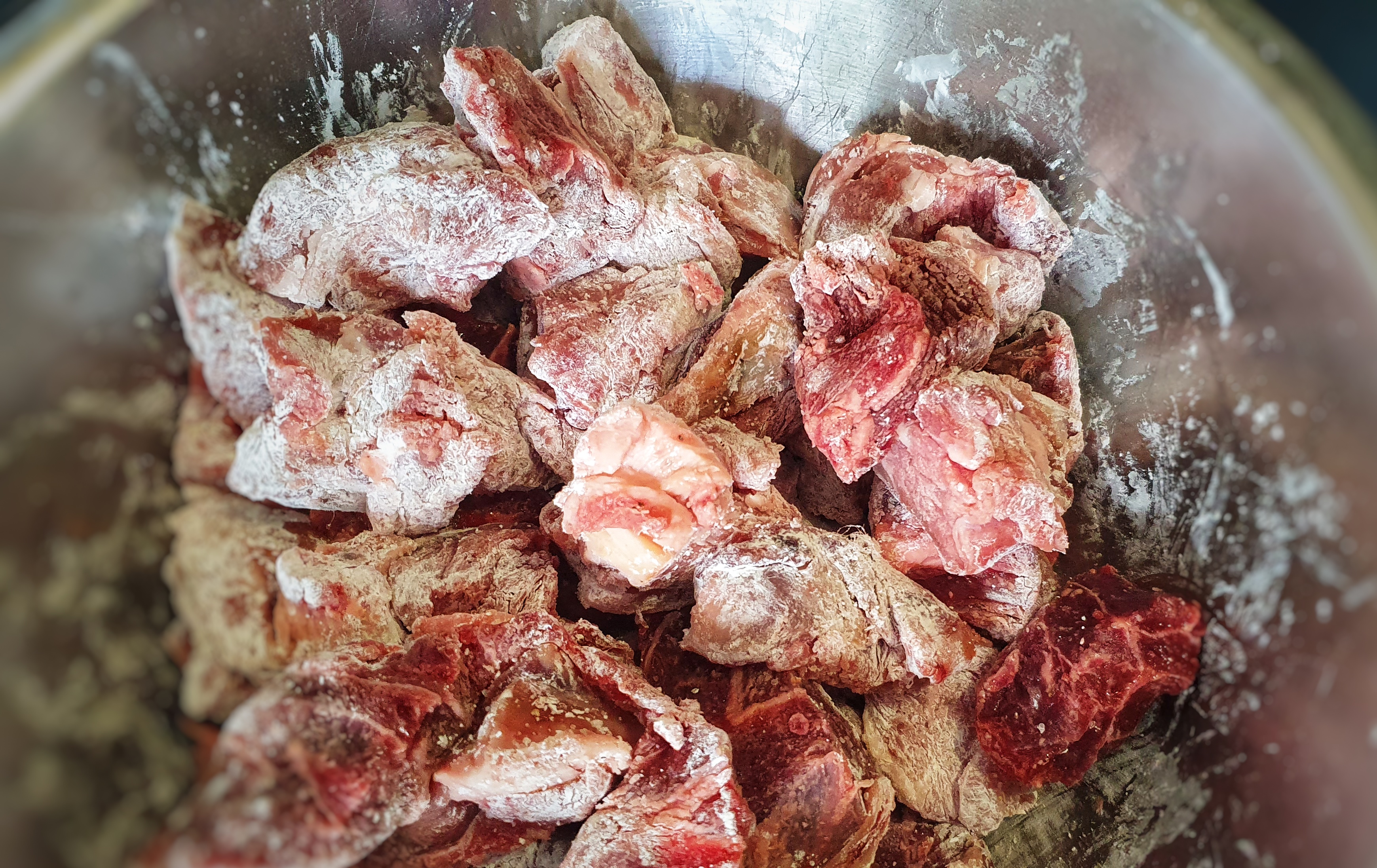
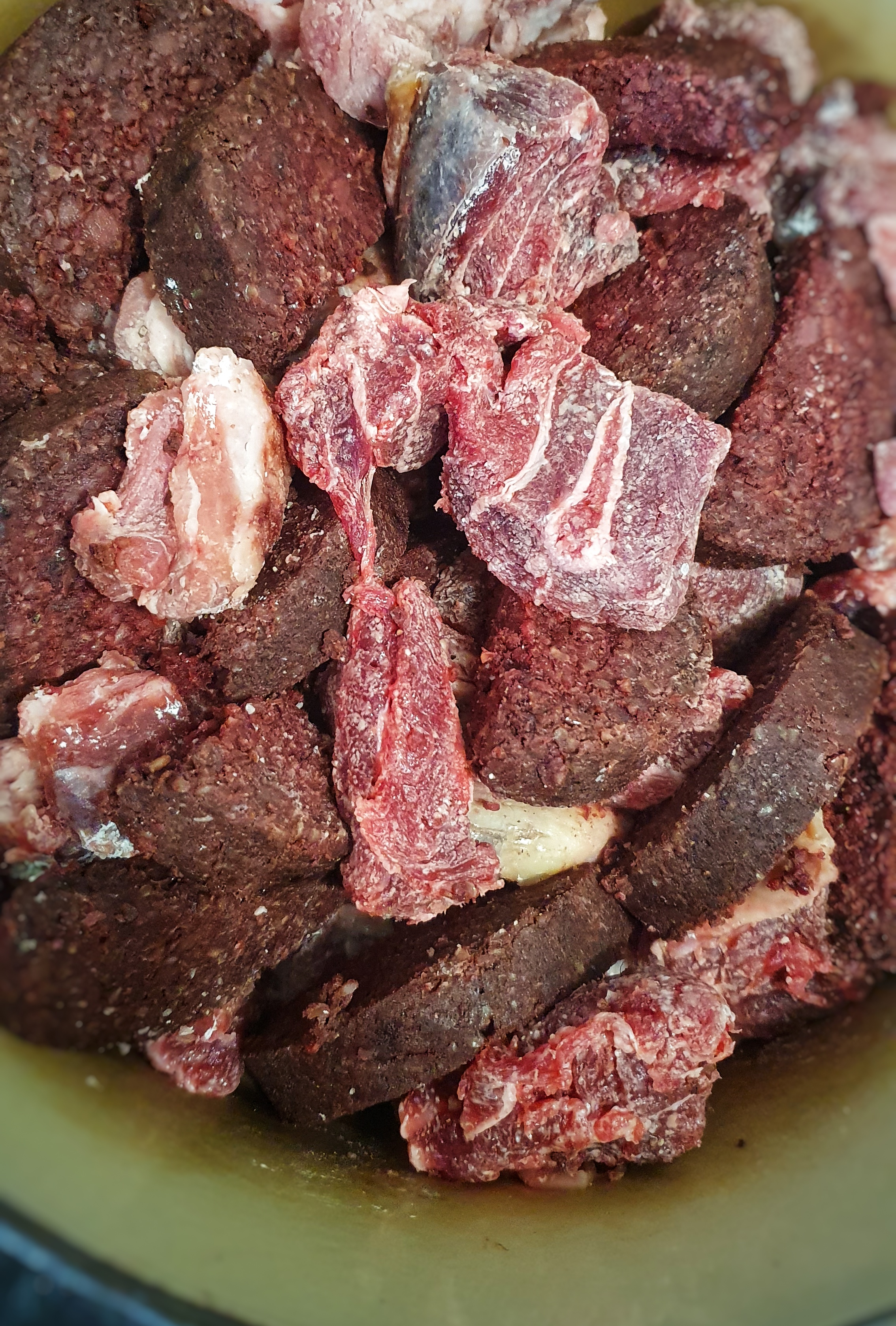
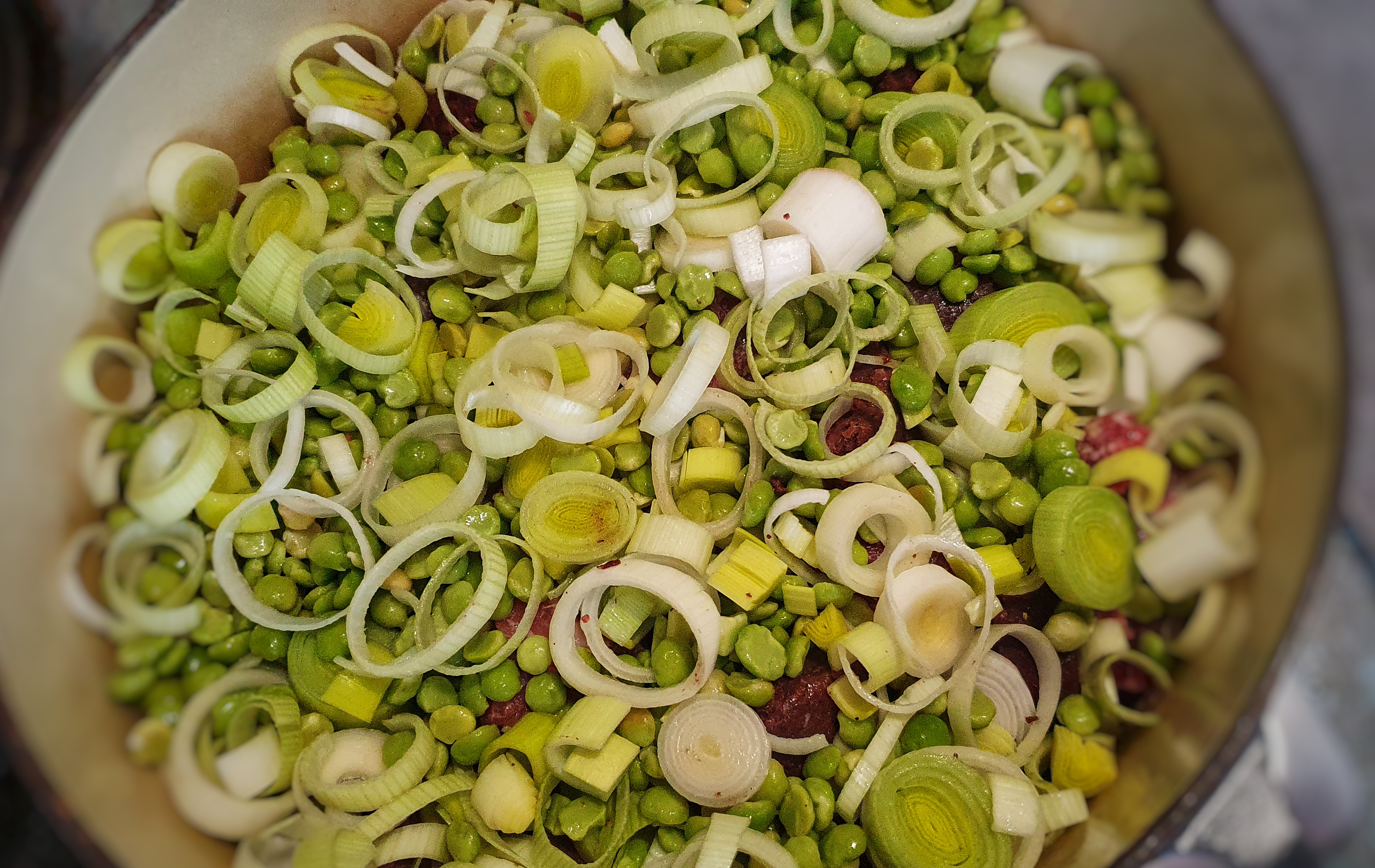
Preheat your oven to 160°C. Shake the meat, cut into neat chunks, with the cornflour, and scatter the pieces over the base of a large casserole, season with salt and pepper, then tuck in slices of the black pudding. Sprinkle with the onions or leeks and the drained pulses. Peel the potatoes and slice them into quarters lengthways. Arrange the quarters on top; I find it is impossible to do this neatly. Pour over enough stock to go halfway up the potatoes and season them with more salt and pepper.

Bake for 4 hours, topping up with more stock or water every hour or so.

Serve with steamed green vegetables or braised red cabbage.


Notes:

[1] Grigson, J. (1992). English Food (Third Edit). Penguin.

[2] The Buttery was my bricks-and-mortar restaurant in Levenshulme, Manchester, open between 2016 and 2017, though it did exist as a pop up restaurant and artisan market stall before that.

[3] For those not in the know, I got into this traditional cookery and food history malarky because I cooked every recipe (well, almost every recipe) in Jane’s wonderful book. This was my first blog Neil Cooks Grigson. Hear about it in this podcast episode from season 8:

[4] Hughes, G. Tatie Pot. The Foods of England Project; https://foodsofengland.info/tatiepotorcumberlandhotpot.html.

1 Comment

Filed under Britain, cooking, food, General, Meat, Recipes, Uncategorized

Black & White Pudding with Matthew Cockin & Grant Harper

Welcome to the first episode of season 9 of The British Food History Podcast! I am going to be adding a blog post to complement each new episode of the podcast, to help readers of the blog keep tabs on what is going on.

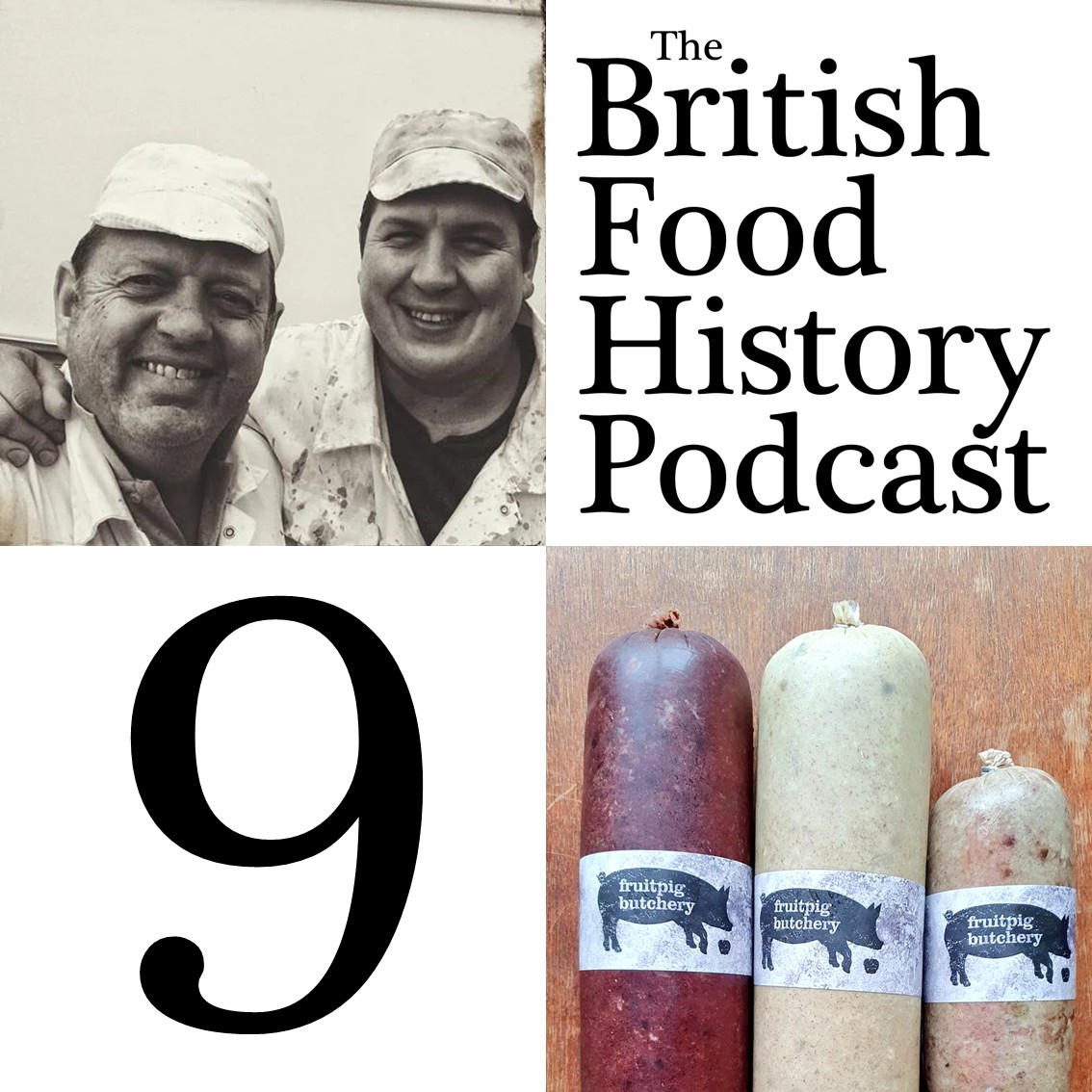
Today I am talking with Matthew Cockin and Grant Harper of Fruit Pig – the last remaining commercial craft producer of fresh blood black puddings in the UK.

Fruit Pig are sponsoring the 9th season of the podcast and Grant and Matthew are very kindly giving listeners to the podcast a unique special offer 10% off your order until the end of October 2025 – use the offer code Foodhis in the checkout at their online shop, www.fruitpig.co.uk.

We talk about how and why they started up Fruit Pig, battling squeamishness, why it’s so difficult to make fresh blood black puddings, and serving suggestions – amongst many other things

The podcast is available on all podcast apps, aandd now YouTube. Please give it a follow, and if you can, please rate and review. If you’re not a podcasty person, you can listen via this Spotify imbed:

Some serving suggestions

One other thing we talked about was serving suggestions, and of course a slice or two of black and white pudding as part of a full English breakfast is admirable. You can go one better and have the full triple of black pud, white and haggis for a full Scottish! Personally, I believe a slice of fried bread topped with a couple of slices of fried pudding and a poached egg is the breakfast of champions.

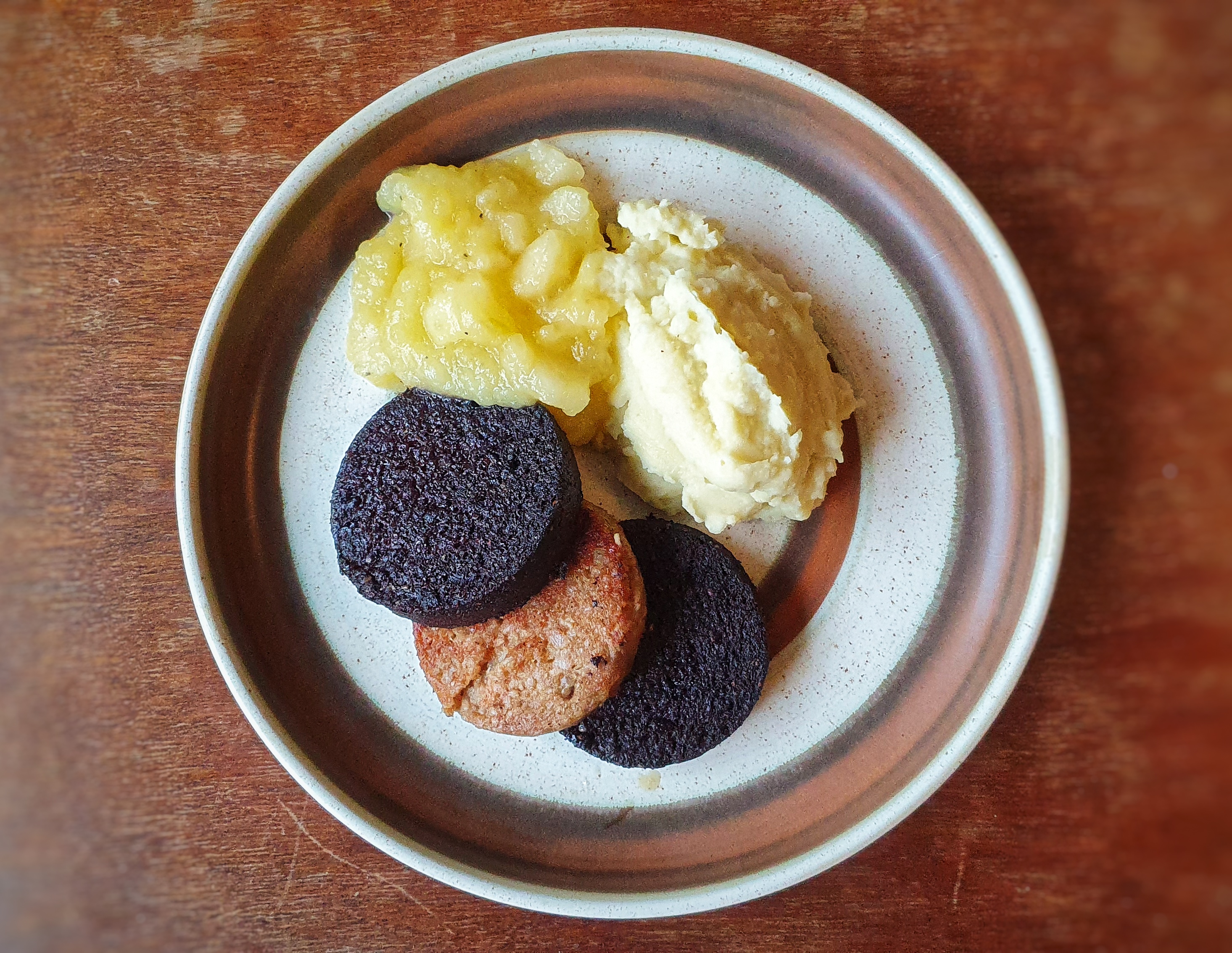
These puddings are not just for breakfast, though. In Lancashire, a favourite way of eating black pudding is to poach it again, remove it from the water, drain, split lengthways and spread it with mustard. I have eaten it this way when visiting Bury Market. But my favourite way of eating black and white pudding in a simple way, is to serve fried slices of pudding with mashed potatoes and apple sauce – hot or cold, not too sweet. Here’s how to make a good ‘savoury’ apple sauce:

Peel, core and slice 2 medium-sized Bramley apples, and 2 tart dessert apples (e.g. Cox’s Orange Pippin) and fry in a saucepan with 60 g salted butter and a good few grinds of pepper. When the Bramleys start to soften, add 2 level tablespoons of sugar and 4 or 5 tablespoons of water. Cover and cook on medium heat, stirring occasionally, until the apples are cooked through and the Bramleys have broken down to a puree. Taste and correct seasoning. You need something still very tart to cut through the rich puddings.

Keep a lookout for a proper recipe and some of my experiments with the fresh blood, Matthew and Grant kindly sent me.


If you can, support the podcast and blogs by becoming a £3 monthly subscriber, and unlock lots of premium content, including bonus blog posts and recipes, access to the easter eggs and the secret podcast, or treat me to a one-off virtual pint or coffee: click here.


This episode was mixed and engineered by Thomas Ntinas of the Delicious Legacy podcast.

Things mentioned in today’s episode

Fruit Pig on Jamie & Jimmy’s Friday Night Feast

Fruit Pig on BBC Radio 4’s The Food Programme

The Fruit Pig website

Neil’s appearance on Comfortably Hungry discussing black/blood pudding

Museum of Royal Worcester project wins a British Library Food Season Award

Follow Serve it Forth on Instagram at @serveitforthfest

My YouTube channel

Podcast episodes pertinent to today’s episode

The Philosophy of Puddings with Neil Buttery, Peter Gilchrist & Lindsay Middleton:

18th Century Female Cookery Writers with The Delicious Legacy:

Neil’s books:

Before Mrs Beeton: Elizabeth Raffald, England’s Most Influential Housekeeper

A Dark History of Sugar

Knead to Know: a History of Baking

The Philosophy of Puddings

Don’t forget, there will be postbag episodes in the future, so if you have any questions or queries about today’s episode, or indeed any episode, or have a question about the history of British food please email me at neil@britishfoodhistory.com, or leave a comment below.

2 Comments

Filed under Britain, food, General, Meat, Puddings

Roast Turkey and Giblet Gravy

A very bronzed roast Copas turkey: butter is the only way to get this deep, delicious colour.

This blog post complements the recent episode of The British Food History Podcast called Turkey with Tom Copas.

If you feel inspired to order a Copas turkey, you need to get your order in by 16 December to avoid disappointment.

In the episode, we discussed the best way to roast turkey and we concluded that as long as you baste the bird and calculate the cooking time properly, it will be delicious. Tom even says that there’s no need to cover the turkey with bacon. While I agree with him, I do like the crispy bacon and the delicious, perfectly seasoned juices that come from the roasting turkey. My way of roasting turkey is very similar to how I cook a chicken.

What we didn’t discuss is the giblets! Please don’t waste them, they can be turned into lovely rich gravy when combined with the roasting juices. It’s important to get the giblet stock on about 45 minutes before the turkey goes in the oven (or you could prepare it in advance).

If you want to stuff the turkey, I suggest you stuff the neck only because an empty cavity means quicker cooking and a more succulent turkey.

Right, let’s get to it.


If you like the blogs and podcast I produce and would to start a £3 monthly subscription, or would like to treat me to virtual coffee or pint: follow this link for more information. Thank you.


To Roast a Turkey

You don’t have to use bacon if you don’t want to, but butter is essential. It adds richness, helps the bird keep moist and gives the skin a lovely deep brown colour.

1 free-range turkey

250 g salted butter, softened

Freshly ground black pepper

Around 14 rashers of dry-cured streaky bacon (optional)

Stuffing (optional)

Halved or quartered carrots and parsnips (optional; see recipe)

As soon as you get up on Christmas morning, take the turkey out of the fridge, untruss it, and when it’s time to cook the turkey, preheat your oven to 190°C.

Sit the turkey on a board, legs facing towards you, then make a tear in the skin where the breast starts and lift the skin away from the breast. Don’t rush – you don’t want to tear the skin. Put half the butter between the skin and breast and massage it as far back as possible. If you are using stuffing, add this under the skin too and tuck the flap of neck skin underneath. If there’s not much neck skin, don’t worry, it can be secured with a skewer.

Smear the rest of the butter over the outside of the turkey and season with plenty of black pepper, then lay the bacon over, overlapping each rasher only slightly.

Weigh the prepared turkey and calculate the cooking time: 30 minutes per kilo. A 4.5 kilo turkey will take 2 ½ hours. If cooking for more than 3 hours, cover the legs with foil.

Sit the turkey in its roasting tin, place it in the oven, and leave it for a good 45 minutes before doing anything at all. At the 45-minute mark baste the turkey with any juices; make sure to tip any juices in the cavity into the roasting tin.

Baste every 20 minutes or so. When the bacon is very crispy, remove it and set aside.

If you like you can add some carrots and parsnips, peeled and halved or quartered to braise in the juices. It’s best to do this when there are 90 minutes to go – don’t forget to turn the veg over each time you braise.

90 minutes to go, the bacon has been removed and the vegetables added to braise

When the time is up, you can test with a digital probe: 68°C is the temperature you are looking for. Take the turkey, place it on a carving board and cover with foil. It will happily rest for one to two hours.

When it’s time to carve, remove the legs and separate them into thighs and drumsticks. For the breast, I find the easiest way is to remove one side completely and then slice it thickly. These can be arranged on a warm serving plate, surrounded by the crisp bacon. Only cut into the second breast if the first one goes (it keeps better that way for leftover feasts).

I massaged the stuffing quite far into the turkey’s breast skin, protecting the meat and keeping it juicy

To Make Giblet Gravy

Don’t waste or fear the giblets! The giblets are the heart, neck, gizzard and liver.[1] Use your vegetable trimmings from the veg to make the stock: though avoid brassicas like sprouts.

For the stock:

Heart, gizzard and neck

A knob of butter

Leek greens, carrot peelings, and some celery trimmings, or 2 outer stems of celery

2 cloves of garlic, lightly crushed

Herbs: bay leaves, parsley stalks, rosemary or thyme sprig tied with string

175 ml white wine

Cold water

For the gravy

Giblet stock

Pan of turkey juices

1 tbs cornflour

To make the stock, first cut up the giblets into quarters.

In a saucepan, heat the butter until foaming, add the giblets and fry over a medium-high heat until brown – about 5 minutes. Now add the vegetable trimmings, garlic and herbs and wilt them. Cook until they have picked up a tinge of brown, then add the wine. Stir and scrape any nice burnt bits from the bottom. Add water to just cover the contents, put a lid on and bring to a simmer and cook for around 3 hours, then strain through a sieve into a clean pan (or into a tub if you’re making it in advance).

When it’s time to make the gravy, get the stock nice and hot. When the turkey is cooked and is resting on its board, pour the hot stock into the roasting tin and scrape off all the nice treacly burnt bits, then tip the whole thing back into your saucepan. Skim away most of the buttery juices.[2] Bring to a simmer and then add the cornflour which has been first slaked in a little cold water. Stir and simmer unlidded for 10 minutes.

Check the seasoning, though usually I find that the bacon and the salted butter from roasting the turkey have done it for me. Pour the gravy into a jug. You can pass it through a sieve, but I never do. Easy!


[1] Use the liver for the stuffing, or fry it and eat it on toast. You could devil it – recipe for devilling livers can be found here.

[2] But don’t throw the fat away, it can be used for frying vegetables for sauces or soup.

6 Comments

Filed under Britain, Christmas, cooking, Festivals, food, General, history, Meat, Recipes

Edward Kidder’s Early 18th Century Mince Pies


This post complements the 2023 Christmas special of The British Food History Podcast called ‘Mince Pies’:


As promised on this year’s Christmas episode of the podcast, all about mince pies, here is my pastry recipe and method for making the shaped-mince pies in E. Kidder’s Receipts of Pastry and Cookery. It was originally published in 1721, but I used the 1740 edition of the book (here’s a link to the document). If you go to the end of the book, you will see lots of different minced pie templates, just like the ones below. The idea was that you rolled out your pastry and cut a shape out, then made pastry walls, filled them with mincemeat, placed on lid on top and baked it. Really beautiful, but fiddly-looking shapes, I’m sure you’ll agree.

I felt a little nervous making them, so let me at this point, say a massive thank you to Ivan Day for the advice he gave me on shaping these pies. Ivan has an excellent blog with a fascinating article about mince pies (click this link to read it).

In the Christmas episode, I considered making some of the pie designs in Robert May’s The Accomplisht Cook (first published in 1660), but I found Edward’s designs much easier to extrapolate into three-dimensional pies! However, here are a few from May’s book to give you an idea of the sorts of minced pies he was making:

The Materials

The first thing you need to do is get organised with your templates. I simply took screenshots of the book, printed them out and cut them out. You can make them any size you like. My shapes were around 10cm wide, and I went for the ones that looked the easiest!

Then you need the correct tools for the job. I have collected over the years various pastry tools, both antique and modern. The wheels are called jiggers, which are used for cutting pastry. The antique ones usually come with a crimping tool attached, and these are used to fuse two pieces of pastry. The one I own with what looks like a flat pair of tweezers was particularly helpful for the pies I made here. I used a paring knife to cut out the shapes – the jiggers weren’t appropriate for these smaller pies.
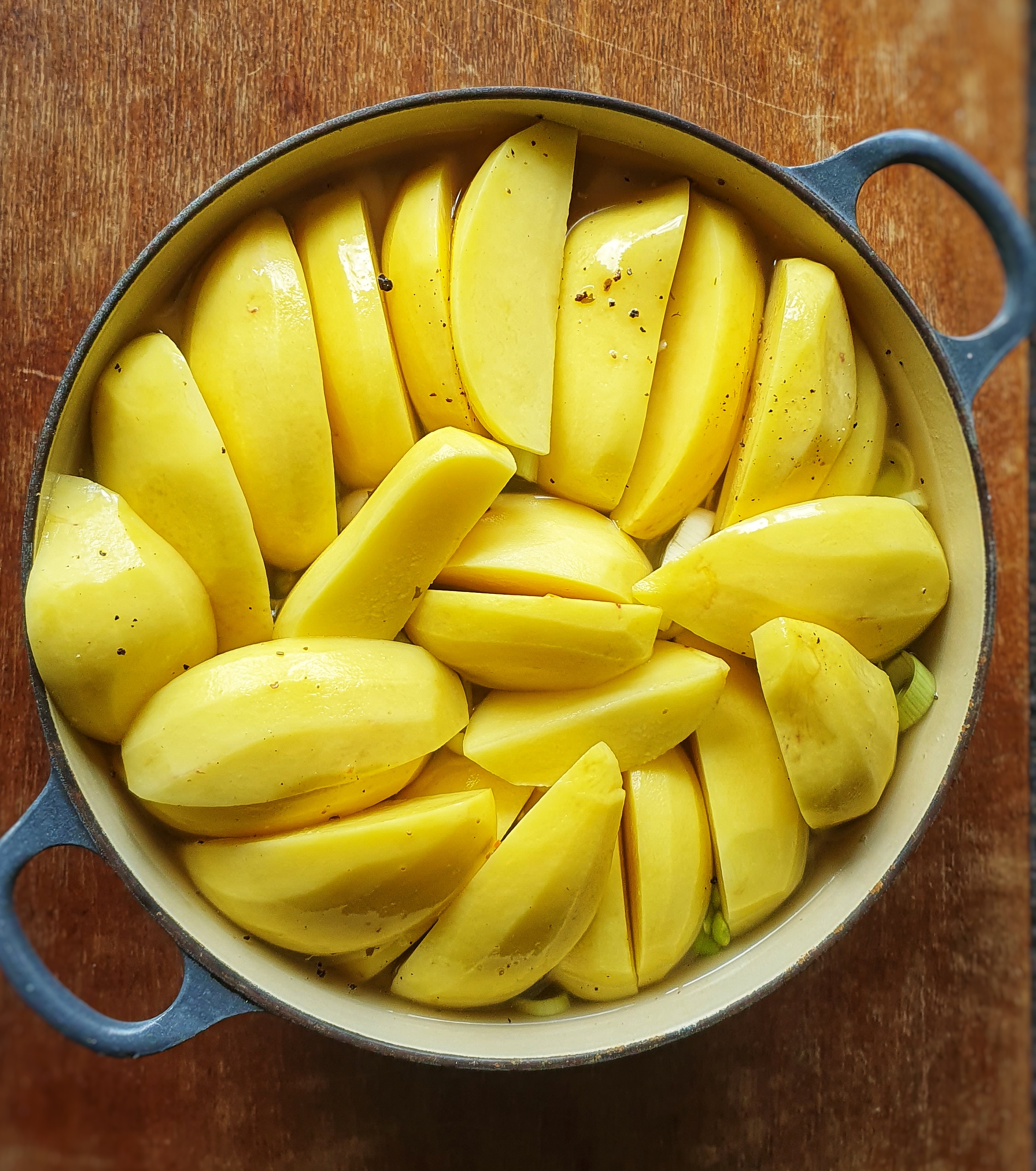
Jiggers do come in handy for cutting out the pastry walls – essentially strips of pastry – I have a tool that’s made up of 5 jiggers on one expandable frame so you can cut several strips of the same thickness in one go.

That’s the tools of the trade, but now let’s look at our ingredients: we need mincemeat (I used the lamb mincemeat, recipe here) but you can use any you like.[1] Then we need some pastry that is mouldable (we don’t want the walls collapsing in the oven!) yet edible.


If you like the blogs and podcast I produce and would to start a £3 monthly subscription, or would like to treat me to virtual coffee or pint: follow this link for more information. Thank you.


Mouldable Hot Water Pastry

I came up with the following recipe, based on one given by Jane Grigson in English Food.[2] It’s very good for moulding, but not particularly delicious, I made a few changes and I think it’s pretty good. It is simple to make, and this was enough for 8 to 10 pies, depending upon how large your templates are (you could, of course, make one large one!)

500 g plain flour

125 g salted butter, diced

125 g lard, diced

75 ml hot water

2 tbs icing sugar

First, rub the butter into the flour until it resembles breadcrumbs. Put the lard in a saucepan and pour the hot water over it. Heat gently, but be careful – you don’t want it to boil and splutter. Stir in the icing sugar and when it is dissolved, make a well in the centre of the flour-butter mixture and pour into it three-quarters of the hot liquid. Cut the liquid in with a knife, then pour the remaining hot liquid to pour over any dry patches that remain. Once all of the water has been added, give the pastry a knead (leave it to cool a little if you need to). It should be smooth, pliable and waxy. Cover with cling film and allow to cool completely, but do not refrigerate.

Constructing the Pies

Now you can roll out a third of the pastry thinly – aim for the thickness of a pound coin, 2 to 3 millimetres – and cut out your bases. Now roll out another third into a long strip, long enough to go around the perimeter of your shapes. To do this, use a piece of string to trace around the shape. When the appropriate length, use a ruler to cut your strips at your desired thickness. I went for 2 cm, but I could have gone thicker than that, I think.

Now the fiddly bit: brush the edges of the bases with plain water and glue the sides on. Use your finger and thumb to pinch them together, and then crimp them with a crimper tool if you have one. Repeat with all of your shapes and place in the fridge for a few hours to firm up. When firm, roll out the final third of the pastry and cut out your lids.

Fill your pies with your chosen mincemeat, brush the rims of your pies with water and fix on the lids in the same way as you did the bases. Make a steam hole and place back in the fridge for 30 minutes to firm up again. Meanwhile, preheat your oven to 200°C.

If you like, brush your pies with an egg wash before you bake them for 25 minutes, or until a good golden-brown colour. If you are making large pies, turn the heat down to 175°C and cook longer: you should see or hear the filling bubbling, telling you it is ready!


Notes:

[1] Though it is best to use a low-sugar recipe, not a gloopy one from the supermarket shelves. I recommend Jane Grigson’s orange mincemeat or Mrs Beeton’s traditional mincemeat.

[2] See Oldbury Gooseberry Tarts on the other blog.

Leave a comment

Filed under baking, Britain, cooking, Eighteenth Century, food, General, history, Recipes, Teatime, Uncategorized