Just a very quick message to let you all know that the 10th season of The British Food History Podcast starts next month. Check out the trailer, via this Spotify embed.
So, there will be much podcast content to download and listen to over the next few months.
If you don’t already, please subscribe to the podcasts on your favourite podcast app.
Over and out!
Neil xx
If you can, support the podcast and blogs by becoming a £3 monthly subscriber, and unlock lots of premium content, including bonus blog posts and recipes, access to the Easter eggs, a monthly newsletter and the secret podcast, or treat me to a one-off virtual pint or coffee: click here.
It’s time for the now traditional end-of-season postbag episode of The British Food History Podcast, where I (attempt to) answer your questions, read out your comments and mull over your queries.
I’ll be disappearing for a couple of months, unless of course, you are a monthly subscriber, where there will be a bonus episode coming up for you to listen to via the website: Keeping Food Traditions Alive with Tom Parker Bowles, which was recorded live at the Serve it Forth Food History Festival on 18 October.
The British Food History Podcast is available on all podcast platforms. Please subscribe, rate and review. Alternatively, stream the episode via this Spotify embed:
If you can, support the podcast and blogs by becoming a £3 monthly subscriber, and unlock lots of premium content, including bonus blog posts and recipes, access to the Easter eggs and the secret podcast, or treat me to a one-off virtual pint or coffee please click here.
Remember: Fruit Pig are sponsoring the 9th season of the podcast. Visit their website www.fruitpig.co.uk to learn more about them, their journey, to find your local stockist and access their online shop.
Don’t forget, there will be postbag episodes in the future, so if you have any questions or queries about today’s episode, or indeed any episode, or have a question about the history of British food please email me at neil@britishfoodhistory.com, or on twitter and BlueSky @neilbuttery, or Instagram and Threads dr_neil_buttery. My DMs are open.
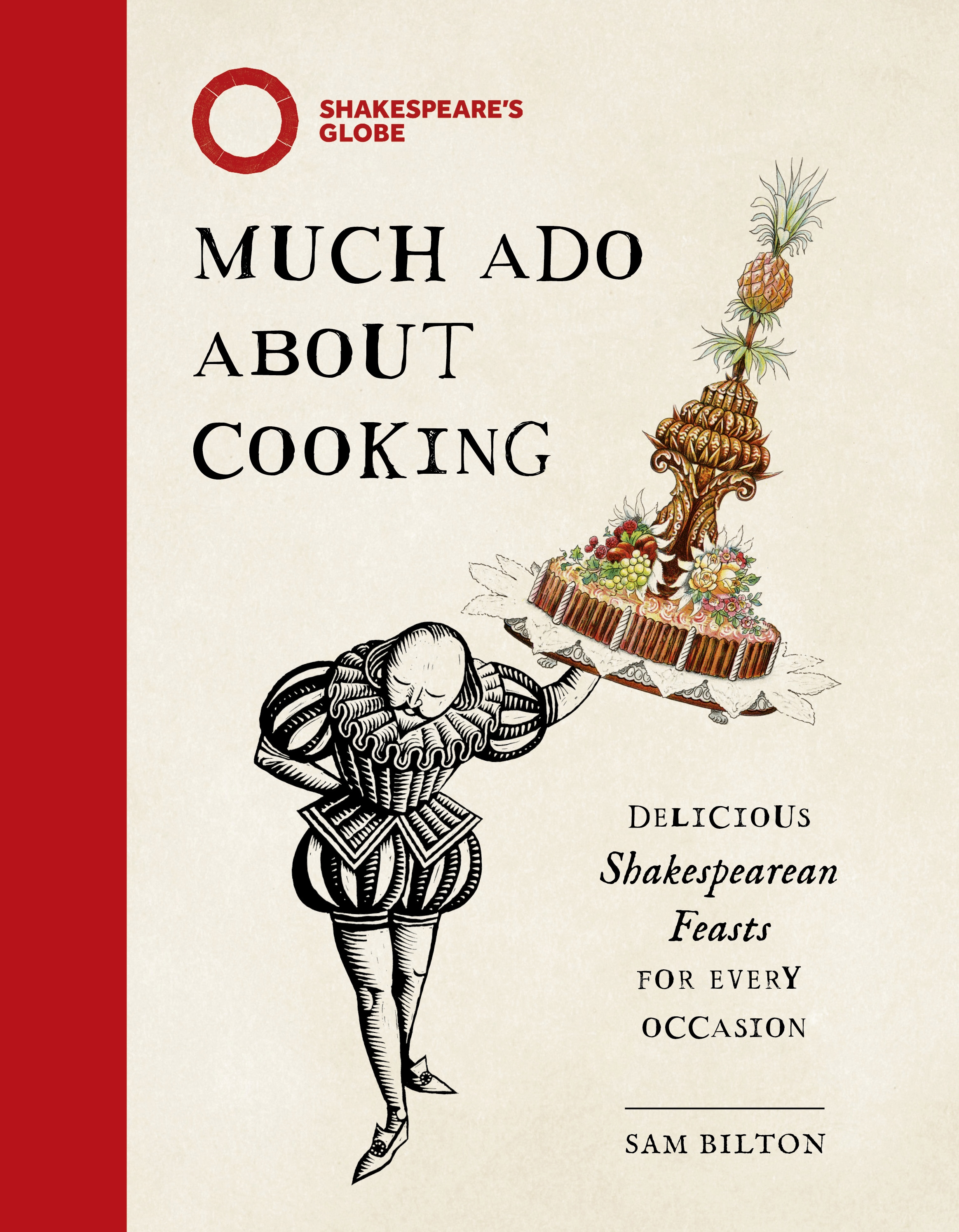
My guest on The British Food History Podcast today is food historian and friend of the show Sam Bilton, podcaster and author of Much Ado About Cooking Delicious Shakespearean Feasts for Every Occasion, published by Headline and commissioned by Shakespeare’s Globe.
It was, of course, a great opportunity to talk about the food of Shakespearean England as well as the food and drink references in Shakespeare’s plays, and what they meant to those watching the plays at the time they were first performed.
A small selection of the wonderful photography from Sam’s book
We talked about lots of cookery manuscripts, the importance of keeping historical recipes relevant, capons, Early Modern bread and greedy Falstaff’s sack, amongst many other things.
The British Food History Podcast is available on all apps, or stream it here:
Those listening to the secret podcast can hear about horrible, sweet spinach tarts, Early Modern cakes, possets and more!
Remember: Fruit Pig are sponsoring the 9th season of the podcast. Visit their website www.fruitpig.co.uk to learn more about them, their journey, to find your local stockist and access their online shop.
If you can, support the podcast and blogs by becoming a £3 monthly subscriber, and unlock lots of premium content, including bonus blog posts and recipes, access to the easter eggs and the secret podcast, or treat me to a one-off virtual pint or coffee: click here.
Don’t forget, there will be postbag episodes in the future, so if you have any questions or queries about today’s episode, or indeed any episode, or have a question about the history of British food please email me at neil@britishfoodhistory.com, or leave a comment below.
My guest on The British Food History Podcast today is food historian Carwyn Graves, a specialist in the foodways and traditions of Wales, and we are talking about Welsh Sheep and Cattle – and their products.
Carwyn has written a wonderful book called Welsh Food Stories, published in 2022 by Calon, which explores more than two thousand years of history to discover the rich but forgotten heritage of Welsh foods – from oysters to cider, salted butter to salt-marsh lamb. Despite centuries of industry, ancient traditions have survived in pockets across the country among farmers, bakers, fisherfolk, brewers and growers who are taking Welsh food back to its roots, and trailblazing truly sustainable foods as they do so.
We talk about the importance of sheep and cattle in Wales’s physical and cultural landscape, salt marsh lamb, cawl, colostrum puddings, the Welsh and their love of roasted cheese and sheep fancying Cistercian monks – amongst many other things.
Listen via your favourite podcast app, or stream here via this embed:
The British Food History Podcast will return in April 2026!Please subscribe to the podcast on your favourite podcast app so that you don't miss an episode.If you can, support the podcast and blogs by becoming a £3 monthly subscriber, and unlock lots of premium content, including bonus blog posts and recipes, access to the easter eggs and the secret podcast, or treat me to a one-off virtual pint or coffee: click here.This podcast uses the following third-party services for analysis: Podtrac – https://analytics.podtrac.com/privacy-policy-gdrp
Those listening to the secret podcast can hear 15 minutes of extra material including flummery, mutton, laverbread sauce, the traditional skills in the collective cultural memory of the Welsh, the etymology of rarebit/rabbit plus more!
Remember: Fruit Pig are sponsoring the 9th season of the podcast, and Grant and Matthew are very kindly giving listeners to the podcast a unique special offer 10% off your order until the end of October 2025 – use the offer code Foodhis in the checkout at their online shop, www.fruitpig.co.uk.
If you can, support the podcast and blogs by becoming a £3 monthly subscriber, and unlock lots of premium content, including bonus blog posts and recipes, access to the easter eggs and the secret podcast, or treat me to a one-off virtual pint or coffee: click here.
Don’t forget, there will be postbag episodes in the future, so if you have any questions or queries about today’s episode, or indeed any episode, or have a question about the history of British food please email me at neil@britishfoodhistory.com, or on twitter and BlueSky @neilbuttery, or Instagram and Threads dr_neil_buttery. My DMs are open.
My guest on The British Food History Podcast today is historian Mark Truesdale, scholar of the fifteenth-century King and Commoner tradition and its early modern afterlife and author of The King and Commoner Tradition: Carnivalesque Politics in Medieval and Early Modern Literature, published by Routledge.
We talk about medieval carnival, the plot of a king and commoner tale, spying foresters, rude monks, the love of eating tiny birds, who the audience might be, and the ridiculousness of baking a venison pasty in Sherwood Forest – amongst many other things.
The British Food History Podcast is available on all podcast apps, YouTube, and can be streamed here via this Spotify embed:
A selection of illustrations from manuscripts of various king & commoner tales
Those listening to the secret podcast can hear about Henry VIII’s love of Robin Hood tales, cowardly herons, and Mark tells me who the king in these tales may (or may not) be referring to.
Remember: Fruit Pig are sponsoring the 9th season of the podcast, and Grant and Matthew are very kindly giving listeners to the podcast a unique special offer 10% off your order until the end of October 2025 – use the offer code Foodhis in the checkout at their online shop, www.fruitpig.co.uk.
If you can, support the podcast and blogs by becoming a £3 monthly subscriber, and unlock lots of premium content, including bonus blog posts and recipes, access to the easter eggs and the secret podcast, or treat me to a one-off virtual pint or coffee: click here.
Don’t forget, there will be postbag episodes in the future, so if you have any questions or queries about today’s episode, or indeed any episode, or have a question about the history of British food please email me at neil@britishfoodhistory.com, or leave a comment, below.
In today’s episode of The British Food History Podcast, I speak with Peter Brears, a world-leading food historian. He was director of both York and Leeds City Museums, and is a consultant to the National Trust, English Heritage and Historic Royal Palaces.
He is the winner of the André Simon award for his book, Cooking and Dining in Medieval England, published in 2012, which is a must-have, as are his other books in the series that focus on upper-class cooking and dining in the Tudor and Early Stuart periods, and most recently in the Victorian country house.
He is also a founding member of the Leeds Symposium of Food History and Traditions, which will have its 40th next year.
Our conversation was recorded in person at his home in Leeds.
We talk about the roles of the housekeeper and butler first in the Victorian period, but then trace their histories back right to the Middle Ages in the case of the butler. Also covered: orchestrating big meals, the drinks prepared by the butler, the mysteries of the stillroom, and the pressures of preparing a baked Alaska – amongst many other things.
The podcast is available on all podcast apps and YouTube. You can also stream it via this Spotify embed:
Those listening to the secret podcast can hear about French and Russian service, when housekeepers are definitely not subservient, the dos and don’ts of displaying porcelain and the contents of the housekeeper’s cupboard.
Remember: Fruit Pig are sponsoring the 9th season of the podcast, and Grant and Matthew are very kindly giving listeners to the podcast a unique special offer 10% off your order until the end of October 2025 – use the offer code Foodhis in the checkout at their online shop, www.fruitpig.co.uk.
If you can, support the podcast and blogs by becoming a £3 monthly subscriber, and unlock lots of premium content, including bonus blog posts and recipes, access to the easter eggs and the secret podcast, or treat me to a one-off virtual pint or coffee: click here.
Don’t forget, there will be postbag episodes in the future, so if you have any questions or queries about today’s episode, or indeed any episode, or have a question about the history of British food please email me at neil@britishfoodhistory.com, or on twitter and BlueSky @neilbuttery, or Instagram and Threads dr_neil_buttery. My DMs are open.
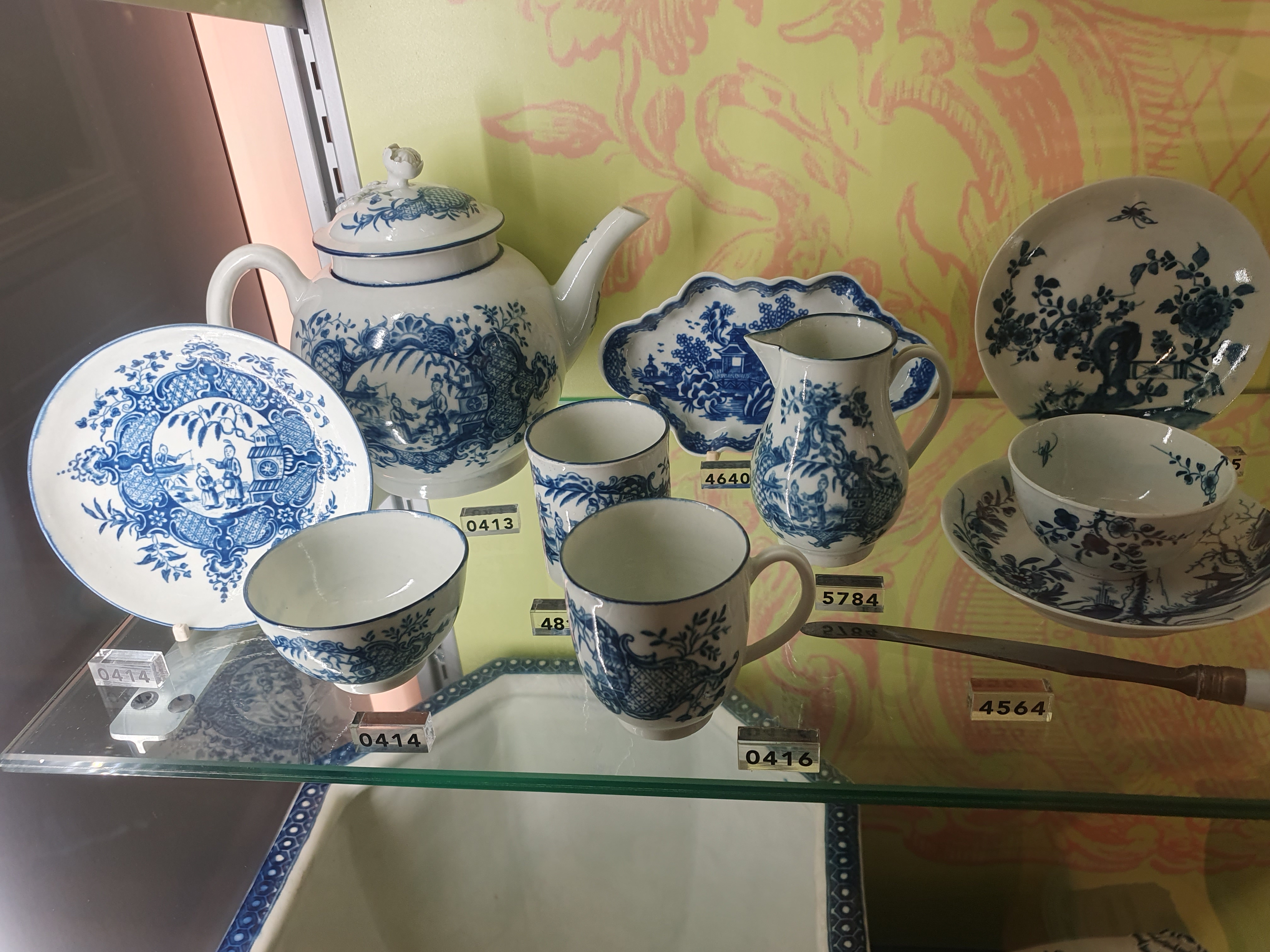
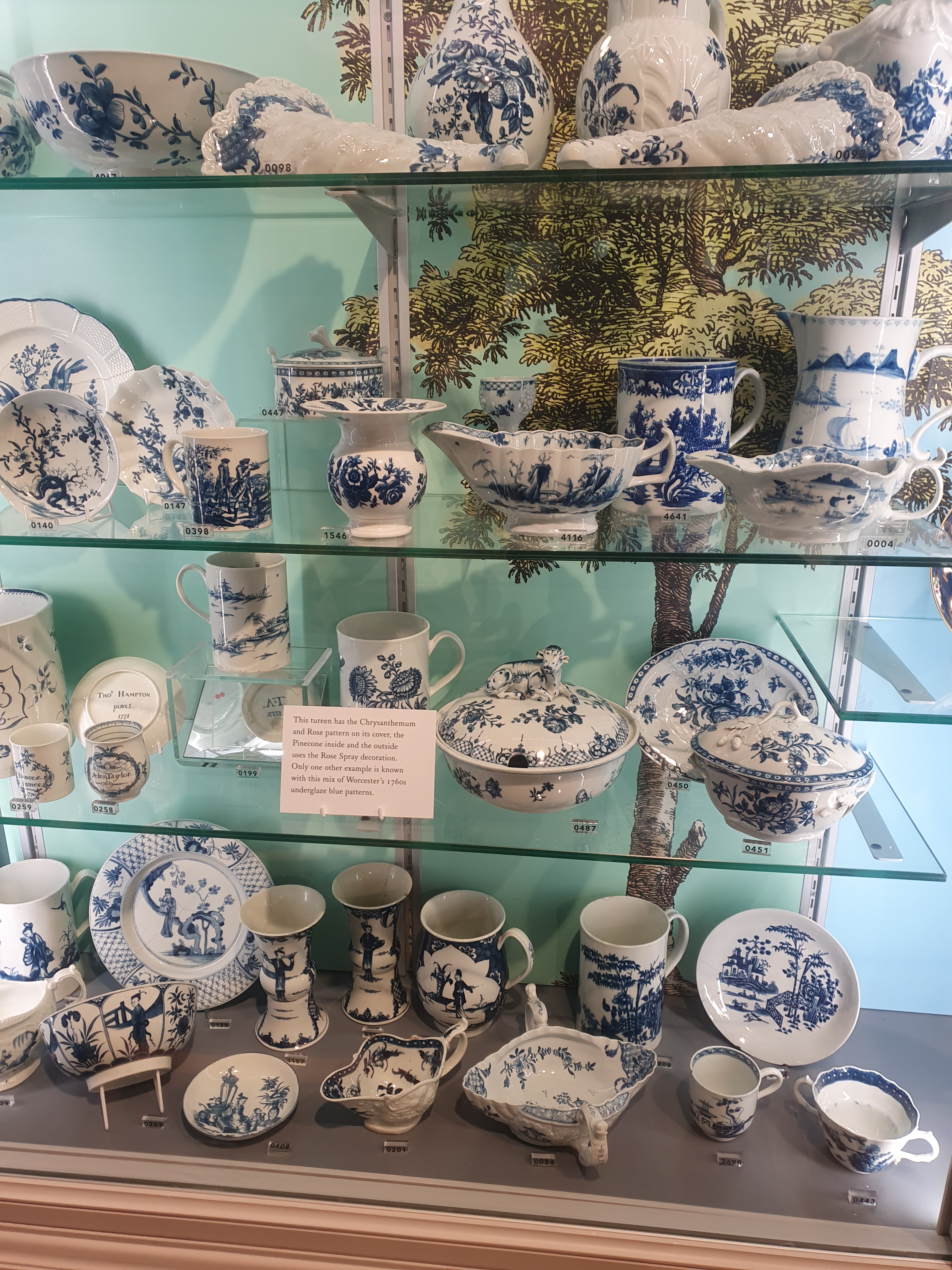
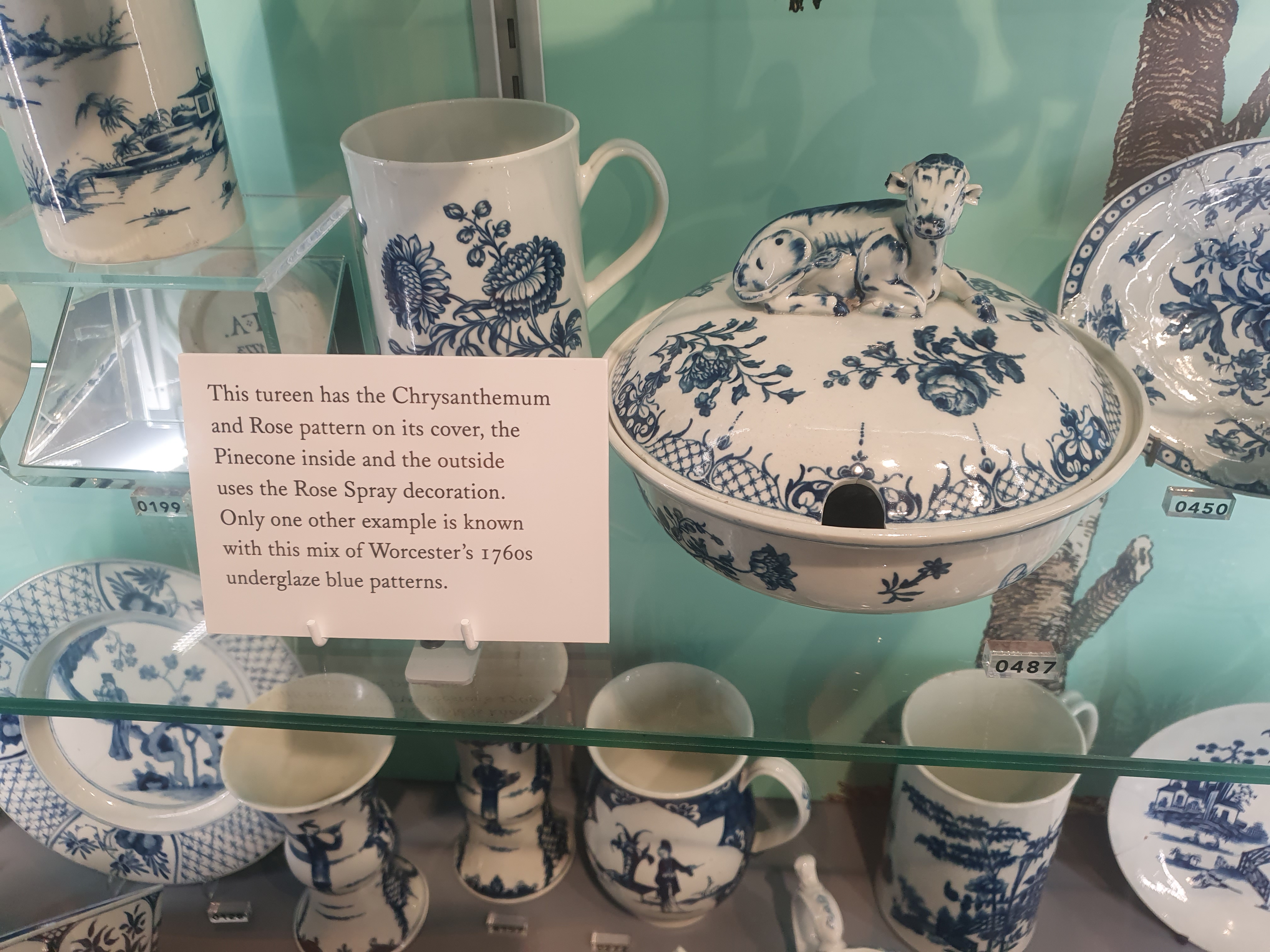
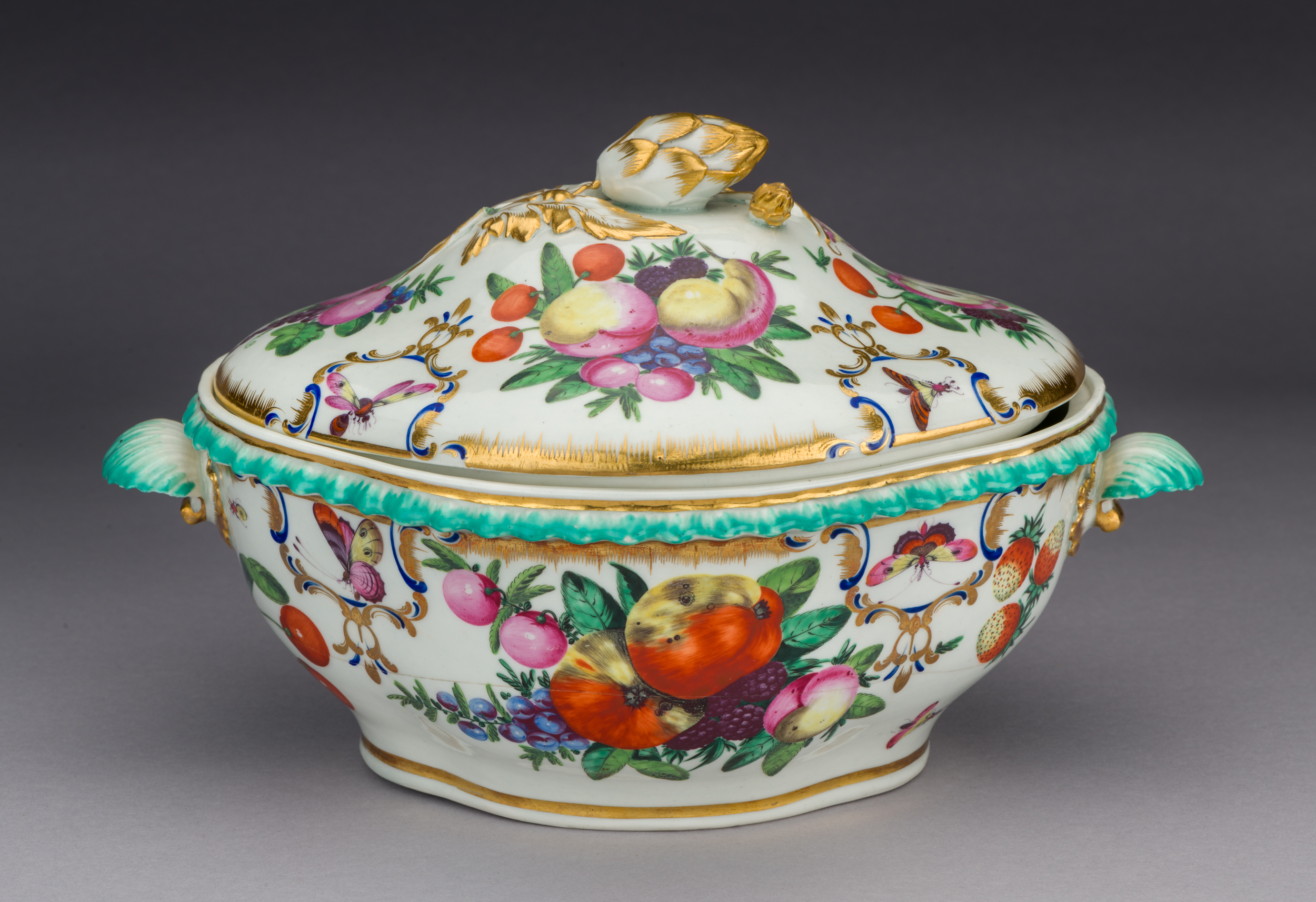
In this episode of the podcast, I talk with ceramics expert Paul Crane FSA about the early years of Worcester porcelain. Paul is a consultant at the Brian Haughton Gallery, St James’s, London, and a specialist in Ceramics from the Medieval and Renaissance periods through to the Eighteenth and Nineteenth Centuries. He presently sits as a Trustee of the Museum of Royal Worcester and is also a Fellow of the Society of Antiquaries, an independent historian and researcher and a Liveryman of the Worshipful Company of Art Scholars.
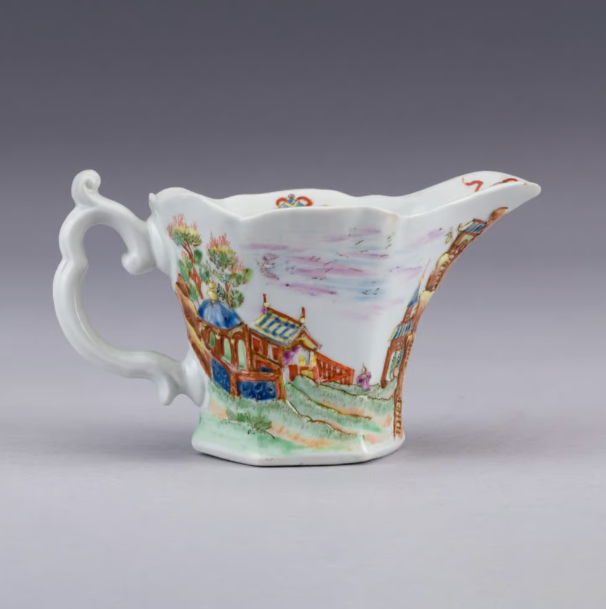
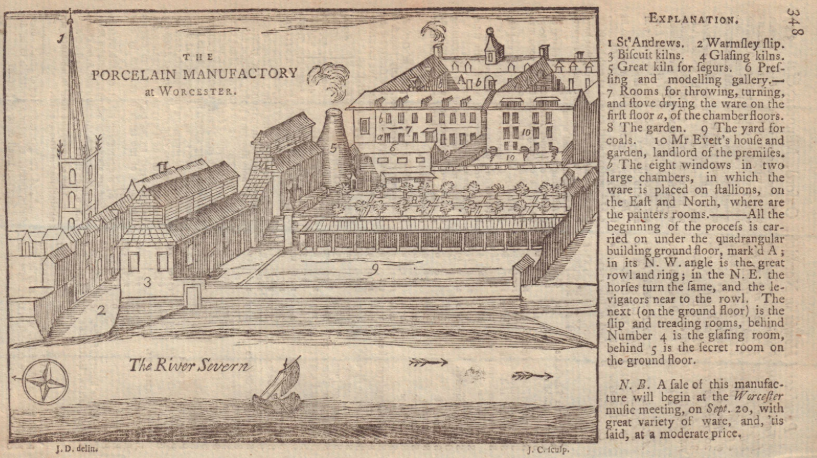
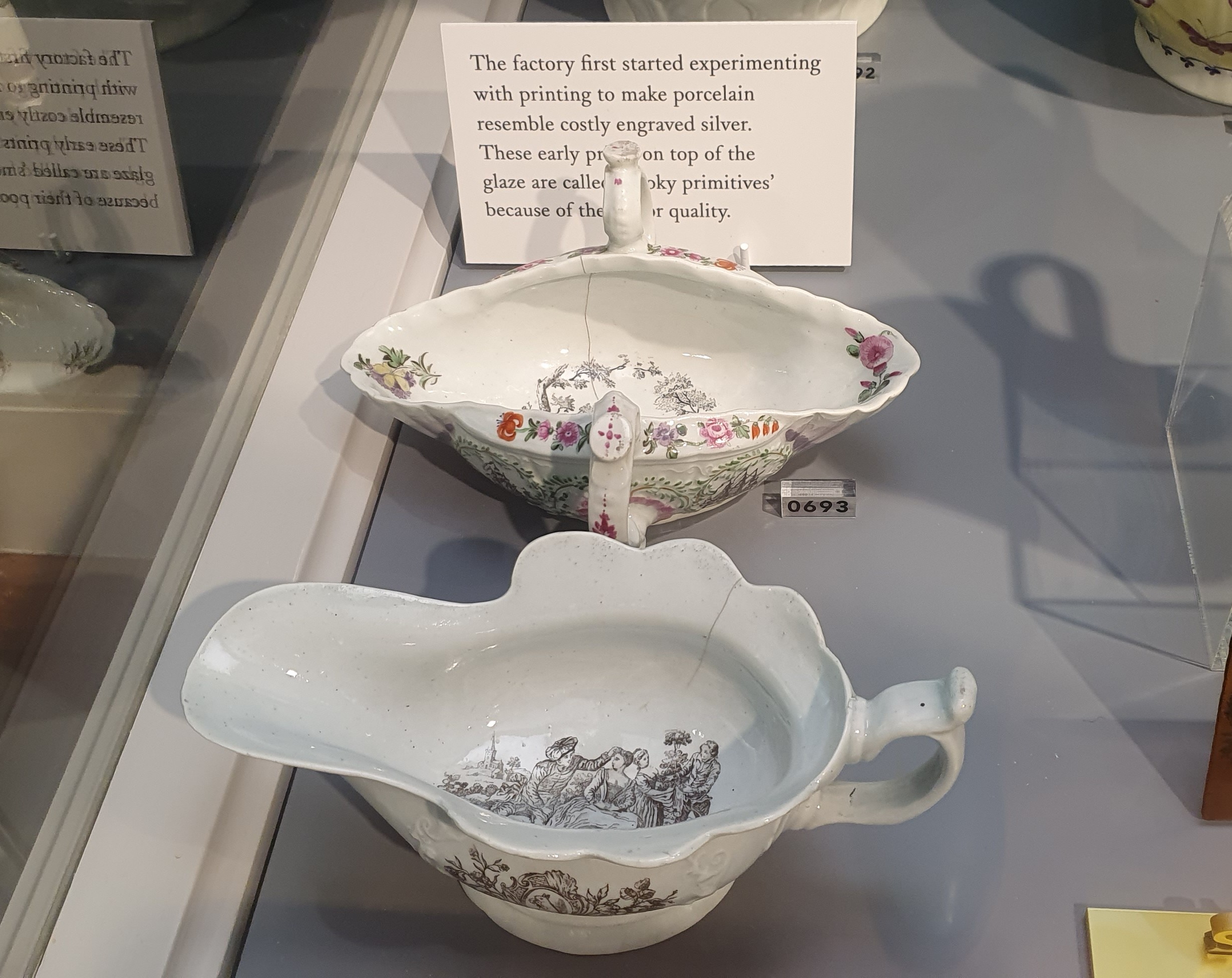
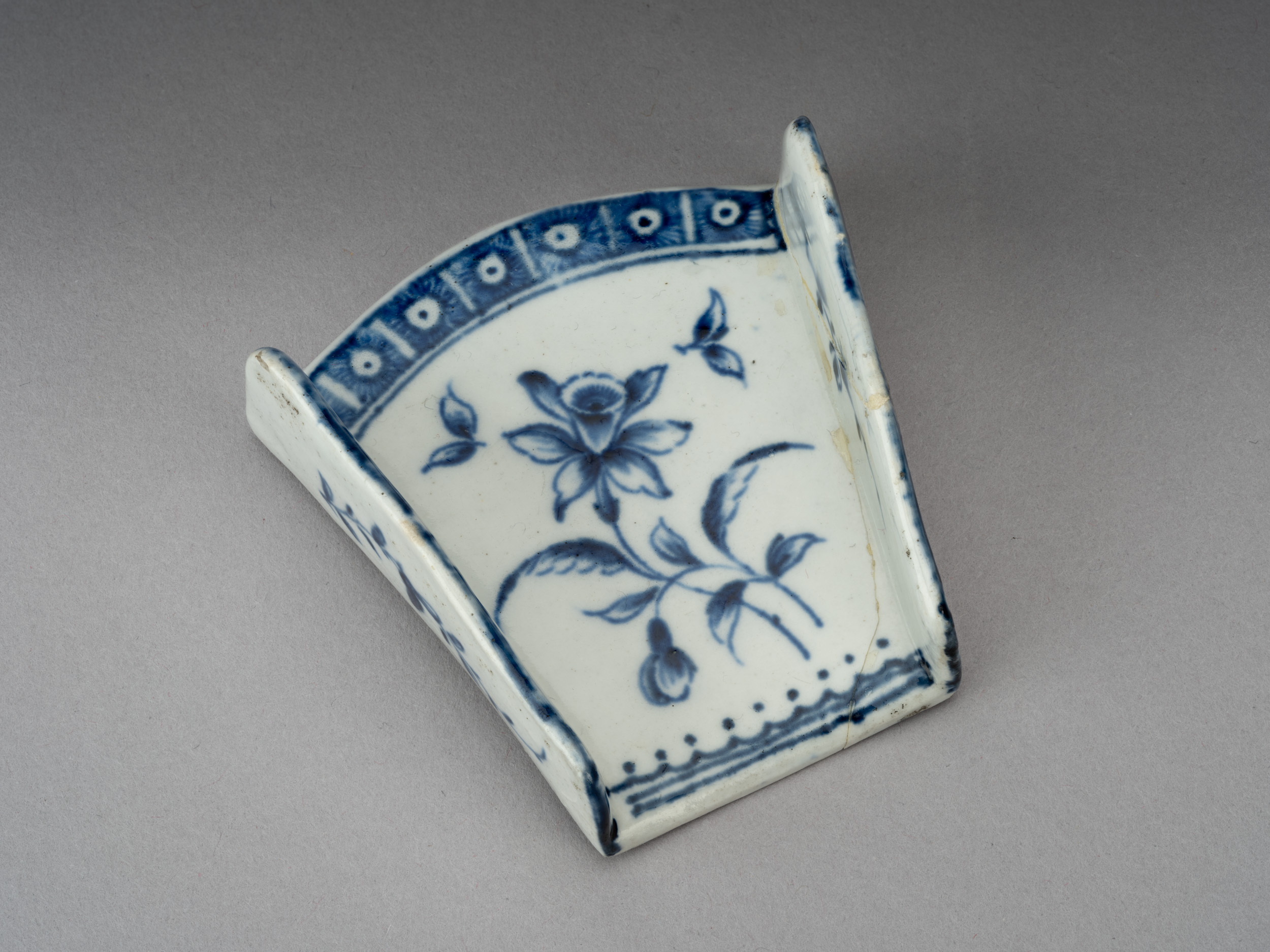
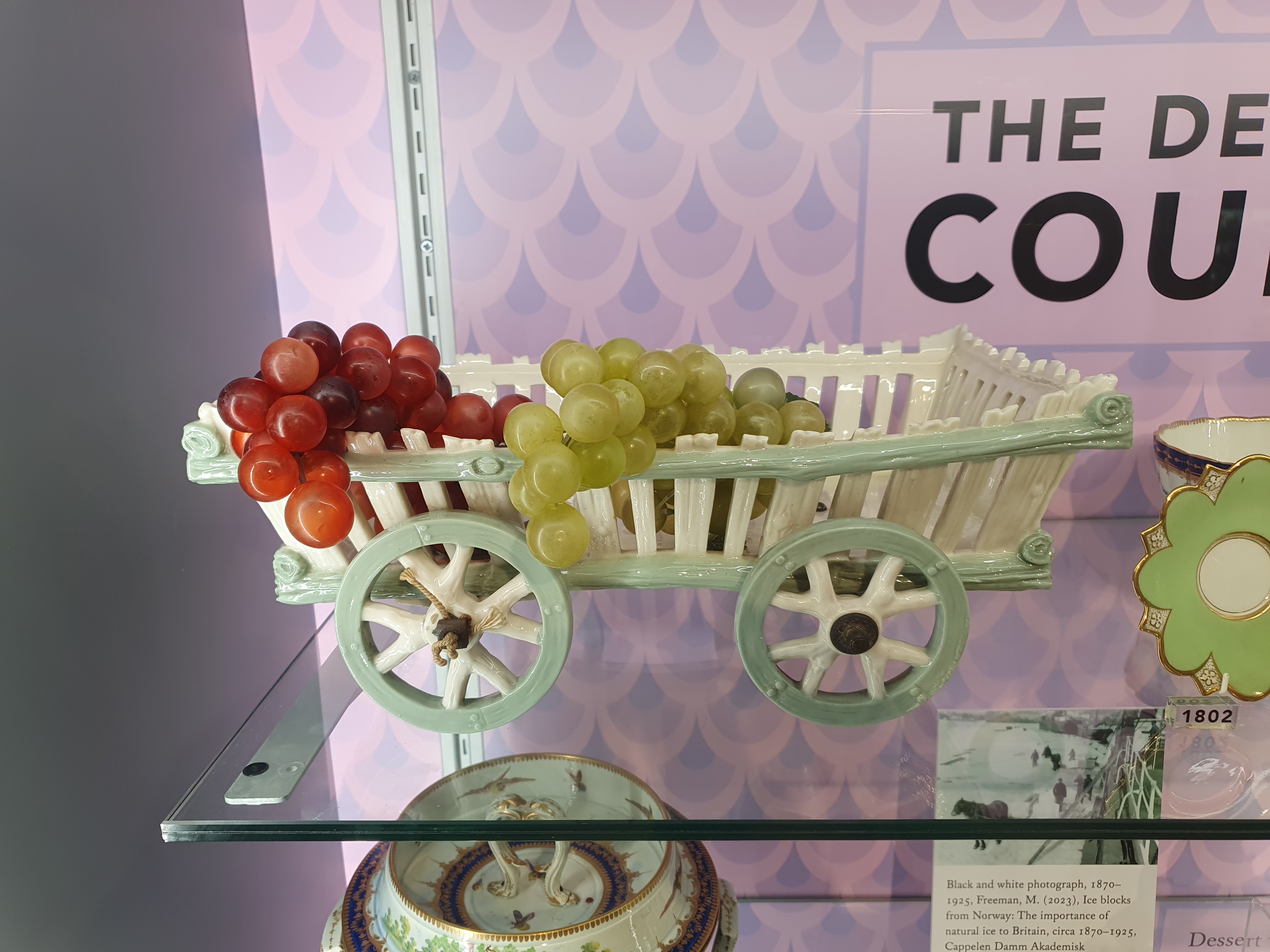
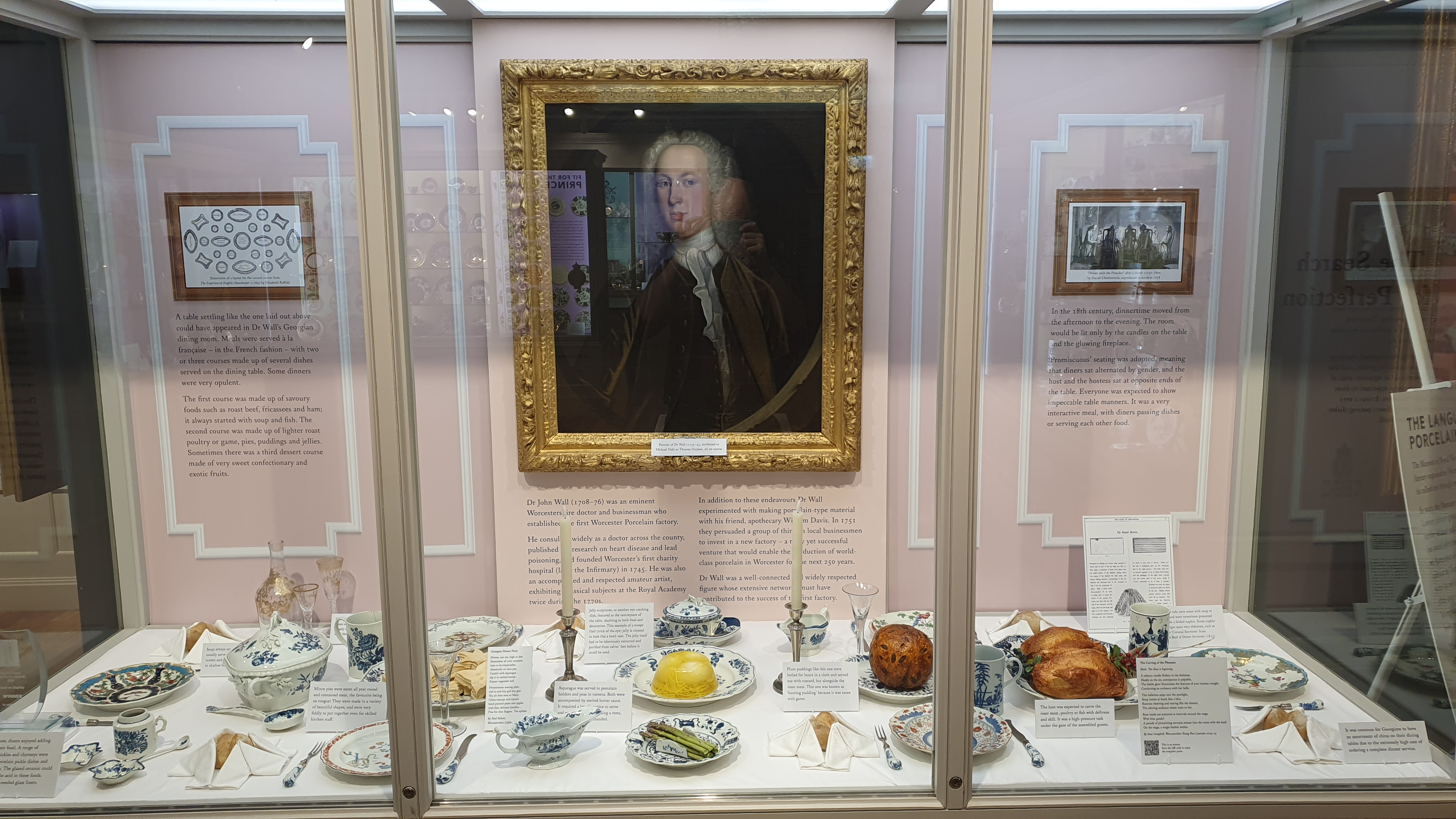
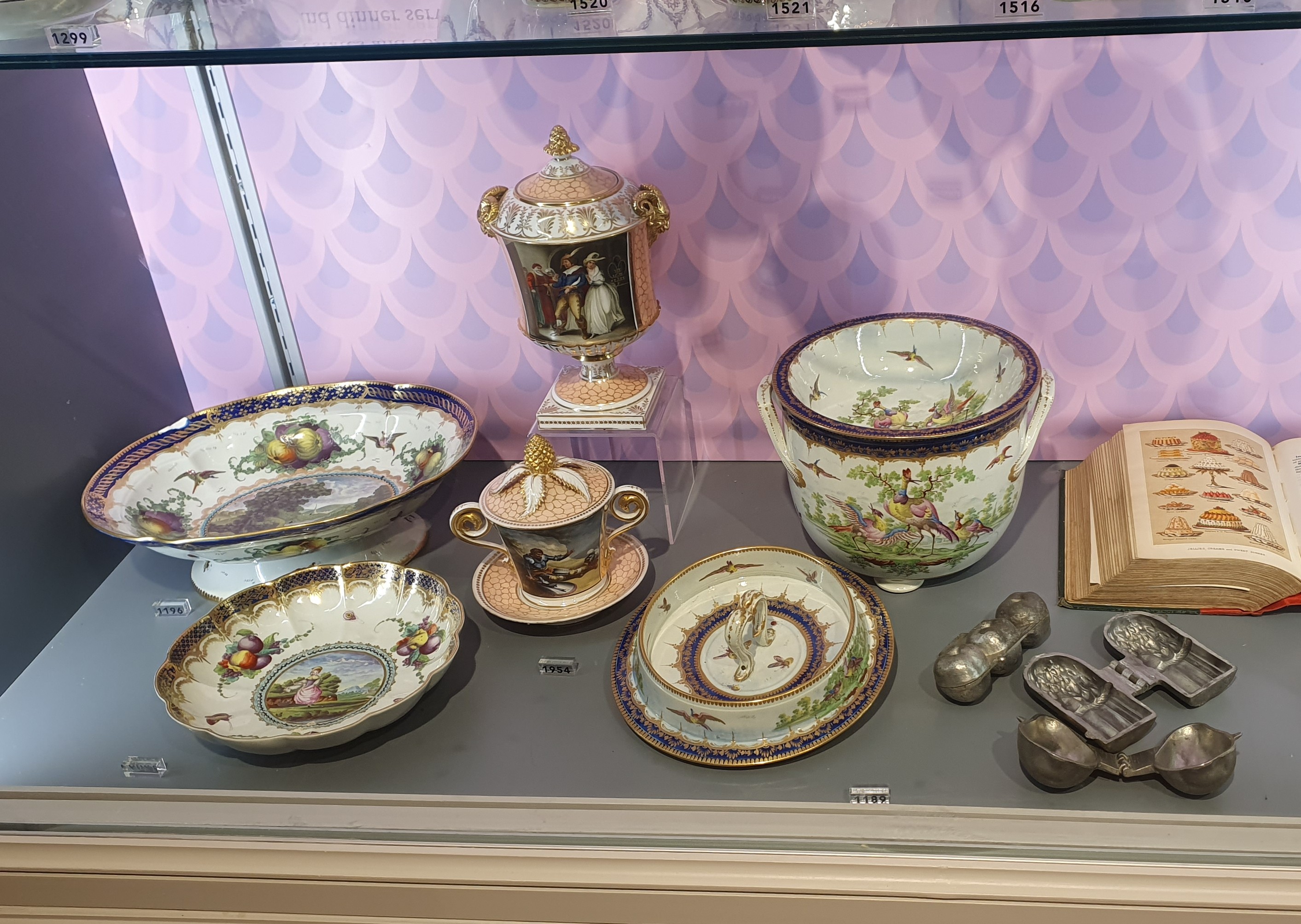
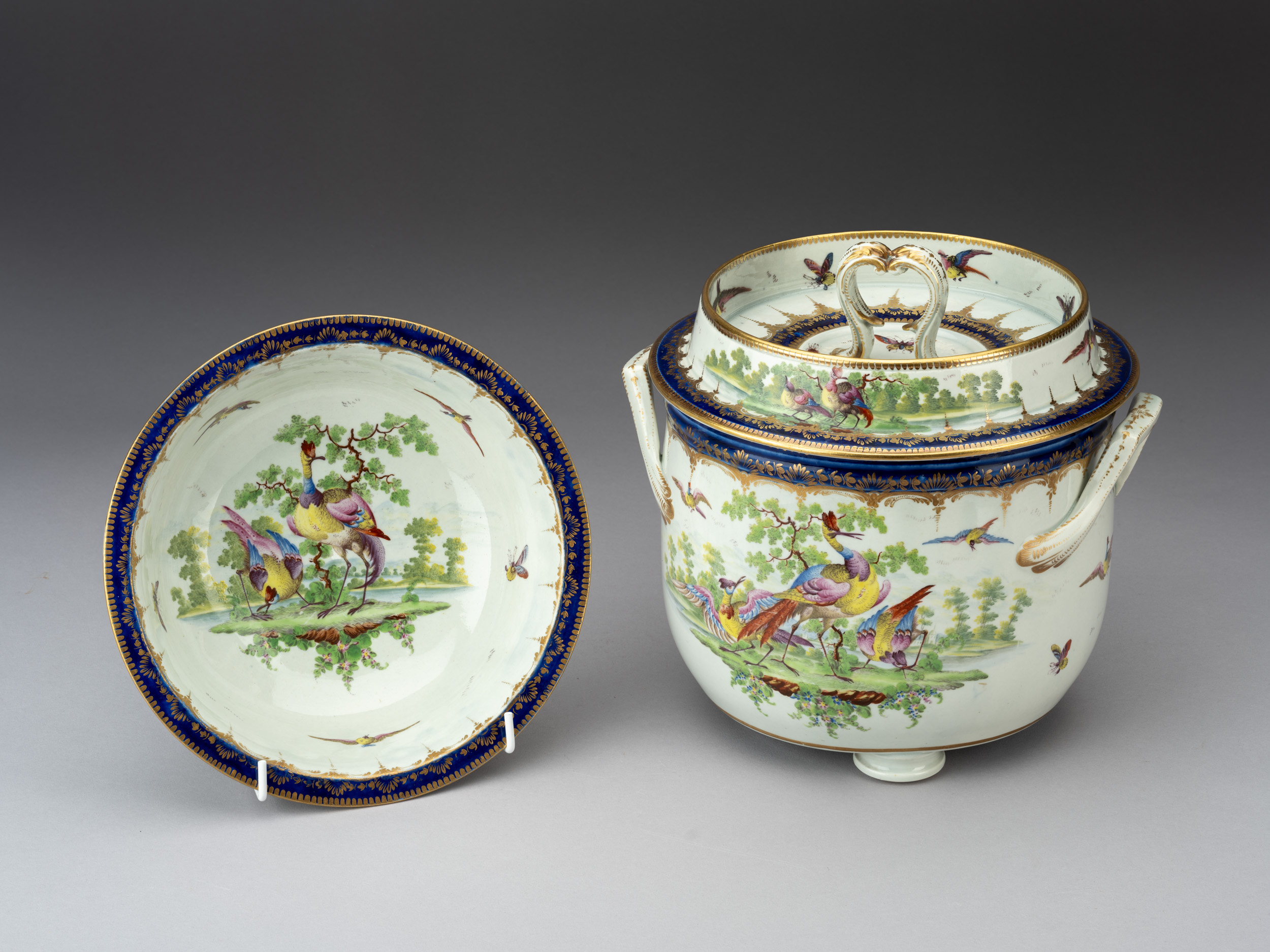
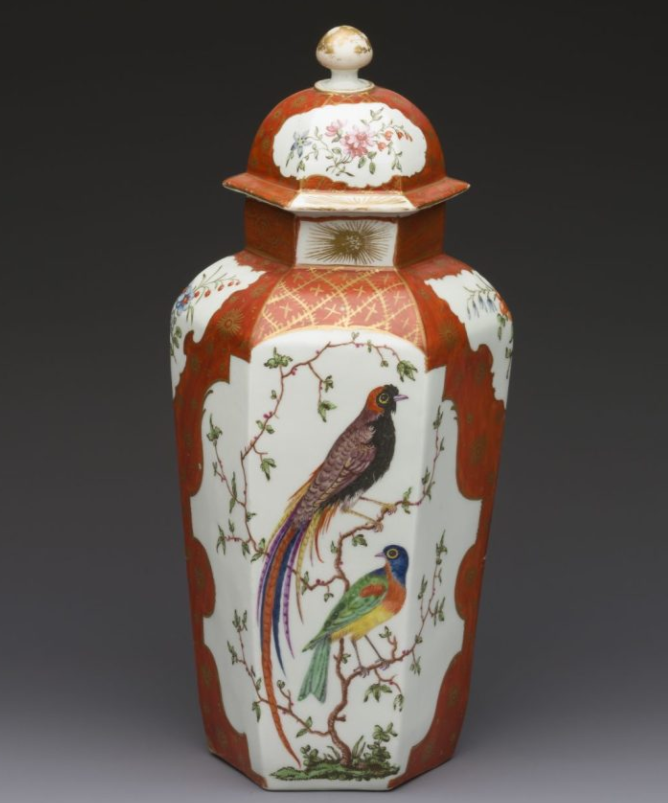
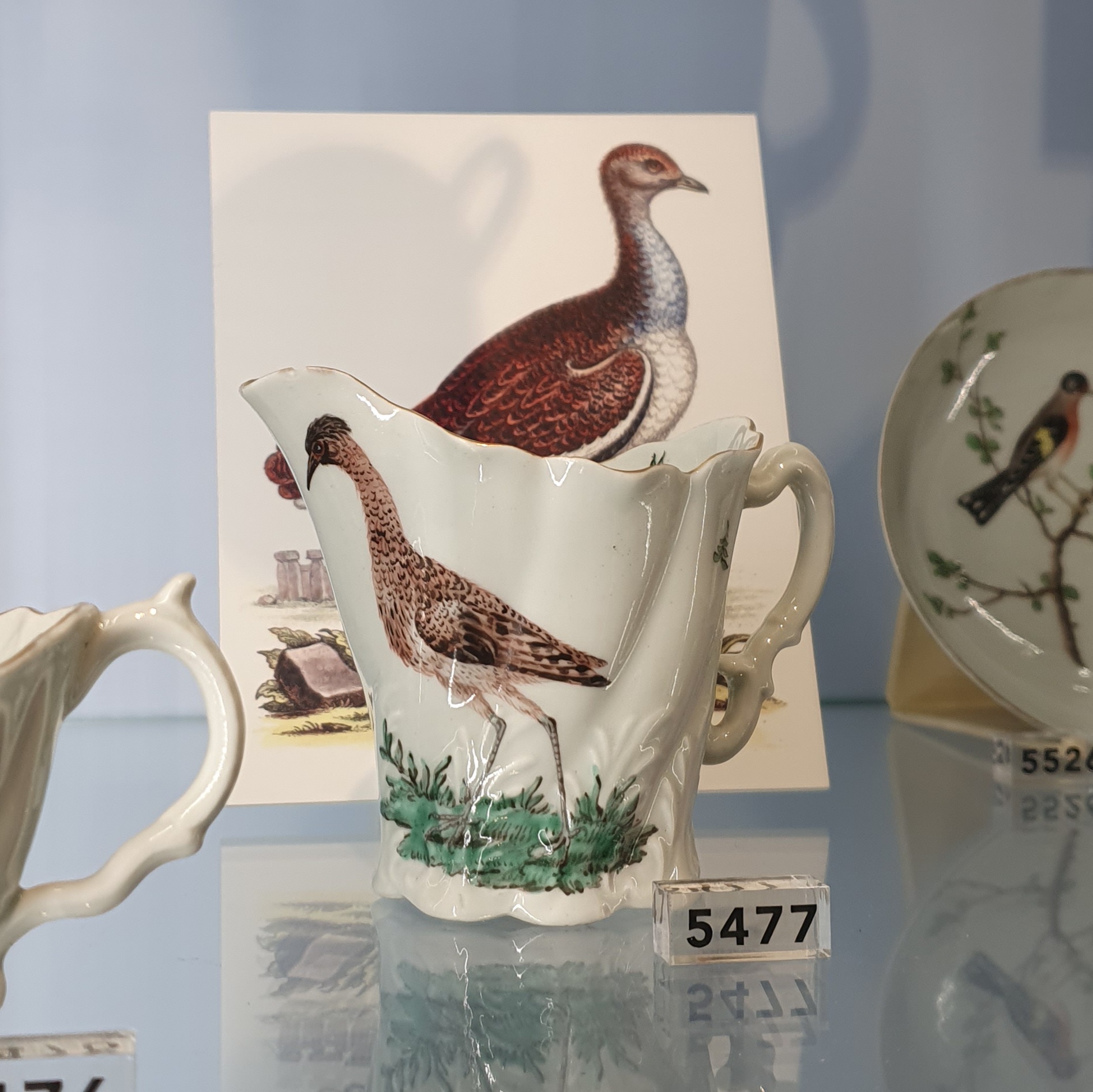
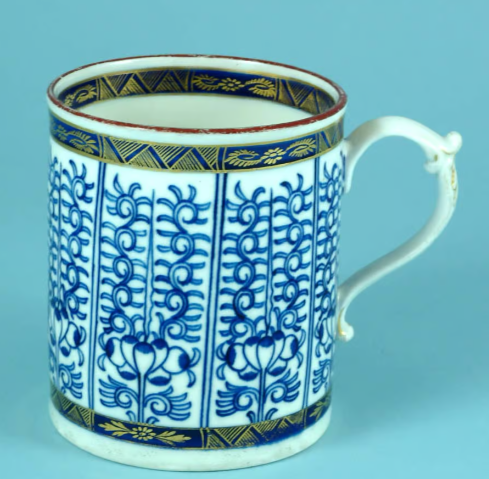
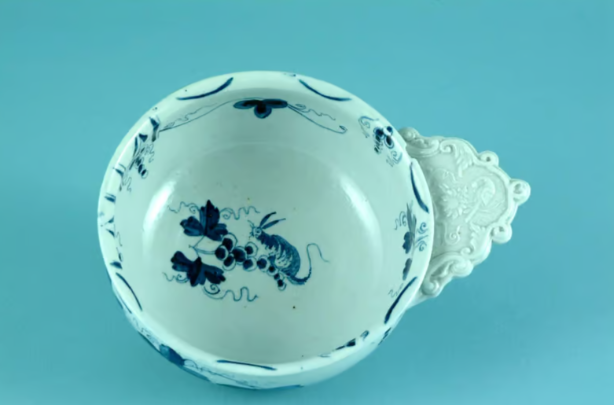
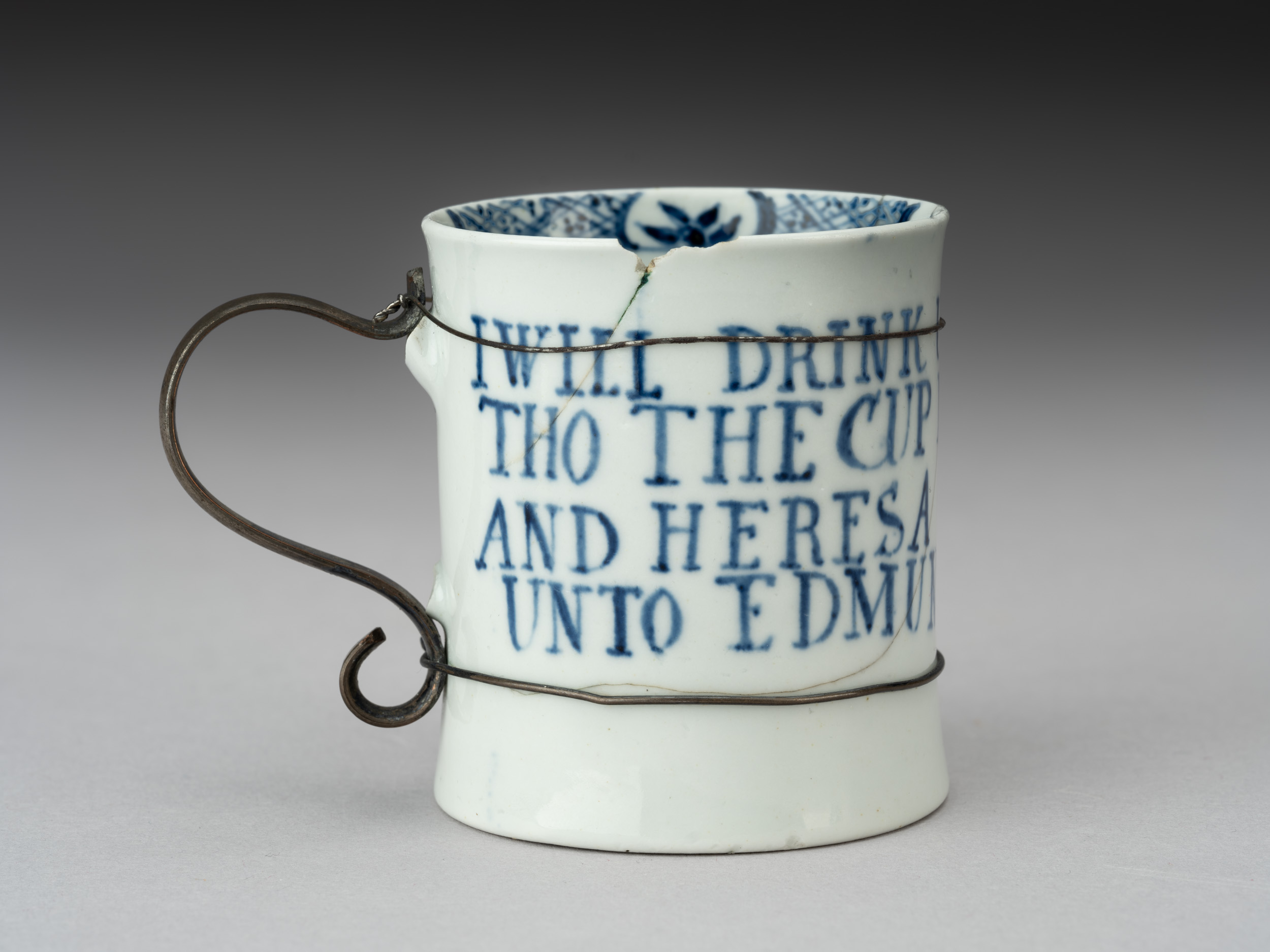
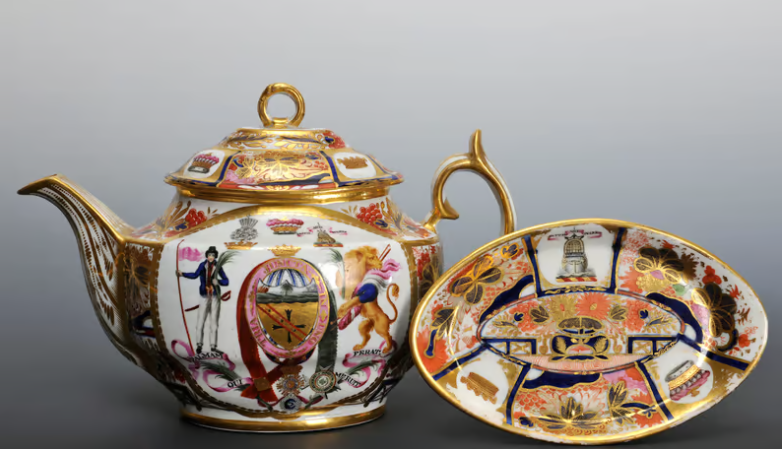
Our conversation was recorded in person at the Museum of Royal Worcester. If you want to see the pieces we discuss, check out this post where I’ve added images of the majority of the items discussed or go to the YouTube channel where I’ve lined up the images with our discussion. Paul and I really do our best to describe the pieces, but of course, it’s best if you can see them for yourself.
The images used are a mixture of my own and those taken from the Museum of Royal Worcester archives. Thank you to the museum for the permission to use them.
The podcast is available on all podcast apps, just search for “The British Food History Podcast”, or stream on this Spotify via this embed:
Alternatively, watch this episode on YouTube to see the images below matched up with the sound.
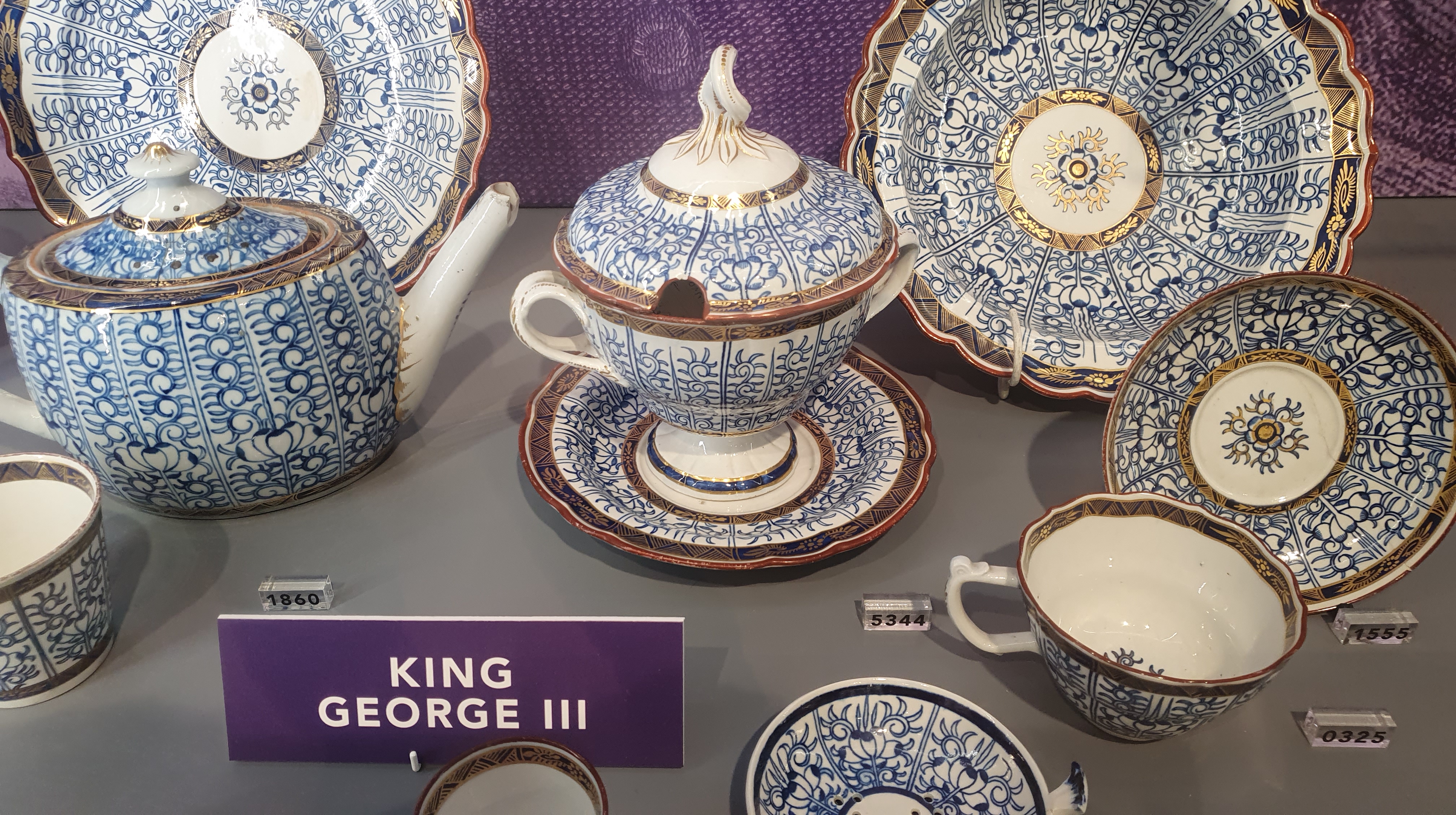
We talk about Dr Wall and how he got the Worcester manufactory up and running, the importance of seeing porcelain by candlelight, asparagus servers, the first piece of porcelain you see when you walk into the museum, the Royal Lily service and how Worcester porcelain attained the Royal warrant, amongst any other things.
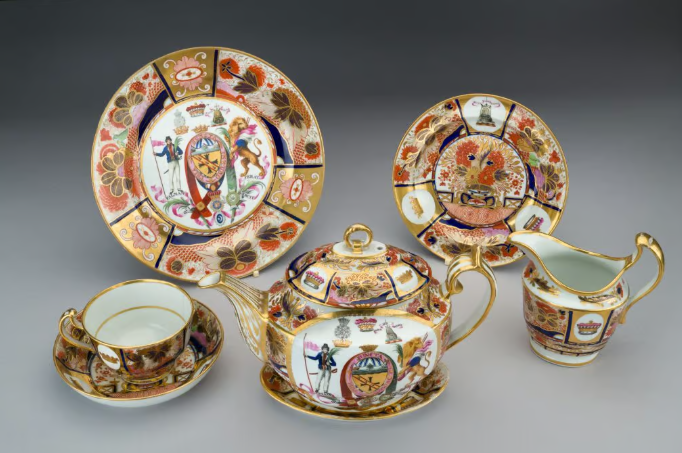
Those listening to the secret podcast can hear more about the early blue and white pieces, including a rare bleeding bowl, the first commemorative coronation porcelain mug and the stunning Nelson tea service, plus much more.
Dr John Wall (1708-1776)Some examples of the early blue and white porcelain.The first piece of porcelain you see when you enter the museum: the beautiful Wigornia cream boat; the ‘Wigornia’ mark; the first image of the Worcester porcelain manufactory from The Gentleman’s Magazine.
The ‘smoky primitives’ that Paul mentions that attempt to emulate the feel of silverware sparkling in the candlelight.
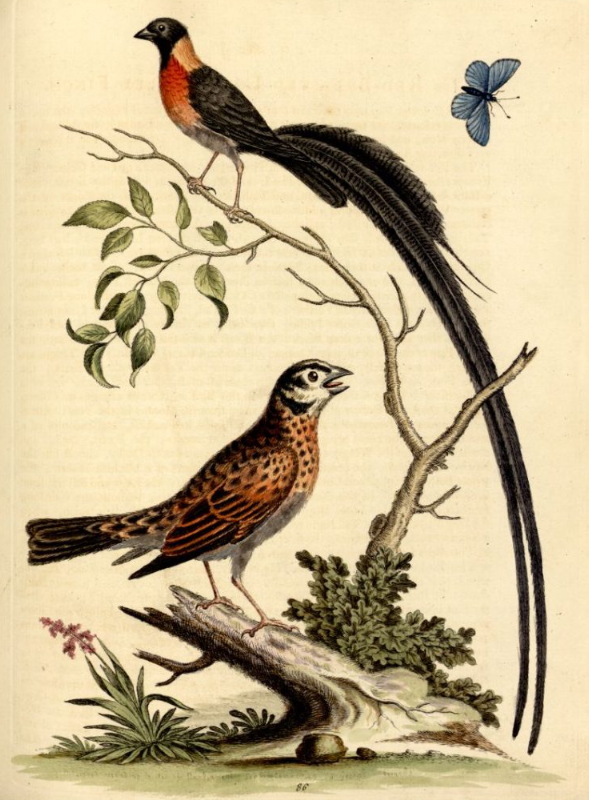
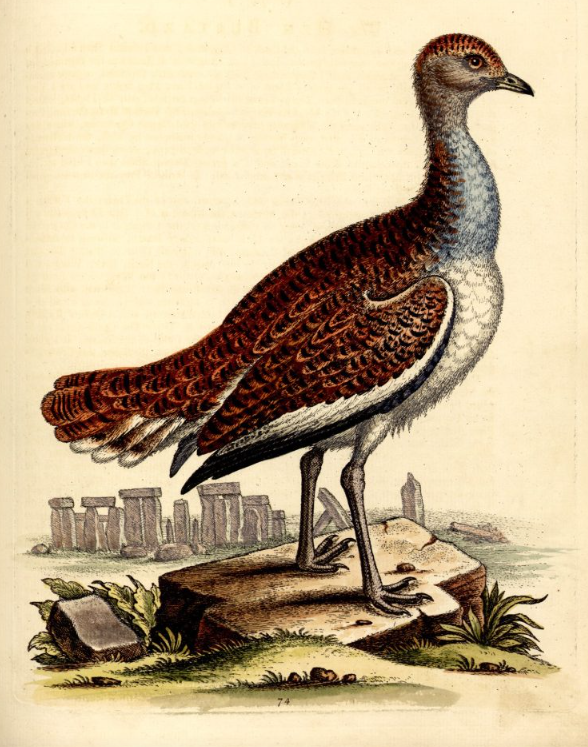
Two of the more frivolous items: the asparagus server and grape cart.The ‘Dr Wall’s Dinner’ display at the museum with the excellent food made by Kelly Samantha Bowes at the Fake Food Workshop – notice the asparagus server in use!The dessert course case at the museum and that ice pail containing the painted inner bowl that so excited Ivan Day!Two of the pieces from Paul’s own curated case that focuses upon the work of James Giles, plus two illustrations from the book that inspired most of the Giles art called The Natural History of Uncommon BirdsThe Duke of Gloucester tureens and service and the Royal Lily set that got Worcester Porcelain its Royal Warrant.Some of the pieces discussed in the secret podcast version of the discussion: a bleeding bowl (1754), the Wall Mug (1754) and the Nelson Tea Service (1802)
Remember: Fruit Pig are sponsoring the 9th season of the podcast, and Grant and Matthew are very kindly giving listeners to the podcast a unique special offer 10% off your order until the end of October 2025 – use the offer code Foodhis in the checkout at their online shop, www.fruitpig.co.uk.
If you can, support the podcast and blogs by becoming a £3 monthly subscriber, and unlock lots of premium content, including bonus blog posts and recipes, access to the easter eggs and the secret podcast, or treat me to a one-off virtual pint or coffee: click here.
Don’t forget, there will be postbag episodes in the future, so if you have any questions or queries about today’s episode, or indeed any episode, or have a question about the history of British food, please email me at neil@britishfoodhistory.com, or leave a comment below.
In this episode, I speak with Christina Wade, a beer historian specialising in the UK and Ireland, with a particular focus on women. She has written an excellent book, Filthy Queens: A History of Beer in Ireland, which was published by Nine Bean Rows earlier this year (2025).
We talk about ale and beer in Ireland, and how colonisation by the English, and then the British, affected beer production and consumption. Topics include: ale in early medieval Ireland, the man who inspired the title of her book, ale consumption during the Irish Rebellion and the Potato Famine, and the use of human skulls in medicinal ales, amongst many other things.
The British Food History Podcast is available on all podcast apps, but you can also hear it on YouTube or stream it via this embed:
Those listening to the secret podcast can hear about the links between alewives and witchcraft, whiskey and beer consumption, tea kettle brews and more!
Christina’s social media handle on Instagram and Bluesky is @braciatrix.
Remember: Fruit Pig are sponsoring the 9th season of the podcast and Grant and Matthew are very kindly giving listeners to the podcast a unique special offer 10% off your order until the end of October 2025 – use the offer code Foodhis in the checkout at their online shop, www.fruitpig.co.uk.
If you can, support the podcast and blogs by becoming a £3 monthly subscriber, and unlock lots of premium content, including bonus blog posts and recipes, access to the easter eggs and the secret podcast, or treat me to a one-off virtual pint or coffee: click here.
Don’t forget, there will be postbag episodes in the future, so if you have any questions or queries about today’s episode, or indeed any episode, or have a question about the history of British food please email me at neil@britishfoodhistory.com, or leave a comment below.
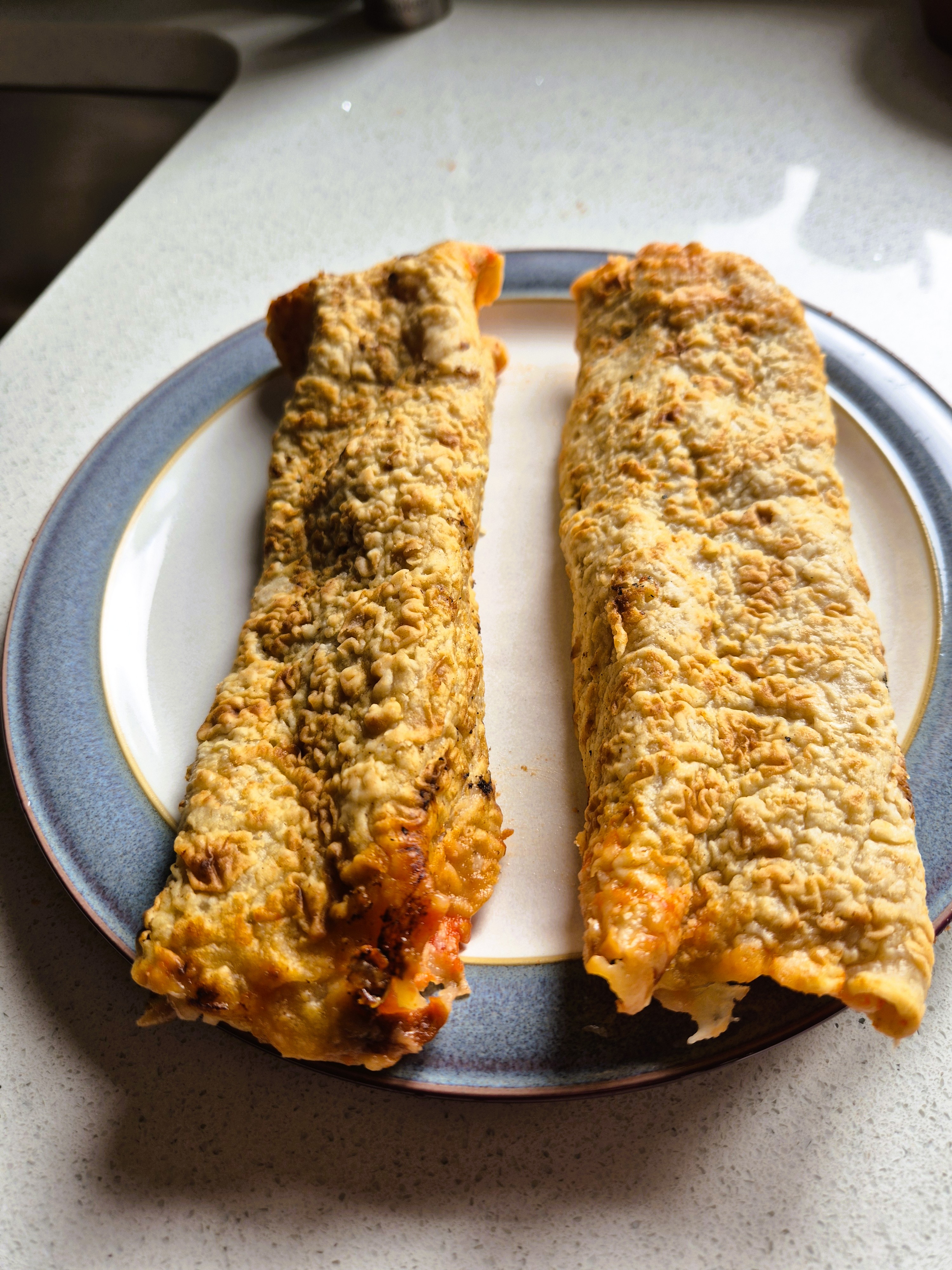
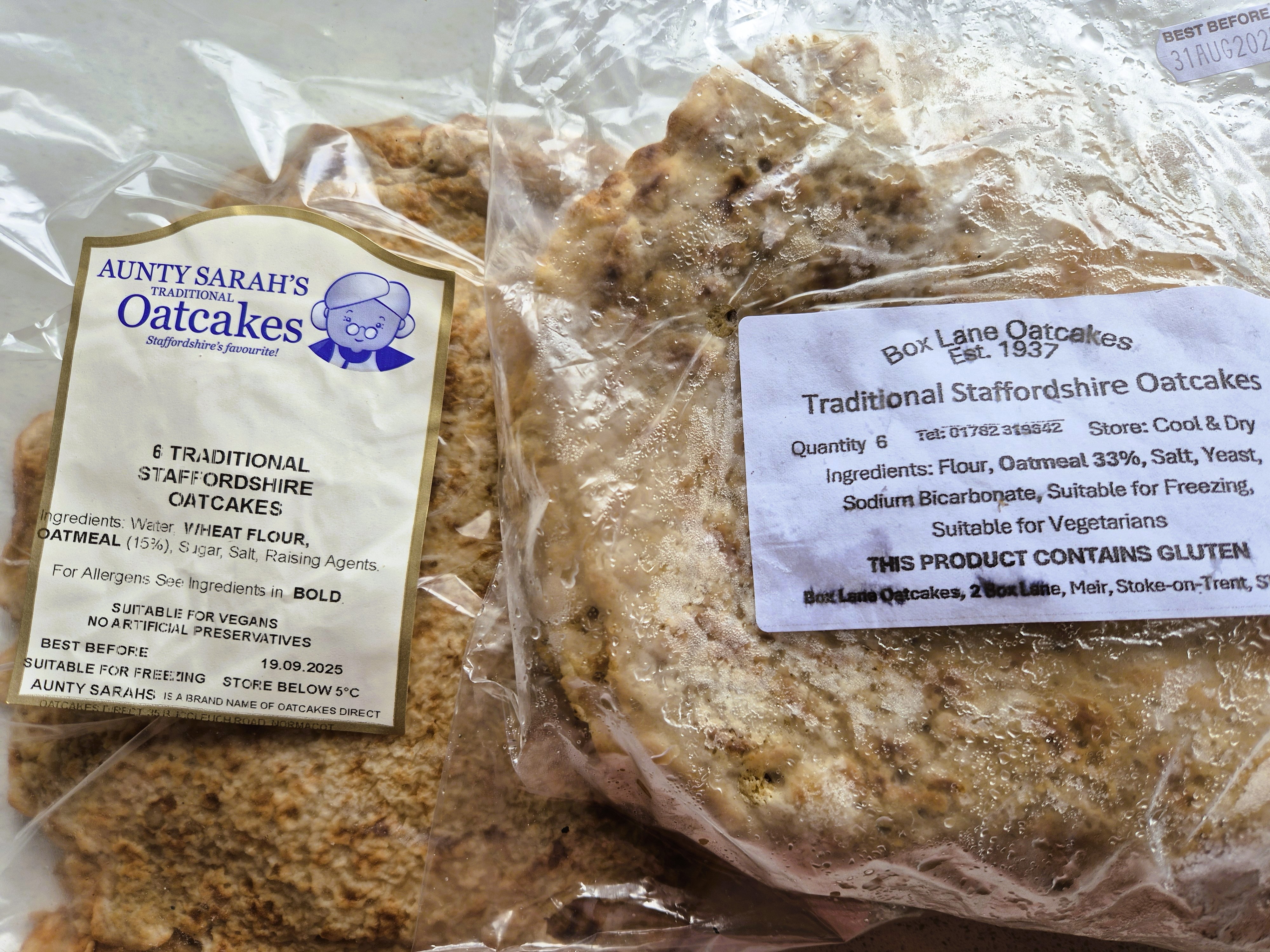
My guest today is Mark Dawson, food historian, specialising in the food of the Tudor period, but also food of Derbyshire. We met up at Mark’s home in Derbyshire to talk all things Derbyshire oatcakes.
Mark and I talk about the oatcakes of Britain, doshens and sprittles, the usefulness of probate inventories, oatcakes as penance, and oatcake goblins – amongst many other things.
It’s available on all podcast platforms and YouTube. If you’re not a podcast/YouTube sort of person, listen here:
Those listening to the secret podcast can hear about other Derbyshire foods made from oats; a discussion about why oatcake is better than porridge; and I grill Mark on one very important matter: just what is the difference between a Derbyshire and a Staffordshire oatcake.
Follow Mark on Instagram @drdobba
Mark’s book Lumpy Tums: Derbyshire’s Food & Drink will be published by Amberley in April 2026
L to R: sprittle, slice and oatcake toaster (Derby Museum); an oatcake stone (Joan Clough); my attempt at a sourdough Staffordshire (shock-horror!) oatcake
Remember: Fruit Pig are sponsoring the 9th season of the podcast and Grant and Matthew are very kindly giving listeners to the podcast a unique special offer 10% off your order until the end of October 2025 – use the offer code Foodhis in the checkout at their online shop, www.fruitpig.co.uk.
If you can, support the podcast and blogs by becoming a £3 monthly subscriber, and unlock lots of premium content, including bonus blog posts and recipes, access to the easter eggs and the secret podcast, or treat me to a one-off virtual pint or coffee: click here.
Don’t forget, there will be postbag episodes in the future, so if you have any questions or queries about today’s episode, or indeed any episode, or have a question about the history of British food please email me at neil@britishfoodhistory.com, or leave a comment on the blog.
My guest on the podcast today is Alex Bamji, Associate Professor of Early Modern History at the University of Leeds, and we are talking about a rare treatise on cheese dating from the Early Modern Period.
We met up at the Brotherton Library which is home to a fantastic collection of cookery books and manuscripts. We talk about cheese, health and humoral theory; what makes a good cheese; the early modern cheese landscape; cheese as a cure for gout; and cheese haters – plus many other things.
The front cover and title page of the cheese ‘pamflyt’ (University of Leeds Cultural Collections)
Those listening to the secret podcast: Alex and I talk about why cow’s milk is the best milk, and I wonder whether there any clues as to where their microbes are coming from.
The British Food History Podcast can be heard on your favourite podcast app and on YouTube, or si ply steam via this Spotify embed:
Follow Alex on Twitter, Bluesky and Instagram @alexbamji
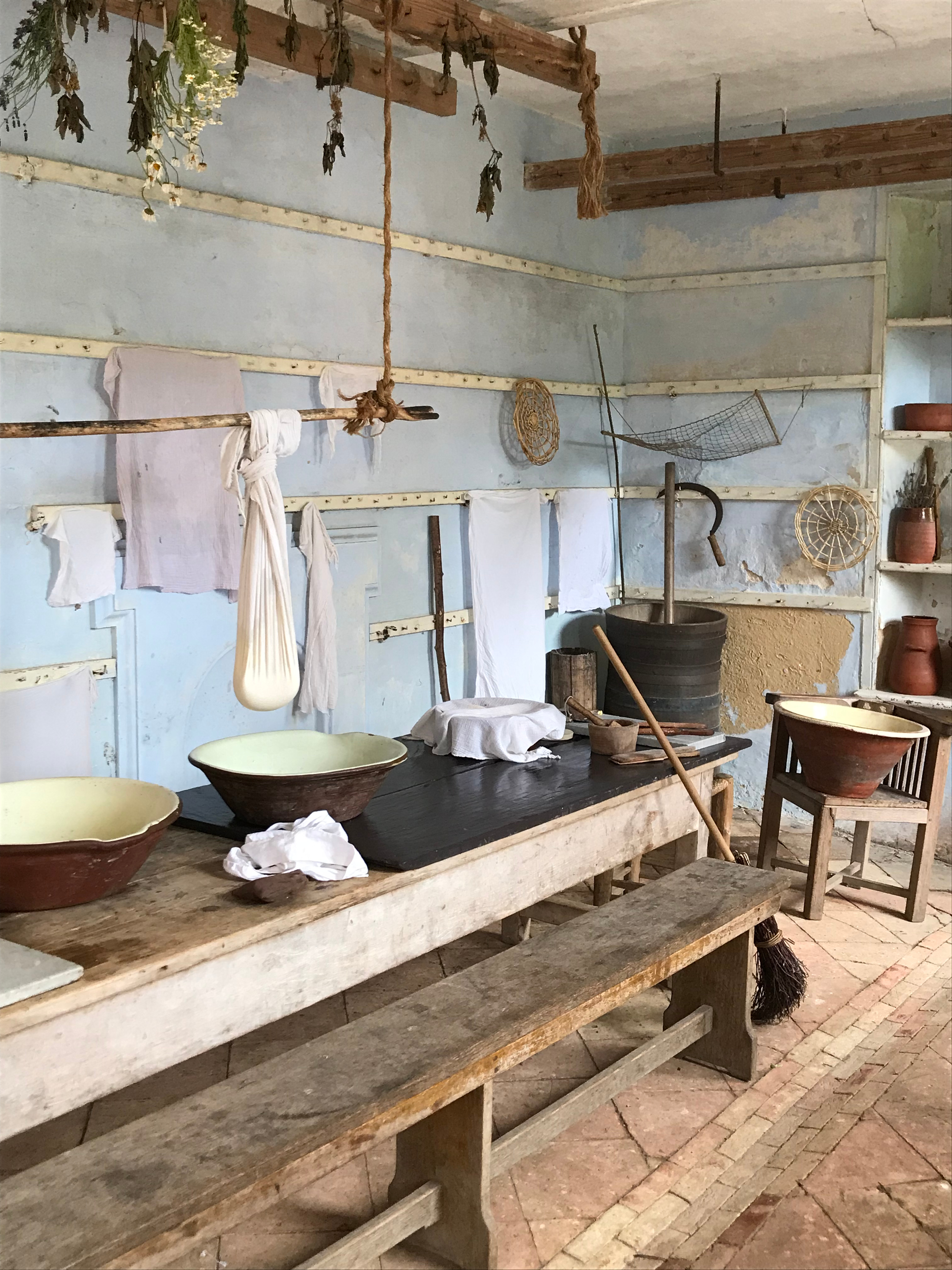
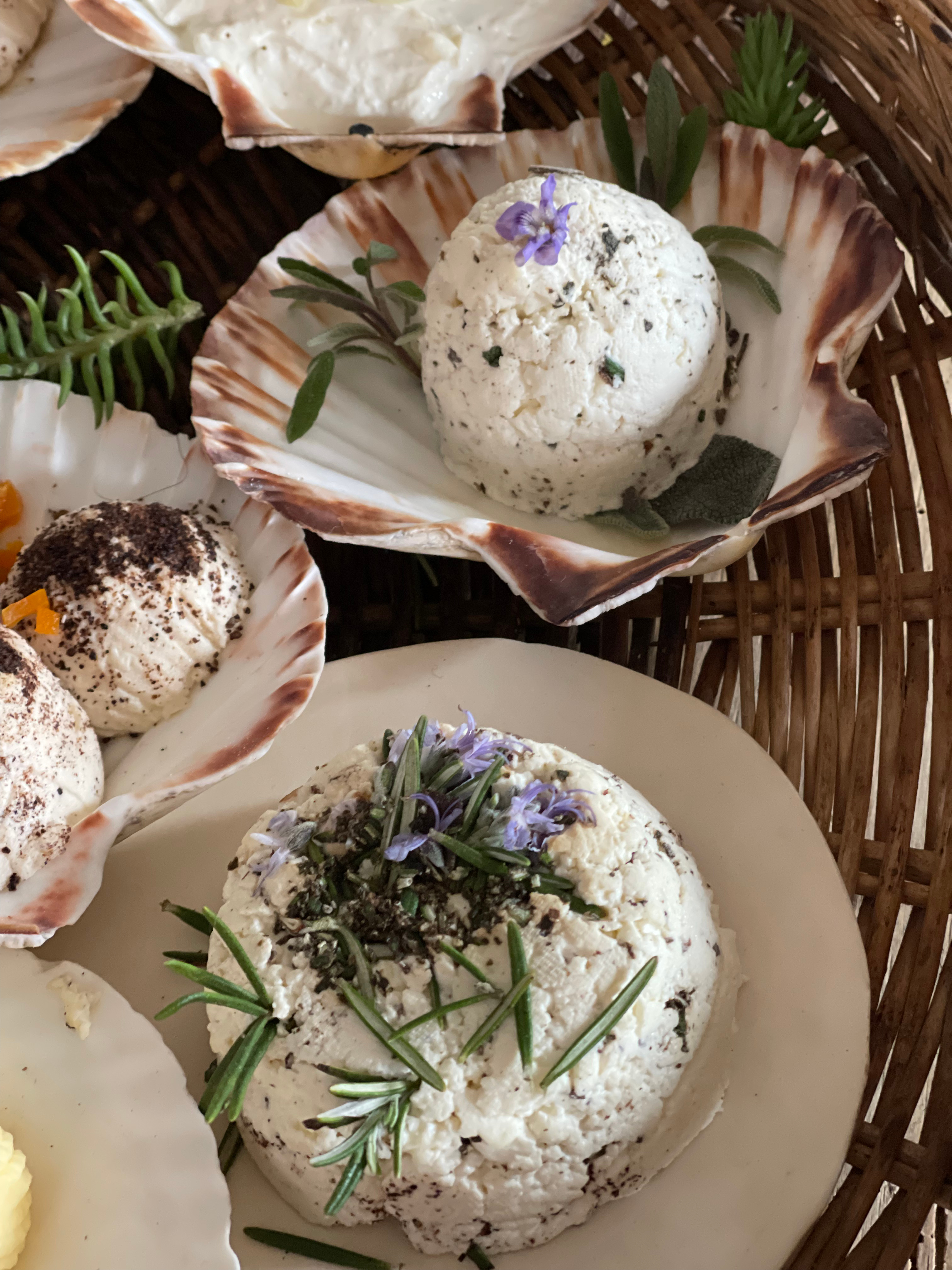
Early Modern cheeses recreated at Kentwell Tudor Dairy, Suffolk (Tracey Doyle)
Remember: Fruit Pig are sponsoring the 9th season of the podcast and Grant and Matthew are very kindly giving listeners to the podcast a unique special offer 10% off your order until the end of October 2025 – use the offer code Foodhis in the checkout at their online shop, www.fruitpig.co.uk.
If you can, support the podcast and blogs by becoming a £3 monthly subscriber, and unlock lots of premium content, including bonus blog posts and recipes, access to the easter eggs and the secret podcast, or treat me to a one-off virtual pint or coffee: click here.
Don’t forget, there will be postbag episodes in the future, so if you have any questions or queries about today’s episode, or indeed any episode, or have a question about the history of British food please email me at neil@britishfoodhistory.com, or on twitter and BlueSky @neilbuttery, or Instagram and Threads dr_neil_buttery. My DMs are open.














 British Food: A History