Tag Archives: The Royals

Feeding the Georgian Kings with Adam Crymble & Rachel Rich

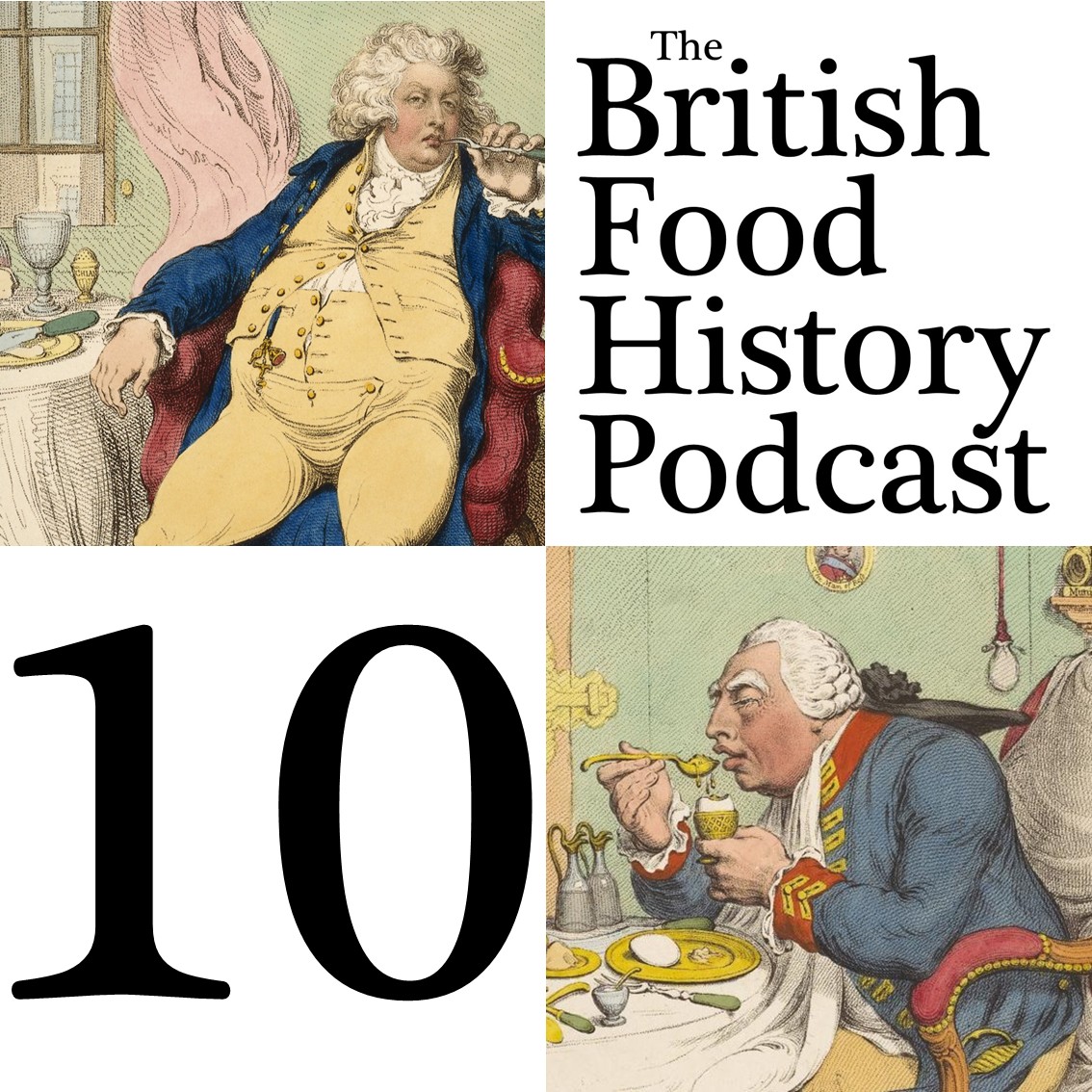
In this week’s episode I am speaking with Adam Crymble and Rachel Rich about a really exciting piece of research looking at the complexities of feeding the households of King George III and his eldest son George who was Prince Regent whilst George III suffered from his “madness”, and eventually succeeded him as George IV. The focus of the research is the ledgers that still exist, listing the ingredients ordered, foods that were prepared and the people who ate them. Over 40,000 dishes were counted.

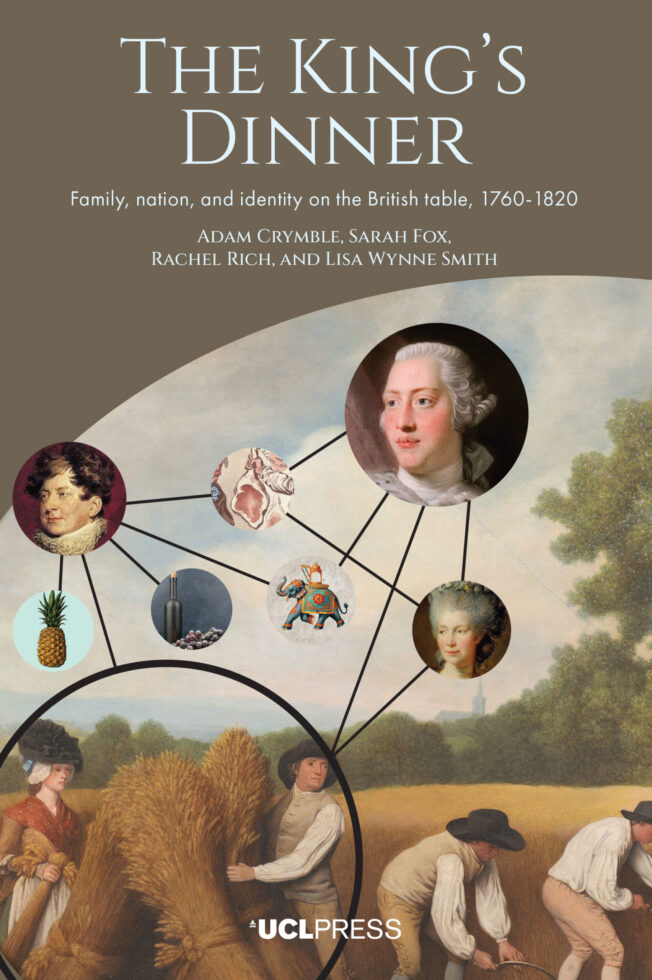
They have analysed the ledgers from two royal palaces – George III’s Kew Palace and the Prince Regent’s Carlton House – with two other food historians Sarah Fox and Lisa Smith, and assimilated them to produce a book called The King’s Dinner: Family, nation, and identity on the British table, 1760-1820, which was published by UCL Press on 11 June 2026. The book is available from wherever you buy your books, but it is also available open access as a free PDF. So is the data they used in their analysis.

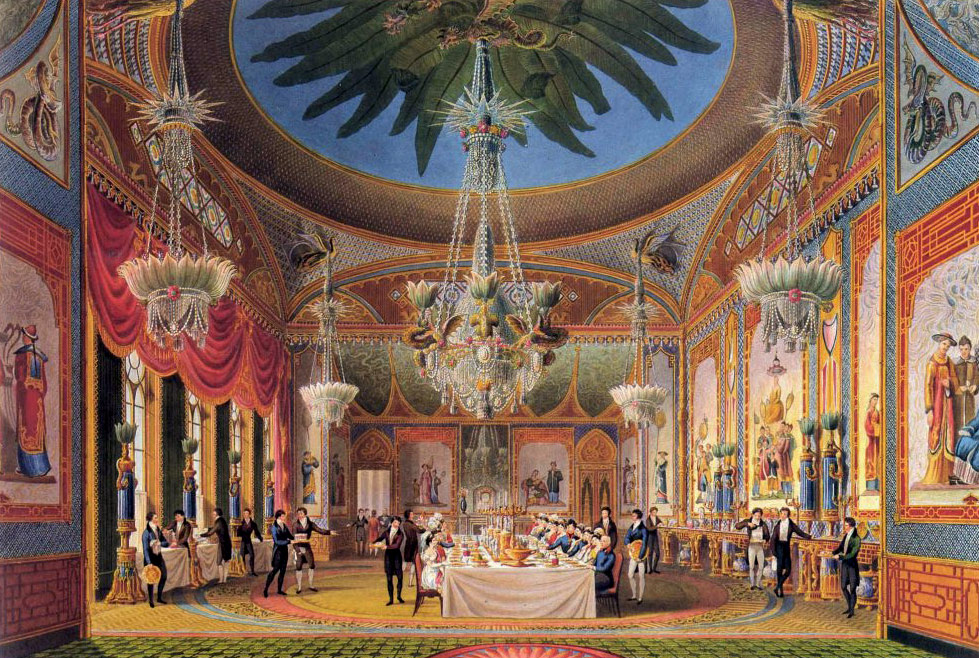
We talk about the differing characters of the two Georges and how these were expressed in the foods they ate, Georgian food identity, the concept of oeconomy, the exotic food cultures NOT appearing on royal dinner tables, French cuisine and famous French chef Careme’s tenure in the Prince Regent’s kitchens, as well as their fruit and veg suppliers, one of whom was called Savage Bear, amongst many other things

Those listening to the secret podcast get some bonus material where we discuss the upper servant’s fancy foods, the huge amounts of meat consumed, and the politics of wine.

The British Food History Podcast is available on all podcast apps, but you can also listen to it via this Spotify embed:

The King’s Dinner: Family, nation, and identity on the British table, 1760-1820 (open access)

3000 dishes on a Georgian table

Adam’s bio on the UCL website

Follow Adam on social media: @adamcrymble.bsky.social (Bluesky); @dradamcrymble (Insta)

Rachel’s bio on Leeds Beckett University website

Follow Rachel Rich on social media: @drrachelrich (Insta)
Season 10 of the podcast is sponsored by Netherton Foundry, makers of high-quality kitchen and outdoor cookware. Netherton Foundry ships to several countries outside of the UK, including the USA and Canada. Visit www.netherton-foundry.co.uk to find out more about their wonderful products – approved not just by me but by folk such as Tom Parker-Bowles, Diana Henry and Nigella Lawson.

The mixing and sound engineering were done by Thomas Ntinas of The Delicious Legacy podcast


If you can, support the podcast and blogs by becoming a £3 monthly subscriber, and unlock lots of premium content, including bonus blog posts and recipes, access to the easter eggs and the secret podcast, or treat me to a one-off virtual pint or coffee: click here.


Things mentioned in today’s episode

Rachel’s articles on The Recipes Project

Hugh Laurie playing the Prince Regent on Blackadder the Third

Previous pertinent podcast episodes

Eating Out in Georgian London with Peter Ross

18th Century Tavern Cookery with Marc Meltonville

18th Century Dining with Ivan Day

The Philosophy of Curry with Sejal Sukhadwala

Don’t forget, there will be postbag episodes in the future, so if you have any questions or queries about today’s episode, or indeed any episode, or have a question about the history of British food please email me at neil@britishfoodhistory.com, or leave a comment.

Leave a comment

Filed under Books, Britain, Eighteenth Century, food, General, history, The Royals

How the British Royal Family was saved by soup…

It’s Queen Elizabeth the Second’s diamond jubilee this year, so thought I should write a post or two on the Royal Family…

In recent times, the Royal Family have been under threat of being dissolved in Britain, due to what seemed like a total lack of support. It feels that in the past the Royals were revered, but they have fallen in and out of favour with the public rather alot. Popularity during the early twentieth century for example was pretty low. Today, Prince William seems to have picked up today’s royals’ momentum again, but back then it was King George V that turned them around, and what helped him to do that was soup…

The Coronation of King George V and Queen Mary

George became King of England in 1911 in a time of turmoil and constitutional crisis, the Great War was a-brewing and the Royal Family were seen as totally outdated. George himself was vehemently against modernisation, and things seemed a lost cause. George and his wife, Queen Mary, spend much time visiting the poor and doing their bit, but to little effect. The reason for all this was because of the Labour Party’s increasing popularity and also the rumblings of revolt in autocratic Russia. Was the smell of revolution in the air? Possibly, but things began to change during the Great War. In 1917, the Russian Royal family sought asylum in Britain and the British Government duly granted it. But then, in waded George and refused them entry – he knew that helping such an old and autocratic institution would be embarrassing and most probably disastrous for the British Royal Family and for the country too. He realised he must distance the two families. Tsar Nicholas and his family were brutally killed the following year by the Bolsheviks.

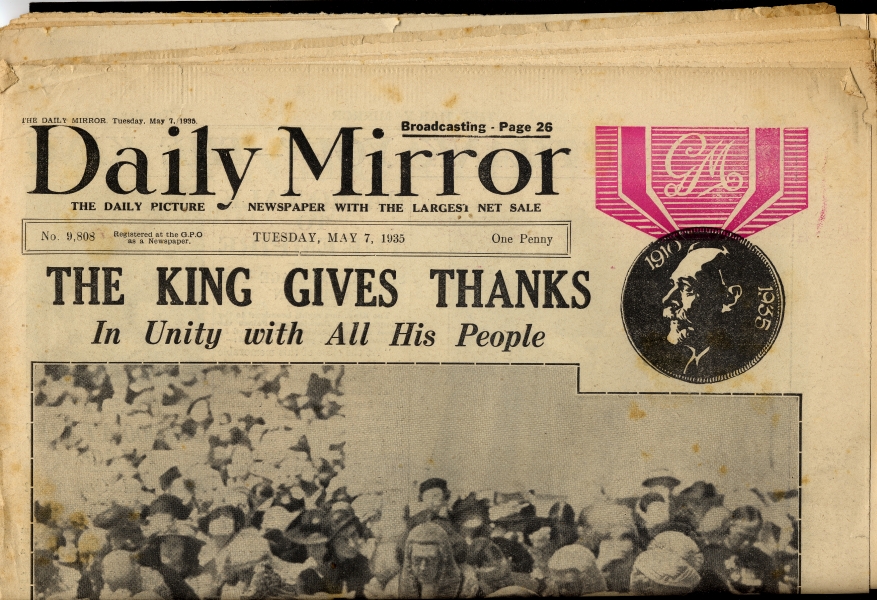
The Silver Jubilee edition of The Daily Mirror, 7 May 1935

George then realised that the Royal Family needed to distance themselves from their German ancestry, deciding to anglicise the surname – Saxe-Cobourg-Gotha was not helping them at all during the fight against the Bosch. But what to change it to? After some pondering, the private secretary came up with a name that would inspire Britishness (and George considered himself to be British through and through). The name was, of course, Windsor. Why Windsor? Well, it was because of the ubiquitous Brown Windsor soup served up by every housewife at the time. It was ‘a nourishing brown…with a certain hearty dullness’. Windsor also linked to the ancient Windsor Castle. This was just what George needed, and it really changed the public’s views. Soon after, he introduced the Order of the British Empire (or, OBE), which clinched the whole affair. He died in 1936 much beloved by the British Public.

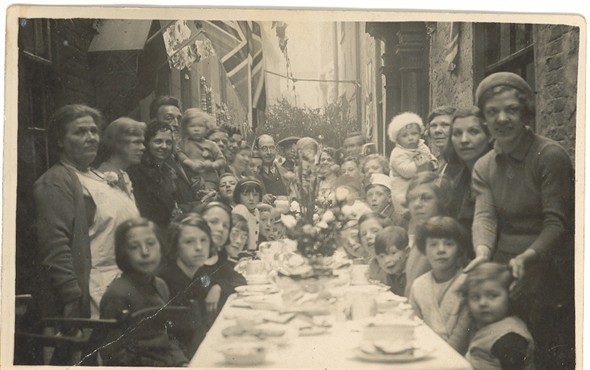
The people of Yarmouth celebrate the King’s Silver Jubilee


If you like the blogs and podcast I produce, please consider treating me to a virtual coffee or pint, or even a £3 monthly subscription: follow this link for more information.


Brown Windsor soup, later shortened to simply ‘brown soup’ went a little downhill. It became a rather thin and tasteless affair served up in hotels and it gave British soup a bad name. This seems to happen all too often to much of our food. I always blame wartime rationing for these things, but I think I right this time: small amounts of meat made the soup boring, and over time people perhaps simply forgot what Brown Windsor soup used to be like.

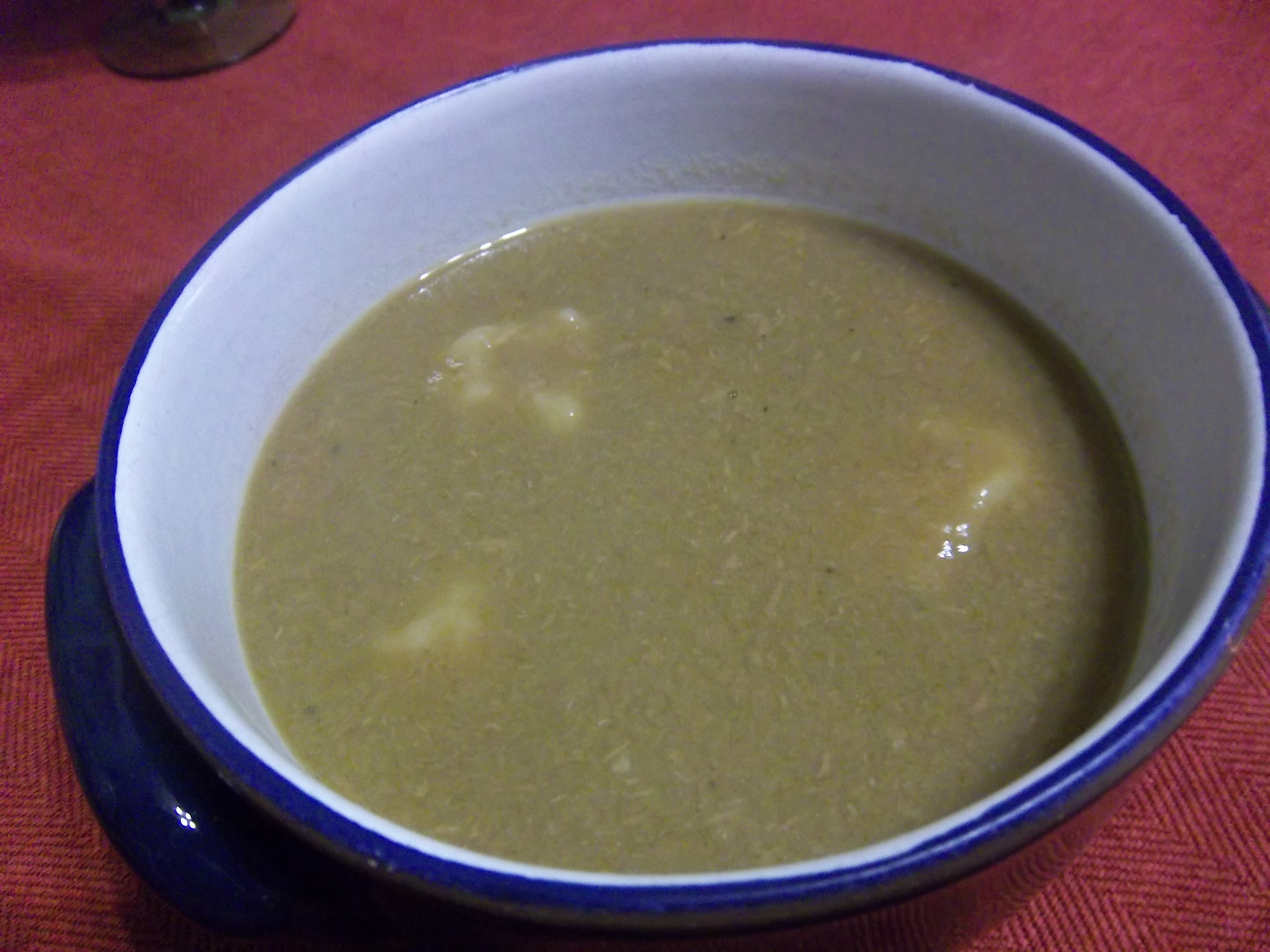
Well take it from me, it used to be a delicious thick and hearty soup, perfect for this cold weather we are having. It’s pretty cheap too. This recipe comes from the wonderful cookery writer Lindsey Bareham’s book A Celebration of Soup. Her version cranks up the stodge-o-meter with the addition of horseradish dumplings; and we all need stodge mid-February.

For the dumplings:

4 oz. self-raising flour

¼ tsp salt

2 oz. beef suet

ground black pepper

1 oz. grated horseradish, or a good creamed proprietary brand

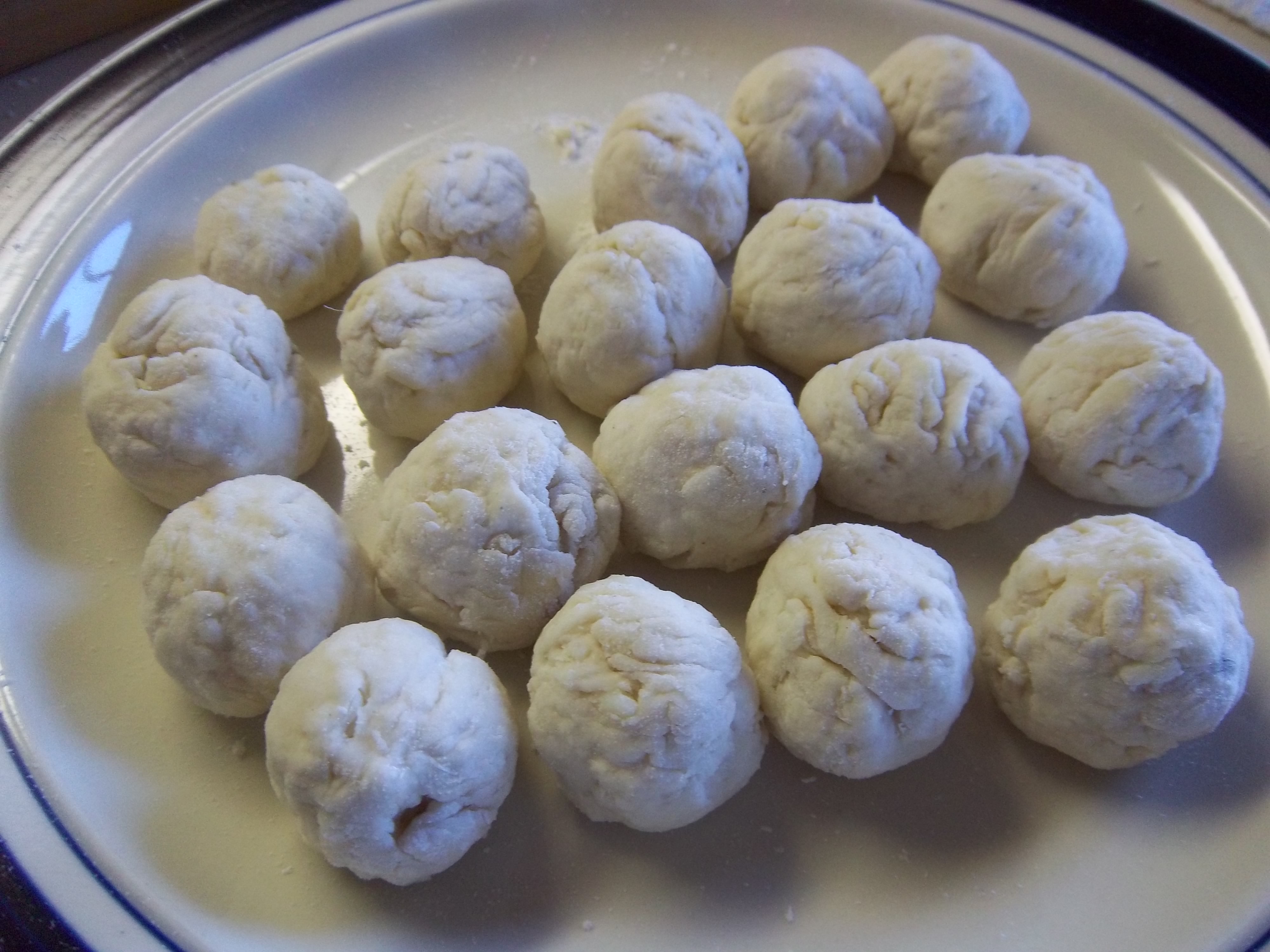
Sieve the flour and salt into a bowl and stir in the suet and a seasoning and pepper. Mix in the horseradish and stir in enough cold water to bring the dough together in your hands. The dough should be soft and elastic, but not too sticky to handle. Flour your hands and roll 16 to 20 small dumplings. To cook the dumplings, turn up the heat on soup and plop them in. They should take about 15 to 20 minutes to cook.

For the soup:

1 oz. butter

a small onion, thinly sliced

the green of a leek, thinly sliced

a small carrot, diced

10 oz. stewing steak

1 tbs flour

2 ½ pints of beef stock

a bouquet garni made with 2 bay leaves, 4 parsley stalks, a sprig of thyme and a crushed garlic clove

1 tbs chopped parsley (optional)

Melt the butter in a large saucepan and cook the onion for a few minutes to soften slightly, then add the leek and carrot. Season well with salt and pepper – the salt is very important as it helps to draw the flavour from the vegetables – cover the pan and cook for a further 5 minutes or so. Turn up the heat and add the meat, browning it all over. Next, stir in the flour and cook for a couple more minutes before adding a little stock. Make sure you scrape off any crusty bits of beef or flour from the pan’s bottom with your wooden spoon.  Now pour in the rest, bring to the boil, add the bouquet garni and then turn the heat down, cover and simmer for 2 hours. Liquidise the soup and reheat, adding more seasoning should it need adjusting. Stir in the parsley just before you serve the soup.

12 Comments

Filed under food, General, history, Meat, Recipes, Soups, The Royals, Twentieth Century