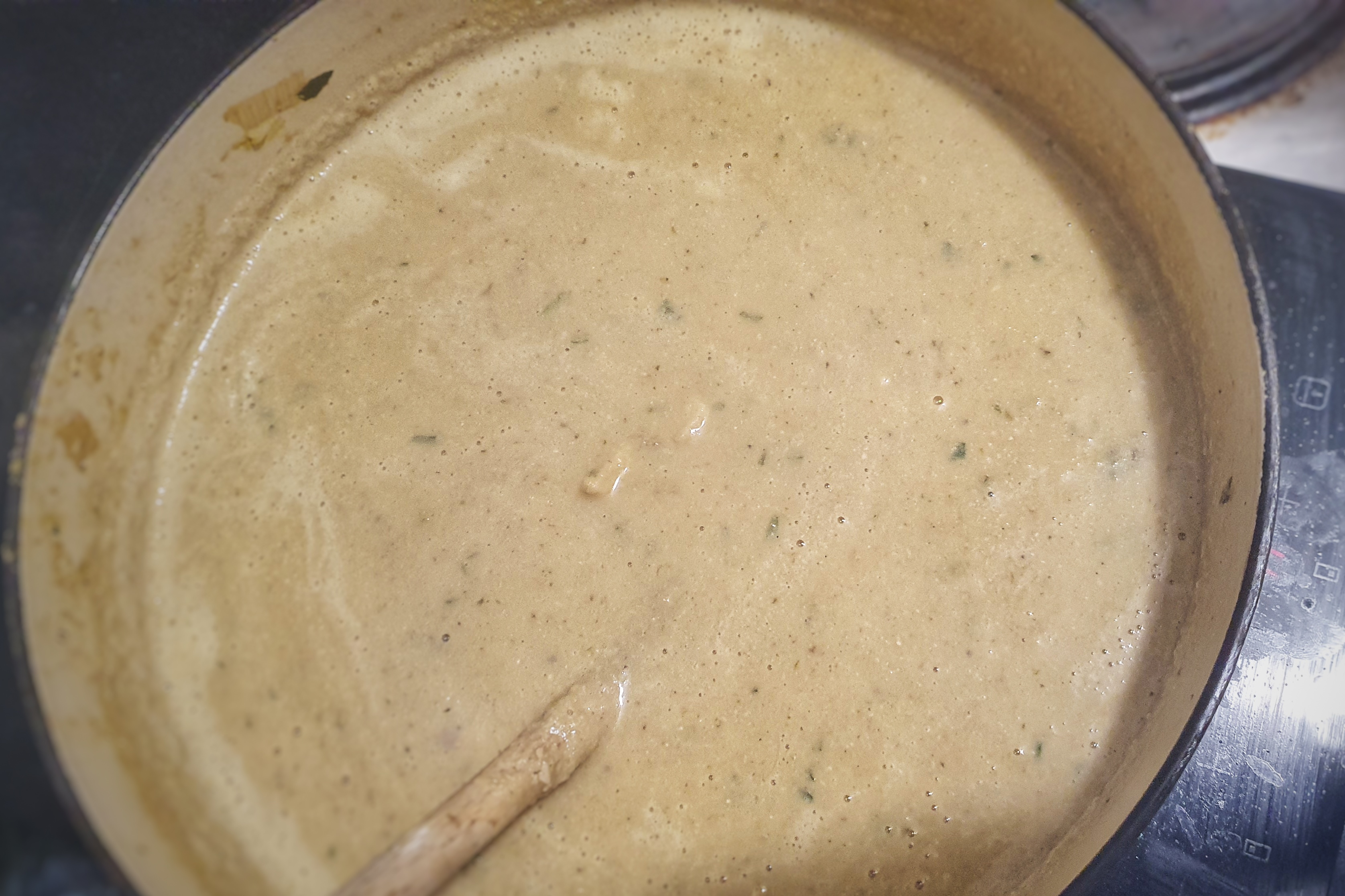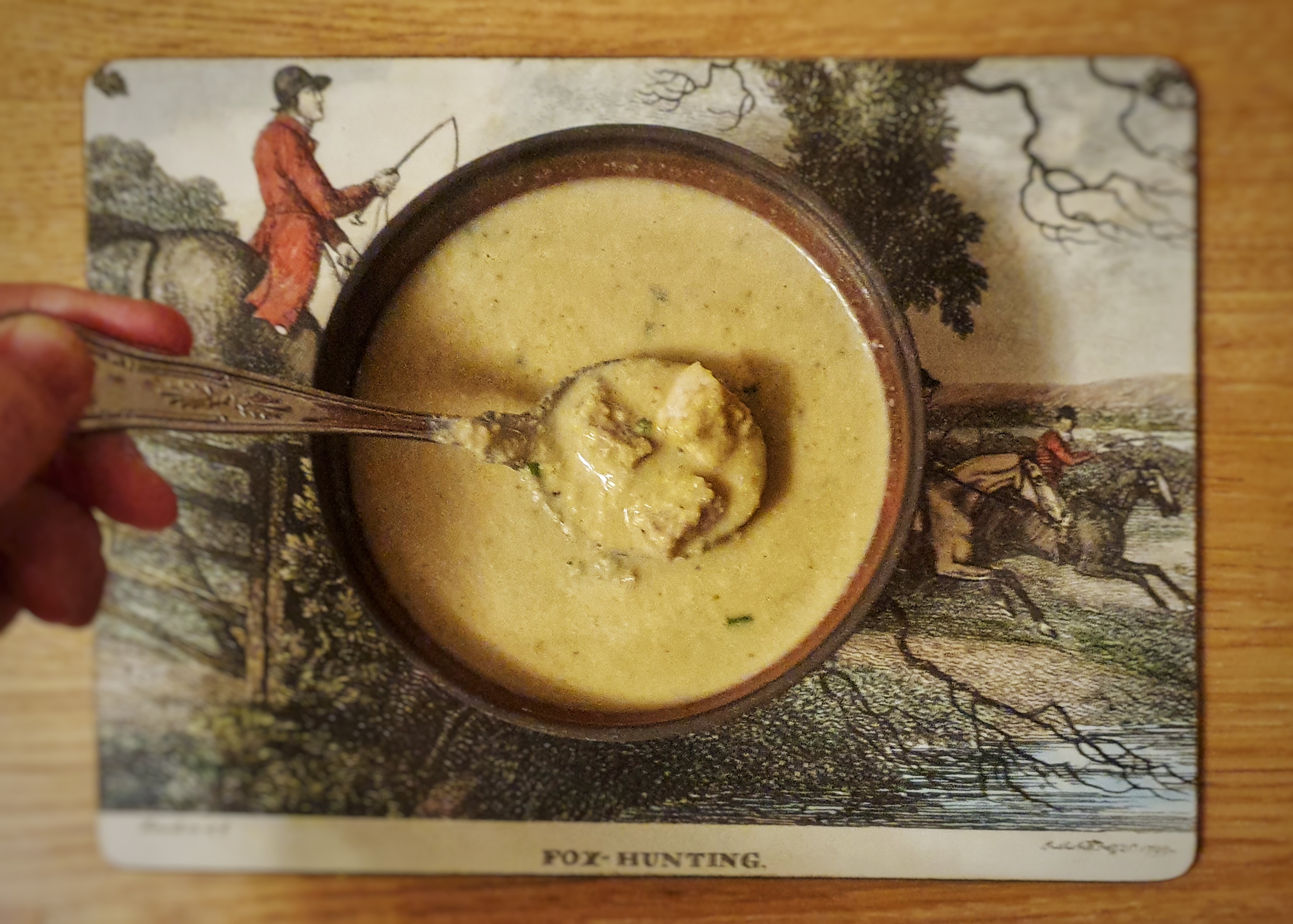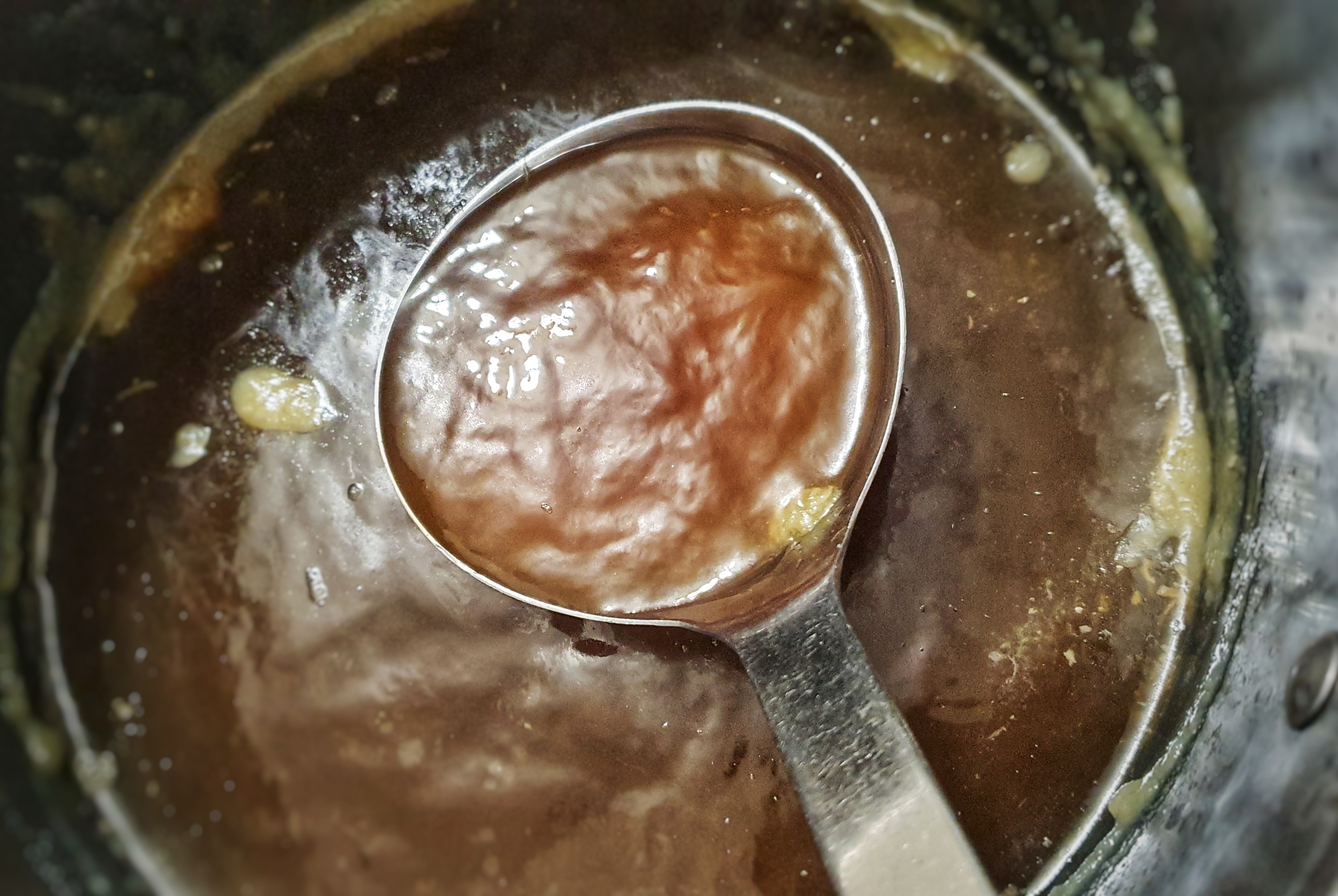
Category Archives: Christmas

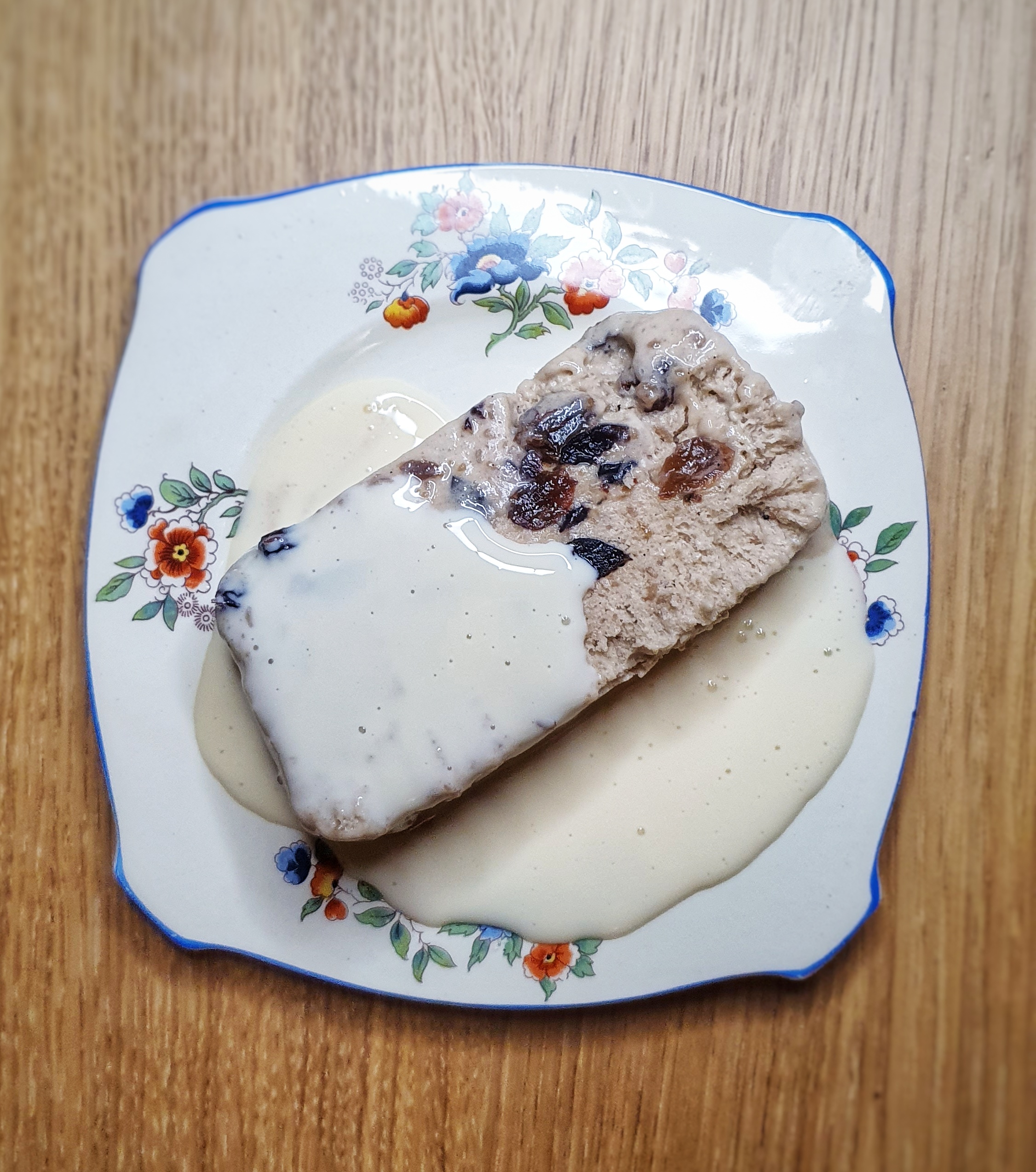
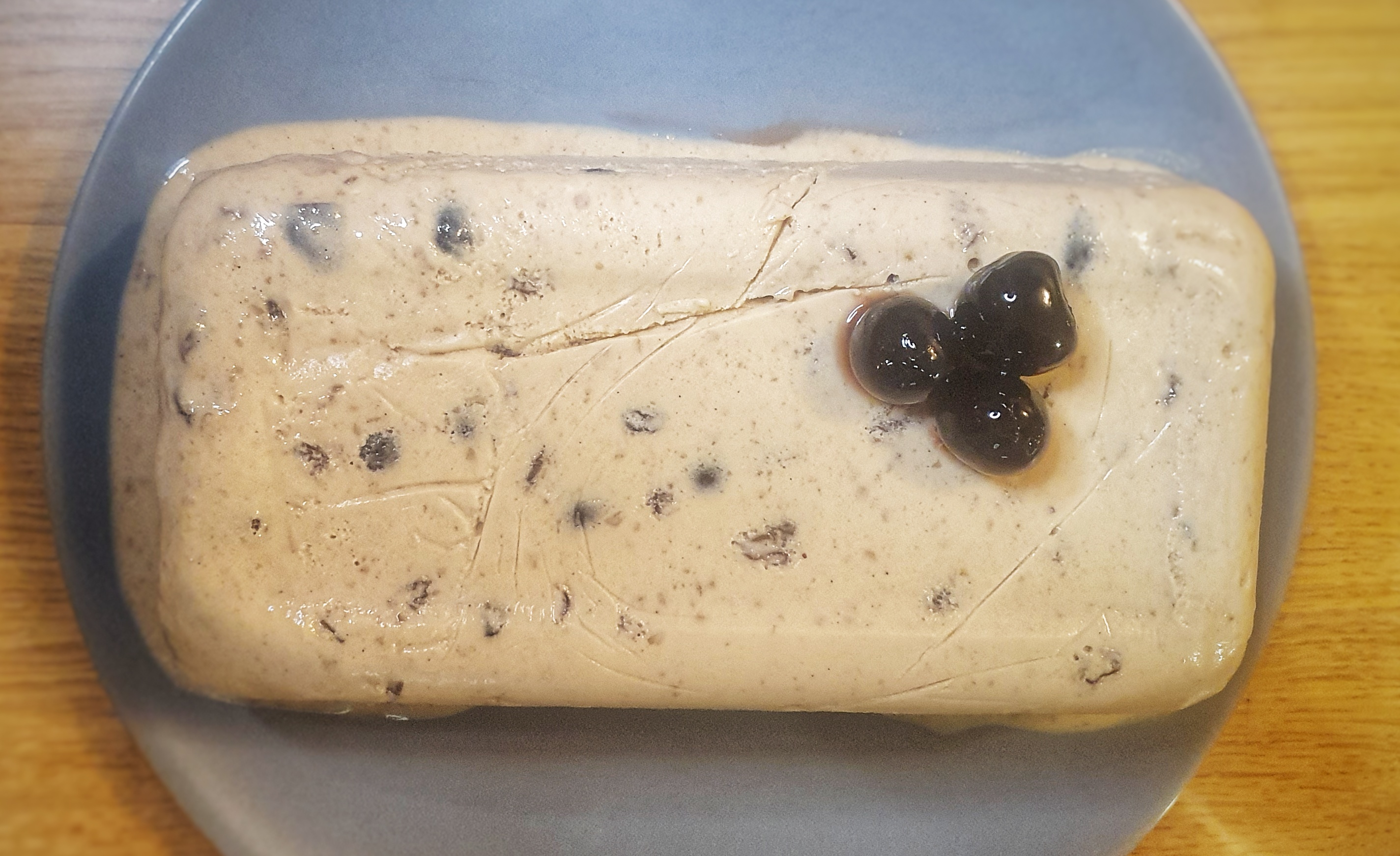
Nesselrode Pudding

This delicious iced dessert, which was very popular in the 19th century at Christmastime, crops up in most cookery books of the time, and is described as ‘a quiet Victorian icon’ by Annie Gray in her excellent book At Christmas We Feast (2021).[1] It is associated with this time of year because of its main ingredient: puréed chestnuts, and it deserves a comeback.

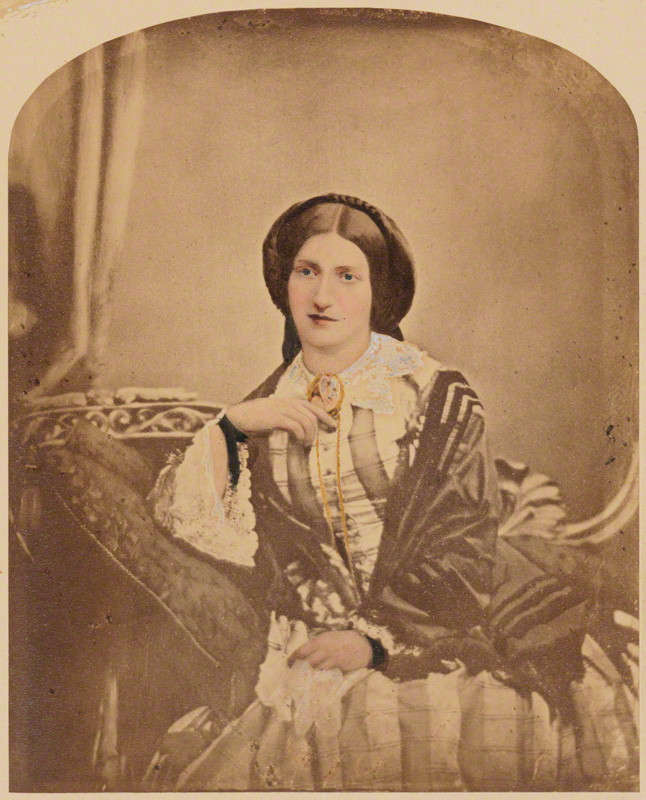
Count Nesselrode (Creative Commons)

According to Eliza Acton, the pudding was invented by the famous Marie-Antoine Carême,[2] but it is not the case. In one of her best (and most obscure) books, Food with the Famous, Jane Grigson informs us that it was actually ‘invented by Monsieur Mony, chef for many years, to the Russian diplomat, Count Nesselrode, in Paris.’[3] Annie Gray took the research step further: the first printed recipe appears in Carême’s book L’Art de la Cuisine Française. In the original French version, he tells us he got the recipe from Mony, but in the English translation, he claims he – Carême – invented it.[4] Odd.

Listen to Annie discuss her book At Christmas We Feast with me in this past podcast episode.

Recipes do vary, though chestnuts are essential (unless you are Agnes Marshall, who asks – rather controversially – for almonds, in her Book of Ices[5]). Other ingredients include glacé and dried fruits, vanilla and maraschino liqueur – an essential. in my book, but some recipes suggest using brandy or rum as alternatives. There is a custard base, but the mixture is not churned like regular ice cream: this is a no-churn affair. It’s prevented from freezing to a solid block with the addition of airy whipped cream and Italian meringue.


If you like the blogs and podcast I produce, please consider treating me to a virtual coffee or pint, or even a £3 monthly subscription: follow this link for more information.


Recipe

There are several stages to making this pudding, and you need to start making it at least two days before you want to eat it. Don’t let the making of egg custard sauces and Italian meringues put you off. However, a good digital thermometer and electric beater are essential.

Serves 8

For the pudding:

60 g chopped raisins or mixed fruit (currants, raisins and sultanas)[7]

60 g chopped candied peel or Maraschino cherries

80 ml maraschino

1 vanilla pod

300 ml single cream

3 egg yolks

160 g light brown sugar

160 g caster sugar

3 tbs/45 ml water

2 egg whites

300 ml whipping cream

440 g can or 2 x 200 g packets of unsweetened chestnut purée

To garnish: Maraschino cherries or candied chestnuts

For the custard sauce:

300 ml single cream or half-and-half whole milk and cream

50 g caster sugar

4 egg yolks

Around 25 ml maraschino (see recipe)

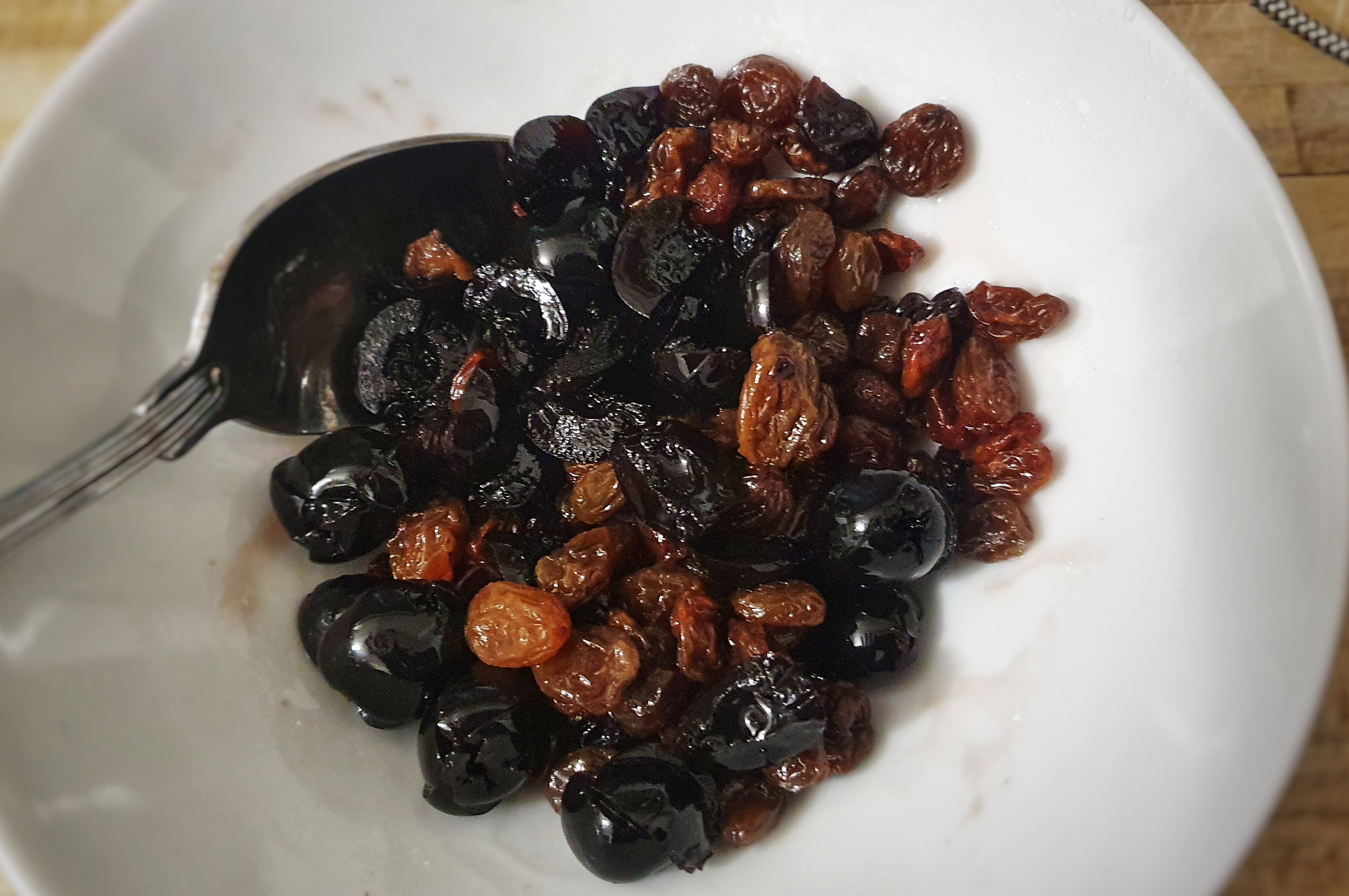
Soak the dried fruit and peel or cherries in maraschino overnight.

Next day, split the vanilla pod lengthways and scrape out the seeds and place both pod and seeds in a saucepan along with the single cream and heat to scalding point.

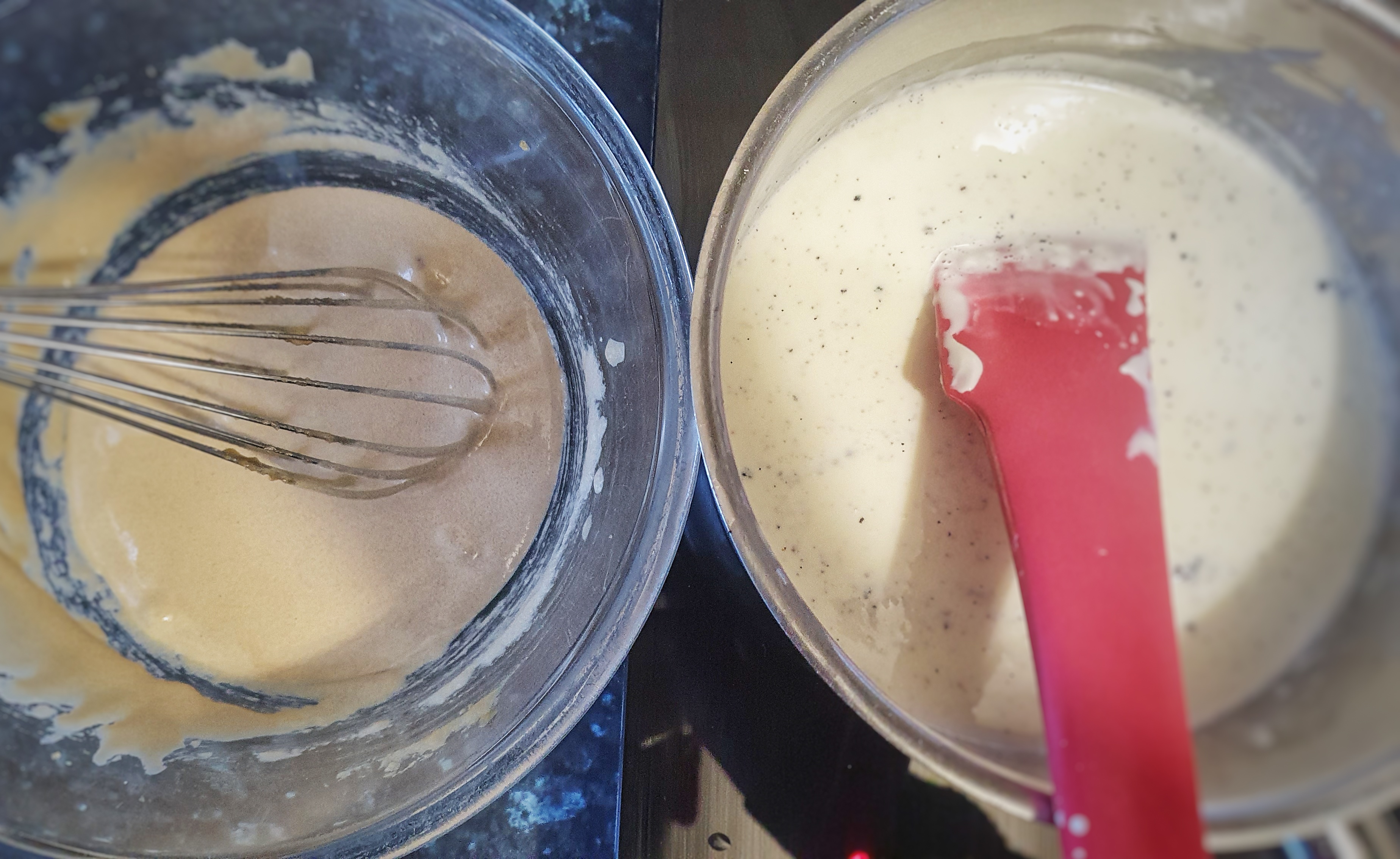
Meanwhile, put the egg yolks and light brown sugar in a mixing bowl, mix and then beat with a balloon whisk until it becomes a few shades paler. Pour in the hot cream by degrees, whisking all the time. Return the mixture to the pan and stir over a medium-low heat until it thickens – don’t let it boil, or you’ll get scrambled eggs – this should take about 5 minutes. If you want to use a thermometer to help you judge this, you are looking for a temperature of 80°C. Pass the mixture through a sieve into a tub, seal, cool and refrigerate until cold.

As it cools, make an Italian meringue: in a thick-bottomed saucepan, add the sugar and water. Place over a medium and stir until the sugar is dissolved, then bring it up to a boil. Insert your thermometer.

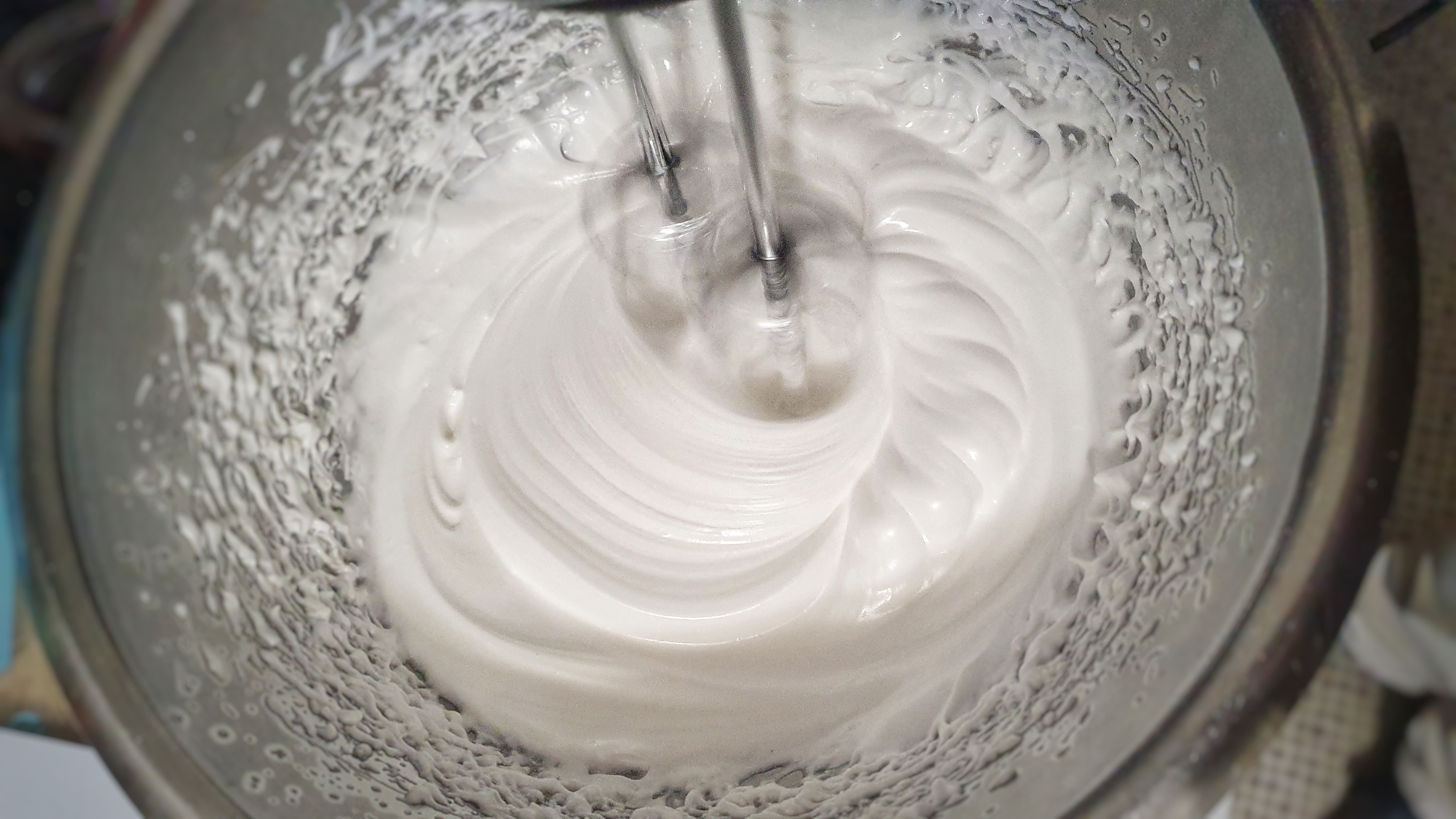
Meanwhile, put the whites in a bowl, ready to beat. When the temperature of the syrup hits 110-115°C, start beating the eggs to stiff peaks. When the syrup is 121°C, take the pan off the heat and trickle the syrup into the whites in a steady stream. Keep beating until almost cold – around 10 minutes – then cool completely. Whip the whipping cream until floppy.

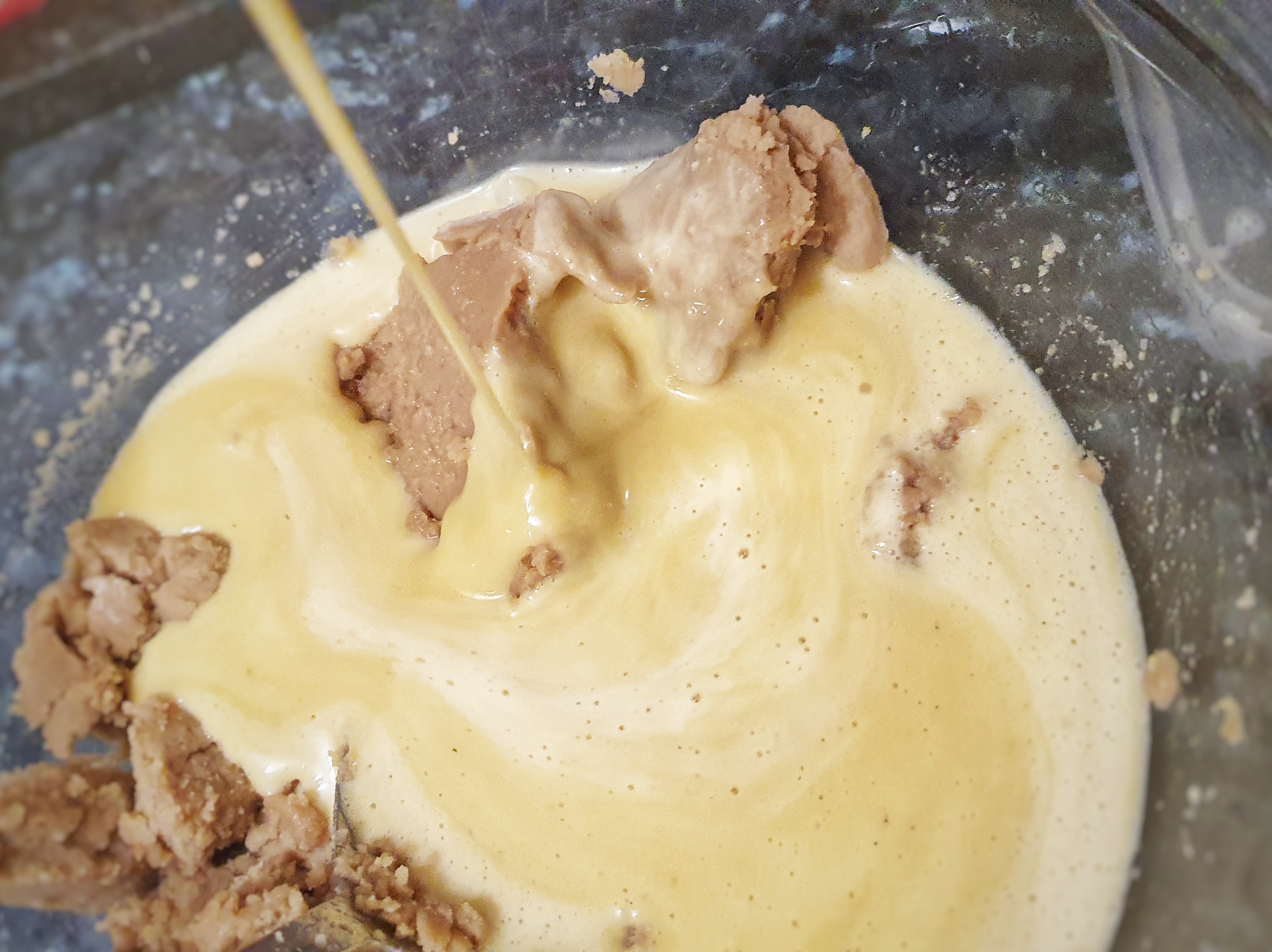
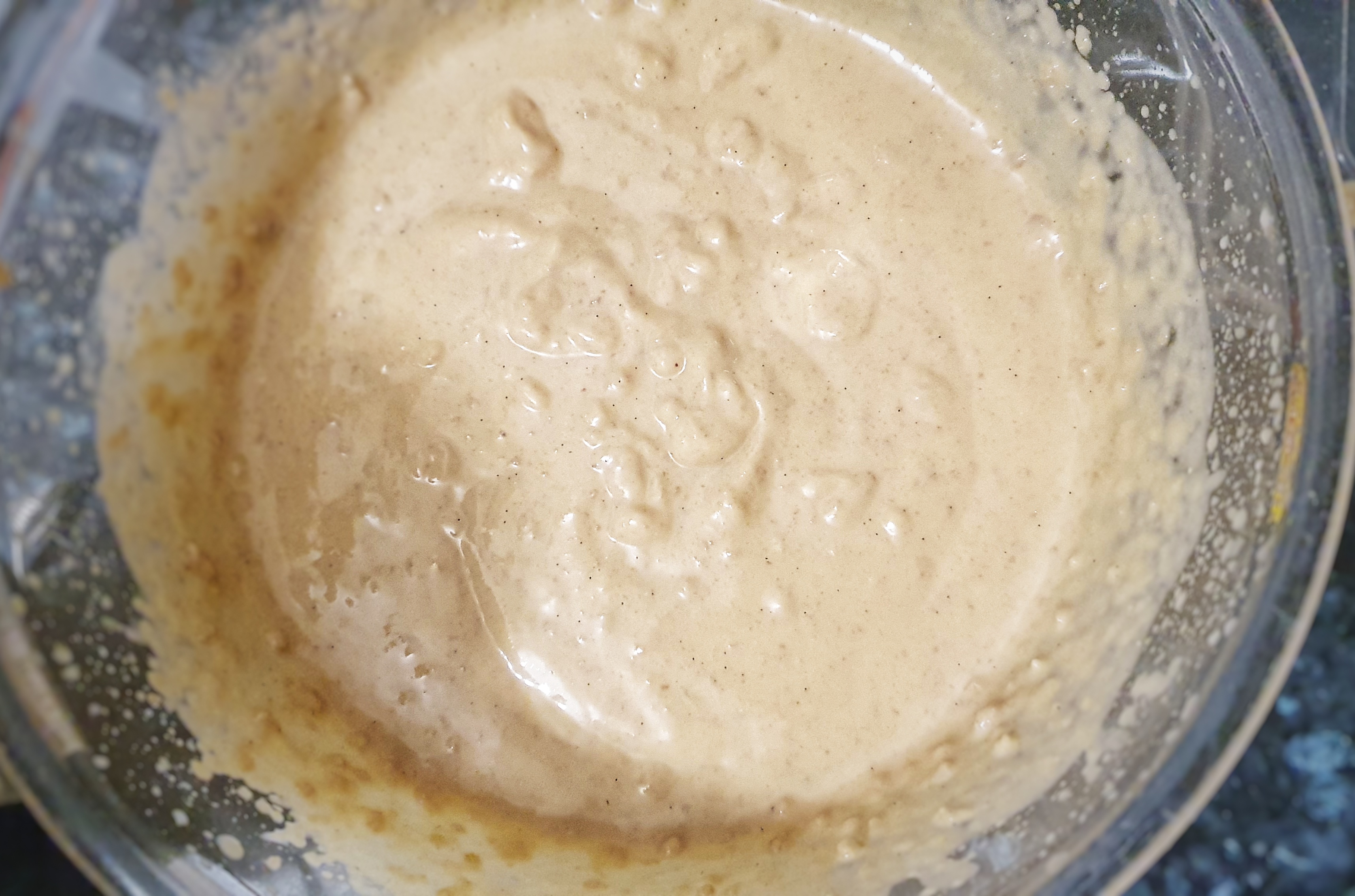
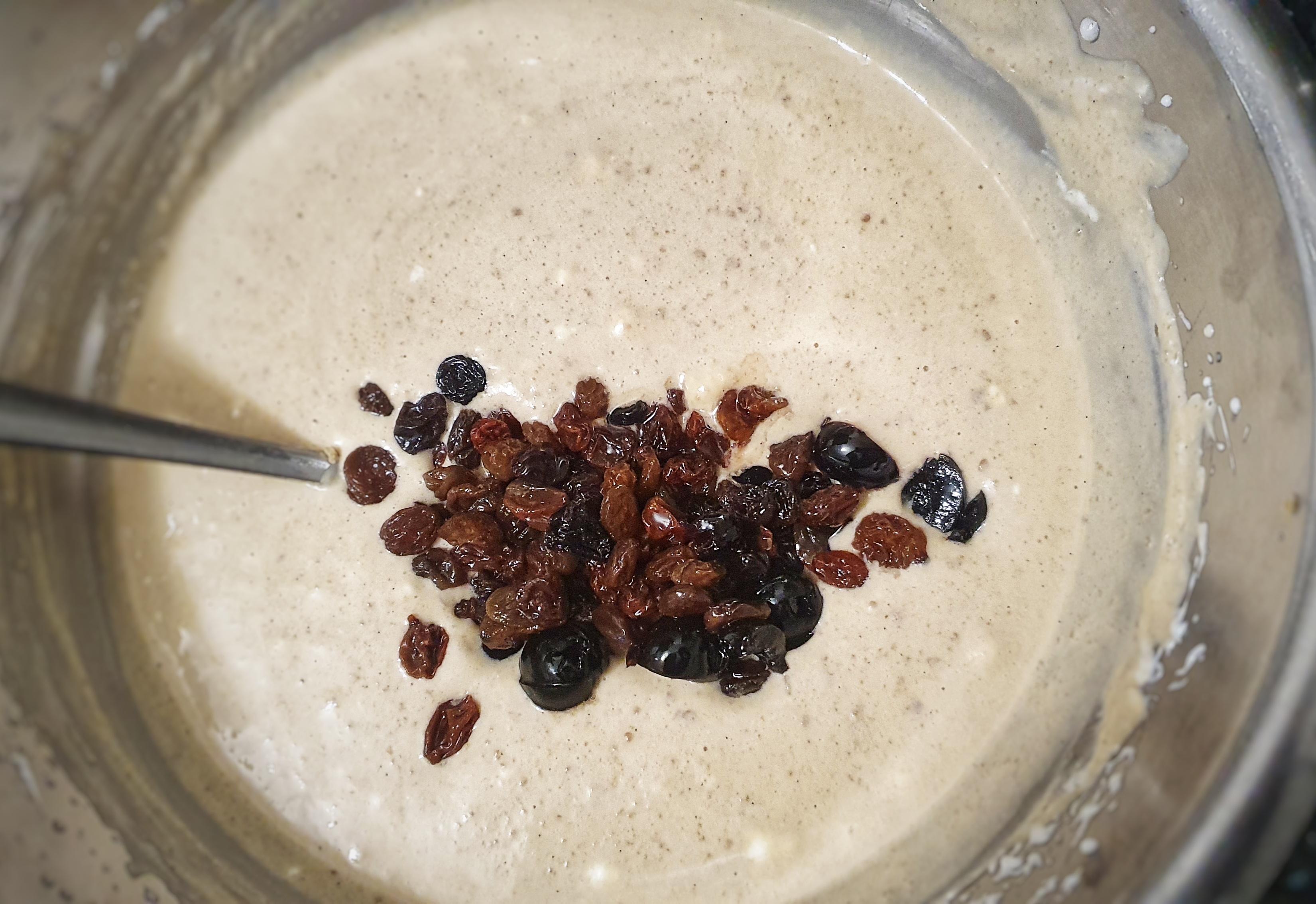
Now the Nesselrode pudding can be assembled. Mix the chestnut puree into the cold, rich custard; you may need to use your electric beater to make the mixture smooth. If you like, pass the mixture through a sieve. Using a metal spoon, fold in the cream, then the meringue. Take your time – you don’t want to lose all of the air you have introduced to the meringue and cream. Strain the fruits (keep the alcohol) and fold those into the mixture.

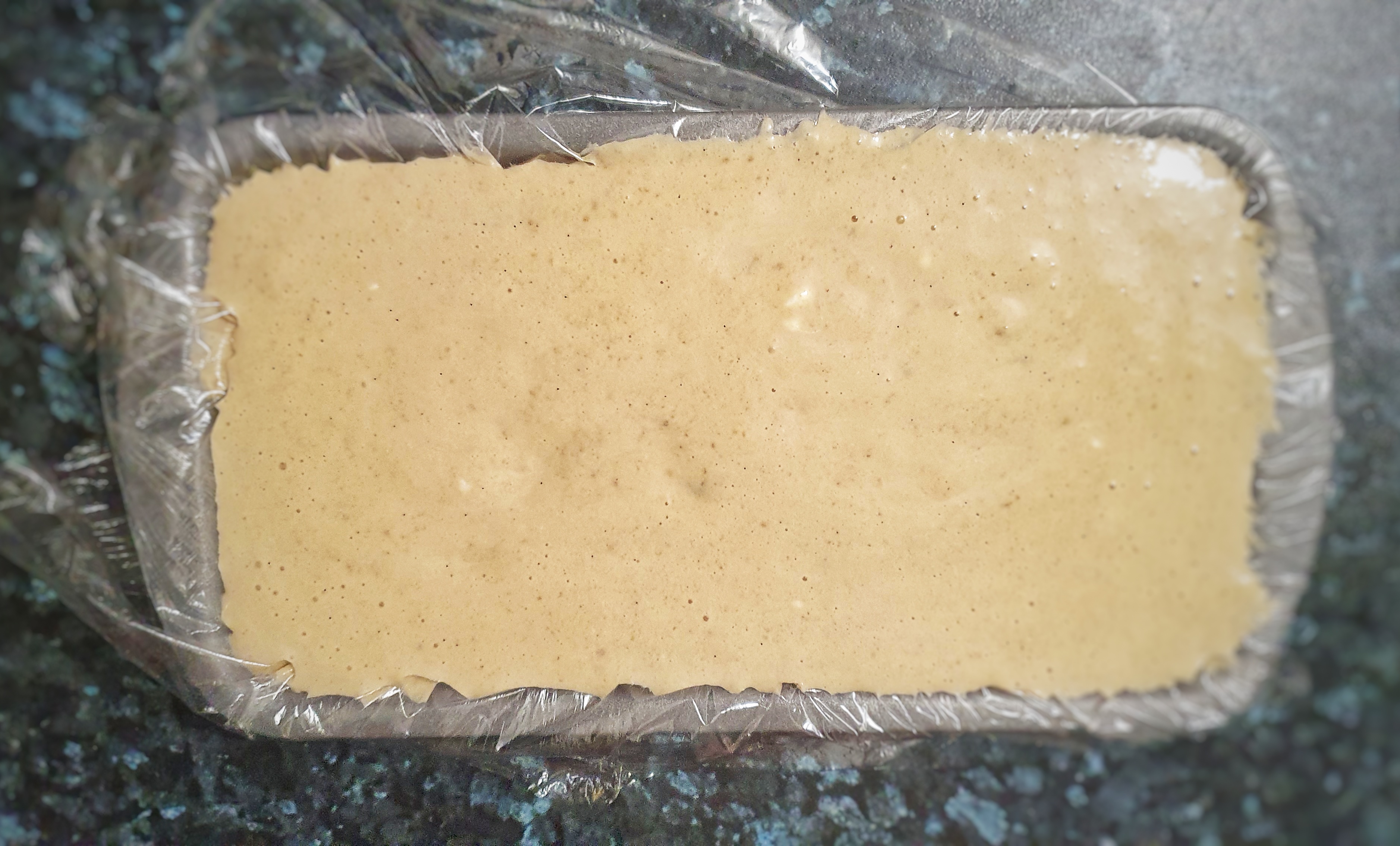
Select your mould – a generous 2 lb/900 g loaf tin is best, but you can use a pudding basin, or anything you like, as long as it has a volume of around 1.5-1.6 litres – and line it with cling film. Gingerly pour or ladle the mixture, cover with more cling film and freeze overnight.

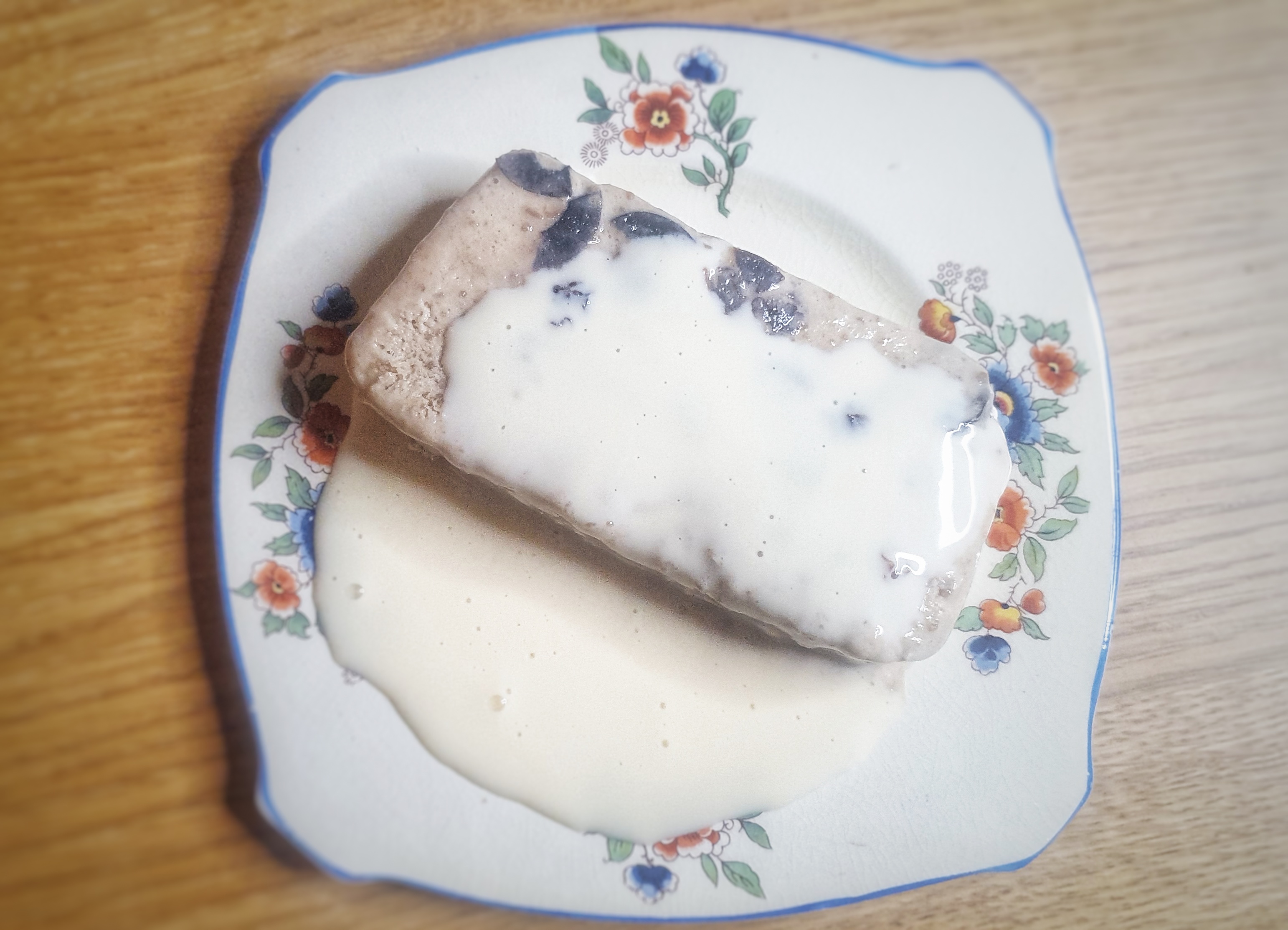
Now make the custard sauce as you normally would – there’s a full method here – flavour with the strained alcohol. Taste it and add more booze if desired. When it tastes just right, add an extra half shot. Cool, cover and refrigerate.

To serve:

Remove the pudding from the freezer 30 to 40 minutes before you want to serve it. At the same time, place the custard sauce in the freezer so that it can get really cold.

Turn out the pudding onto a serving plate, remove the cling film, clean up the edge with kitchen paper and garnish. If the pudding is a bit of a mess around the edge, pipe some whipped cream around it. Pour the ice-cold custard sauce into a jug and serve.

Note: to make nice, neat cuts, pour hot water into a tall mug or (heat-proof) glass and heat up a serrated knife; this heat and a gentle sawing motion should result in clean cuts.


Notes

[1] Gray, A. (2021) At Christmas We Feast: Festive Food Through the Ages. Profile.

[2] This earliest mention of the pudding in the many editions of Acton’s classic Modern Cookery was the 14th. Acton, E. (1854) Modern Cookery for Private Families. 14th ed. Lonman, Brown, Green, and Longhams.

[3] Grigson, J. (1979) Food with the Famous. Grub Street.

[4] Gray (2021)

[5] Marshall, A.B. (1885) The Book of Ices. William Clowes and Sons.

[6] Ibid.

[7] When I made the pudding for the blog, I decided to forego chopping the fruit, wanting nice, big, plump fruits. A mistake: the large pieces sank – rats!

Leave a comment

Filed under Britain, Christmas, food, General, history, Nineteenth Century, Puddings, Recipes, The Victorians

Recipe: Brussels Sprouts with Bacon and Prunes

Subscribe to get access

This post and it’s accompanying podcast episode are for £3 monthly subscribers. If you would like to become a subscriber and access this post and all the other premium content on the blog click this link.

As a £3 monthly subscriber you get access to my Easter eggs page, special premium blog content, receive a monthly newsletter, and – most importantly – you support the running of my podcast and blog.

1 Comment

Filed under Britain, Christmas, cooking, Festivals, food, General, Recipes, Uncategorized

My Foolproof Roast Potatoes

I told my social media followers that my Christmas recipe this year was going to be roast turkey and I said that I would also provide the recipes for two sides. I provided four options: roast potatoes, Brussels sprouts, bread sauce and cranberry sauce/jelly. Roast potatoes received the most votes so here we go.[1]

I believe that the roast potatoes are almost as important as the roast meat, perhaps more important. Whether it’s the Christmas dinner or the weekly Sunday roast, if you mess up the roasties, everyone will be sad, and there’s a good chance you’ll be forever shunned by friends and family.

So I provide you with my method. It’s tried and tested and I reckon foolproof! Don’t worry about precise weights/volumes of ingredients or sizes of roasting trays; this recipe is most adaptable so use what you have. What is important, however, is the type of potato used and the fat or oil in which they are cooked.

The potatoes must be of the floury type: Maris Piper, King Edward and Albert Bartlett varieties are easy to find in the supermarkets, but for me the supreme variety of spud when it comes to roasting is the Alouette. It’s technically a waxy potato, but when roasted the centre is like the creamiest mashed potato. It’s not widely available in supermarkets, but keep a look out at greengrocers and farmers’ markets; you will not be sorry should you happen upon some and buy a kilo or two. I bought mine from Unicorn in Manchester.

Next, we need good fat or oil. I used approximately equal amounts of lard and rapeseed oil. All solid animal fats are good: beef dripping, goose fat and duck fat are great alternatives – they all have high smoking points and make for a crisp potato. As for plant-based oils, you must avoid olive oils completely and go for high smoke point ones like rapeseed, groundnut or sunflower. Avoid the solid, white vegan fats, they are bad for you and the environment. You don’t have to go half and half either, you can use all oil or all animal fat: I vary it depending on what oils and fats I have in the store cupboard/fridge.

Anyway, let’s get to it.


If you like the blogs and podcast I produce and would to start a £3 monthly subscription, or would like to treat me to virtual coffee or pint: follow this link for more information. Thank you.


Recipe

Make sure to use a deep roasting tin and that it is big enough to fit all of the potatoes in a single layer. Notice too there are no herbs thrown in, but if you want to add some be my guest.

If making roasties for the Christmas dinner, you can slide the tray of oil or fat into the oven as soon as the turkey comes out.

Good, floury potatoes, peeled

Salt

Plant-based oils and/or solid animal fats

Preheat your oven to 190°C (if you followed my turkey recipe, the oven will already be at this temperature). Add enough oil or fat to the tin so that it comes to a depth of between 0.5 to 0.75 centimetres. Slide it into the oven to get nice and hot.

Angular cuts make for crispier roasties

Cut your potatoes into good-sized pieces[2] making cuts at angles so that there are sharp, angular pieces: the pointier, the crispier; the crispier the better.

Get a large pot of water that had been liberally dosed with salt boiling and add the potatoes. Cover and bring back to a boil, and once boiling again, set a timer for 6 minutes.

When the time is up, strain the cooking water and allow the potatoes to steam dry for a few minutes, then place them back in the pan, cover the lid and give them a good shake to fluff up the edges (wear oven gloves, don’t get a steam burn). Leave the lid off the spuds again so that they can steam a little longer. You can do this stage well in advance if you like – even the previous day.

Fluffed and ready for the oven!

Gingerly remove the roasting tin and place the potatoes in the oil, spacing them out in a single layer. Use a pair of tongs to help. Slide the roasting tin back into the oven. After 15 minutes turn them over, and keep turning them every 15 minutes or so until crisp on the outside and cooked through the centre. It will take around an hour.

Using tongs, place in a warmed serving dish or bowl and serve.


Notes

[1] Sprouts came second – recipe coming very soon.

[2] I’m not going to dictate to you what a good size is; it’s all down to personal preference, but as a guide, medium potatoes get cut into quarters or sixths, and larger ones into eighths.

1 Comment

Filed under Britain, Christmas, cooking, food, General, Recipes, Uncategorized

Roast Turkey and Giblet Gravy

A very bronzed roast Copas turkey: butter is the only way to get this deep, delicious colour.

This blog post complements the recent episode of The British Food History Podcast called Turkey with Tom Copas.

If you feel inspired to order a Copas turkey, you need to get your order in by 16 December to avoid disappointment.

In the episode, we discussed the best way to roast turkey and we concluded that as long as you baste the bird and calculate the cooking time properly, it will be delicious. Tom even says that there’s no need to cover the turkey with bacon. While I agree with him, I do like the crispy bacon and the delicious, perfectly seasoned juices that come from the roasting turkey. My way of roasting turkey is very similar to how I cook a chicken.

What we didn’t discuss is the giblets! Please don’t waste them, they can be turned into lovely rich gravy when combined with the roasting juices. It’s important to get the giblet stock on about 45 minutes before the turkey goes in the oven (or you could prepare it in advance).

If you want to stuff the turkey, I suggest you stuff the neck only because an empty cavity means quicker cooking and a more succulent turkey.

Right, let’s get to it.


If you like the blogs and podcast I produce and would to start a £3 monthly subscription, or would like to treat me to virtual coffee or pint: follow this link for more information. Thank you.


To Roast a Turkey

You don’t have to use bacon if you don’t want to, but butter is essential. It adds richness, helps the bird keep moist and gives the skin a lovely deep brown colour.

1 free-range turkey

250 g salted butter, softened

Freshly ground black pepper

Around 14 rashers of dry-cured streaky bacon (optional)

Stuffing (optional)

Halved or quartered carrots and parsnips (optional; see recipe)

As soon as you get up on Christmas morning, take the turkey out of the fridge, untruss it, and when it’s time to cook the turkey, preheat your oven to 190°C.

Sit the turkey on a board, legs facing towards you, then make a tear in the skin where the breast starts and lift the skin away from the breast. Don’t rush – you don’t want to tear the skin. Put half the butter between the skin and breast and massage it as far back as possible. If you are using stuffing, add this under the skin too and tuck the flap of neck skin underneath. If there’s not much neck skin, don’t worry, it can be secured with a skewer.

Smear the rest of the butter over the outside of the turkey and season with plenty of black pepper, then lay the bacon over, overlapping each rasher only slightly.

Weigh the prepared turkey and calculate the cooking time: 30 minutes per kilo. A 4.5 kilo turkey will take 2 ½ hours. If cooking for more than 3 hours, cover the legs with foil.

Sit the turkey in its roasting tin, place it in the oven, and leave it for a good 45 minutes before doing anything at all. At the 45-minute mark baste the turkey with any juices; make sure to tip any juices in the cavity into the roasting tin.

Baste every 20 minutes or so. When the bacon is very crispy, remove it and set aside.

If you like you can add some carrots and parsnips, peeled and halved or quartered to braise in the juices. It’s best to do this when there are 90 minutes to go – don’t forget to turn the veg over each time you braise.

90 minutes to go, the bacon has been removed and the vegetables added to braise

When the time is up, you can test with a digital probe: 68°C is the temperature you are looking for. Take the turkey, place it on a carving board and cover with foil. It will happily rest for one to two hours.

When it’s time to carve, remove the legs and separate them into thighs and drumsticks. For the breast, I find the easiest way is to remove one side completely and then slice it thickly. These can be arranged on a warm serving plate, surrounded by the crisp bacon. Only cut into the second breast if the first one goes (it keeps better that way for leftover feasts).

I massaged the stuffing quite far into the turkey’s breast skin, protecting the meat and keeping it juicy

To Make Giblet Gravy

Don’t waste or fear the giblets! The giblets are the heart, neck, gizzard and liver.[1] Use your vegetable trimmings from the veg to make the stock: though avoid brassicas like sprouts.

For the stock:

Heart, gizzard and neck

A knob of butter

Leek greens, carrot peelings, and some celery trimmings, or 2 outer stems of celery

2 cloves of garlic, lightly crushed

Herbs: bay leaves, parsley stalks, rosemary or thyme sprig tied with string

175 ml white wine

Cold water

For the gravy

Giblet stock

Pan of turkey juices

1 tbs cornflour

To make the stock, first cut up the giblets into quarters.

In a saucepan, heat the butter until foaming, add the giblets and fry over a medium-high heat until brown – about 5 minutes. Now add the vegetable trimmings, garlic and herbs and wilt them. Cook until they have picked up a tinge of brown, then add the wine. Stir and scrape any nice burnt bits from the bottom. Add water to just cover the contents, put a lid on and bring to a simmer and cook for around 3 hours, then strain through a sieve into a clean pan (or into a tub if you’re making it in advance).

When it’s time to make the gravy, get the stock nice and hot. When the turkey is cooked and is resting on its board, pour the hot stock into the roasting tin and scrape off all the nice treacly burnt bits, then tip the whole thing back into your saucepan. Skim away most of the buttery juices.[2] Bring to a simmer and then add the cornflour which has been first slaked in a little cold water. Stir and simmer unlidded for 10 minutes.

Check the seasoning, though usually I find that the bacon and the salted butter from roasting the turkey have done it for me. Pour the gravy into a jug. You can pass it through a sieve, but I never do. Easy!


[1] Use the liver for the stuffing, or fry it and eat it on toast. You could devil it – recipe for devilling livers can be found here.

[2] But don’t throw the fat away, it can be used for frying vegetables for sauces or soup.

6 Comments

Filed under Britain, Christmas, cooking, Festivals, food, General, history, Meat, Recipes

Negus

Wine, Cyder, Negus, Purl,[1] and Porter;

Are liquors for any Courtier.

The Free-Mason’s Calendar, 1776[2]

Merry Christmas everyone! It’s time for my annual boozy Christmas drink, and this year’s is so good, you can even give it to the kids; if you take Mrs Beeton’s advice (I advise against it, but what do I know). It is called negus; the ingredients are simple, and you are almost guaranteed to have them this time of year: wine, sugar, citrus fruit, spices. Easy.

Its origin lies with the English officer class of the late 17th and early 18th centuries, who got into the very sensible habit of watering down their wine to avoid getting too drunk of an evening. They still wanted something to drink though. It is named after Colonel Francis Negus (1660-1732), ‘a well-connected gentleman’, who, aside from being a noted member of the officer class, was also an MP, and a talented horse rider and hunter, so-much-so he was given the position of Master of the Horse and Warden of Windsor Forest. Quite the chap it would seem. The earliest description known comes in the form of a handwritten note in a 1725 edition of Tacitus’s works. It said: ‘After a morning’s walk, half a pint of white wine, made and hot and sweetened a little, is recond very good. – Col. Negus, a gentn. of tast, advises it, I have heard say.’[3] Initially it was a heated mixture of white wine and water, sugar and then some citrus juice, sometimes lemons, or sweet or Seville oranges, and it hasn’t really changed that much.

Its low alcohol made it especially good for the infirm or chronically ill. One Dr William Buchan in his 1797 book, prescribes claret negus for those with ‘Slow or Nervous Fever’, what we would call depression today.[4] In the book Oxford Nightcaps (1827), the author tells us that a doctor friend of his, a certain Doctor Willich, thinks ‘Negus is one of the innocent and wholesome species of drink especially if Seville oranges be added’. He also recommends lemons, cinnamon, cloves and all-spice. And calves’ foot jelly, which was thought very nourishing to those who couldn’t digest anything too rich or challenging.

Mr Fezziwig’s Ball as depicted by John Leech

Into the mid-19th century, negus settled down as a drink to be enjoyed by everyone, the wine most often used now being port (a drink which had been made popular since the Napoleonic Wars). It is mentioned in Charles Dickens’s A Christmas Carol (1843). When the Ghost of Christmas Past takes Scrooge to show him the wonderful parties put on by his old boss, the kind and caring, Mr Fezziwig: ‘There were dances, and there were forfeits, and more dances, and there was cake, and there was negus, and there was a great piece of Cold Roast, and there was a great piece of Cold Boiled, and there were mince-pies, and plenty of beer.’[5] What a sight they would have been!

Isabella Beeton’s considered negus a children’s drink

So inoffensive was negus that it became a popular drink with kids, with Mrs Beeton informing us in 1861 that ‘[a]s this beverage is more usually drunk at children’s parties than at any other, the wine need not be very old or expensive for the purpose.’ Her proportions are 1 pint of port to every quart of water, plus a quarter of a pound of sugar, zest and juice of one lemon and some grated nutmeg. She adds: ‘Allow 1 pint of wine, with the ingredients in proportion, for a party of 9 or 10 children.’[6]

It’s essentially a weak version of my favourite hot-booze drink, smoking bishop, but child-friendly. Hm. I suppose it’s one way to get them to sleep on Christmas Eve night!


If you like the blogs and podcast I produce and would to start a £3 monthly subscription, or would like to treat me to virtual coffee or pint: follow this link for more information. Thank you.


The recipe

Use whatever wine you prefer and your favourite citrus fruit. I went with port and a clementine and added some nutmeg and cinnamon. I must say it was very drinkable.

I’ve metricated the volumes, but the rule of thumb here is 1 part wine to 2 parts water, and you can sweeten the mixture to your taste.

Makes 1.3 litres:

400 ml wine (port, claret or white wine)

Zest and juice of 1 citrus fruit (lemon, sweet orange, Seville orange, clementine, etc)

Spices: ¼ freshly grated nutmeg, a snapped cinnamon stick, a teaspoon of cracked allspice berries or bruised cloves; choose your favourites.

800 ml boiling water

100 to 120 g caster sugar.

Heat the wine slowly with the zest and juice of your chosen fruit, and the spices until scalding hot (but not boiling). Add the hot water, then add sugar to taste. Pass through a sieve into a punch bowl or jug. To serve, ladle into beakers or cups.

One final note before I go: in Jerry Thomas and Christian Shultz’s How to Mix Drinks (1862), there is a very interesting-sounding soda negus recipe. The wine is warmed up with sugar and spices, then left to cool, then soda is added before serving.[7] Worth a try I think!


Notes

[1] Purl was an ale that had been infused with wormwood. Sounds full-on. Potential future Christmas booze post.

[2] Anon. (1776) The Free-Mason’s Calendar: or, an Almanac for the Year of Christ 1776.

[3] Wondrich, D. (2021) The Oxford Companion to Spirits and Cocktails. Edited by D. Wondrich and N. Rothbaum. Oxford University Press.

[4] Buchan, W. (1797) Domestic Medicine, Or, A Treatise on the Prevention and Cure of Diseases, by Regimen and Simple Medicines. Edited by I. Cathrall. Richard Folwell.

[5] Dickens, C. (2010) A Christmas Carol and Other Christmas Writings. Penguin Classics.

[6] Beeton, I. (1861) The Book of Household Management. Lightning Source.

[7] Thomas, J. and Schultz, C. (1862) How to Mix Drinks, Or, The Bon-vivant’s Companion. Dick & Fitzgerald.

Leave a comment

Filed under Britain, Christmas, Eighteenth Century, Festivals, food, General, history, Recipes, The Victorians, Uncategorized

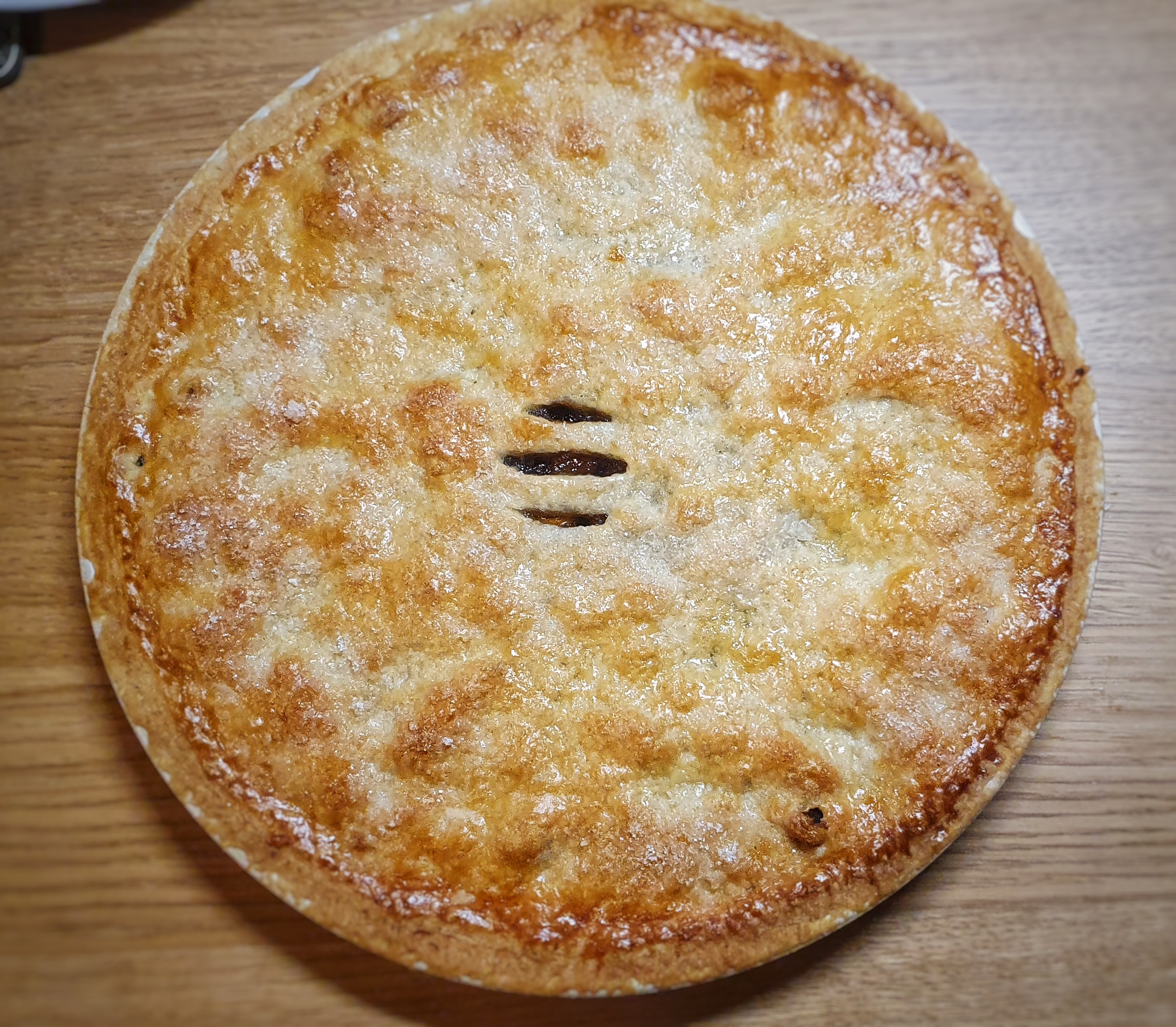
Westmorland Sweet Lamb Pie


This post complements the 2023 Christmas special of The British Food History Podcast called ‘Mince Pies’:


I have written several times about mince pies and mincemeat over the years on the blog. There are my two go-to mincemeat recipes: Jane Grigson’s Orange mincemeat, and Mrs Beeton’s traditional mincemeat, along with instructions on how to make small, individual mince pies. This year, however, I wanted to make an old-fashioned sweet lamb pie, once eaten in  Westmorland in the Northwest of England, a defunct county now making up parts of Cumbria and North Yorkshire. It was one of the last areas of the country to carry on putting meat in its mincemeat mixtures.[1] Like all mince pies of the past, they were not eaten only at Christmas, but much of the year, though because of the dried fruit content, they were associated with wintertime.

I was first introduced to this pie by Jane Grigson, and I made it many moons ago, for the Neil Cooks Grigson blog, I really liked it and have been meaning to revisit it.[2] These pies were not of the small individual type, but large plate pies, baked in a pie plate made of earthenware, tin or enamel.[3]

I’ve based the recipe on hers, but I did make some changes inspired by other recipes found on the Foods of England Project website.[4] The mincemeat isn’t cooked, but because of the booze and sugar content, it keeps very well. Don’t be put off by the meat content, it makes the filling succulent – and you can taste it, but this blurring of sweet and savoury is most delicious, something I have come to embrace after so many years of making historical British food.


If you like the blogs and podcast I produce and would to start a £3 monthly subscription, or would like to treat me to virtual coffee or pint: follow this link for more information. Thank you.


The filling:

This makes around 2 ¼ litres of well-packed filling, but I do intend to make two large pies at least and lots of smaller ones, so scale down if need be. It keeps for months if left somewhere dark, dry and cool; and remember mince pies are for life, not just for Christmas.

500 g lean lamb

200 g lamb or beef suet, membrane and sinew removed (packet stuff is acceptable if fresh is unavailable)

350 g apples, peeled and cored

120 g almonds

250 g each currants, raisins and sultanas

300 g soft, dark brown sugar

100 g chopped candied peel

Juice and zest of 2 oranges

120 ml dark rum

1 tsp salt

½ tsp ground black pepper

1 tsp each ground mace and cinnamon

½ freshly grated nutmeg

To make a truly ‘minced’ meat, you need to chop the meat, suet, apples and almonds quite finely. (You can, of course, use minced lamb, slivered almonds and grated apple and suet).

My ‘minced’ lamb and suet

Mix everything together in a large bowl and pack tightly into sterilised jars.[5] Leave to mature for at least a week before using.

The pie:

These pies were made on pie plates, but you can make them in any flan or pie tin you like. For my 26 cm diameter pie plate I used the following amounts, though the pastry was quite thin, so you may want to proportion things up in line with perhaps 360 g flour. I will leave it to you to judge size and thinness. There are instructions on how to make small, individual mince pies here.

300 g plain flour

150 g butter, or 75 g each butter and lard

75 g caster or icing sugar

80-100 ml cold water

Egg wash: 1 egg beaten with ½ tsp salt

Dice the fat and rub into the flour until breadcrumbs are formed (or use the flat beater on a machine, set to slow), then add the sugar, mix, and add the water slowly mixing and stirring. Bring everything together to form a firm dough. You might not need all of the water. Knead briefly to smooth the dough, cover and then leave to rest in the fridge for around 30 minutes.

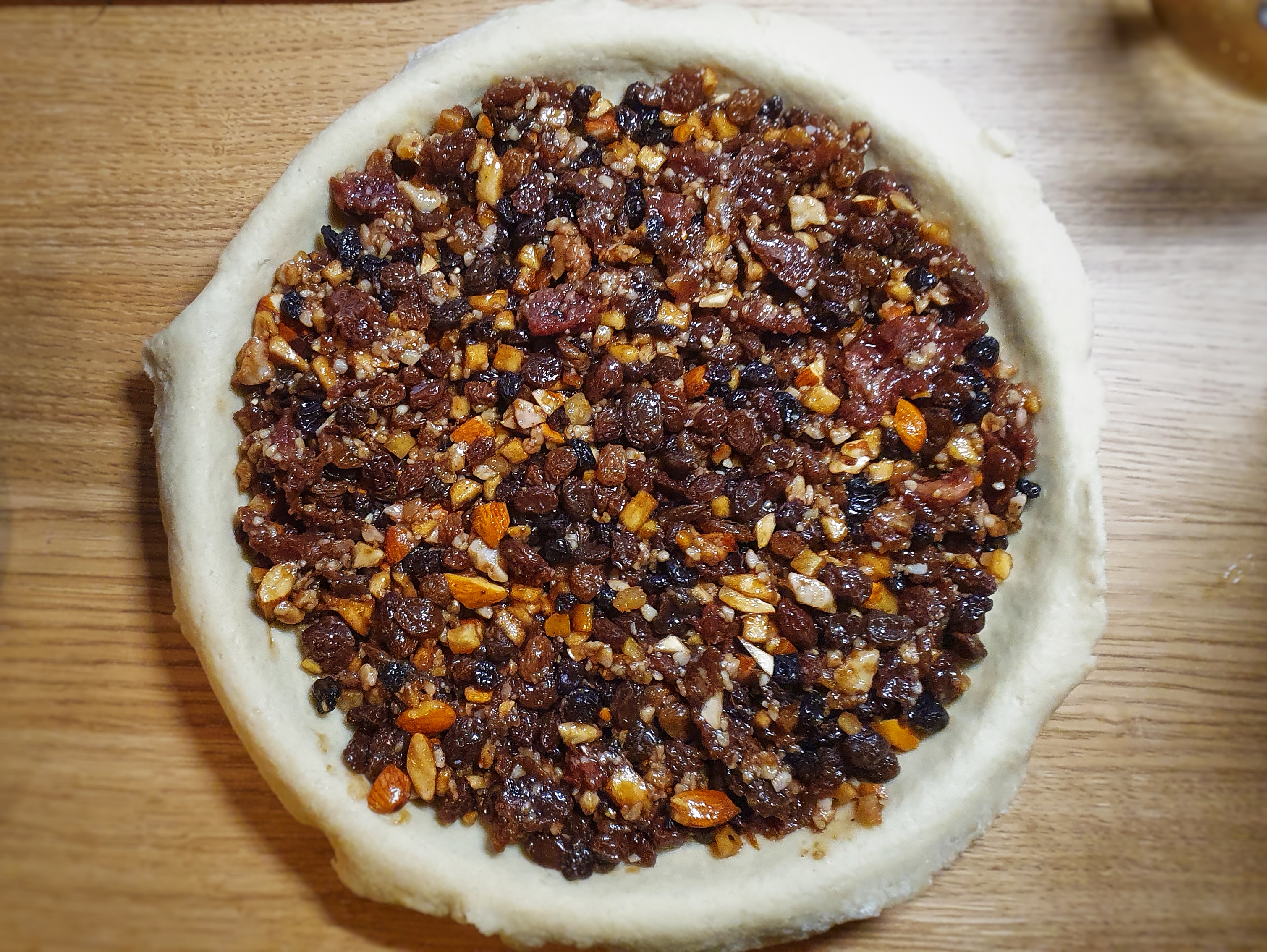
Roll out two-thirds of the dough into a round, lift and lay it over the plate neatly. Prick the base with a fork. Spoon the filling in. Again, go with your gut – do you want a thin amount or loads? I added enough to come up to the lip of my plate.

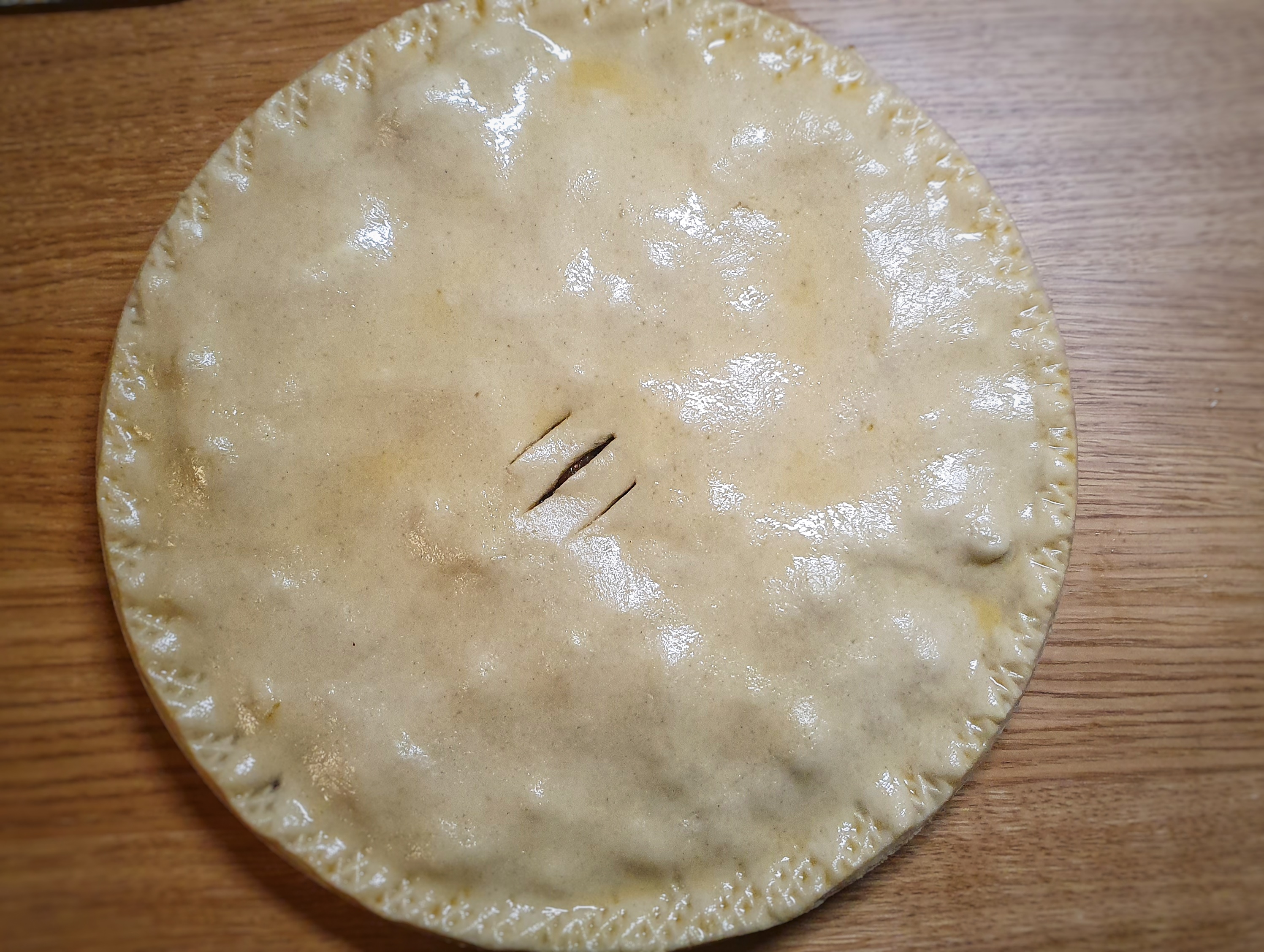
Roll the remaining third of the pastry out into a round. As it rests, wash the rim of the pie plate and place the lid on top, securing it with a crimping tool or fork prongs or with your thumb or forefinger. Cut a steam hole and brush with egg. You can sprinkle a little sugar over the top if you fancy.

Place in the fridge to firm up and preheat the oven to 200°C. When the oven has come up to heat, slide the pie onto the centre shelf and cook for around 35 minutes, or until a good golden-brown colour and you can see the filling bubble through the steam hole.

Best eaten warm with thick cream, or rum butter.

I ate my first piece so quickly, I forgot to photograph it. This is my seconds.

[1] Mason, L. and Brown, C. (1999) The Taste of Britain. Devon: Harper Press.

[2] Read the original post here: http://neilcooksgrigson.com/2014/01/02/388-sweet-lamb-pie-from-westmorland/

[3] Grigson, J. (1992) English Food. Third Edit. Penguin.

[4] Hughes, G., ‘North Country Sweet Pie’, The Foods of England Project. http://www.foodsofengland.co.uk/northcountrysweetpie.htm

[5] To sterilise jars, heat them in the oven for 25 minutes at 120°C. Any rubber seals – or lids with rubber seals, can be sterilised in very hot water.

1 Comment

Filed under baking, Britain, Christmas, cooking, food, Fruit, General, history, Preserving, Recipes, Uncategorized

To Roast a Haunch of Venison

Christmas isn’t too far away and the chances are you are probably already discussing what meats you will be roasting on the big day. Well, I am going to stick my neck out and suggest venison. Game used to be a very important part of the Christmas feasting, especially in the countryside, making an excellent centrepiece to the day’s feasting.

Regular readers will know that I love cooking with game, but it has been a while since I cooked some up for the blog. I got the opportunity to cook a nice haunch of venison because I was sent some from Farm Wilder to try out, and my gosh it was good. Apart from the meat being tender and delicious, the deer that make their venison are culled as an important part of land management in Southwest England. Without any natural predators, their numbers are increasing and pretty as they may be, they are very damaging to woodland habitats – in short, they are a menace![1]

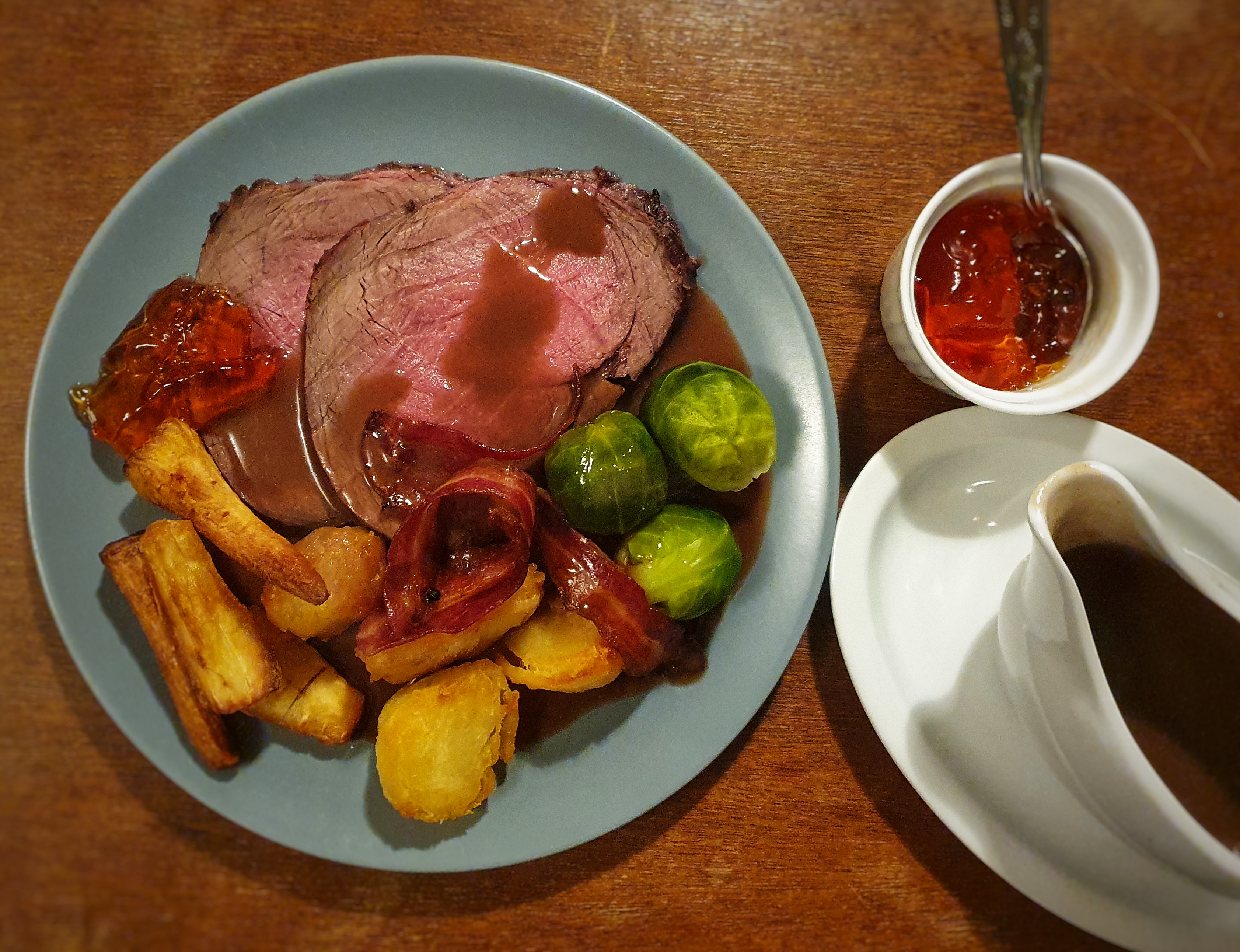
A medium-rare roasted haunch of Farm Wilder venison

For more information about Farm Wilder and their venison, click this link.

The important thing when buying a roasting joint is to buy as large a one as possible; large joints always roast juicier and more evenly. Bear in mind that any excess venison can be chopped and made into a hunter’s pie – essentially a shepherd’s pie but with lamb swapped for venison. I’ve suggested a 2 kg haunch but don’t worry if yours is a different weight, I have included a formula for calculating the roasting time in the method. The haunch is the equivalent of beef topside, but I think it is a much superior joint in both tenderness and flavour.

Venison is best marinated before cooking; it adds a complexity of flavour to the meat and makes it even more tender. Many recipes go into great detail about how this should be done using cooked marinades, but I think the best is also the simplest: red wine, red wine vinegar, olive oil and some herbs and spices.

Folk also make a big deal about the meat drying out in cooking (venison being a very lean meat) and there are – again – complex methods to keep the meat moist: larding it with needles or tying sheets of pork backfat or skin around it. These work, but I have found that smearing the joint with plenty of butter and covering it all with smoked streaky bacon works perfectly, adding more depth of flavour; and you get to eat some crispy bacon with your dinner.

I chose to serve my venison with potatoes and parsnips roasted in duck fat, Brussels sprouts, gravy and a fruit jelly: redcurrant is the easiest to get hold of from the shops, but quince or medlar jelly can be used too.

Serves 8:

2 kg haunch of venison

½ bottle red wine

125 ml red wine vinegar

125 ml olive oil

Around one dozen black peppercorns and juniper berries

A bunch of herbs: e.g., rosemary, thyme, marjoram or winter savoury sprigs, 3 or 4 fresh bay leaves

2 carrots, peeled and sliced

2 sticks celery, trimmed and sliced

1 leek or onion, trimmed and sliced

75 g salted butter, softened

Salt and pepper

6 to 8 rashers of smoked streaky bacon

2 tbs of redcurrant, quince or medlar jelly

2 or 3 tsp cornflour

500 ml beef stock

The day before you want to cook the venison, place it in a tub only slightly larger than the joint itself along with the wine, vinegar and olive oil. Lightly crush the spices, tie the herbs with some string and add those too. Make sure the venison is covered – or mostly covered – by the wine mixture then cover and refrigerate. Turn the meat once or twice if it is not completely submerged.

Next day, take the tub out of the fridge a few hours before you want to cook the meat, so it can come up to room temperature. Preheat your oven to 225°C. Calculate your cooking time: for rare meat roast for 15 mins per 500 g of meat plus 15 minutes; for medium 18 mins per 500 g plus 15 minutes.[2]

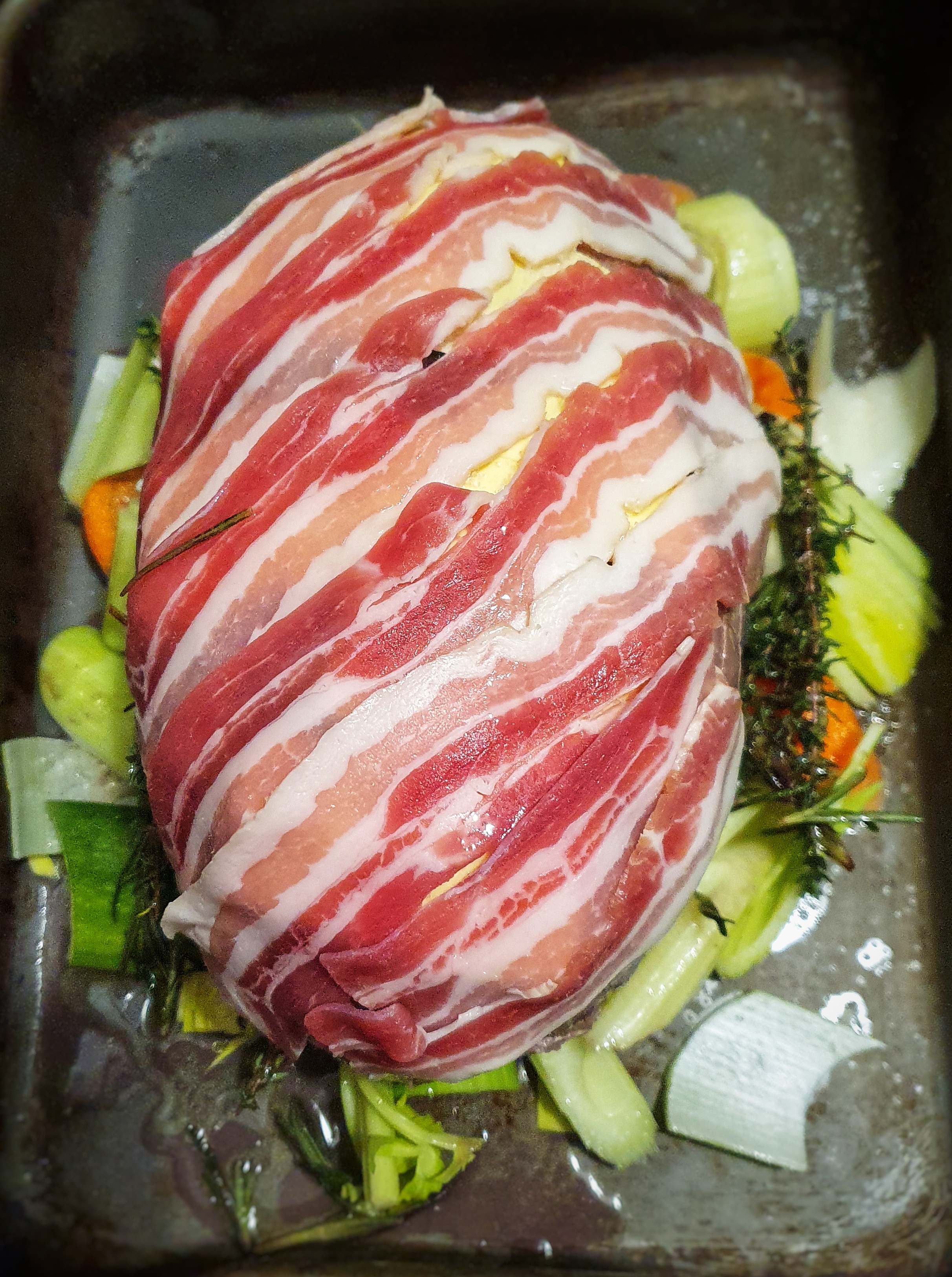
Now prepare the meat. Spread your vegetables in the centre of the tray and place the venison on top. Dab it dry with some kitchen paper then smear the top with the butter, season well with salt and pepper, then cover the top with the bacon, making sure each rasher overlaps the next slightly.

Oven-ready haunch of venison

Ladle around half of the marinade into the tin and slide the meat into the oven. Roast for 15 minutes and then turn the heat down to 180°C. Baste the venison every 15 to 20 minutes or so, adding more marinade if it starts to dry up.

For the last 15 minutes of the cooking time, turn the heat back up to 225°C, remove the bacon, give the meat one more baste, and let it crisp up at the edges. Take the tin out, remove the meat to a board or dish and cover with kitchen foil. It will sit very happily there as you roast your potatoes and cook your veg.

Now make the gravy. Strain the contents of the tin into a jug and spoon or pour a couple of tablespoons (approximately) of the buttery olive oil layer into a saucepan. Discard the rest of the fat. Put the pan over a medium heat and stir in 2 teaspoons of cornflour. Once incorporated, cook for a minute before adding the juices. Mix to blend, before adding the beef stock, mix again and then add the remaining marinade. Cook for 10 minutes, then add the jelly and season with salt and pepper. If the gravy isn’t as thick as you’d like, slake another teaspoon of cornflour in a little cold water and stir it in. When ready, strain into a warm jug.

Remove the outer mesh covering the joint, slice and serve with the gravy, the crisp bacon rashers and extra jelly on the side.


If you like the blogs and podcast I produce and would to start a £3 monthly subscription, or would like to treat me to virtual coffee or pint: follow this link for more information. Thank you.


Notes:

[1] It is for this reason that I consider venison a vegan-friendly food: we’d have to cull them whether we ate meat or not, so we may as well.

[2] If you like your meat well done, I can’t help you.

Leave a comment

Filed under Britain, Christmas, cooking, food, Game, General, Meat, nature, Recipes

Black bun (Scotch Bun) Part 2: Recipe

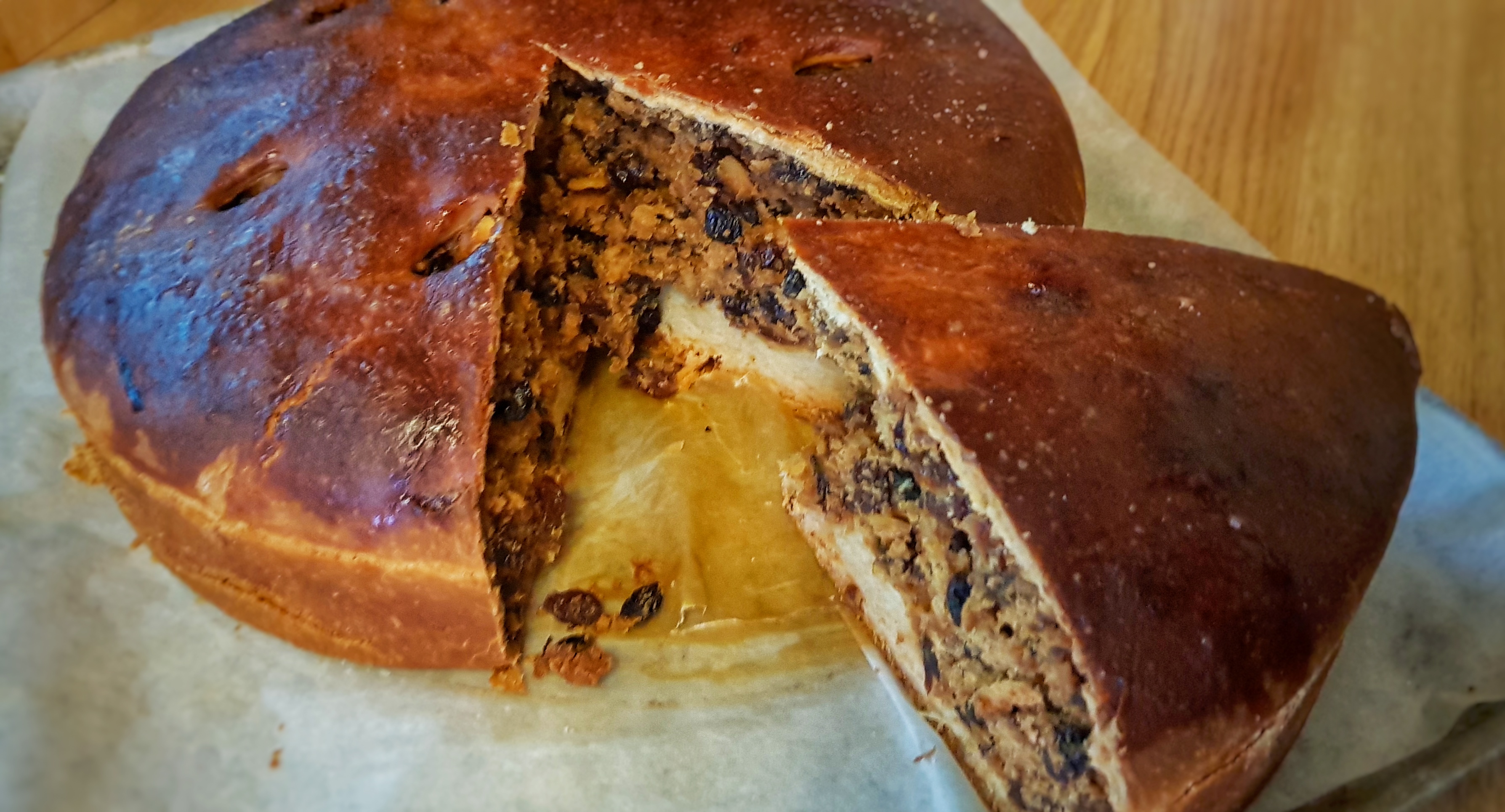
My traditional yeast-leavened black bun

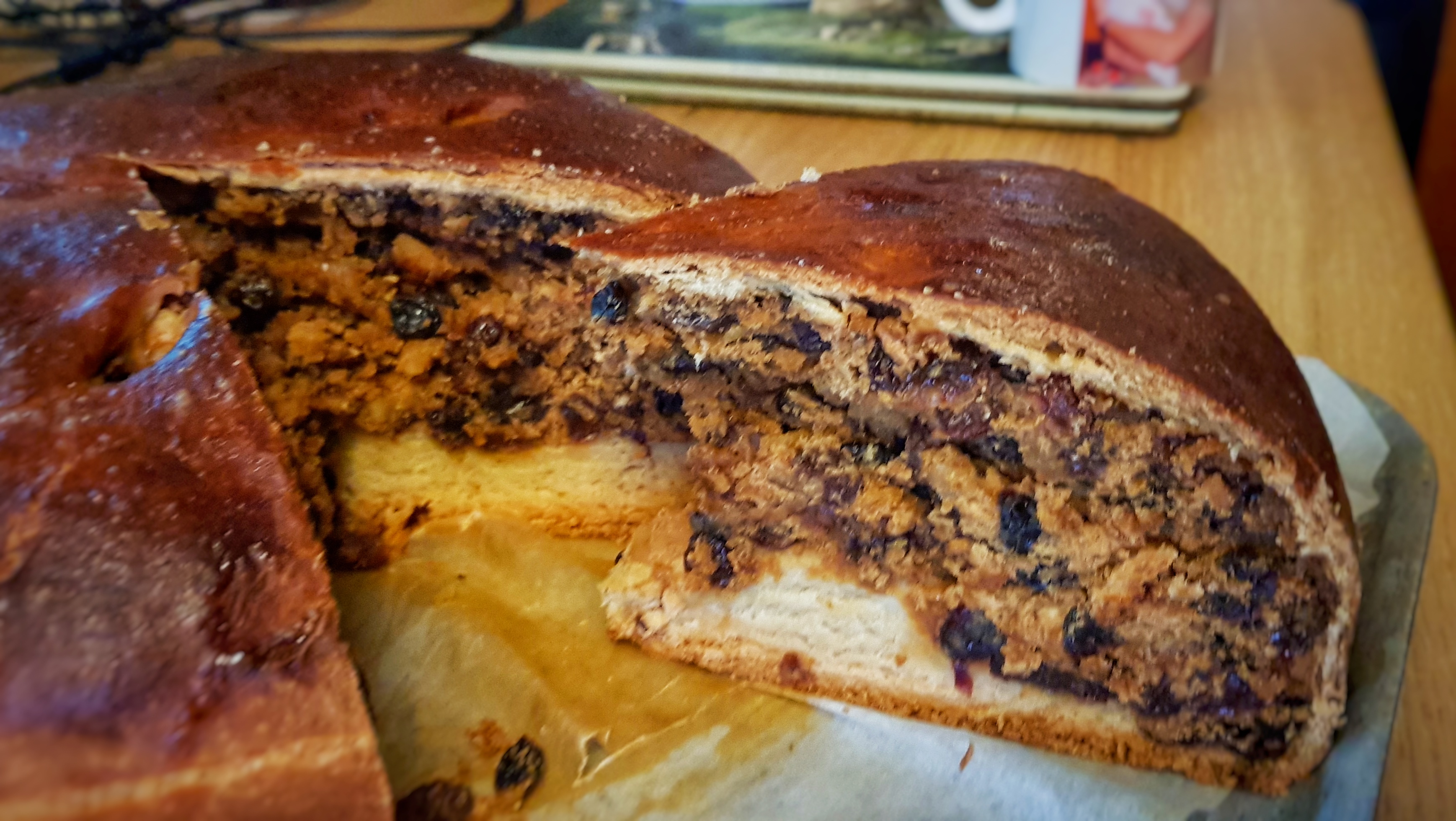
As promised, and carrying on from my last post, here is my recipe for the traditional yeast leavened black bun (Scotch bun). I must say I was really surprised with how well it turned out: it was enriched with so much stuff and was so huge, I thought the poor little yeast cells wouldn’t be able to do their job. I was wrong, but it did take two days to do two provings required before baking.

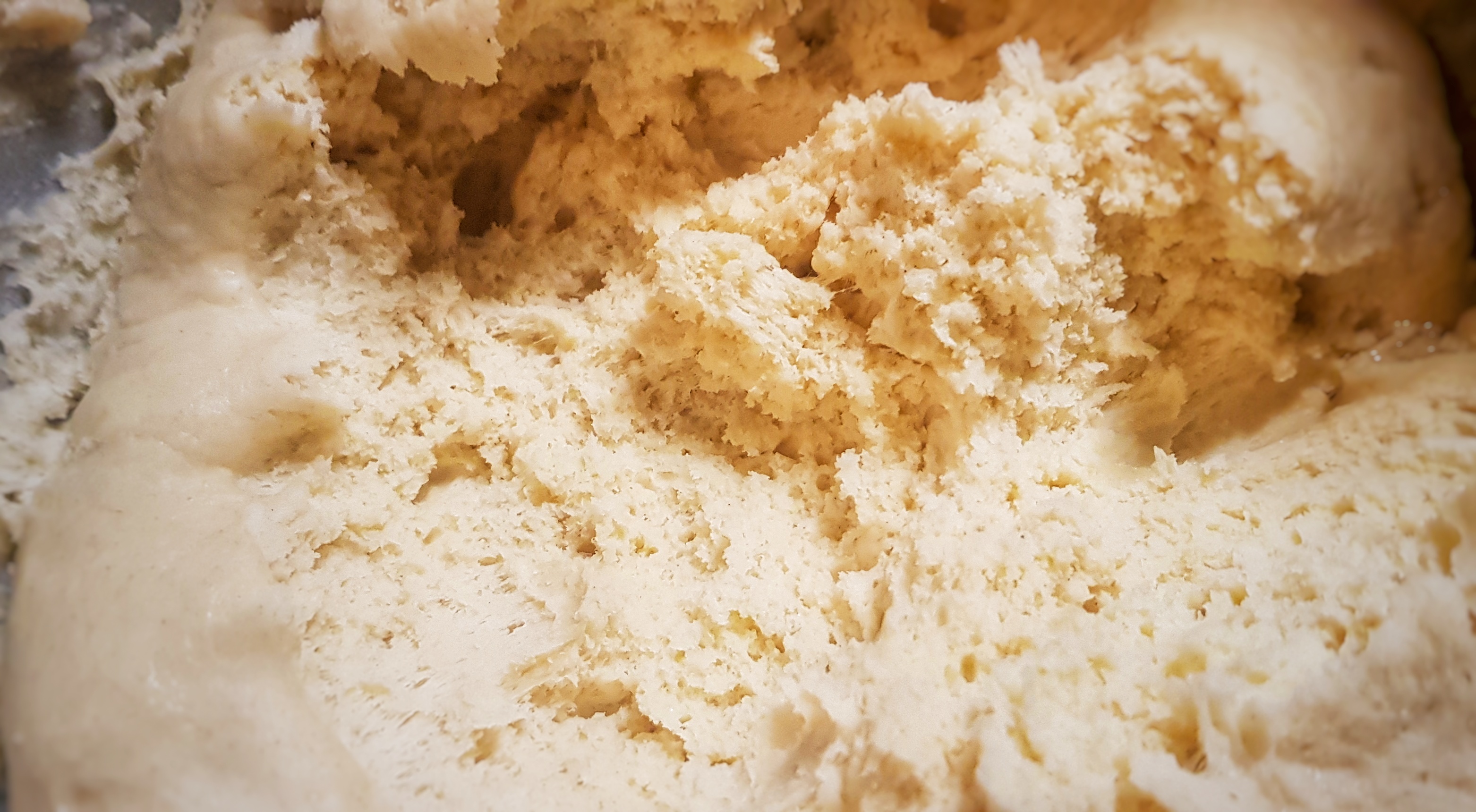
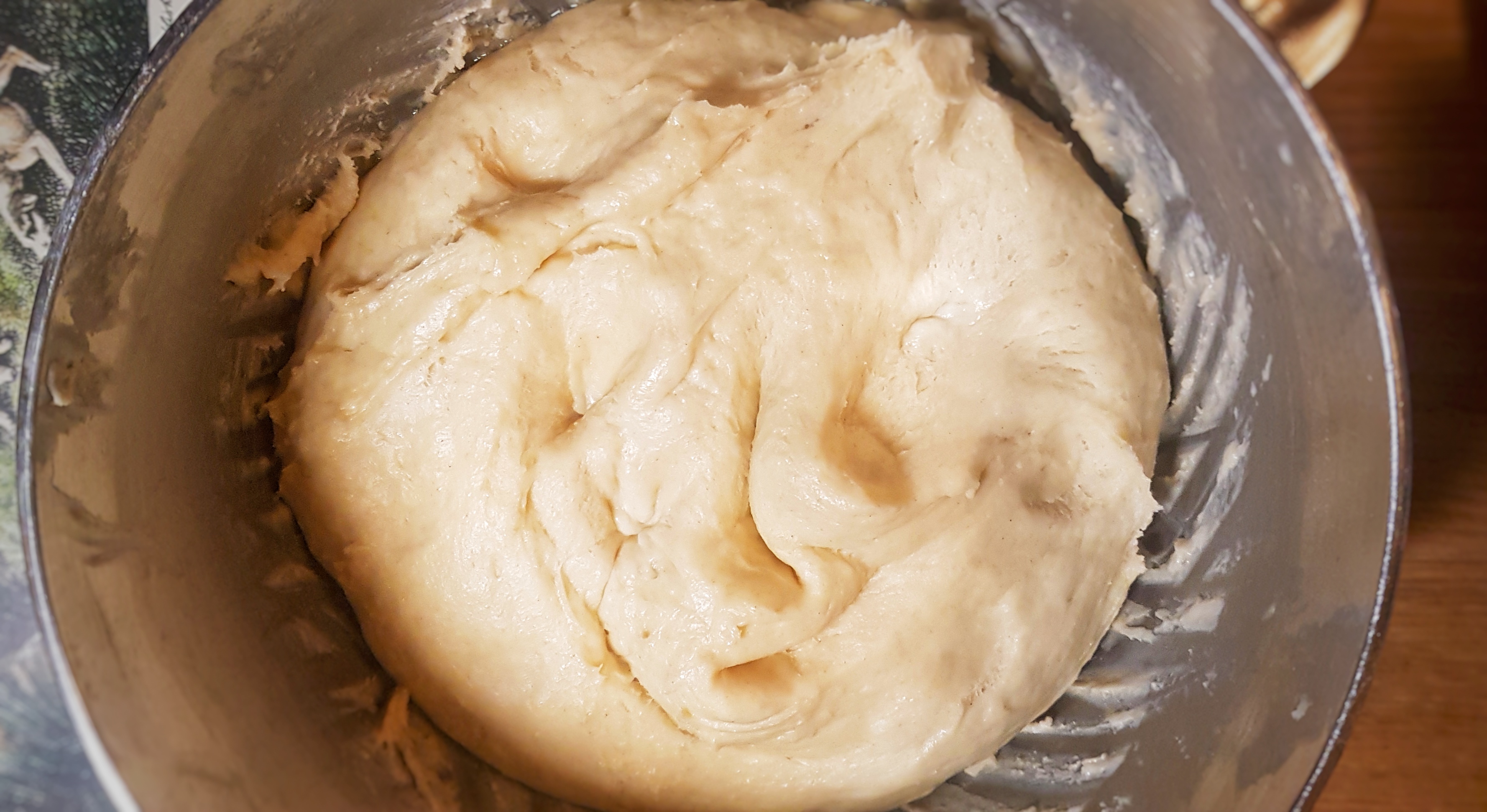
The white dough is essentially a sweet brioche made without eggs. When it was time to knock it back after its first rising, I was encouraged by the network of small yeasty bubbles that had formed inside the dough.

The tiny bubbles in my enriched basic dough

The bun was huge and made quite the centrepiece (though if you wanted to reduce the quantities and make a smaller one, go ahead). The cake inside was deliciously moist, and the brioche dough wonderfully buttery and thin and in such contrast with the treacle-black centre.


If you like the blogs and podcast I produce and would to start a £3 monthly subscription, or would like to treat me to virtual coffee or pint: follow this link for more information. Thank you.


It may have been big, but it kept well and was perfectly delicious well over a week after baking.

For the basic dough:

450 g plain white flour

450 g strong white bread flour

160 g caster sugar

10 g dried fast-action yeast

20 g salt

160 g softened butter

400 ml hand-hot full-fat milk

A smidge of flavourless oil

For the centre:

750 g basic dough

100 ml black treacle

400 g currants

400 g raisins

100 g candied peel

100 g slivered almonds

1 tsp mixed spice

½ tsp each ground cinnamon and allspice

2 eggs, plus 1 more for glazing

Butter for greasing

Granulated sugar

Two days before you want to bake your black bun, in the evening, make the basic dough. This is best done with an electric mixer, however don’t let me stop you attempting this by hand. Mix the dry ingredients – flours, yeast, sugar and salt – in your mixing bowl, make a well and add the butter and milk. Mix slowly with a dough hook until everything is mixed together, then turn the speed up a little and knead until smooth. Because it’s a low-gluten mixture and there’s all of that butter and sugar, it won’t be very elastic, but when it’s really smooth, you are done. It should take 8 to 10 minutes.

Paint the inside of a bowl with oil, then bundle up the sticky dough as best you can and cover with cling film. Leave to prove until around double in size. This took 18 hours: I use a low amount of yeast on purpose that the yeast ferments slowly. It may take less time for you if you used more yeast, and if your home is warmer than mine.

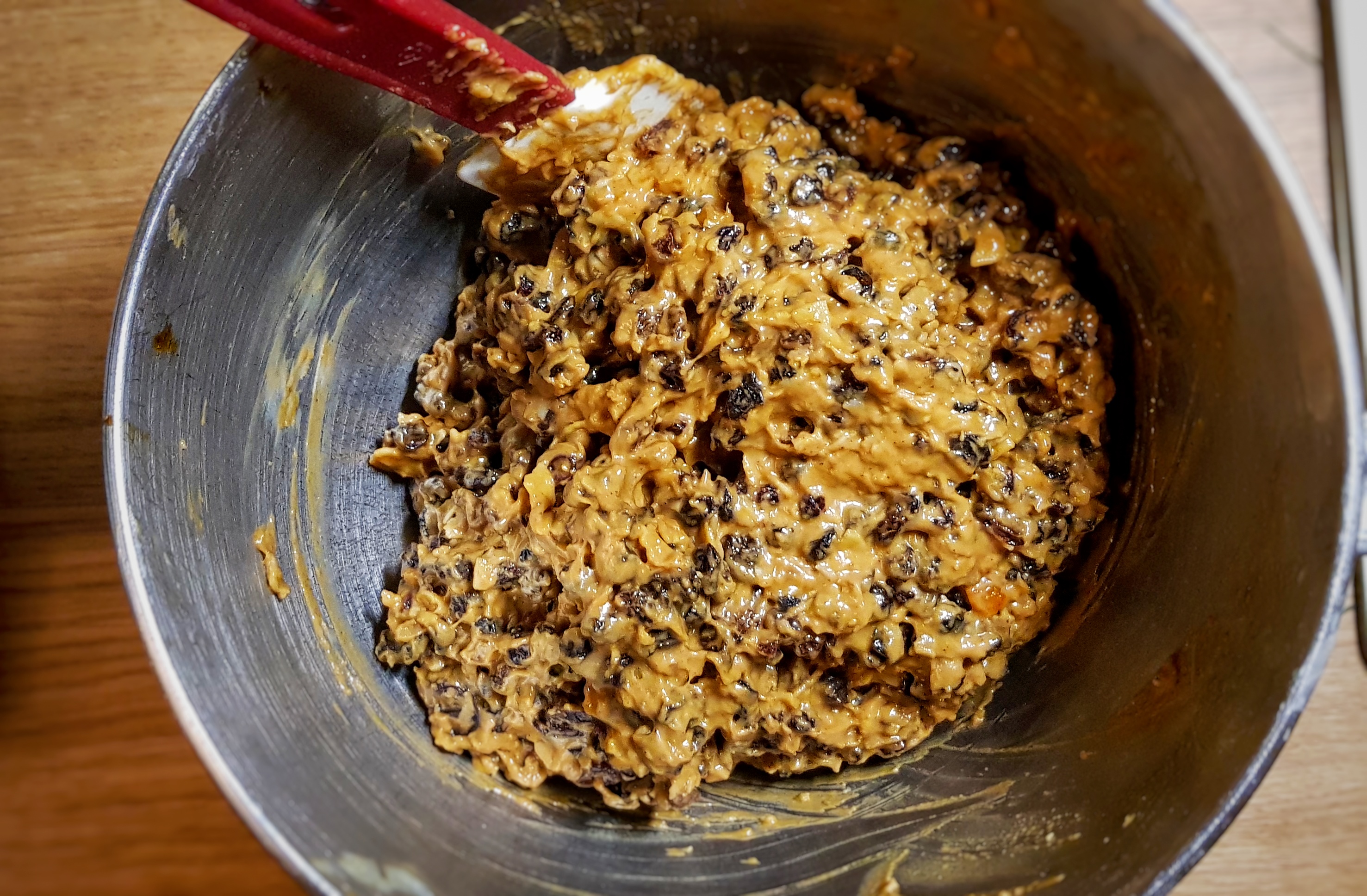
Knock back the dough and place 750 g of the dough in your food mixer, then add the treacle, dried fruits, candied peel, almonds, spices and eggs. Mix with a flat beater for a couple of minutes until everything looks smooth and like a Christmas cake batter. Set aside.

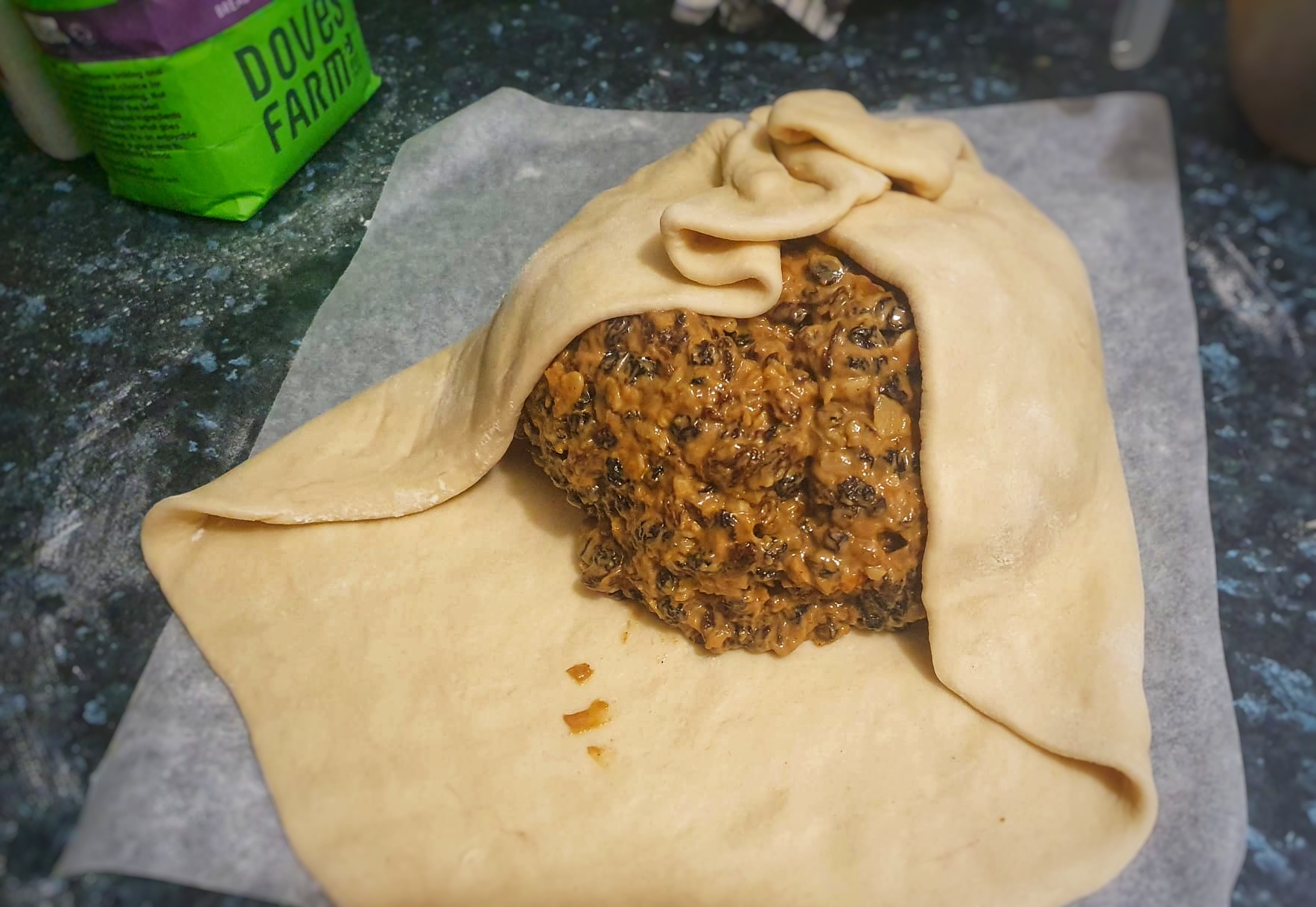
Take the remaining dough, form into a ball, place on a floured work surface and roll out into a large circle 32-35 cm in diameter. Make sure your pin is floured too; this will prevent sticking. With slightly wet hands, scoop the dark sticky dough and pop it in the centre of your circle. Now gather the dough so that the centre is completely covered – rather like a giant Eccles cake.

Cut away bits of the dough that have bunched up too much and glue any edges with a thin coat of beaten egg. Don’t worry if it looks a bit messy. Turn the bun over and flatten it with your hands, smoothing away any bulging bits to make a nice round shape.

Now liberally grease a 25 cm flan ring with butter and place on a baking sheet lined with greaseproof paper and then dusted with flour, and place the bun in the centre. Press the bun or lightly roll it with your rolling pin so that is just a centimetre off from touching the edge. Paint the top with egg and scatter over a little granulated sugar, then stab holes in the top with a thin, pointed knife right down to its base – this keeps it flat as it rises. Cover with a large plastic bag[1] and allow to prove until it has grown large enough to fill the ring. For me, this took 12 hours.

Preheat your oven to 175°C and place a heatproof tin on the bottom of the oven. When it’s time to bake the bun boil the kettle, then open the oven and slide your bun onto the middle shelf, gingerly slide the tin out enough so that you can pour in the hot water, slide it back in and close the door.

Bake at this temperature for an hour, then turn the heat down to 140°C and bake for a further 2½ hours. If the top is getting too brown, cover it with some kitchen foil.

Remove from the oven, and slide onto a cooling rack. Remove the ring when the bun is just warm.

The black bun will keep for weeks in an airtight box or tub. It is delicious eaten with sharp cheese.


Notes:

[1] I find a supermarket ‘bag for life’ is best for this task. I have one that I use only for proving things like this. Turn it over and turn up the edges, as you would your trousers to make it a sturdy shape and hey presto!

2 Comments

Filed under baking, bread, Britain, cake, Christmas, Festivals, food, General, history, Recipes, Scotland, Teatime, Uncategorized

Black Bun (Scotch Bun) Part 1: History

Before we begin: a big thank you to Scots chef and food writer Sue Lawrence for helping me out with the research for this post.

It has become a Christmas tradition of mine to ask my Twitter followers to select by Christmas post for me by way of a poll. I like to include both obvious and obscure options and was very pleased this year to see roast turkey receive no votes all (though I suppose I’ll have to write about it at some point!), and the most obscure on the list – the black bun – win out with 46% of the votes.[1]

The black bun – sometimes called a Scotch bun – is a Scottish speciality that has changed in shape and constitution through the years, but is today a type of fruit cake baked in a loaf tin lined with shortcrust pastry. It is then covered with more pastry, egg washed and baked. The cake was often made black with the addition of black treacle; Sue Lawrence says of these very rich black buns, ‘the malevolent appearance of the black inner of its shiny golden pastry case might be off-putting to some black bun virgins.’ It might come as no surprise that the bun ‘is almost invariably served with a dram of whiskey.’[2]

Black buns today are fruit cakes wrapped in pastry (pic: BBC)

It is traditional to eat black buns at Hogmanay, the Scots new year festival. Food writer and chef and Sue Lawrence writes evocatively of childhood experiences of the Hogmanay celebration:

‘As I grew up, Hogmanay…was always a time for friends and fun. Friends and neighbours would get together to have a drink and the traditional shortbread (often eaten with cheese), sultana cake, black bun and such delights as ginger and blackcurrant cordial.’[3]

For many Scots Hogmanay, was – and is – more important than Christmas Day is the Christmastide calendar. The black bun is actually the Scots’ Twelfth Cake, but the food and the party was, according to F. Marion McNeill, ‘transferred to Hogmanay after the banning of Christmas and its subsidiary festival, Uphaelieday or Twelfth Night, by the Reformers.’ Christmas Day saw a similar treatment, hence the importance of Hogmanay over other days.[4]

It’s worth mentioning that the black bun wasn’t eaten throughout Scotland: in the Highlands and islands the clootie dumpling was eaten instead.[5] I talk about the clootie dumpling and other Hogmanay foods and traditions with Ulster-Scots chef Paula McIntyre in a new episode of The British Food History Podcast published on 28 December 2022:

You may be wondering why it is called a bun. Well. If you look at older recipes, you’ll see that it was using an enriched white bread dough, a proportion of which is mixed with all of those ingredients one  might expect in a Twelfth/Christmas cake: currants, raisins (sultanas are avoided because of their paler colour), candied peel, etc. The mixture was then wrapped in the remaining dough, proved and baked. They were huge and ‘graced many a festive table in the big houses of Scotland over the centuries’, one recipe, provided by Sue Lawrence, used 15 pounds (6.8 kilos) of flour!

I first heard of the black bun, not in a Scottish cookery book as one might expect but in Elizabeth David’s English Bread and Yeast Cookery.[6] She described it as ‘a remarkable confection’, and it is one of the few British, but not English, recipes included in the volume. Indeed, as I found out whilst researching this post, black buns were sold by Edinburgh bakers and sent as gifts all across the British Isles; so it was, at a time, well-known outside of Scotland. Because her book is on yeast cookery, Elizabeth only includes older recipes that use yeast as a leavening agent. She provides several recipes from several sources, and it is interesting to see how the bun became richer and fruitier as time went on. Black buns grew to be so enriched that it became almost impossible to leaven them using yeast, luckily this happened around the same time chemical raising agents were commercially available. At first the chemically-leavened buns were made with bicarbonate of soda and buttermilk – just like a soda bread – but over time, it became more like a regular fruit cake.[7] The pastry initially used was a huff paste – a pastry somewhere between a hot water pastry and a shortcrust. At first it wasn’t eaten, the paste simply protecting the interior, however as time went on, the pastry was swapped for a richer, more buttery shortcrust.[8]

The black bun also gets a special mention in another classic book of English food, Dorothy Hartley’s Food in England,[9] where it is described as a pastry-lined cake. Interestingly, in this book, there is a rare illustration showing the variety of shapes in which the black buns were made:

There are many fantastic recipes for the cake/pastry sort of black bun; Sue Lawrence has one in her forthcoming Scottish Baking Book, and there is one is F. Marion McNeill’s wonderful The Scot’s Kitchen[10] too, so I thought I’d give the yeast-leavened one a go.

I read through a few recipes and based mine on a recipe by Florence Jack, provided by Ms. David in her book. What I liked about it was that it seemed very black: loads of currants and raisins as well as added treacle. I did tone some of the ingredients down because it seemed to me that it enriched it simply wouldn’t rise.

I’ll let you know how I got on in the next post….


If you like the blogs and podcast I produce and would to start a £3 monthly subscription, or would like to treat me to virtual coffee or pint: follow this link for more information. Thank you.


Notes:

[1] The other two options were Brussels sprouts and buche de Noel which attained 21% and 33% of the votes respectively.

[2] Mason, L. and Brown, C. (1999) The Taste of Britain. Devon: Harper Press.

[3] Lawrence, S. (2003) Sue Lawrence’s Scottish Kitchen. Headline.

[4] McNeill, F. M. (1968) The Scots Kitchen: Its Lore & Recipes. 2nd edn. Blackie & Son Limited.

[5] Mason, L. and Brown, C. (1999)

[6] David, E. (1977) English Bread and Yeast Cookery. Grub Street.

[7] Hartley, D. (1954) Food in England. Little, Brown & Company.

[8] McNeill, F. M. (1968)

[9] Hartley, D. (1954)

[10] McNeill, F. M. (1968)

3 Comments

Filed under baking, bread, Britain, Christmas, Festivals, food, General, history, Recipes, Scotland

Eggnog

Merry Christmas everyone! It’s been yet another long and arduous year, but now it is time to kick back your heels – even if it is only for a short time – and to aid you in this I present my annual Christmas boozy drink post. This year, it one of my favourites: eggnog (regular readers will know of my love of anything custardy).

Eggnog isn’t really drunk that much in Britain, but it is very popular in the United States. Indeed, it is where I discovered it; I remember walking through the campus of Washington University in St. Louis, Missouri, in the winter term seeing several students chugging big cartons of the stuff on their way to lectures (it’s worth pointing out that the bought stuff in cartons contains no alcohol; you add your own later, should you wish to).

A selection of U.S. eggnog cartons

For those not in the know, eggnog is a thick, creamy drink made from a dark spirit, usually rum (though brandy, whisk(e)y or sherry can be used), cream or milk, eggs, sugar and spices. The ingredients are either whisked up and served chilled and frothy, or cooked like a custard and drunk hot or cold. Here’s a description of the process from nineteenth century American historian and politician Nathaniel Bouton, writing about the US in the late eighteenth and early nineteenth centuries:

Another favourite drink was egg-nog, which was composed of an egg beaten and stirred together with sugar, milk and spirit…The stick used for this purpose was split at the end and a transverse piece of wood inserted, which was rapidly whirled around, back and forward, between the palms of the hands. Skilful men made graceful flourishes with…“egg-nog” sticks in those days.[1]

The drink was invented in the late colonial era, and was enjoyed all year round; it became associated with Christmas because two of the primary ingredients – eggs and cream – were expensive in wintertime and so could only be enjoyed as a treat. Therefore, it was saved for Christmastide (unless you were rich, then it didn’t matter). A tradition, one I whole-heartedly agree with, was quickly established to breakfast upon eggnog on Christmas morning. This was extended, for those who could afford it, to the full twelve days of Christmas.[2] So ubiquitous was it that eggnog was ‘consumed heartily by slave owners, slaves and children alike.’[3]

There was a drop in popularity during Prohibition,[4] but it has certainly since recovered because according to Indiana University ‘[i]n 2007, eggnog consumption nationwide was 122 million pounds with peak sales occurring the week before Thanksgiving, the weeks of Christmas, and just after Christmas.’[5]


If you like the blogs and podcast I produce and would to start a £3 monthly subscription, or would like to treat me to virtual coffee or pint: follow this link for more information. Thank you.


You may be wondering: “Er, why are you telling me about an American drink on a blog about British food history?”

Good question.

Well first you could argue that colonial America was a part of Britain, being part of its proto-empire; and second, eggnog is part of the evolution of a British drink called posset, something I have already written about. Possets were made[6] by beating or whisking alcohol – usually sweet wines and sack – with hot milk or cream, sugar and spices. Sound familiar? There was a problem for anyone making a posset in North America because sweet, imported wines were very expensive, prohibitively so for many, and so a cheap alternative was required. In eighteenth century America this was rum, and so the posset was adapted and became eggnog.

You can make your eggnog hot or cold. The hot version is a wonderful, luscious silky-thick custard, and with freshly grated nutmeg it’s just like a boozy, liquid custard tart. This you can enjoy cold too. The uncooked cold one is very different, the eggs, milk and cream froth up after a good shaking, to produce a surprisingly light and refreshing drink.

My recipe makes enough for two people so that if you are going for the uncooked version you can fit the ingredients in a cocktail shaker. If you want to make more, you’ll have to froth the mixture in a bowl with your best eggnog stick, or failing that, a whisk.

If you want to make a cold eggnog, use sugar syrup,[7] if hot can use sugar syrup or caster sugar. Note that the cold one uses raw eggs, so buy good quality free-range eggs, and avoid giving the drink to anyone immunosuppressed.

Cheers! And a very merry Christmas

Serves 2

4 shots (100 ml) dark rum (or brandy, whisk(e)y, sherry etc.)

50 ml sugar syrup or 25-30 g caster sugar

2 eggs

150 ml whole milk

150 ml double cream

Freshly grated nutmeg

Ice cubes (if drinking cold)

To make cold: In a cocktail shaker filled with cubed ice, add the alcohol, sugar syrup, eggs, milk and cream. Shake very well indeed and strain the eggnog through a fine sieve into two glasses filled with more ice cubes. Grate some nutmeg over the top and serve.

To make hot: place the alcohol, three-quarters of the sugar or sugar syrup, eggs, milk and cream in a saucepan and place over a medium-low heat and beat with a small whisk. When fully mixed, keep stirring until the mixture begins to thicken. Remove from the heat but continue to stir. Taste, and add more sugar if desired.

Pass through a fine sieve into two glasses, grate nutmeg over the top and serve.


Notes:

[1] Bouton, N. The History of Concord From Its First Grant in 1725, to the Organization of the City Government in 1853. (Benning W. Sanborn, 1856).

[2] Wondrich, D. The Oxford Companion to Spirits and Cocktails. (Oxford University Press, 2021).

[3] Shanahan, M. Christmas Food and Feasting: A History. (Rowman & Littlefield Publishers, 2019).

[4] Wondrich, D. (2021).

[5] Christmas by the Numbers. Indiana University https://www.ibrc.indiana.edu/studies/factoid/dec09.pdf.

[6] I say were made. Modern day possets are not really a drink, more a set dessert. Very delicious, but really quite different to those of the eighteenth century.

[7] To make a sugar syrup mix equal weights of white or golden caster sugar and hot water. Stir to dissolve and leave to cool. Easy.

Leave a comment

Filed under Britain, Christmas, Dairy, General, history, Recipes, Uncategorized