Category Archives: Uncategorized

Pancake Day

Happy Shrovetide!

Today is Shrove Tuesday, the day before the 40 day long fast-a-thon that is Lent, so we best have a big-old festival, no?

No.

Where do you think this is? France? America? This is Britain, and whilst the rest of the Christian world is dancing, drinking, feasting and parading, we do not bow to such vulgarities, instead we have some pancakes and a nice cup of tea.

I jest of course; though between you and me, I would happily swap Mardi Gras for Pancake Day any day.
In Britain and Ireland, we make and eat pancakes before Lent because it is a very good way of using up main staple ingredients: flour, fat, eggs and sugar before the onset of Lent. By pancakes, we typically mean crepe-style pancakes, but the UK has a wide variety of different pancakes which are all delicious. I suppose you could add the griddle/girdle cakes to the list too as they typically use the same ingredients, but they are a little hit-and-miss, in my opinion.

These days, of course, we don’t really fast for the run up to Easter, but I do like to follow traditions, at least when it comes to eating food (I happily ignore the abstinence bits). I remember as a child, my family always had pancakes for tea on Shrove Tuesday and I don’t think we ate them any other day, I remember thinking you weren’t allowed to eat them unless it was Pancake Day. I have made up for this as an adult, especially now I am living in America.

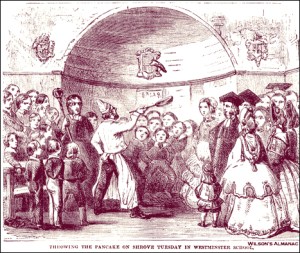
It is traditional to take part in a pancake race on Pancake Day, which involves running a course whilst flipping pancakes. I have very hazy memories of doing this when I was little, but I don’t think that I have seen nor heard anything about pancake racing in the last 20 years, maybe more. It’s a shame that these things are dying out, I know many think it’s a little naff or twee, but I love stuff like that. It enriches life. Next year I shall hold a pancake race I think.
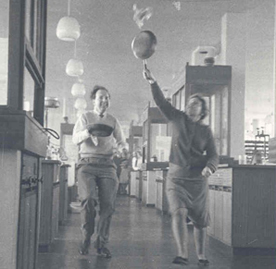
Pancake racing in the chemistry lab of

Westfield College, London, 1963

Shrove Tuesday is really the final day of a two-day period known as Shrovetide which was part of an unofficial festival called Carnival that ran from Epiphany. It was essentially a period of time for a lot of gluttony and frivolity in order to prepare for the nightmarish 40 days of misery beginning on Ash Wednesday.


If you like the blogs and podcast I produce, please consider treating me to a virtual coffee or pint, or even a £3 monthly subscription: follow this link for more information.


Welsh Light Cakes

I love all types of pancakes, but the best ones come from Wales. This recipe from Jane Grigson for Welsh light cakes is excellent; they are made with soured cream, which gives them a wonderful tang. I have never found a pancake recipe to beat it, so I urge you to give it a go. If you make these with British soured cream, the resulting pancake batter is thin, giving them a frothy frilly texture. If you make them with American soured cream, the batter is much thicker, making them fluffy. Either way results in deliciousness.

Ingredients:

6 rounded tbsp. flour

2 rounded tbsp. sugar

3 tbsp. soured cream

a pinch of salt

3 eggs

½ tsp. bicarbonate of soda

1 rounded tbsp. cream of tartar

4 tbsp. water

¼ pint buttermilk or milk

fat or oil

butter

golden syrup

Beat together the flour, sugar, cream, salt and eggs. Next, mix together the bicarbonate and cream of tartar with the water and as it froths, tip it into the batter and stir it in. Add the milk or buttermilk to produce the desired consistency. Less for thick and fluffy, more for thin and lacy.
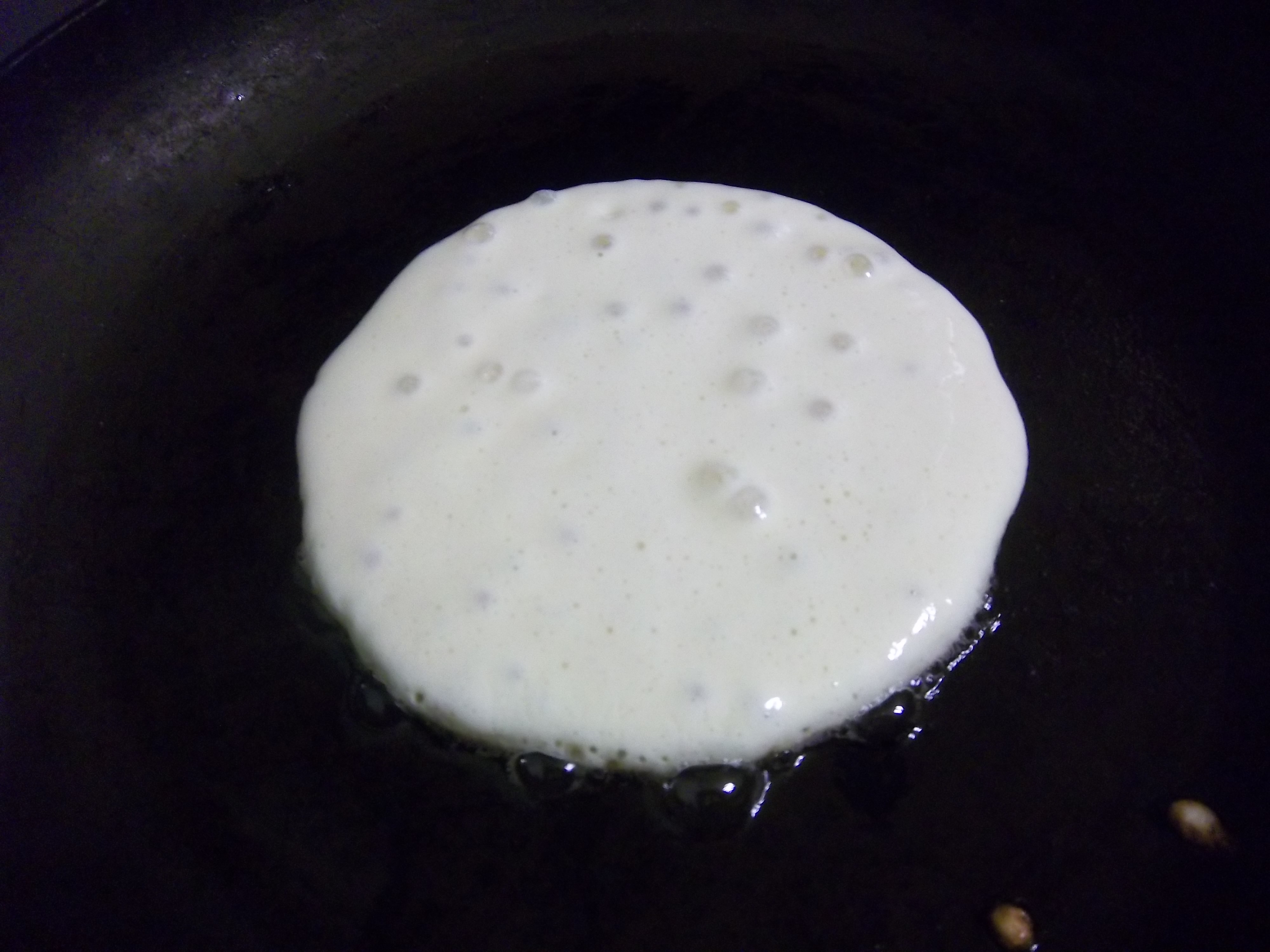
Heat the fat or oil on a suitable frying pan, swirl it around so the pan is coated and pour out any excess. Add a ladelful of batter and fry until golden brown, then carefully, quickly and confidently flip the pancake and cook the other side.

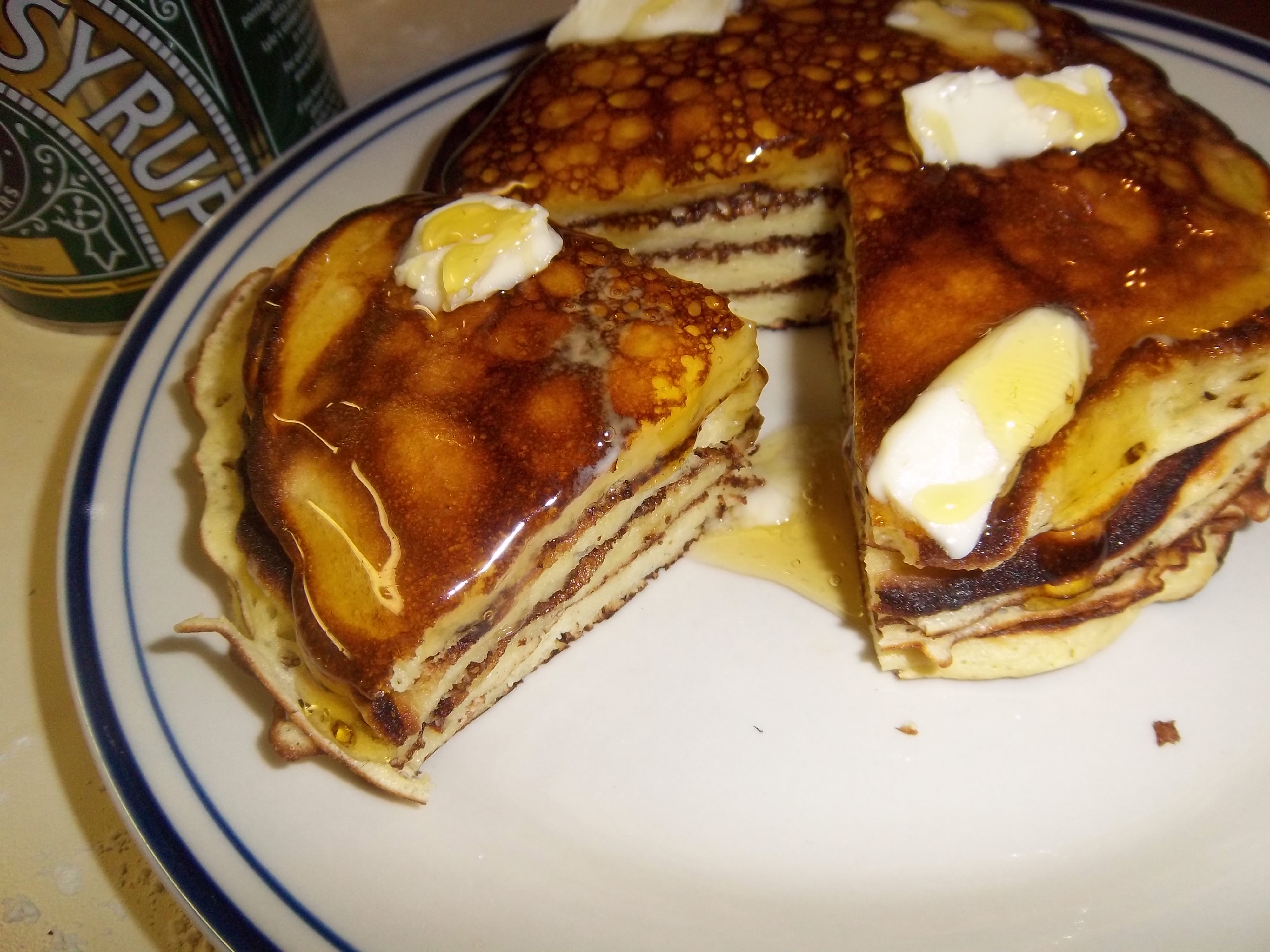
Stack the pancakes on top of one another and keep them warm in the oven, adding a pat or two of butter to each one.

Cut the stack into quarters and eat with golden syrup and more butter if you like.
8 Comments

Filed under baking, Festivals, food, General, history, Puddings, Teatime, Uncategorized

Mulled Wine

There is nothing better to warm your cockles during Christmastime than a bit of mulled wine. If you have never tried it or heard of it, then you are certainly missing out on something. Mulled wine is essentially hot, sweetened red wine made aromatic with the addition of citrus fruits and warming spices such as cloves, cinnamon and nutmeg. It’s history goes right back to the Ancient Greeks.

Before mulled wine was the drink hippocras, which was supposedly invented by the Greek scientist and Father of Medicine, Hippocrates. The idea being that it was something of a tonic. The wine was either red or white and not necessarily hot either, but it was spiced and sweetened with honey. In Britain, the drink was very popular and there are several recipes for it. Here’s one from The Good Housewife’s Jewel by Thomas Dawson (1596):

To make Hypocrace

Take a gallon of white wine, sugar two pounds, of cinnamon, ginger, long pepper, mace not bruised galingall [sic]…and cloves not bruised. You must bruise every kind of spice a little and put them in an earthen pot all day. And then cast them through your bags two times or more as you see cause. And so drink it.

Not heating it up obviously meant you had plan a little ahead if you wanted to have a few goblets of hippocras at your Tudor feast.

By the seventeenth century, mulled wine recipes start to appear such as this eighteenth century recipe from Elizabeth Raffald in The Experienced English Housekeeper:

Grate half a nutmeg into a pint of wine and sweeten it to your taste with loaf sugar. Set it over the fire and when it boils take it off to cool. Beat the yolks of four eggs exceedingly well, add to them a little cold wine, then mix them carefully with your hot wine a little at a time. Then pour it backwards and forwards several times until it looks fine and bright. The set it on the fire and heat it a little at a time for several times till it is quite hot and pretty thick, and pour it backwards and forwards several times. Then send it in chocolate cups and serve it with dry toast cut in long narrow pieces.

It is strange that the Tudor recipe actually seems more like modern mulled wine that the newer one.


If you like the blogs and podcast I produce, please consider treating me to a virtual coffee or pint, or even a £3 monthly subscription: follow this link for more information.


Well here is my recipe for mulled wine – it is difficult to add quantities as you add most things to taste. It is also quite difficult to give an official list of ingredients; you can add any warm spice you like really (I expect a blade of mace would be an excellent addition, though I have never tried it), so this recipe is more a guideline than anything.

Ingredients

2 bottles of red wine, good but not great

¼ pint of brandy

½ pint of water

2 oranges, sliced

1 lemon, sliced

2 sticks of cinnamon

½ a nutmeg broken into several pieces

5 cloves

at least 4 tablespoons sugar

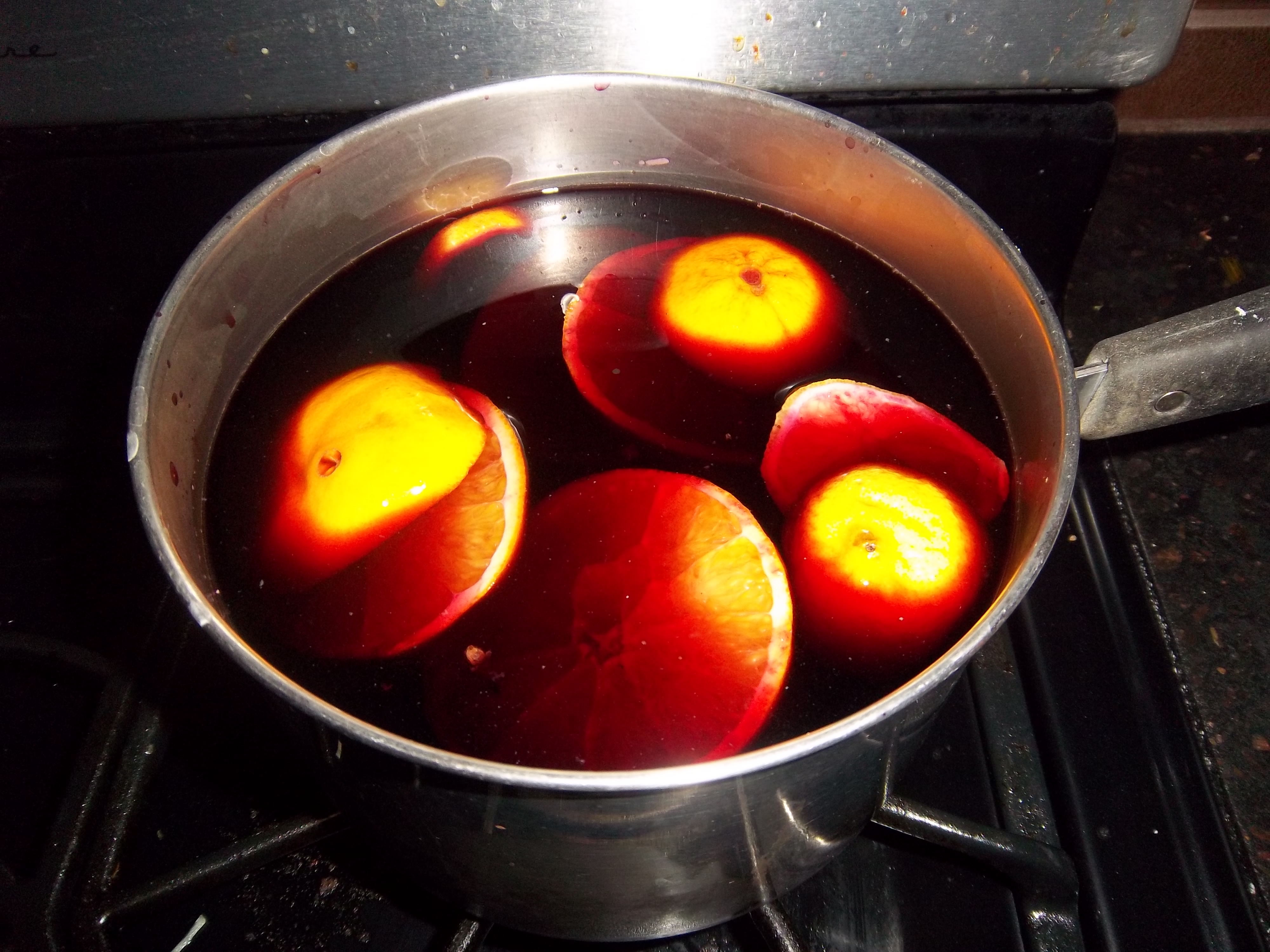
In a large saucepan, add all the ingredients and slowly heat the wine, stirring every now and again to dissolve the sugar and get the flavours dispersed.

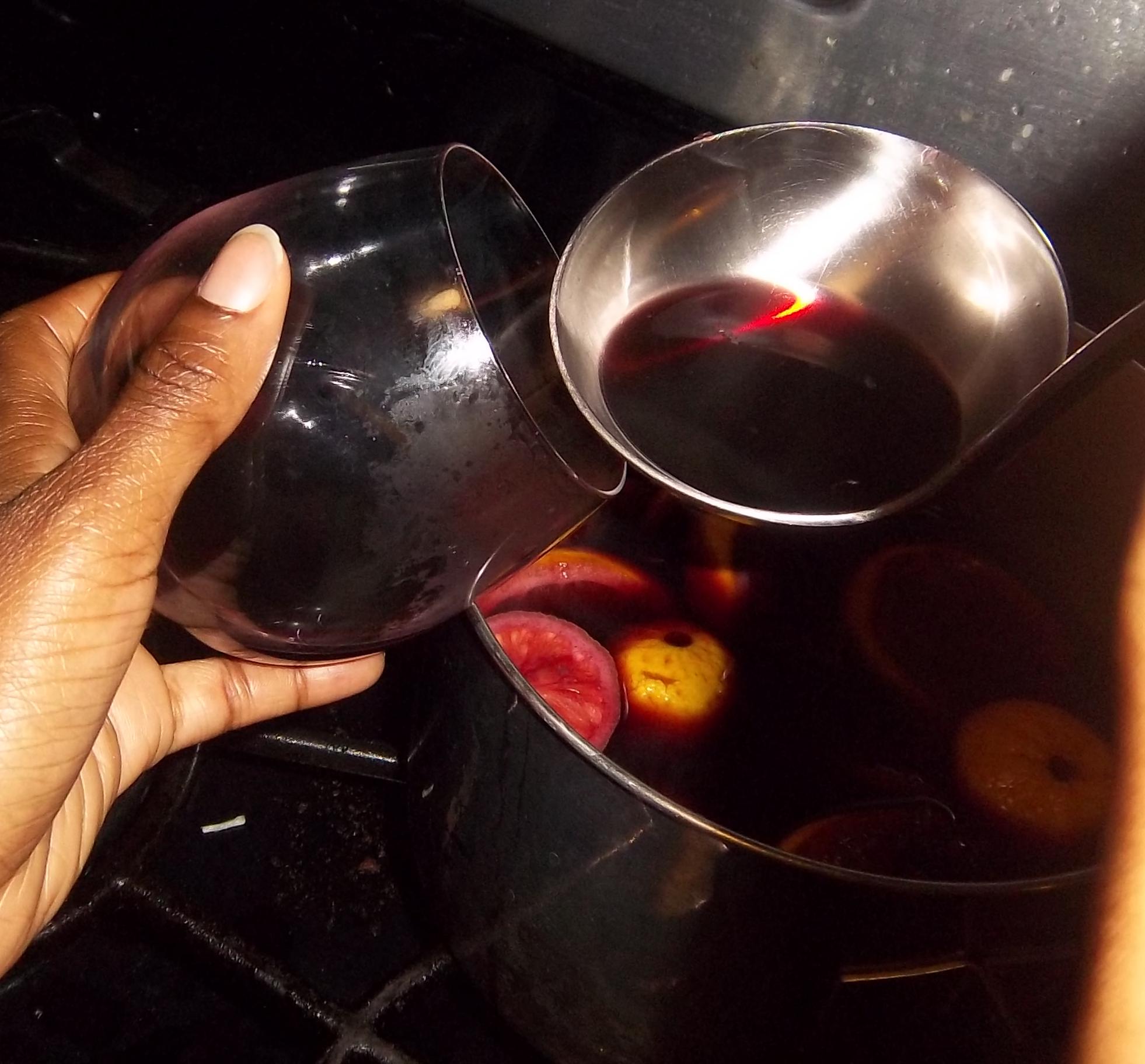
It is important not to let the mulled wine boil as the alcohol will evaporate and we don’t want that. Taste, and add more brandy, sugar or water if you think it needs it. Keep the mulled wine on the lowest heat possible to keep warm and ladle into mugs or glasses.

5 Comments

Filed under Christmas, Eighteenth Century, food, history, Recipes, Sixteenth Century, Uncategorized

Decorating the Christmas Cake

Once your Christmas cake is nicely matured and well-fed on brandy, it is time to decorate the bugger. In my opinion it is best to go all-or-nothing; either don’t decorate at all or go crazy. Traditionally, in England at any rate, you need a layer of marzipan and a layer of royal icing. Though I have seen recipes that have a bakeable marzipan and no icing, which I must admit is attractive, but I keep it traditional, even though I am not really bothered about the icing. No, I do it simply for tradition’s sake.

I gave the Christmas cake recipe that I use in the previous post, so if you have made one or have a bought undecorated one that you want to put your own stamp on, I have recipes for marzipan and for royal icing too. Don’t forget to add some festive bits and bobs too.

Marzipan

Marzipan is essentially a paste made of ground almonds and sugar and it found its way in Europe from the Middle East via the Crusades. It was the Italians – specifically the Milanese – that really took to the stuff, refining the techniques to produce a very high quality product that was excellent for making into extravagant sculptures. Leonardo da Vinci was quite despondent after making some amazing and intricate marzipan sculptures for the Milanese court as he ‘observed in pain that [they] gobble up all  the sculptures I give them, right down to the last morsel.’

Aside from being used as a sculpture material, marzipan also became a popular sweetmeat used by chocolatiers and bakers. Some of my favourite cakes use marzipan: Battenburg, stollen and simnel cake. The Christmas cake got its layer of marzipan because the Twelfth Night cake – traditionally covered in it – was banned by the Puritan and Lord Protector of England, Oliver Cromwell as too frivolous, so people added the marzipan they loved so much to their Christmas cake instead.

Here’s the recipe I always use these days. What I like specifically about this recipe is that it is not too sweet, which I think the bought stuff always is. Also, when you make your own marzipan, it has a much better texture as well as flavour. You can add extra things to the mixture if you like, such as the grated zest of an orange, or a couple of teaspoons of orange flower water or rose water.

140 g icing sugar

90 g caster sugar

220 g ground almonds

1 beaten egg

1 tbs apricot jam

1 tbs water

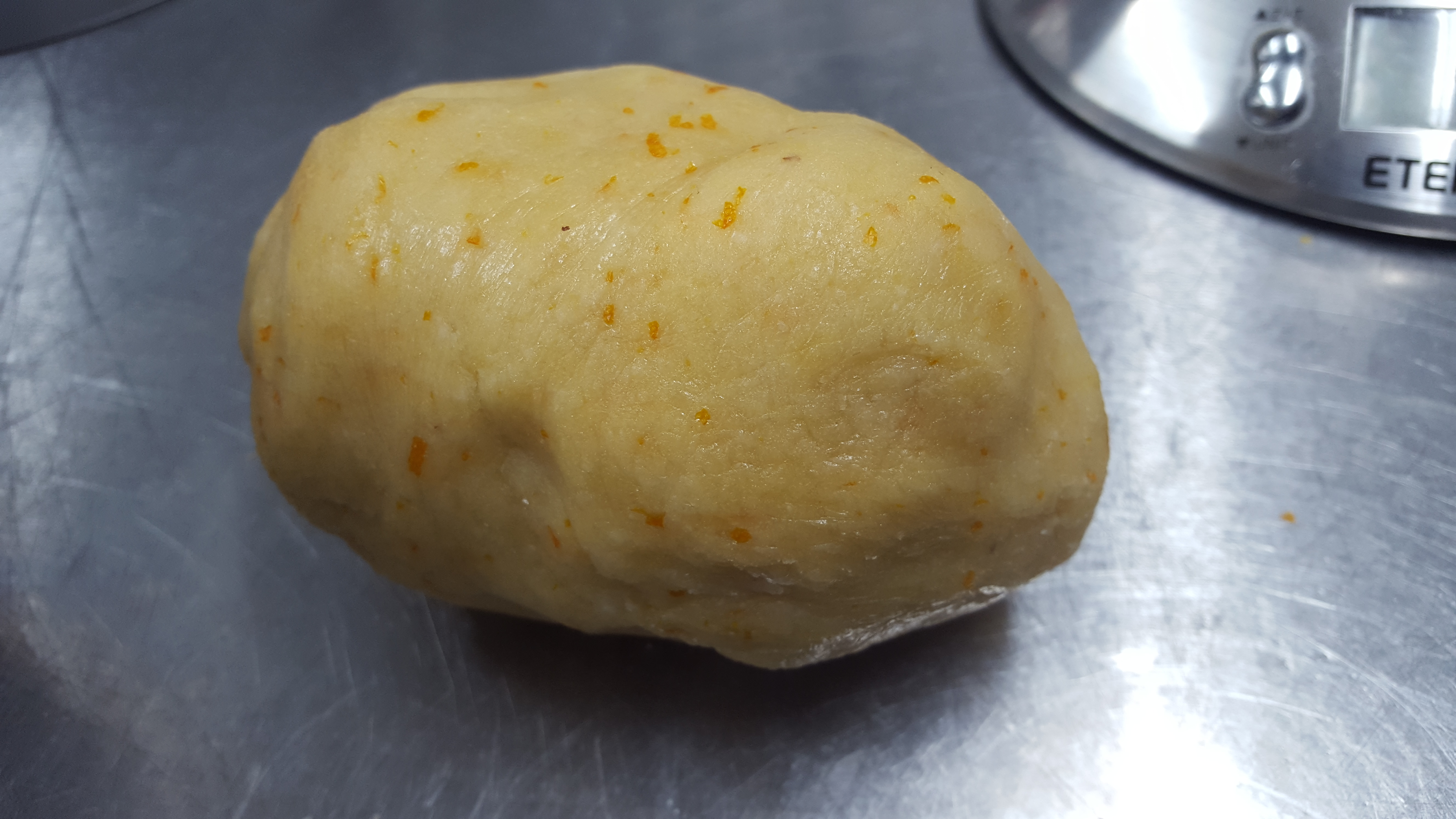
Sieve the icing sugar into a large bowl and stir in the caster sugar and almonds. Stir in the beaten egg and lemon juice to form a paste. Knead the marzipan on a surface floured with icing sugar. Easy. Wrap and allow to chill in the fridge for a few hours.

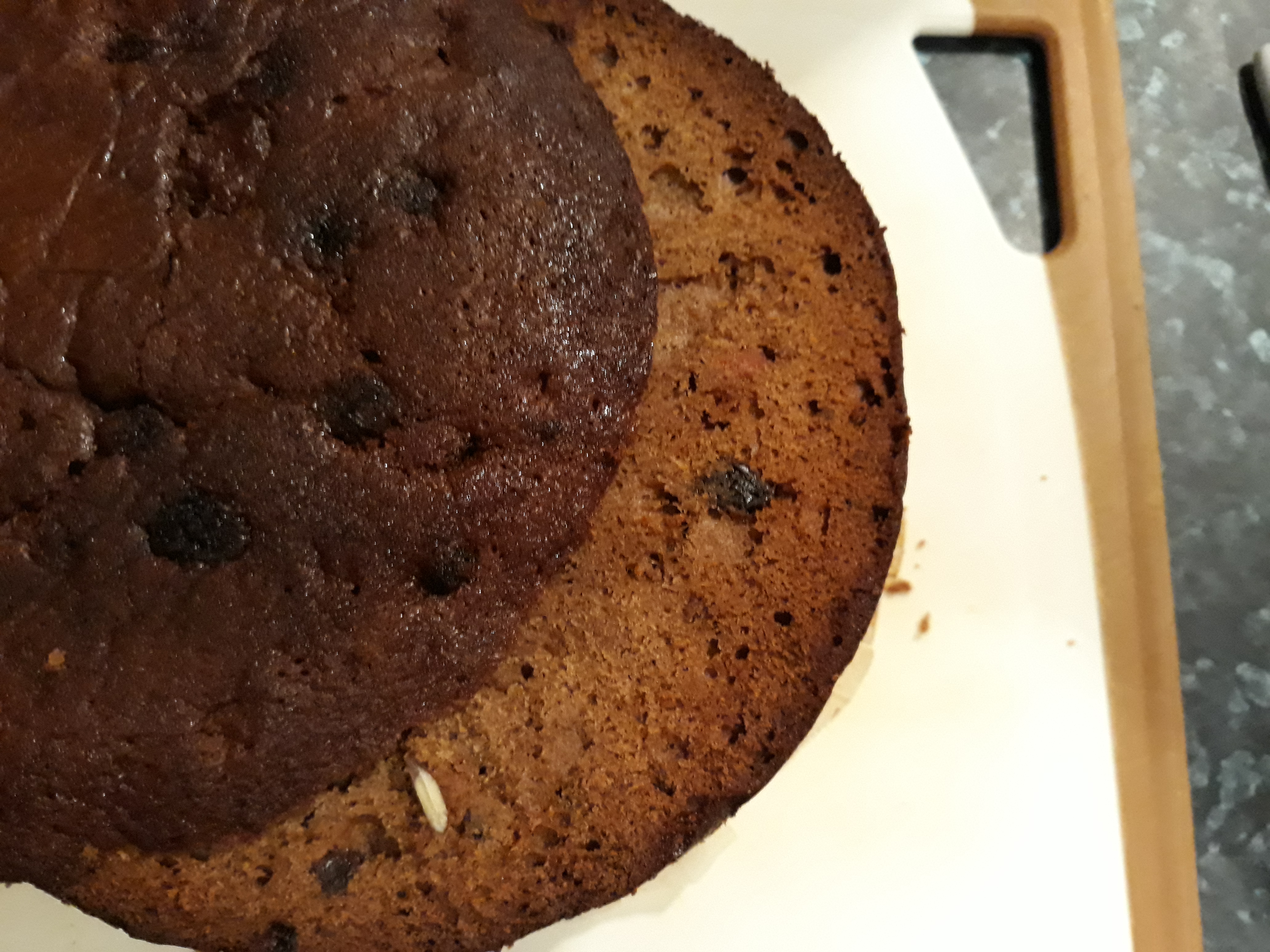
To cover the cake with it, you first need to slice the top of your cake off so that it is a nice, flat surface. I always like that bit because I get to try the cake.

Next, turn it upside down and pop it on a cake base or plate. Warm up the jam and water in a pan and paint the whole cake with the glaze.

On a sheet of greaseproof paper, roll out a little over half of the marzipan into a round shape that is just a little larger than the cake itself. The greaseproof paper makes it easier to roll out, but you can use an icing sugar dusted worktop instead. Use the cake tin as a template and cut a circle.

Pick up the marzipan still stuck to the paper, place it on top of the cake and peel off the paper.

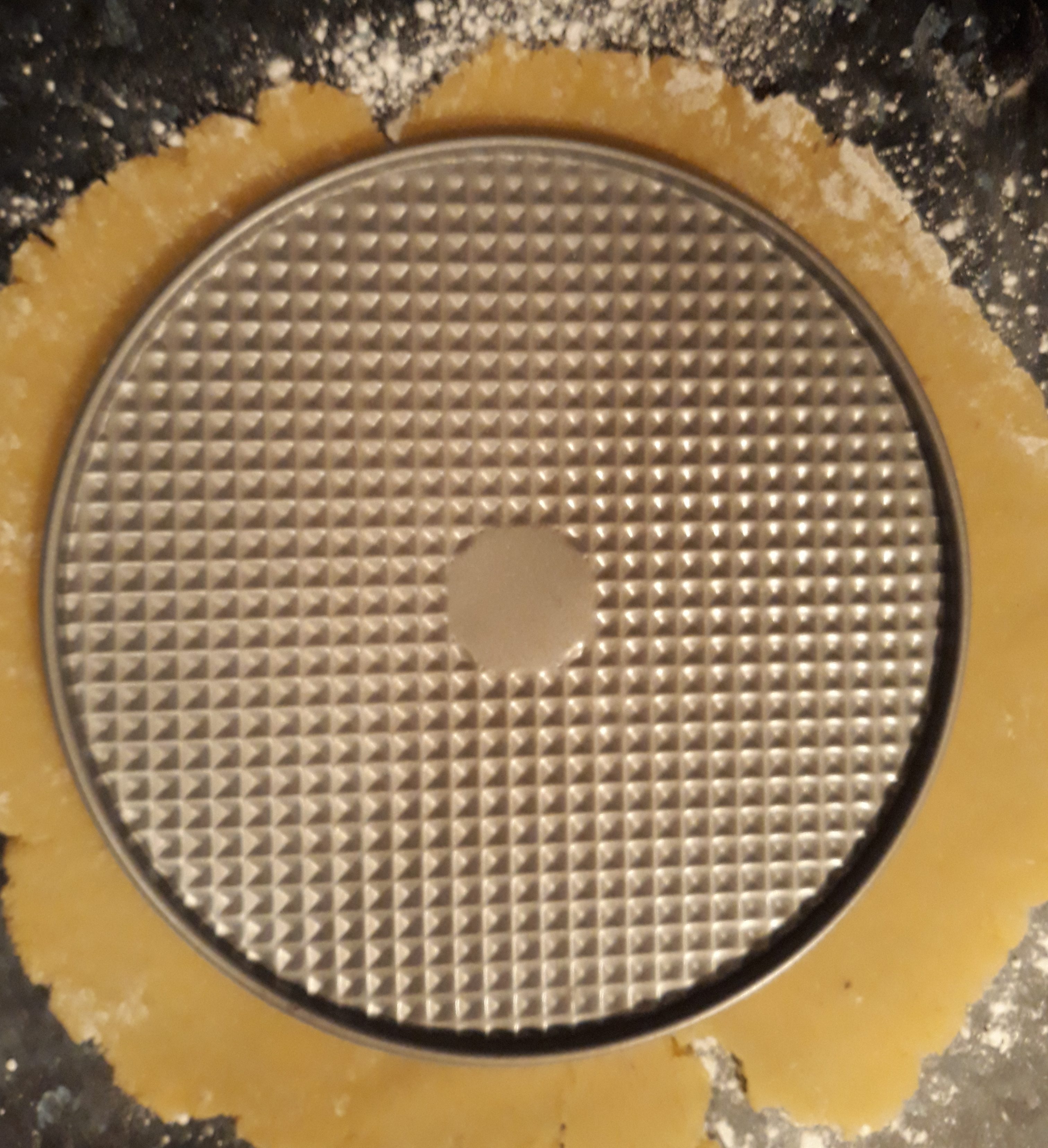
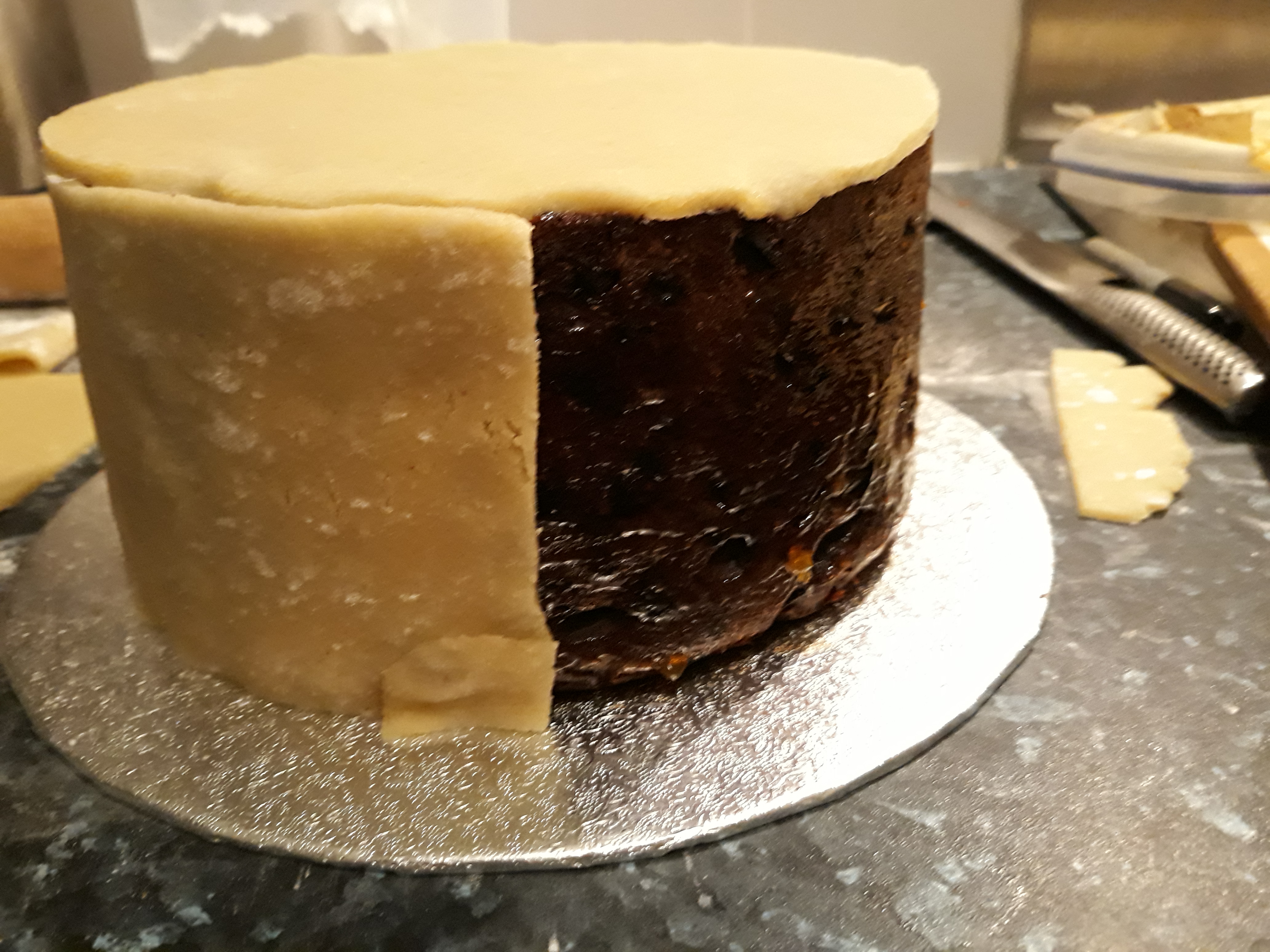
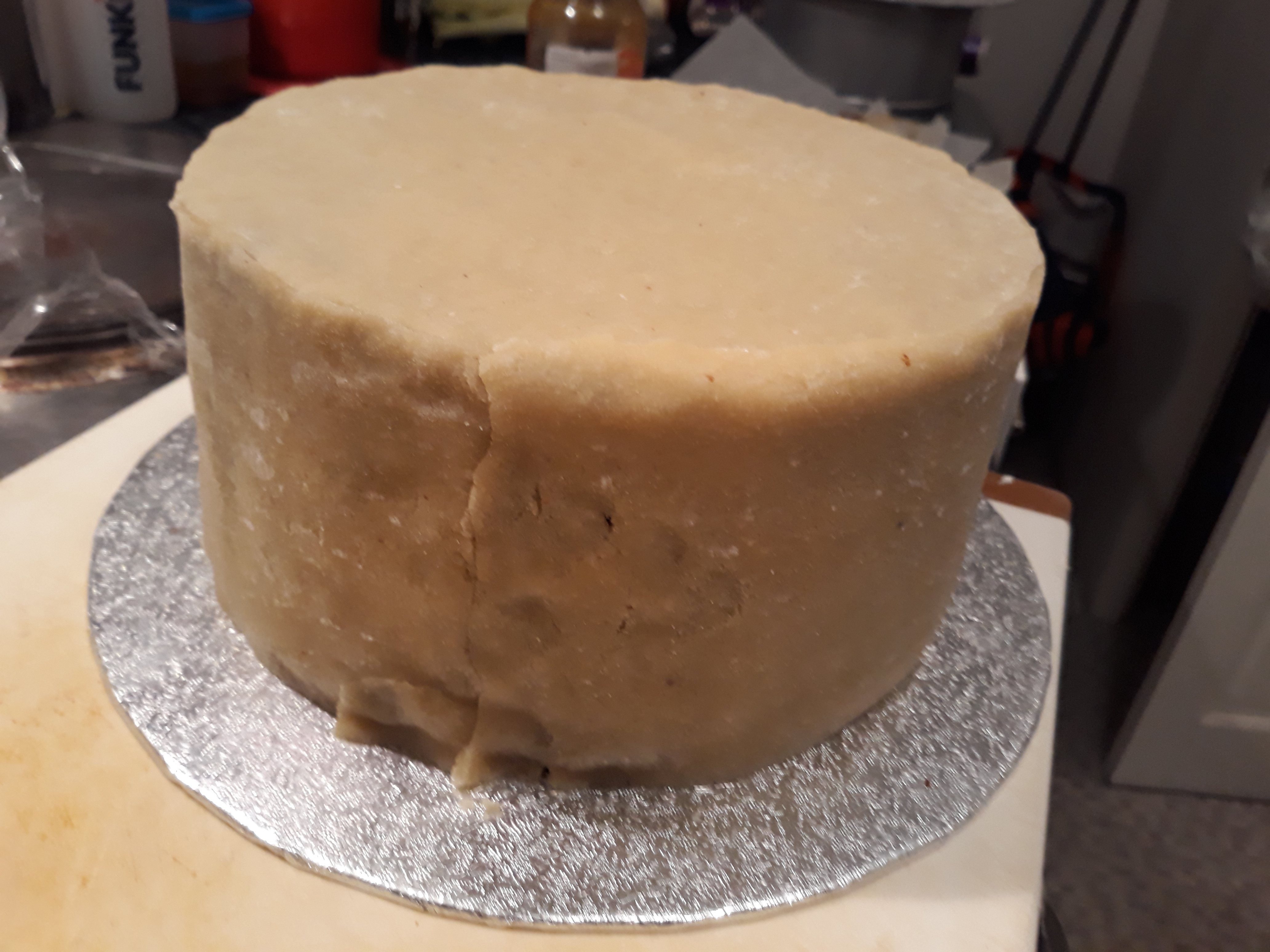
Next, take the remaining third of the paste and roll that out into strips the same height as the cake and secure them to the cake. Press the edges together as you go as well as any cracks that may appear.

You need to leave the cake for a couple of days to dry a little before adding the icing (should you want to).


If you like the blogs and podcast I produce, please consider treating me to a virtual coffee or pint, or even a £3 monthly subscription: follow this link for more information.


Royal Icing

Royal icing is the classic icing for the Christmas cake – it is ‘royal’ because it was the British Royal Family that used in for their wedding cakes, and naturally if the Royals did it, then we copied it. Icing had been around since the eighteenth century; before that, there wasn’t the technology to refine the sugar appropriately. The first icing was similar to royal icing, it was spread over the top of the cake but then the cake was returned to the oven to set hard. The final result was a nice flat, shiny surface like that of a frozen lake, hence we call the stuff icing. Elizabeth Raffald mentions it in The Experienced English Housekeeper (1769) – the first written recording of the word.

Royal icing is the most popular icing because it can be piped and coloured easily. Plus it is easy to make , which a bonus. Here’s how:

2 medium egg whites

2 tsp lemon juice

500g icing sugar, sieved

Whisk the egg whites until frothy but not yet stiff and then stir in the lemon juice. Add icing sugar to the egg white bit by bit, mixing as you go – an electric beater comes in very handy here, but you can use a wooden spoon if your forearms are up to the job. The icing can be used straight away.

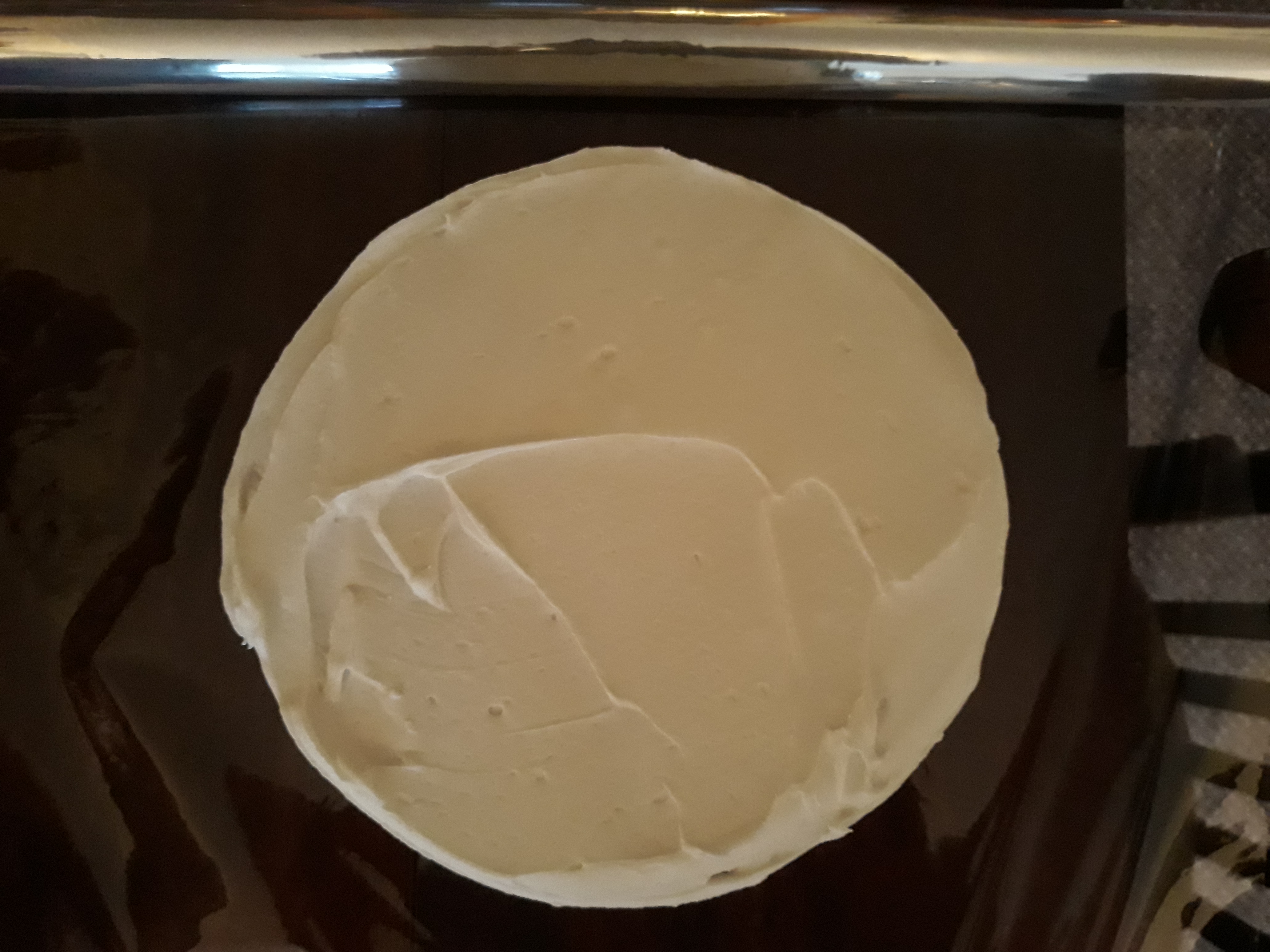
Spread the mixture all over the cake using a palette knife to smooth it out. Dipping the knife in very hot water is a good way of getting the icing super-smooth, but I like it a bit more rough-and-ready. You can reserve some of the icing for piping of course, but that has never really been my thing – I should have a go one time though!

A simple and effective way of decorating the cake is to use the side of a knife to make a nice spiky snow effect. When decorated, leave it for two or three days to set hard.

12 Comments

Filed under cake, Christmas, Eighteenth Century, food, General, history, Recipes, Teatime, Uncategorized

Christmas Cake

Christmas cake, Christmas pudding, mince pies – if you don’t like dried fruit you are in trouble at Christmastime!

When families in the sixteenth century made their Christmas puddings for the big day, they would often use some of the mixture, with the addition of flour and eggs, to bake and eat for Eastertime. These were obviously rather rich families. It was liked so much that the rich fruitcake was made for Christmas too. We also dropped it from the Easter menu for some reason.

I used to be of the belief that the addition of the marzipan and royal icing (see here for recipes) came much later when a cake was banned from Christmas. The last day of Christmas is Twelfth Night (the 5th of January) and it used to be traditional to make a Twelfth Night cake that contained almonds and was covered in marzipan. Oliver Cromwell, the Lord Protector of England, and the other Puritans banned the feasting on that special day in the 1640s (he also banned mince pies as well) complaining that there was too much excess. Christmas Day remained a public holiday and some feasting was allowed, so people simply made their Christmas cake and covered that in marzipan instead, and so the Christmas cake was born.

This is sadly untrue. The Christmas cake with its double wrapping of marzipan and royal icing is an 18th century invention – Elizabeth Raffald has the first recipe for a cake such as this, and it was for a ‘Bride’s Cake’, i.e. a wedding cake.

Britain’s biggest ever party-pooper: Oliver Cromwell

You don’t have to cover it with the marzipan and royal icing though, in Yorkshire (my home county) it is popular to eat the Christmas cake with some nice cheese such as Wensleydale or Cheddar instead.

I love Christmas cake, so I thought I would give you the recipe I always use – it is adapted from Jane Grigson’s English Food (click here to see my other pet project) – and it has never failed on me. As I said a couple of posts ago, if you want to eat top-quality food at Christmas, you need to make your own, or spend a fortune at Harrod’s. Plus the cake is made well in advance – I usually make mine 6 weeks before Christmas so it can mature. Once you’ve cooked it, you only have to feed it with a little brandy to make it nice and moist.

This recipe is of course for an English-style Christmas cake; the Scottish, Welsh and Irish have their own versions, all in a similar vein, but with a few differences. I’ll blog about them at some point.

It makes one hefty 8 inch/20 cm cake, for a smaller cake, half the amounts and bake in a 6 inch / 15 cm tin for 2 1/2 hours.

Ingredients:

900 g mixed dried fruit (currants, raisins and sultanas)

125 g of whole roasted almonds (or hazelnuts or walnuts, or a mixture)

125 g chopped candied citrus peel

125 g rinsed glacé cherries quartered or left whole

300 g plain flour

1 1/2 tsp mixed spice

the grated rind of a lemon

250 g salted butter, softened

250 g soft dark brown sugar

1 tsp vanilla extract

1 tbs black treacle (or molasses)

4 eggs

1/2 tsp bicarbonate of soda

1 tbs warmed milk

brandy

Preheat your oven to 140⁰C (275⁰F).

Begin by mixing all the dried fruit, almonds, candied peel and cherries in a large bowl. Next, sift in the flour, turning in and coating the fruit, then mix in the spices and fresh lemon rind.

Now cream the butter sugar in a separate bowl, then mix in the vanilla and black treacle. Beat in four eggs one by one until incorporated, and the mix in the fruit and the flour. For the final stage, dissolve the bicarbonate of soda in the warmed milk, stir it in, and then add enough brandy to slacken the mixture slightly, so that it achieves a dropping consistency – you don’t want a dry cake, now do you?

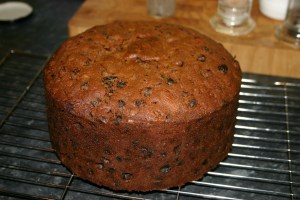
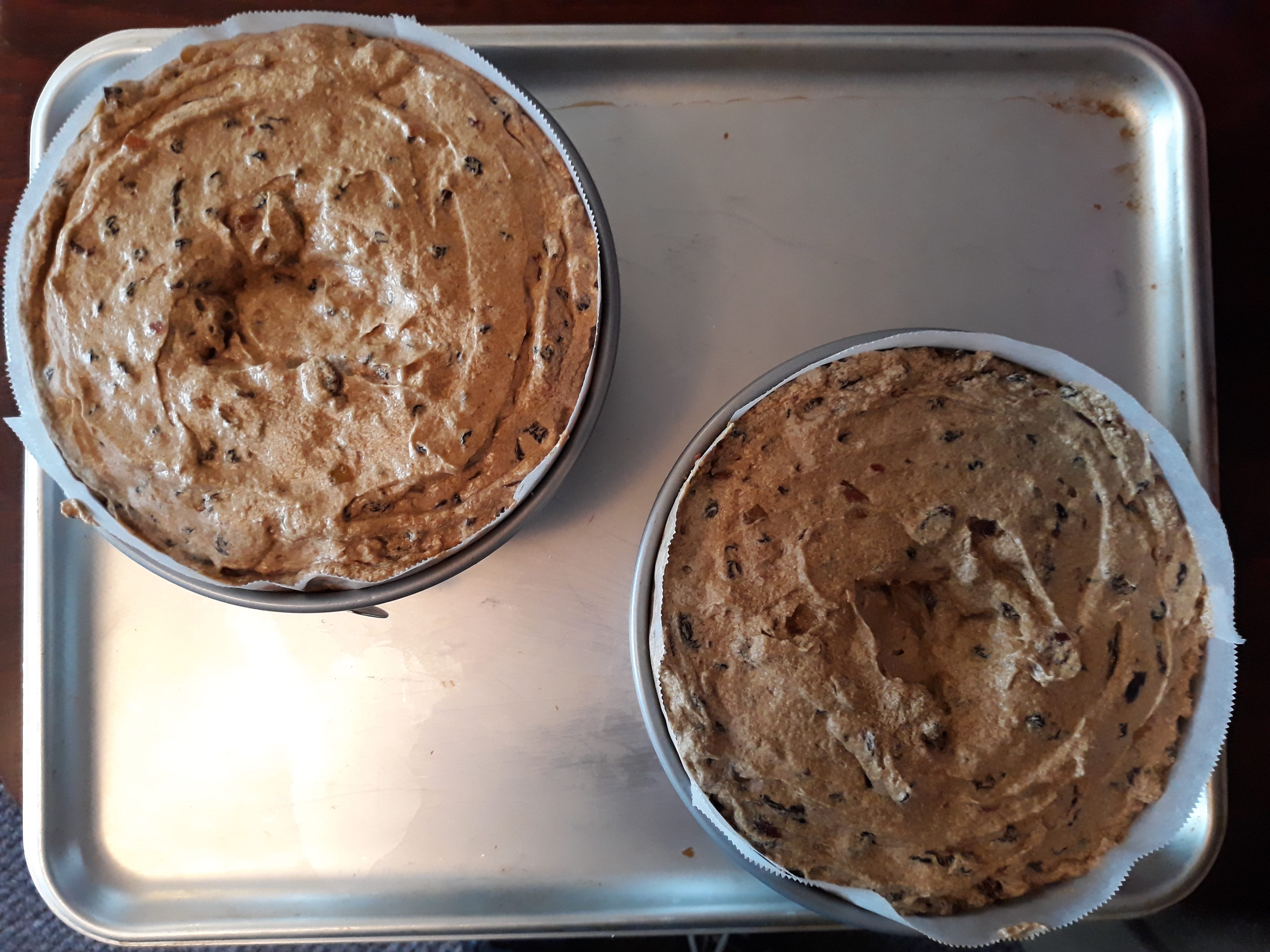
Line an eight inch cake tin with greaseproof paper and pour the mixture in, hollowing the top a little to compensate for it rising in the oven.

Cover with a layer of brown paper to prevent scorching and bake for 3 to 3 ½ hours. Test it after 3 hours with a skewer. When done, leave to cool in its tin overnight. Wrap in greaseproof paper or foil and keep in an airtight container.

Ideally, the cake should sit for at least a month to mature, but 2 or 3 weeks is also fine. Whilst it sits, you need to feed it with a sprinkle of 2 or 3 tablespoons of brandy, turning the cake each time it is fed.

The cake is ready to eat when sufficiently fed and matured, however, you might want to add a layer of marzipan and royal icing.


If you like the blogs and podcast I produce, please consider treating me to a virtual coffee or pint, or even a £3 monthly subscription: follow this link for more information.


29 Comments

Filed under baking, cake, Christmas, food, history, Puddings, Recipes, Seventeenth Century, Teatime, Uncategorized

Roast Duck

Bora: Why in the middle I would have a rich favoury foup.   

Lazar: Made with Craw-fifh – Good!  

Bora: At the top two delicate white Trout just frefh from the river. 

Lazar: Good! Excellent! go on go on.  

Bora: At the bottom – a roaft Duck.

Lazar: A duck! a fcavenger! an unclean bird! a wading glutton; his bill is a fhovel, and hif body but a dirtcart: away with your Duck – let me have a roast Turkey, plump and full breafted, hif craw full with marrow

Exerpt from The Hotel by Robert Jefson, 1775

Okay, not everyone likes duck, for those that do, the best way to show it off, whether Aylesbury or whatever, is to roast it, seasoned with just salt and pepper. It’s also the most common way to serve duck. I did look at old recipes for it, hoping to find some crazy over-the-top recipe with many embellishments, but, alas, it was not to be: at best, there was a stuffing. Keept it simple, chaps. It did seem very common to scald the bird in boiling water for a few minutes before roasting it, though modern ones don’t seem to (unless, that is, you are making some Chinese crispy duck – that requires a kettle of boiling water to be poured over it and then drying it thoroughly to achieve the crispy skin).

One of the great things about buying duck is that they always come with their giblets, unlike many chickens these days, so put them to good use. I have included a recipe for some nice rich giblet gravy to go with.


If you like the blogs and podcast I produce, please consider treating me to a virtual coffee or pint, or even a £3 monthly subscription: follow this link for more information.


For the roast duck:

one duck

salt and pepper

For the gravy:

a tablespoon of oil

the neck and giblets of the duck, chopped

one onion, unpeeled, roughly chopped

one garlic clove, lightly crushed

one carrot, roughly chopped

one stick of celery, roughly chopped

one bay leaf

a few sprigs of thyme

about 6 black peppercorns

splash of red wine

1/2 ounce of butter

1/2 ounce of plain flour

one teaspoon of redcurrant jelly or juice of half an orange (optional)

salt and pepper

First of all, place the duck on a large plate and dry it all over with kitchen paper and keep it in the fridge until it is needed. It is important to take it out of the fridge a few hours before you want to cook it though – when you are following roasting times for any meat, it is assuming the meat starts off at room temperature.

The first thing you need to do is get started on the gravy. Get a pan nice and hot,  add the oil, giblets and stock vegetables, when they are good and caramelised, add the herbs and peppercorns.

Pour over a pint of water, cover, bring to a boil and then let it simmer gently for the length of time it takes for you to cook the duck.

Preheat the oven to 220°C (430°F) and calculate the cooking time for your duck: 25 minutes per pound plus an extra 20 minutes. Using a fork or skewer, prick the fatty parts of the duck, i.e. the breast and the area where the legs meet the body. Make sure you prick only the skin – if you stab right through the fat, you’ll lose meat juices, and we don’t want that, now do we?

 Season the duck inside and out with salt and pepper, place in a roasting tin with a rack, and pop it in the oven. After 20 minutes, turn down the heat to 180°C (350°F). After the first 45 minutes or so, baste the bird and every 20 minutes thereafter. It is important to do this if you want good, crispy skin. To test if the duck is done, poke a knife or skewer into the thick part of the leg and if the juices are clear, then the duck is ready. I would check it around 20 minutes before the total cooking time. When cooked, remove from the oven and let rest for at least 15 minutes before carving it.

Whilst the duck is having a rest, finish off the gravy: strain the stock through a sieve into a jug. Pour off any fat from the roasting tin and pour the meat juices into the gravy. Don’t you dare throw that fat away! It keeps in the fridge almost indefinitely, and you can use it for roast potatoes (they will be the best roast potatoes you have ever made).Put the roasting tin on the heat and deglaze it with the red wine, making sure you scrape off all the nice burnt bits. Tip that into the gravy too. Melt the butter in a small saucepan and when it begins to foam, stir in the flour and cook for a minute. Now whisk in the gravy and let simmer for about 15 minutes. Finally stir in the jelly or orange juice (or even better, the syrup from some preserved oranges – see this link here for a recipe). Correct the seasoning and pour into a nice gravy boat or jug.

There you go: a delicious, scavenging unclean bird!

5 Comments

Filed under Meat, Recipes, Uncategorized