Category Archives: Uncategorized

Worcester Porcelain with Paul Crane

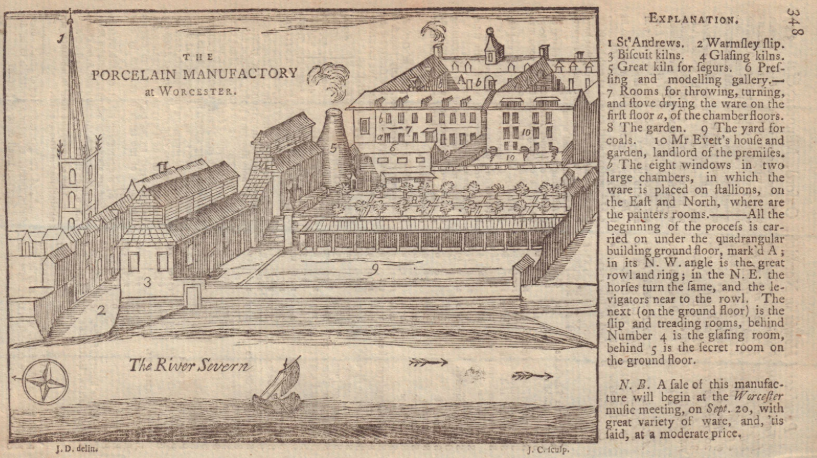
In this episode of the podcast, I talk with ceramics expert Paul Crane FSA about the early years of Worcester porcelain. Paul is a consultant at the Brian Haughton Gallery, St James’s, London, and a specialist in Ceramics from the Medieval and Renaissance periods through to the Eighteenth and Nineteenth Centuries. He presently sits as a Trustee of the Museum of Royal Worcester and is also a Fellow of the Society of Antiquaries, an independent historian and researcher and a Liveryman of the Worshipful Company of Art Scholars.

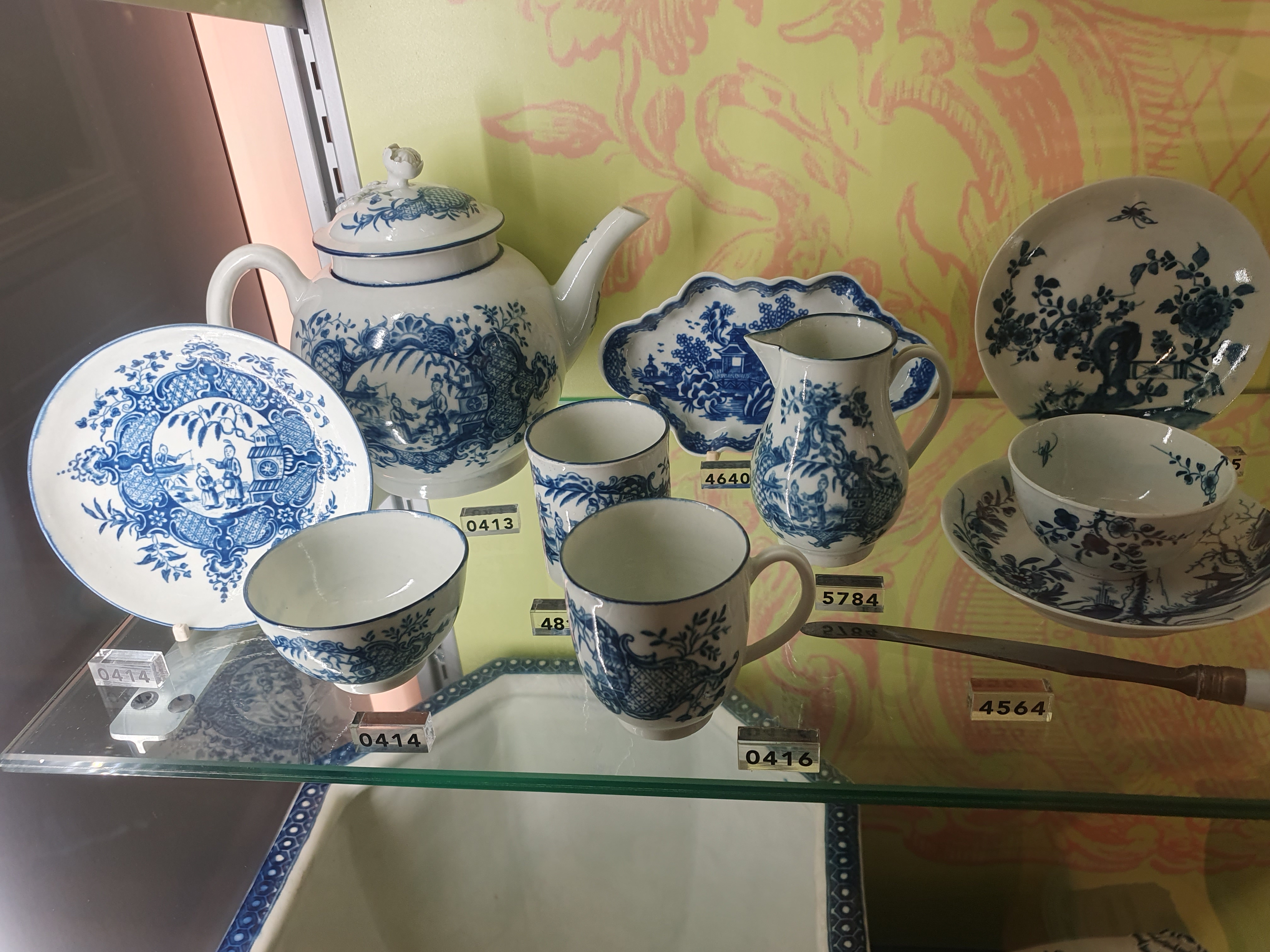
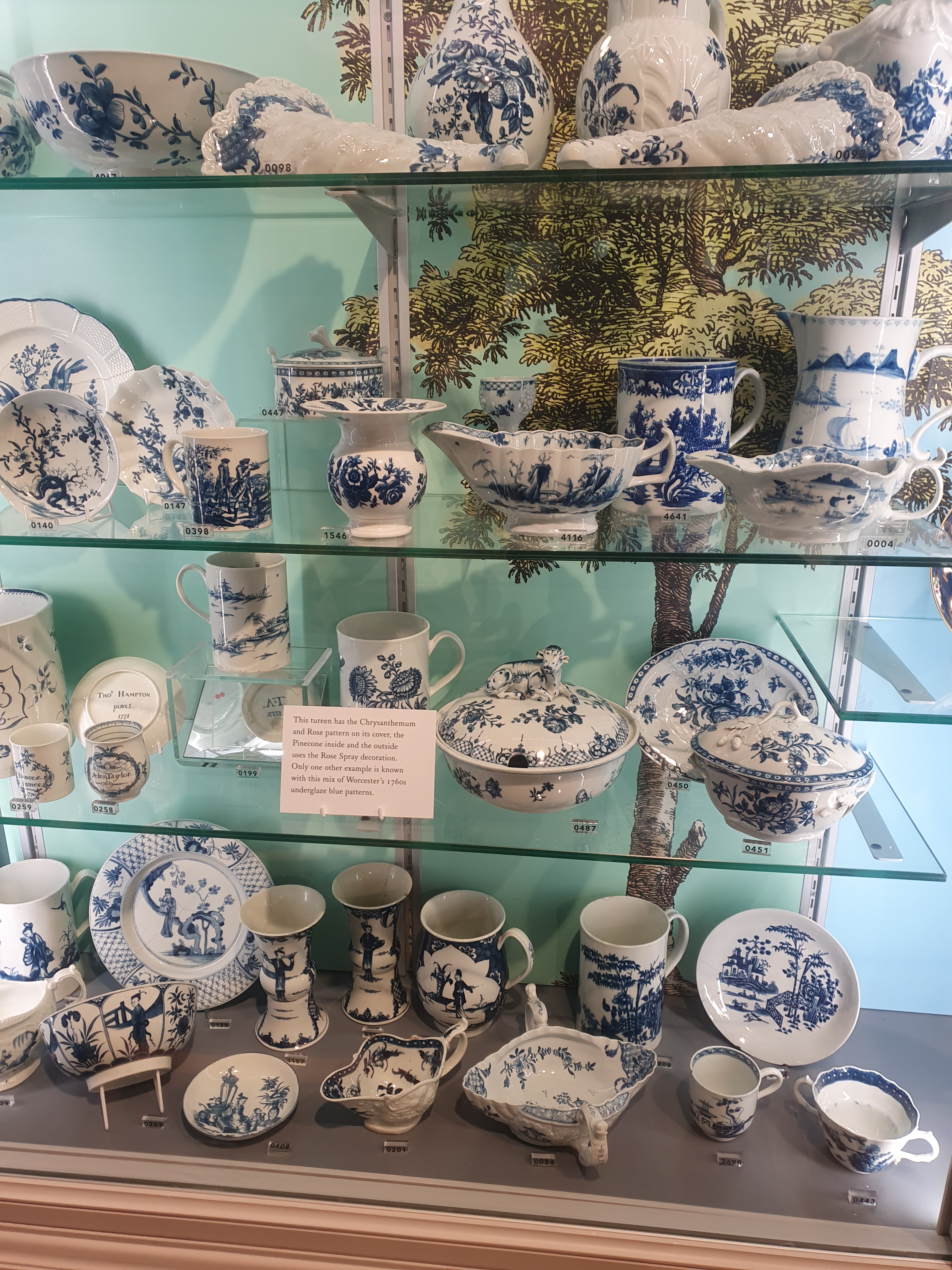
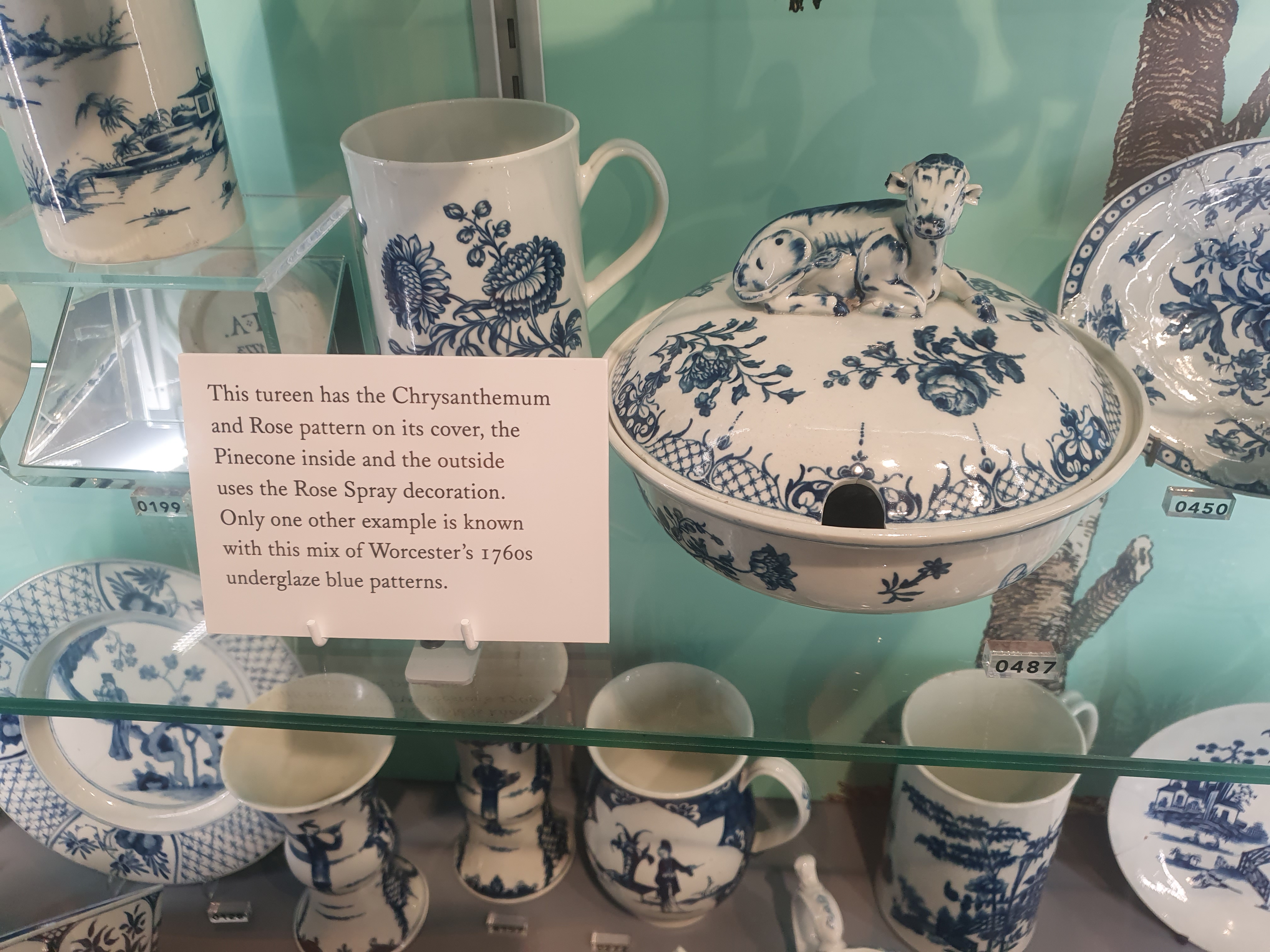
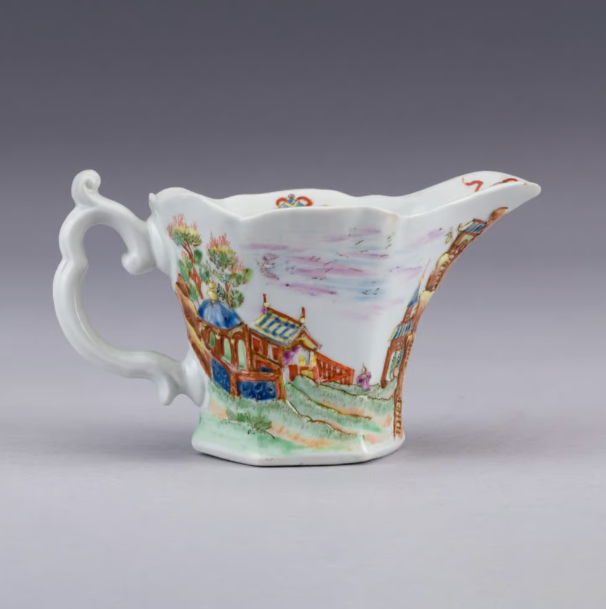
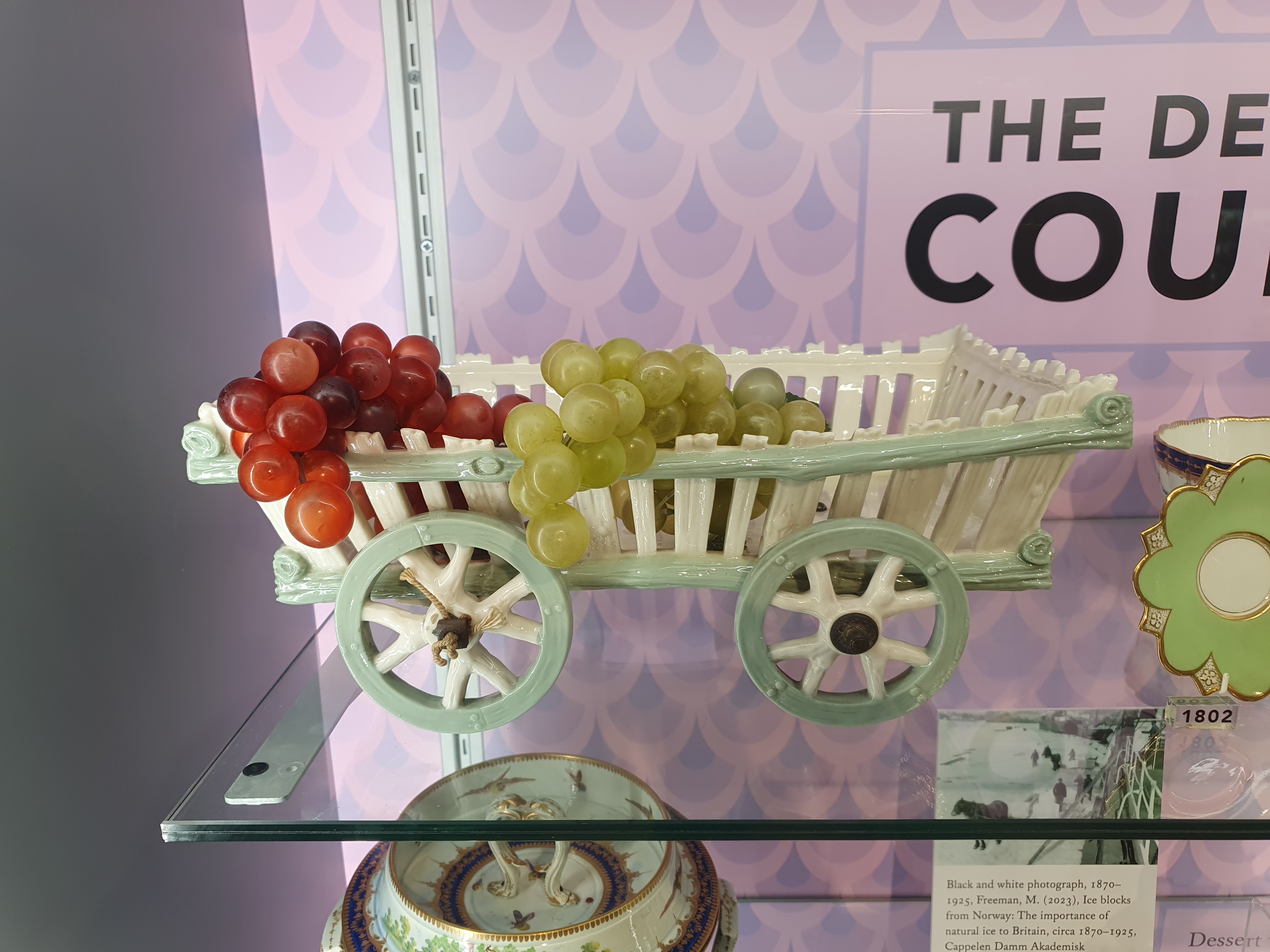
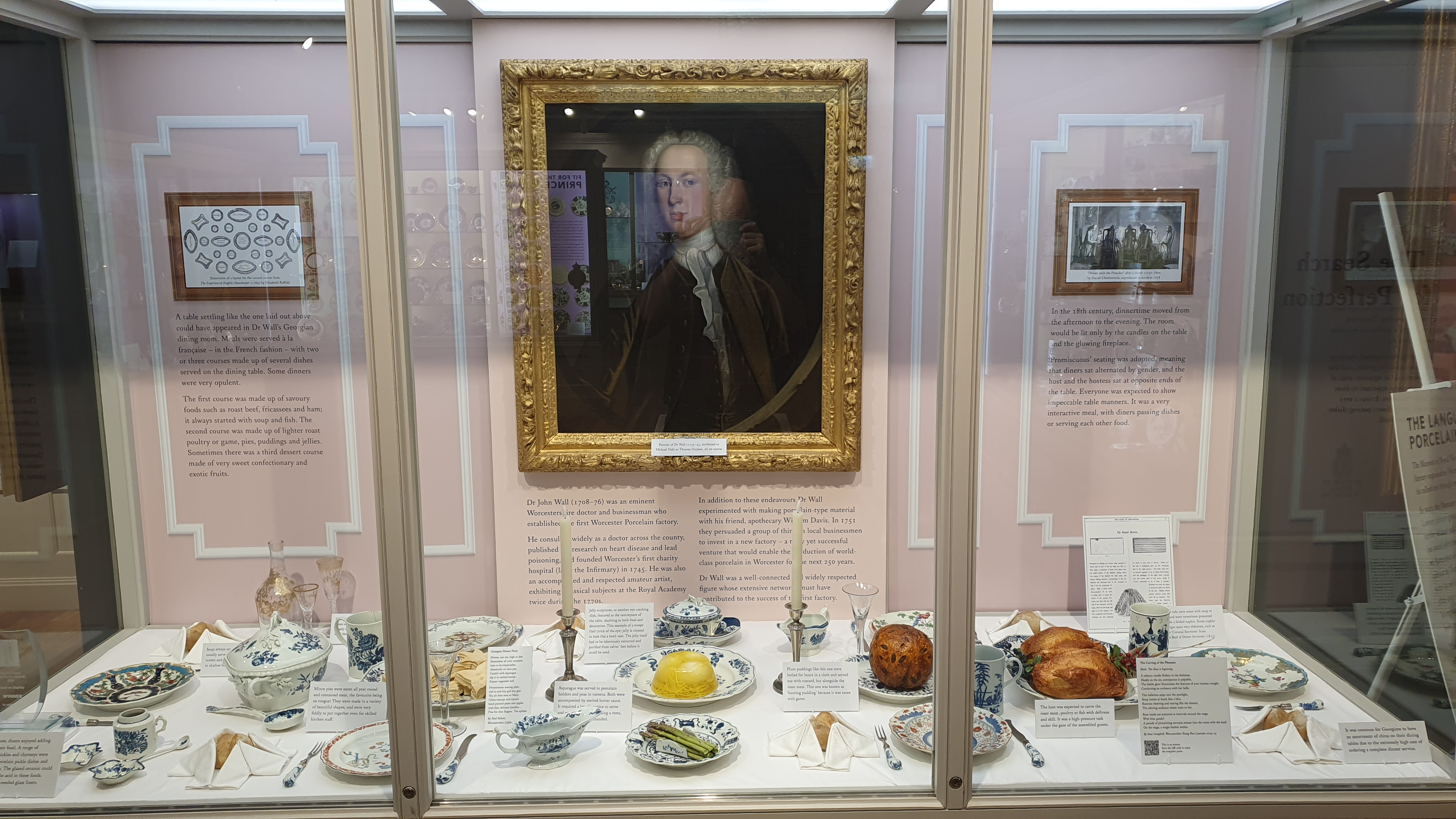
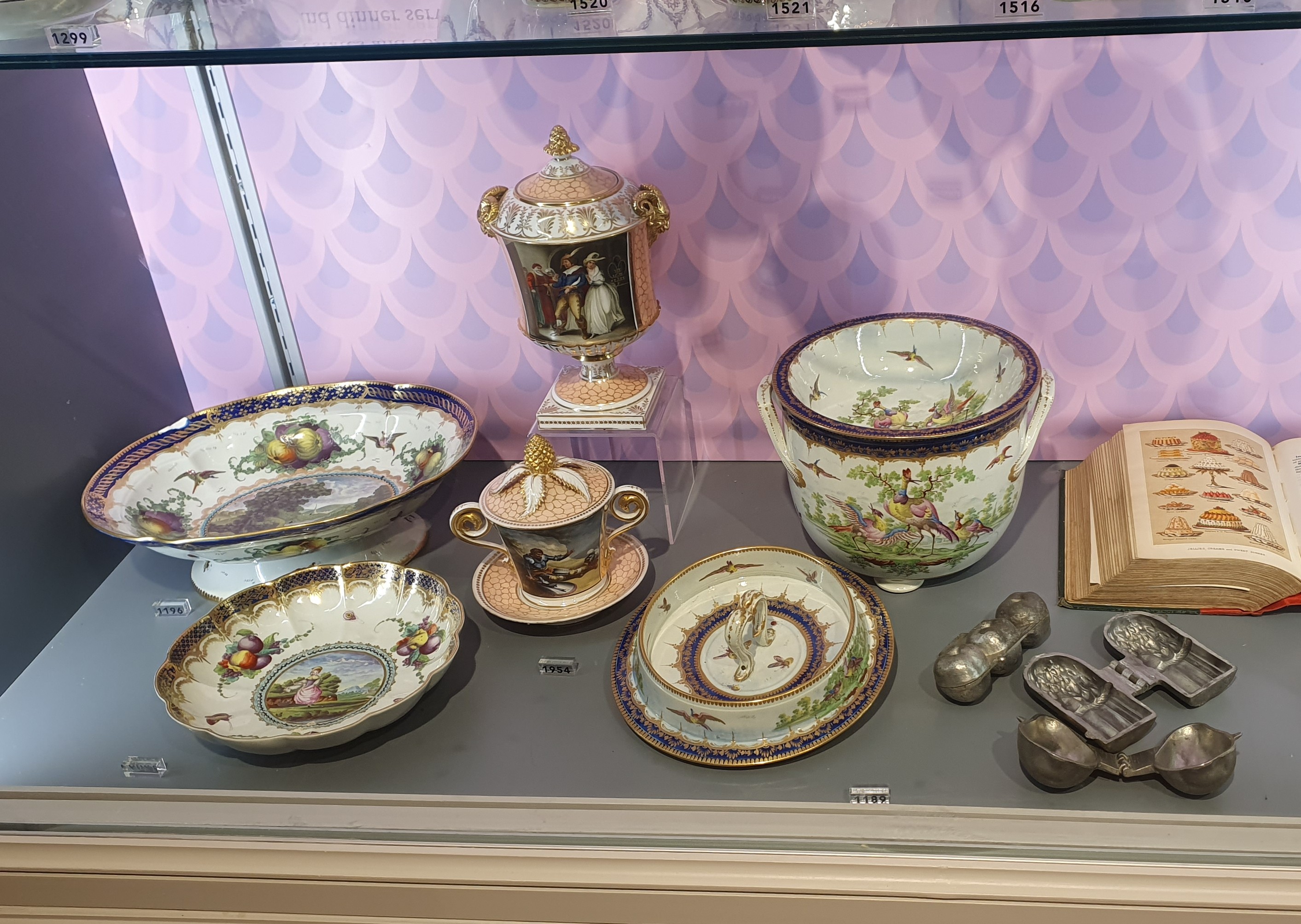
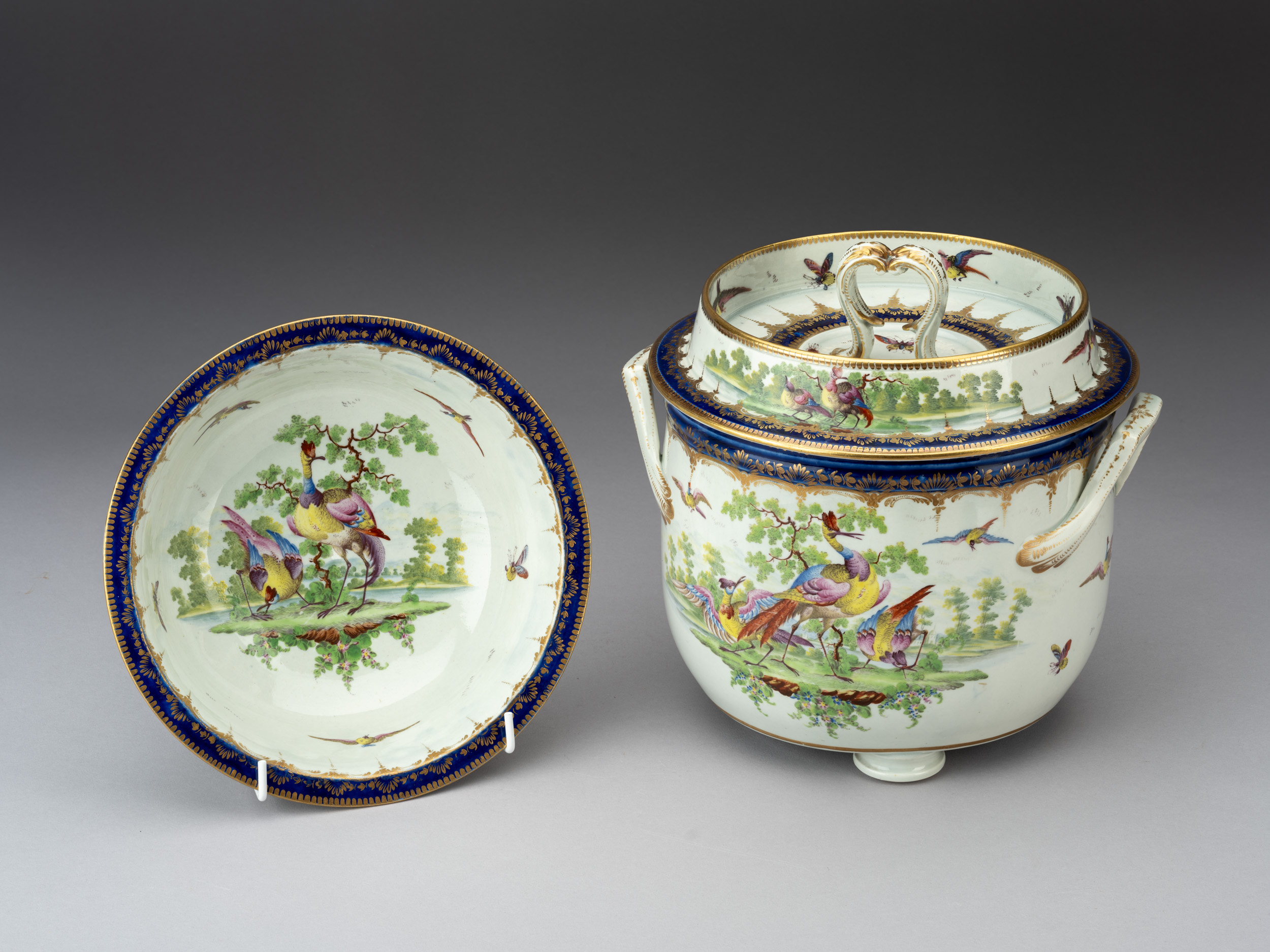
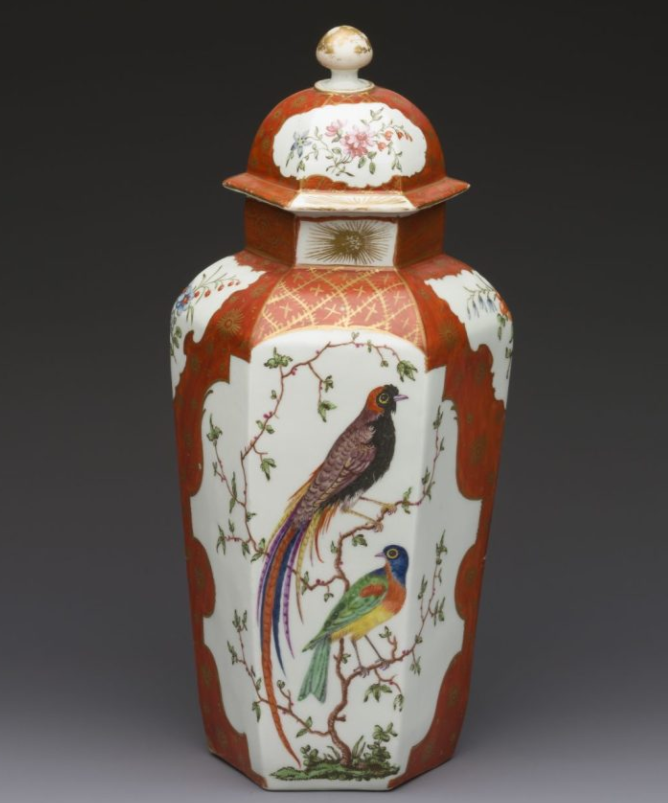
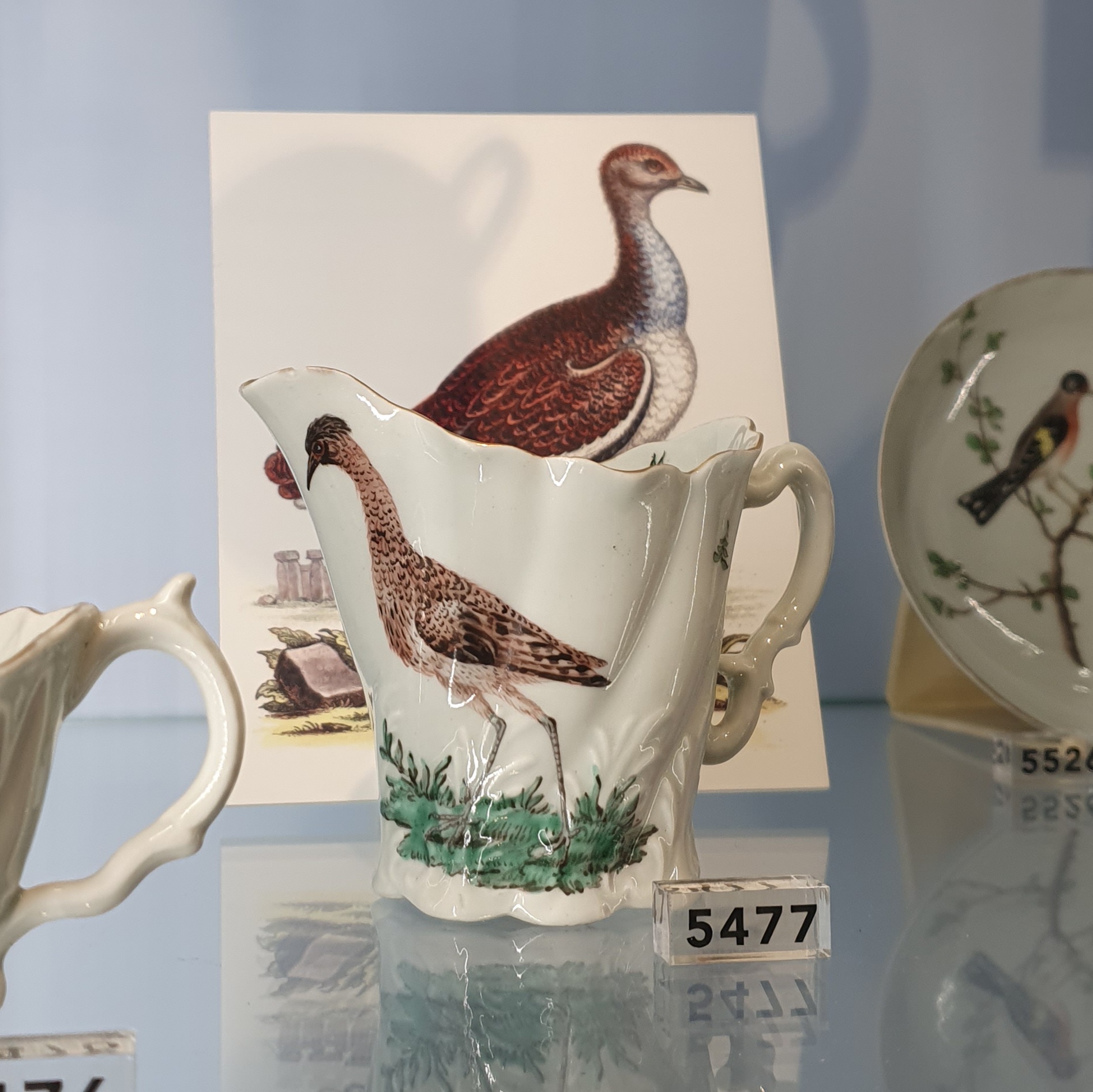
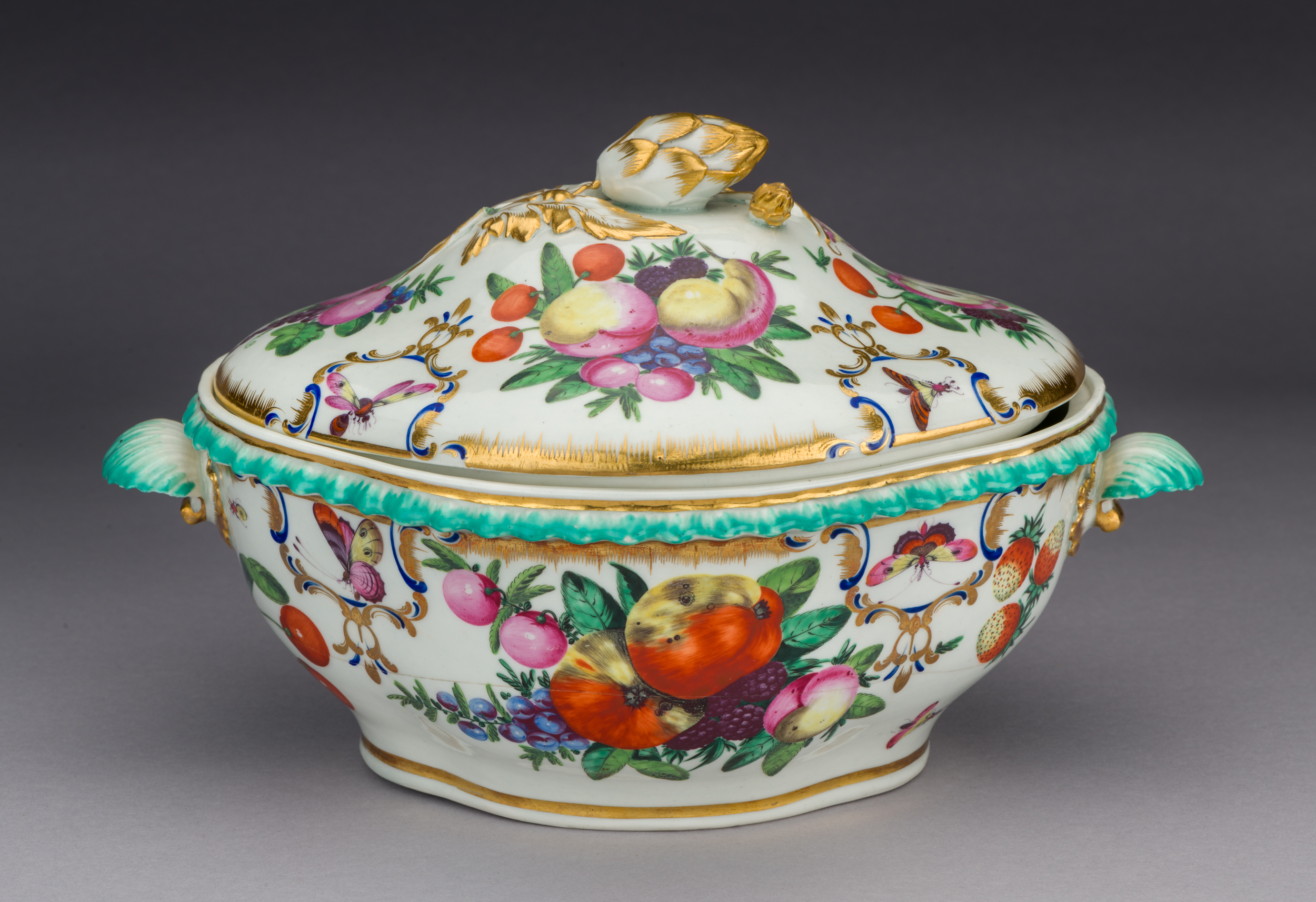
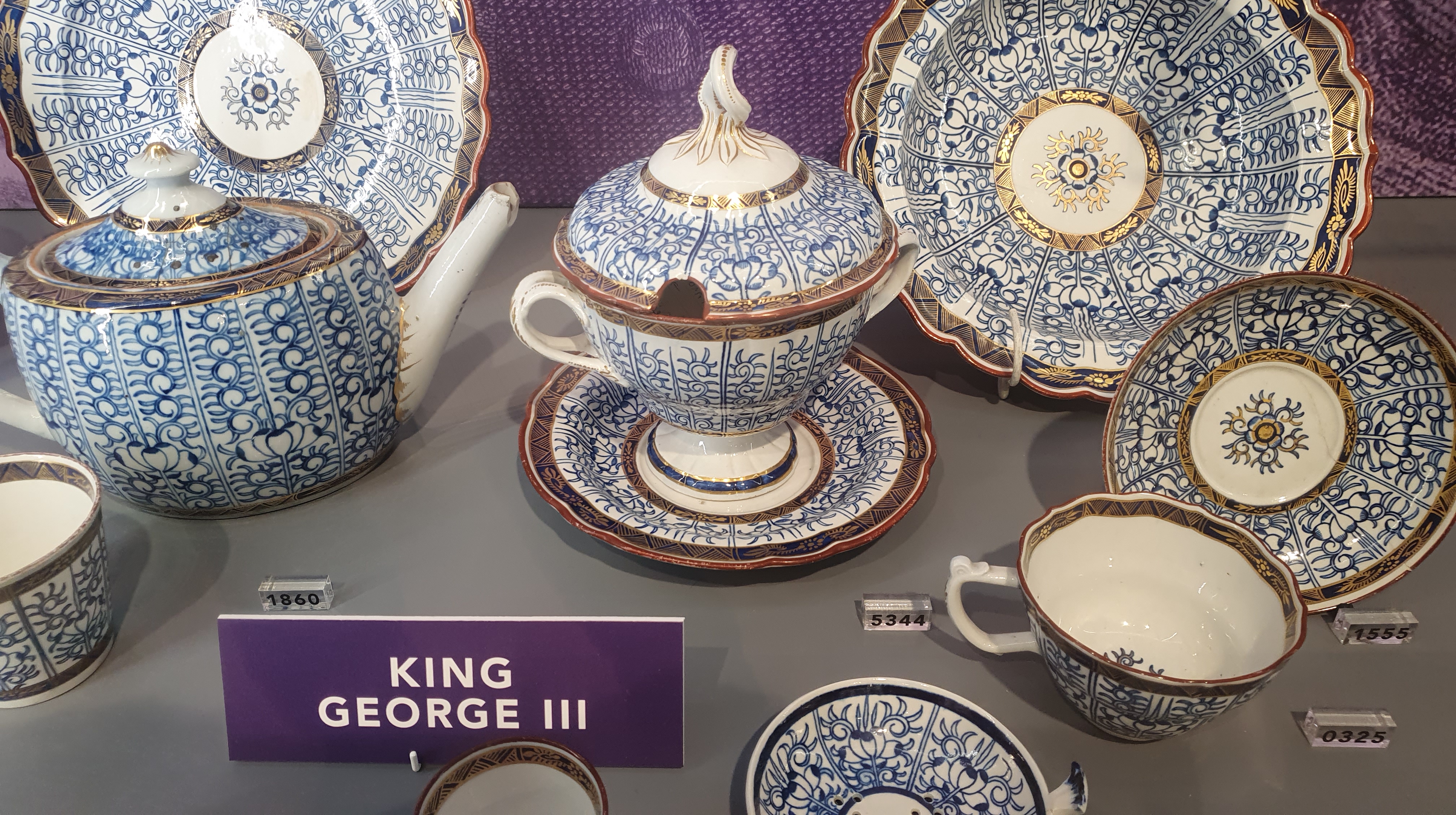
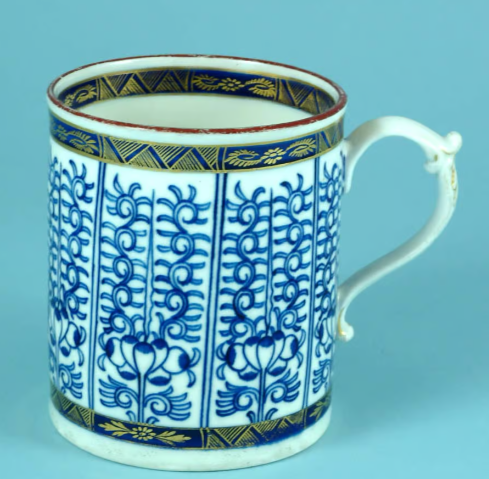
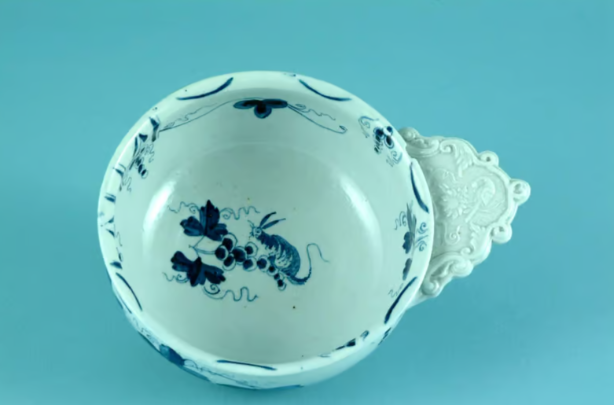
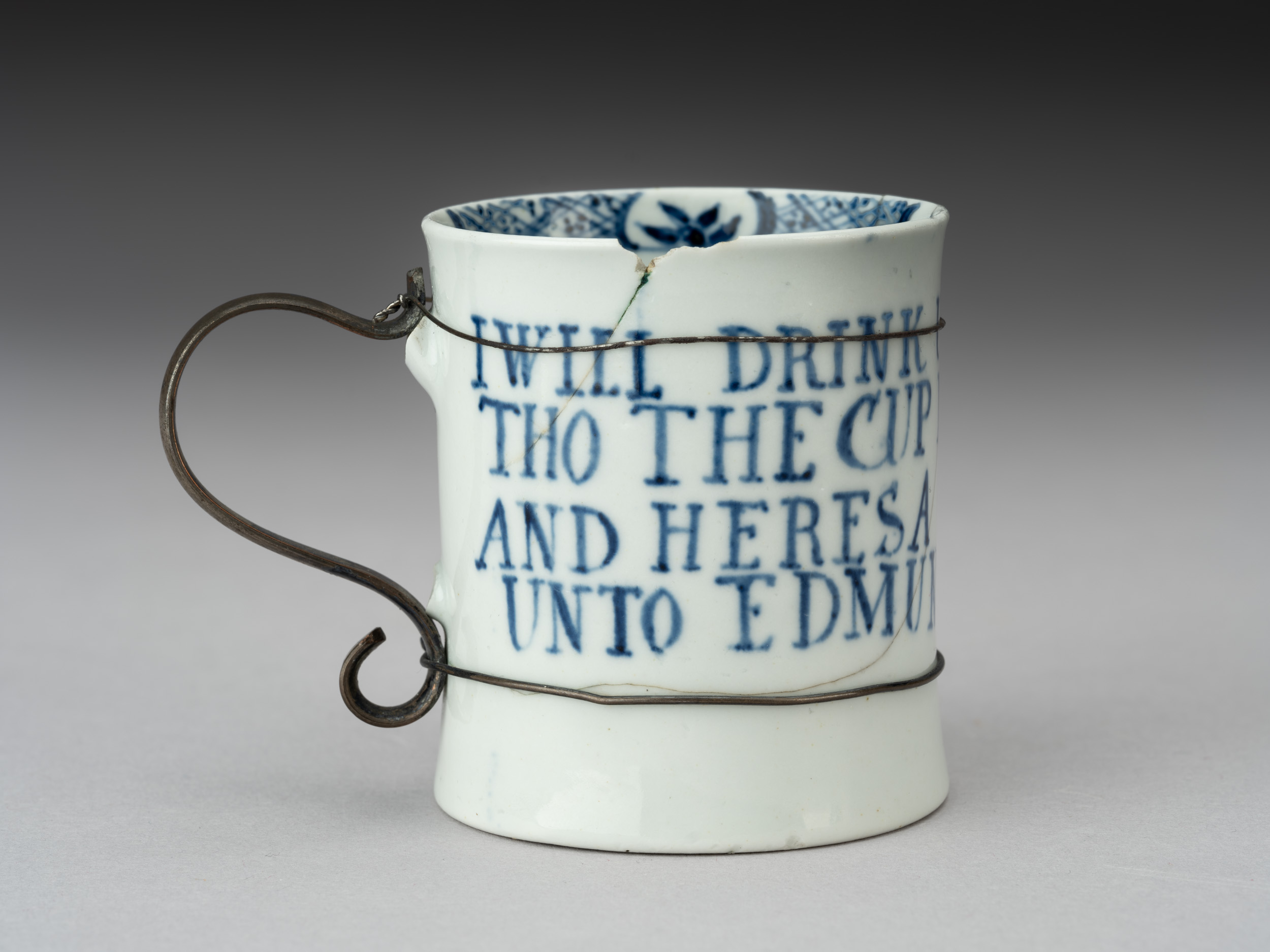
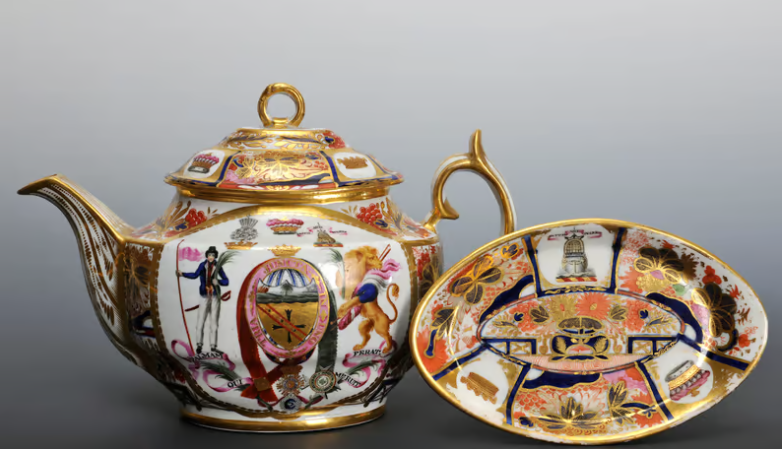
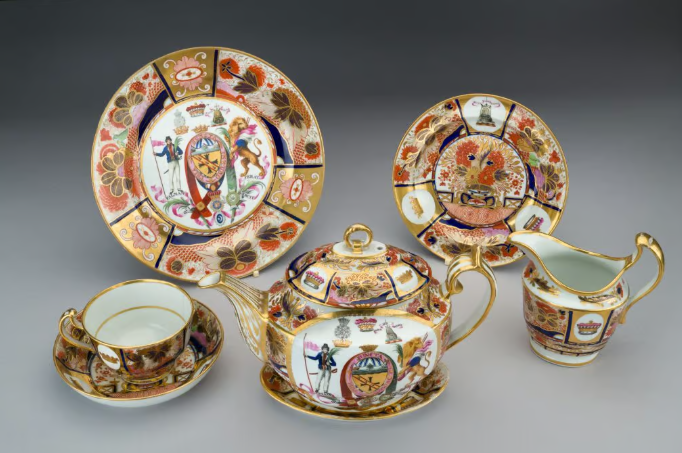
Our conversation was recorded in person at the Museum of Royal Worcester. If you want to see the pieces we discuss, check out this post where I’ve added images of the majority of the items discussed or go to the YouTube channel where I’ve lined up the images with our discussion. Paul and I really do our best to describe the pieces, but of course, it’s best if you can see them for yourself.

The images used are a mixture of my own and those taken from the Museum of Royal Worcester archives. Thank you to the museum for the permission to use them.

The podcast is available on all podcast apps, just search for “The British Food History Podcast”, or stream on this Spotify via this embed:

Alternatively, watch this episode on YouTube to see the images below matched up with the sound.

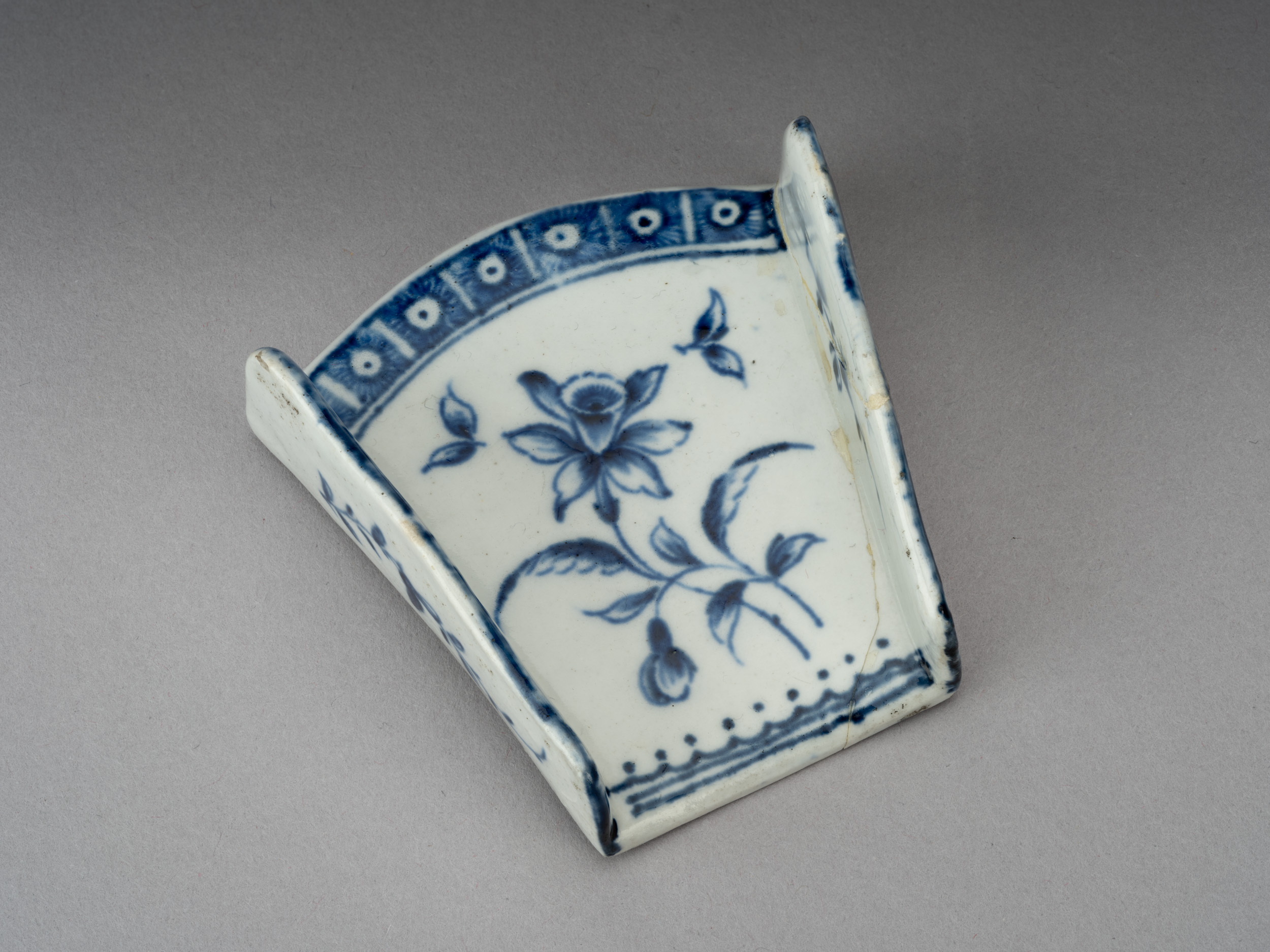
We talk about Dr Wall and how he got the Worcester manufactory up and running, the importance of seeing porcelain by candlelight, asparagus servers, the first piece of porcelain you see when you walk into the museum, the Royal Lily service and how Worcester porcelain attained the Royal warrant, amongst any other things.

Those listening to the secret podcast can hear more about the early blue and white pieces, including a rare bleeding bowl, the first commemorative coronation porcelain mug and the stunning Nelson tea service, plus much more.

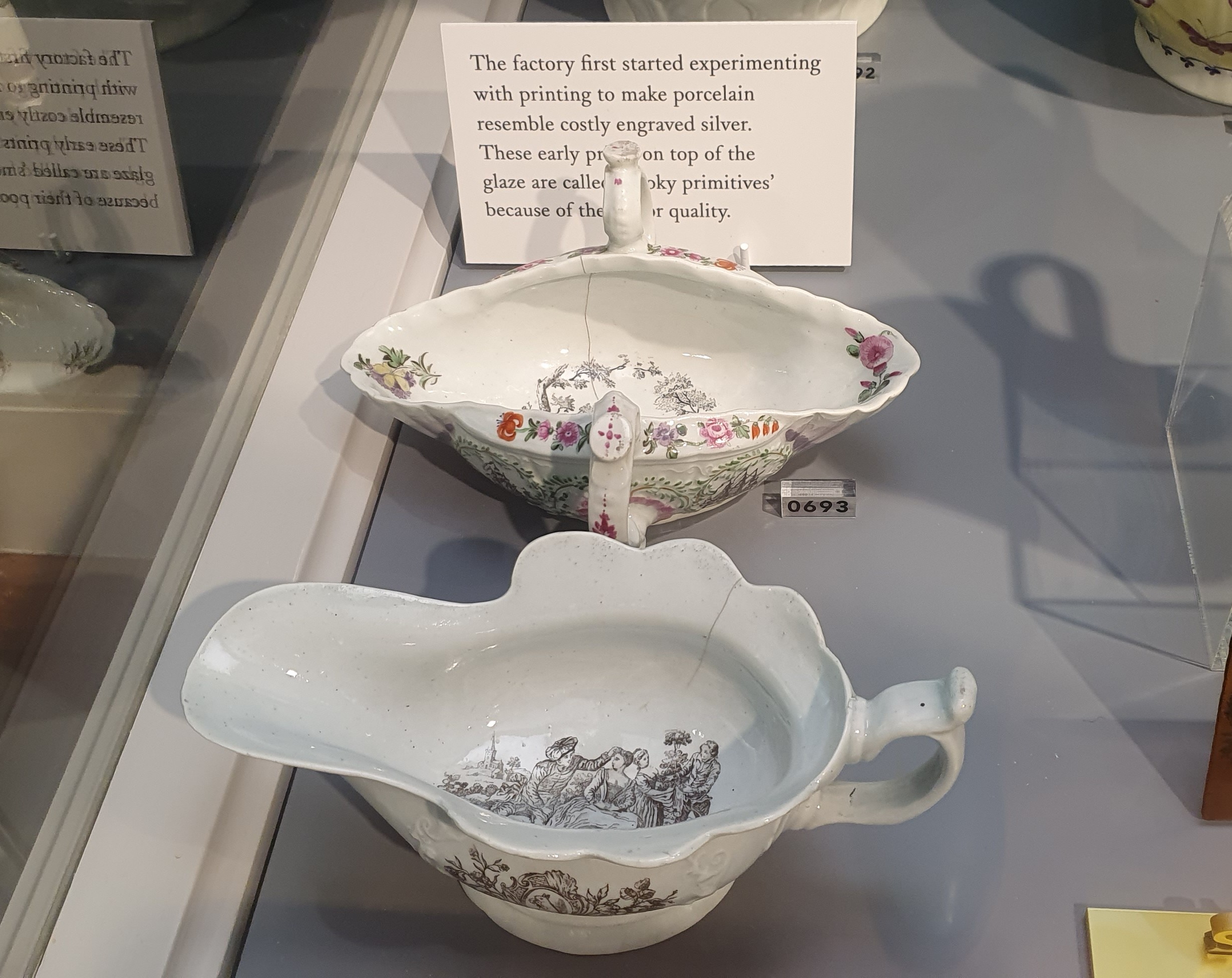
The ‘smoky primitives’ that Paul mentions that attempt to emulate the feel of silverware sparkling in the candlelight.

Remember: Fruit Pig are sponsoring the 9th season of the podcast, and Grant and Matthew are very kindly giving listeners to the podcast a unique special offer 10% off your order until the end of October 2025 – use the offer code Foodhis in the checkout at their online shop, www.fruitpig.co.uk.


If you can, support the podcast and blogs by becoming a £3 monthly subscriber, and unlock lots of premium content, including bonus blog posts and recipes, access to the easter eggs and the secret podcast, or treat me to a one-off virtual pint or coffee: click here.


This episode was mixed and engineered by Thomas Ntinas of the Delicious Legacy podcast.

Things mentioned in today’s episode

YouTube video of the episode with images of the porcelain discussed

Museum of Royal Worcester website

Paul’s YouTube talk called ‘Nature, Porcelain and the Enlightenment’

Paul’s YouTube talk called ‘Early Worcester from Dr Wall to James Giles’

My museum talk about Worcester porcelain and 19th-century dining

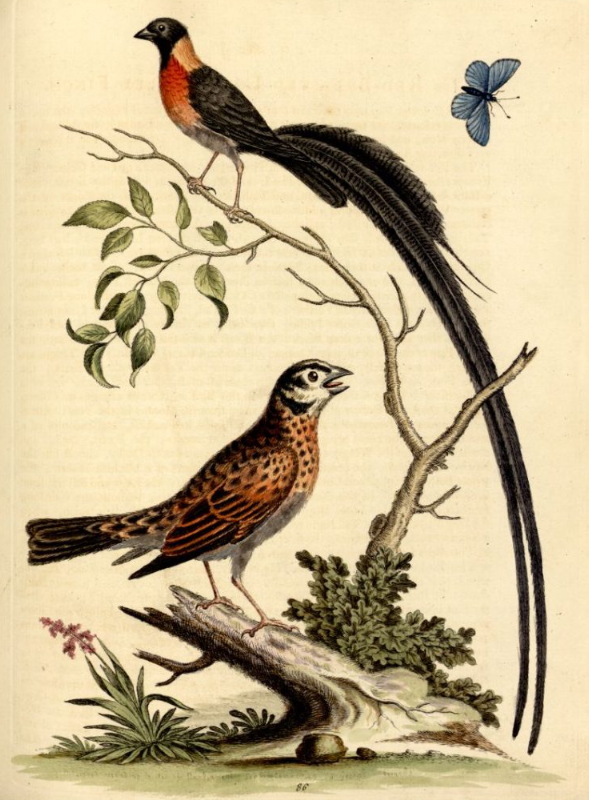
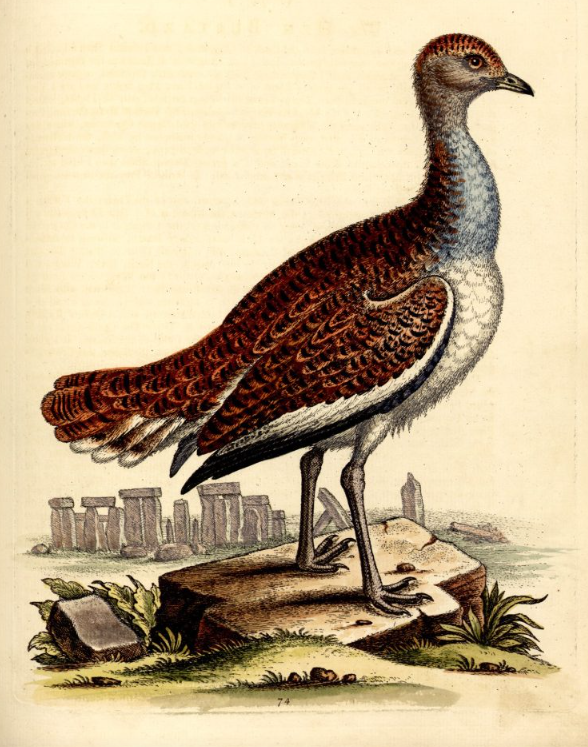
The Natural History of Uncommon Birds by George Edwards

A video about the first project Neil took part in with the Museum of Royal Worcester

Serve it Forth website – You can still receive 25% off the ticket price using the code SERVE25 at the checkout!

Serve it Forth Eventbrite page

Previous pertinent podcast episodes

18th Century Dining with Ivan Day

Neil’s other blog and YouTube channel

The British Food History Channel

‘Neil Cooks Grigson’

Neil’s books

Before Mrs Beeton: Elizabeth Raffald, England’s Most Influential Housekeeper

A Dark History of Sugar

Knead to Know: a History of Baking

The Philosophy of Puddings

Don’t forget, there will be postbag episodes in the future, so if you have any questions or queries about today’s episode, or indeed any episode, or have a question about the history of British food, please email me at neil@britishfoodhistory.com, or leave a comment below.

Leave a comment

Filed under Britain, Eighteenth Century, food, General, history, Podcast, The Royals, Uncategorized

Ireland, Ale & the Colonising British with Christina Wade

In this episode, I speak with Christina Wade, a beer historian specialising in the UK and Ireland, with a particular focus on women. She has written an excellent book, Filthy Queens: A History of Beer in Ireland, which was published by Nine Bean Rows earlier this year (2025).

We talk about ale and beer in Ireland, and how colonisation by the English, and then the British, affected beer production and consumption. Topics include: ale in early medieval Ireland, the man who inspired the title of her book, ale consumption during the Irish Rebellion and the Potato Famine, and the use of human skulls in medicinal ales, amongst many other things.

The British Food History Podcast is available on all podcast apps, but you can also hear it on YouTube or stream it via this embed:

Those listening to the secret podcast can hear about the links between alewives and witchcraft, whiskey and beer consumption, tea kettle brews and more!

Christina’s social media handle on Instagram and Bluesky is @braciatrix.

Christina’s website

Christina’s Substack

Filthy Queens: A History of Beer in Ireland

The Devil’s in the Draught Lines: 1000 Years of Women in Britain’s Beer History

The Beer Ladies Podcast

Remember: Fruit Pig are sponsoring the 9th season of the podcast and Grant and Matthew are very kindly giving listeners to the podcast a unique special offer 10% off your order until the end of October 2025 – use the offer code Foodhis in the checkout at their online shop, www.fruitpig.co.uk.


If you can, support the podcast and blogs by becoming a £3 monthly subscriber, and unlock lots of premium content, including bonus blog posts and recipes, access to the easter eggs and the secret podcast, or treat me to a one-off virtual pint or coffee: click here.


This episode was mixed and engineered by Thomas Ntinas of the Delicious Legacy podcast.

Things mentioned in today’s episode

Serve it Forth website – You can still receive 25% off the ticket price using the code SERVE25 at the checkout!

Serve it Forth Eventbrite page

Neil’s blog post about cock ale/beer

Barnaby Rich’s book The Irish hubbub or, the English hue and crie. 1617

Neil’s blog post about junket for £3 subscribers

Listen to Neil on Around the Table

Previous pertinent podcast episodes

Making Medieval Ale at Home with Alison Kay

Recreating 16th Century Beer with Susan Flavin and Marc Meltonville

Neil’s other blog and YouTube channel

The British Food History Channel

‘Neil Cooks Grigson’

Neil’s books:

Before Mrs Beeton: Elizabeth Raffald, England’s Most Influential Housekeeper

A Dark History of Sugar

Knead to Know: a History of Baking

The Philosophy of Puddings

Don’t forget, there will be postbag episodes in the future, so if you have any questions or queries about today’s episode, or indeed any episode, or have a question about the history of British food please email me at neil@britishfoodhistory.com, or leave a comment below.

Leave a comment

Filed under Books, Brewing, Britain, General, history, Podcast, Uncategorized

BONUS PODCAST EPISODE: Serve it Forth Food History Festival Special!

Hello there everyone!

Here’s a quick special bonus episode of the podcast for you – the lowdown on the Serve it Forth Food History Festival 2025, sponsored by the excellent Netherton Foundry. It’s available on all podcast apps, but if you like, listen via this Spotify embed:

My fellow festival coordinators Sam Bilton, Thomas Ntinas and Alessandra Pino and I are here to tell you more about it: how the day will work, what the sessions will be like, the topics and the guests – including my guest Tom Parker Bowles.

We have a brief discussion about our own interests and how we all got into food history. We also talk about our biggest/most embarrassing disasters.

Most important headlines are: it’s online on 18 October. It’s £16, but there’s 25% off ticket price until September 14th. Don’t worry if you miss some, or even all of the day, we will be making every recording available to all ticket holders.


NB: If you want to get 25% off the ticket price after the early bird has finished, use the offer code SERVE25 at the Eventbrite checkout.

Serve it Forth website

The Serve it Forth Eventbrite page


Leave a comment

Filed under Festivals, food, General, history, Uncategorized

Junket

Subscribe to get access

Read more of this content when you subscribe today. A monthly subscription costs just £3 (about $3.80 USD). You get access to premium blog content, the secret podcast, the Easter eggs page (with hours of clips to listen to!) and my monthly newsletter. For more information and to sign up, go to the Support the Blog & Podcast tab. Thank you

2 Comments

Filed under Britain, cooking, Dairy, Desserts, food, General, history, Puddings, Recipes, Uncategorized

Serve it Forth Food History Festival 18 October 2025

Tickets are now available for the inaugural Serve it Forth Food History Festival, sponsored by the excellent Netherton Foundry, on Saturday 18 October.

Tickets are available via Eventbrite. They are £16, but there is an early bird special of 25% off the ticket price until 14 September, so be quick!

The day is being sponsored by Netherton Foundry

I have teamed up with fellow food historians Sam Bilton, Thomas Ntinas and Alessandra Pino to bring you this new food history festival. It’s online – though in future years we hope to be able to do it as an in-person event – and it’s on 18 October 2025. One benefit of it being online of course is that anyone can come. If you cannot make the whole day, don’t worry all ticket holders will be sent links to recordings of each event.

Your hosts for the day (L to R): Sam Bilton, Alessandra Pino, Neil Buttery and Thomas Ntinas

We are all hosting a session, and I am kicking off the day in conversation with a very special guest, Tom Parker Bowles, about his love of traditional and classic British cooking and how we can keep it alive and relevant today. We’ll also be taking a peek at the food cooked and enjoyed by British Monarchs, from Queen Victoria to Charles III.

My guest will be none other than Tom Parker Bowles

Thomas Ntinas will be presenting A Life of Luxury: The famous chefs of the Ancient Greek world. Dr Alessandra Pino The River Remembers: A Journey Through London’s Lost Larder. Sam Bilton’s section is entitled Gourmand or Glutton? Feeding Falstaff.

There will also be food demos and short interviews in between sessions. The day begins at 10.30 am and finishes at 4.30 pm click this link to see a full breakdown of the day.

We’re all really excited about this event, and we would love it if you can join us for the first of (hopefully) many more Serve it Forth food history festivals in the future!

Leave a comment

Filed under Festivals, food, General, history, Uncategorized

A Rare Early Modern Cheese Manuscript with Alex Bamji

My guest on the podcast today is Alex Bamji, Associate Professor of Early Modern History at the University of Leeds, and we are talking about a rare treatise on cheese dating from the Early Modern Period.

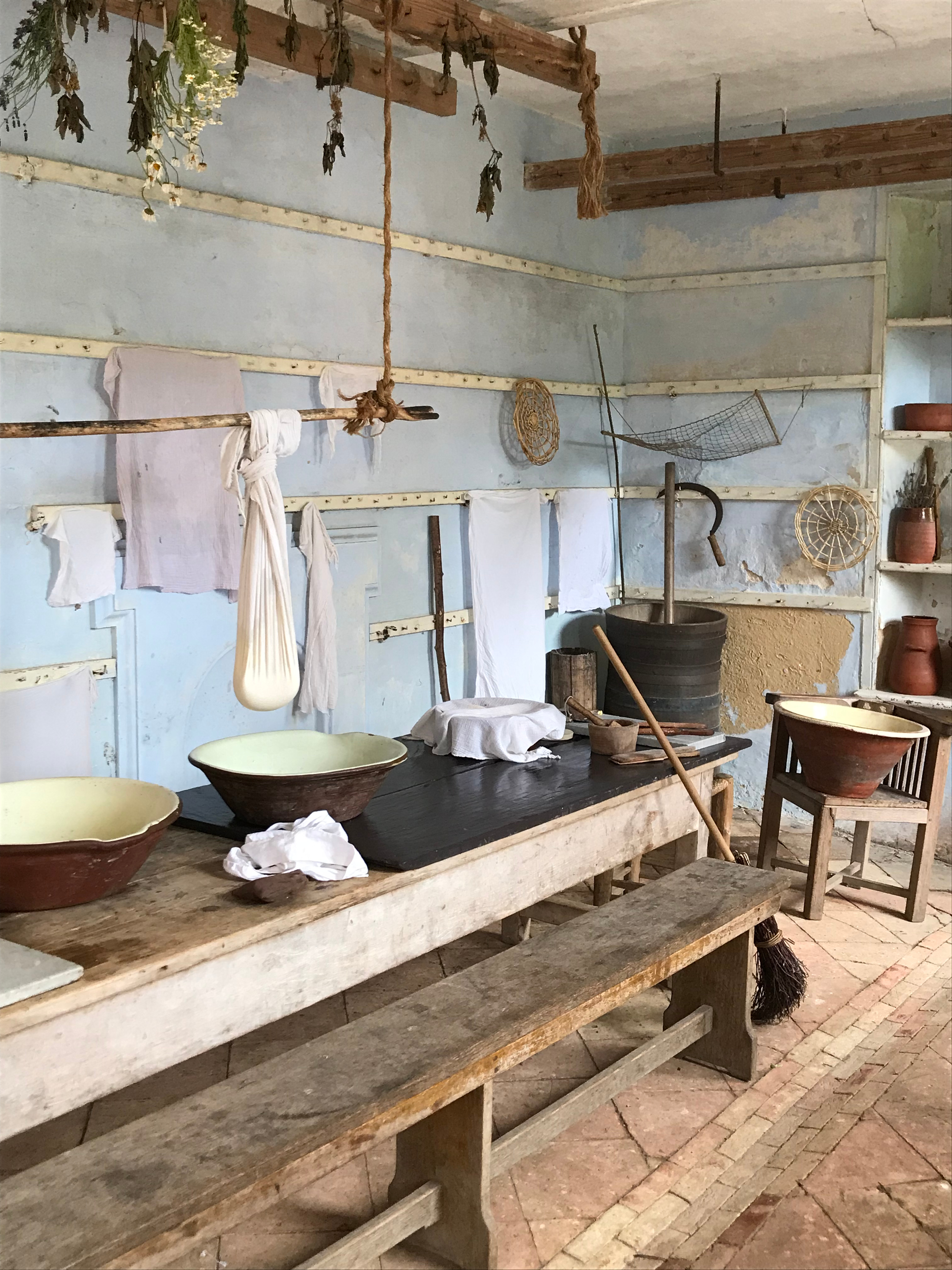
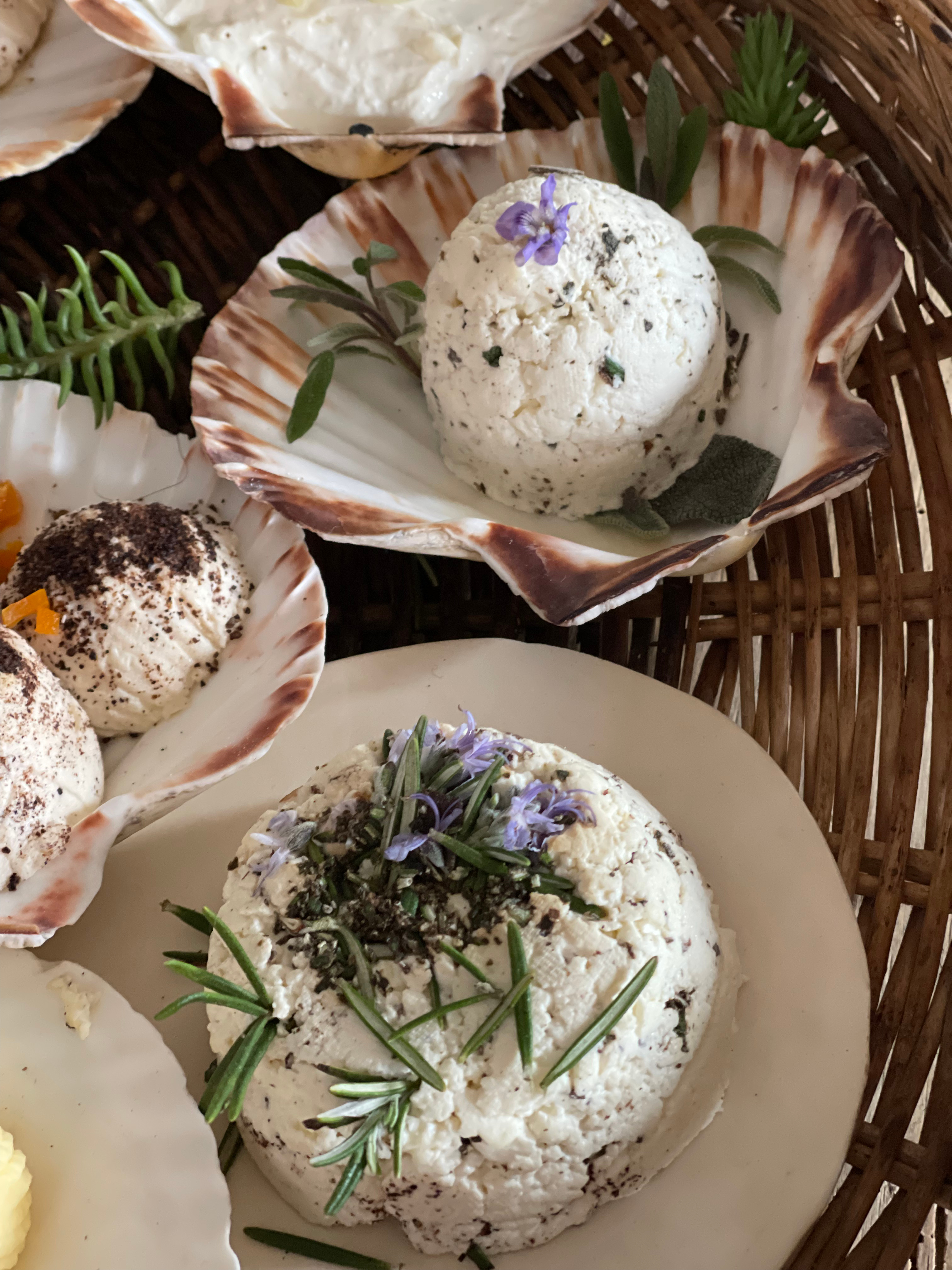
We met up at the Brotherton Library which is home to a fantastic collection of cookery books and manuscripts. We talk about cheese, health and humoral theory; what makes a good cheese; the early modern cheese landscape; cheese as a cure for gout; and cheese haters – plus many other things.

Those listening to the secret podcast: Alex and I talk about why cow’s milk is the best milk, and I wonder whether there any clues as to where their microbes are coming from.

The British Food History Podcast can be heard on your favourite podcast app and on YouTube, or si ply steam via this Spotify embed:

Follow Alex on Twitter, Bluesky and Instagram @alexbamji

Alex’s page on the University of Leeds website

Alex’s LinkedIn page

The digitised manuscript

Ruth Bramley’s transcription

A piece from Leeds University about the ‘pamflyt’ featuring Peter Brears

The Brotherton Library’s cookery collection

Remember: Fruit Pig are sponsoring the 9th season of the podcast and Grant and Matthew are very kindly giving listeners to the podcast a unique special offer 10% off your order until the end of October 2025 – use the offer code Foodhis in the checkout at their online shop, www.fruitpig.co.uk.

The Serve it Forth Food History Festival website is now live and tickets are available on Eventbrite.


If you can, support the podcast and blogs by becoming a £3 monthly subscriber, and unlock lots of premium content, including bonus blog posts and recipes, access to the easter eggs and the secret podcast, or treat me to a one-off virtual pint or coffee: click here.


This episode was mixed and engineered by Thomas Ntinas of the Delicious Legacy podcast.

Things mentioned in today’s episode

Serve it Forth website

Serve it Forth Eventbrite page

Listen to a sample of the Knead to Know audiobook

My recipe for an Early Modern white pudding

Pertinent previous podcast episode

Cheddar & the Cheese Industry with Peter J. Atkins

Tudor Cooking & Cuisine with Brigitte Webster

Neil’s other blog and YouTube channel

The British Food History Channel

‘Neil Cooks Grigson’

Neil’s books:

Before Mrs Beeton: Elizabeth Raffald, England’s Most Influential Housekeeper

A Dark History of Sugar

Knead to Know: a History of Baking

The Philosophy of Puddings

Don’t forget, there will be postbag episodes in the future, so if you have any questions or queries about today’s episode, or indeed any episode, or have a question about the history of British food please email me at neil@britishfoodhistory.com, or on twitter and BlueSky @neilbuttery, or Instagram and Threads dr_neil_buttery. My DMs are open.

You can also join the British Food: a History Facebook discussion page: https://www.facebook.com/groups/britishfoodhistory

Leave a comment

Filed under Britain, Dairy, food, General, history, Preserving, Seventeenth Century, Sixteenth Century, Uncategorized

White Pudding

I recently had a go at making a fresh blood black pudding, taking inspiration from cookery books from the 16th and 17th centuries. The fresh blood was very kindly sent to me by Matthew Cockin and Grant Harper of Fruitpig, Britain’s last craft producer of fresh blood black pudding, who are also sponsoring the ninth season of The British Food History Podcast. Listen to the episode we recorded here:

We also talked about their hog’s pudding – a type of white pudding – and I felt I had to complete the set and make an Early Modern white pudding as well.

We know where we stand with black puddings: we expect them to be made largely of blood, cereal and fat, but what about white puddings? These are more mysterious, I feel. Modern white puddings are made from ground pork, pork fat, breadcrumbs and rusk or oats, plus lashings of white pepper, and are today associated largely with Scotland and Ireland. There used to be a rich diversity of white puddings right across Britain and Ireland, their contents highly variable, the only prerequisite being that the finished product would come out white. In the Early Modern Period, they were lavish ‘puddings of the privileged’[1], and had more in common with French boudin blanc than modern British white puddings. There was plenty of eggs, milk and cream, and the meat used (if any) was suitably pale in colour: Kenelm Digby’s recipe contained the meat of ‘a good fleshly Capon’ as well as streaky bacon,[2] Thomas Dawson’s was made with a calf’s chauldron, i.e. intestines.[3] Some recipes contain no meat at all: rice pudding could be counted as a form of white pudding in this context. Things do begin to get confusing, however, because some white puddings made with pork are called hog’s puddings, but only some. As Peter Brears wrote in an article on white and hog’s puddings:

Read about the history of puddings in my book The Philosophy of Puddings, from British Library Publishing

On studying these recipes, one rather surprising fact becomes particularly obvious; there is no material significance in the various names given to such puddings. Whether called hog’s or white puddings, their ingredients might be identical, or quite disparate, while many contain absolutely no pork whatsoever.[4]

Today, hog’s puddings are associated with Devon and Cornwall. Fruitpig’s hog’s pudding uses a base of bacon and oats. We can muddy the water even further because a hog’s/white pudding if made with pig’s liver could also go by the name of leverage pudding.

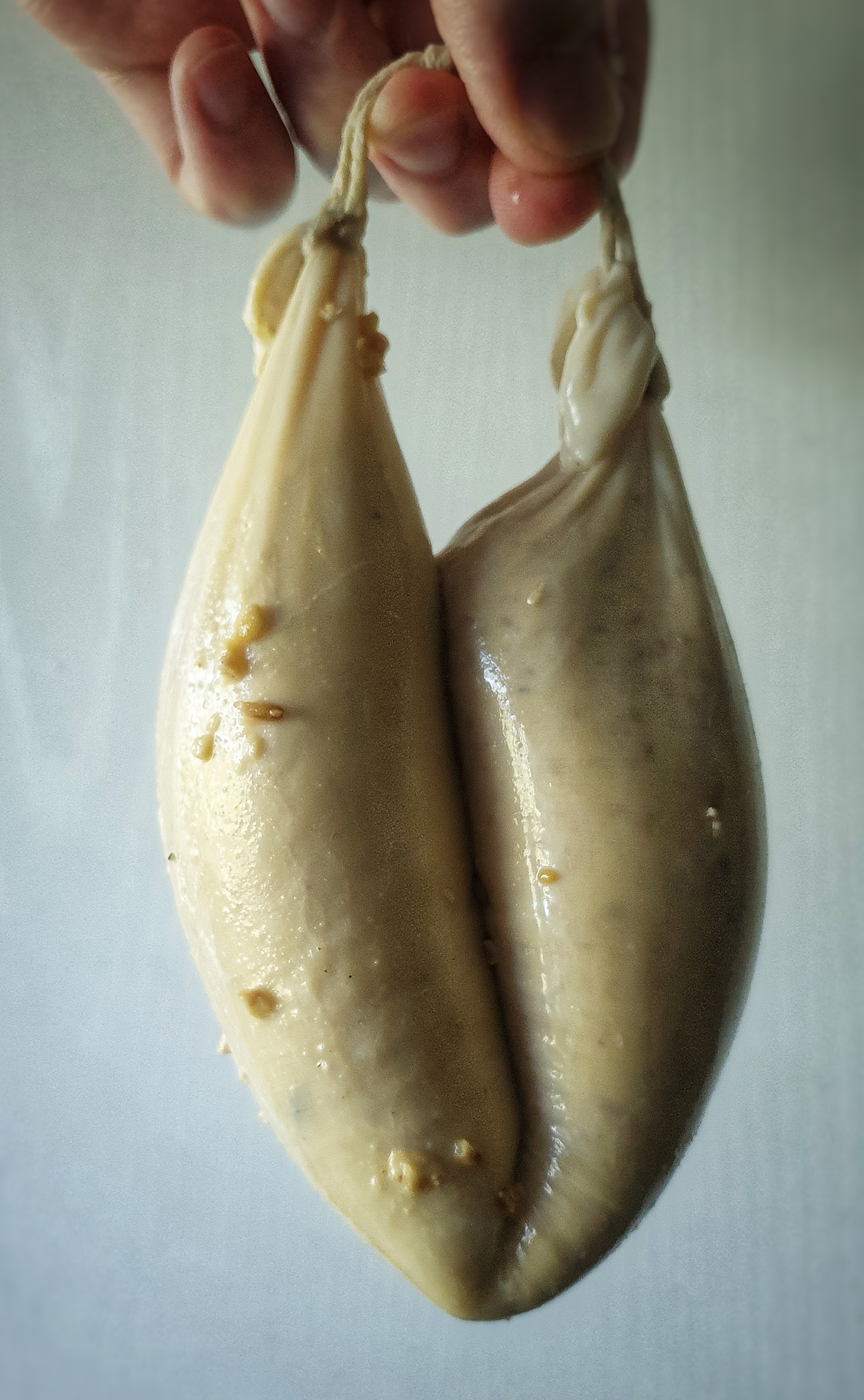
Looking pretty smug with my 17th-century puds!

After a great deal of flicking through cookery books, I decided to make Gervase Markham’s white pudding from his classic The English Housewife (first published 1615), mainly because I had most of the ingredients in the house.

As you can see, Markham’s recipe contains no meat (aside from the beef suet and the pudding casings themselves).[5]

I have to say, they were a triumph! They freeze well and are easy to reheat. When it comes to serving them, let them cool for 5 minutes before cutting into them. The best way I have discovered to eat them (so far) is with crispy smoked bacon and golden syrup. Breakfast of champions.


If you like the blogs and podcast I produce, please consider treating me to a virtual coffee or pint, or even a £3 monthly subscription: follow this link for more information.


Recipe

Makes 6 x 375 g (approx.) puddings:

500 g cracked oat groats or pinhead oatmeal (steel-cut oats)

500 ml whole milk, plus 2 tbs for the saffron (and possibly extra, see recipe)

Around 2.5 metres of beef casings

600 ml whipping or double cream

150 g suet

130 g caster sugar

2 whole eggs plus 4 egg yolks

60 g sliced dates

60 g currants

¼ tsp ground black pepper

1/8 tsp ground cloves

¼ tsp ground mace

2 tsp salt

A 2-finger pinch of saffron

The day before you want to make your puddings, place the oats in a bowl or jar and pour over the milk. Cover and refrigerate. Soak your beef casings in fresh water, cover and refrigerate too.

Next day make the pudding mixture: in a large mixing bowl add the milk-soaked oats, cream, suet, sugar, eggs, dates, currants, ground spices and salt. Stir well. Warm up the 2 tbs of milk, add the saffron strands and allow them to infuse and cool, then stir into the mixture.

Now let everything meld together for a couple of hours so that the whole mixture is the consistency of spoonable porridge. If your oats were particularly absorbent, you may need to loosen the mixture with a few tablespoons of extra milk.

Cut the soaked beef casings into 35 cm lengths and tie the ends securely with string. Now it’s time to attach a funnel to the other end of your first length of gut. I used a jam funnel and secured it with more string.

Hold the funnel in one hand and add small ladlefuls of mixture into the gut. It should slip down relatively easily. Keep the funnel raised and try to massage out any large air bubbles. When the gut is around two-thirds to one-quarter full, remove the end tied to the funnel, press out any air and tie with more string. The casings are slippery and so you must make sure that the knots are made at least 2.5 cm/1 inch from the ends. I found 350 g mixture to be a good amount. Now tie the ends together with more string to make that classic pudding shape.

Keep them covered as you get a large pot of water simmering.

Cook the puddings in batches: drop three into the water and let them gently poach for 35 minutes – there should just be the odd bubble and gurgle coming from the cooking water. You must pop any bubbles immediately with a pin, otherwise the puddings will burst open. Turn the puddings over every 7 or 8 minutes to make sure both sides are cooked evenly.

When cooked, fish the puddings out and hang them up to dry for a few hours, then refrigerate.

To cook the puddings, poach them in more water for around 15 minutes, turning occasionally.


[1] Davison, J. (2015). English Sausages. Prospect Books.

[2] Digby, K. (1669). The Closet of Sir Kenelm Digby Opened (1997 reprint) (J. Stevenson & P. Davidson, Eds.). Prospect Books.

[3] Dawson, T. (1596). The Good Housewife’s Jewel (1996 Editi). Southover Press.

[4] Brears, P. (2016). Hog’s Puddings and White Puddings. Petits Propos Culinaires, 106, 69–81.

[5] This recipe is from the 1633 edition: Markham, G. (1633). Country Contentments, or The English Huswife. J. Harison.

6 Comments

Filed under Britain, cooking, food, General, history, Puddings, Recipes, Seventeenth Century, Uncategorized

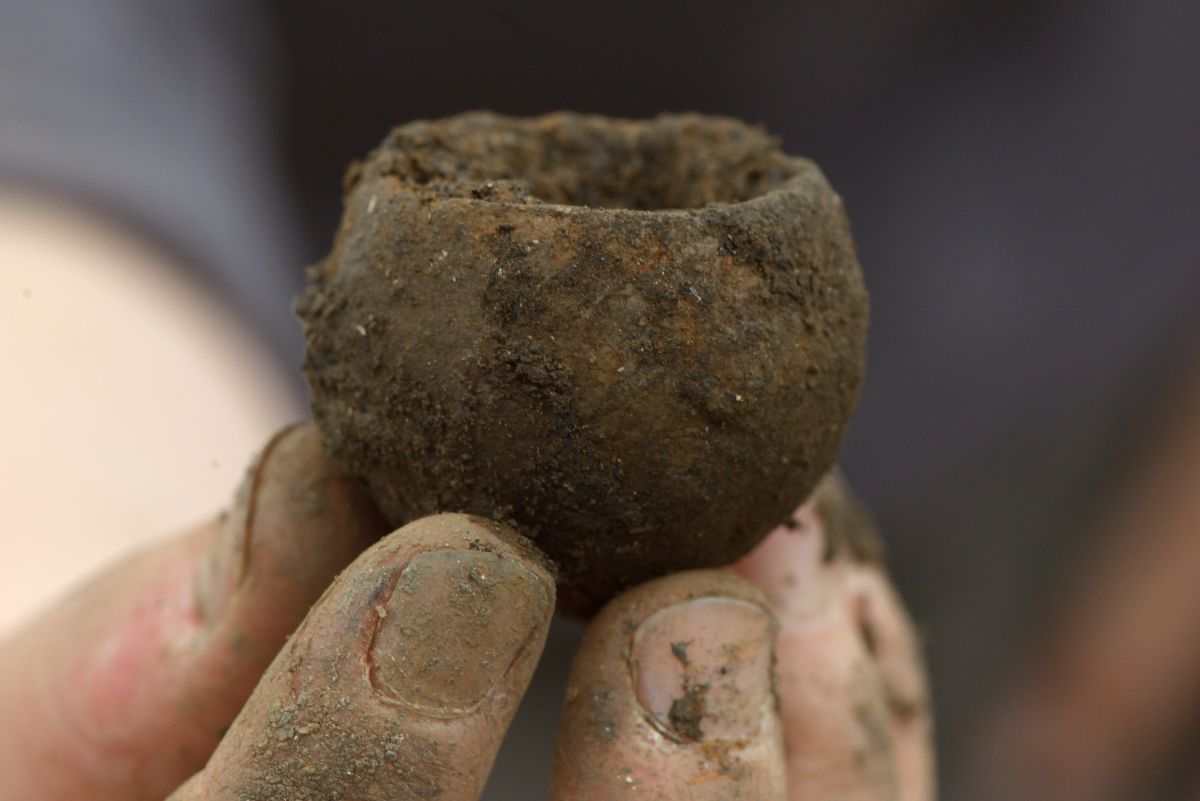
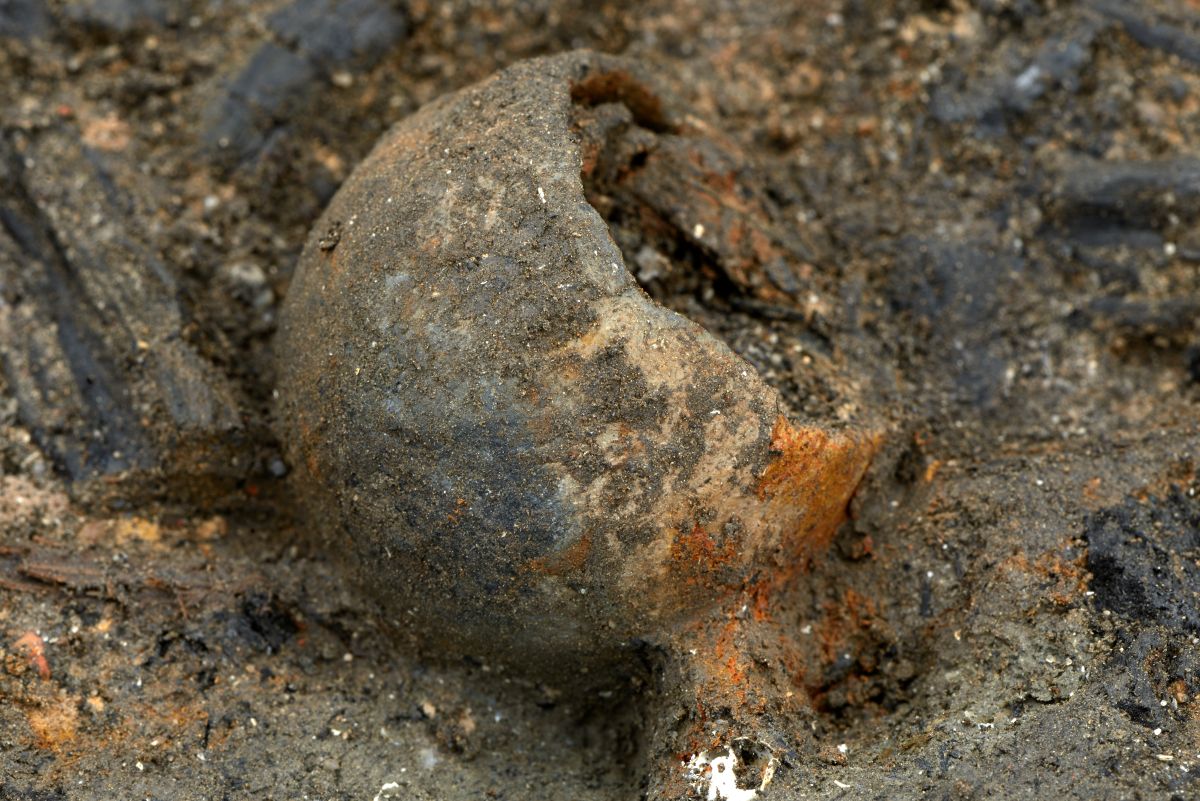
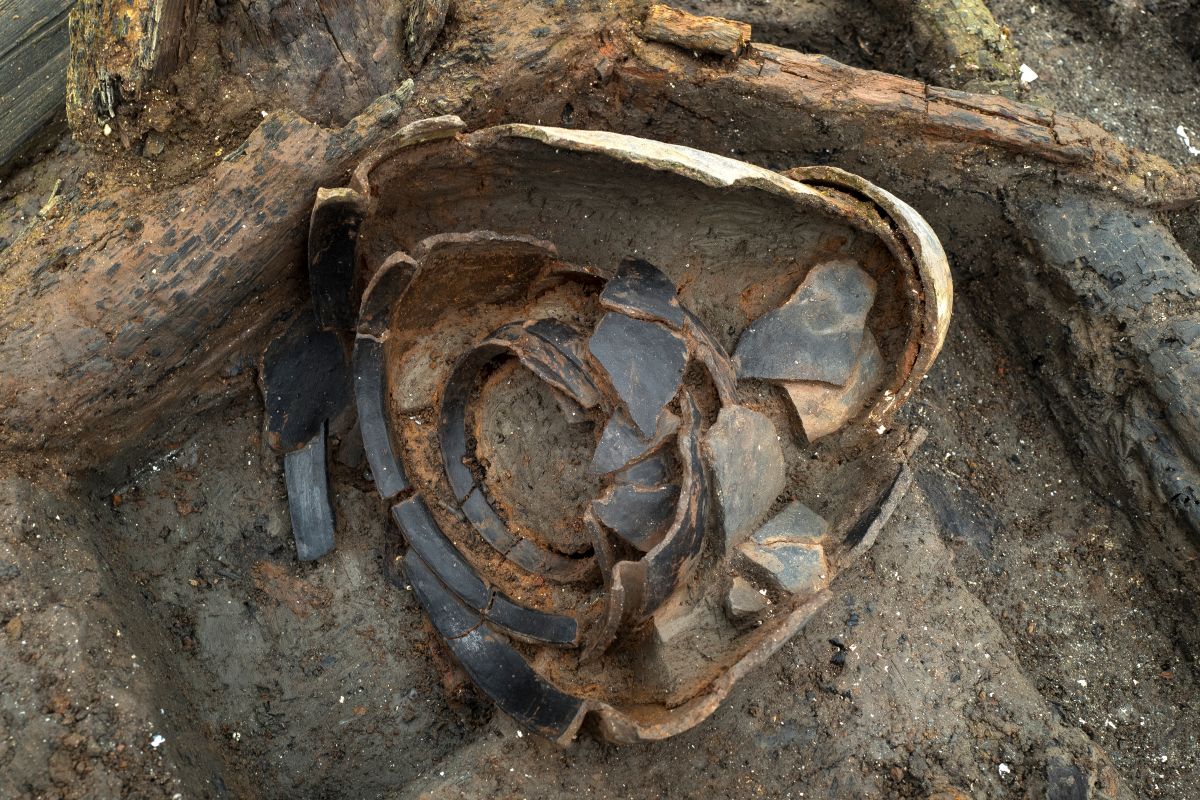
Bronze Age Food & Foodways with Chris Wakefield & Rachel Ballantyne

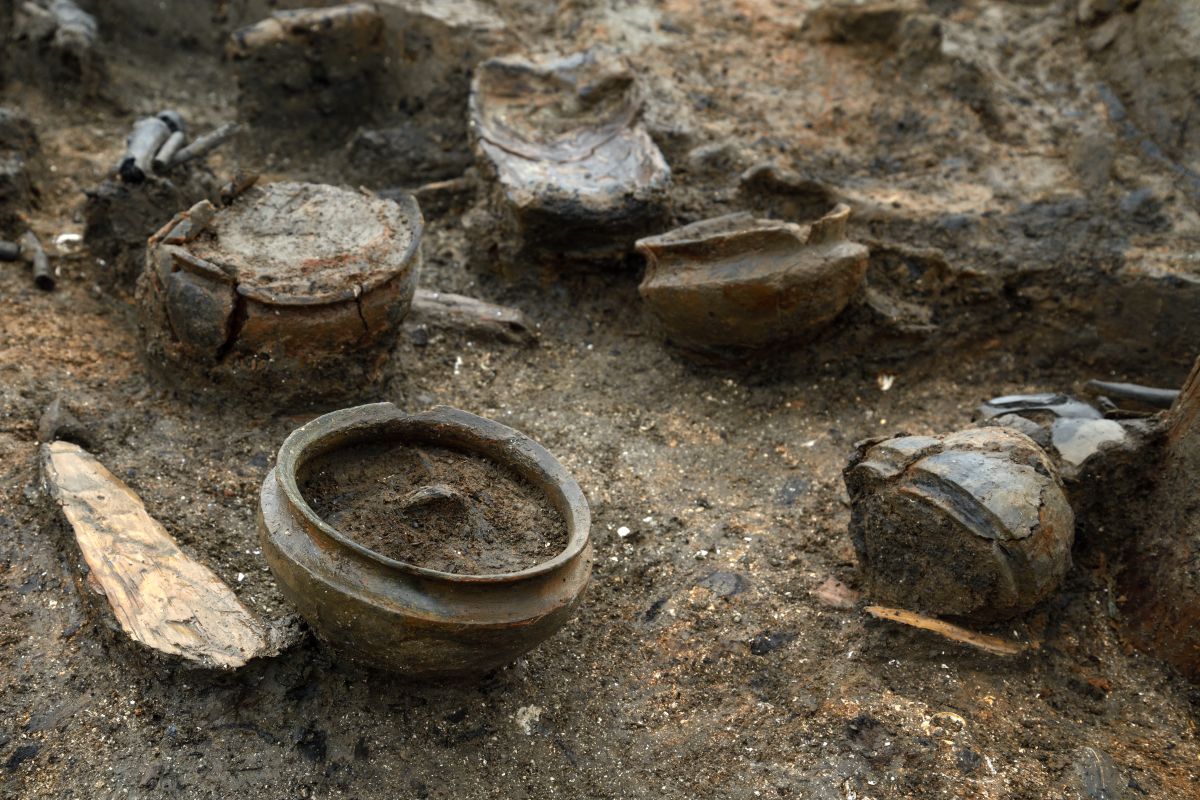
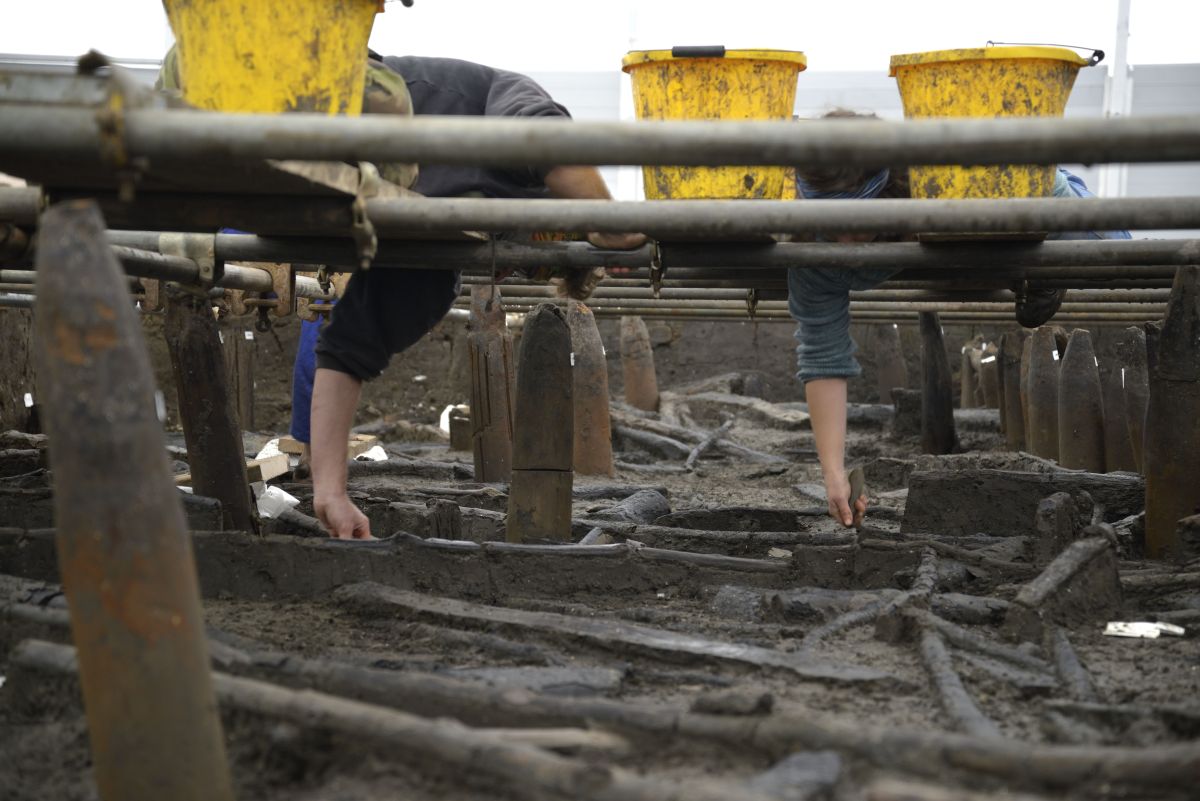
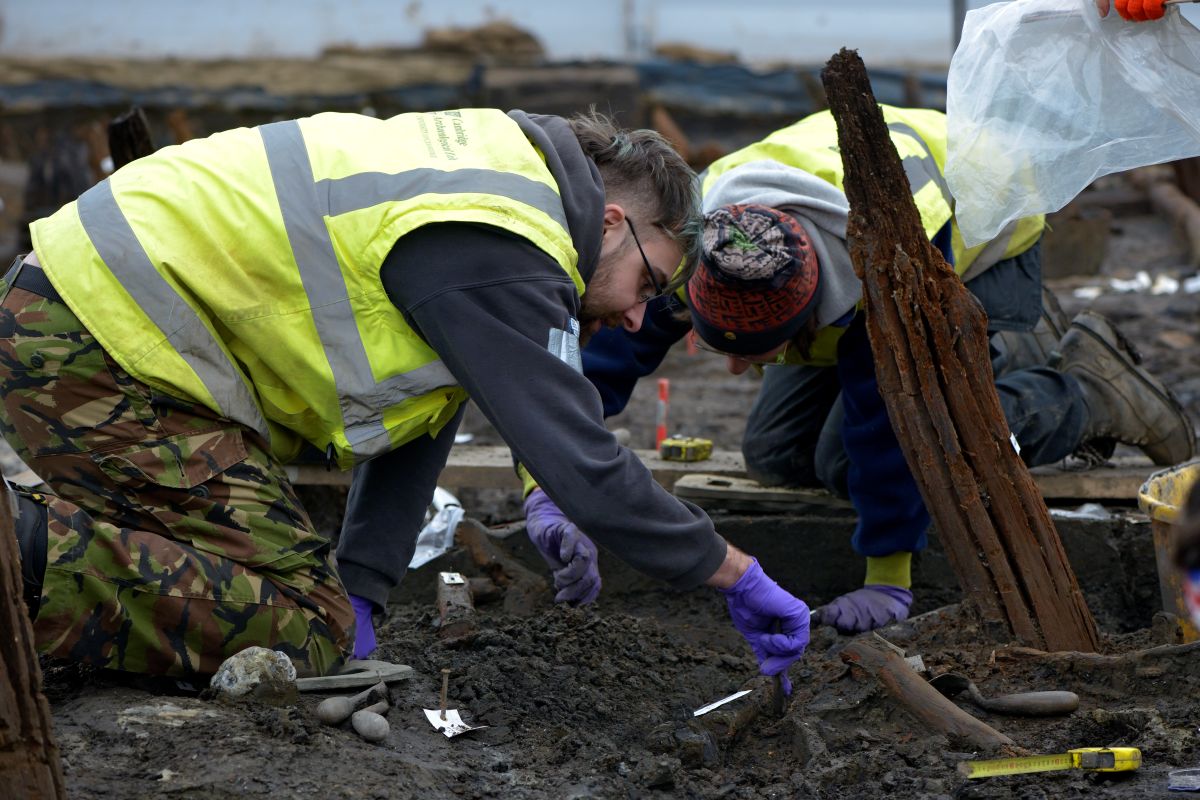
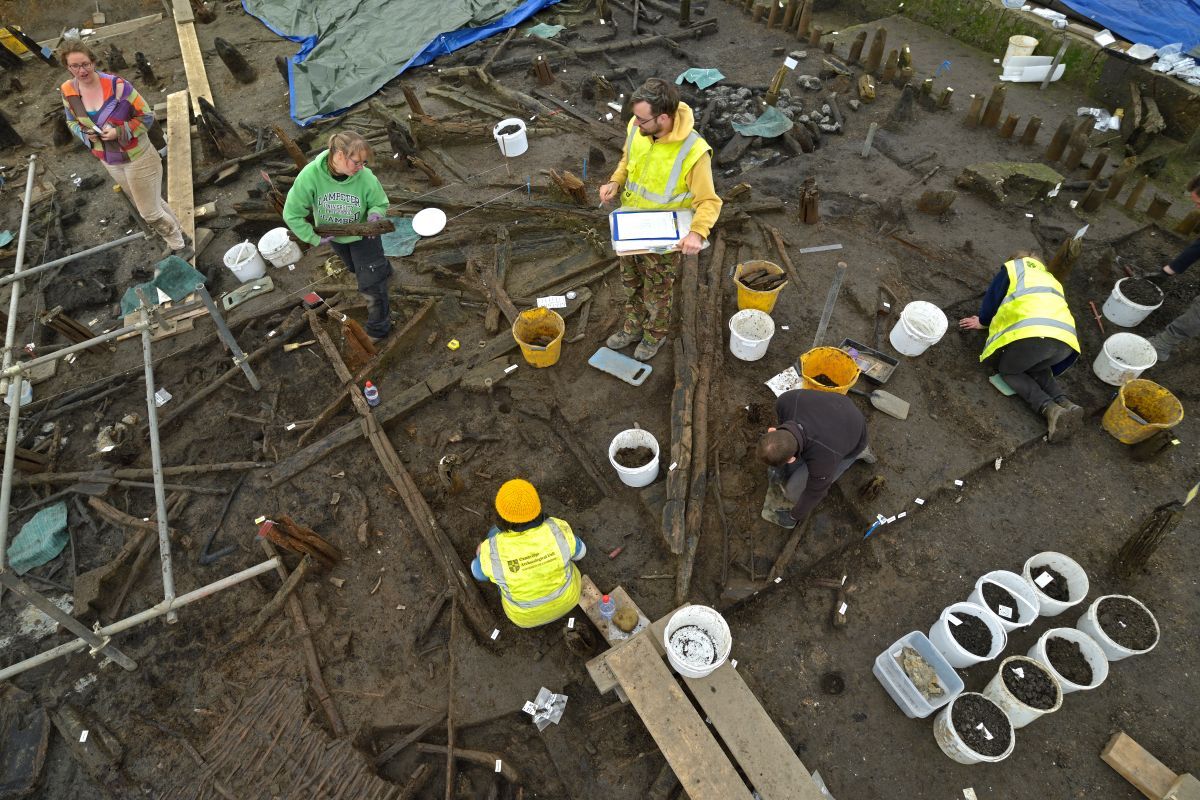
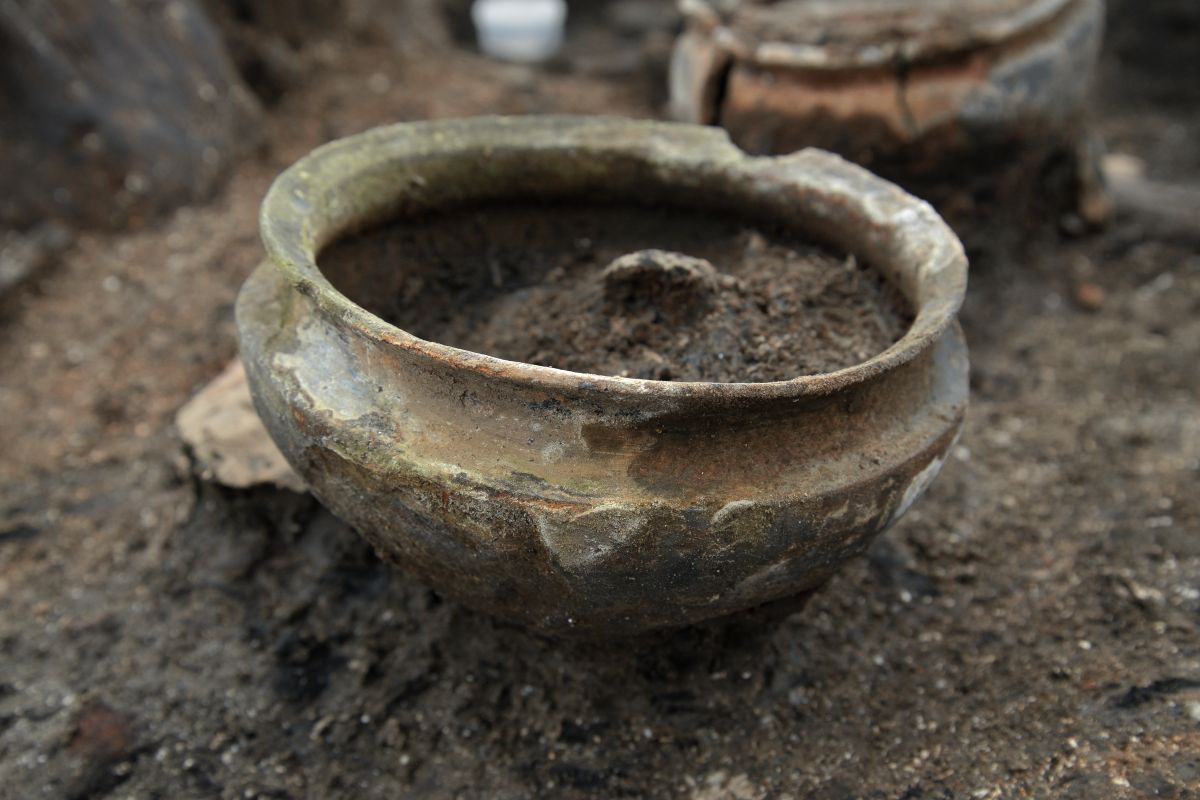
Photo credits: top left: Cambridge Archaeological Unit; bottom right: Cambridge Archaeological Unit using a foreground photographic image supplied by S. Craythorne/Lincolnshire Wildlife Trust

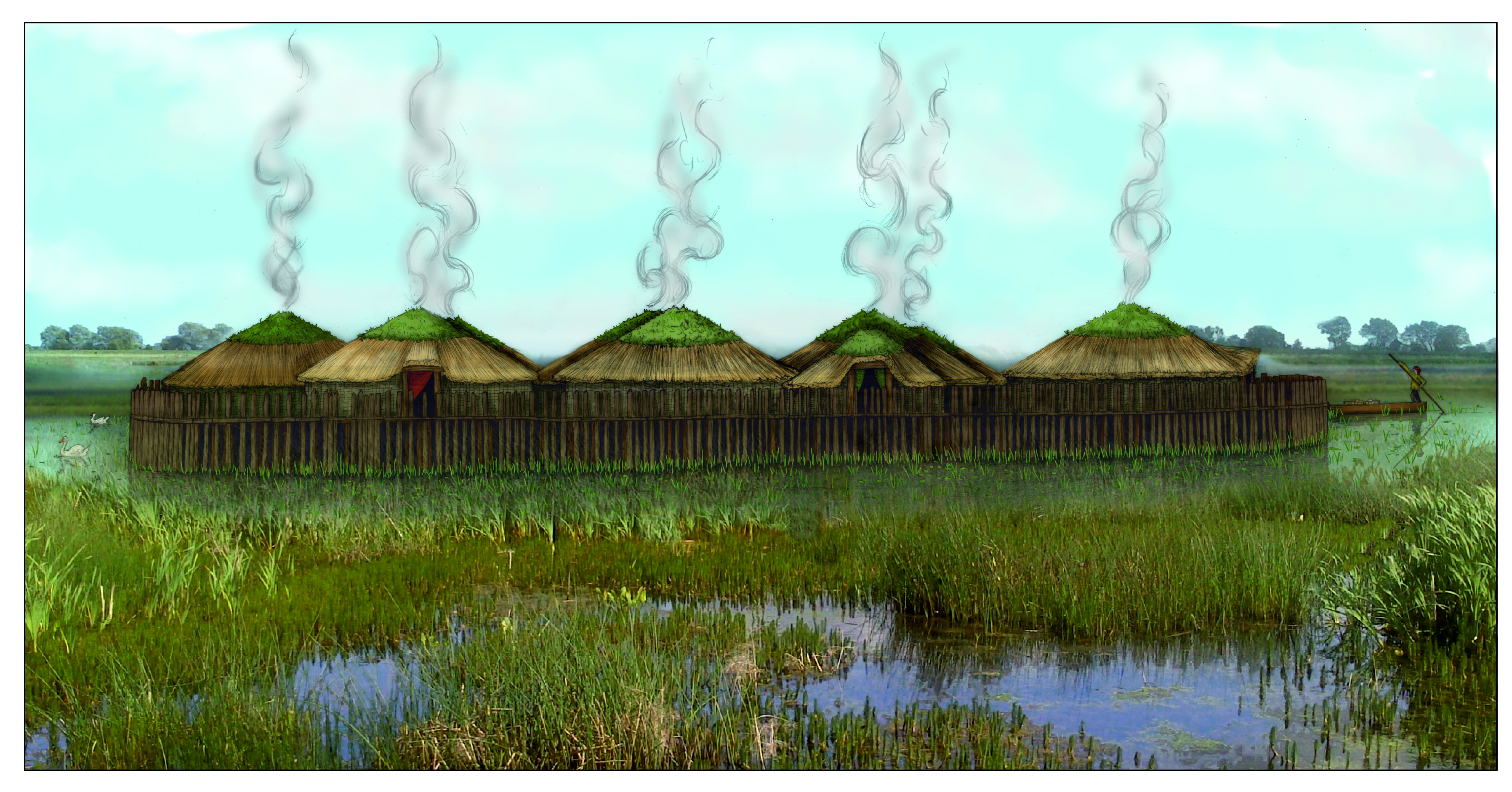
My guests today are archaeologists Chris Wakefield from the Cambridge Archaeological Unit of Cambridge University Rachel Ballantyne from McDonald Institute for Archaeological Research, and they are here to tell me about an absolutely amazing site close to Peterborough that tell us a huge amount about daily life in a late Bronze Age settlement. Prepare to have your minds blown!

We talk about the unique circumstances of how and why the site is so well preserved, kitchen clutter, animal husbandry, querns, frumenty, pike sushi, and whether the English’s love of mustard goes back 3 millennia – among many other things

Those listening to the secret podcast: you get 20 minutes of bonus material that includes the importance of foraging, the evidence for fermentation, Bronze Age recipes, the uses of the whole cereal plant and more!

Available on all podcast apps, just search for ‘The British Food History Podcast’ and hit follow. Or stream via this Spottily embed:

A Must Farm side-view reconstruction (pic: Cambridge Archaeological Unit using a foreground photographic image supplied by S. Craythorne/Lincolnshire Wildlife Trust)

Follow Cambridge Archaeological Unit on Social Media

Facebook: @cambridgearchaeologicalunit

BlueSky: @cambridgearch.bsky.social

Instagram: @cambridgearchaeologicalunit

Follow Cambridge University Department of Archaeology on Social Media

Facebook: @archaeologycambridge

BlueSky: @cam-archaeology.bsky.social

Instagram: @ cambridge_archaeology

Remember: Fruit Pig are sponsoring the 9th season of the podcast and Grant and Matthew are very kindly giving listeners to the podcast a unique special offer 10% off your order until the end of October 2025 – use the offer code Foodhis in the checkout at their online shop, www.fruitpig.co.uk.


If you can, support the podcast and blogs by becoming a £3 monthly subscriber, and unlock lots of premium content, including bonus blog posts and recipes, access to the easter eggs and the secret podcast, or treat me to a one-off virtual pint or coffee: click here.


This episode was mixed and engineered by Thomas Ntinas of the Delicious Legacy podcast.

Things mentioned in today’s episode

The Must Farm website

The Peterborough Archaeology page about the Must Farm site

Neil’s medieval frumenty recipe

Neil’s blogs and YouTube channel

‘British Food: a History’

The British Food History Channel

‘Neil Cooks Grigson’

Neil’s books

Before Mrs Beeton: Elizabeth Raffald, England’s Most Influential Housekeeper

A Dark History of Sugar

Knead to Know: a History of Baking

The Philosophy of Puddings

Don’t forget, there will be postbag episodes in the future, so if you have any questions or queries about today’s episode, or indeed any episode, or have a question about the history of British food please email me at neil@britishfoodhistory.com, or on twitter and BlueSky @neilbuttery, or Instagram and Threads dr_neil_buttery. My DMs are open.

You can also join the British Food: a History Facebook discussion page: https://www.facebook.com/groups/britishfoodhistory

3 Comments

Filed under Britain, food, General, history, Uncategorized

A Regional Food Tour with Jenny Linford

A new episode of the podcast is published! My guest today is food writer, podcaster and cheese enthusiast Jenny Linford and we are going on a bit of a regional food tour across the UK.

We talk about her new book The Great British Food Tour published by the National Trust. It’s beautifully illustrated and contains recipes too. Also discussed: our mutual appreciation of Jane Grigson, Welsh cakes, English fish dishes, marmalade, champ and Tunnock’s teacakes at the Glasgow Commonwealth Games – amongst many other things.

It’s available on all podcast apps and YouTube. You can stream it now via this Spotify imbed:

The Great British Food Tour by Jenny Linford

Here’s what food writer and journalist Xanthe Clay wrote of Jenny’s book:

Jenny Linford’s delightful prose explores the history of the foods that make Britain.  From Bedfordshire Clangers to Black Buns, Jenny Linford charmingly tells the story of the familiar and forgotten British foods.  Keep a copy on the bedside table and another the glove compartment: this is packed with delicious reasons to tour the whole of the United Kingdom.  Jenny’s book is proof that the British have a noble and delicious food tradition. 

Jenny’s website (include information about all three of her recent books)

Follow Jenny on Social Media: X and BlueSky @jennylinford; Insta/Threads @jlinford

Jenny’s podcast, A Slice of Cheese

The National Trust website

Remember: Fruit Pig are sponsoring the 9th season of the podcast and Grant and Matthew are very kindly giving listeners to the podcast a unique special offer 10% off your order until the end of October 2025 – use the offer code Foodhis in the checkout at their online shop, www.fruitpig.co.uk.


If you can, support the podcast and blogs by becoming a £3 monthly subscriber, and unlock lots of premium content, including bonus blog posts and recipes, access to the easter eggs and the secret podcast, or treat me to a one-off virtual pint or coffee: click here.


This episode was mixed and engineered by Thomas Ntinas of the Delicious Legacy podcast.

Things mentioned in today’s episode

Bradford Little Foodies Walking Tour on Sat 26 July 2025

Dock Pudding

Singin’ Hinnies

Henry’s Mayhew’s London Labour and the London Poor (1851)

Glamorgan Sausages

Chorlton Cheesemongers

London’s Eel, Pies & Mash Shops

Tunnock’s Teacakes at the Glasgow Commonwealth Games

Podcast episodes pertinent to today’s episode

Silver Eels with John Wyatt Greenlee

Neil’s blogs and YouTube channel:

‘British Food: a History’

The British Food History Channel

‘Neil Cooks Grigson’

Neil’s books:

Before Mrs Beeton: Elizabeth Raffald, England’s Most Influential Housekeeper

A Dark History of Sugar

Knead to Know: a History of Baking

The Philosophy of Puddings

Don’t forget, there will be postbag episodes in the future, so if you have any questions or queries about today’s episode, or indeed any episode, or have a question about the history of British food please email me at neil@britishfoodhistory.com, or on twitter and BlueSky @neilbuttery, or Instagram and Threads dr_neil_buttery. My DMs are open.

You can also join the British Food: a History Facebook discussion page: https://www.facebook.com/groups/britishfoodhistory

Leave a comment

Filed under Uncategorized

Cumbrian Tatie Pot (aka Cumberland or Westmorland Hotpot)

In my last post I launched the ninth season of The British Food History Podcast with an episode about Black and White Pudding with Matthew Cockin and Grant Harper (aka Fruit Pig). Not only are they the only remaining craft producer of fresh blood black puddings in Britain, but they are very kindly sponsoring this season of the podcast. Their puddings are exceptional, and Matthew and Grant are very kindly giving readers of the blog and listeners of the podcast 10% off at their online shop (www.fruitpig.co.uk) with the offer code Foodhis, so if you can please support them – if we don’t use producers like Fruit Pig, we will lose them, and that would be a terrible shame. It’s also worth checking with your local butcher – my nearest traditional butcher, Littlewood’s in Heaton Moor, Stockport, the very place where I bought the meat for today’s recipe, stock them – so perhaps yours does too (or you could suggest they do if they don’t!). Have a listen to the episode, if you haven’t already:

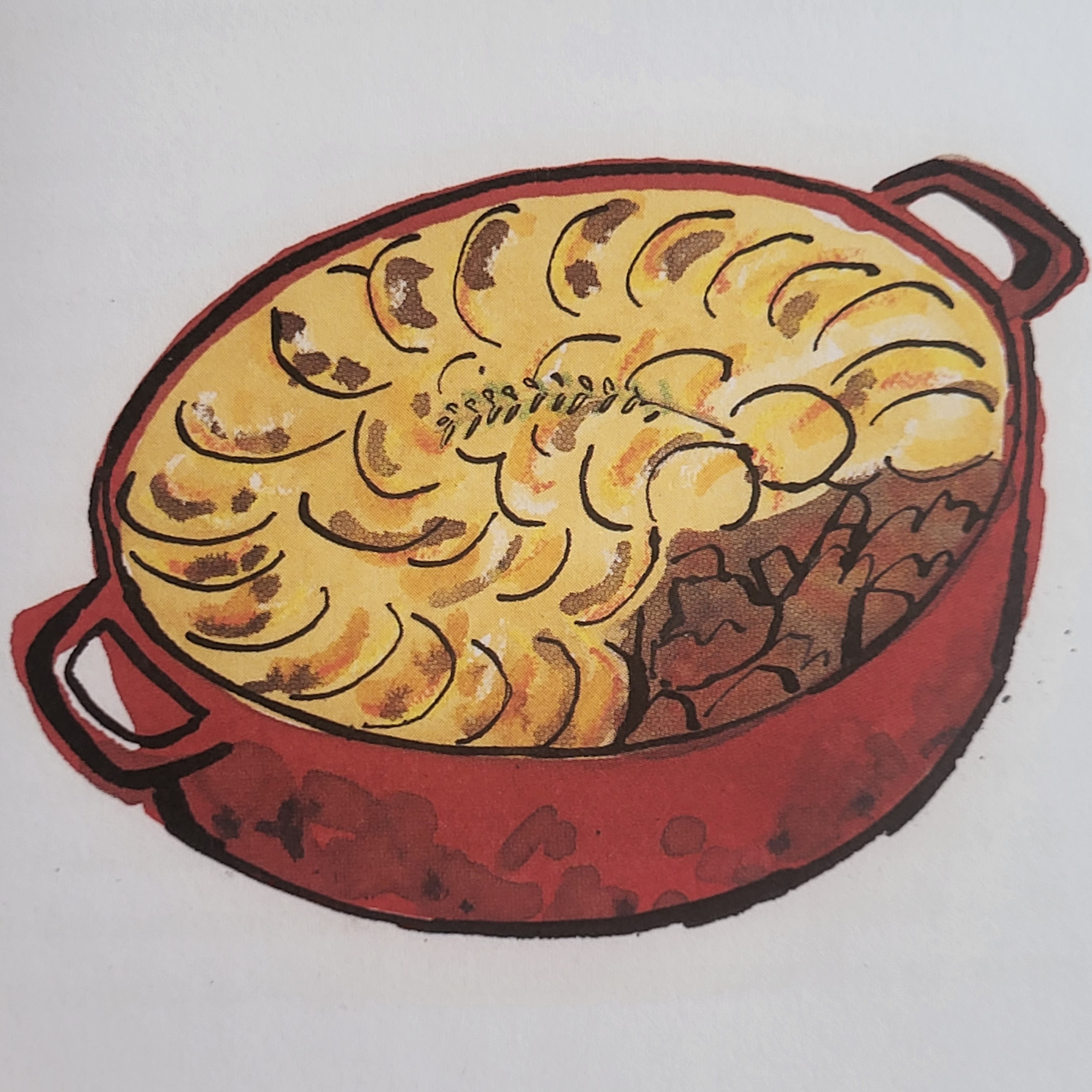
Now, I reckon the vast majority of black pudding eaters enjoy theirs as part of a fried breakfast, but I think we need to remember that black puddings can be eaten for any meal, and in the last post I detailed the old traditional way of eating them with mashed potato and apple sauce. Today I am going one better with this delicious and warming Cumbrian Tatie Pot, a hotpot made of lamb, beef and black pudding, pulses and onions, topped not with nice, neat round slices of potato like a Lancashire hotpot, but quartered floury potatoes.[1] It is important that the cheaper, tougher cuts of beef shin and lamb neck are used, and that the hotpot should be cooked long and slow.

The result is a rich and unctuous hotpot that sticks to your ribs and serves plenty of people; it was on the menu at The Buttery in the first year it was open, and it was very popular.[2] Well-flavoured meat cuts like shin and neck require a similarly good-flavoured black pudding like those made by Fruit Pig.

I first heard about this rather decadent one-pot dish from Jane Grigson in her book English Food.[3] I can find only a few other references to it – a regional dish that seems to be rarely cooked today, yet should, in my opinion, be much more popular than it is.

Jane was given the recipe from a Mrs Burrows, and in English Food, she tells us that ‘Mrs Burrows said that what interested her was that the tatie pot is one of our few dishes in which different meats are combined, something which is common in mainland Europe.’ Indeed, and assuming your black pudding contains pigs’ blood, then we have three species of mammal altogether; very rare indeed!

Jane Grigson points out that some recipes say that the beef is optional, ‘which it most definitely is not’, she writes, ‘[i]t makes the character of the dish.’ Looking at similar Lakeland recipes available on the Foods of England Project website, there are recipes that contain beef but not lamb (Westmorland tatie pot), and lamb but not beef (Cumberland hotpot). Neither contain pulses, and both have sliced potatoes nicely arranged on top like a Lancashire hotpot.[4] I’m not saying that Jane’s is right and others wrong; it is just interesting to me that everyone has their own correct version of a dish, possibly with slight geographical differences, and usually it’s the one you grew up with, the one that is most familiar to you, that is the ‘right’ one.


If you can, support the podcast and blogs by becoming a £3 monthly subscriber, and unlock lots of premium content, including bonus blog posts and recipes, access to the easter eggs and the secret podcast, or treat me to a one-off virtual pint or coffee: click here.


Recipe

The long cook time on this hotpot means that you need to keep the liquid levels topped up. You can use stock or water for this – there is nothing wrong with the latter when cooking with these robust cuts of meat.

Serves 8

4 tbs dried split peas or mixed pulses

750 g shin of beef

750 g lamb neck (‘scrag end’ of neck)

1 level tablespoon of cornflour

Salt and pepper

One 350 g Fruit Pig black pudding

2 onions, peeled and sliced, or 2 leeks, trimmed, rinsed and thinly sliced

Around 1.2 kg floury potatoes

Around 800 ml hot light beef, lamb, or chicken stock, or water

Soak the pulses in water overnight (or, if you are badly organised, soak in warm water for 4 or 5 hours).

Preheat your oven to 160°C. Shake the meat, cut into neat chunks, with the cornflour, and scatter the pieces over the base of a large casserole, season with salt and pepper, then tuck in slices of the black pudding. Sprinkle with the onions or leeks and the drained pulses. Peel the potatoes and slice them into quarters lengthways. Arrange the quarters on top; I find it is impossible to do this neatly. Pour over enough stock to go halfway up the potatoes and season them with more salt and pepper.

Bake for 4 hours, topping up with more stock or water every hour or so.

Serve with steamed green vegetables or braised red cabbage.


Notes:

[1] Grigson, J. (1992). English Food (Third Edit). Penguin.

[2] The Buttery was my bricks-and-mortar restaurant in Levenshulme, Manchester, open between 2016 and 2017, though it did exist as a pop up restaurant and artisan market stall before that.

[3] For those not in the know, I got into this traditional cookery and food history malarky because I cooked every recipe (well, almost every recipe) in Jane’s wonderful book. This was my first blog Neil Cooks Grigson. Hear about it in this podcast episode from season 8:

[4] Hughes, G. Tatie Pot. The Foods of England Project; https://foodsofengland.info/tatiepotorcumberlandhotpot.html.

1 Comment

Filed under Britain, cooking, food, General, Meat, Recipes, Uncategorized