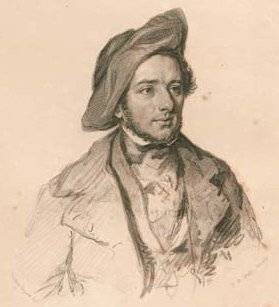

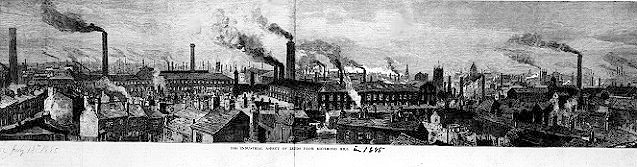
God, I love Yorkshire parkin. If you are not familiar with it, it’s a strongly-spiced sticky gingerbread-cum-cake flavoured with treacle and dark brown sugar that is traditionally eaten on Guy Fawkes Night (the fifth of November, aka Bonfire Night) and for me, it is what makes that day complete. It seems like it should be a recipe that has always been, but the earliest mention of it I can find from a primary source in my research is from 1842; a certain Richard Oastler wrote a letter to Sir Thomas Thornhill (who would later become the High Sherrif of Suffolk and a Tory MP) telling him that he’d recieved one on the 1st day of March from Mrs John Leach of Huddersfield. The recipe does go back a little further than that though; most likely created some time during the Industrial Revolution by working-class folk as oats and treacle were important elements of the diet in those times. The word parkin was a popular surname in Yorkshire and means Peter. There are other parkins – such as Lancashire parkin – but it doesn’t contain oats and is not, in my very biased opinion, as good because of it.
Making this cake, really brought memories of Bonfire Night as a child growing up in Yorkshire and I must admit, I did have a massive pang of homesickness. Fireworks and bonfires are all well and good, but for me it is always about the food.
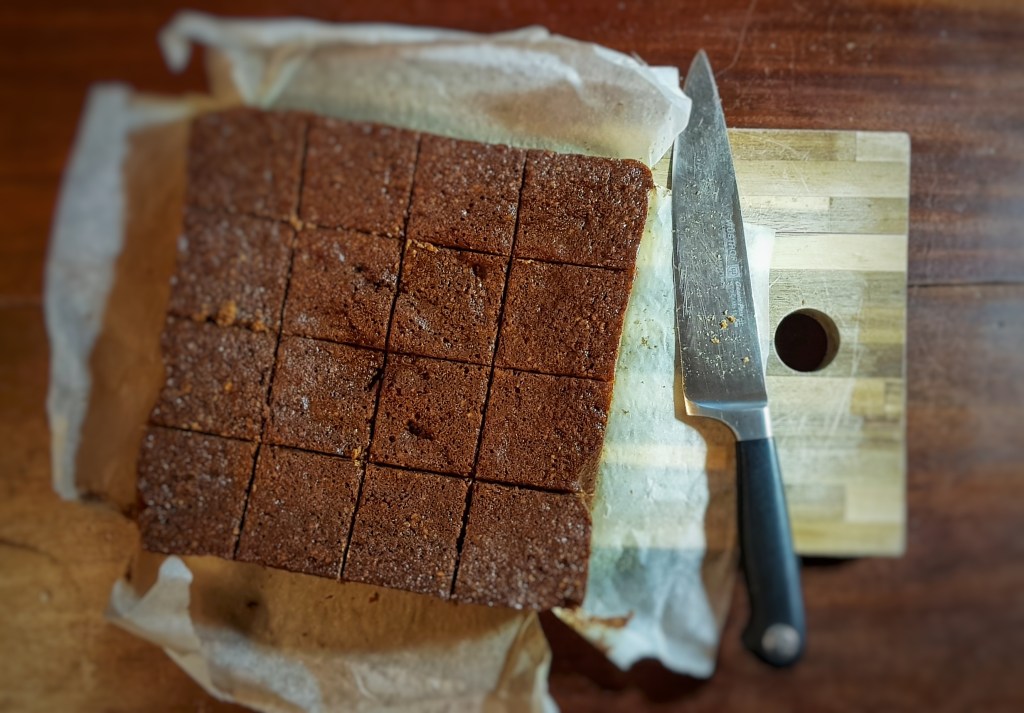
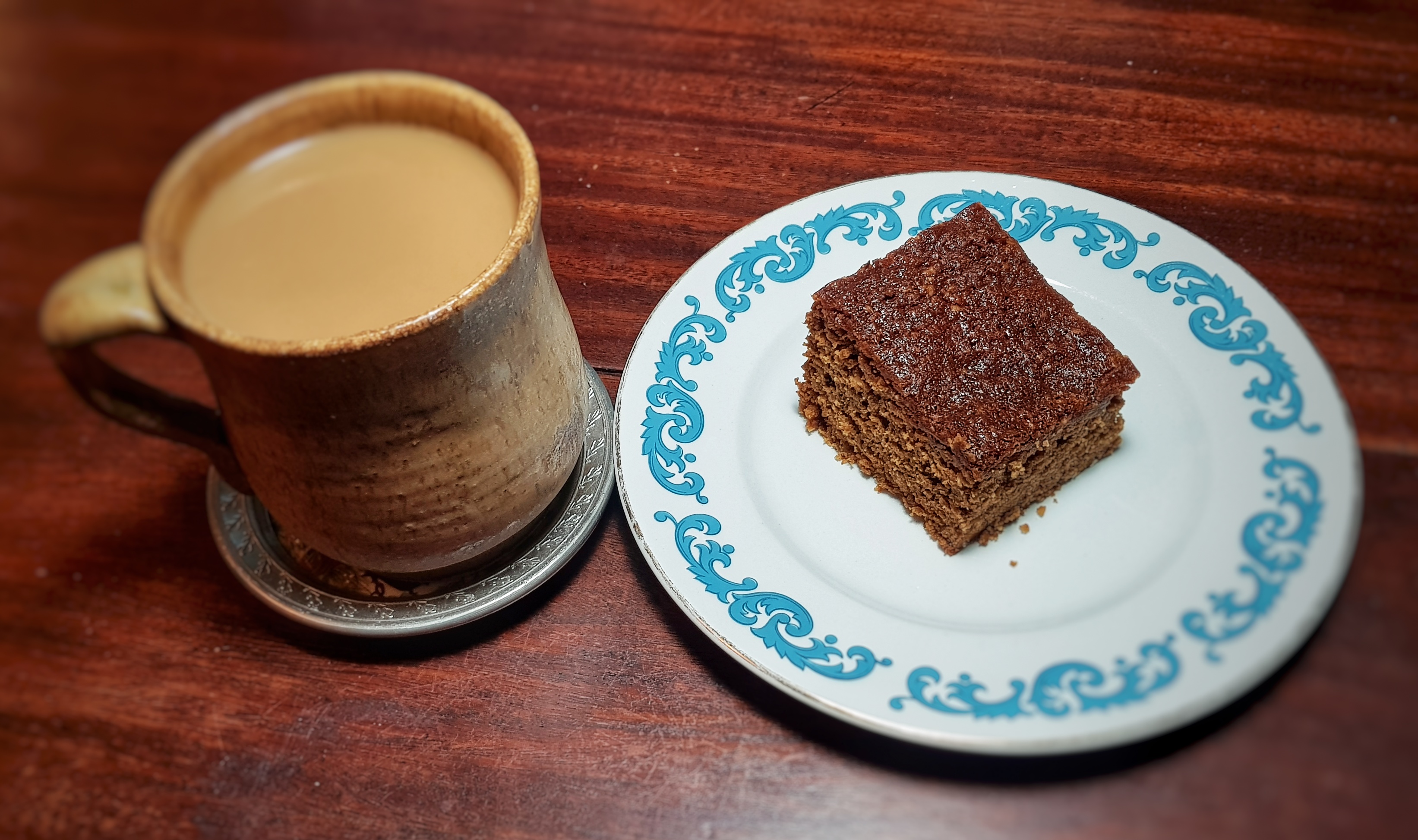
This cake has to be eaten to be believed; it will instantly make you feel a million times better if you are feeling down, now that the clocks have gone back. It has to be eaten with a piping hot cup of tea in one hand, preferable in front of a roaring bonfire. Failing that, a roaring fire inside with the dog.
The ingredients are very important here – any non-Brits may not be aware of two of the key ingedients: black treacle and golden syrup. Black treacle is essentially molasses so you can easily substitute there. However, many recipes that ask for golden syrup suggest using corn syrup as an alternative. Please, please, please do not do that. They are incomparable, find a shop with a British ‘aisle’ and get the real thing. Accept no substitute. The history of Lyle’s Golden Syrup is an interesting one and I shall tackle that in another post soon, along with some more golden syrup-based recipes. The recipe calls for weights of treacle and syrup – the best way to do this without creating a nighmarish sticky mess of a kitchen, is to place your saucepan onto the weighing scales, tare them, and then add the syrup and treacle directly.
One last thing… almost as important as the ingredients, is the aging of the parkin. No matter how tempting it may be, do not eat the parkin on the day you have made it. It needs to be kept in an airtight box or tin for at least three days. The cake needs a bit of time for the flavours and stickiness to develop.
If you like the content I make for the blogs and podcast, please consider supporting me by buying me a virtual coffee, pint or even a subscription : just click on this link.
Ingredients:
225 g butter
110 g soft dark sugar
60 g black treacle (or molasses)
200 g golden syrup
140 g medium oatmeal (often sold sold as quick-oats)
200 g self-raising flour
1 tsp baking powder
4 tsp ground ginger
2 tsp nutmeg
1 tsp mixed spice
2 large eggs, beaten
2 tbs milk
Preheat the oven to 140⁰C (275⁰F) and lightly grease a square (21 x 21 cm) 7 x 7 inch cake tin. In a saucepan, melt together the butter, brown sugar, black treacle and golden syrup. It is important to do this on a medium-low heat, you don’t the sugars to boil, just to meld together.
Whilst they are melding, stir all the dry ingredients in a large mixing bowl and when the syrup mixture is ready, tip it in. Use a wooden spoon to beat the wet ingredients into the dry. Now incorporate the eggs – do this bit-by-bit, or you run the risk of curdling the mixture. Lastly, slacken the mixture with the milk and pour the whole lot into your cake tin.

Cook for 1 hour and 30 minutes and cool it in the tin. Once cool, keep the parkin in an air-tight cake tin or tub and keep for at least three days before cutting into squares.