Tag Archives: recipe

The Dumpling Eaters

For those of you not in the know, in England a dumpling is a small ball of suet dough that has been poached in water, milk, stock, soup or stew. Dumplings have been around for a while, and started life just a mixture of flour and water.

The Roman invasion force under Julius Caesar lands in Britain met by a horde of natives

by Mary Evans

During the Roman invasion and occupancy, somewhere around AD50, their own version of the dumpling was introduced that was made of lentils rather than flour. They didn’t catch on. As time passed, our own British dumpling began to get a little more complex: milk was added along with extra ingredients and became larger and larger until it had to wrapped in some cloth. It was at this point the pudding was born.  I’m not going to talk about puddings in this post as they need their own one themselves. The British then became famous for their puddings. The humble dumpling still remained very popular though and became quite upmarket in rich households: they were enriched with ingredients such as butter, bone marrow and sugar. Fresh and dried fruits were also popular.

King John signing the Magna Carta in Runnymede on 15th June 1215

King John (1166-1216), was a massive consumer of dumplings, and thought it necessary that on a Sunday every man in his court should breakfast on wine and dumplings. The king was advised by a Sir John and it was he who got King John into eating them. He was found out as a witch because he “had perform’d many Hellish and Diabolical Ceremonies”, including one that caused the king to think that the moon was made of green cheese. No-one seemed to blame the Magna Carta or the losing of the crown jewels on witchcraft though. His dumplings and puddings were so delicious that it was assumed that the reason for this but be that he was in league with the Devil. People soon realised it was because he put nice things in them, and forever onward, Sir John was named Sir John Pudding.

These two Johns were Dumpling Eaters according Messrs Thomas Gordon and Henry Carey in their bizarre essay from 1726: A Learned Dissertation on Dumpling; Its Dignity, Antiquity and Excellence With a Word upon Pudding; and Many other Useful Discoveries, of Great Benefit to the Publick. Snappy title, eh? The original Dumpling Eaters, they say, were a race that split from the Romans during their British occupancy. When the Romans left, these Dumpling Eaters ‘wisely resolv’d never to go Home again’, because they had devoped such a taste for them. They spent their time eating many dumplings and worshipping the god Bacchus rather heavily, if you get my meaning.  The Dumpling Eater Doctrine was still around in the early eighteenth century, where they could be found in their club house where they would eat ‘not only Dumplings but Puddings; and those in no small Quantities’. What became of the Dumpling Eaters, I do not know. I do hope there still an Order of them around.


If you like the blogs and podcast I produce, please consider treating me to a virtual coffee or pint, or even a £3 monthly subscription: follow this link for more information.


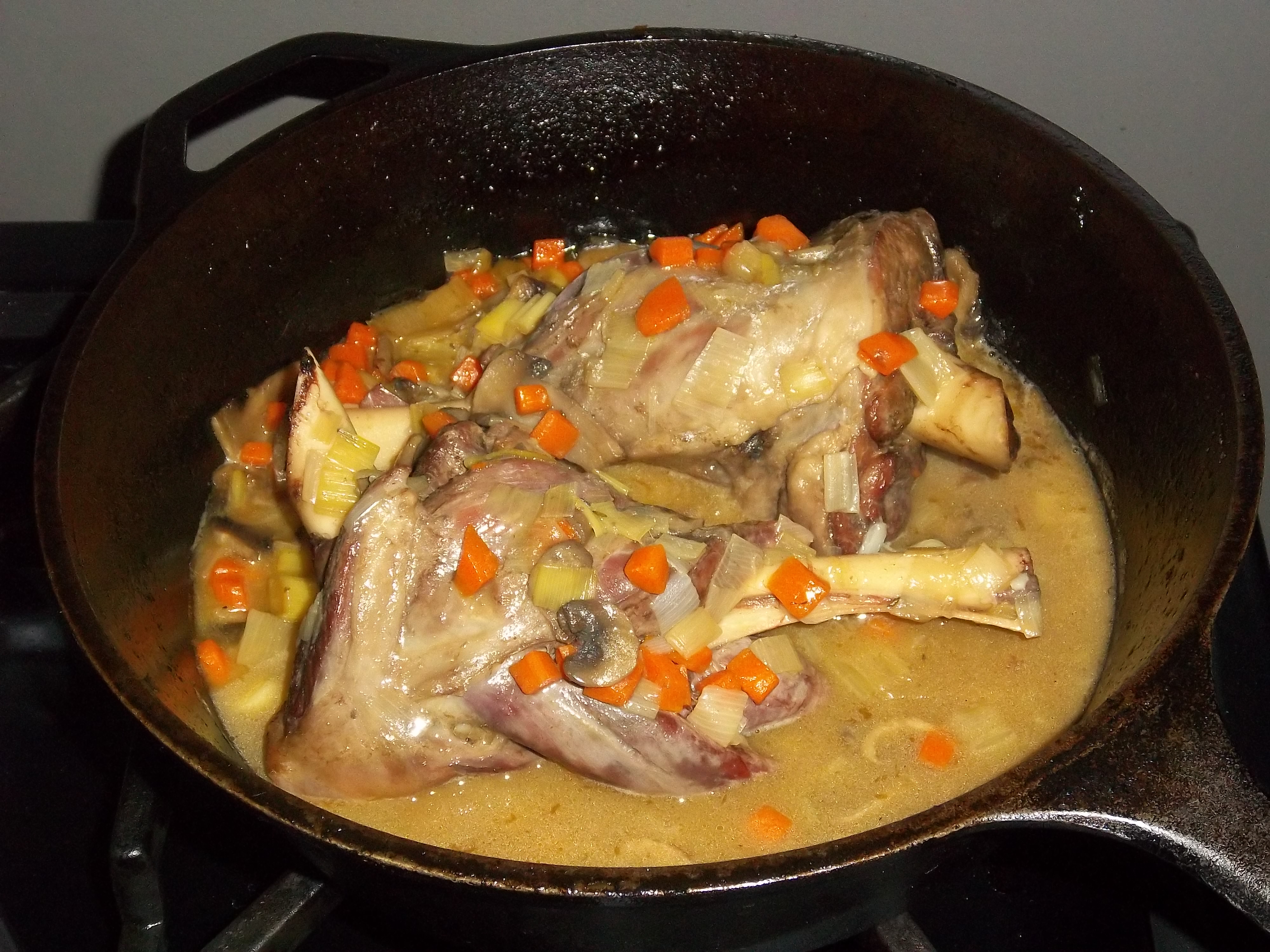
There are many recipes for dumplings around, both sweet and savoury. I thought I’d share this recipe with you for wild mushroom dumplings which I made not too long ago. At my local Farmer’s Market, there was a stall selling locally picked mushrooms and I couldn’t resist. I had some duck stock that I had made in the freezer (see this post for recipe), so I thought I would make a nice clear duck soup into which I could poach my dumplings. I shall give some more recipes for dumplings as I find more recipes for them. The soup is of my own invention and the dumplings recipe comes from the always excellent Lyndsey Bareham.

For the soup

1 1/2 pints of duck stock

1 carrot, finely diced

a bay leaf

2 springs of fresh thyme

For the dumplings

2 oz self-raising flour

salt and pepper

1 oz suet

1 oz of wild mushrooms, finely diced

1 small shallot, finely diced

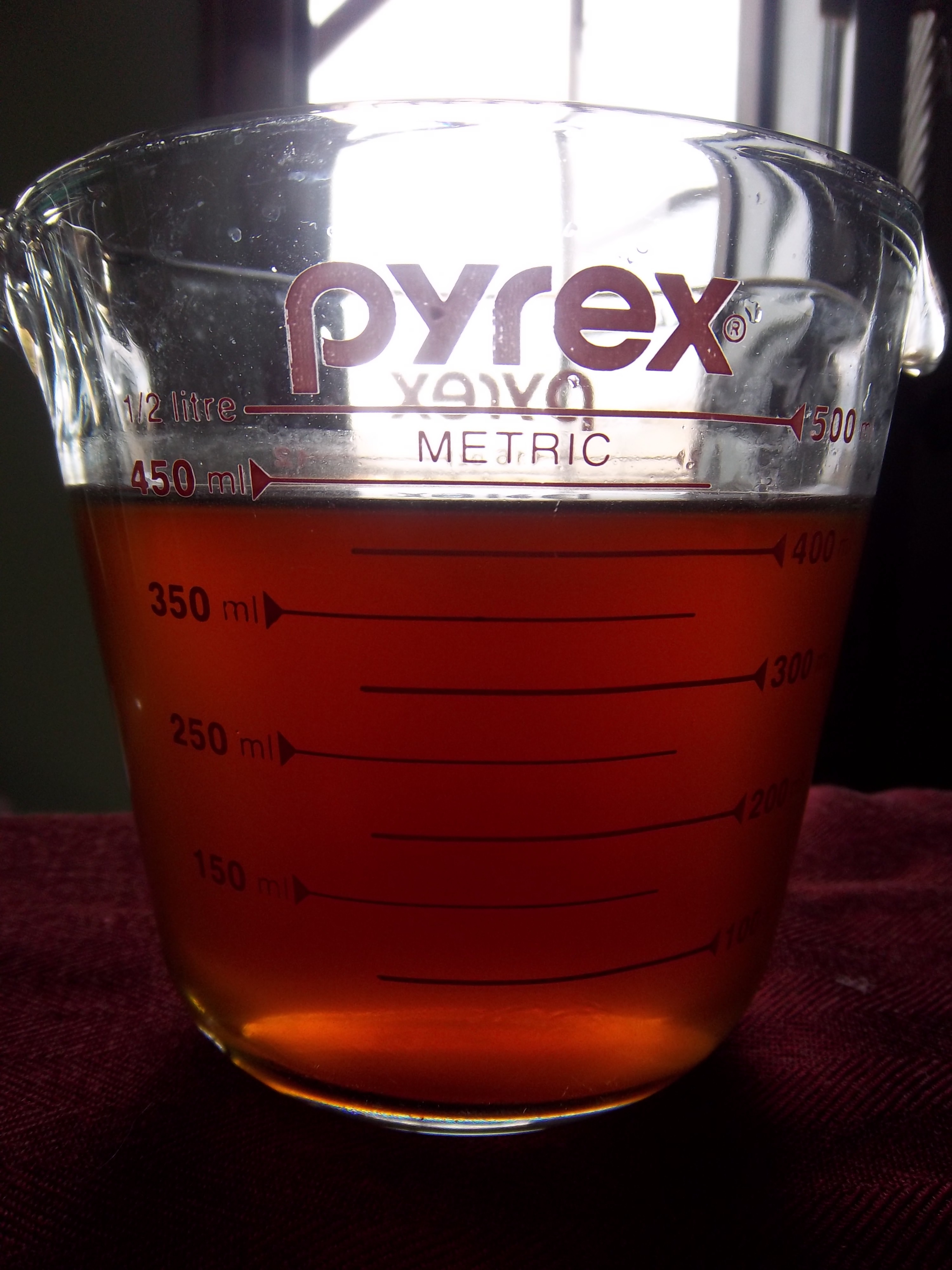
To make your duck stock clear, you need to clarify it. There are many ways to do this, but by far the easiest is to freeze it and then wrap it in a piece of muslin or a cloth and allow it to defrost slowly in the fridge.

You should find that the stock that comes out is perfectly filtered by the cloth. You’ll also be surprised at the solid bits left behind in the cloth.

Anyways, pour the stock into a pan along with the carrot, thyme and bay leaf. Bring to the boil and allow to simmer for around five minutes. Season with salt and pepper.

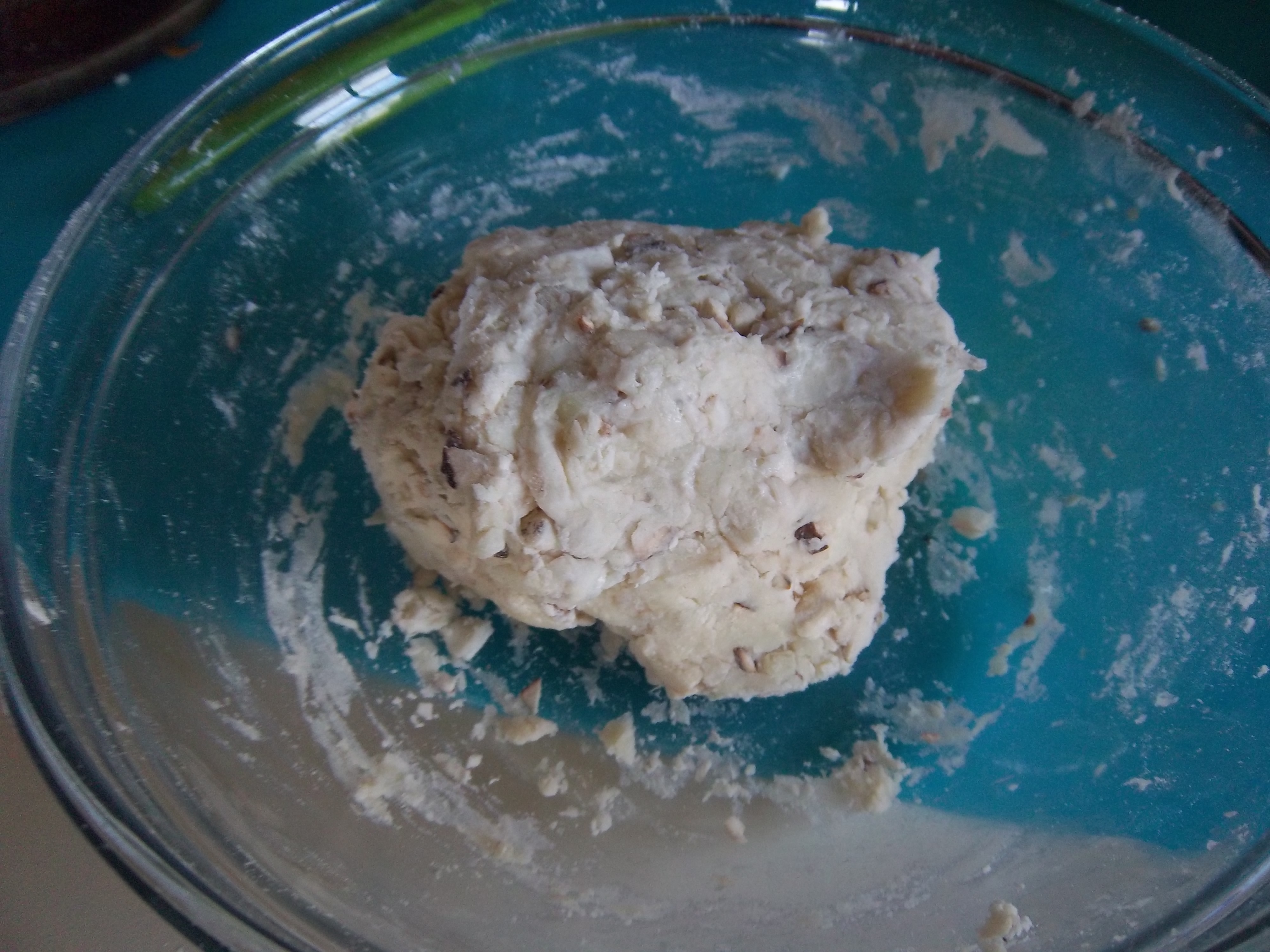
During the simmering time, whip up your mushroom dumplings: mix together all the ingredients in a bowl and mix in just enough water to make a soft dough.

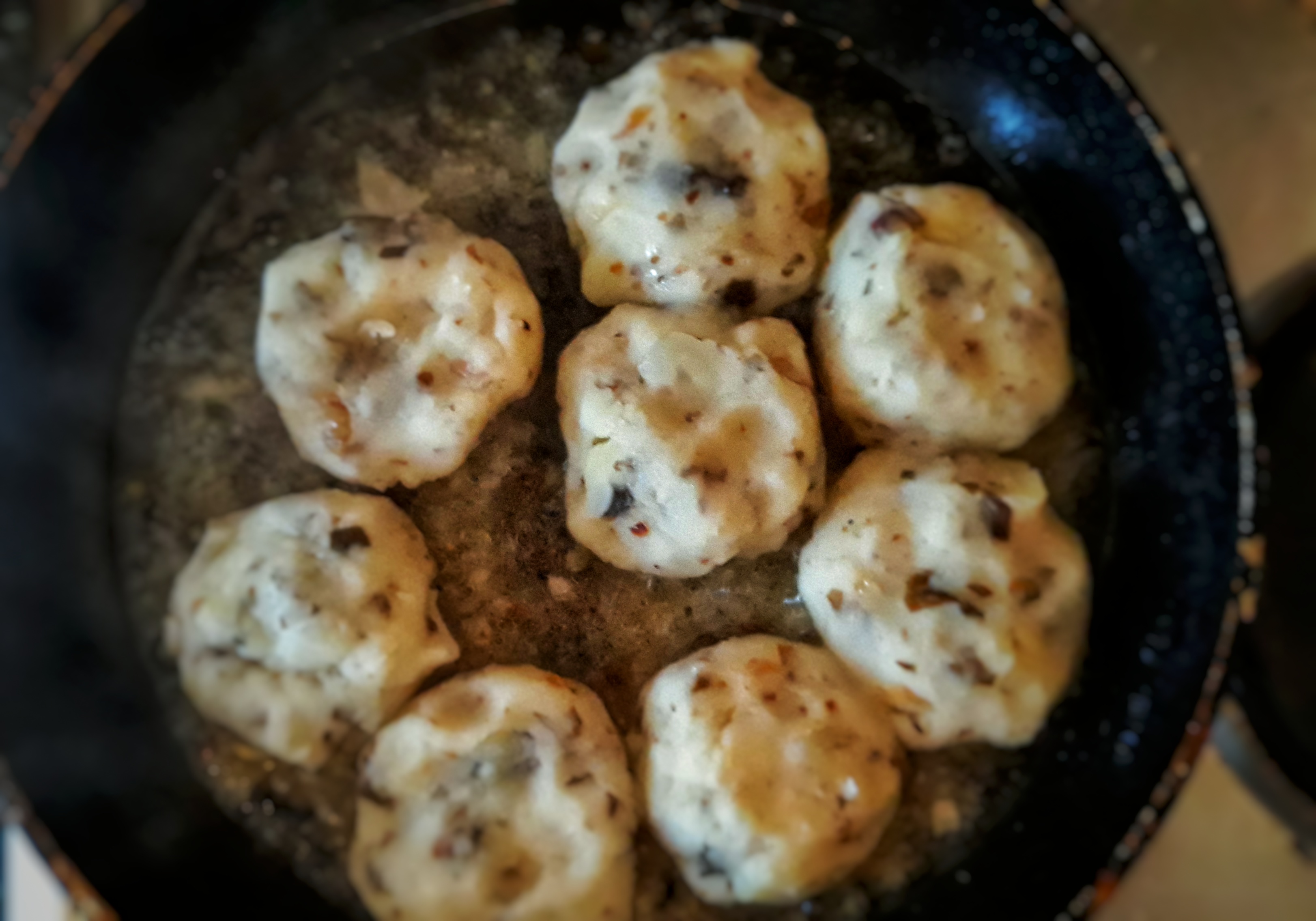
Take pieces of dough and roll them into balls a little smaller than a walnut. Place the dumping in the simmering soup, turning up the heat so that they cook through. They should be done in no longer than 15 minutes.

Easy!

More dumpling recipes:

Horseradish Dumplings

8 Comments

Filed under food, history, Meat, Recipes, Soups, Vegetables

To make duck stock…

Here at British Food, we don’t like anything to go to waste, so apart from the history behind our food and the recipes that go alongside it, I am also going to provide recipes that use up the left-overs. We’re always being told of the mountains of food we are wasting and what we should do about it; in the past, of course, nothing went to waste, so I suppose by adding recipes for stock and things like that, I am still being historical. In the past, people didn’t want to waste money – that doesn’t just go for the average families, but also rich homes, where the cook really had to have a knack for meal planning and budgeting. We really need to look at our ancestors to see how our food can be better managed. I try and get as many meals as possible out anything I buy these days and have really cut down on my grocery bills, this way I can afford to buy meat from farmers markets and the like all the time now.

So, I have already told you about ducks and given a recipe for roast duck, so now here’s what to do with your left-over carcass. I made soup with my carcass, but duck stock also makes great risotto (but that is not very British, so there’s no recipe for that!).

The ingredients are not set in stone, so use whatever suitable veggies you have lying around that you think would be nice. Any road, here’s the recipe for a nice subtly sweet duck stock; it makes 2 pints.

Ingredients:

one duck carcass

a large carrot, roughly chopped

a celery stick roughly chopped

leek trimmings

two cloves of garlic, lightly crushed

bouquet garni: several sprigs of thyme, a bay leaf, parsley stalks, a strip of thinly pared orange zest, 6 peppercorns

any left-over scraps of jelly or gravy

2 1/2 pints of water

salt

Preheat the oven to 200⁰C (400⁰F). Put the broken-up carcass and stock vegetables in a roasting tin to brown and slightly caramelise in the oven for 25 minutes. Place the carcass and vegetables, along with the bouquet garni, peppercorns and the left-overs, into a pan. Put the roasting tin over the heat and deglaze it with a little of the water, using a wooden spoon to get off all the nice burnt bits. Add this to the pan with the rest of the water. Bring steadily to the boil and simmer for around 2 hours.

Pass the stock through a sieve into a bowl, jug or other pan. Season with salt and let it cool completely. Skim any fat that will have risen to the top. The stock can be used straight away or refrigerated or frozen for future use.


If you like the blogs and podcast I produce, please consider treating me to a virtual coffee or pint, or even a £3 monthly subscription: follow this link for more information.


6 Comments

Filed under food, Meat, Recipes

Roast Duck

Bora: Why in the middle I would have a rich favoury foup.   

Lazar: Made with Craw-fifh – Good!  

Bora: At the top two delicate white Trout just frefh from the river. 

Lazar: Good! Excellent! go on go on.  

Bora: At the bottom – a roaft Duck.

Lazar: A duck! a fcavenger! an unclean bird! a wading glutton; his bill is a fhovel, and hif body but a dirtcart: away with your Duck – let me have a roast Turkey, plump and full breafted, hif craw full with marrow

Exerpt from The Hotel by Robert Jefson, 1775

Okay, not everyone likes duck, for those that do, the best way to show it off, whether Aylesbury or whatever, is to roast it, seasoned with just salt and pepper. It’s also the most common way to serve duck. I did look at old recipes for it, hoping to find some crazy over-the-top recipe with many embellishments, but, alas, it was not to be: at best, there was a stuffing. Keept it simple, chaps. It did seem very common to scald the bird in boiling water for a few minutes before roasting it, though modern ones don’t seem to (unless, that is, you are making some Chinese crispy duck – that requires a kettle of boiling water to be poured over it and then drying it thoroughly to achieve the crispy skin).

One of the great things about buying duck is that they always come with their giblets, unlike many chickens these days, so put them to good use. I have included a recipe for some nice rich giblet gravy to go with.


If you like the blogs and podcast I produce, please consider treating me to a virtual coffee or pint, or even a £3 monthly subscription: follow this link for more information.


For the roast duck:

one duck

salt and pepper

For the gravy:

a tablespoon of oil

the neck and giblets of the duck, chopped

one onion, unpeeled, roughly chopped

one garlic clove, lightly crushed

one carrot, roughly chopped

one stick of celery, roughly chopped

one bay leaf

a few sprigs of thyme

about 6 black peppercorns

splash of red wine

1/2 ounce of butter

1/2 ounce of plain flour

one teaspoon of redcurrant jelly or juice of half an orange (optional)

salt and pepper

First of all, place the duck on a large plate and dry it all over with kitchen paper and keep it in the fridge until it is needed. It is important to take it out of the fridge a few hours before you want to cook it though – when you are following roasting times for any meat, it is assuming the meat starts off at room temperature.

The first thing you need to do is get started on the gravy. Get a pan nice and hot,  add the oil, giblets and stock vegetables, when they are good and caramelised, add the herbs and peppercorns.

Pour over a pint of water, cover, bring to a boil and then let it simmer gently for the length of time it takes for you to cook the duck.

Preheat the oven to 220°C (430°F) and calculate the cooking time for your duck: 25 minutes per pound plus an extra 20 minutes. Using a fork or skewer, prick the fatty parts of the duck, i.e. the breast and the area where the legs meet the body. Make sure you prick only the skin – if you stab right through the fat, you’ll lose meat juices, and we don’t want that, now do we?

 Season the duck inside and out with salt and pepper, place in a roasting tin with a rack, and pop it in the oven. After 20 minutes, turn down the heat to 180°C (350°F). After the first 45 minutes or so, baste the bird and every 20 minutes thereafter. It is important to do this if you want good, crispy skin. To test if the duck is done, poke a knife or skewer into the thick part of the leg and if the juices are clear, then the duck is ready. I would check it around 20 minutes before the total cooking time. When cooked, remove from the oven and let rest for at least 15 minutes before carving it.

Whilst the duck is having a rest, finish off the gravy: strain the stock through a sieve into a jug. Pour off any fat from the roasting tin and pour the meat juices into the gravy. Don’t you dare throw that fat away! It keeps in the fridge almost indefinitely, and you can use it for roast potatoes (they will be the best roast potatoes you have ever made).Put the roasting tin on the heat and deglaze it with the red wine, making sure you scrape off all the nice burnt bits. Tip that into the gravy too. Melt the butter in a small saucepan and when it begins to foam, stir in the flour and cook for a minute. Now whisk in the gravy and let simmer for about 15 minutes. Finally stir in the jelly or orange juice (or even better, the syrup from some preserved oranges – see this link here for a recipe). Correct the seasoning and pour into a nice gravy boat or jug.

There you go: a delicious, scavenging unclean bird!

5 Comments

Filed under Meat, Recipes, Uncategorized

Bubble and Squeak

Bubble and squeak is one of my favourite left-over foods. It’s difficult to give a recipe for it as you just have to use whatever vegetables you have leftover from a nice roast dinner. It turns out it didn’t begin life as fried mashed potato patties, but as something quite different. In The complete economical cook, and frugal housewife: an entirely new system, Mary Holland – in 1837 – describes a recipe that makes use of leftover boiled beef, not potatoes. The beef should be thinly sliced and fried up with chopped boiled cabbage in butter and some salt and pepper. This recipe goes back as far as the mid-eighteenth century. Indeed recipes for it in this form run right up the mid-twentieth century. It cannot be a coincidence that the dish went from beef-based to potato-based at around the same time as the Second World War and rationing.

Well, here is my recipe for the more familiar – and surprisingly modern – bubble and squeak. It’s hard to give amounts as it is just left-overs:

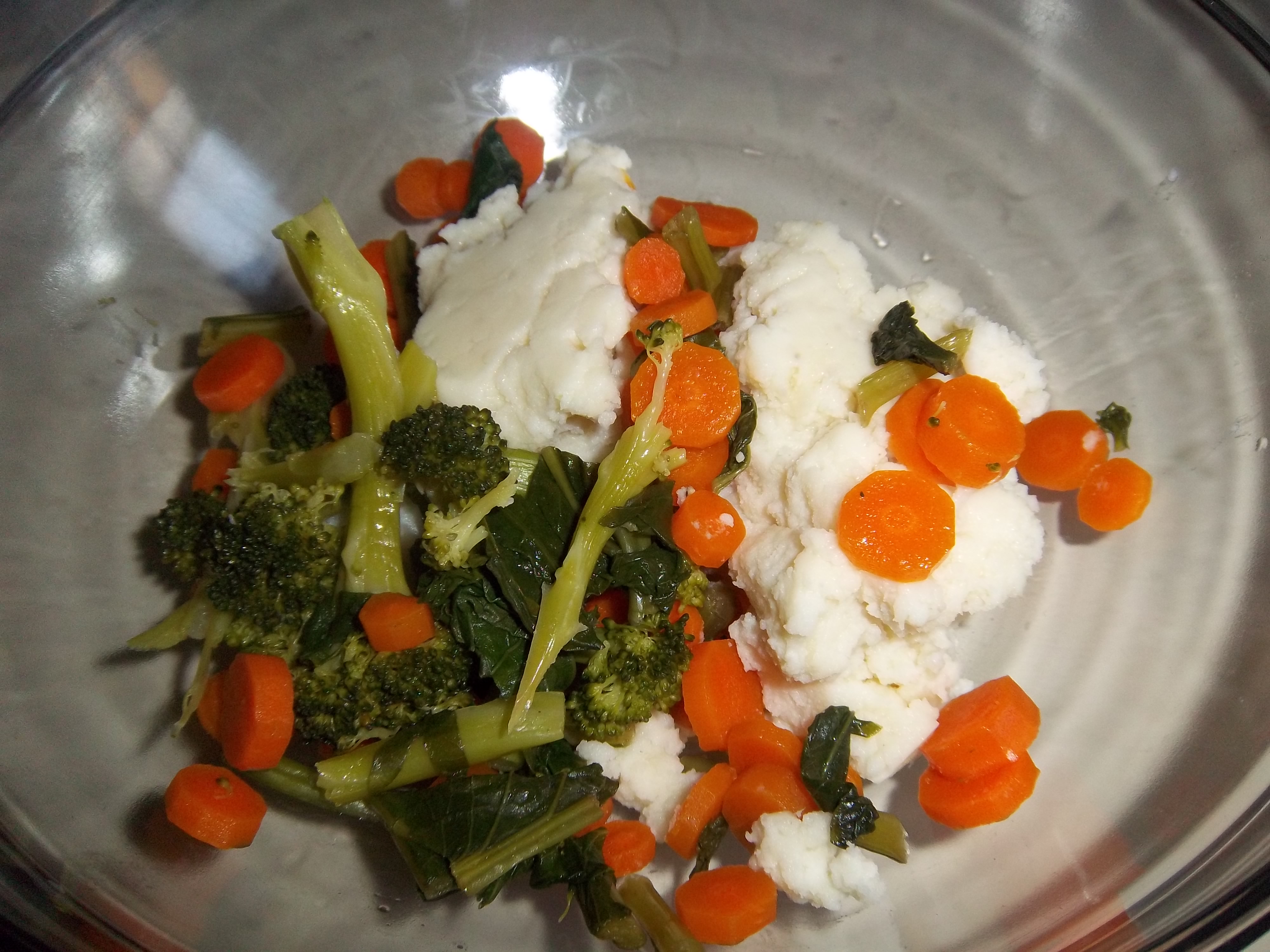
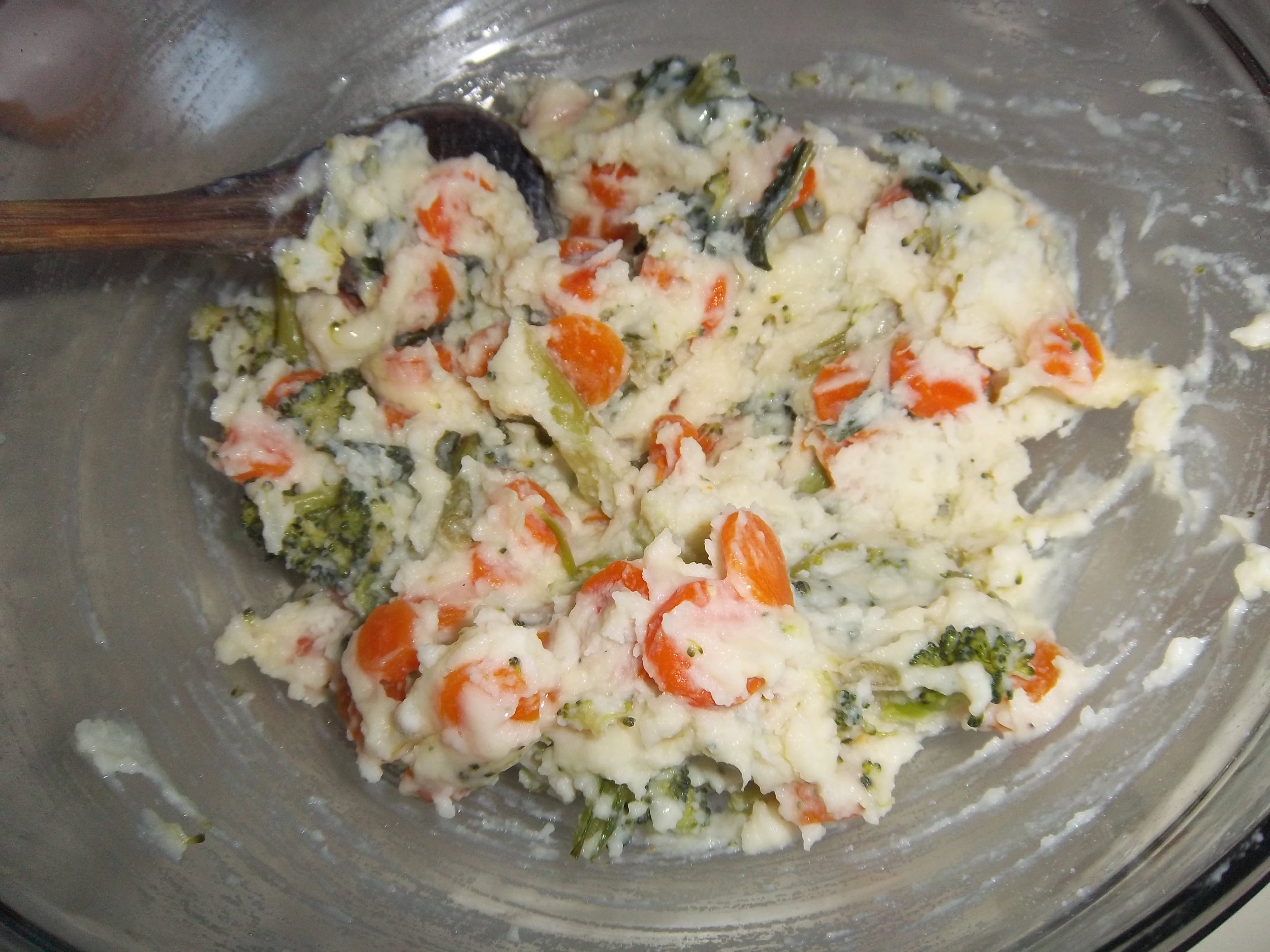
You have to use some mashed potato as a base and then stir or mash in leftover boiled cabbage, broccoli, carrots or whatever you have. Good additions are kale or dulse that have been crisped up in the oven or frying pan before being crumbled into the spuds

I would say that you should keep the ratio of potatoes to vegetables at least 1:1.Though it is very delicious if all you have left is mashed potato (in my house growing up, we often had fried mashed potato sandwiches with brown sauce!).

If you like, you can stir in an egg; this is especially useful if the potato is dry and difficult to form. Season with salt and pepper.

Get some fat nice and hot in a frying pan. It is extremely important that you use an animal fat such as lard. I like to fry some bacon in the pan first and then use the fat to fry the bubble and squeak in.

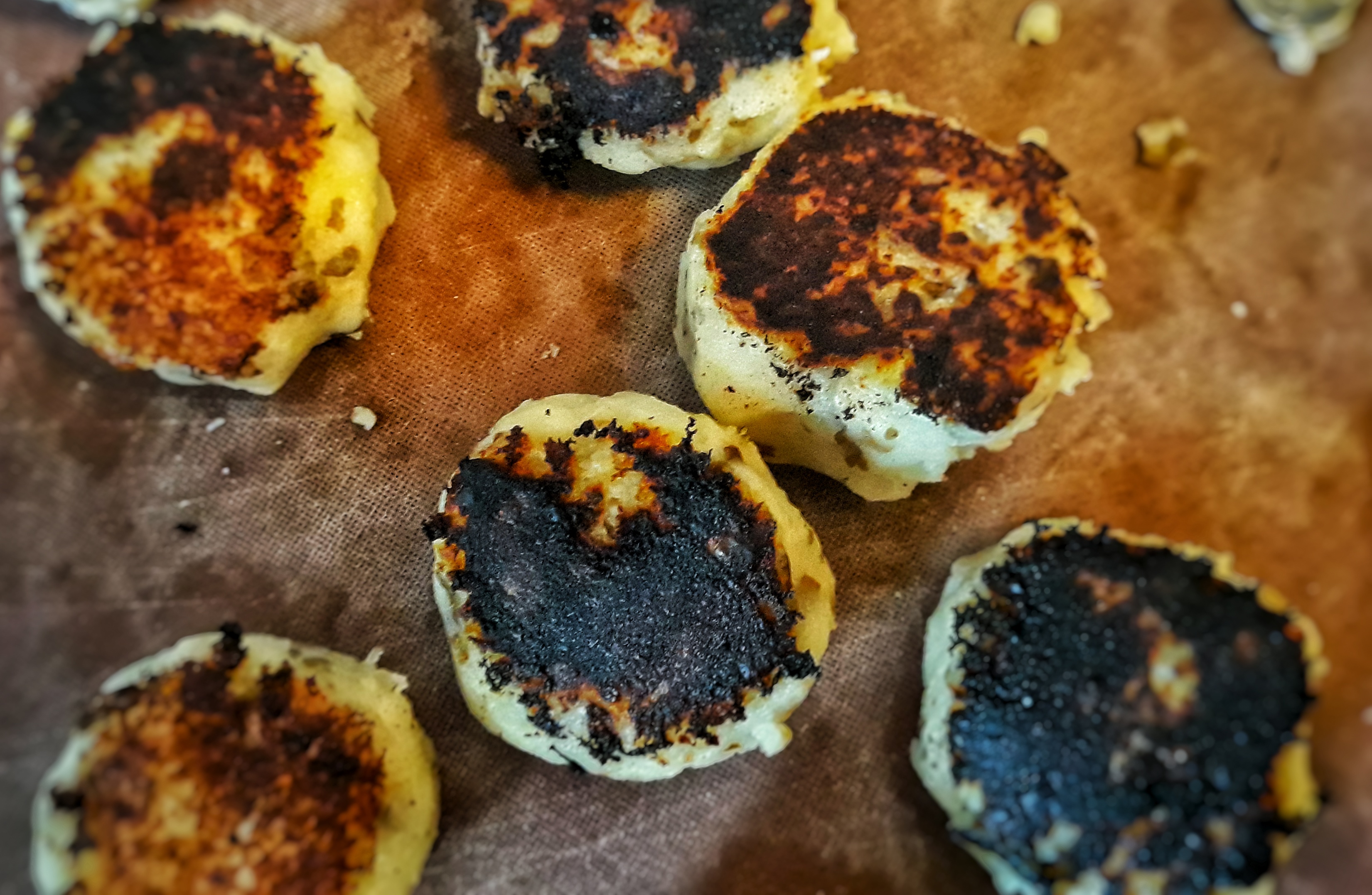
You can add your mixture in a single layer or as separate patties. You don’t need any flour to help seal it as it will burn. Instead, add your mix and press it down firmly and then leave it undisturbed for at least 5 minutes. When a nice crust has formed, use a spatula to turn it over. Do this in parts – there’s no way you’ll be able to turn it in one piece.

When both sides have achieved a nice dark-brown crust, it is ready to serve up. I like it with bacon, poached eggs and a good dash of Worcestershire sauce.

The name of the dish comes from the noise it makes in the pan as it cooks – the super-hot and densely-packed vegetables create pressure that’s let out through any gaps. If you didn’t use animal fats, you can’t achieve the high temperatures that give you the bubbles and the squeaks, plus the crust isn’t quite as burnt and satisfying.

If you like, you can fry them one day, and warm them up in the oven a few days later.


If you like the blogs and podcast I produce, please consider treating me to a virtual coffee or pint, or even a £3 monthly subscription: follow this link for more information.


20 Comments

Filed under Eighteenth Century, food, history, Recipes

Forgotten Foods #1: The House Sparrow

The very cute Passer domesticus

I do like to see a social group of tweeting house sparrows getting into fights, taking a nice dust bath, or whatever; they are so watchable. They are one of my favourite birds. Once extremely common in Britain, their numbers have dropped sharply in last few years and nobody really seems to know why. In the past they were plentiful and were commonly served up at the dinner table. In fact many songbirds were counted as legal game and were very popular indeed. Here’s a delicious-sounding recipe from Elizabeth Raffald’s 1769 book The Experienced English Housekeeper for sparrow dumplings:

Mix half a pint of good milk with three eggs, a little salt, and as much flour as will make a thick batter. Put a lump of butter rolled in pepper and salt in every sparrow, mix them in the batter and tie them in a cloth, boil them one hour and a half. pour melted butter over them and serve it up.

Over the pond in New York, the plague of house sparrows became very bad indeed: Without question the most deplorable event in the history of American ornithology was the introduction of the English Sparrow said WL Dawson in 1903. Something had to be done! The people of the ever-trendy The New York Times encouraged folk to help rid the place of the pests, and not to let good protein go to waste, they tried to make them appear as an attractive and sought-after meat:

English Sparrows are being properly appreciated. Hundreds of them are now caught by enterprising people for sale to certain restaurants where reed birds are in demand. A German woman on Third Avenue has three traps set every day, and she catches probably seventy five a week. They are cooked and served to her boarders the same as reed birds and are declared quite as great a delicacy. This German woman bastes them, leaving the little wooden skewer in the bird when served. They are cooked with a bit of bacon. She tempts them with oats, and after the catch they are fed a while with boiled oaten meal. She sprinkles oaten meal in the back yard also, and thereby fattens the free birds. … So soon as it becomes known that the Sparrow is a table bird their number will rapidly grow less.
People don’t like to experiment, but when it is discovered that the Sparrow has been declared good by those upon whom they have been tried, no boarding house meal will be deemed in good form unless a dish of fat Sparrows adorns it. Sparrow pie is a delicacy fit to set before a king.

Unfortunately, I don’t know the date of the article – if anyone knows, please let me know.

I am not that well-travelled compared to many, but here in America, and in the African countries I have visited, the house sparrow is just everywhere. To do your part to rid these continents of the ubiquitious little bastards, may I suggest getting your hands on the Dodson Sparrow Trap:


If you like the blogs and podcast I produce, please consider treating me to a virtual coffee or pint, or even a £3 monthly subscription: follow this post for more information.


15 Comments

Filed under Eighteenth Century, food, Game, history, Meat, Recipes

Mushrooms: the Pearls of the Fields

Autumn is nearly upon us and that means it will soon be mushroom season. I haven’t much experience with gathering mushrooms myself, but have found them in the past when walking in the woods. I reckon there are only about five types I can identify and be 100% sure I know what they are. When you do see some that you know, it is very exciting to collect them and bring them home. There is, apparently, a mushroom-collectors’ club in St Louis, so I shall be checking that out.

Oyster mushrooms are easy to find – they grow on dead beech trees

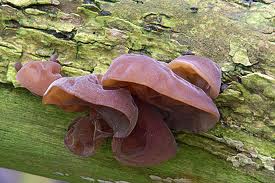
 Jew’s ear fungus is less well-known, but very easy to identify

Our relationship with mushrooms goes back a long, long way; mushrooms were consumed by Paleolithic man ten thousand years ago. Fungi, then as now, were not just used as food, but also as poison and for their narcotic effects.

Field and woodland mushrooms were highly-prized; it is odd to think that oysters were once used as a cheap mushroom substitute. These days, the basic mushroom is the closed cap cultivated kind, which was only grown on a large scale in the nineteenth century, so it is obvious why they were so highly sought-after. This was only in Britain though, the Romans managed to cultivate them way back when, as did the French a century before we British. We were just a bit slow on the uptake there, I suppose.

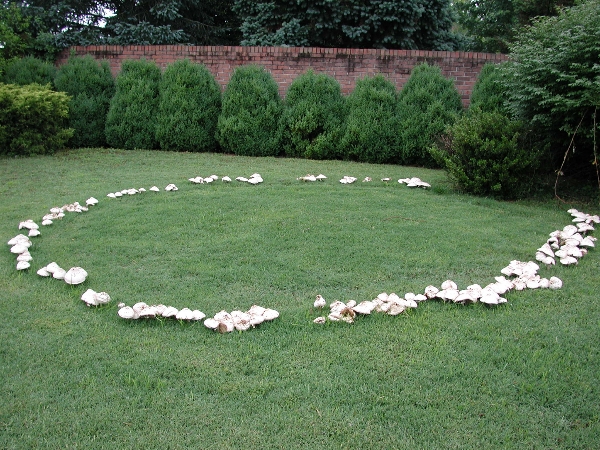
Mushrooms also were thought to be magical: they cause the familiar fairy rings you see during rainy periods in late summer and seemed to appear from nowhere. The first century Greek physician Dioscorides, suggested throwing the shredded bark of the poplar tree over compost to obtain mushrooms ‘spontaneously’ by ‘the grace of the gods’. In the Middle Ages, mushrooms were officially pronounced magical, and it was up to the alchemists of the day to try and discover the secret of creation from them (they must’ve become frustrated with the turning base metals into gold thing).

A fairy ring of mushrooms

Mushrooms have been used to give food an interesting meaty and earthy flavour to food. The reason they are so good for this job is that they all chock-full of umami – the recently-discovered fifth taste. Cooks in the eighteenth century made a lot of mushroom ketchup and mushroom powder for seasoning food, and I will make some myself eventually and put the results on this blog.

I love mushrooms of all kinds, so I thought I would give a couple of recipes – one historical, and the other a British classic.

Alexis Soyer (1810-1858)

The first is from a book called Shilling Cookery for the People by Alexis Soyer, published in 1854. He was the first celebrity chef and I am sure he’ll get a posting all to himself at some point. He happened upon some tasty field mushrooms and tells us the story of how he came up with a recipe for those ‘pearls of the field’:

“Being in Devonshire, at the end of September and walking across the fields before breakfast to a small farmhouse, I found three very fine mushrooms, which I thought would be a treat, but on arriving at the house I found it had no oven, a bad gridiron and a smoky coal fire. Necessity, they say, is the mother of Invention, I immediately applied to our grand and universal mamma, how should I dress my precious mushrooms, when a gentle whisper came to my ear… The sight when the glass is removed, is most inviting, its whiteness rivals the everlasting snows of Mont Blanc, and the taste is worthy of Lucullus. Vitellius would never have dined without it; Apicius would never have gone to Greece to seek for crawfish; and had he only half the fortune left when he committed suicide, he would have preferred to have left proud Rome and retire to some villa or cottage to enjoy such an enticing dish.”

I have reported this recipe in the other blog with Jane Grigson’s modifications for making the delicious dish yourself in a modern oven. Click here for the recipe. Try it – you will not be disappointed, no siree.


If you like the blogs and podcast I produce, please consider treating me to a virtual coffee or pint, or even a £3 monthly subscription: follow this link for more information.


For some crazy reason there is no recipe for Cream of Mushroom Soup in Jane Grigson’s English Food. I do not know why this is because when I was thinking about recipes that were omitted from the book, it was one of the most glaringly obvious absentees. As you may know, it is one of the reasons for doing this blog – compiling recipes that were missed out of English Food. This recipe is one of my staples and is from Lindsey Bareham’s excellent book A Celebration of Soup. It is delicious and very quick to make and uses the old-fashioned way of thickening soups with the use of old bread.

Ingredients:

2 oz stale white bread

milk

1 lb mushrooms, finely chopped (any kind, but Portobello mushrooms are the best for this)

2 oz butter

1 clove of garlic, finely chopped

2 tbs finely chopped parsley

salt, pepper and nutmeg

1 pint of chicken or vegetable stock

4 fl oz double cream

Place the bread in a dish and pour enough milk over it to make it nice and soggy. Melt the butter in a saucepan and add the mushrooms.
Cover, and simmer for five minutes. Squeeze the milk out of the bread, break it up and add it to the pan along with the garlic, parsley and the seasonings (don’t be tight with that nutmeg, folks) before pouring the stock over the lot. Bring to a boil, and turn the heat down to a simmer and cook for a further ten minutes. Pop the soup into the blender, return to the pan, stir in the cream and bring back to the boil. Easy!

If you want to do a low-fat version, use some fat-free cream cheese like Quark, or just use milk instead of cream.

That’s enough mushroom talk for now, I think….

2 Comments

Filed under food, history, Recipes, Soups, The Victorians, Vegetables

Eton Mess

I did a bit of a dinner party recently for my work chums and for dessert I made an Eton Mess.

I always thought that the Eton Mess was ‘invented’ around the 1920s when, during the annual cricket match at Eton College, a rather giddy labrador sat upon the picnic basket containing the strawberry pavlova, squashing it. The plum-mouthed boys didn’t care a single jot that their dessert had been essentially ruined (and probably covered in dog hair) and ate the thing anyway, preferring it to the pavlova. And so the Eton Mess was born and served up as a summertime pudding ever after.

It turns out this story is total nonsense, and was just invented by the cook during the 1930s. I didn’t even have the decade right.

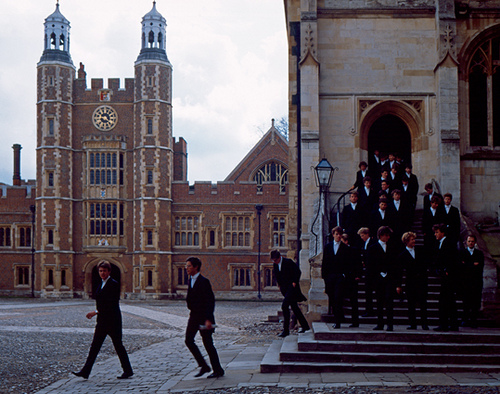
Eton College school yard and chapel

Although  I know the Mess as a delicious mixture of strawberries, broken meringue and cream, it was also made with bananas too.

Here’s my recipe for Eton Mess, hopefully the Eton Old Boy and chef, Hugh Fearnley-Whittingstall would approve of this recipe. Although he says that they didn’t serve it during his time at the college. Ah well, you can’t have everything.


If you like the blogs and podcast I produce, please consider treating me to a virtual coffee or pint, or even a £3 monthly subscription: follow this link for more information.


This pudding was for 10 people, so you can adjust the quantities accordingly if you want to make it for fewer folk. Or just make loads and eat it all to yourself like the fat little piggy you are!

Ingredients:

4 egg whites

10 oz of caster sugar

pinch of salt

2 lbs of strawberries, hulled and chopped

1 tbs of vanilla sugar

2 pints of double (heavy) cream

strawberry jam

First off all you need to make your meringues – you can of course buy some, but they are quite easy to make. Start by whisking the egg whites with the salt until frothy, then add the sugar bit-by-bit with you electric mixer on a medium setting. The mixture will become very thick and glossy-looking.

Preheat the oven to 100°C (200°F). Line some baking trays with some lightly-oiled wax paper and spoon the mixture onto it to make nests. Use a serving spoon so that each nest is the same size and use the back of the spoon to make the nest shape.

I like to do them this way, as they look nice and home-made. However, if you are handy with a piping bag, then pipe out the mixture. Place trays in the oven and keep the door slightly ajar using the handle of a wooden spoon. The nests need to stay in the oven for around 3 1/2 hours so that they harden. Don’t worry if you leave them in longer, as they can’t really burn at this low temperature.

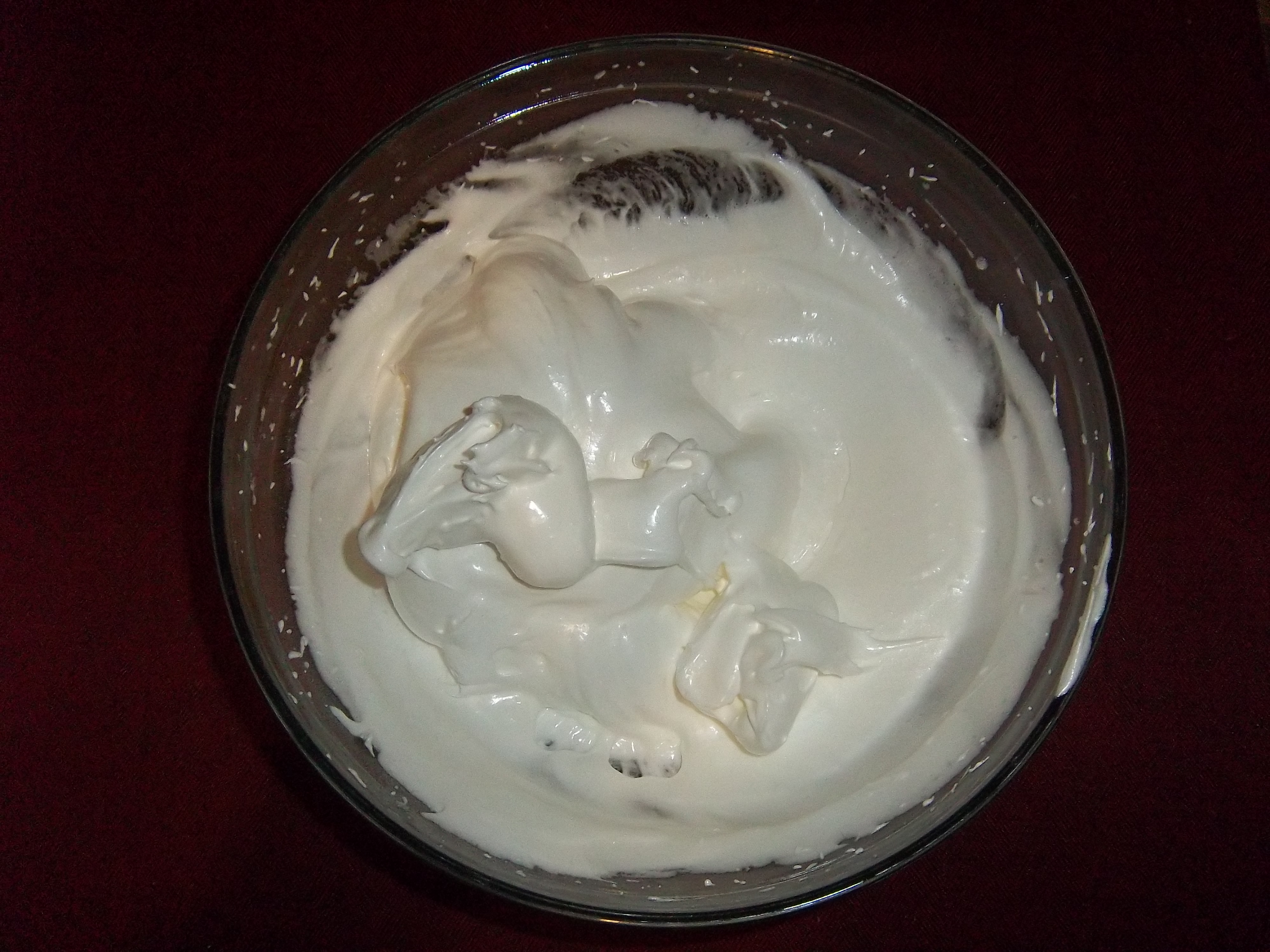
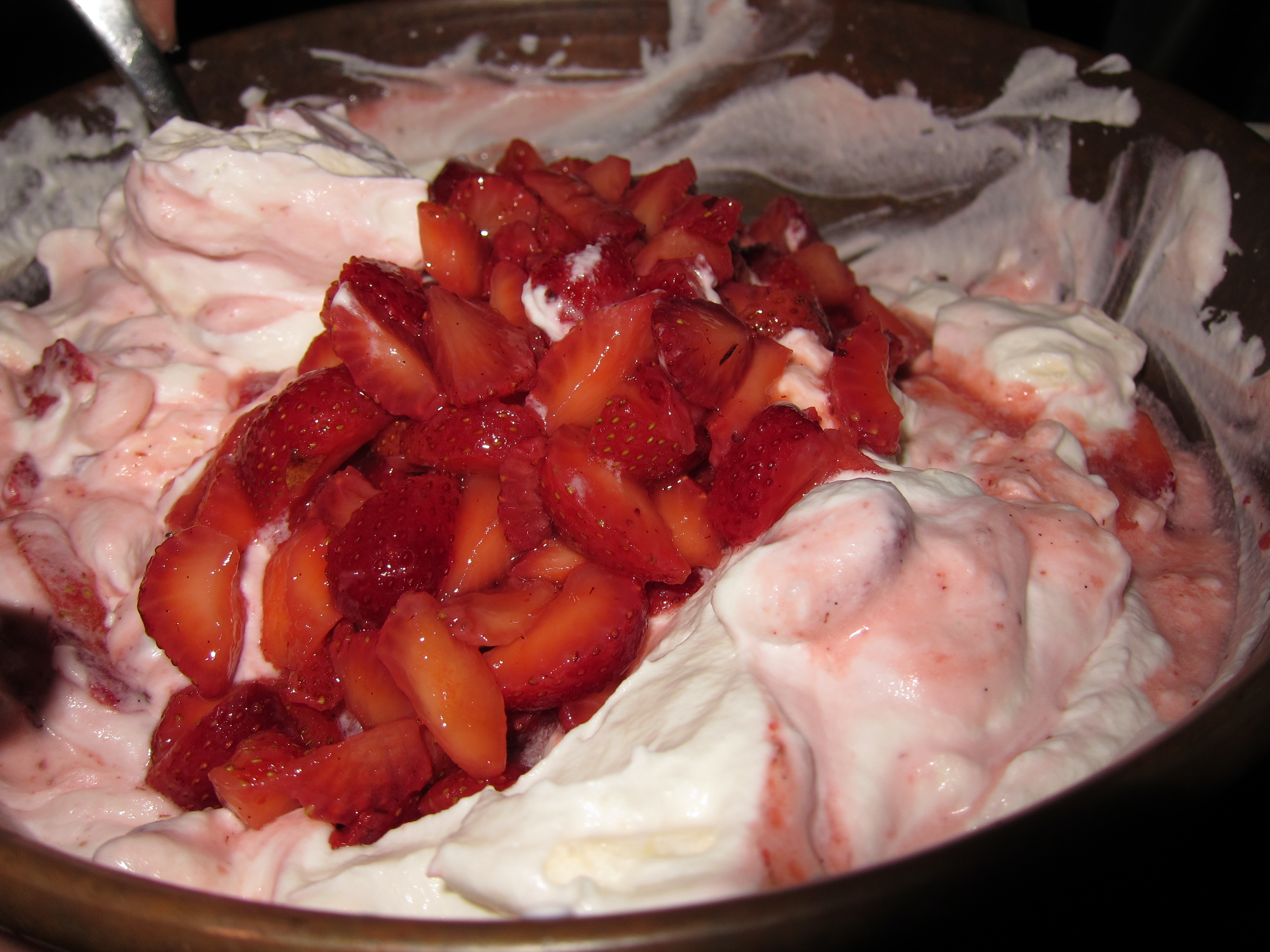
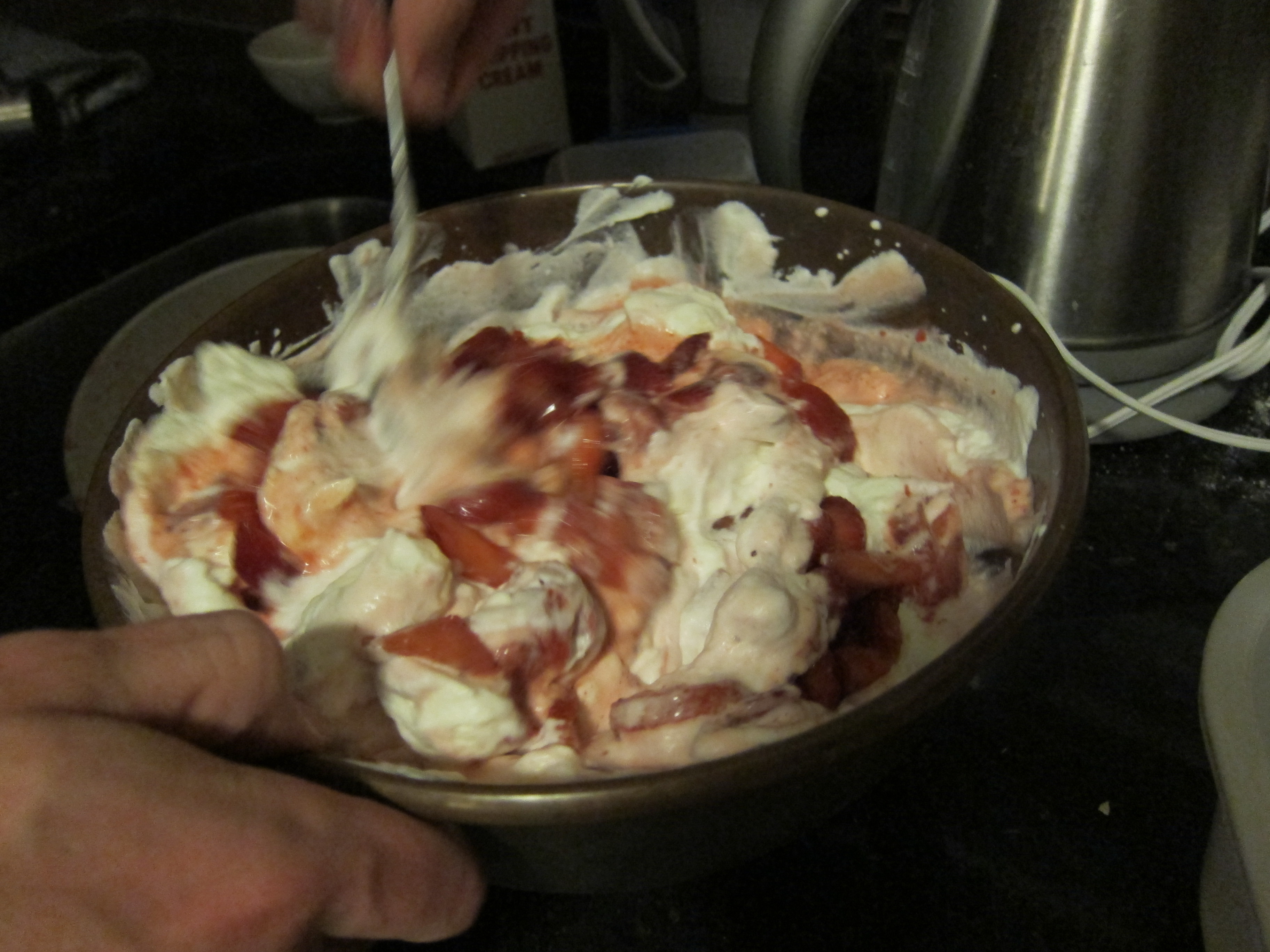
Next, place the strawberries in a bowl with the vanilla sugar (see here and here for two recipes if you want to make your own) and allow them to macerate together at room temperature for at least twenty minutes. Now whip the cream until it forms soft peaks. Now all that needs to be done is create the mess. Crush the meringue nests and stir them into the cream. Fold in the strawberries and their juice.

Lastly, stir through some strawberry jam or a further sweet strawberry hit. Pile into bowls and serve straight away before the meringue gets the chance to go soggy.

18 Comments

Filed under food, history, Puddings, Recipes, Twentieth Century

To Make French Macaroons/Macarons

If you look at old recipes for puddings, you’ll find they often require macaroons; sometimes as the sponge to soak up the booze at the bottom of a trifle, crumbled over the top of a dessert or used as part of the base to a cheesecake. Indeed, in Jane Grigson’s English Food, macaroons are needed for several recipes. She doesn’t give a recipe herself, and seeing as one of the blog’s roles is to try to fill in all the recipes that were omitted from English Food. If it had appeared, it would have been in the Biscuits section of the Teatime chapter.

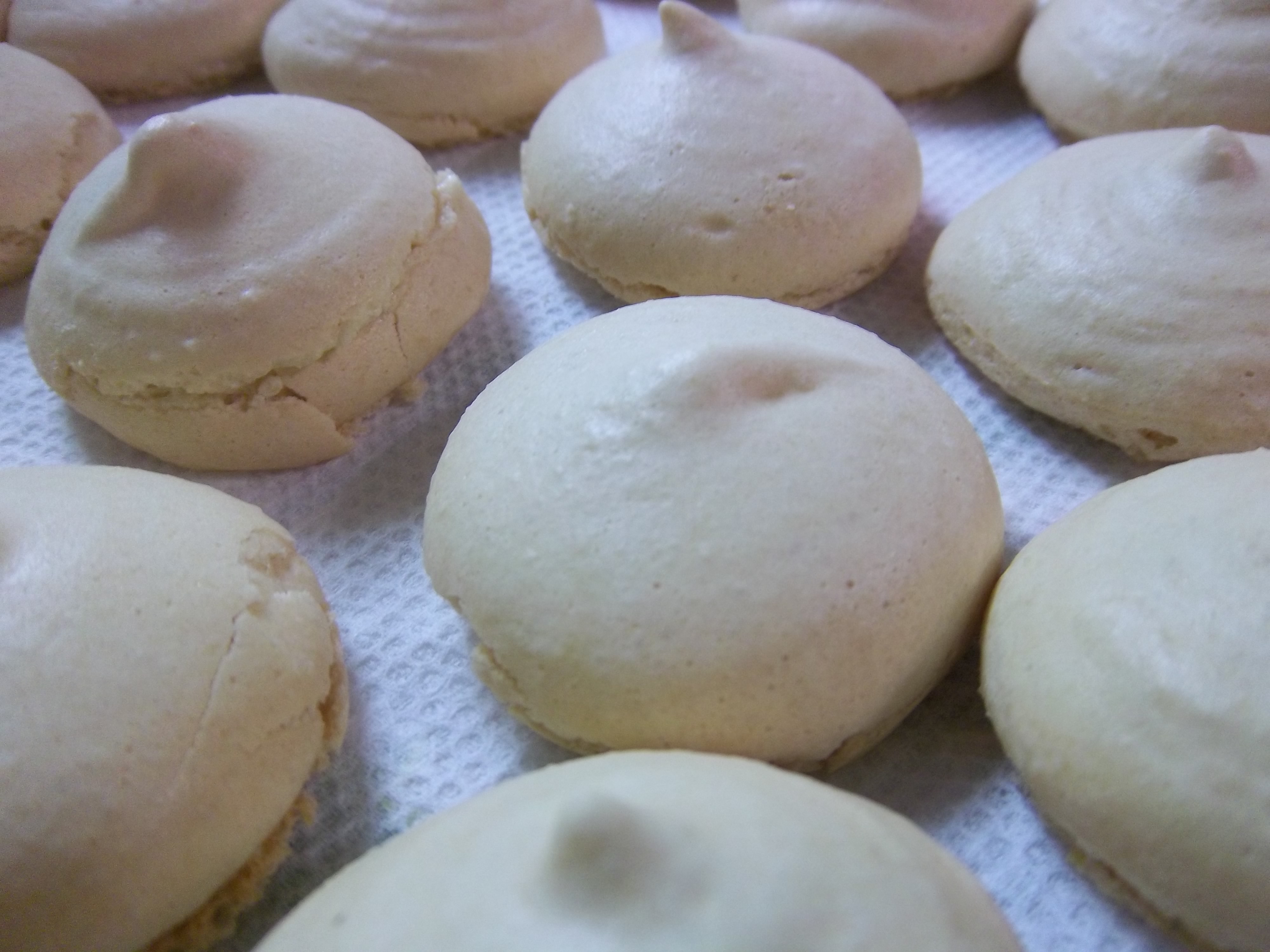
However, don’t get macaroons confused with coconut macaroons – they are a relatively modern invention, old receipts require the classic macaroon, made of stiffly whipped egg whites and ground almonds. They are quite hard to find these days. If you are lucky, you might find them in a french bakery. Indeed, they are called french macaroons in America, and are found miniature-sized and sandwiched together with some buttercream. Delicious, of course, but no good for baking with.

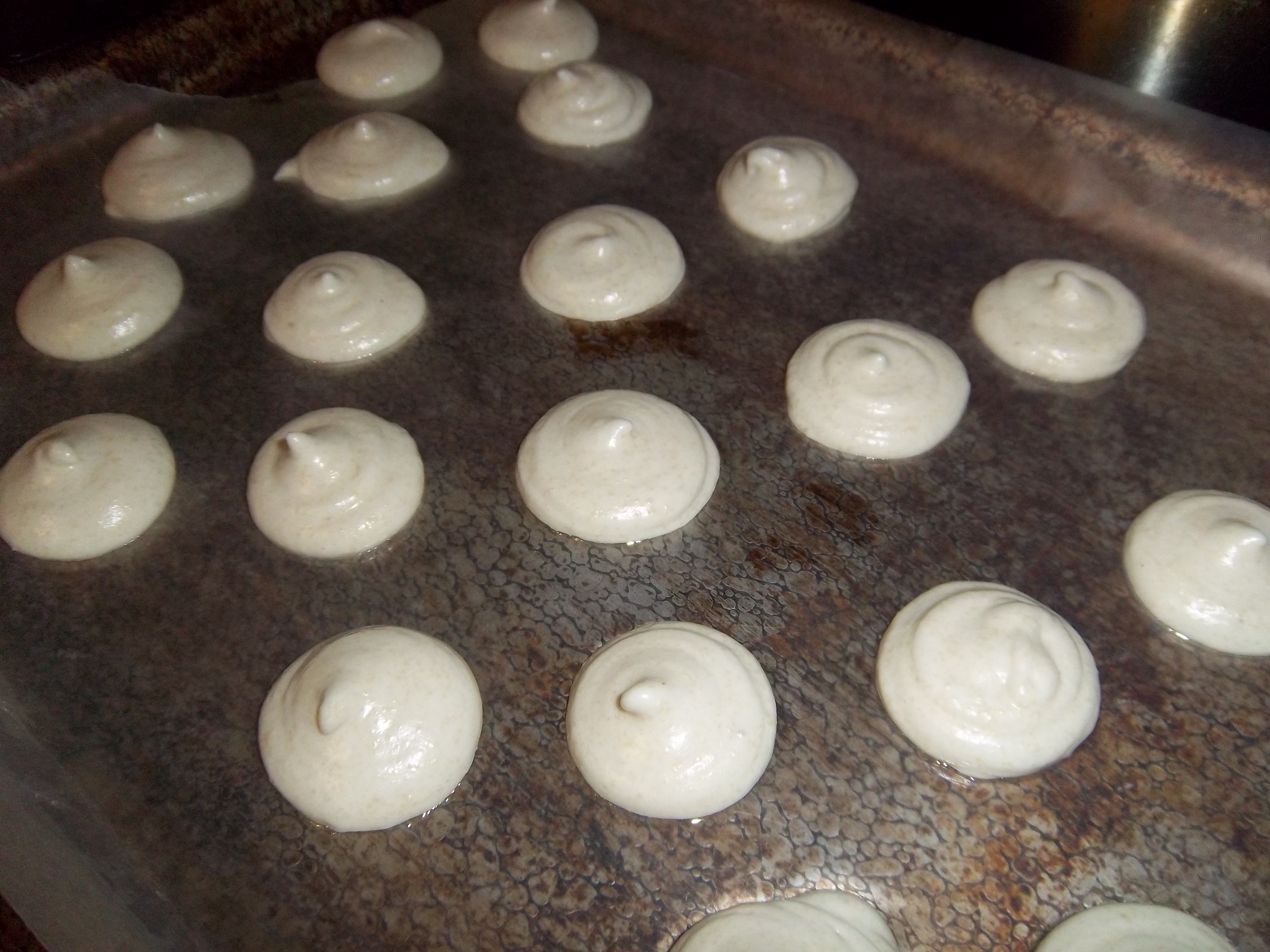
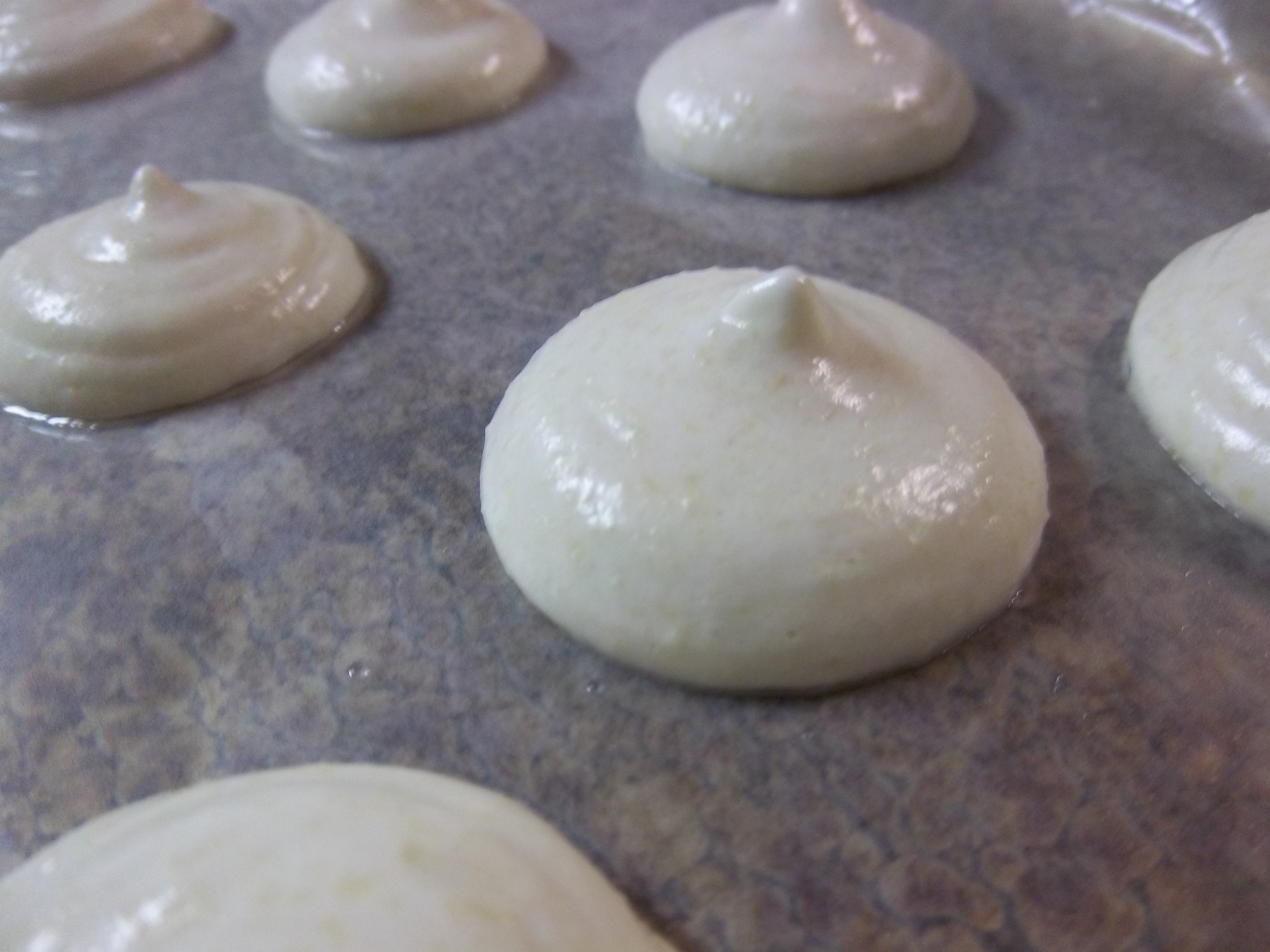
The traditional macaroon is part-biscuit (cookie), part-meringue, wonderfully chewy and sweet. They are quite easy to make, though the mixture does need to be piped onto a tray. I recently made some for the 300th recipe for my other blog as  part of a trifle. Luckily for me they would be drowned in dessert wine and then covered with custard, so a deft piping hand was not required (as you can see in the pictures below).

Macaroons were originally invented by Italian monks and became popular in France in the 1530s when the pattisiers of King Henri II’s wife used the Italian recipe and started making them for the court. I dont’ know when they eventually made their way to Britain, but I am sure it was pretty soon after that, as French and English cuisine was very similar and they were always looking toward each other for inspiration, especially in those times. Most recipes from around that era are very difficult to pronounce either French or English as everything overlapped so much. It wasn’t until the twentieth century that the idea of making tiny ones glued together with buttercream took off.

The modern brilliantly-coloured and tiny macaroons


If you like the blogs and podcast I produce, please consider treating me to a virtual coffee or pint, or even a £3 monthly subscription: follow this link for more information.


My recipe below is based on two others:  one from Elizabeth Raffald’s 1769 book The Experienced English Housekeeper, and the other from Martha Stewart’s website of all places. The older recipe includes orange flower or rose water, which was not used as a flavouring per se, but as a way to prevent the whole almonds turning into a paste when they were being ground. I like the taste, however, so I have included it in the recipe.

If you come across a recipe that requires macaroons, or you just want some to go with a cup of tea, here’s how to do it:

Ingredients:

5 1/2 oz icing (confectioners’ sugar)

4 oz ground almonds

3 egg whites

pinch of salt

2 oz caster (fine granulated) sugar

1 teaspoon rose water or orange flower water (optional)

Begin by mixing together the icing sugar and the ground almonds. In a separate bowl, whisk the egg white and salt until they form stiff peaks, i.e. if the turn the bowl upside down, everything stays within. Whisk in the caster sugar gradually so that the egg whites become glossy. Mix in the orange flower or rose water. Next, using a metal spoon, fold in the icing sugar and almonds. Take your time here as the mixture gets thick and tacky, and you don’t want to lose all the air from your whisked eggs.

Line a baking sheet with baking paper and grease it lightly. Pipe out the mixture leaving some space between each one as it will rise in the oven.

For small macaroons, use a number 4 tip, for larger use a bigger size or pipe out in a spiral shape. It’s up to you how careful you are – the classic shape is a dome.

Leave to dry for 15 to 30 minutes, depending upon size and humidity before baking at 180°C (350°F) with the oven door slightly ajar (use a wooden spoon handle!) for between 15 and 25 minutes, depending on size. You can tell when they are done when the tops go from shiny to dull. Remove from the oven and allow to cool on a rack.

5 Comments

Filed under Biscuits, food, French Cookery, history, Recipes, Sixteenth Century, Teatime