In this week’s episode we look at Pagan Lent and Easter – and look at the ancient pre-Christian celebrations and symbolism that endured to the present day. We also see how the Christian church on one hand had to let the Pagans keep their traditions so they would accept this new religion, yet have them reject it all as heathenous hocus-pocus at the same time. We also find out about the Pagan goddess Eostra, who, as it turns out, we know absolutely nothing about.
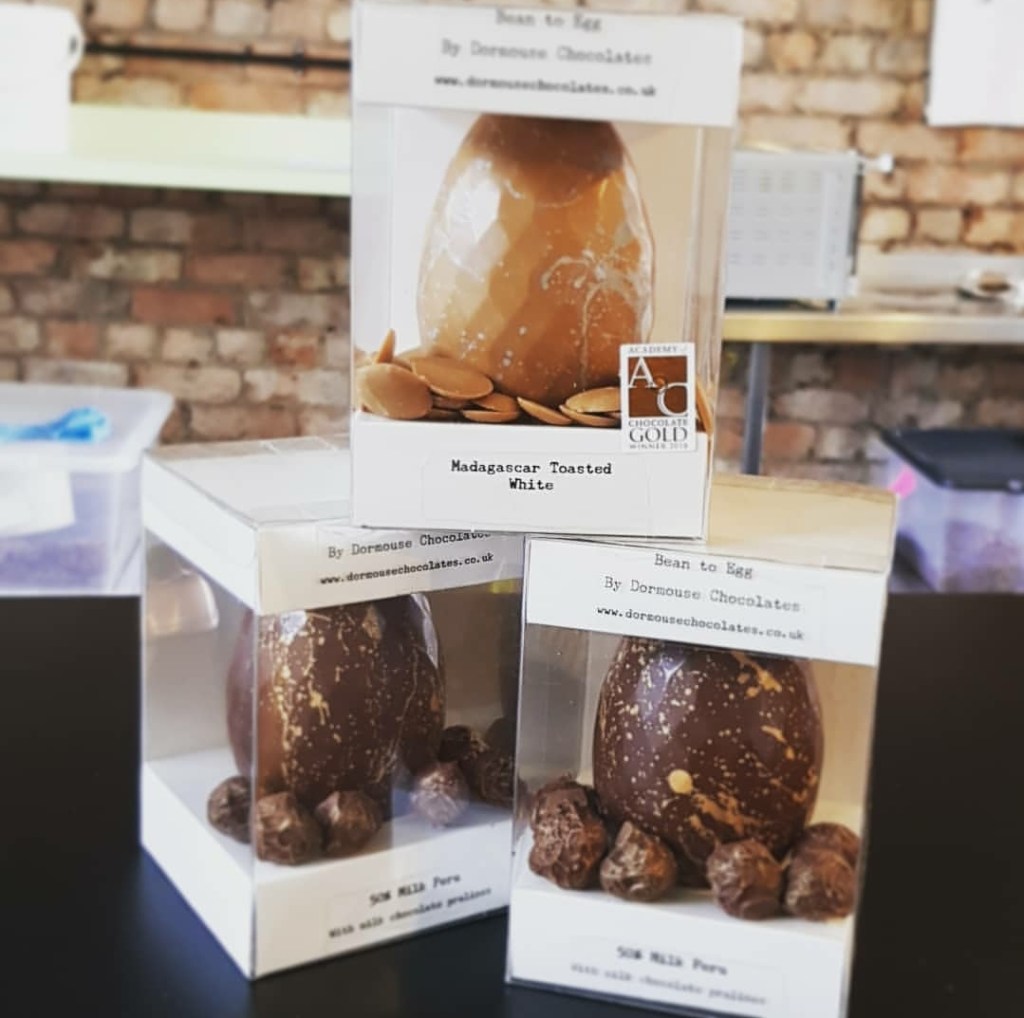
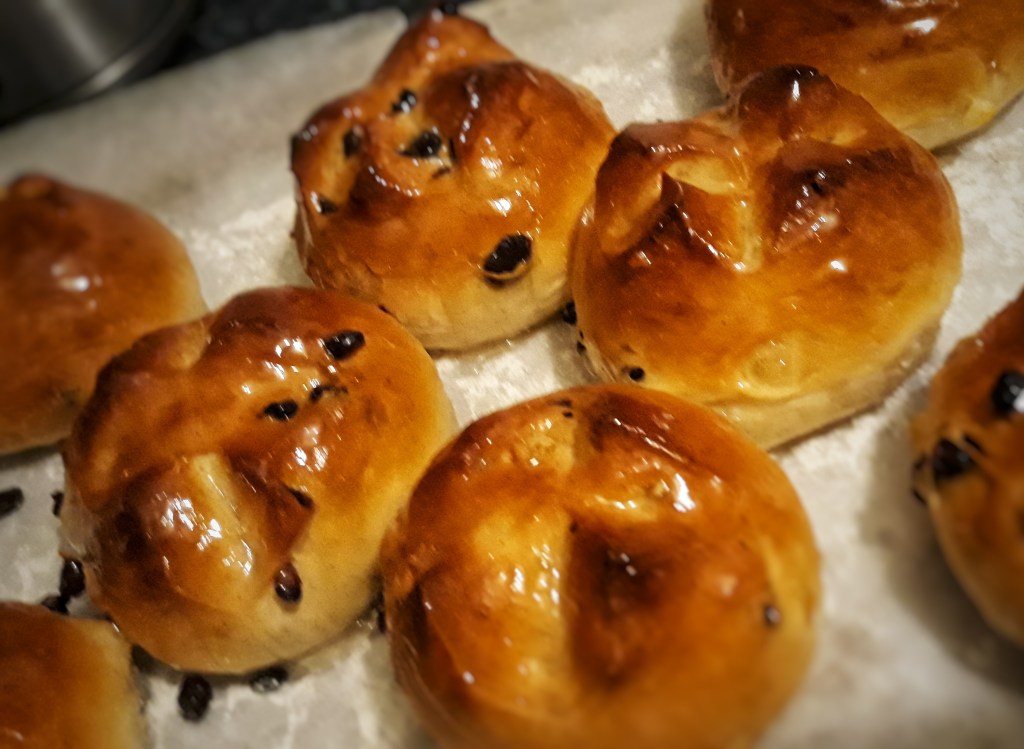
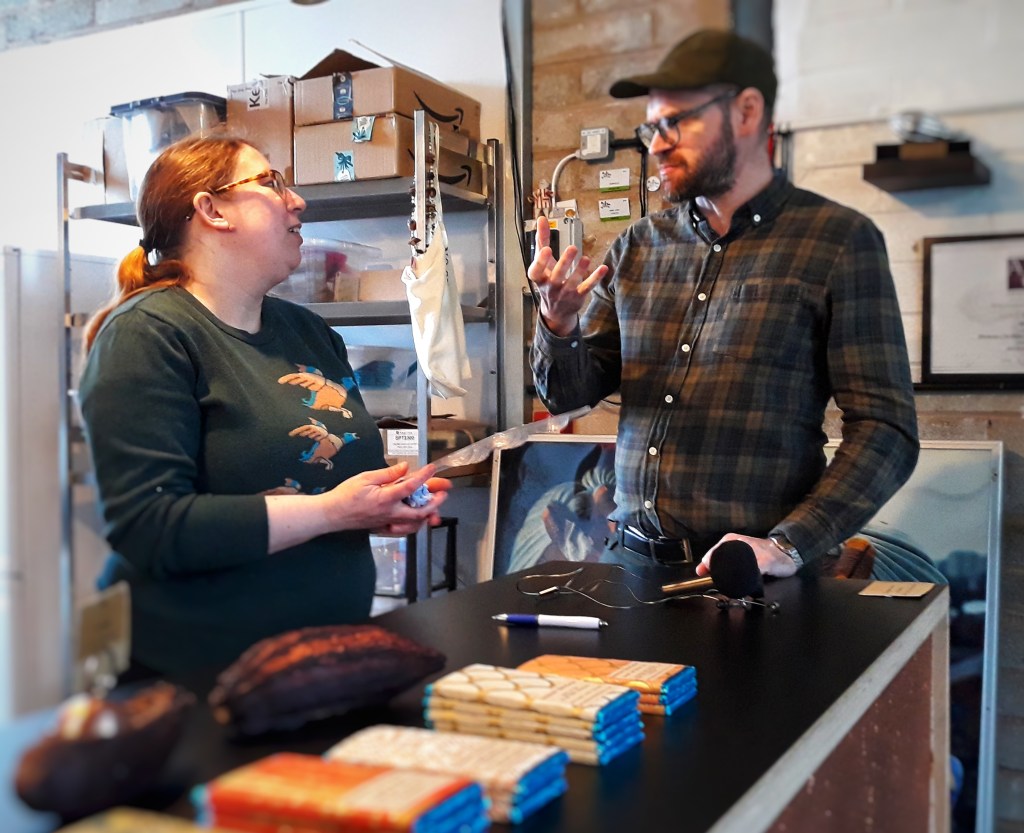
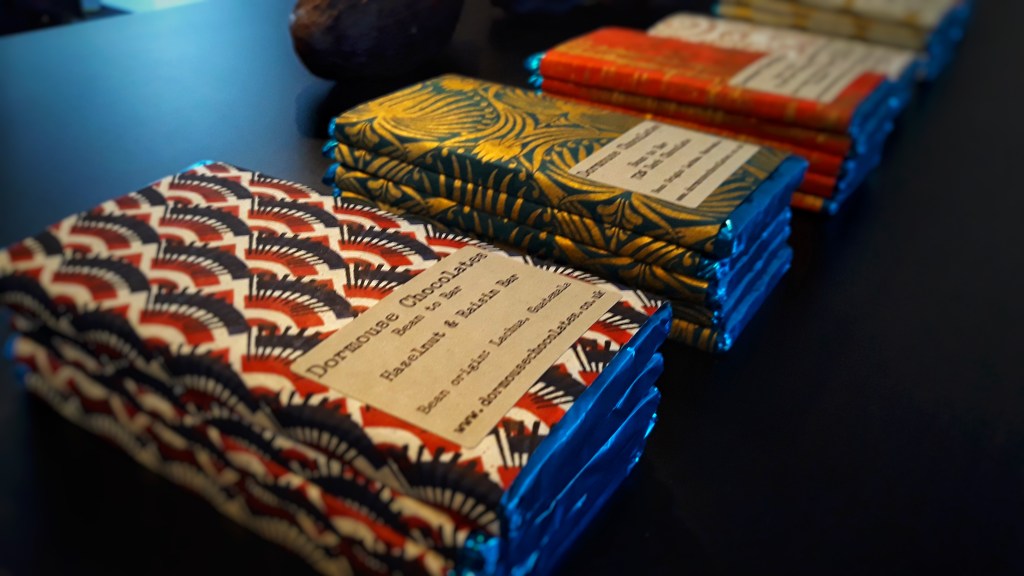
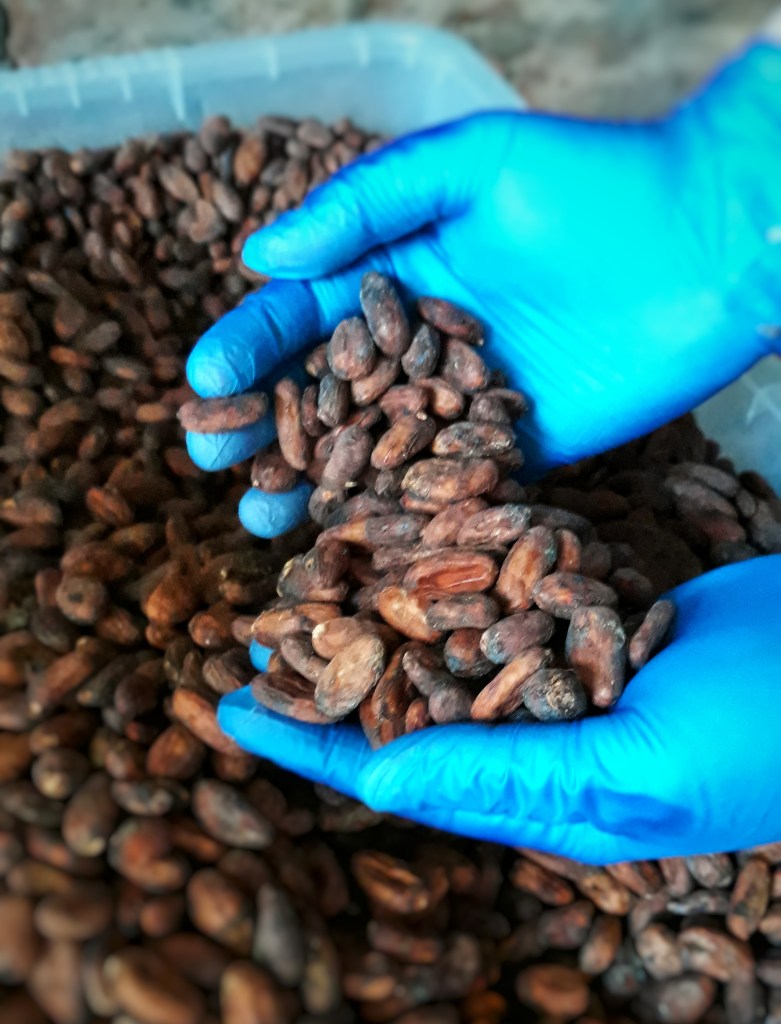
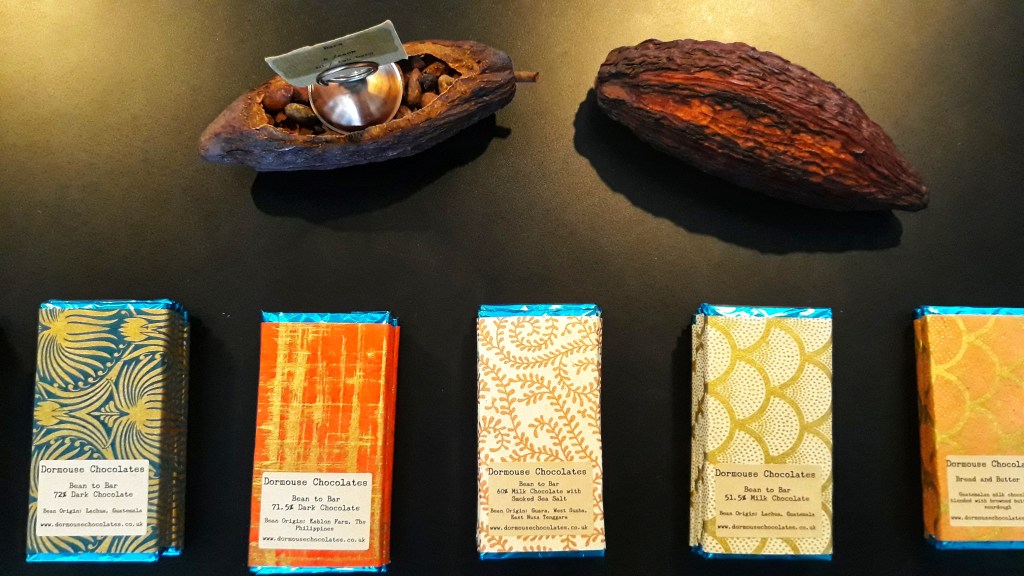
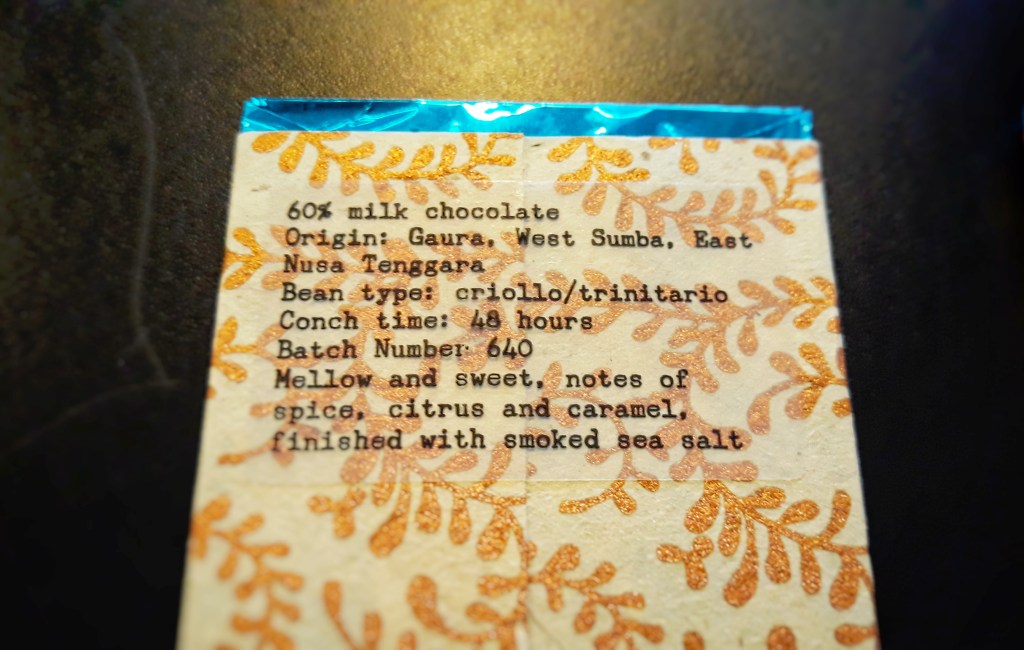
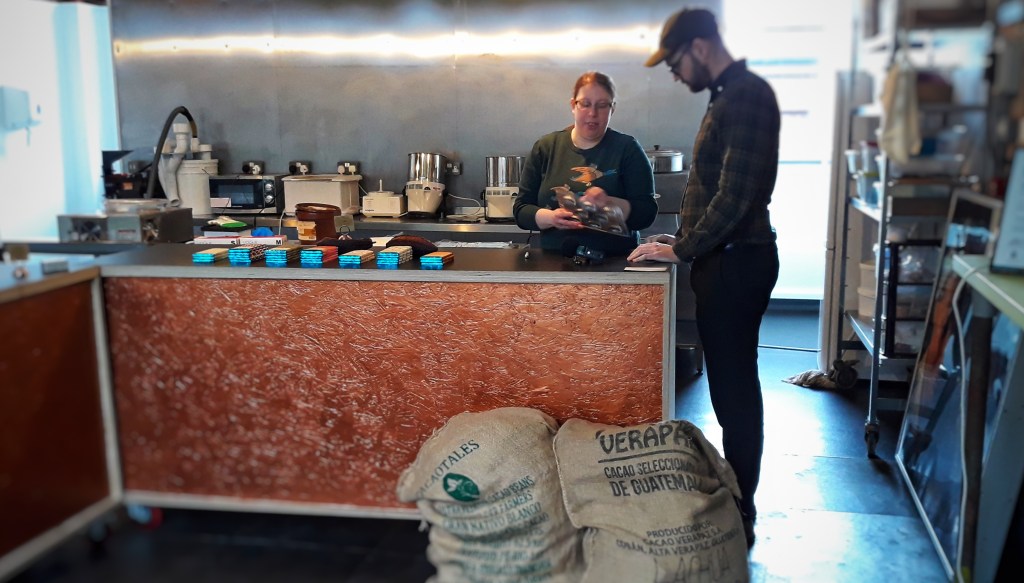
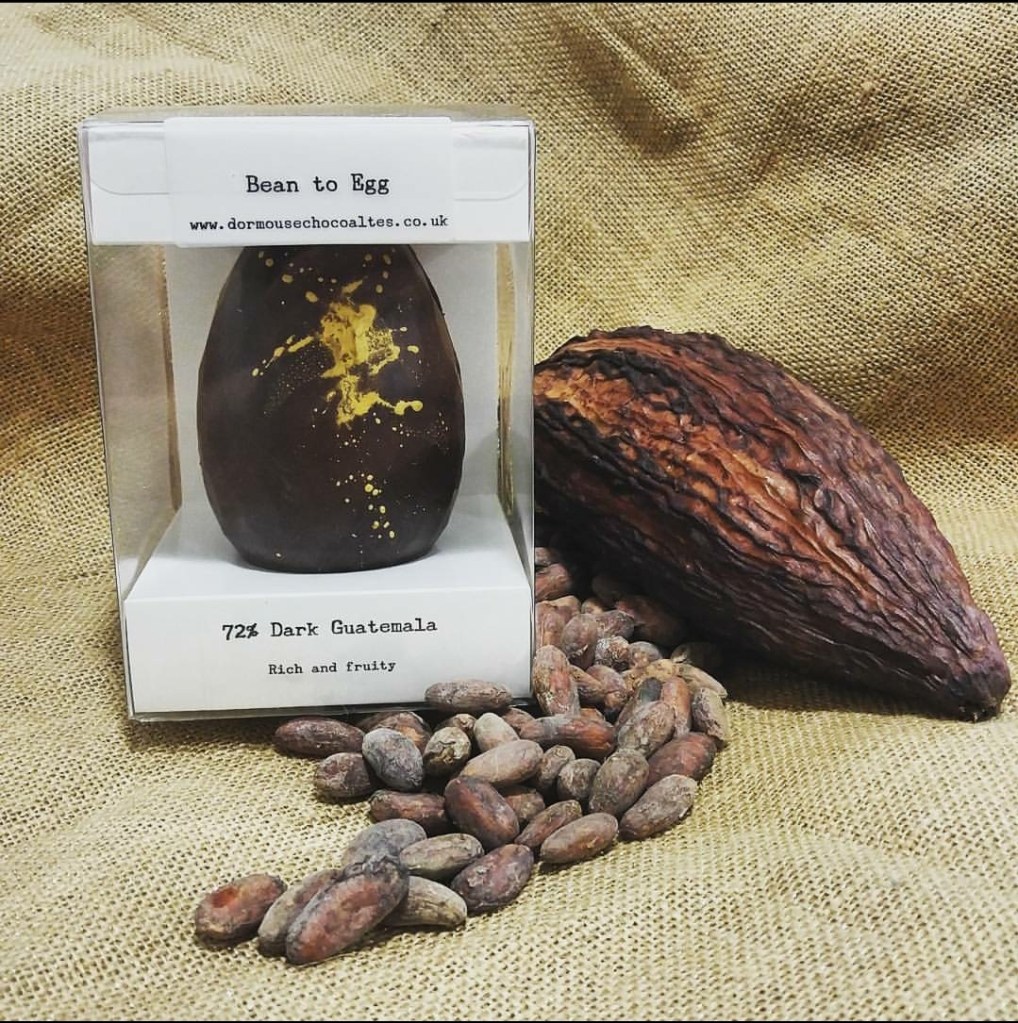
Two of the most Pagan things at Easter time are eggs and buns, so Neil looks at the history of those. He gives out his hot cross bun recipe, and takes a visit to the wonderful Dormouse chocolates – Manchester’s only bean to bar chocolatier.
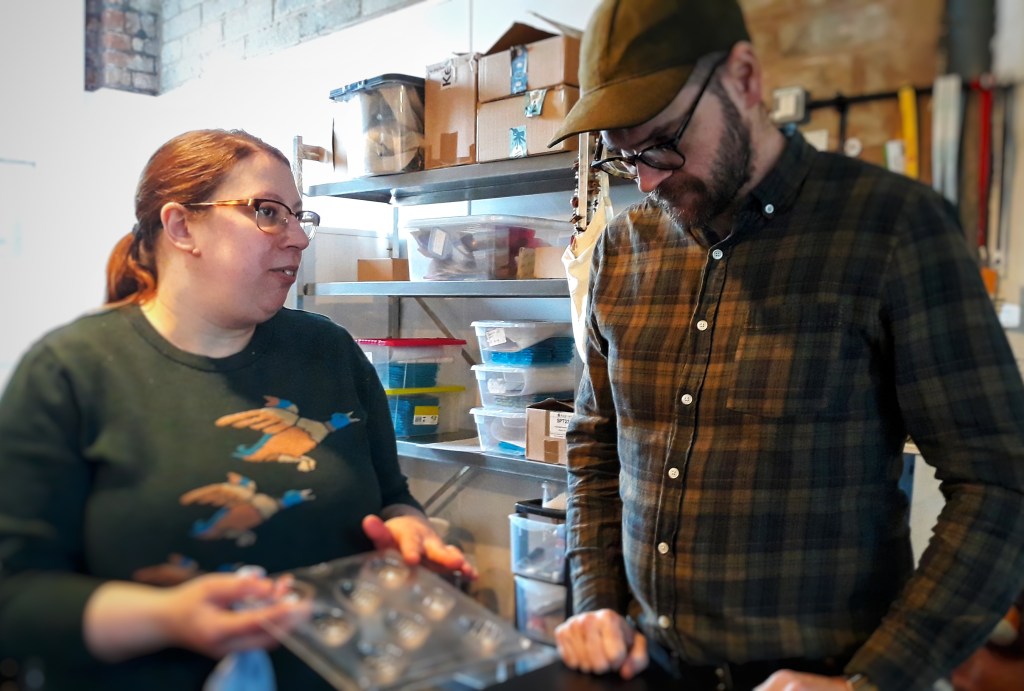
A big thanks to Isobel of Dormouse Chocolates for sparing the time to chat to me about chocolate eggs and the process of making artisan chocolate.
…and of course, thanks to everyone for listening – if you have any comments, questions or queries about anything you hear, leave a comment on this post, email me at neil@britishfoodhistory.com or find me on twitter @neilbuttery.
Please listen, like and subscribe.
Scroll down to see a list of photos and links all about the things discussed in this episode. See you next week!
If you like the blogs and podcast I produce, please consider treating me to a virtual coffee or pint, or even a £3 monthly subscription: follow this link for more information.
British Food a History: Lent was produced by Beena Khetani and is a Sonder Radio production
In this episode we look at the history of Lent: When was it enforced? What were the rules? That sort of thing. Neil looks at how the belief in the four humours shaped what we ate in Lent, and how they caused illness and changed our moods throughout the year.
This week – the first full week of fasting – is an Ember Week. There are four Ember Weeks throughout the year – one for each season – and this is the spring one.
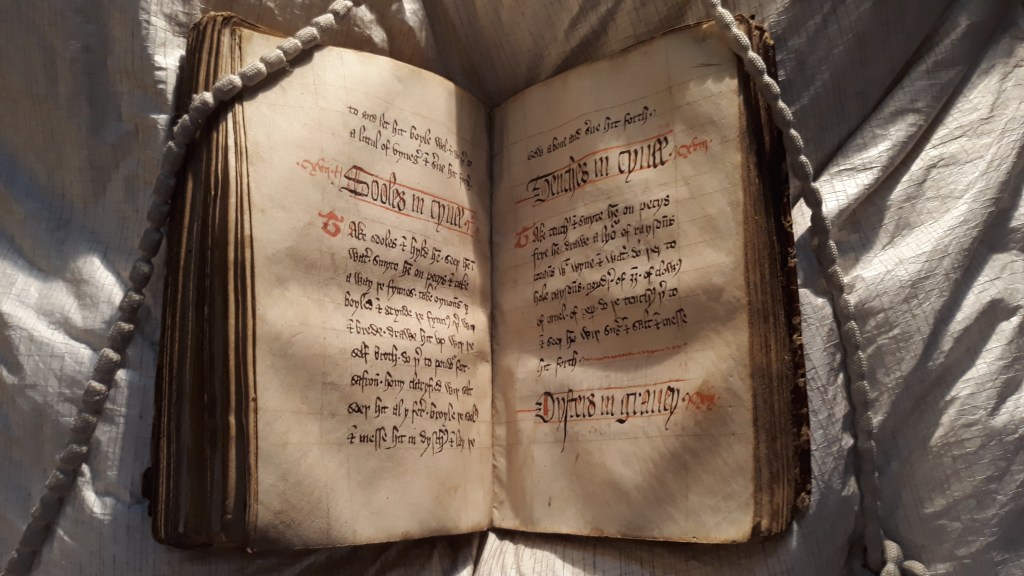
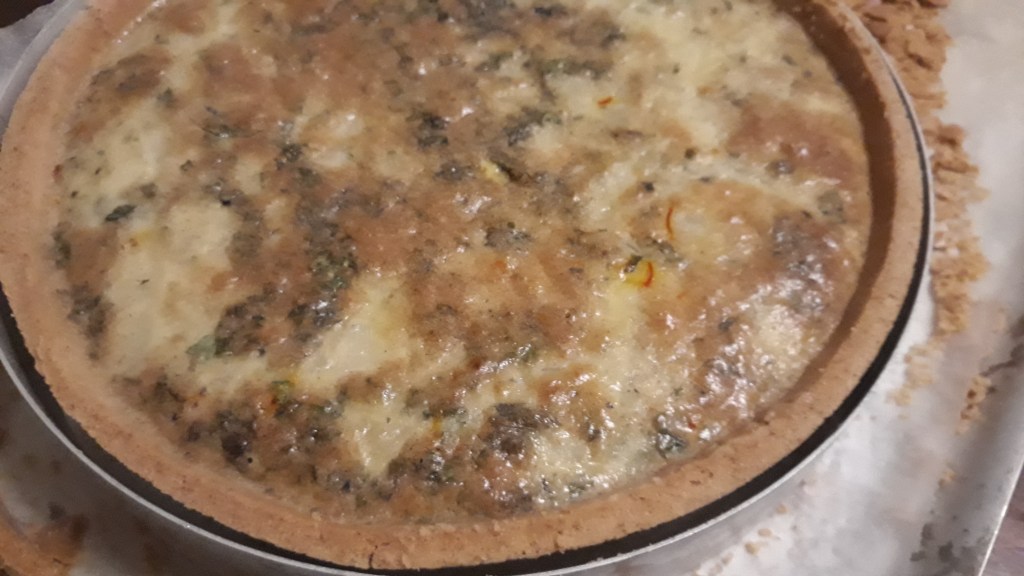
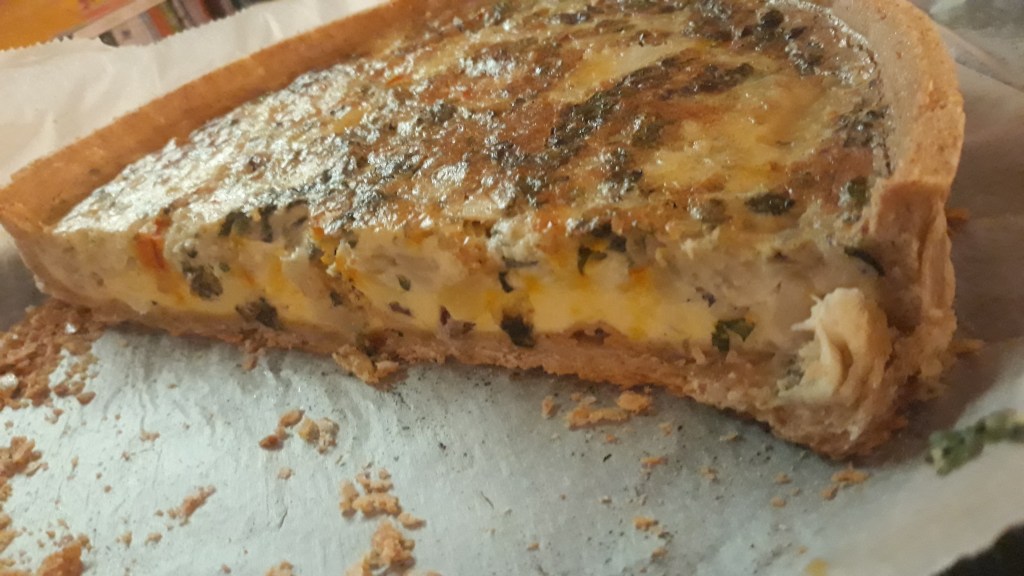
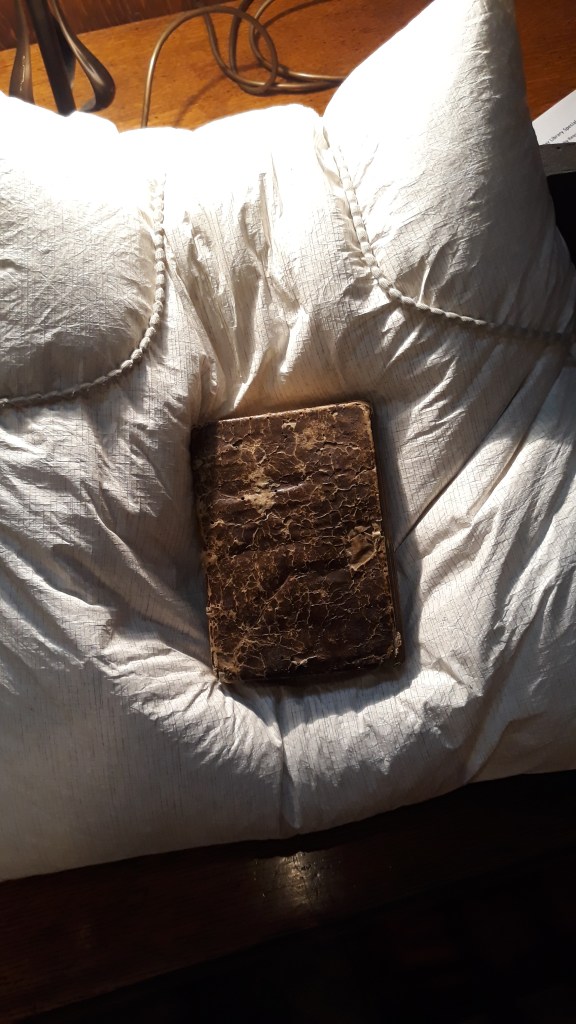
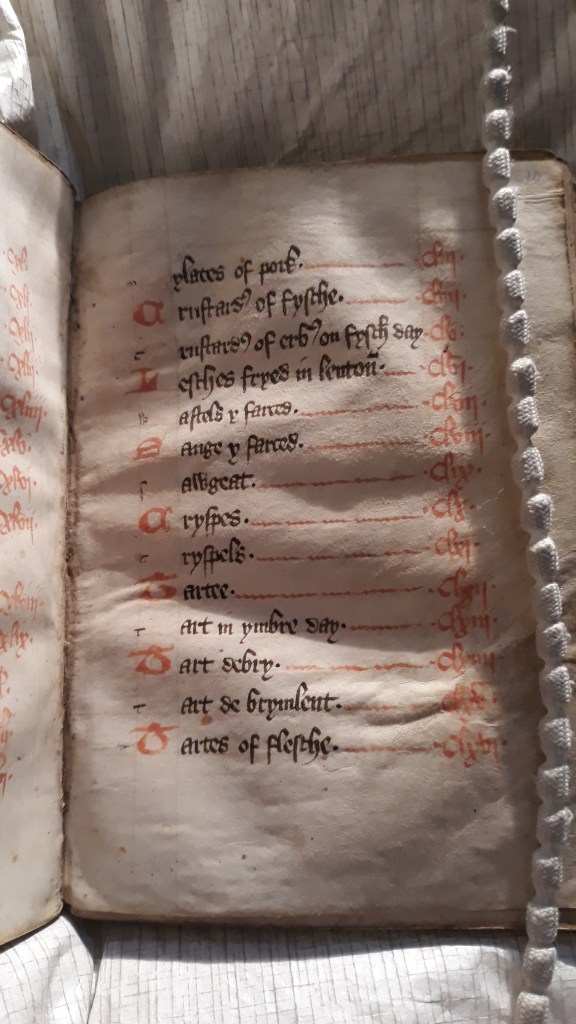
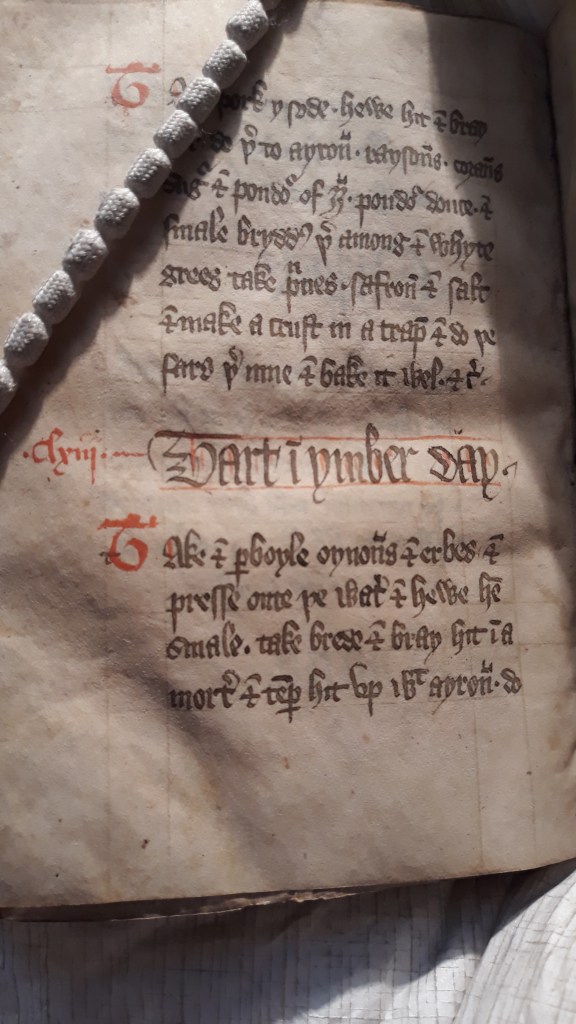
Neil then goes to the beautiful John Ryland’s Library in Manchester to see an early manuscript of the Forme of Cury, the earliest cookbook written in the English language, to find and cook from it ‘a tart for Ember Day’ which he cooks for his friends Kate and Pete with mixed results (recipe below).
A huge thanks to the staff of the John Ryland’s Library, who were very helpful indeed, and to Kate and Pete for letting me assault their taste buds.
Most of all, thanks to you for listening – if you have anything to add about anything you hear, feel free to post a comment, tweet me (@neilbuttery) or email me at neil@britishfoodhistory.com.
Please listen, like and subscribe.
Scroll down to see a list of photos and links all about the things discussed in this episode. See you next week!
If you like the blogs and podcast I produce, please consider treating me to a virtual coffee or pint, or even a £3 monthly subscription: follow this link for more information.
British Food a History: Lent was produced by Beena Khetani and is a Sonder Radio production
Welcome to my first episode all about the history of Lent in Britain. There will be a new episode every Sunday throughout Lent, and over the weeks we will be looking at it from every direction possible.
I’m having great fun making it and it has been amazing to get help and support from Beena Khetani at the amazing Sonder Radio.
A huge thanks to David Walker, Bishop of Manchester for giving up his time to talk to me, and to my pals Kate and Pete for letting me take over their kitchen.
Most of all, thanks to you for listening – if you have anything to add about anything you hear, feel free to post a comment, tweet me (@neilbuttery) or email me at neil@britishfoodhistory.com.
Scroll down for a more description of the episode as well as some useful links and photos.
Please like, follow or subscribe:
In episode one we start our historical journey through Lent, the Sunday before it begins by finding out what Lent (and indeed Easter) is with the help from the Very Reverend David Walker Bishop of Manchester, where we discuss what Lent and Easter means in the Christian Church, the benefits of fasting, how Lent has changed over the centuries, and how eating world’s largest rodent during Lent is absolutely fine (if you live in Venezuela).
Neil then tell us all about Shrovetide. Shrove Tuesday, aka Pancake Day, is the best-known day of Shrovetide of course, but what about its forgotten partner Shrove Monday, aka Collop Monday? You’ll have to listen to find out.
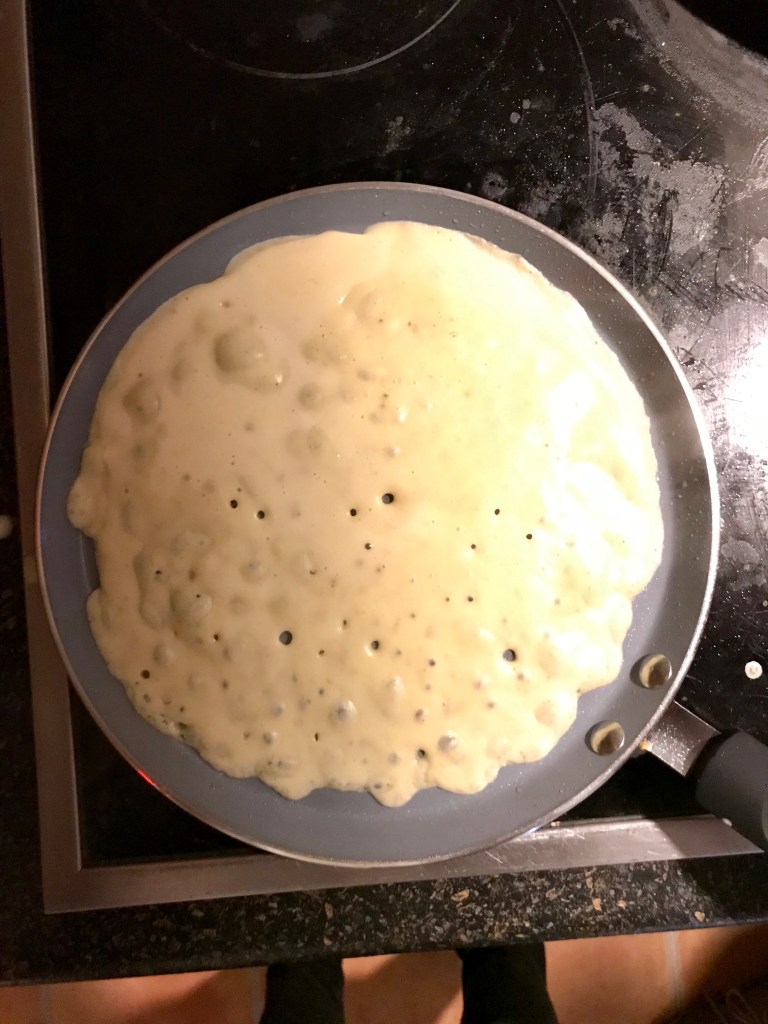
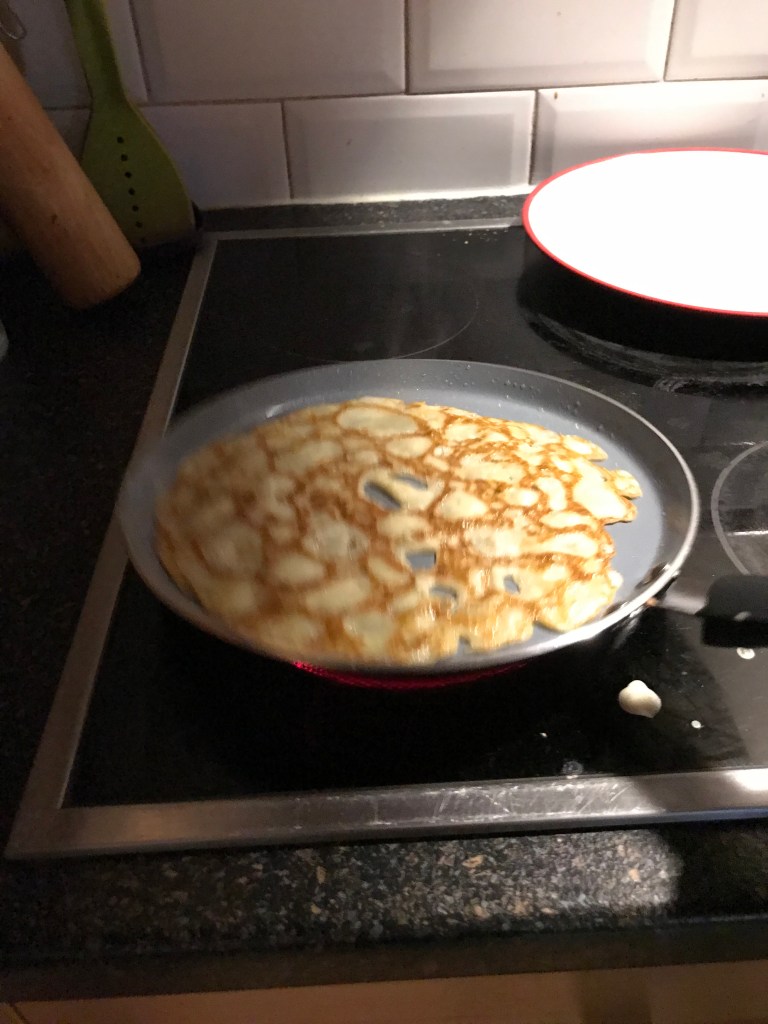
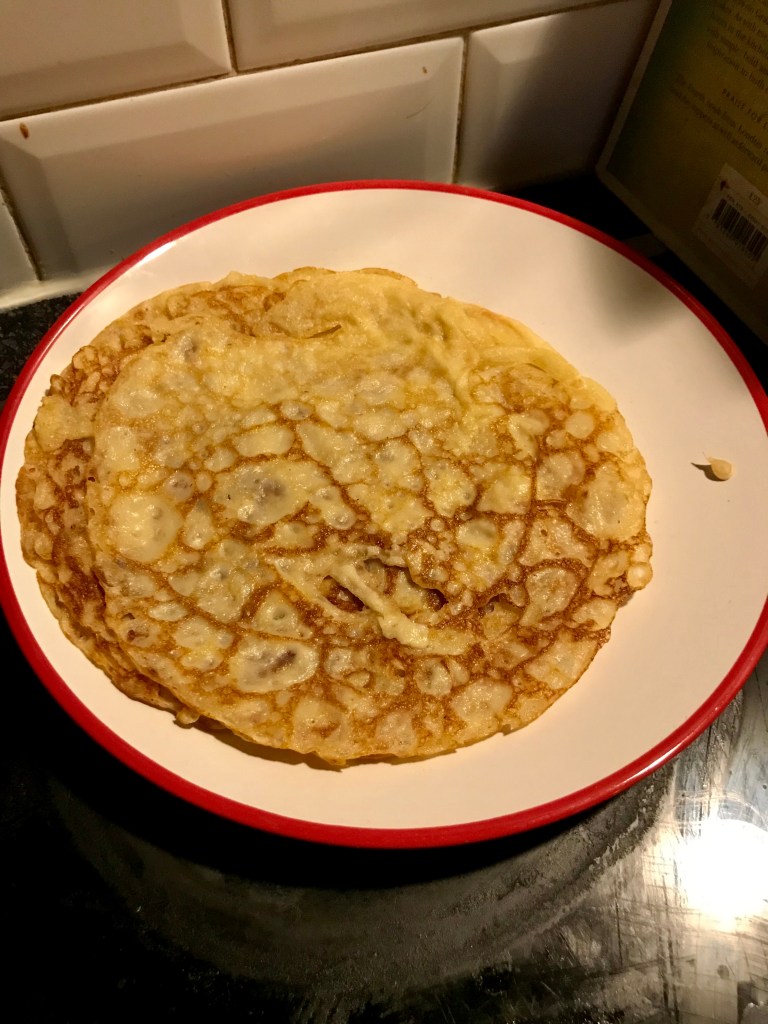
Neil then cooks two different pancakes: ‘Pancakes for the Rich’ and ‘Pancakes for the Poor’ for a couple of his friends Kate and Pete who are used to him shoving historical food under their noses all the time. They discuss the correct way to eat a pancake, what the best toppings and reminisce about that classic Jif Lemon advert from days long gone as well as Yvette Fielding’s massive pancake fail on Blue Peter.
Once well and truly shriven, we gather ourselves and head on to the first day of the 40-day fast Ash Wednesday.
If you like the blogs and podcast I produce, please consider treating me to a virtual coffee or pint, or even a £3 monthly subscription: follow this link for more information.
Hello lovely readers. Just a little post to let you all know that British Food: A History will be releasing its first podcast!
Season 1 is called Lent and the first episode comes out the Sunday before Lent starts – the 23rd February 2020 with new episodes out during every Sunday throughout Lent.
Just like my blog posts, the podcast will have plenty of food history and recipes, but mixed in their will be science, evolutionary biology, natural history and anthropology, as I look at how Lent has been like for people: the hardships, the special events, the lost and forgotten celebrations and practices. I’ve written about Lent and Easter a few times on the blog before, so go and have a look-see if you fancy.
A new tab has appeared on the website where I’ll be posting loads of background bit, photos sand extra material as well as links to each episode of course.
You guys can get involved too – if you don’t follow me on Twitter, find me – @neilbuttery – and post your thoughts and if you have any extra information and facts, or questions, let me know there. Alternatively, email me at neil@britishfoodhistory.com
It would be great if you could listen and get involved. Don’t forget to keep an eye out on the Lent Podcast tab on 23rd February.
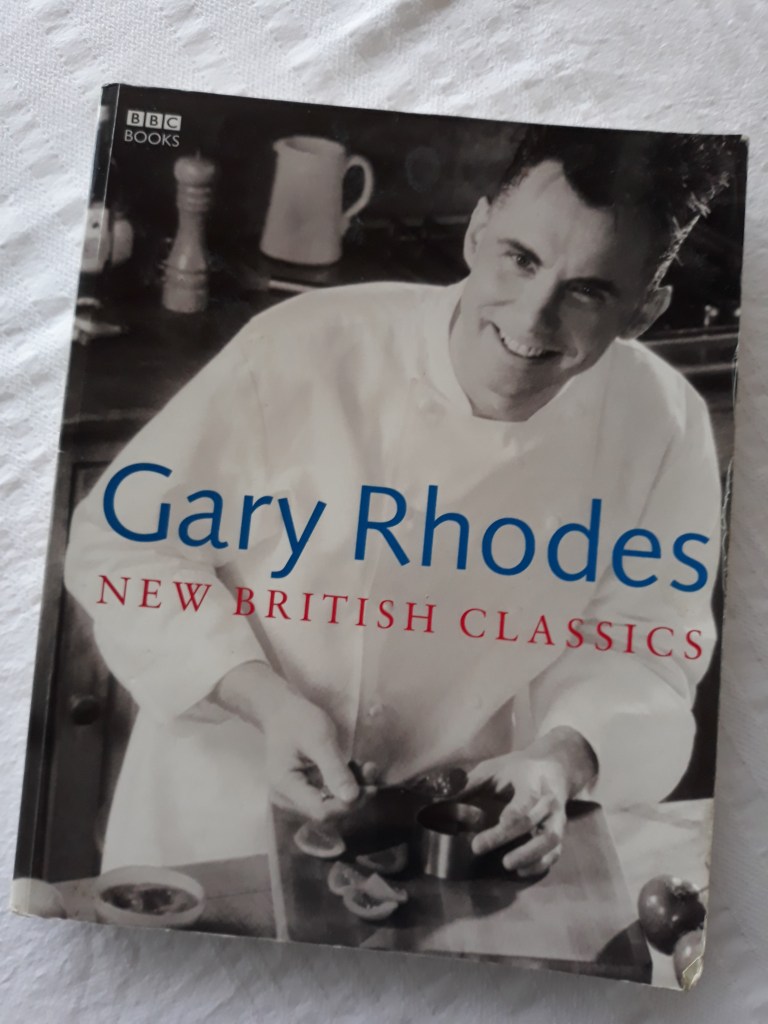
I have been meaning to write a post on this excellent cookbook for quite a while, and it is such a shame that my prompt to pull my finger out was the sad and untimely death of Gary Rhodes at the end of last year.
When I was asked to submit my list of favourite cookbooks to the 1000 Cookbooks project, I put New British Classics as my number one choice, my comment at the time being: “simply the best book on British food around. Everything from lowly haslet to lobster.”
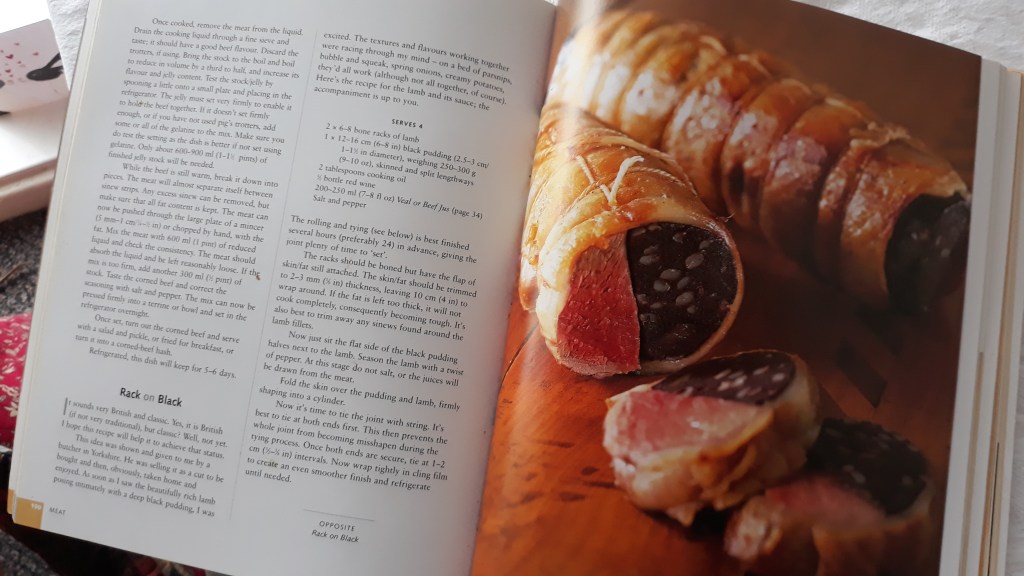
Favourite recipes include salad cream, lardy cake, prawn cocktail, rhubarb and rack-on-black – lamb roasted with black pudding.
My favourite books on food tend to be by food writers rather than professional chefs because they write about their love of food and its importance in our culture and history. Chefs tend to be, well, cheffy; there’s no evocative description of the hustle and bustle of a French market, and they assume that you want to be cooking restaurant-level food at home. This is where Rhodes was different – sure there are cheffy dishes like the very complex rich pigeon faggot – but there are basics such as fried bread, porridge and jam roly-poly. Everything is represented and everything has equal billing, meaning that whatever your ability level there is a way in. You can start off with basics like scrambled eggs or go straight in at the deep end with pigs’ trotters Bourguignonne.
The full gamut of British food is here: fish and chips, steak and kidney pie, pork faggots, white pudding, Welsh rarebit, and the massive range of techniques contained within makes it the most comprehensive book of British recipes there is. What’s more, every single recipe works perfectly; he goes through every stage, assuming you know nothing but never patronises. If you don’t own a copy and you’re interested in cooking British food, it really is essential.
The secret to his success was his attention to detail. Every move made, and technique used was meticulous and done with deftness, even the way he picked up an ingredient to show to camera had an air of precision about it. Take a look at this clip from the accompanying BBC programme, where he shows us how to make cabbage and bacon soup, and you’ll see what I mean:
He was a classically trained chef who applied French techniques to classic British dishes, taking them to new heights while keeping them authentic. His approach definitely rubbed off on me when I was teaching myself to cook; use the best ingredients and don’t cut corners, every stage is there for a reason, so you need to understand why it is there. Only when that penny drops will you develop a cook’s intuition. This approach to cooking won him his first Michelin star at the age of 26, eventually receiving an OBE for services to the hospitality industry in 2006.
On television, he was very enthusiastic, polite and well-spoken; he seemed a little odd and socially awkward (as all the best people are), making him all the more endearing. He got me interested in cooking and wanting to spend my precious leisure time in the kitchen, learning new techniques and tackling novel ingredients.
If you like the blogs and podcast I produce, please consider treating me to a virtual coffee or pint, or even a £3 monthly subscription: follow this link for more information.
He was rarely off the telly during the late 1900s and early 2000s, his trademark spiky hair and over-enthusiasm caused many to pooh-pooh him as gimmicky. Eventually the fickle eye of entertainment focused upon other, younger chefs and so he stopped appearing so regularly. But his books and their accompanying TV shows are great; his Rhodes Around Britain and Cookery Year series are worth checking out too (his apple pie recipe from the latter is the best in world in my opinion).
He died on the 26 November 2019 at the age of 59 from head injuries after a fall – no way or age to go, I’m sure you’ll agree. Of course, when someone dies, there work is revaluated and I hope people recognise what he did for British cuisine, because he put it on a pedestal when everyone else was looking elsewhere.
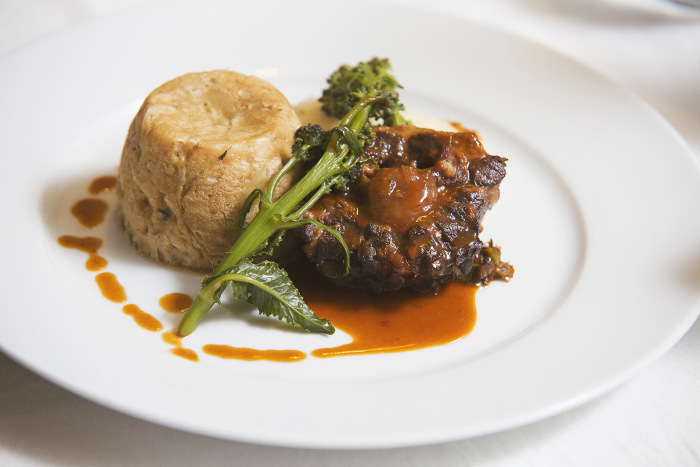
Braised Oxtails
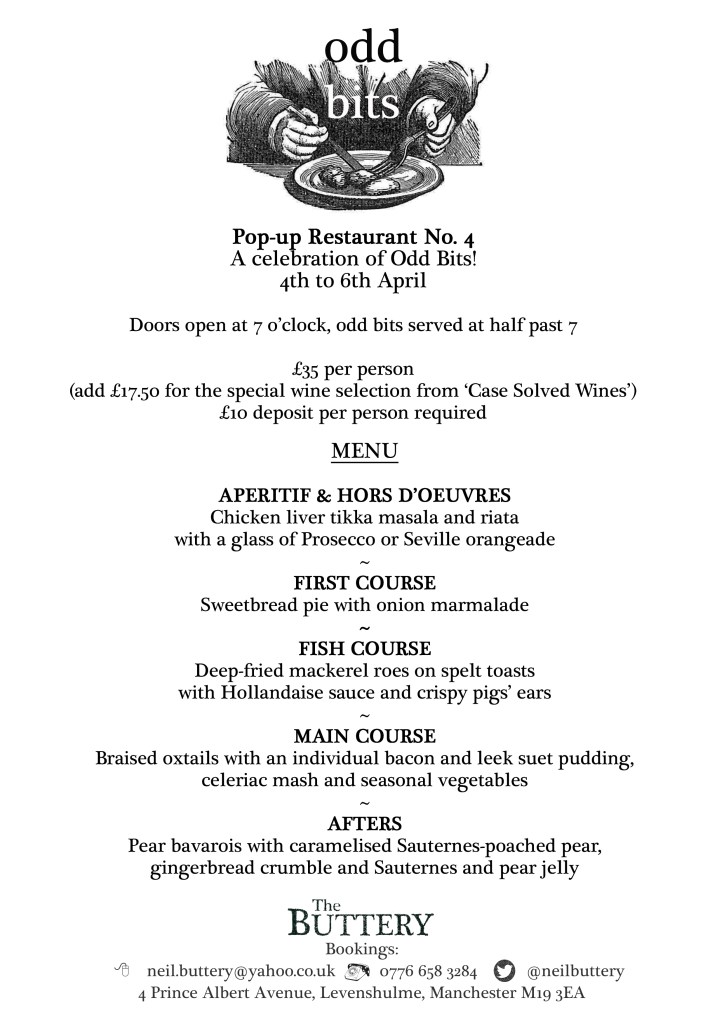
He was ‘discovered’ on the Keith Floyd programme Floyd on Britain & Ireland. On the segment he makes his signature dish: braised oxtails. Ironically, by the time New British Classics was published his most famous dish was illegal to eat – cooking beef on the bone was banned because of health fears surrounding the BSE crisis. Eventually the ban was lifted, and I could make it for myself. Back in my pop-up restaurant days it was the main course at my first everOdd Bits offal evening.
This is my version of Gary’s signature dish; it’s slightly simplified but just as gutsy. It really is one of the most delicious things you will ever cook. Nothing else needs to be said – except ‘cook it’!
Enough for 6
2 oxtails, trimmed of excess fat
Salt and pepper
Beef dripping
Around 100 g each carrot, onion, celery and leek
1 tin of chopped tomatoes
2 tbs tomato purée
Small bunch thyme and rosemary
2 bay leaves
1 clove garlic, crushed
300ml red wine
1 litre beef stock
Season the oxtails and fry in dripping until well browned, transfer to an ovenproof pot, then fry the vegetables until nicely brown too. Tip those into the pot along with the tomatoes, garlic and herbs and bring to a simmer. Pour the wine into the original pan and reduce until almost dry. Add to the pot with the stock.
Simmer very gently on the hob or braise in an oven set to 160⁰C. Whichever you choose, it needs to tick away for 3 hours.
Remove the cooked meat and keep warm and pass the cooking liquor through a conical strainer, really pressing the vegetables hard to get all the flavour out.
Throw in a big handful of ice cubes, and stir so they freeze the fat; you should be able to lift out ice and fat in one nice big satisfying lump.
Reduce the liquor to a sauce and season with more salt and pepper, then add back the oxtails to heat through.





 British Food: A History