In the fifth episode of the series we look at Mid-Lent Sunday, traditionally a day where lots of different celebrations occurred, but we focus on Mothering Sunday and the lesser known Clipping the Church.
Neil with David Walker, Bishop of Manchester
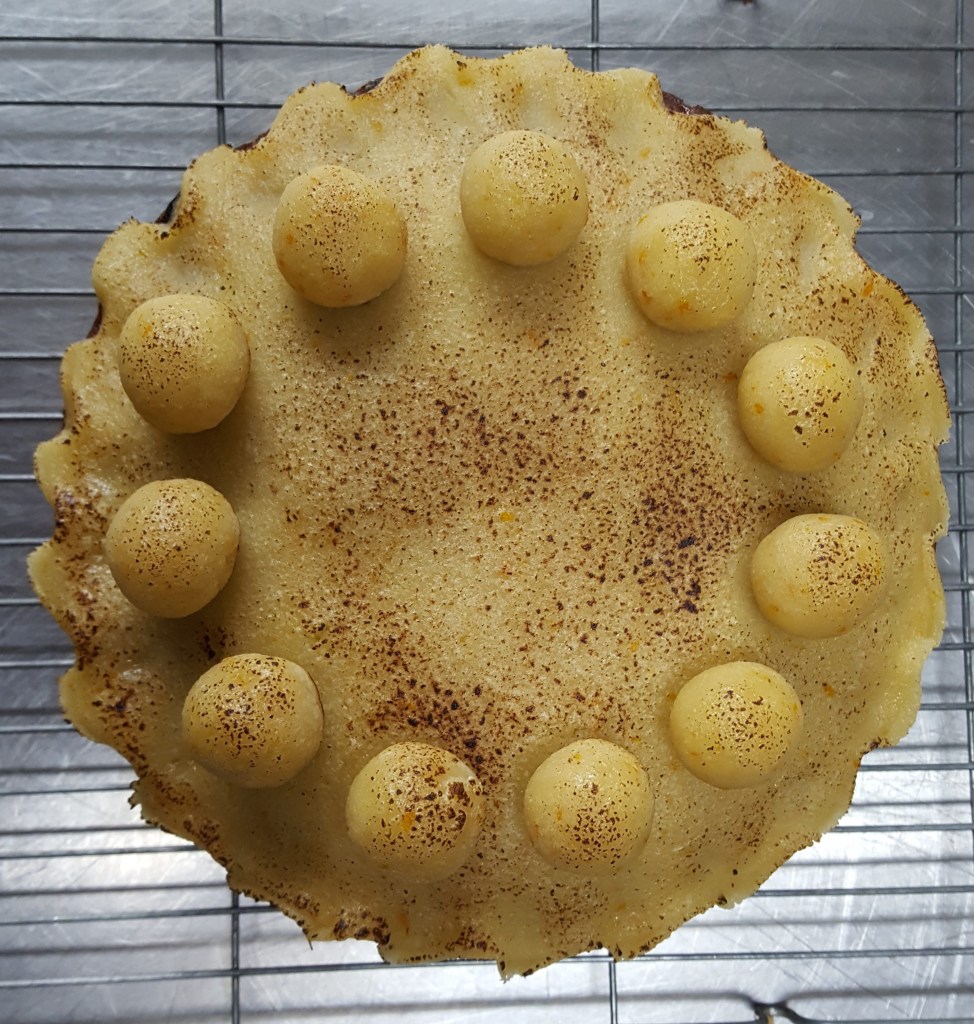
Neil bakes a simnel cake and chats again to the Right Reverend David Walker, Bishop of Manchester, about the history of Mothering Sunday, which is not necessarily the same as Mothering Sunday.
Neil then looks at the evidence that suggests that fasting has many potential health benefits and puts theory to the test by going on a two weeklong fast of his own. There are mixed results and mood swings aplenty.
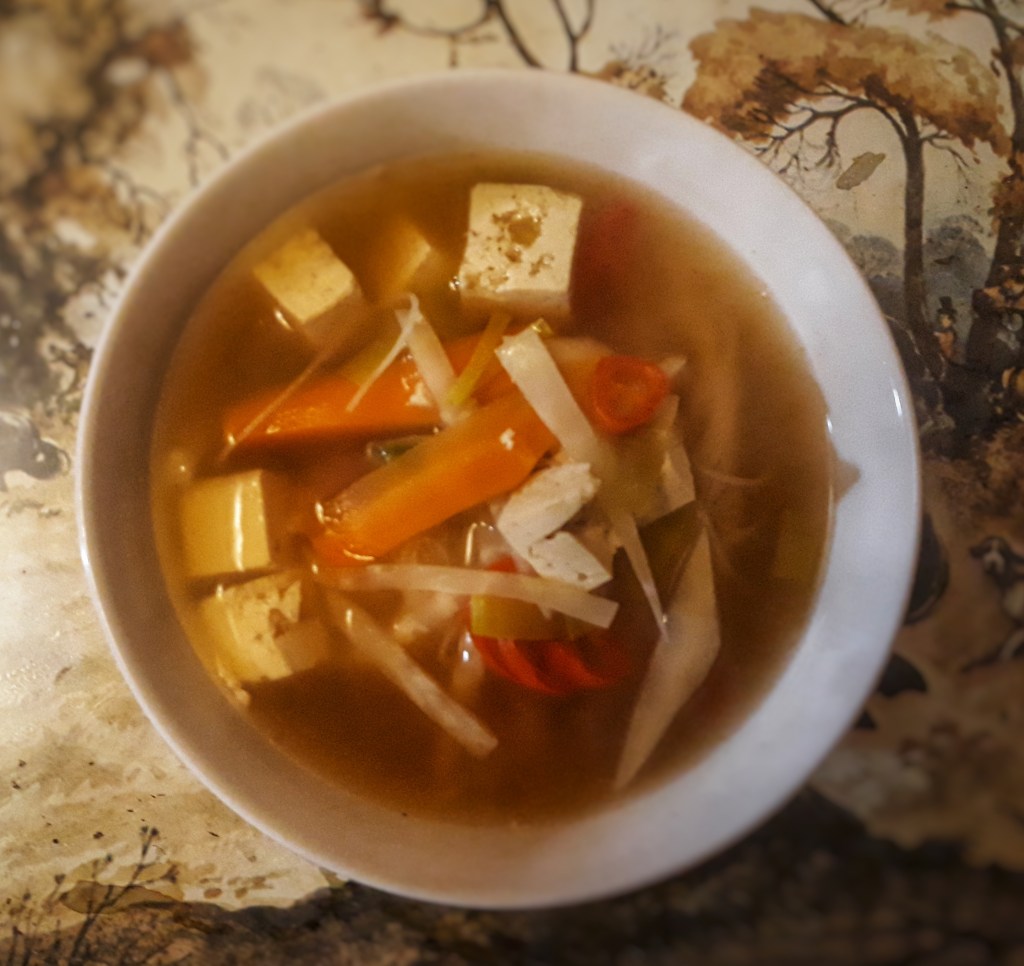
The only thing Neil could be bothered to cook up. *Hangs head in shame*
There’s also the answer to Professor Matthew Cobb’s minnow mystery from last week.
Produced by Beena Khetani. Made in Manchester by Sonder Radio.
If you like the blogs and podcast I produce, please consider treating me to a virtual coffee or pint, or even a £3 monthly subscription: follow this link for more information.
In this week’s episode we start with a little look at how Lent was dumbed down over the years from extremely strict to almost non-existent.
However, the bulk of the episode is about natural history during Lent – there are lots of interesting animal behaviours around at this time of year, such as mad March hares doing their dashing about and boxing matches. Plants are starting to reappear too and seeing their blooms can really lift our spirits.
A bit of Bud…
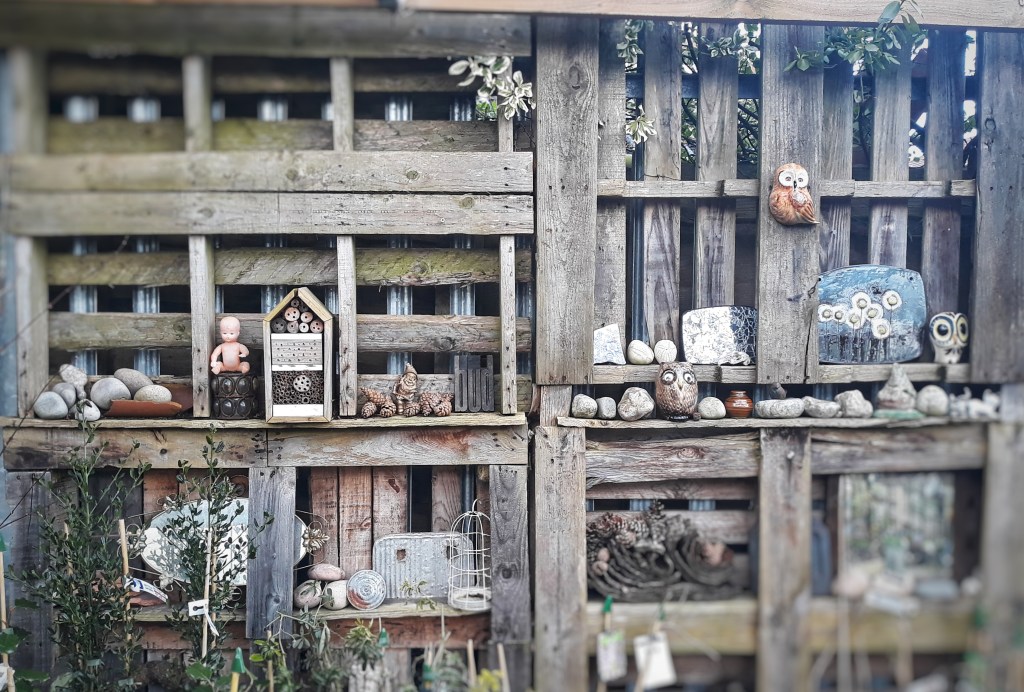
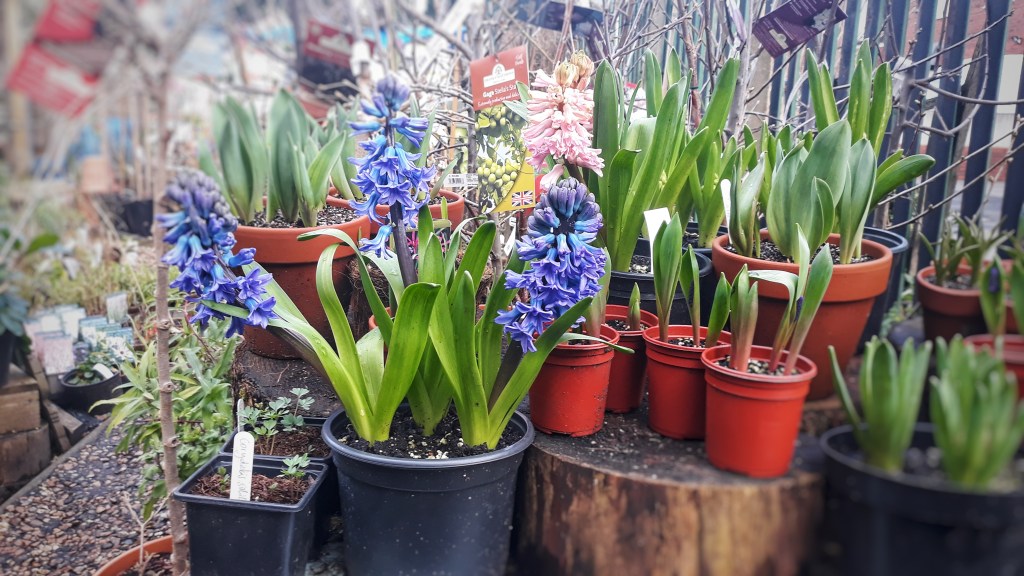
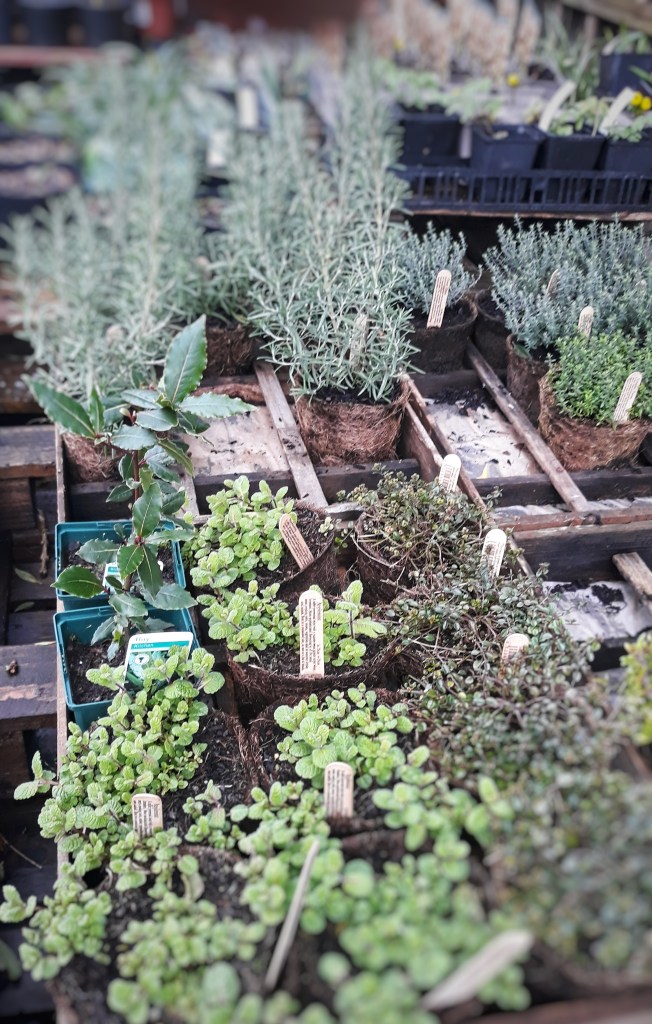
Neil has a conversation about plants with Brenda Smith of Bud Garden Centre, Burnage, Manchester. Brenda grows many of her own plants and has an allotment so she was the perfect person to tell us about what gardeners and growers can be doing. Neil asks if there is anything growing or can be grown this time of year for the dinner table, and we discuss the importance of avoiding peat when gardening at home. We also chat about wild plants that we see in the early spring and how they have adapted to thrive in a rather bleak time of year.
Neil then speaks to Matthew Cobb, Professor of Zoology at Manchester University, about animals and their behaviour in spring including mad March hares, aggression and territoriality in male animals, nesting building, how horrible mallards and robins are, sexual selection, horrible nature, stoat attacks and more.
Professor Matthew Cobb
One of the common threads in both chats is how climate change is affecting things for both plants and animals, which is a bit depressing, but we leave the episode on a fun cliff-hanger from Matthew. If you think you know what happened next, leave a comment below or tweet me at @neilbuttery or email me at neil@britishfoodhistory.com.
Click the link below to go straight to the episode:
If you like the blogs and podcast I produce, please consider treating me to a virtual coffee or pint, or even a £3 monthly subscription: follow this link for more information.
Produced by Beena Khetani. Made in Manchester by Sonder Radio.
In this week’s episode we look at Pagan Lent and Easter – and look at the ancient pre-Christian celebrations and symbolism that endured to the present day. We also see how the Christian church on one hand had to let the Pagans keep their traditions so they would accept this new religion, yet have them reject it all as heathenous hocus-pocus at the same time. We also find out about the Pagan goddess Eostra, who, as it turns out, we know absolutely nothing about.
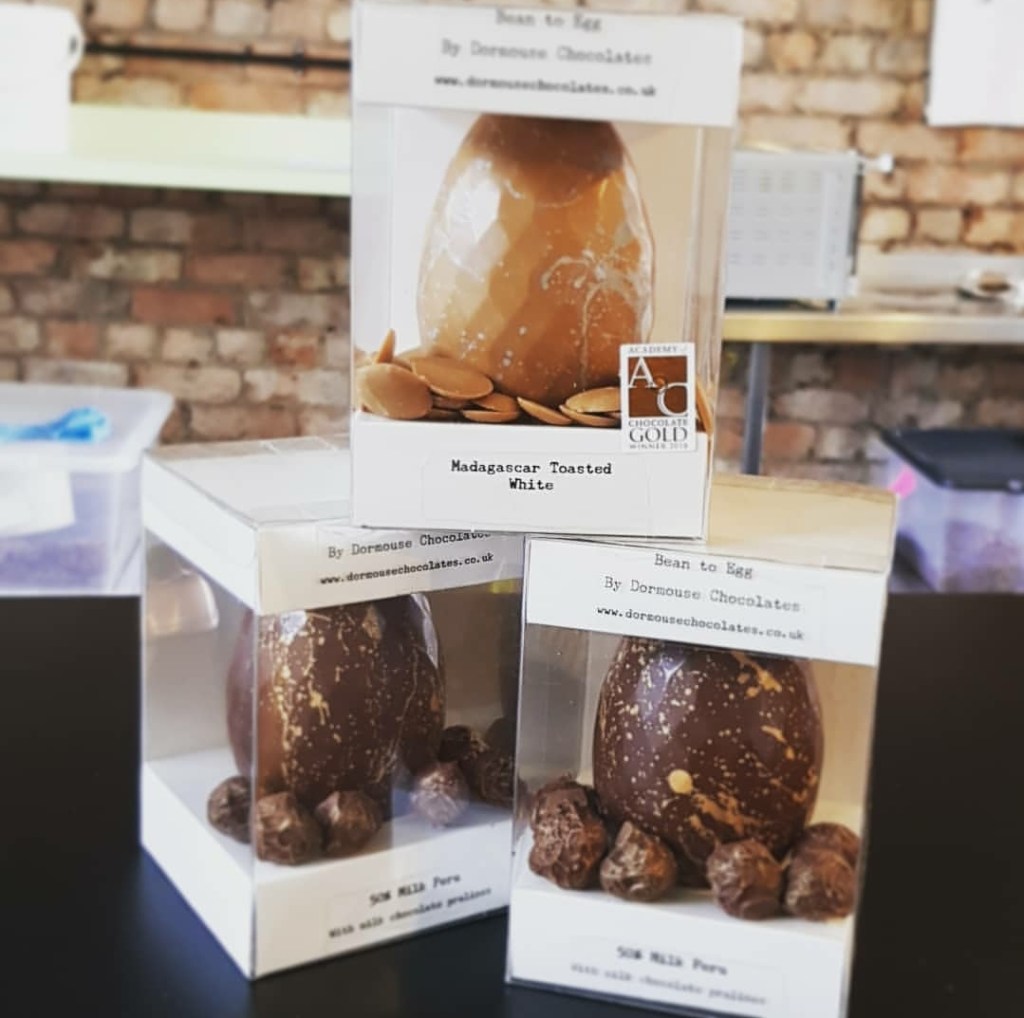
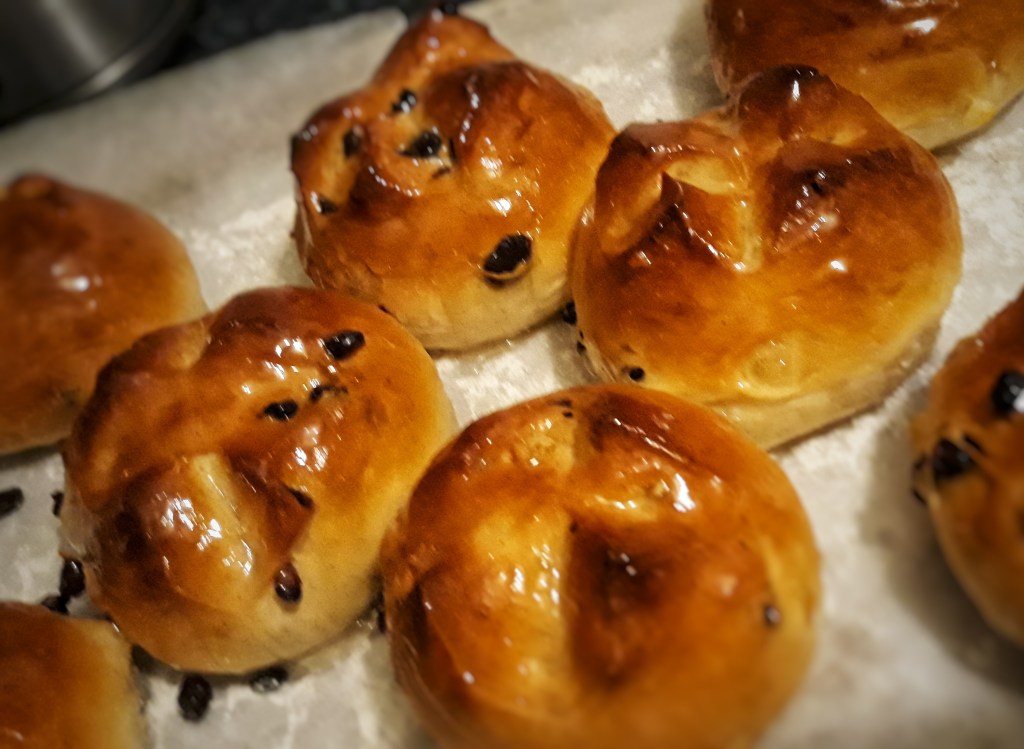
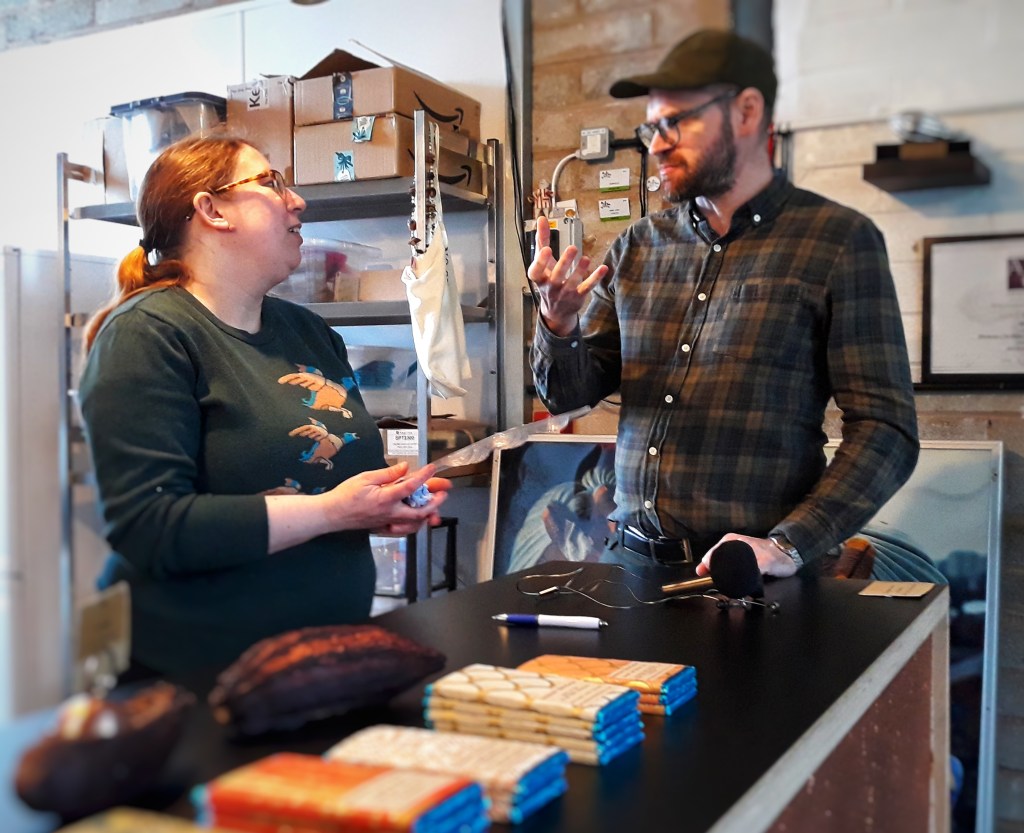
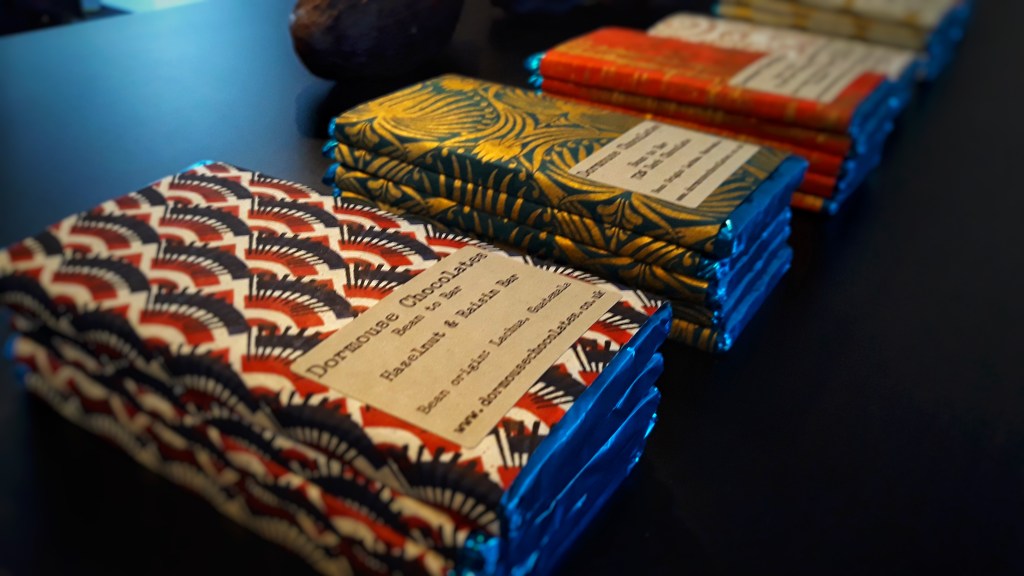
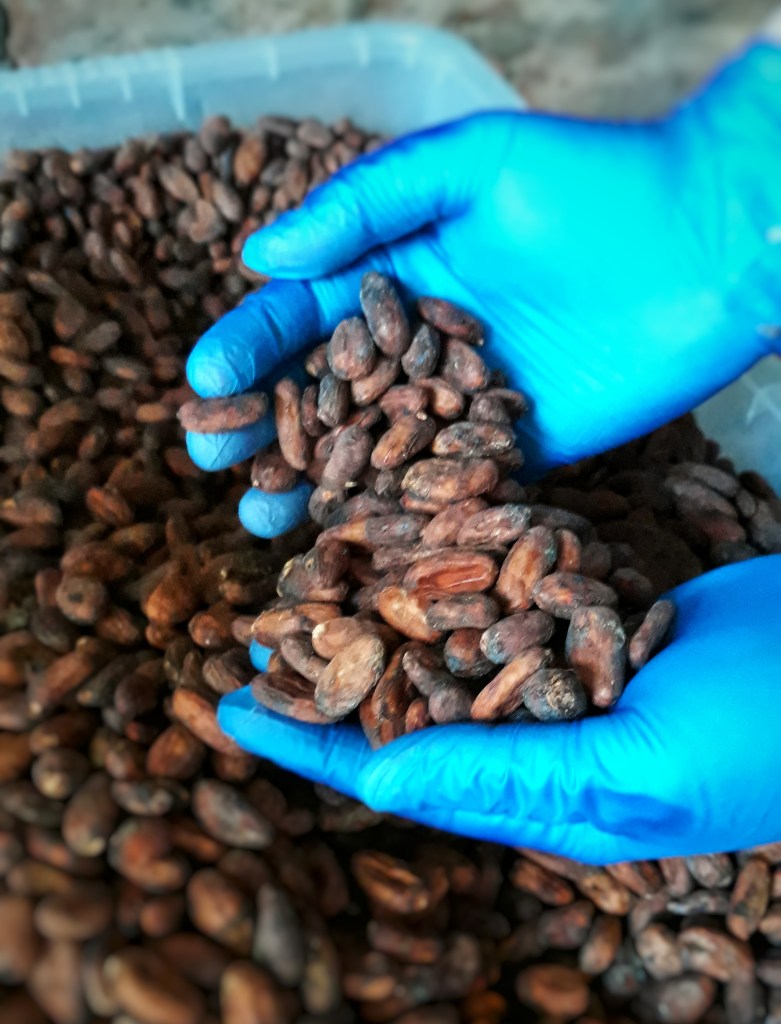
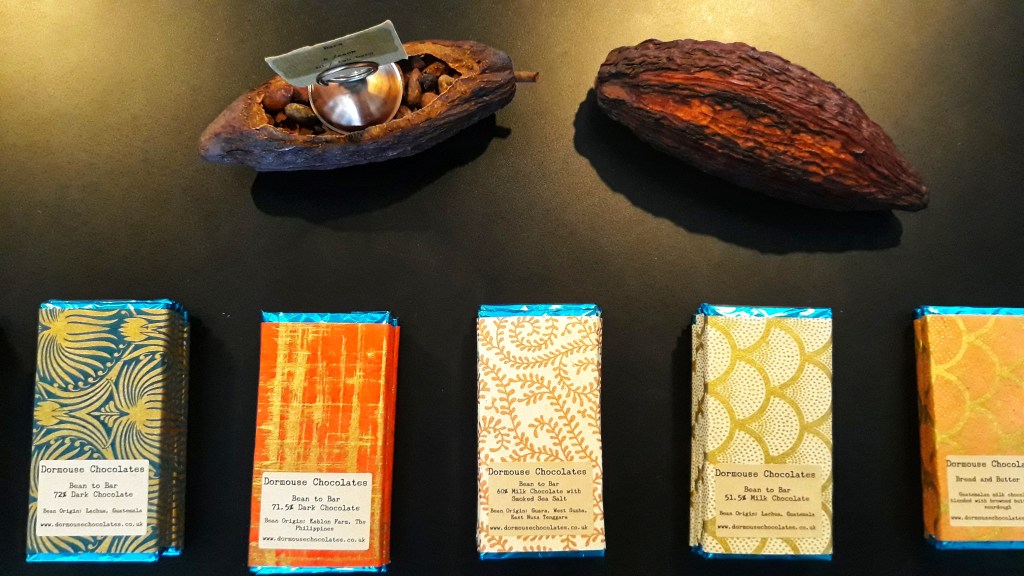
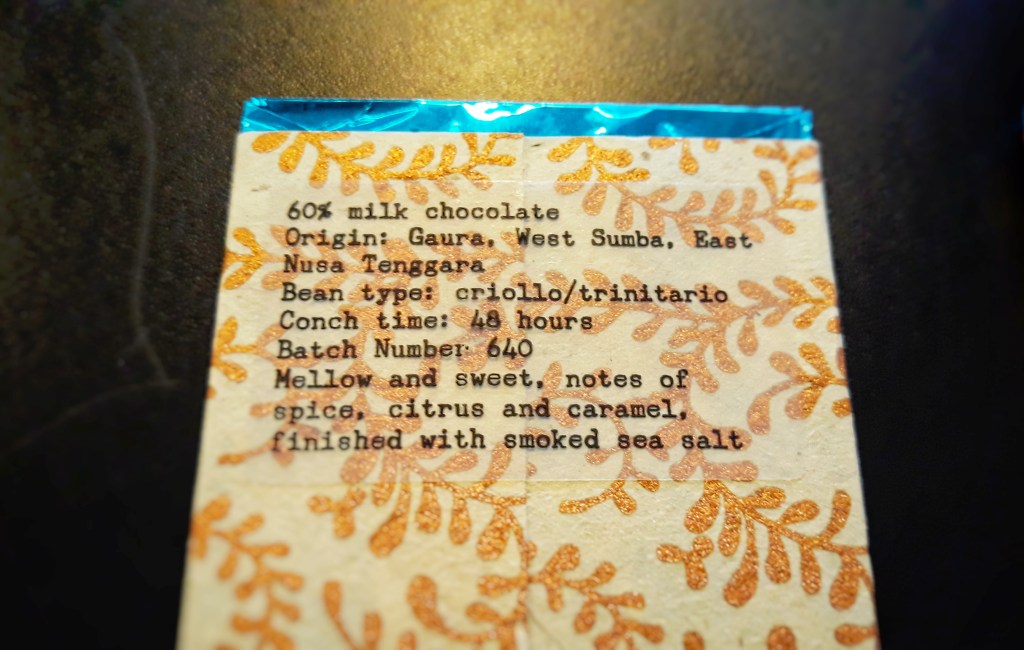
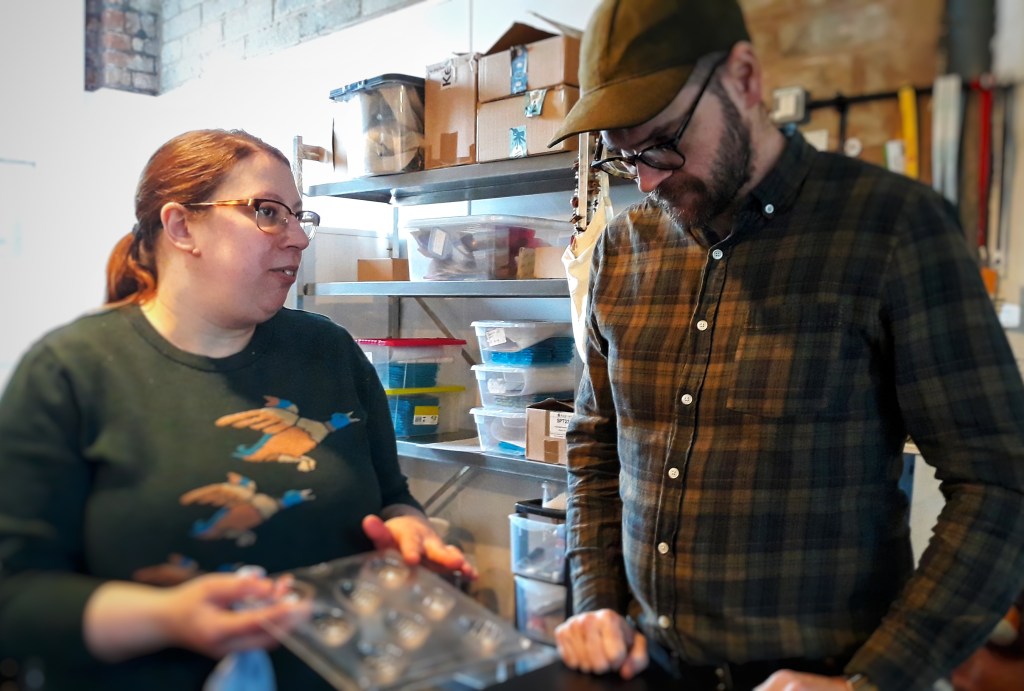
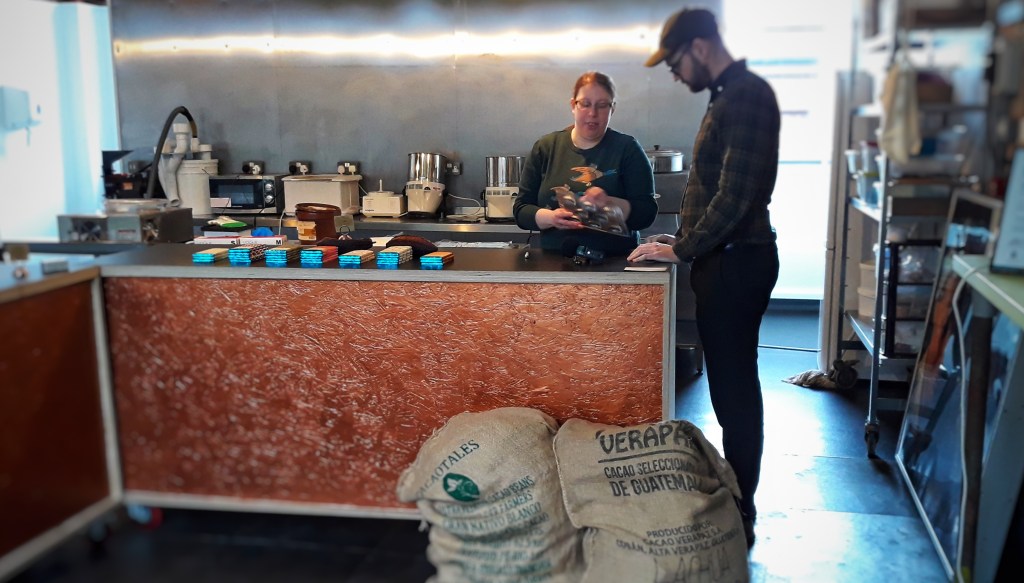
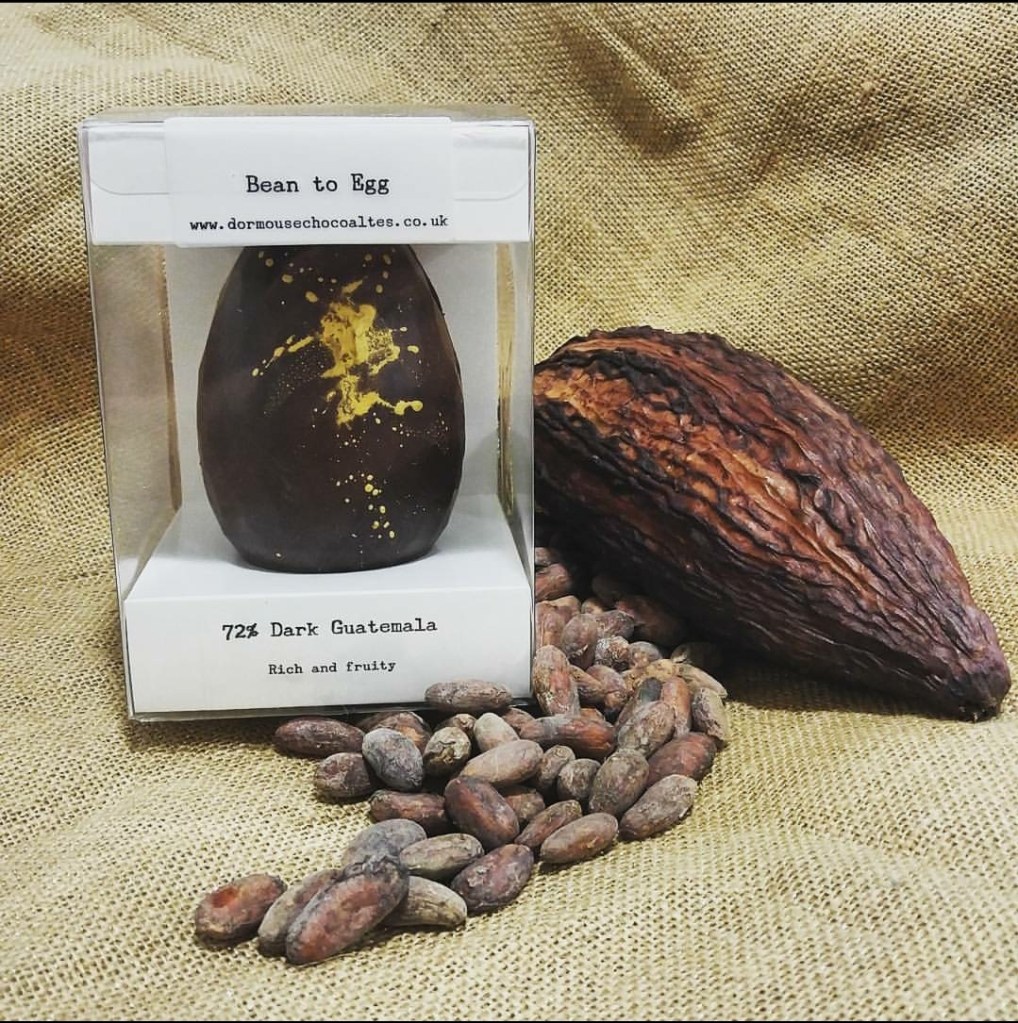
Two of the most Pagan things at Easter time are eggs and buns, so Neil looks at the history of those. He gives out his hot cross bun recipe, and takes a visit to the wonderful Dormouse chocolates – Manchester’s only bean to bar chocolatier.
A big thanks to Isobel of Dormouse Chocolates for sparing the time to chat to me about chocolate eggs and the process of making artisan chocolate.
…and of course, thanks to everyone for listening – if you have any comments, questions or queries about anything you hear, leave a comment on this post, email me at neil@britishfoodhistory.com or find me on twitter @neilbuttery.
Please listen, like and subscribe.
Scroll down to see a list of photos and links all about the things discussed in this episode. See you next week!
If you like the blogs and podcast I produce, please consider treating me to a virtual coffee or pint, or even a £3 monthly subscription: follow this link for more information.
British Food a History: Lent was produced by Beena Khetani and is a Sonder Radio production
In this episode we look at the history of Lent: When was it enforced? What were the rules? That sort of thing. Neil looks at how the belief in the four humours shaped what we ate in Lent, and how they caused illness and changed our moods throughout the year.
This week – the first full week of fasting – is an Ember Week. There are four Ember Weeks throughout the year – one for each season – and this is the spring one.
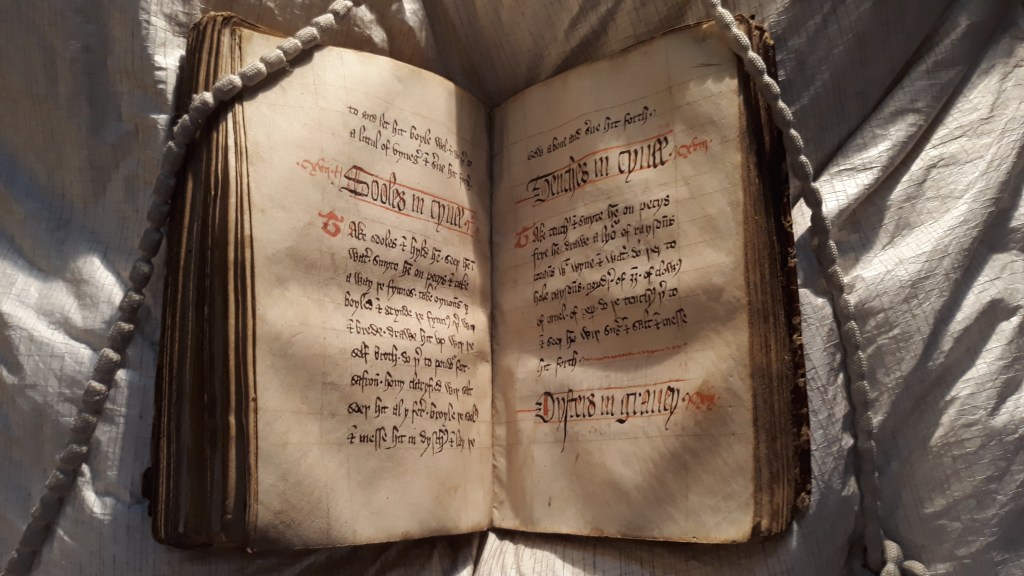
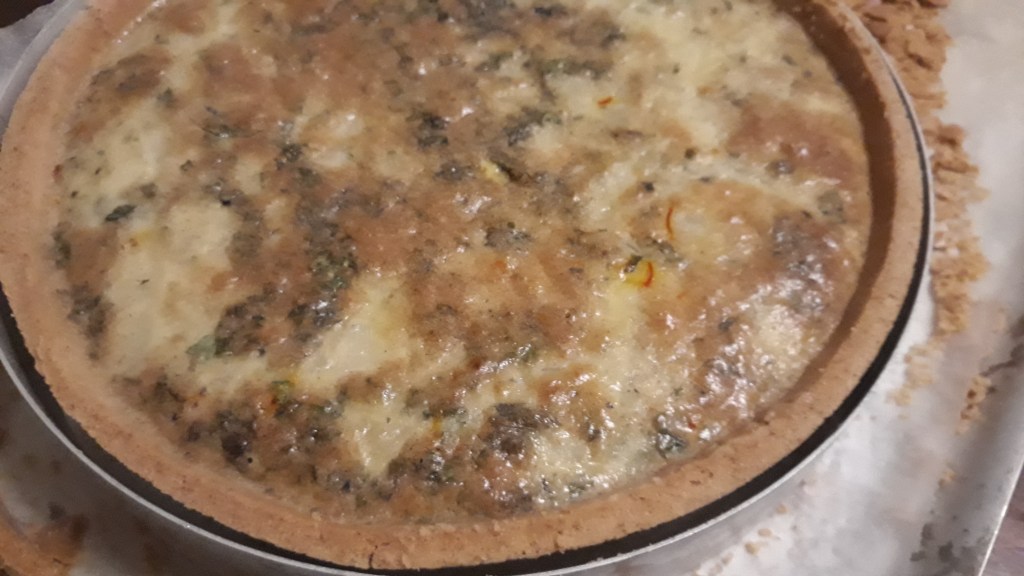
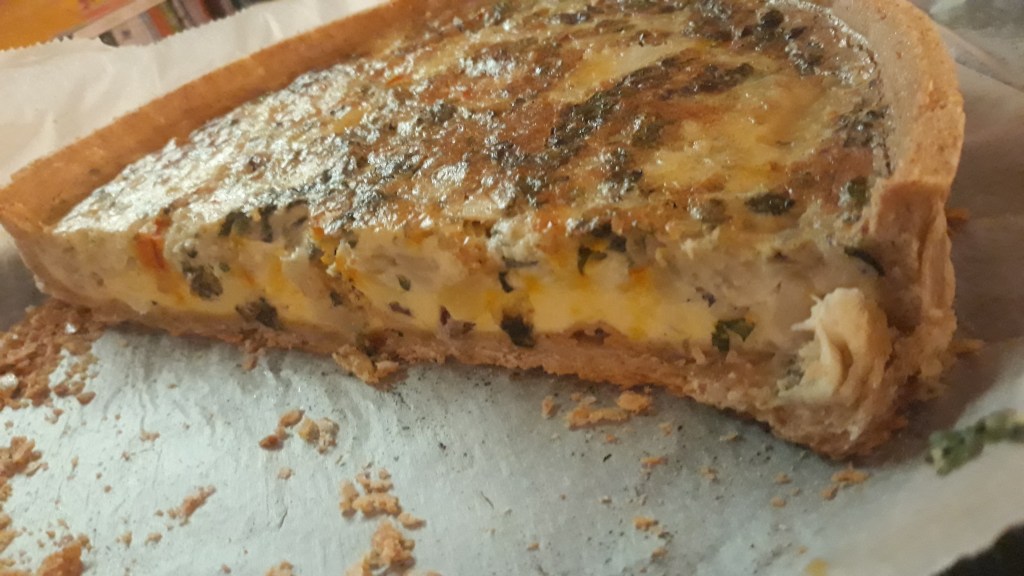
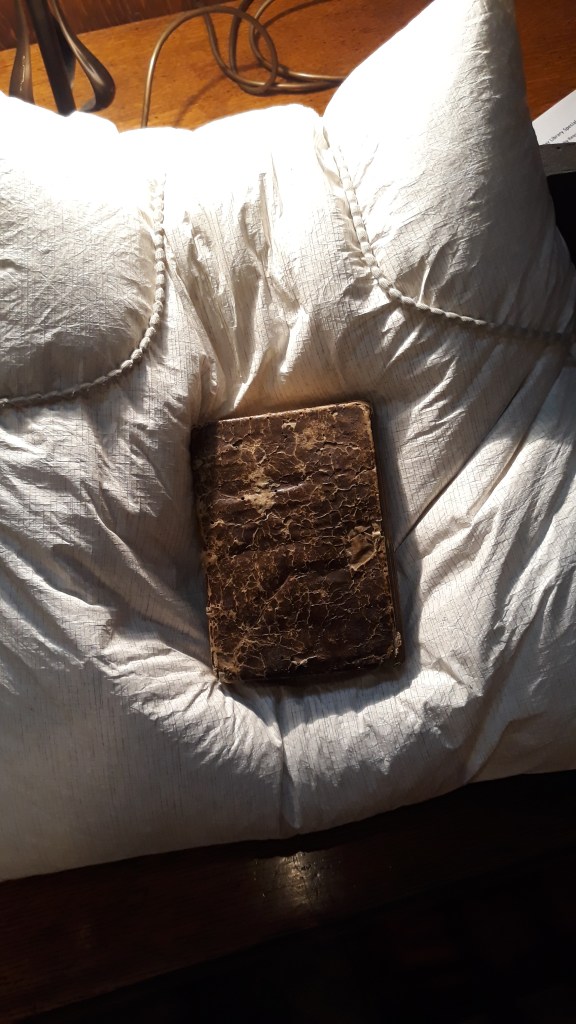
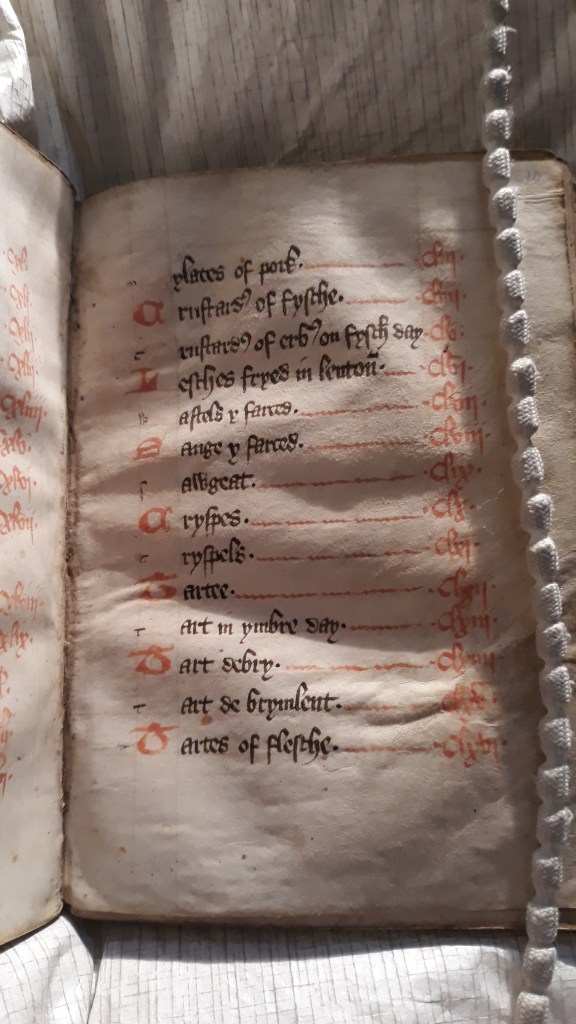
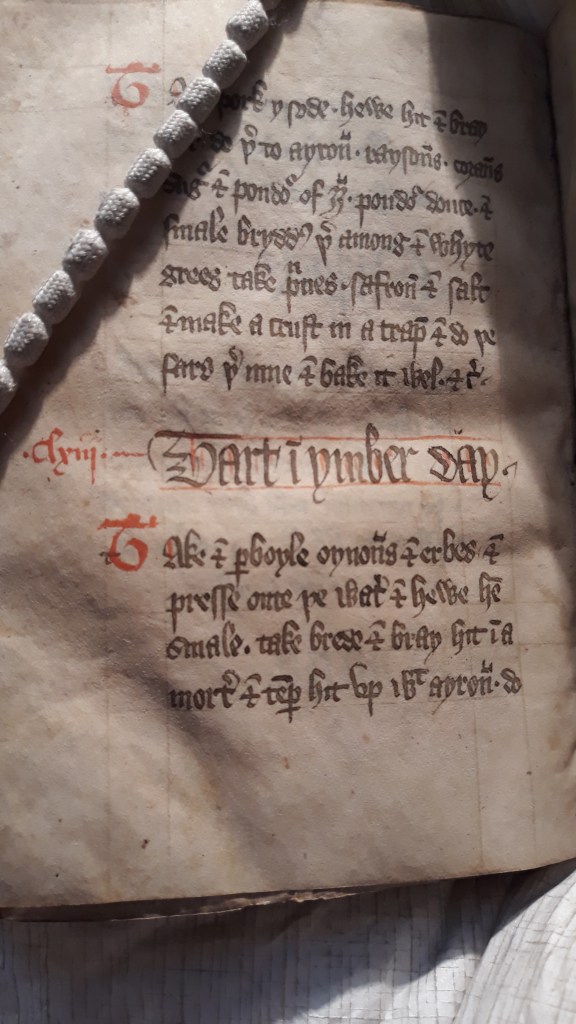
Neil then goes to the beautiful John Ryland’s Library in Manchester to see an early manuscript of the Forme of Cury, the earliest cookbook written in the English language, to find and cook from it ‘a tart for Ember Day’ which he cooks for his friends Kate and Pete with mixed results (recipe below).
A huge thanks to the staff of the John Ryland’s Library, who were very helpful indeed, and to Kate and Pete for letting me assault their taste buds.
Most of all, thanks to you for listening – if you have anything to add about anything you hear, feel free to post a comment, tweet me (@neilbuttery) or email me at neil@britishfoodhistory.com.
Please listen, like and subscribe.
Scroll down to see a list of photos and links all about the things discussed in this episode. See you next week!
If you like the blogs and podcast I produce, please consider treating me to a virtual coffee or pint, or even a £3 monthly subscription: follow this link for more information.
British Food a History: Lent was produced by Beena Khetani and is a Sonder Radio production
Welcome to my first episode all about the history of Lent in Britain. There will be a new episode every Sunday throughout Lent, and over the weeks we will be looking at it from every direction possible.
I’m having great fun making it and it has been amazing to get help and support from Beena Khetani at the amazing Sonder Radio.
A huge thanks to David Walker, Bishop of Manchester for giving up his time to talk to me, and to my pals Kate and Pete for letting me take over their kitchen.
Most of all, thanks to you for listening – if you have anything to add about anything you hear, feel free to post a comment, tweet me (@neilbuttery) or email me at neil@britishfoodhistory.com.
Scroll down for a more description of the episode as well as some useful links and photos.
Please like, follow or subscribe:
In episode one we start our historical journey through Lent, the Sunday before it begins by finding out what Lent (and indeed Easter) is with the help from the Very Reverend David Walker Bishop of Manchester, where we discuss what Lent and Easter means in the Christian Church, the benefits of fasting, how Lent has changed over the centuries, and how eating world’s largest rodent during Lent is absolutely fine (if you live in Venezuela).
Neil then tell us all about Shrovetide. Shrove Tuesday, aka Pancake Day, is the best-known day of Shrovetide of course, but what about its forgotten partner Shrove Monday, aka Collop Monday? You’ll have to listen to find out.
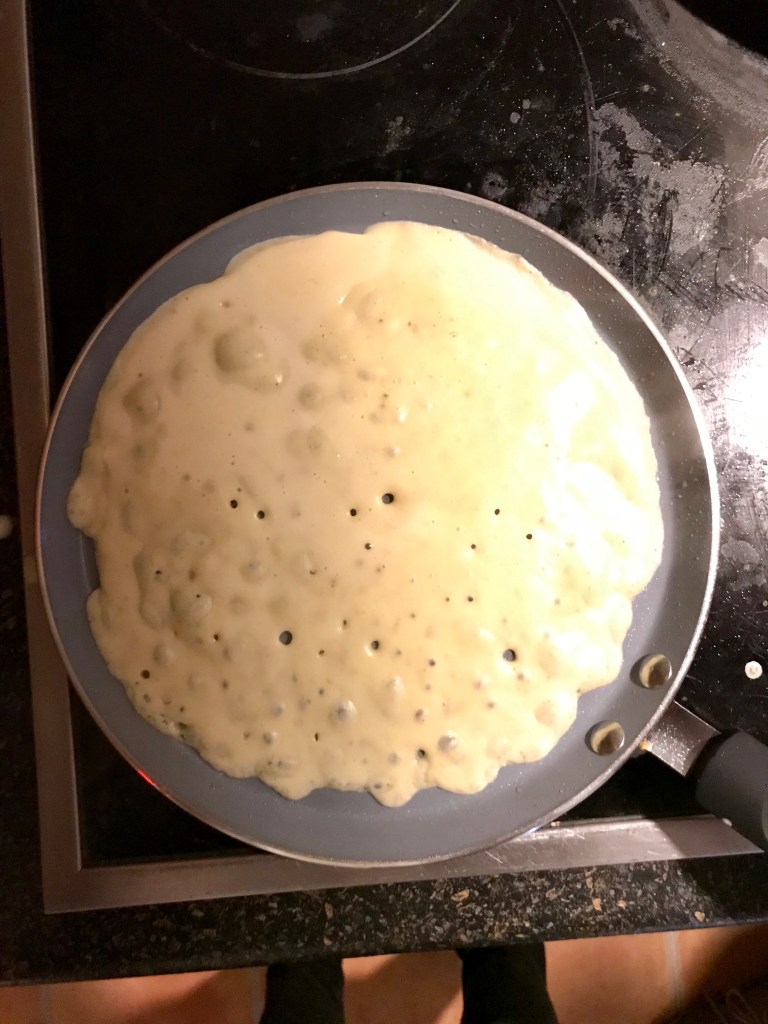
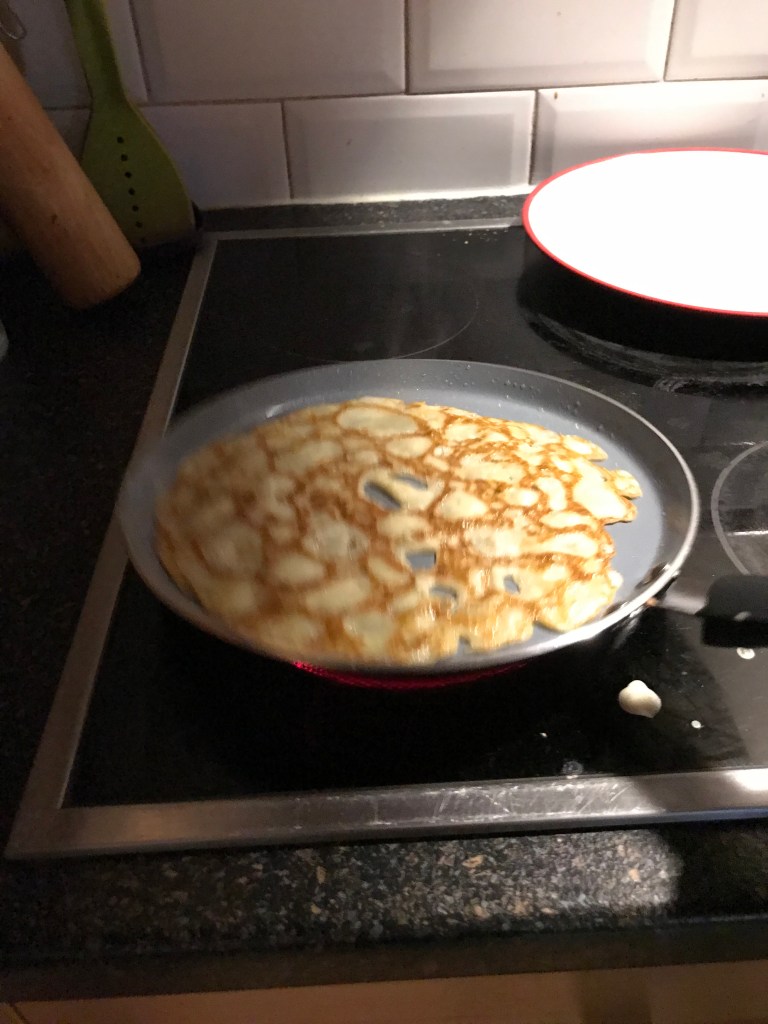
Neil then cooks two different pancakes: ‘Pancakes for the Rich’ and ‘Pancakes for the Poor’ for a couple of his friends Kate and Pete who are used to him shoving historical food under their noses all the time. They discuss the correct way to eat a pancake, what the best toppings and reminisce about that classic Jif Lemon advert from days long gone as well as Yvette Fielding’s massive pancake fail on Blue Peter.
Once well and truly shriven, we gather ourselves and head on to the first day of the 40-day fast Ash Wednesday.
If you like the blogs and podcast I produce, please consider treating me to a virtual coffee or pint, or even a £3 monthly subscription: follow this link for more information.
Hello lovely readers. Just a little post to let you all know that British Food: A History will be releasing its first podcast!
Season 1 is called Lent and the first episode comes out the Sunday before Lent starts – the 23rd February 2020 with new episodes out during every Sunday throughout Lent.
Just like my blog posts, the podcast will have plenty of food history and recipes, but mixed in their will be science, evolutionary biology, natural history and anthropology, as I look at how Lent has been like for people: the hardships, the special events, the lost and forgotten celebrations and practices. I’ve written about Lent and Easter a few times on the blog before, so go and have a look-see if you fancy.
A new tab has appeared on the website where I’ll be posting loads of background bit, photos sand extra material as well as links to each episode of course.
You guys can get involved too – if you don’t follow me on Twitter, find me – @neilbuttery – and post your thoughts and if you have any extra information and facts, or questions, let me know there. Alternatively, email me at neil@britishfoodhistory.com
It would be great if you could listen and get involved. Don’t forget to keep an eye out on the Lent Podcast tab on 23rd February.
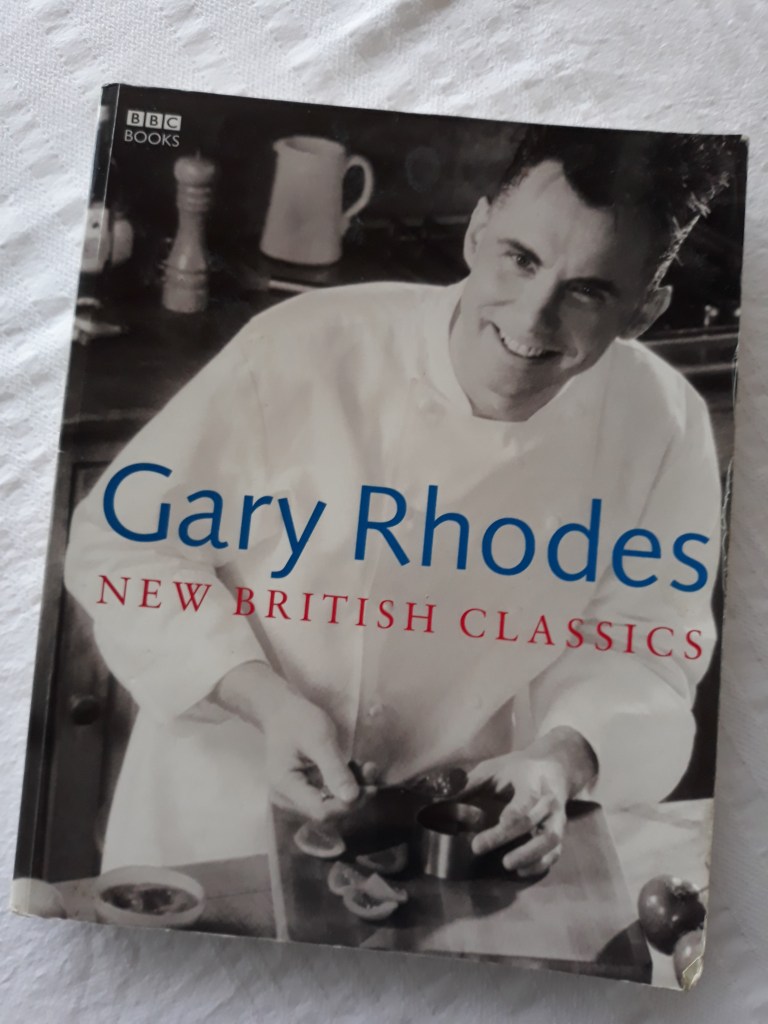
I have been meaning to write a post on this excellent cookbook for quite a while, and it is such a shame that my prompt to pull my finger out was the sad and untimely death of Gary Rhodes at the end of last year.
When I was asked to submit my list of favourite cookbooks to the 1000 Cookbooks project, I put New British Classics as my number one choice, my comment at the time being: “simply the best book on British food around. Everything from lowly haslet to lobster.”
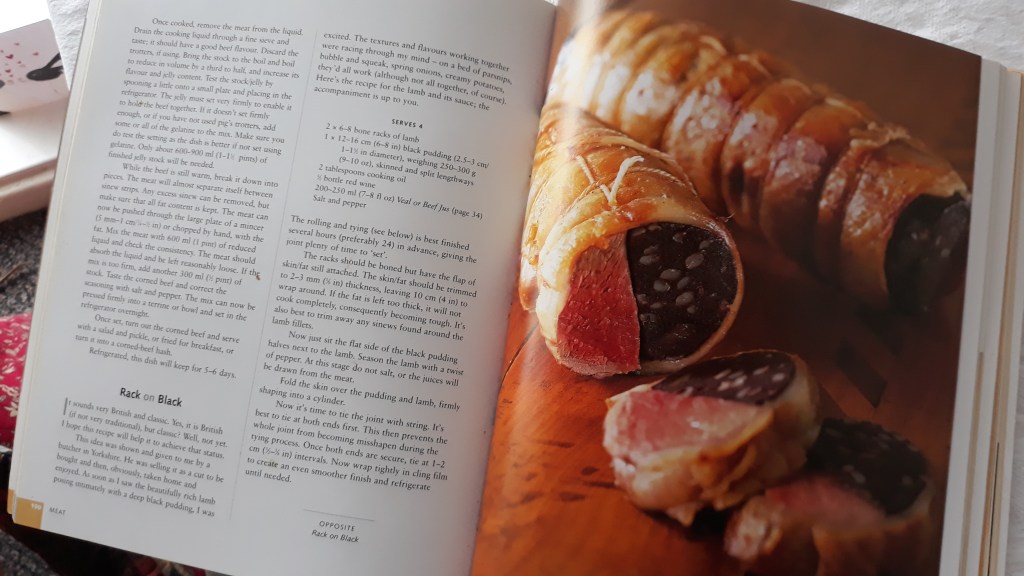
Favourite recipes include salad cream, lardy cake, prawn cocktail, rhubarb and rack-on-black – lamb roasted with black pudding.
My favourite books on food tend to be by food writers rather than professional chefs because they write about their love of food and its importance in our culture and history. Chefs tend to be, well, cheffy; there’s no evocative description of the hustle and bustle of a French market, and they assume that you want to be cooking restaurant-level food at home. This is where Rhodes was different – sure there are cheffy dishes like the very complex rich pigeon faggot – but there are basics such as fried bread, porridge and jam roly-poly. Everything is represented and everything has equal billing, meaning that whatever your ability level there is a way in. You can start off with basics like scrambled eggs or go straight in at the deep end with pigs’ trotters Bourguignonne.
The full gamut of British food is here: fish and chips, steak and kidney pie, pork faggots, white pudding, Welsh rarebit, and the massive range of techniques contained within makes it the most comprehensive book of British recipes there is. What’s more, every single recipe works perfectly; he goes through every stage, assuming you know nothing but never patronises. If you don’t own a copy and you’re interested in cooking British food, it really is essential.
The secret to his success was his attention to detail. Every move made, and technique used was meticulous and done with deftness, even the way he picked up an ingredient to show to camera had an air of precision about it. Take a look at this clip from the accompanying BBC programme, where he shows us how to make cabbage and bacon soup, and you’ll see what I mean:
He was a classically trained chef who applied French techniques to classic British dishes, taking them to new heights while keeping them authentic. His approach definitely rubbed off on me when I was teaching myself to cook; use the best ingredients and don’t cut corners, every stage is there for a reason, so you need to understand why it is there. Only when that penny drops will you develop a cook’s intuition. This approach to cooking won him his first Michelin star at the age of 26, eventually receiving an OBE for services to the hospitality industry in 2006.
On television, he was very enthusiastic, polite and well-spoken; he seemed a little odd and socially awkward (as all the best people are), making him all the more endearing. He got me interested in cooking and wanting to spend my precious leisure time in the kitchen, learning new techniques and tackling novel ingredients.
If you like the blogs and podcast I produce, please consider treating me to a virtual coffee or pint, or even a £3 monthly subscription: follow this link for more information.
He was rarely off the telly during the late 1900s and early 2000s, his trademark spiky hair and over-enthusiasm caused many to pooh-pooh him as gimmicky. Eventually the fickle eye of entertainment focused upon other, younger chefs and so he stopped appearing so regularly. But his books and their accompanying TV shows are great; his Rhodes Around Britain and Cookery Year series are worth checking out too (his apple pie recipe from the latter is the best in world in my opinion).
He died on the 26 November 2019 at the age of 59 from head injuries after a fall – no way or age to go, I’m sure you’ll agree. Of course, when someone dies, there work is revaluated and I hope people recognise what he did for British cuisine, because he put it on a pedestal when everyone else was looking elsewhere.
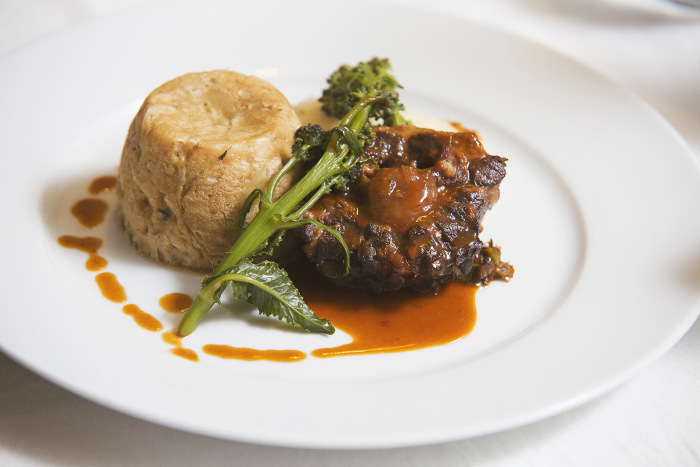
Braised Oxtails
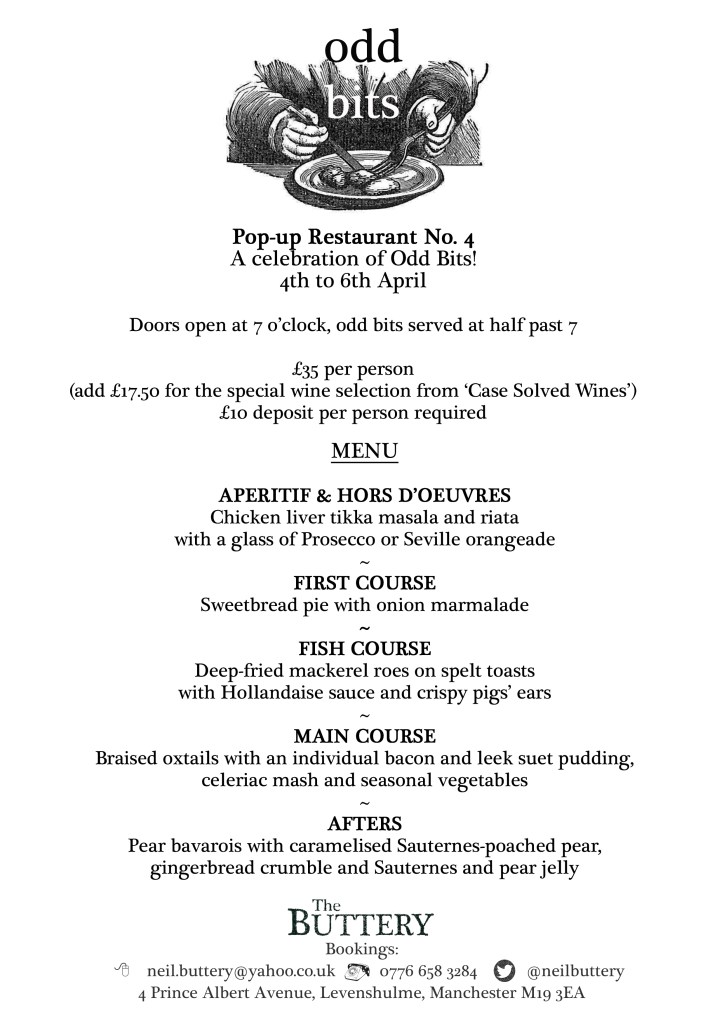
He was ‘discovered’ on the Keith Floyd programme Floyd on Britain & Ireland. On the segment he makes his signature dish: braised oxtails. Ironically, by the time New British Classics was published his most famous dish was illegal to eat – cooking beef on the bone was banned because of health fears surrounding the BSE crisis. Eventually the ban was lifted, and I could make it for myself. Back in my pop-up restaurant days it was the main course at my first everOdd Bits offal evening.
This is my version of Gary’s signature dish; it’s slightly simplified but just as gutsy. It really is one of the most delicious things you will ever cook. Nothing else needs to be said – except ‘cook it’!
Enough for 6
2 oxtails, trimmed of excess fat
Salt and pepper
Beef dripping
Around 100 g each carrot, onion, celery and leek
1 tin of chopped tomatoes
2 tbs tomato purée
Small bunch thyme and rosemary
2 bay leaves
1 clove garlic, crushed
300ml red wine
1 litre beef stock
Season the oxtails and fry in dripping until well browned, transfer to an ovenproof pot, then fry the vegetables until nicely brown too. Tip those into the pot along with the tomatoes, garlic and herbs and bring to a simmer. Pour the wine into the original pan and reduce until almost dry. Add to the pot with the stock.
Simmer very gently on the hob or braise in an oven set to 160⁰C. Whichever you choose, it needs to tick away for 3 hours.
Remove the cooked meat and keep warm and pass the cooking liquor through a conical strainer, really pressing the vegetables hard to get all the flavour out.
Throw in a big handful of ice cubes, and stir so they freeze the fat; you should be able to lift out ice and fat in one nice big satisfying lump.
Reduce the liquor to a sauce and season with more salt and pepper, then add back the oxtails to heat through.
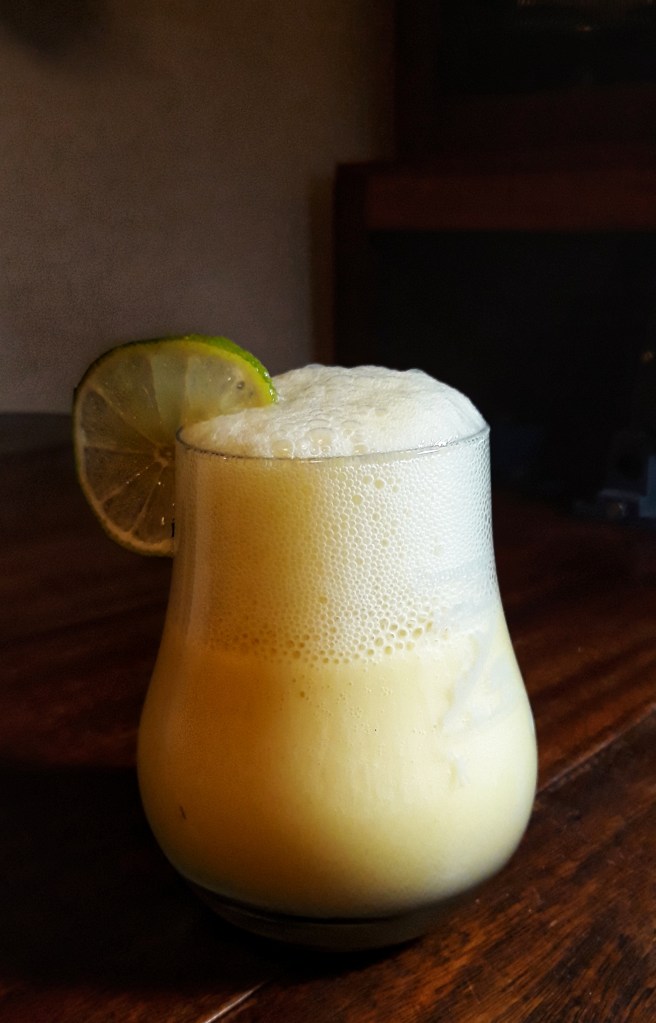
As you may know, I like to write a boozy post at this time of year and this year’s is small but perfectly formed: the Christmassy and rather kitsch classic, the Snowball, a blend of the Dutch egg yolk-based liqueur Advocaat and lemonade.
A lot of people think Snowballs are a bit naff, but I love them. The problem is that they can be too sweet and cloying, but that’s because folk don’t realise that there are two other very important ingredients – brandy and fresh lime juice. They both cut through the custardy sweet Advocaat and subtly transform it. I recommend you go out and buy the ingredients right now!
The Snowball cocktail was invented in the 1940s but didn’t become popular until the 1970s, where it was stripped of all sophistication by those who used only Advocaat and lemonade, missing out the ingredients they supposed to be superfluous producing the sickly cocktail we all know today.
Advocaat is a Dutch liqueur. Its name is a bit of a mystery; most reckon it comes from the Dutch word for advocate or lawyer. The 1882 edition of the Dictionary of the Dutch Language says it is ‘…a good lubricant for the throat and thus considered especially useful for a lawyer, who must speak in public.’
There is another theory that it was originally made by 17th-Century Dutch settlers in the Americas using creamy avocados, sugar and rum. I am assuming that because this is the most exciting story of the two that it is the apocryphal one. Occam’s Razor and all that…
Anyway, I hope you have a great Christmas – and a good few PROPER Snowballs.
xxx
~
Per person:
25 ml (1 shot) Advocaat
12.5 ml (a ½ shot) brandy
Juice ¼ of a lime
Ice
Around 75 ml lemonade
To garnish: a thin slice of lime
Pour the Advocaat, brandy and lime juice in a cocktail shaker and add plenty of ice.
Shake well and strain into glasses. Add a single ice cube per glass and top up with a little lemon (it will fizz up!).
Stir and garnish with the slice of lime.
~
If you like the blogs and podcast I produce, please consider treating me to a virtual coffee or pint, or even a £3 monthly subscription: follow this link for more information.
I was supposed have written and posted this for Hallowe’en,
but then life got in the way. Hey-ho.
I found an excellent old story that goes right back to Anglo-Saxon
times and I thought would recount it for you.
Gather round for…
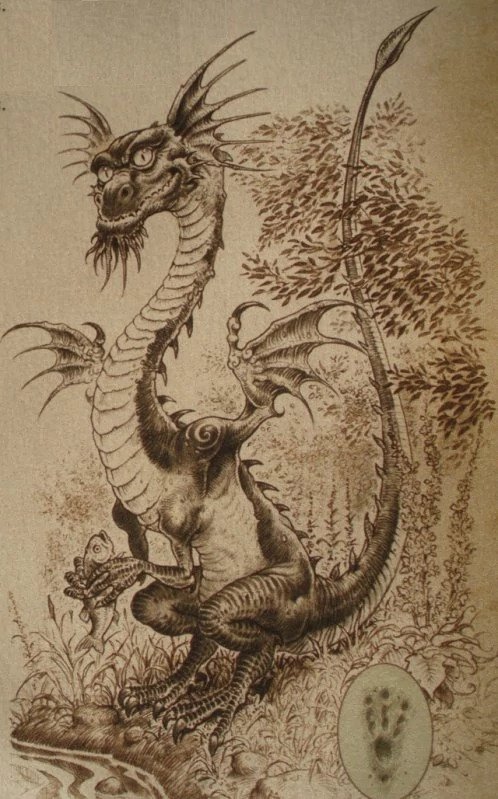
The Tale of TheDragon of Knucker Hole
The Knucker – a type of water-dragon – sat in its
bottomless pool in Lyminster, Sussex. It had been terrorising the village for
weeks by eating its cattle, men and fair maidens. The townspeople were
terrified of the beast and they hardly dared leave their homes.
Lyminster, Sussex (westsussex.info)
King of Sussex one day declared, “Whoever can rid us of
this Knucker, shall be greatly rewarded.”
The only person brave – or perhaps foolish – enough to take the King up on his offer was one Jim Pattock who, one day, made the biggest Sussex pudding you have ever seen. It was so huge that he had to heave it into his cart so his horse could pull it the dragon’s pool.
The Knucker was snoozing, heard a distant rumbling sound
and opened one eye only to see some idiot walking right into his lair. He rose.
“What you got there?” boomed the Knucker.
A rather cute looking Knucker for the Dragonology book Series
“Pudden”, said Jim.
The Knucker looked over the pudding, gave it a sniff and
promptly devoured the pudding, cart and horse in one single bite!
“Bring me more!” demanded the Knucker.
Off home he trotted; he knew the dragon would ask for
more Sussex pudding because it is so delicious. He made another pudding just as
big as the last one and dragged it over to the Knucker hole.
The dragon licked his lips and devoured it, but then the
dragon suddenly came over with the collywobbles.
“I don’t feel so good”, the Knucker grumbled and slumped
forward.
Jim Pattock rushed in as though he was going to help the terrible
creature, but that is not what he was doing it all. Instead, he pulled out his
axe from behind his back and cleaved the water dragon’s head clean from its
body.
Jim returned to the town of Lyminster triumphantly
holding the Knucker’s head high and was hailed a hero by the townspeople and
richly rewarded by the King.
Now you know what to do should you live near a pool
should a Knucker make its home there.
So there you go: I would tread carefully if you live near a
lake or pond because it might be a Knucker hole too! The moral, I suppose, is
beware that second helping of pud.
In another version of this story, Jim laces the second
pudding (or pie in some versions) with poison, killing the dragon. When he gets
back to the town, he is bought a huge flagon of ale, but has some of the poison
on his hands and dies! Poor old Jim.
The word knucker, comes from the Anglo-Saxon word nicor, which means water dragon, and there were many similar stories told around the country. In Yorkshire for example, the dragon is fed by Billy Bite when the dragon steals his delicious parkin. The Knucker demands more and his rather belligerent wife is so angry with him she brings the parkin to the dragon who promptly eats both gingerbread and wife.
The parkin is very sticky and gets it all over his teeth
“clinging so lovely like ivy-bine”, the Knucker is distracted and is quickly
done away with by some of the townspeople.
The moral here is beware of sticky gingerbread, I suppose.
I quite like this version as it subverts the usual tale of
the hero saving the townspeople; poor old hen-pecked Billy is completely
passive in the story, yet is responsible – albeit indirectly – for the riddance
of the foul beast.
If you like the blogs and podcast I produce, please consider treating me to a virtual coffee or pint, or even a £3 monthly subscription: follow this link for more information.
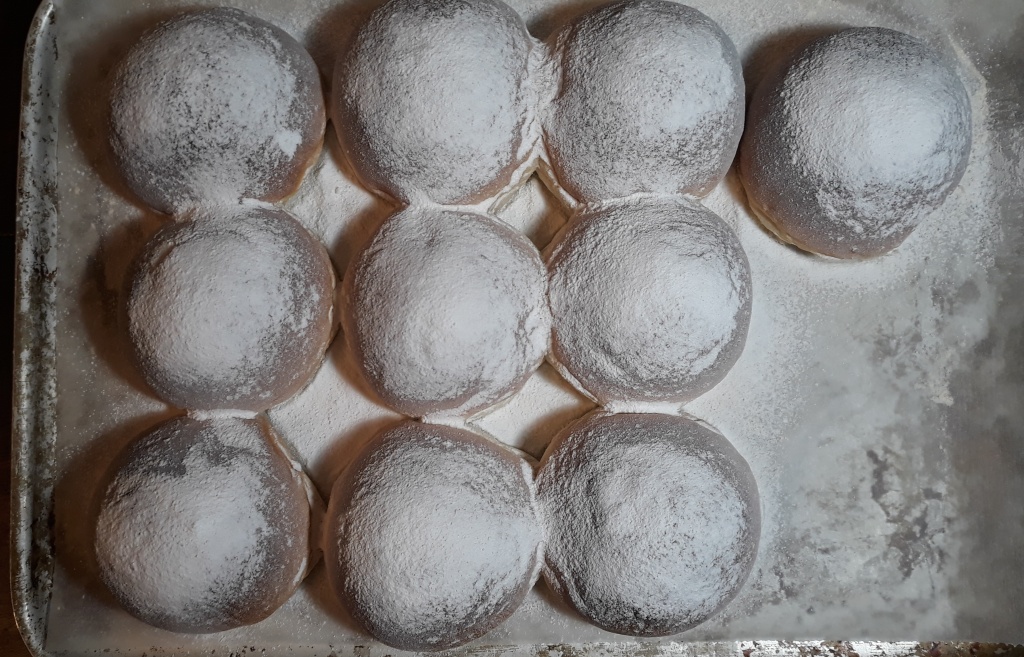
Cornish splits are soft and pillowy enriched bread rolls and were the original cakey element of the Cornish cream tea. Bread rolls such as these were – and indeed are– eaten all around the country. There were Devonshire chudleighs, Yorkshire cakes and Guernsey biscuits, for example. But it was the people of Devon and Cornwall who combined them with clotted cream and jam.
These light, fluffy rolls are enriched with butter and are
made extra soft by being made with milk rather than water and are covered with
a tea towel as soon as they come out of the oven – the captured steam softening
the exterior crust. Once cooled – or better, just warm – the rolls are not cut
open, but split open with the fingers, hence their name.
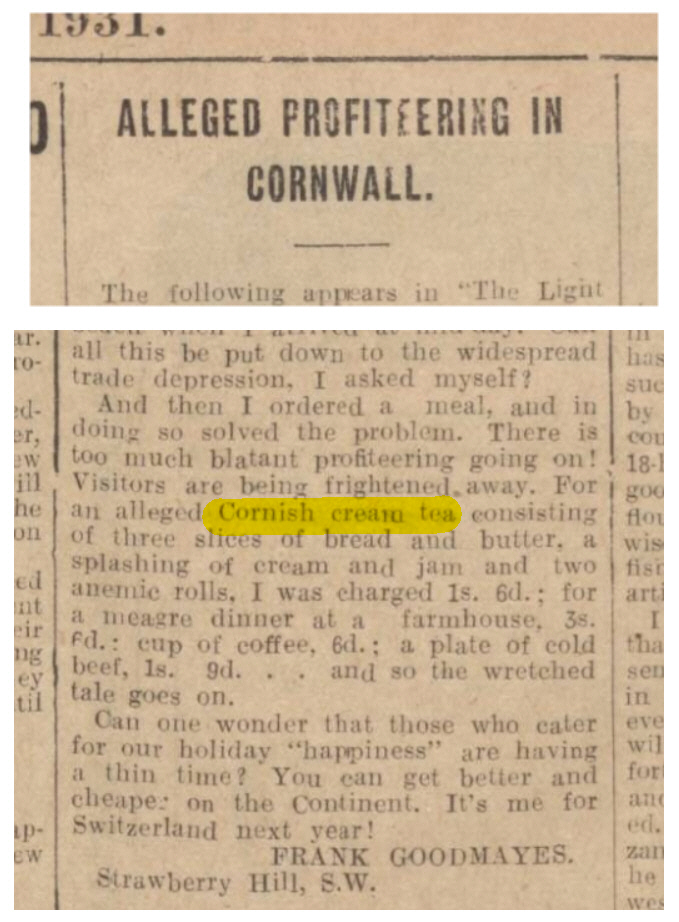
Of course, the cream tea as we know today it is made up a scone, clotted cream and jam. Some places sell them made with whipped cream, but that will not do. The phrase ‘cream tea’ meaning a scone/split with jam and cream (as opposed to tea with cream in) seems to be relatively modern – the earliest printed reference of one coming from a 1932 article in The Cornishman newspaper (see foodsofengland.com). The earliest mention of a combination of jam, cream and bread eaten together pops up in the Devon town Tavistock’s accounts dating from the tenth century!
Cutting from The Cornishman, Thursday 3rd September 1931 (foodsofengland.com)
Some establishments in Cornwall still serve a split instead
of a scone in their cream teas, but they are few and far between. Many folk
reckon that the split is superior to the scone in a cream tea, the scone winning
out by virtue of it being much quicker and easier to make. The Devonians apparently
turned to scones before the Cornish, presumably because Cornwall is more
cut-off. So, we have a situation where the rivalry between the two lands can be
stoked. The Cornish can claim they invented the cream tea because they invented
the split, but the Devonians can claim they invented it because they came up
with the cream tea we think of today.
The bakery where I grew up in Pudsey, West Yorkshire sold Cornish
splits filled with whipped cream, thin seedless raspberry jam and lots of icing
sugar. I used to love them, so I was keen to make them myself and have a proper
Cornish cream tea.
This enriched dough is a little trickier to work with than regular white bread dough, but you can make it by hand without things becoming too much of a horrible sticky mess. I prefer to use the dough hook these days I must admit. I use strong bread flour to gain a nice rise, but older recipes use regular plain flour; feel free to use it too, but whilst your splits will be more historically authentic, they will be less light for it: your choice!
Makes 12 splits:
500 g white strong bread flour
8 g instant yeast
10 g salt
60g caster sugar
75 g softened butter
280 g warm milk
I’ve written before about making and forming bun dough in more detail before, so if there’s too much brevity here, click this link.
Mix the flour, yeast, salt, sugar in a bowl. Make a well and
add the butter and then the milk. If you have a food mixer with a dough hook, mix
slowly to combine, then turn up to speed 4 and knead for around 6 minutes or
until the dough has become tight and smooth and no longer sticky.
You can of course do all of this by hand, using a little
flour for kneading at first until the dough loses its stickiness.
Using your hand, form the dough into a tight ball, pop in a
lightly oiled bowl and cover with cling film or a damp tea towel. Leave
somewhere warm until it doubles in size, which could take 90 minutes depending
upon the ambient temperature.
When ready, divide into 12 equal sized pieces, form them
into balls and arrange on a baking sheet. Cover with a large plastic bag or tub
and wait for them to prove. Once doubled in size again – it should take much
less time than the first rising – place in a cold oven and turn it to 200°C.
Bake for 25 minutes, but if at any point, the splits look like they getting too
brown, turn the temperature down to 175°C.
When ready, remove from the oven to cooling tray and quickly
place clean tea towels over the buns to prevent them crisping up.
When cold, you can sprinkle with sugar if you like, then slice
or split and fill with jam and cream.
If you like the blogs and podcast I produce, please consider treating me to a virtual coffee or pint, or even a £3 monthly subscription: follow this link for more information.