Tag Archives: Christmas

To Make Turkey and Hazelnut Soup (& Turkey Stock)

If you are not loving your leftovers at Christmastime, then you are missing a trick: it doesn’t have to be all dry turkey and cranberry sandwiches for the next week.

This is a really great recipe adapted from Jane Grigson’s English Food. I’ve made a few tweaks, and I have provided you with a method for making turkey stock. This recipe would work with leftover chicken, or even pheasant and partridge, or a mix of them.
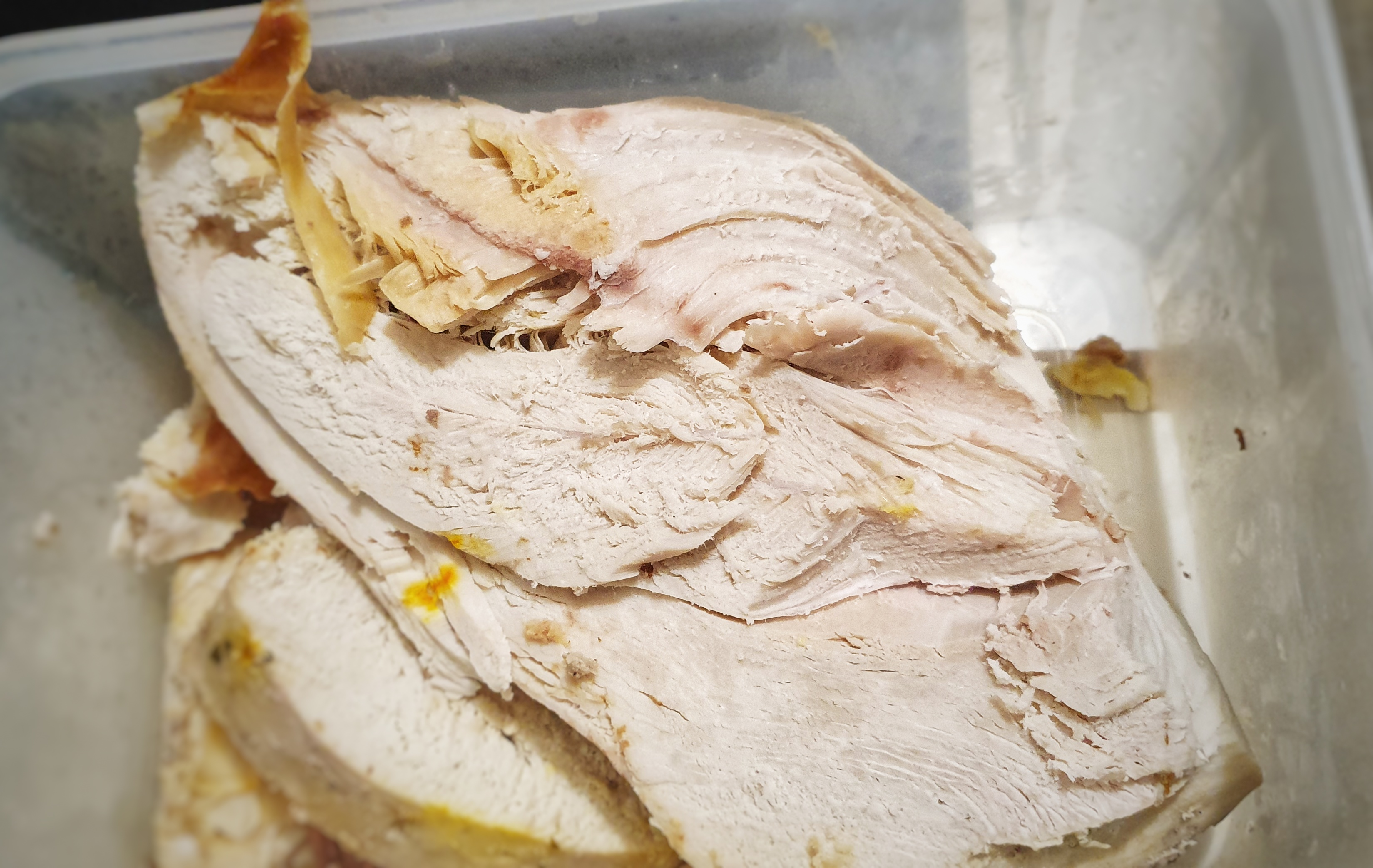
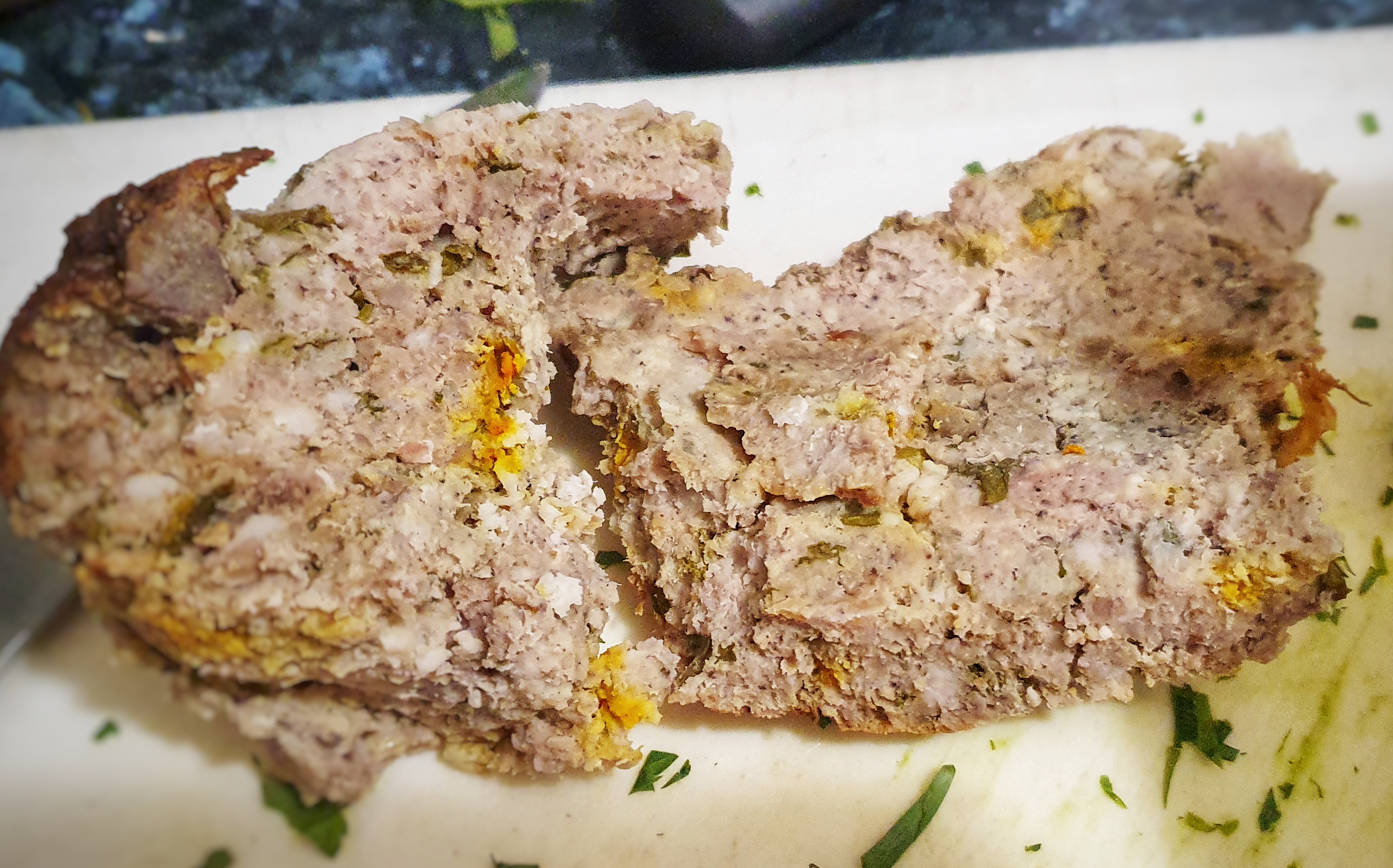
Because it’s a leftovers dish, don’t worry if you don’t have all of the ingredients, though I would say it’s important to have at least three of the basic soup veg and one herb (fresh or dried). It doesn’t even matter if you don’t have any hazelnuts: almonds would work just as well, or you could miss them out entirely. Also, if there are any leftover boiled or steamed vegetables, or roast potatoes, you can pop them in before everything gets blitzed.


If you like the blogs and podcast I produce, please consider treating me to a virtual coffee or pint, or even a £3 monthly subscription: follow this link for more information.


This recipe makes many servings.

For the soup

2 to 3 tbs of fat: this could be butter, leftover fat from the roast potatoes or skimmed from the roast turkey juices

Basic soup veg, peeled, trimmed and diced, such as 2 carrots, 2 onions, 3 cloves garlic, white part of one or two leeks (keep the green parts for the stock), 3 sticks of celery

Herbs: 4 bay leaves, a small bunch of thyme or a tsp of mixed, dried herbs

1 tsp celery salt

1 bunch tarragon leaves, chopped

1 bunch parsley, chopped

1 medium potato, peeled and diced

1.5-2 L turkey stock

Salt and pepper

2 handfuls diced turkey breast (or whatever you have left)

100 g roast hazelnuts, roughly chopped

Leftover stuffing, cut into approx. 1 cm dice

150 ml cream

Heat the fat in a stockpot or large saucepan and add the diced soup veg and herbs, plus the celery salt. Stir and fry on a medium heat until things begin to turn golden brown. Add half of the parsley and tarragon plus the potato and continue to cook for another 7 or 8 minutes.
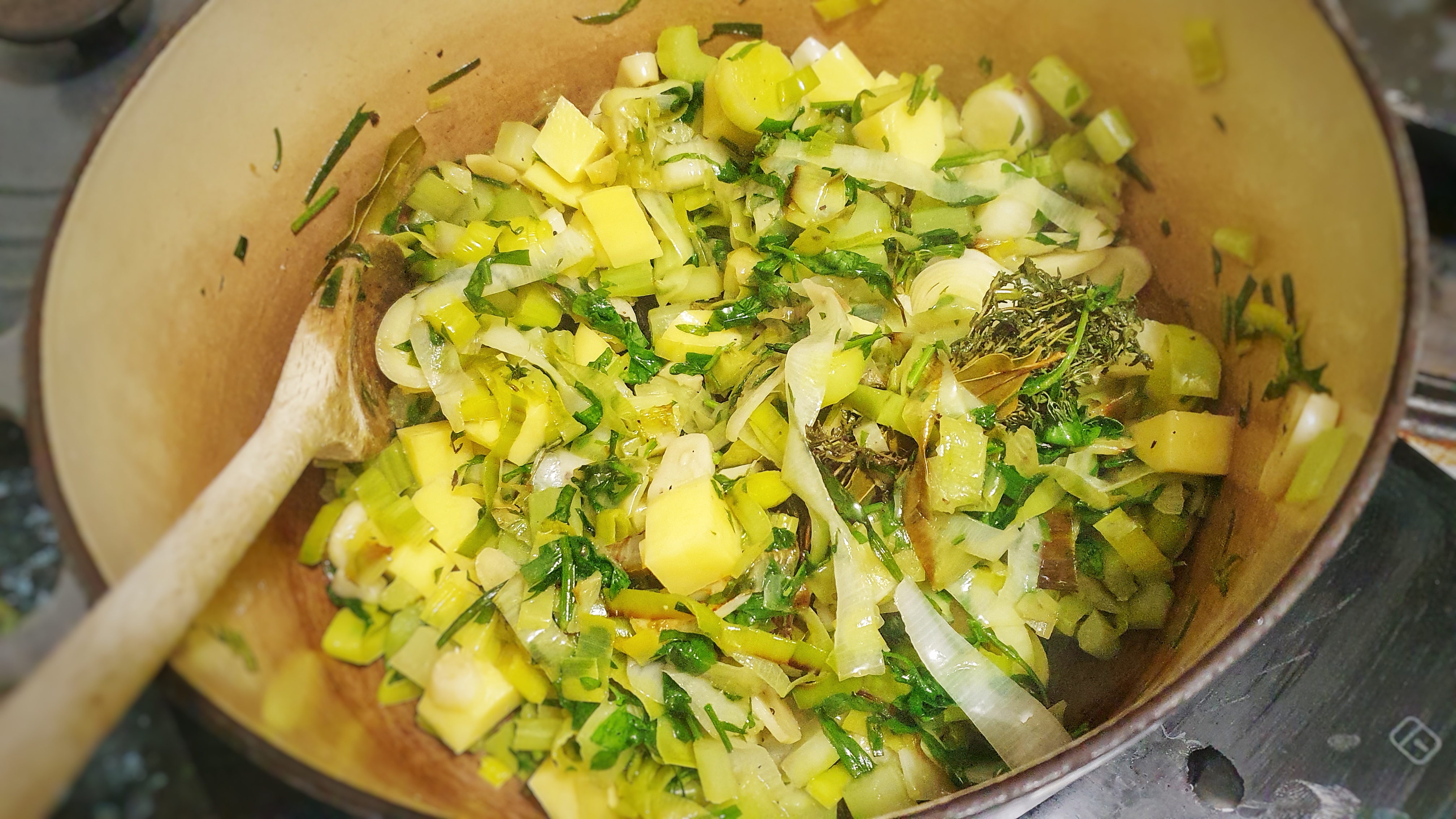
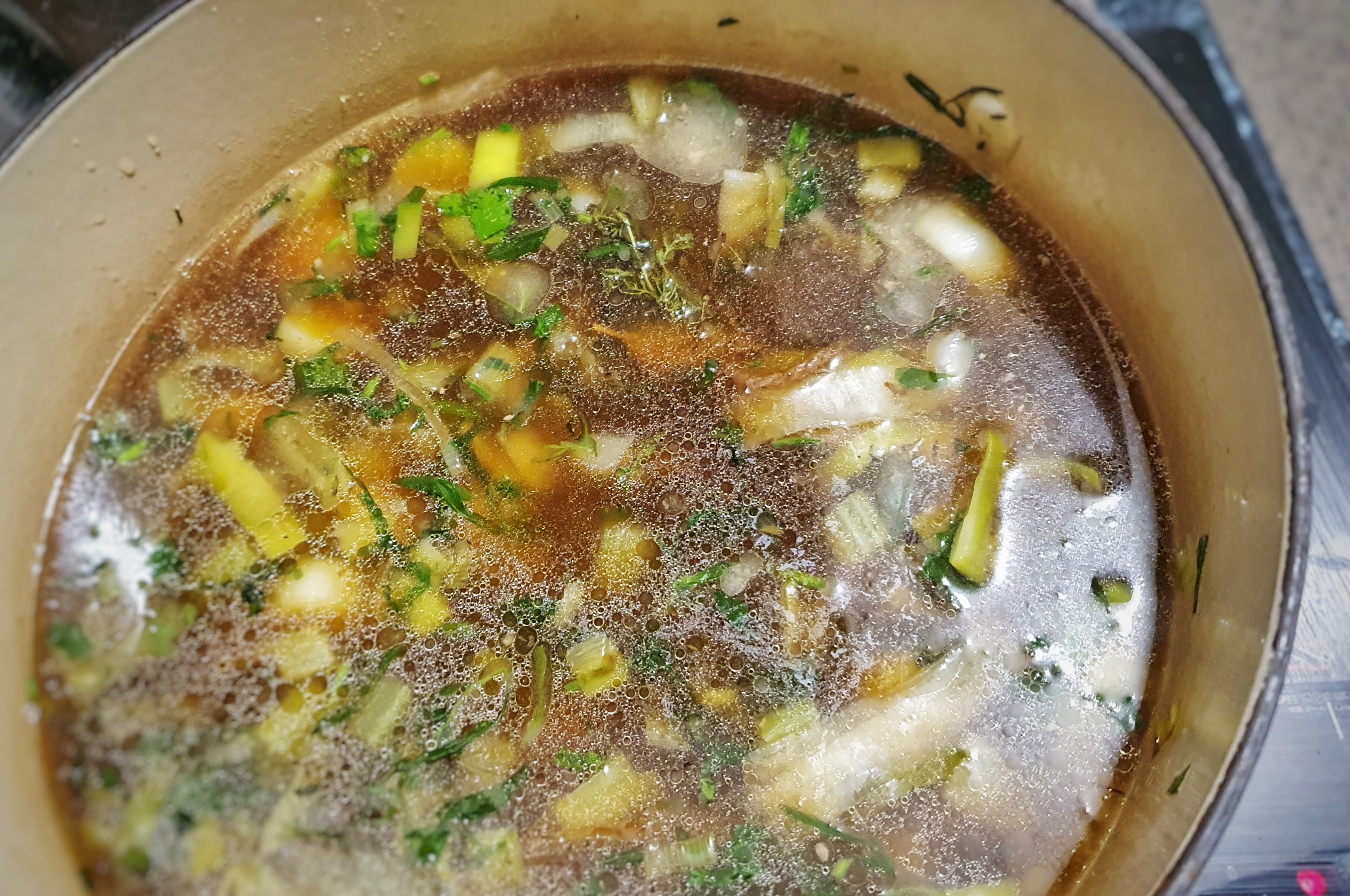
Pour in the turkey stock and bring the whole lot to a lively simmer, then turn it down to gently bubble until the vegetables are nice and soft, about 15 minutes.

Taste, and season with salt and pepper at this point, then add the diced turkey and the hazelnuts. Simmer for a further 7 or 8 minutes, then allow to cool slightly before blitzing the soup in batches in your blender or food processor. Be careful here! Don’t overfill your blender, especially if the soup is still quite hot.
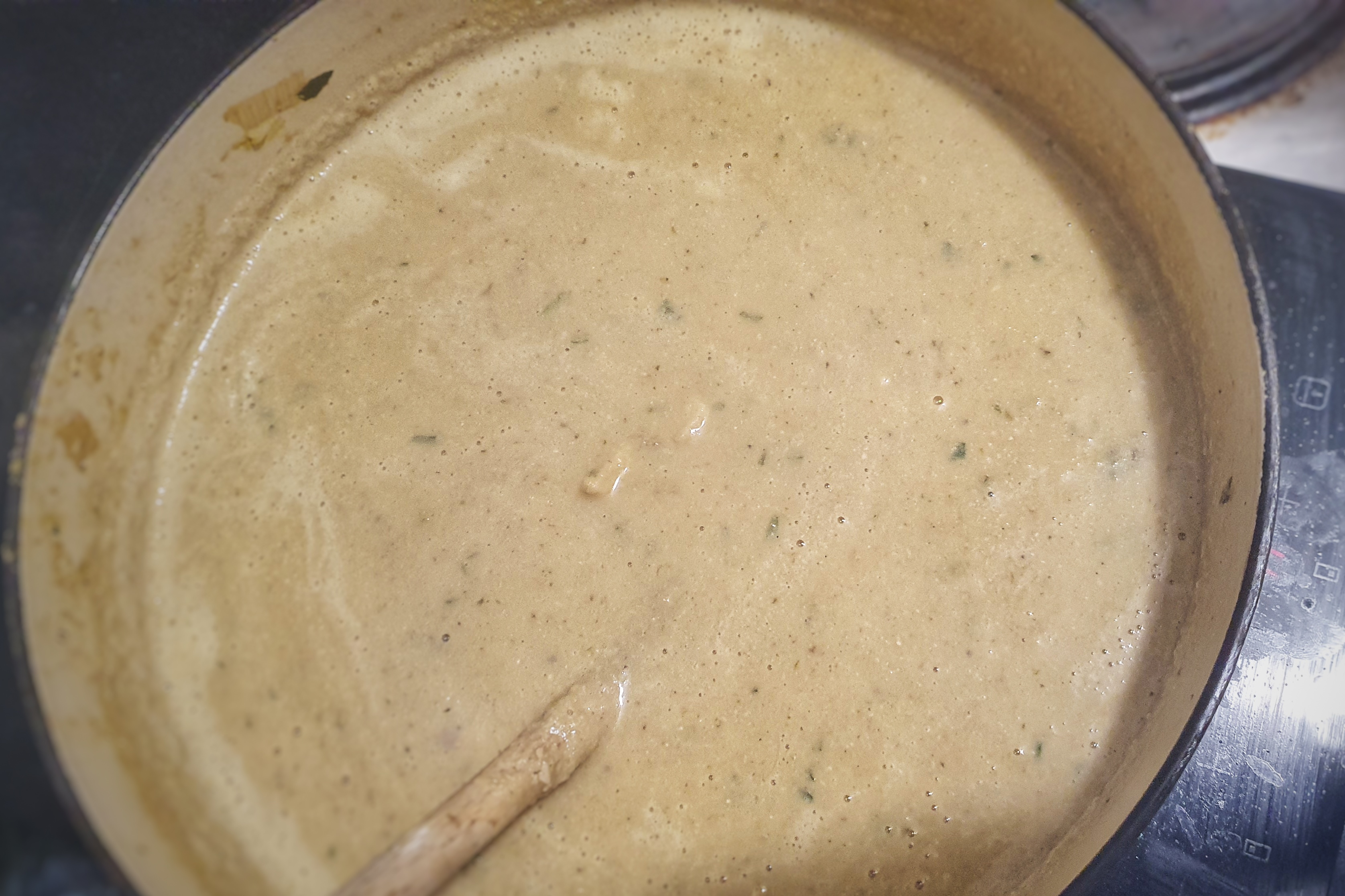
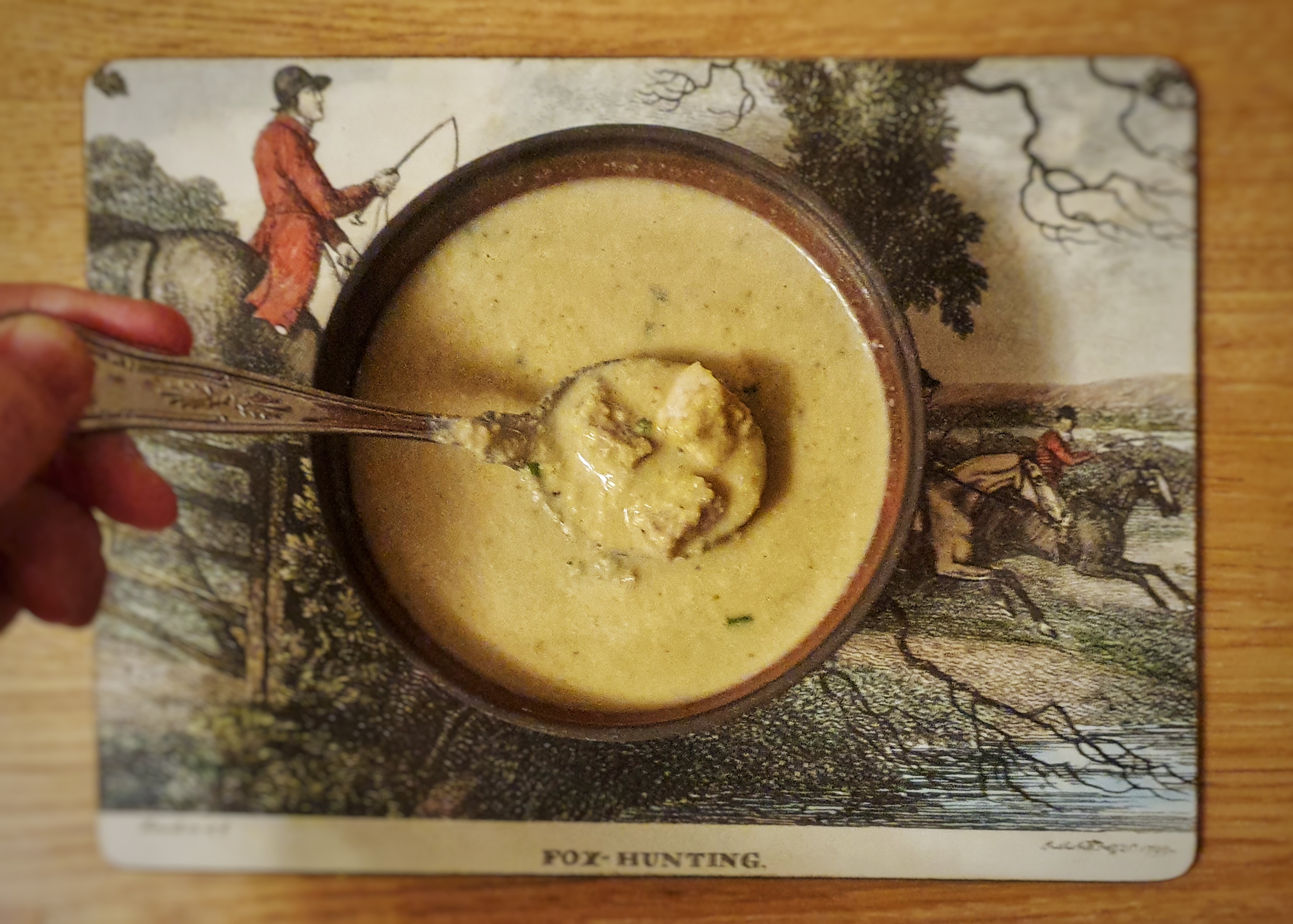
Return to a clean pan, bring back to a simmer, add the cream and the rest of the parsley and tarragon, as well as the diced leftover stuffing. Taste and season with more celery salt and pepper. Serve immediately.
For the stock

I keep vegetable trimmings and peelings in bags in my freezer for stock-making sessions such as these; you can, of course, use regular stock vegetables: celery, onions, carrots, leeks, etc.
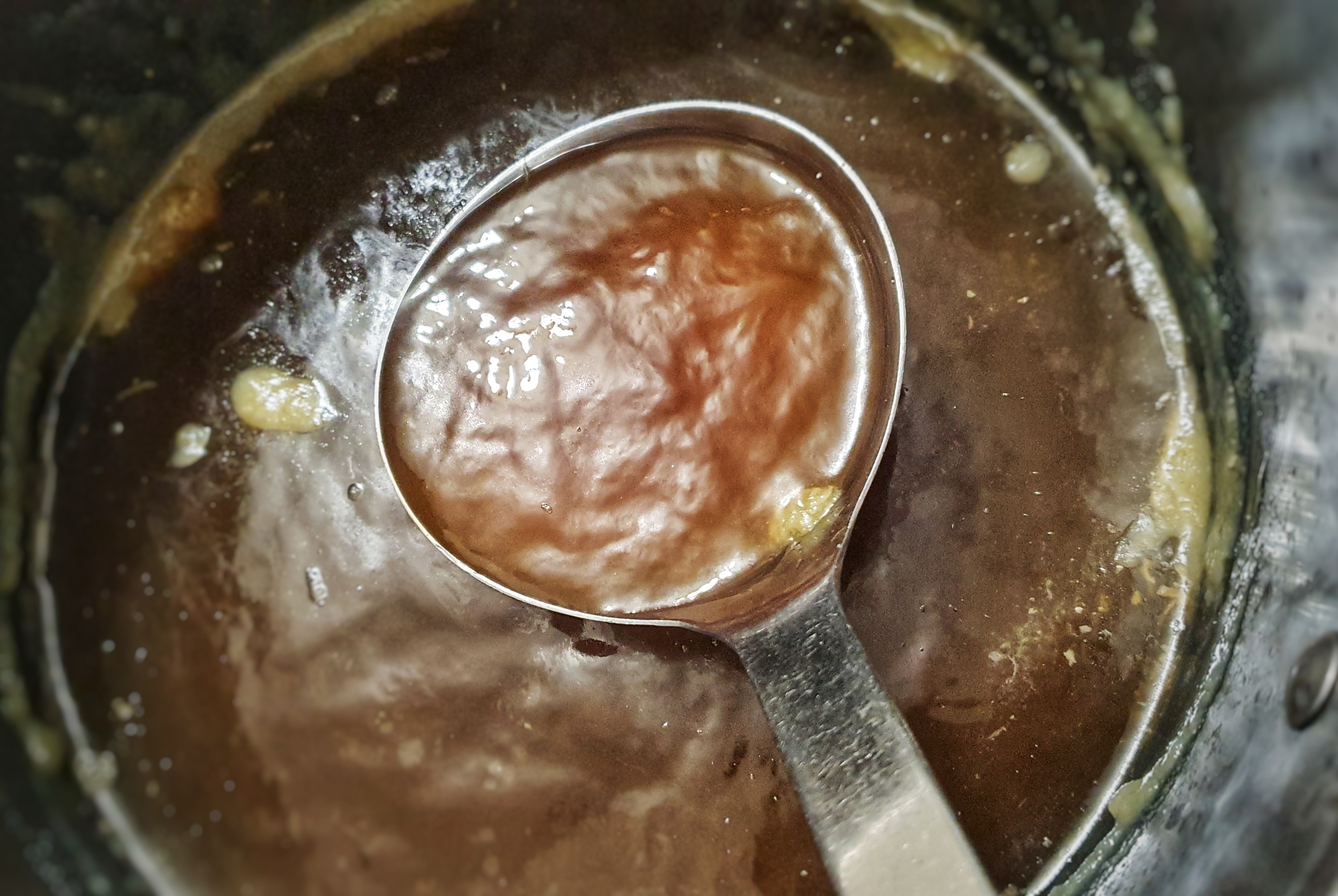
This secret to getting a good colour to your jellied stock is to brown the carcass and vegetables very well.

Makes around 2 litres of jellied stock

2 tbs of fat or oil

The roast turkey carcass, broken into pieces – don’t be too thorough with removing the meat, leave some on.

Vegetable trimmings and peelings (avoid brassicas) or a mixture of stock vegetables: 2 carrots, 2 celery sticks, the green part of a leek or two, a couple of onions, a few smashed garlic cloves.

Aromatic herbs, e.g. 3 or 4 bay leaves, a small bunch of thyme and/or rosemary, parsley stalks

Aromatic spices, e.g. 1 tsp black peppercorns, 6 cloves, 1 tsp allspice berries, 2 blades of mace

1 tsp salt

Any leftover turkey juices or turkey gravy

Cool water to cover

Heat the fat or oil in a stockpot or pressure cooker and add the turkey carcass, the vegetables, the herbs, the spices as well as the salt. Stir and fry until both the turkey and vegetables are starting to turn a good, golden brown.

Add any leftover gravy and top up with water so that it barely covers the turkey and vegetables.

If cooking in a stockpot: bring slowly to a simmer, turn the heat over and let it cook very gently for two hours.

If cooking in a pressure cooker: bring to a simmer, when high pressure is reached, reduce the heat and cook for 25 minutes before turning off the heat and allowing the stock to depressurise.

If cooking in a slow cooker: transfer everything to your slow cooker (careful!) and cook on a high setting for 1 hour and then a medium setting for 2 more hours.

When the stock is ready, pass the whole thing through a strainer, pressing down on the cooked mush with the back of the ladle: we want as much flavour as possible. Let the stock cool down and then refrigerate. Skim away the fat before using.

Tip: If you need the stock straight away, you can skim the fat with a spoon, but a quicker method is to throw in a couple of handfuls of ice cubes. The fats immediately freeze to the exterior of the cubes, and can be lifted out before the ice has had the chance to melt.


1 Comment

Filed under Britain, Christmas, food, General, Meat, Recipes, Soups

Lambswool

Merry Christmas everyone!

It’s time for my annual Yuletide boozy drink post. This year: lambswool, a drink very much associated with the Wassail on Twelfth Night (the night before Epiphany, 6 January, and the last day of Christmastide). It has been drunk since at least Tudor times – I cannot find any descriptions prior to the late 16th century. It’s a type of mulled ale, and this description by Robert Herrick in his poem Twelfth Night: Or King and Queen (1648) is a very good one:

Next crowne the lowle full
with gentle lamb’s wool;
Adde sugar, nutmeg and ginger;
with a store of ale too;
and thus ye must doe
to make the wassaille a swinger.[1]

What Henrick doesn’t tell us is that there is cooked apple floating on the top which break apart, hence the name lambswool. These apples are, in the early modern period, generally roasted crab apples, so very sour in flavour, though in later recipes such as the lambswool described by Peter Brears in Traditional Food in Yorkshire, made in Otley, West Yorkshire in 1901, dessert apples are used. They were cored and cooked and floated in the drink, then fished out and eaten separately.[2] Spiced cakes and mince pies were also eaten.[3]

Have a fantastic Christmas – all TWELVE days of it!

Many drinks were laced with rum or brandy and often enriched with eggs, cream or both,[4] such as this one here for ‘Royal Lamb’s Wool’, dated 1633: ‘Boil three pints of ale; – beat six eggs, the whites and yolks together; set both to the fire in a pewter pot; add roasted apples, sugar, beaten nutmegs, cloves and ginger; and, being well brewed, drink it while hot.’[5] Before the lambswool was poured into the Wassail cup sliced of well-toasted bread sat at the bottom. With the apple floating on top, this was basically a full meal. Nice and full, it was then passed around, everyone taking a sup from the communal bowl. I prefer to ladle it into separate glasses or mugs – and I am sure my guests would be pleased with this decision.

Lambswool drinking was not restricted to Twelfth Night, or even Christmastide, as this entry from Samuel Pepys’ diary dated the 9th of November 1666 informs us: ‘Being come home [from an evening of dancing], we to cards, till two in the morning, and drinking lamb’s-wool. So to bed.’[6]


If you like the blogs and podcast I produce, please consider treating me to a virtual coffee or pint, or even a £3 monthly subscription: follow this link for more information.


Recipe

I have to admit, I was unsure about the lambswool, but it was delicious. I think that it should come back, and it is certainly much, much nicer than bought mulled wine. Recipes don’t necessarily specify the type of sugar, but I think light brown sugar really complements the maltiness of the beer well.

A note on the beer: trendy IPAs and other craft beers are far too hoppy for this recipe – I think there’s a flavour clash, so make sure you go for a low-hop traditional brown ale. I used Old Speckled Hen (which is available to buy gluten-free, by the way). The best – and, dare I say it – most authentic choice would be an unhopped ale, but I have never come across one! Add cream and eggs if you think it matches your own tastes: I have to admit that as an eating/drinking experience, the creamy texture worked better with the pureed apple than the version without.

I used dessert apples for the wool, but you can use crap apples if you want to be true to the early modern period, or Bramley’s Seedlings, which do have the benefit of breaking down to a nice fluff. I discovered that it’s very difficult to get your apples to float on top, but this is not of great importance. Sam Bilton has an ingenious way of getting her apple puree to float though, and that is to fold a whipped egg white into the cooked apple puree.[7]

Makes 6 to 8 servings

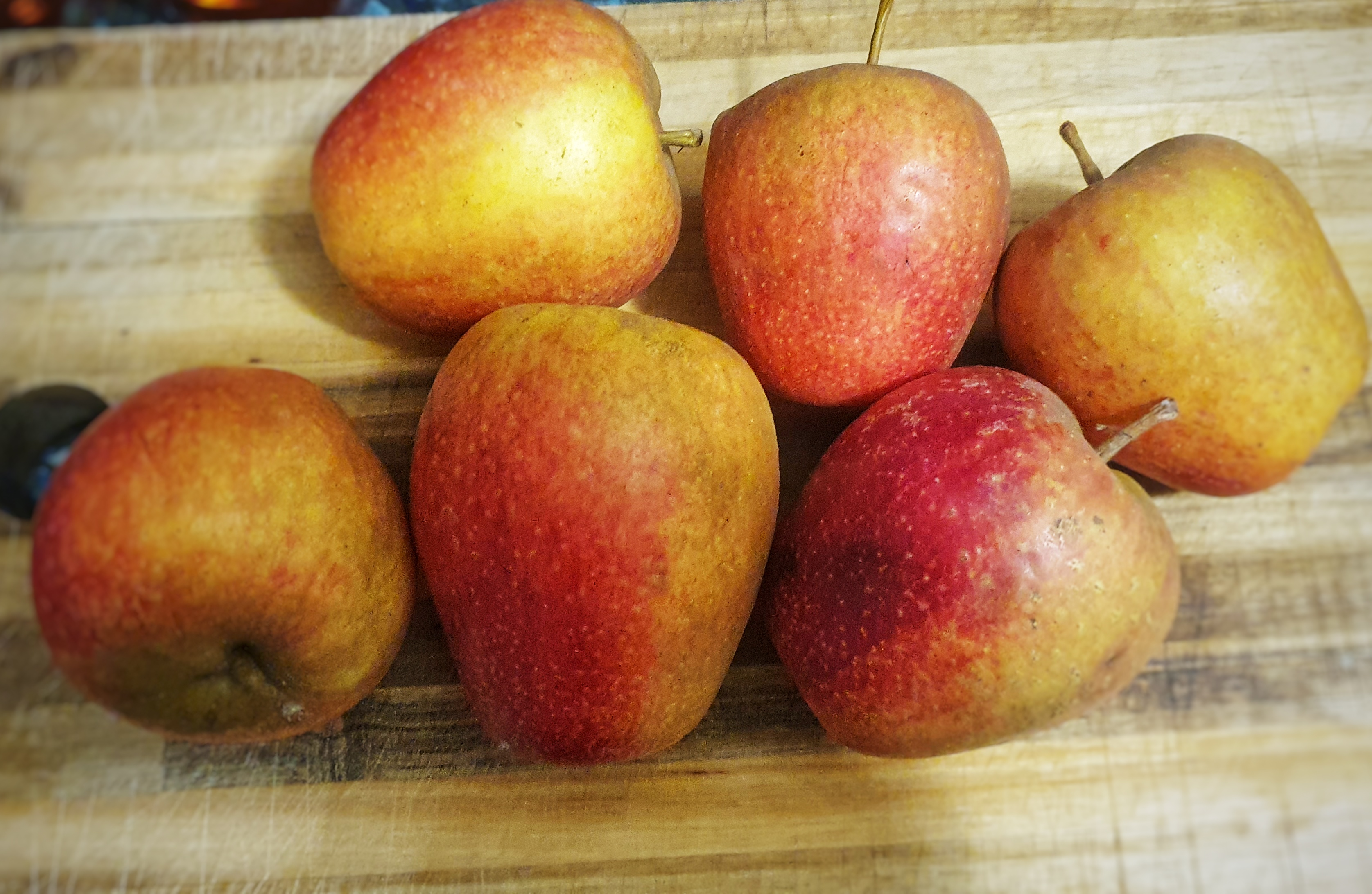
6 small to medium-sized dessert apples

Caster sugar to taste (optional)

2 x 500 ml bottles of brown ale

120 – 140 g soft dark brown sugar

2 cinnamon sticks

8 cloves

1 tsp ground ginger

120 ml dark rum or brandy

4 eggs (optional)

300 ml cream (any kind will do; optional)

To serve: freshly-grated nutmeg

Start by making the apple purée: peel, core and chop the apples and place in a small saucepan with a few tablespoons of water, cover, turn the heat to medium, and cook until soft. If the apples don’t break down naturally, use the back of a wooden spoon. Add caster sugar to taste – if any is needed at all.

Whilst the apples are cooking down, pour the beer into a saucepan, add 120 g of soft dark brown sugar if making the non-creamy/eggy version, or add 140 g if you’re intrigued by it! Snap the cinnamon sticks and chuck those in along with the other spices. Turn the heat to medium and let it all get nice and steaming-hot; you don’t want it to boil, otherwise you’ll lose a lot of the alcohol. Leave for 10 minutes so the spices can infuse, then add the rum or brandy. Let it come back up to heat for another five minutes. If you don’t want to make the custardy version, the lambswool is ready, and it can be ladled out into glasses or mugs and top with a couple of spoons of the warm apple purée and a few raspings of freshly-grated nutmeg.

For the custardy version: after you add the brandy or rum, whisk the eggs and cream in a bowl, take the lambswool off the heat, and pour three or four ladlefuls of it into the cream and egg mixture, whisking all the time. Now whisk this mixture into the lambswool, and stir over a medium-low heat until it thickens. If you want to use a thermometer to help you, you are looking to reach a temperature of 80°C. Pass the whole lot through a sieve and into a clean pan, and serve as above.


Notes

[1] Herrick, Robert. Works of Robert Herrick. vol II. Alfred Pollard, ed., London, Lawrence & Bullen, 1891.

[2] Brears, P. (2014) Traditional Food in Yorkshire. Prospect Books.

[3] Brears (2014); Crosby, J. (2023) Apples and Orchards since the Eighteenth Century: Material Innovation and Cultural Tradition. Bloomsbury.

[4] Hole, C. (1976) British Folk Customs. Hutchinson Publishing Ltd.

[5] Though quoted in many places, I could not find the source of this recipe – but the reigning monarch was Charles I

[6] Diary entries from November 1666, The Diary of Samuel Pepys website https://www.pepysdiary.com/diary/1666/11/.

[7] Bilton, S. (2025) Much Ado About Cooking: Delicious Shakespearean Feasts for Every Occasion. Hachette UK.

1 Comment

Filed under Christmas, cooking, events, Festivals, food, Fruit, General, history, Recipes

Nesselrode Pudding

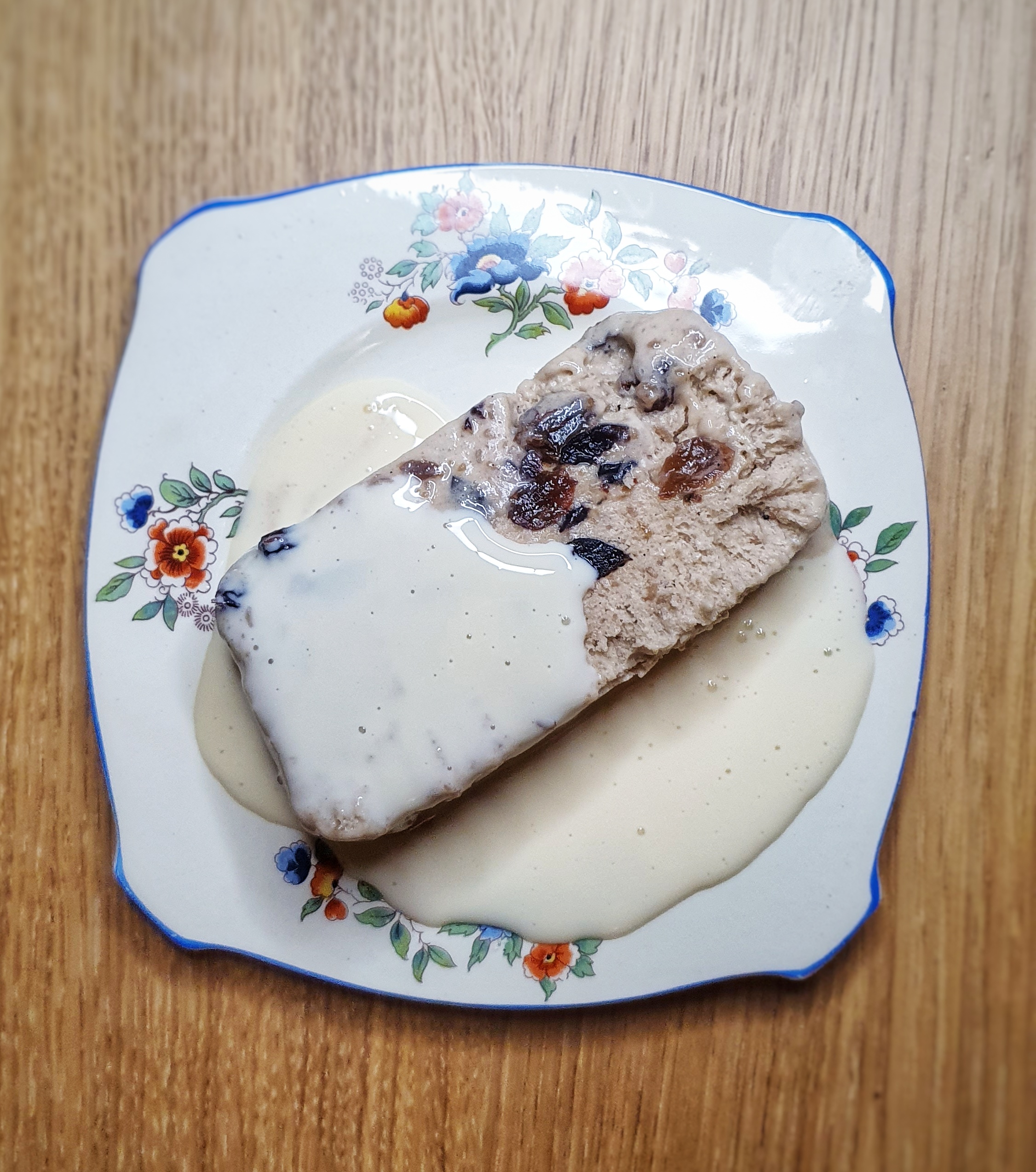
This delicious iced dessert, which was very popular in the 19th century at Christmastime, crops up in most cookery books of the time, and is described as ‘a quiet Victorian icon’ by Annie Gray in her excellent book At Christmas We Feast (2021).[1] It is associated with this time of year because of its main ingredient: puréed chestnuts, and it deserves a comeback.

Count Nesselrode (Creative Commons)

According to Eliza Acton, the pudding was invented by the famous Marie-Antoine Carême,[2] but it is not the case. In one of her best (and most obscure) books, Food with the Famous, Jane Grigson informs us that it was actually ‘invented by Monsieur Mony, chef for many years, to the Russian diplomat, Count Nesselrode, in Paris.’[3] Annie Gray took the research step further: the first printed recipe appears in Carême’s book L’Art de la Cuisine Française. In the original French version, he tells us he got the recipe from Mony, but in the English translation, he claims he – Carême – invented it.[4] Odd.

Listen to Annie discuss her book At Christmas We Feast with me in this past podcast episode.

Recipes do vary, though chestnuts are essential (unless you are Agnes Marshall, who asks – rather controversially – for almonds, in her Book of Ices[5]). Other ingredients include glacé and dried fruits, vanilla and maraschino liqueur – an essential. in my book, but some recipes suggest using brandy or rum as alternatives. There is a custard base, but the mixture is not churned like regular ice cream: this is a no-churn affair. It’s prevented from freezing to a solid block with the addition of airy whipped cream and Italian meringue.


If you like the blogs and podcast I produce, please consider treating me to a virtual coffee or pint, or even a £3 monthly subscription: follow this link for more information.


Recipe

There are several stages to making this pudding, and you need to start making it at least two days before you want to eat it. Don’t let the making of egg custard sauces and Italian meringues put you off. However, a good digital thermometer and electric beater are essential.

Serves 8

For the pudding:

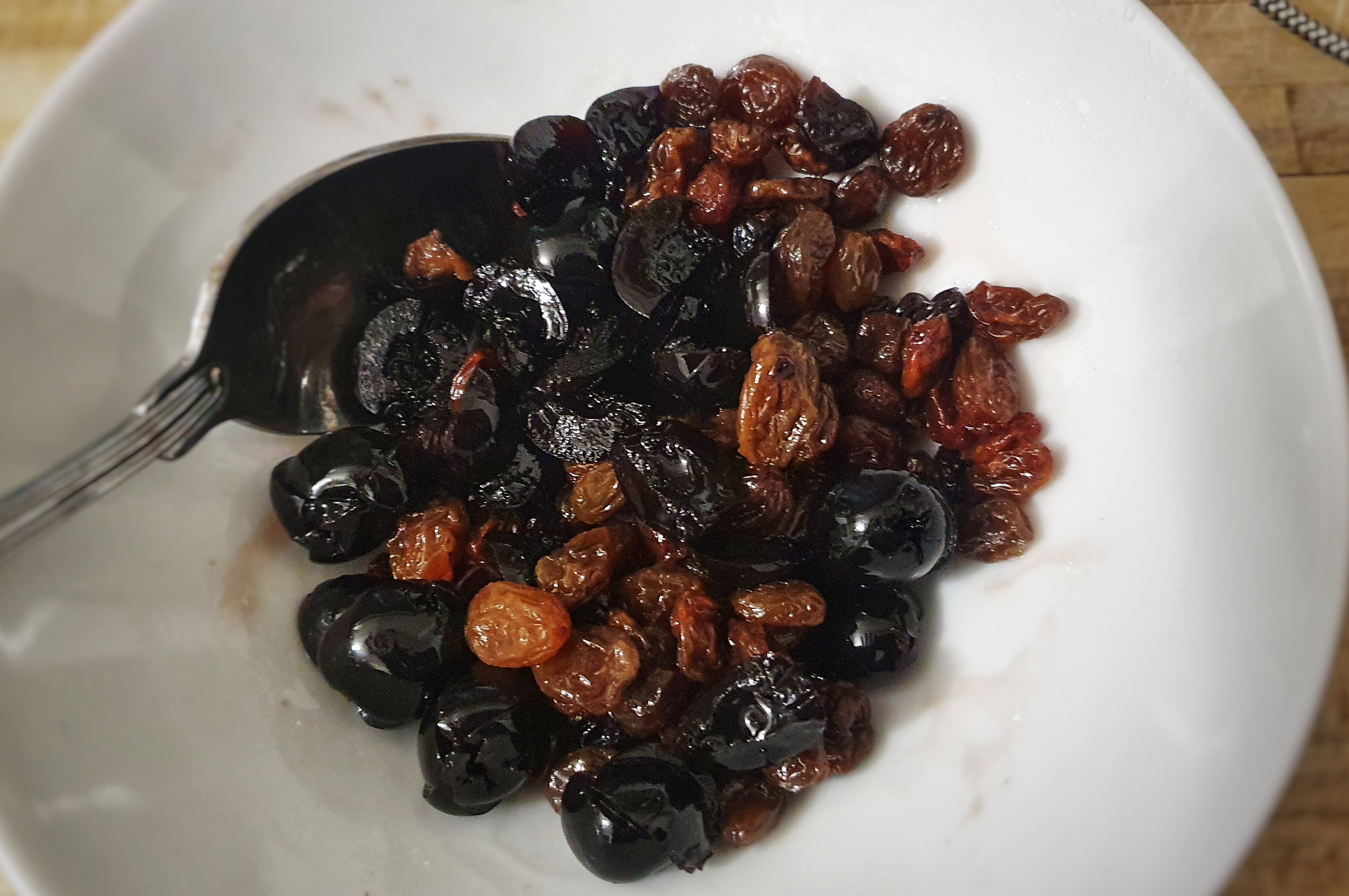
60 g chopped raisins or mixed fruit (currants, raisins and sultanas)[7]

60 g chopped candied peel or Maraschino cherries

80 ml maraschino

1 vanilla pod

300 ml single cream

3 egg yolks

160 g light brown sugar

160 g caster sugar

3 tbs/45 ml water

2 egg whites

300 ml whipping cream

440 g can or 2 x 200 g packets of unsweetened chestnut purée

To garnish: Maraschino cherries or candied chestnuts

For the custard sauce:

300 ml single cream or half-and-half whole milk and cream

50 g caster sugar

4 egg yolks

Around 25 ml maraschino (see recipe)

Soak the dried fruit and peel or cherries in maraschino overnight.

Next day, split the vanilla pod lengthways and scrape out the seeds and place both pod and seeds in a saucepan along with the single cream and heat to scalding point.

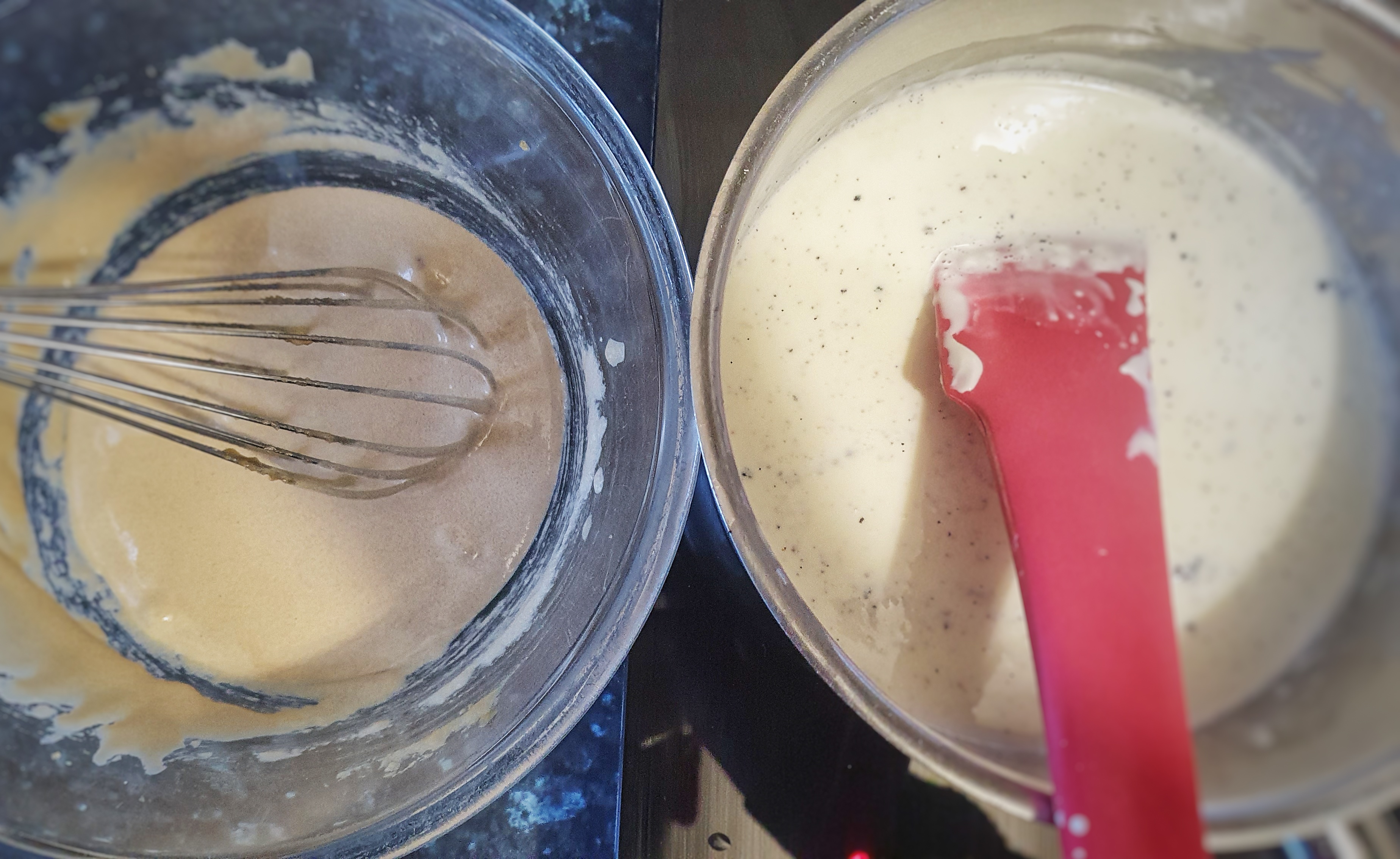
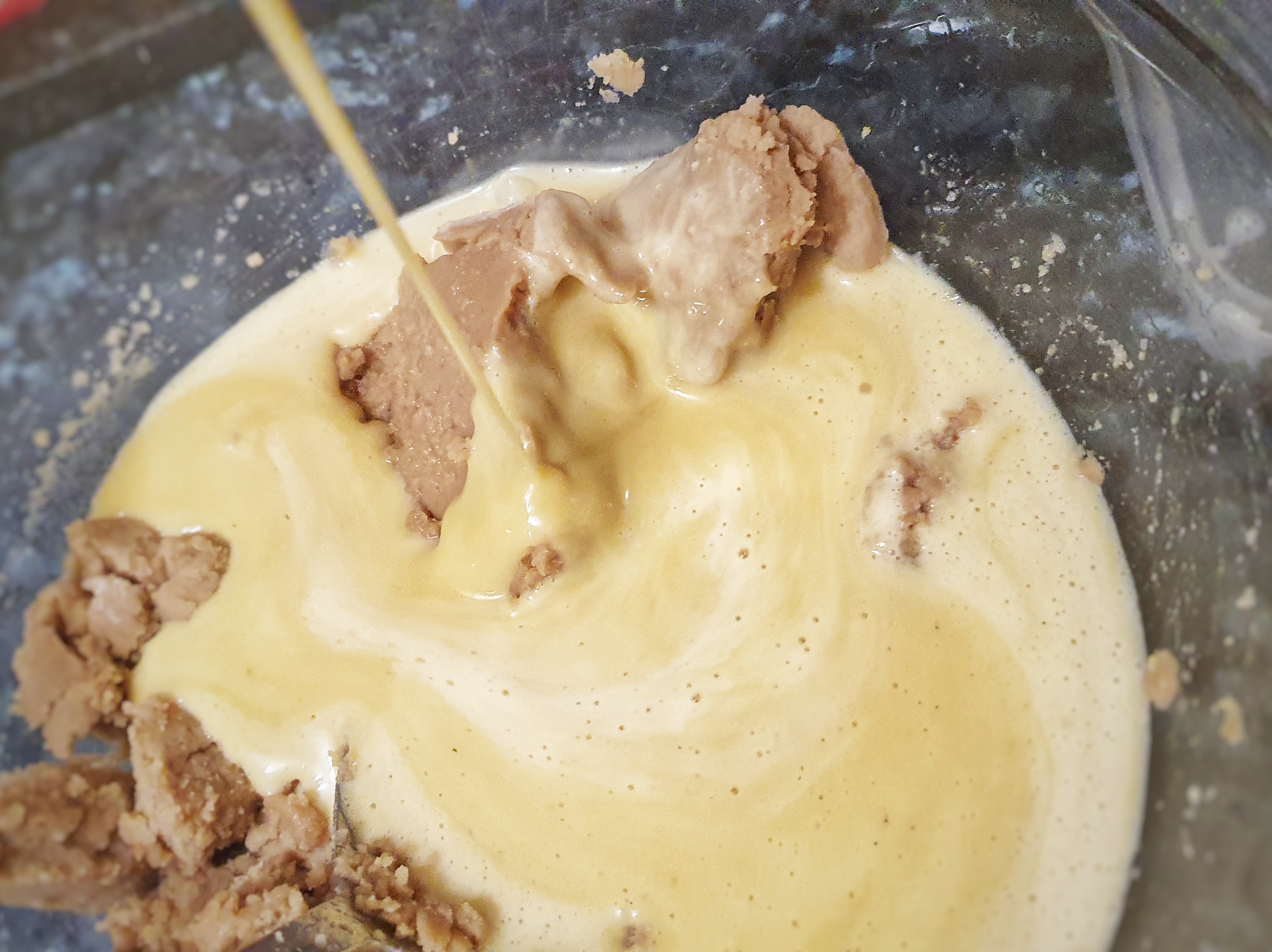
Meanwhile, put the egg yolks and light brown sugar in a mixing bowl, mix and then beat with a balloon whisk until it becomes a few shades paler. Pour in the hot cream by degrees, whisking all the time. Return the mixture to the pan and stir over a medium-low heat until it thickens – don’t let it boil, or you’ll get scrambled eggs – this should take about 5 minutes. If you want to use a thermometer to help you judge this, you are looking for a temperature of 80°C. Pass the mixture through a sieve into a tub, seal, cool and refrigerate until cold.

As it cools, make an Italian meringue: in a thick-bottomed saucepan, add the sugar and water. Place over a medium and stir until the sugar is dissolved, then bring it up to a boil. Insert your thermometer.

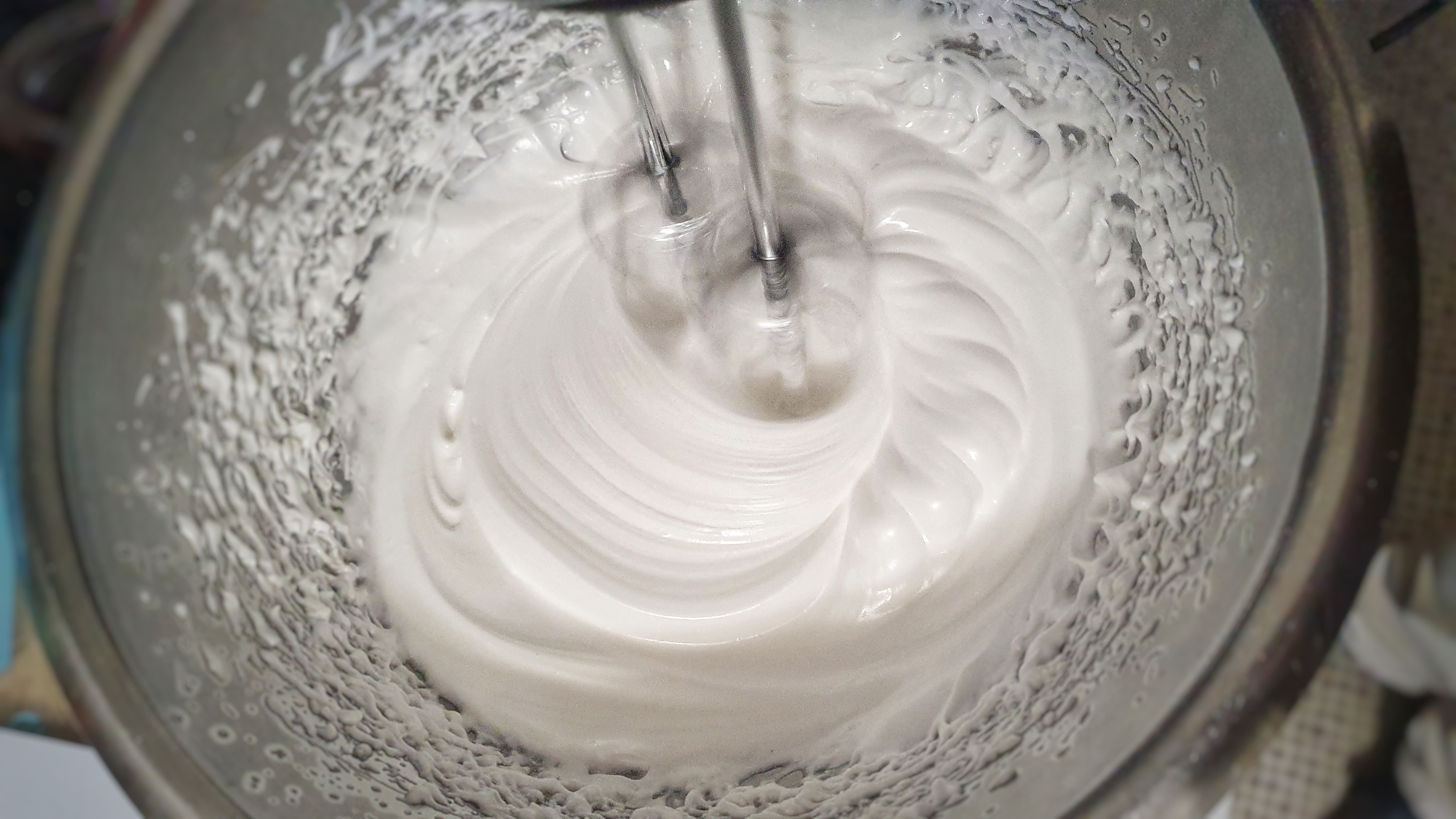
Meanwhile, put the whites in a bowl, ready to beat. When the temperature of the syrup hits 110-115°C, start beating the eggs to stiff peaks. When the syrup is 121°C, take the pan off the heat and trickle the syrup into the whites in a steady stream. Keep beating until almost cold – around 10 minutes – then cool completely. Whip the whipping cream until floppy.

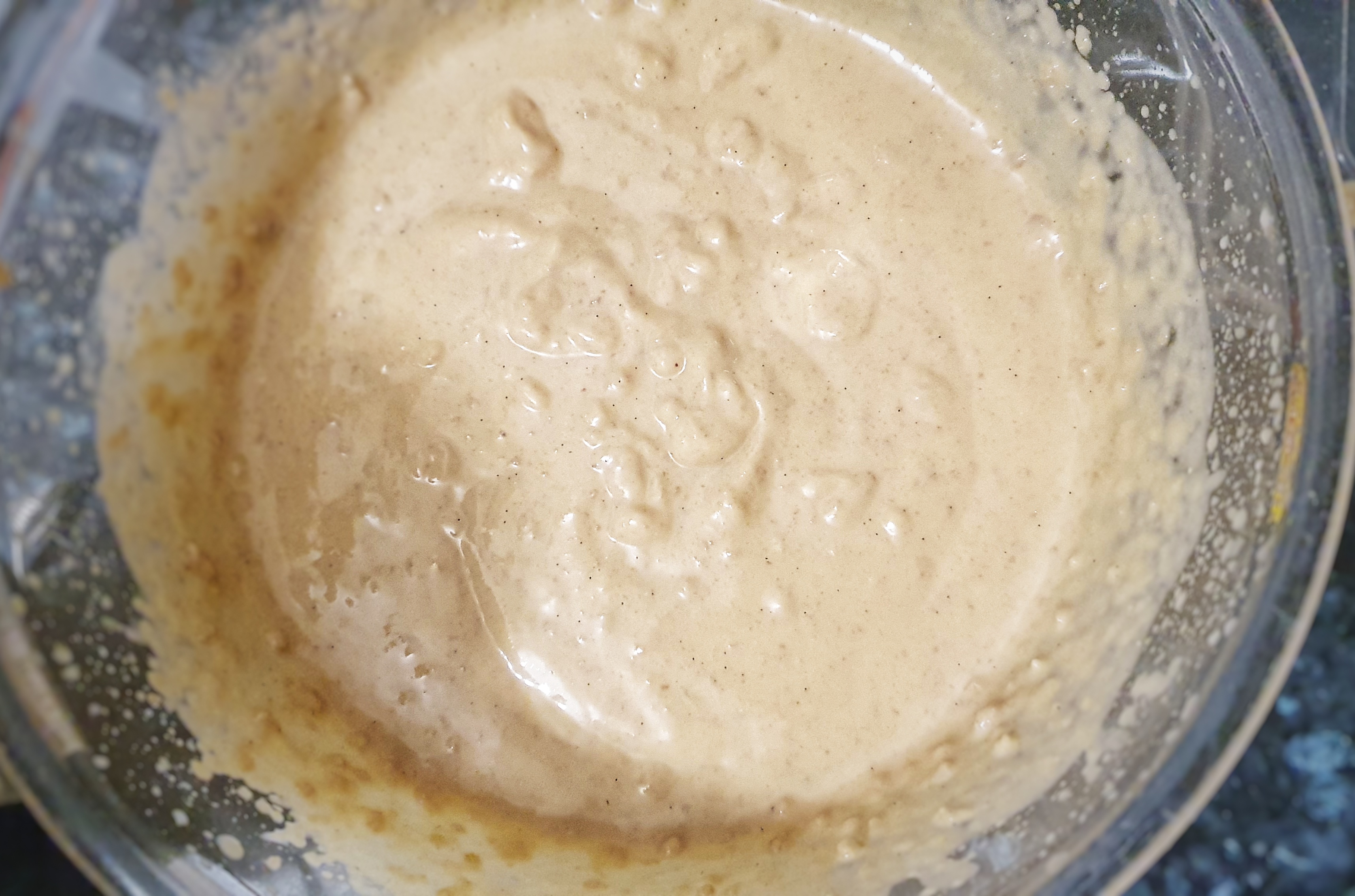
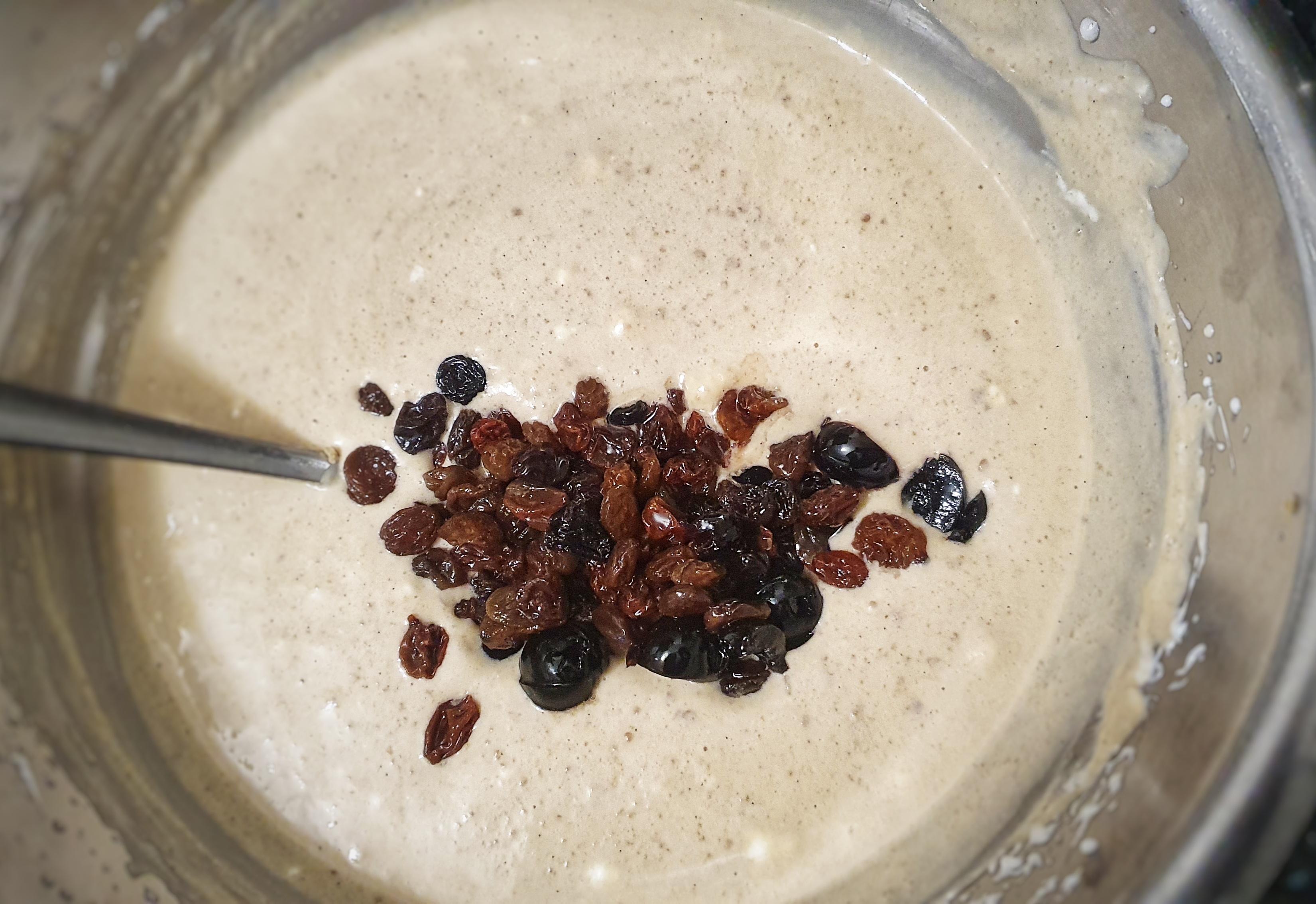
Now the Nesselrode pudding can be assembled. Mix the chestnut puree into the cold, rich custard; you may need to use your electric beater to make the mixture smooth. If you like, pass the mixture through a sieve. Using a metal spoon, fold in the cream, then the meringue. Take your time – you don’t want to lose all of the air you have introduced to the meringue and cream. Strain the fruits (keep the alcohol) and fold those into the mixture.

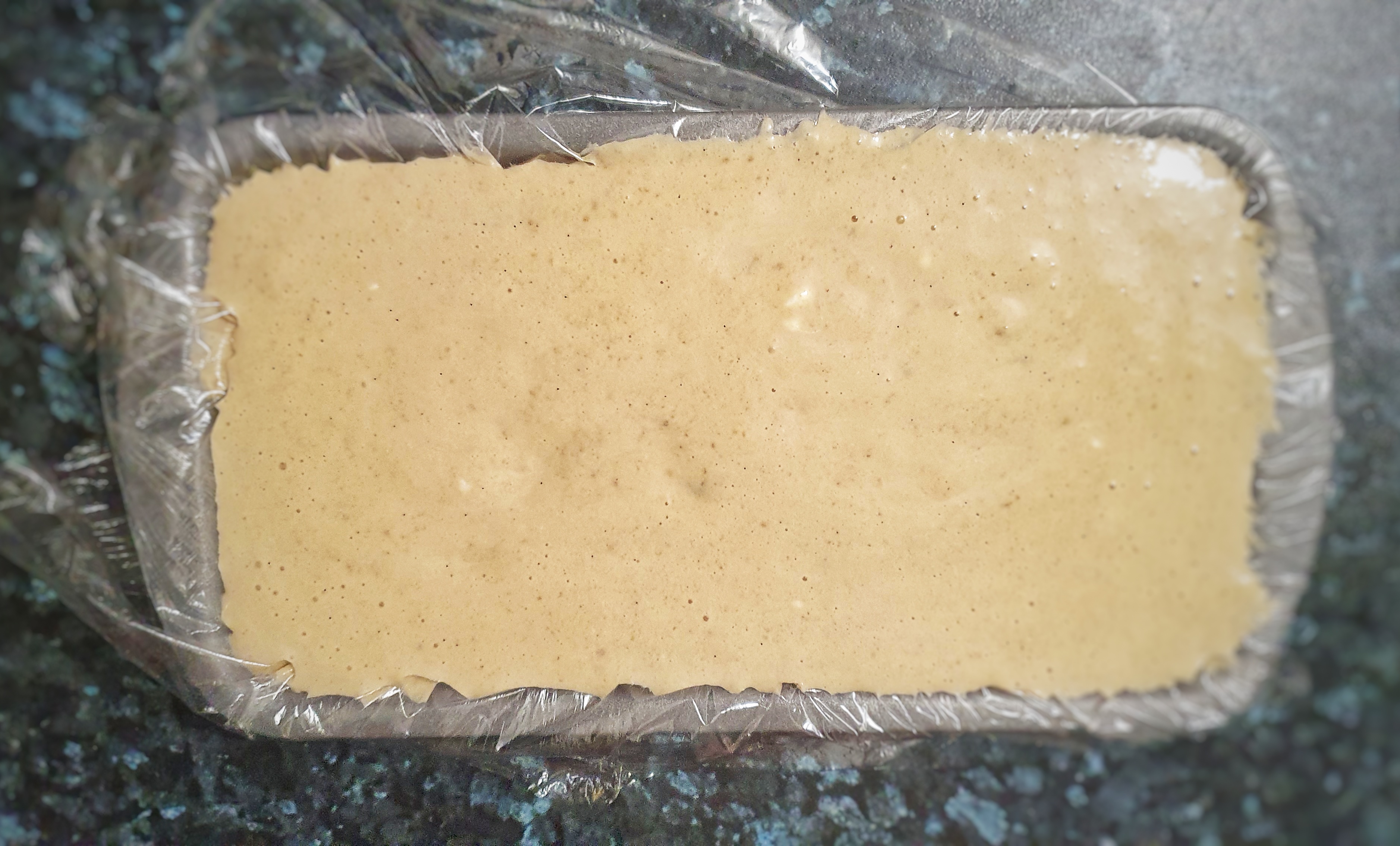
Select your mould – a generous 2 lb/900 g loaf tin is best, but you can use a pudding basin, or anything you like, as long as it has a volume of around 1.5-1.6 litres – and line it with cling film. Gingerly pour or ladle the mixture, cover with more cling film and freeze overnight.

Now make the custard sauce as you normally would – there’s a full method here – flavour with the strained alcohol. Taste it and add more booze if desired. When it tastes just right, add an extra half shot. Cool, cover and refrigerate.

To serve:

Remove the pudding from the freezer 30 to 40 minutes before you want to serve it. At the same time, place the custard sauce in the freezer so that it can get really cold.

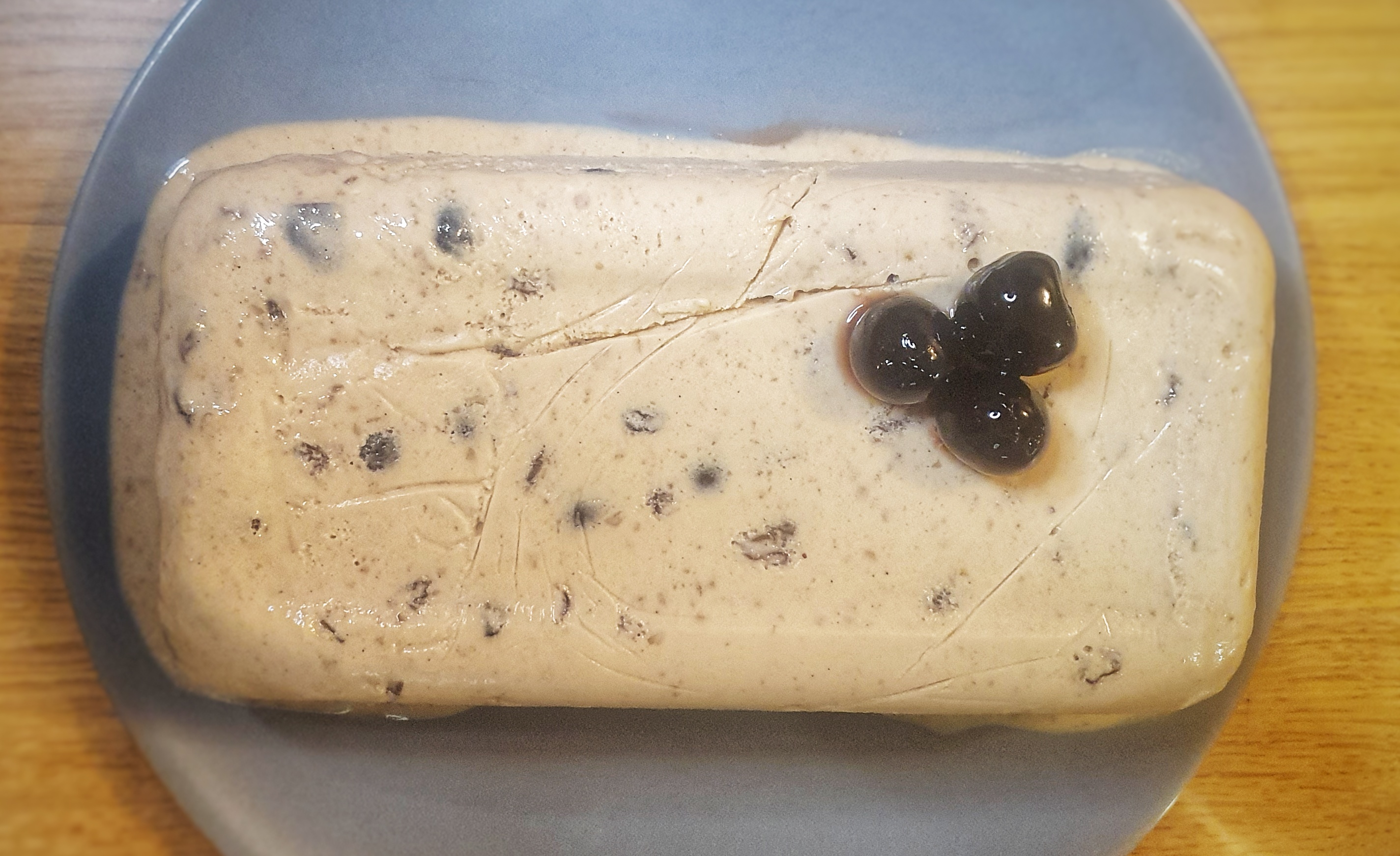
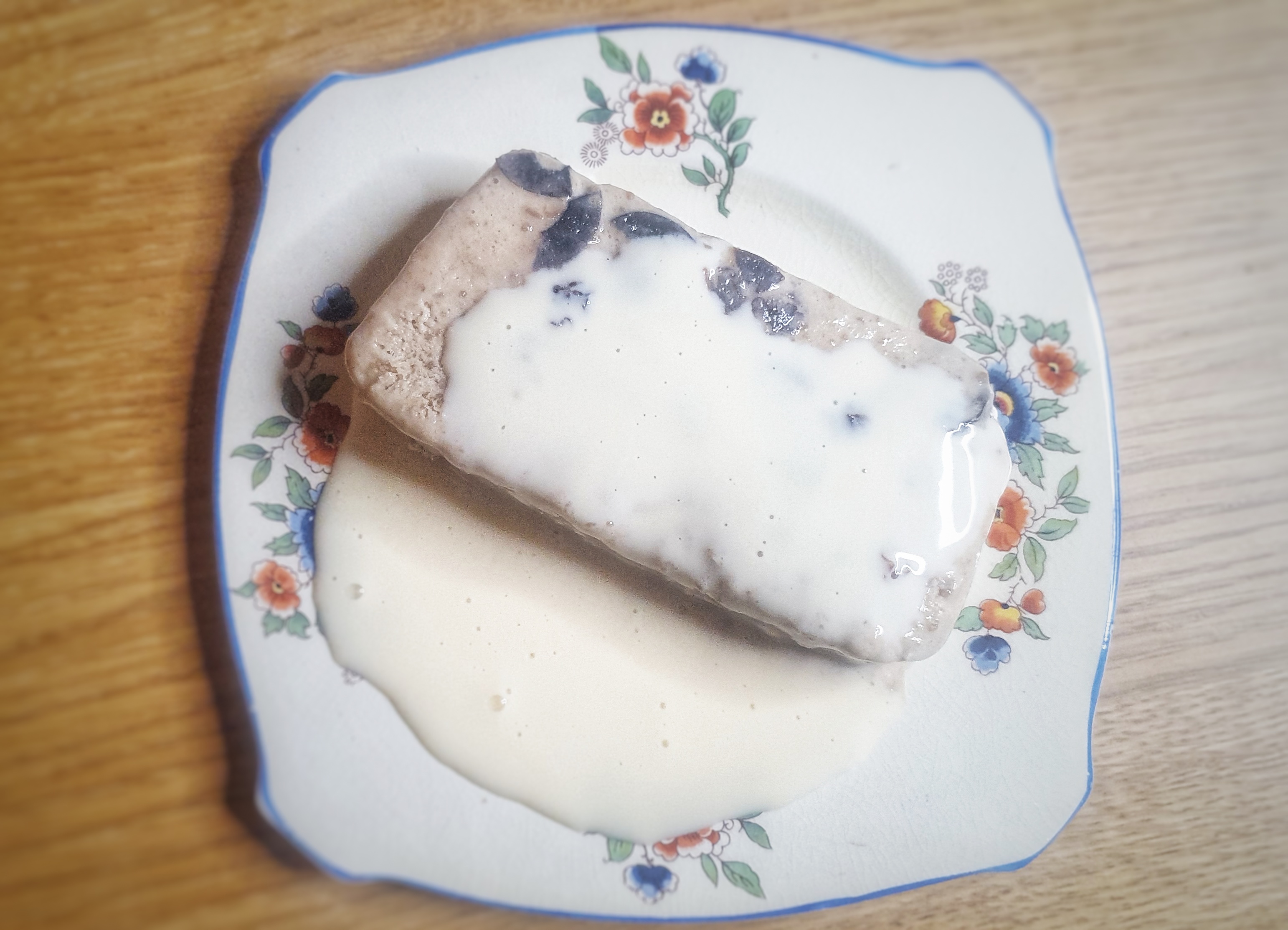
Turn out the pudding onto a serving plate, remove the cling film, clean up the edge with kitchen paper and garnish. If the pudding is a bit of a mess around the edge, pipe some whipped cream around it. Pour the ice-cold custard sauce into a jug and serve.

Note: to make nice, neat cuts, pour hot water into a tall mug or (heat-proof) glass and heat up a serrated knife; this heat and a gentle sawing motion should result in clean cuts.


Notes

[1] Gray, A. (2021) At Christmas We Feast: Festive Food Through the Ages. Profile.

[2] This earliest mention of the pudding in the many editions of Acton’s classic Modern Cookery was the 14th. Acton, E. (1854) Modern Cookery for Private Families. 14th ed. Lonman, Brown, Green, and Longhams.

[3] Grigson, J. (1979) Food with the Famous. Grub Street.

[4] Gray (2021)

[5] Marshall, A.B. (1885) The Book of Ices. William Clowes and Sons.

[6] Ibid.

[7] When I made the pudding for the blog, I decided to forego chopping the fruit, wanting nice, big, plump fruits. A mistake: the large pieces sank – rats!

1 Comment

Filed under Britain, Christmas, food, General, history, Nineteenth Century, Puddings, Recipes, The Victorians

Serve it Forth Presents: A Christmas Feast of the Uncanny, online & on 11 December

Hello everyone.

I thought you might be interested in getting tickets for this special Serve it Forth Christmas event on 11 December called A Christmas Feast of the Uncanny. Tickets are just £5 (plus Eventbrite booking fee) and the event runs from 7:00pm to 8:45pm.

If you can’t make the whole event, the evening will be recorded and shared soon after.

In case you didn’t know, but Sam Bilton, Alessandra Pino and me are all big horror fans, and Christmas is associated with spooky, ghostly tales. We would love to see you there.

Serve it Forth Food History Festival invites you to an evening exploring the eerie side of Yuletide food traditions.

Step beyond the cozy glow of twinkling holiday lights and into a Christmas world where the shadows tell their own tales. A Christmas Feast of the Uncanny is an immersive online event that explores the eerie, strange, and deliciously dark side of Yuletide traditions through the lens of food.

Join the Serve It Forth team at this live virtual gathering to discover:

  • Why ghost stories are so popular at Christmas as we explore the food references in some of the lesser-known ghoulish tales from Charles Dickens and his like.
  • The significance of otherworldly beings like elves, witches and monsters at this time of the year and their relationship to food.
  • The origins of traditional Christmas foods and the old customs that linked them to fortune-telling and other forms of the supernatural.

Book your ticket via Eventbrite: click here.

Visit the Serve it Forth website for more details: click here.

Leave a comment

Filed under events, Festivals, food, General

Recipe: Brussels Sprouts with Bacon and Prunes

Subscribe to get access

This post and it’s accompanying podcast episode are for £3 monthly subscribers. If you would like to become a subscriber and access this post and all the other premium content on the blog click this link.

As a £3 monthly subscriber you get access to my Easter eggs page, special premium blog content, receive a monthly newsletter, and – most importantly – you support the running of my podcast and blog.

1 Comment

Filed under Britain, Christmas, cooking, Festivals, food, General, Recipes, Uncategorized

My Foolproof Roast Potatoes

I told my social media followers that my Christmas recipe this year was going to be roast turkey and I said that I would also provide the recipes for two sides. I provided four options: roast potatoes, Brussels sprouts, bread sauce and cranberry sauce/jelly. Roast potatoes received the most votes so here we go.[1]

I believe that the roast potatoes are almost as important as the roast meat, perhaps more important. Whether it’s the Christmas dinner or the weekly Sunday roast, if you mess up the roasties, everyone will be sad, and there’s a good chance you’ll be forever shunned by friends and family.

So I provide you with my method. It’s tried and tested and I reckon foolproof! Don’t worry about precise weights/volumes of ingredients or sizes of roasting trays; this recipe is most adaptable so use what you have. What is important, however, is the type of potato used and the fat or oil in which they are cooked.

The potatoes must be of the floury type: Maris Piper, King Edward and Albert Bartlett varieties are easy to find in the supermarkets, but for me the supreme variety of spud when it comes to roasting is the Alouette. It’s technically a waxy potato, but when roasted the centre is like the creamiest mashed potato. It’s not widely available in supermarkets, but keep a look out at greengrocers and farmers’ markets; you will not be sorry should you happen upon some and buy a kilo or two. I bought mine from Unicorn in Manchester.

Next, we need good fat or oil. I used approximately equal amounts of lard and rapeseed oil. All solid animal fats are good: beef dripping, goose fat and duck fat are great alternatives – they all have high smoking points and make for a crisp potato. As for plant-based oils, you must avoid olive oils completely and go for high smoke point ones like rapeseed, groundnut or sunflower. Avoid the solid, white vegan fats, they are bad for you and the environment. You don’t have to go half and half either, you can use all oil or all animal fat: I vary it depending on what oils and fats I have in the store cupboard/fridge.

Anyway, let’s get to it.


If you like the blogs and podcast I produce and would to start a £3 monthly subscription, or would like to treat me to virtual coffee or pint: follow this link for more information. Thank you.


Recipe

Make sure to use a deep roasting tin and that it is big enough to fit all of the potatoes in a single layer. Notice too there are no herbs thrown in, but if you want to add some be my guest.

If making roasties for the Christmas dinner, you can slide the tray of oil or fat into the oven as soon as the turkey comes out.

Good, floury potatoes, peeled

Salt

Plant-based oils and/or solid animal fats

Preheat your oven to 190°C (if you followed my turkey recipe, the oven will already be at this temperature). Add enough oil or fat to the tin so that it comes to a depth of between 0.5 to 0.75 centimetres. Slide it into the oven to get nice and hot.

Angular cuts make for crispier roasties

Cut your potatoes into good-sized pieces[2] making cuts at angles so that there are sharp, angular pieces: the pointier, the crispier; the crispier the better.

Get a large pot of water that had been liberally dosed with salt boiling and add the potatoes. Cover and bring back to a boil, and once boiling again, set a timer for 6 minutes.

When the time is up, strain the cooking water and allow the potatoes to steam dry for a few minutes, then place them back in the pan, cover the lid and give them a good shake to fluff up the edges (wear oven gloves, don’t get a steam burn). Leave the lid off the spuds again so that they can steam a little longer. You can do this stage well in advance if you like – even the previous day.

Fluffed and ready for the oven!

Gingerly remove the roasting tin and place the potatoes in the oil, spacing them out in a single layer. Use a pair of tongs to help. Slide the roasting tin back into the oven. After 15 minutes turn them over, and keep turning them every 15 minutes or so until crisp on the outside and cooked through the centre. It will take around an hour.

Using tongs, place in a warmed serving dish or bowl and serve.


Notes

[1] Sprouts came second – recipe coming very soon.

[2] I’m not going to dictate to you what a good size is; it’s all down to personal preference, but as a guide, medium potatoes get cut into quarters or sixths, and larger ones into eighths.

1 Comment

Filed under Britain, Christmas, cooking, food, General, Recipes, Uncategorized

Roast Turkey and Giblet Gravy

A very bronzed roast Copas turkey: butter is the only way to get this deep, delicious colour.

This blog post complements the recent episode of The British Food History Podcast called Turkey with Tom Copas.

If you feel inspired to order a Copas turkey, you need to get your order in by 16 December to avoid disappointment.

In the episode, we discussed the best way to roast turkey and we concluded that as long as you baste the bird and calculate the cooking time properly, it will be delicious. Tom even says that there’s no need to cover the turkey with bacon. While I agree with him, I do like the crispy bacon and the delicious, perfectly seasoned juices that come from the roasting turkey. My way of roasting turkey is very similar to how I cook a chicken.

What we didn’t discuss is the giblets! Please don’t waste them, they can be turned into lovely rich gravy when combined with the roasting juices. It’s important to get the giblet stock on about 45 minutes before the turkey goes in the oven (or you could prepare it in advance).

If you want to stuff the turkey, I suggest you stuff the neck only because an empty cavity means quicker cooking and a more succulent turkey.

Right, let’s get to it.


If you like the blogs and podcast I produce and would to start a £3 monthly subscription, or would like to treat me to virtual coffee or pint: follow this link for more information. Thank you.


To Roast a Turkey

You don’t have to use bacon if you don’t want to, but butter is essential. It adds richness, helps the bird keep moist and gives the skin a lovely deep brown colour.

1 free-range turkey

250 g salted butter, softened

Freshly ground black pepper

Around 14 rashers of dry-cured streaky bacon (optional)

Stuffing (optional)

Halved or quartered carrots and parsnips (optional; see recipe)

As soon as you get up on Christmas morning, take the turkey out of the fridge, untruss it, and when it’s time to cook the turkey, preheat your oven to 190°C.

Sit the turkey on a board, legs facing towards you, then make a tear in the skin where the breast starts and lift the skin away from the breast. Don’t rush – you don’t want to tear the skin. Put half the butter between the skin and breast and massage it as far back as possible. If you are using stuffing, add this under the skin too and tuck the flap of neck skin underneath. If there’s not much neck skin, don’t worry, it can be secured with a skewer.

Smear the rest of the butter over the outside of the turkey and season with plenty of black pepper, then lay the bacon over, overlapping each rasher only slightly.

Weigh the prepared turkey and calculate the cooking time: 30 minutes per kilo. A 4.5 kilo turkey will take 2 ½ hours. If cooking for more than 3 hours, cover the legs with foil.

Sit the turkey in its roasting tin, place it in the oven, and leave it for a good 45 minutes before doing anything at all. At the 45-minute mark baste the turkey with any juices; make sure to tip any juices in the cavity into the roasting tin.

Baste every 20 minutes or so. When the bacon is very crispy, remove it and set aside.

If you like you can add some carrots and parsnips, peeled and halved or quartered to braise in the juices. It’s best to do this when there are 90 minutes to go – don’t forget to turn the veg over each time you braise.

90 minutes to go, the bacon has been removed and the vegetables added to braise

When the time is up, you can test with a digital probe: 68°C is the temperature you are looking for. Take the turkey, place it on a carving board and cover with foil. It will happily rest for one to two hours.

When it’s time to carve, remove the legs and separate them into thighs and drumsticks. For the breast, I find the easiest way is to remove one side completely and then slice it thickly. These can be arranged on a warm serving plate, surrounded by the crisp bacon. Only cut into the second breast if the first one goes (it keeps better that way for leftover feasts).

I massaged the stuffing quite far into the turkey’s breast skin, protecting the meat and keeping it juicy

To Make Giblet Gravy

Don’t waste or fear the giblets! The giblets are the heart, neck, gizzard and liver.[1] Use your vegetable trimmings from the veg to make the stock: though avoid brassicas like sprouts.

For the stock:

Heart, gizzard and neck

A knob of butter

Leek greens, carrot peelings, and some celery trimmings, or 2 outer stems of celery

2 cloves of garlic, lightly crushed

Herbs: bay leaves, parsley stalks, rosemary or thyme sprig tied with string

175 ml white wine

Cold water

For the gravy

Giblet stock

Pan of turkey juices

1 tbs cornflour

To make the stock, first cut up the giblets into quarters.

In a saucepan, heat the butter until foaming, add the giblets and fry over a medium-high heat until brown – about 5 minutes. Now add the vegetable trimmings, garlic and herbs and wilt them. Cook until they have picked up a tinge of brown, then add the wine. Stir and scrape any nice burnt bits from the bottom. Add water to just cover the contents, put a lid on and bring to a simmer and cook for around 3 hours, then strain through a sieve into a clean pan (or into a tub if you’re making it in advance).

When it’s time to make the gravy, get the stock nice and hot. When the turkey is cooked and is resting on its board, pour the hot stock into the roasting tin and scrape off all the nice treacly burnt bits, then tip the whole thing back into your saucepan. Skim away most of the buttery juices.[2] Bring to a simmer and then add the cornflour which has been first slaked in a little cold water. Stir and simmer unlidded for 10 minutes.

Check the seasoning, though usually I find that the bacon and the salted butter from roasting the turkey have done it for me. Pour the gravy into a jug. You can pass it through a sieve, but I never do. Easy!


[1] Use the liver for the stuffing, or fry it and eat it on toast. You could devil it – recipe for devilling livers can be found here.

[2] But don’t throw the fat away, it can be used for frying vegetables for sauces or soup.

6 Comments

Filed under Britain, Christmas, cooking, Festivals, food, General, history, Meat, Recipes

Two free talks this December (one online & one in person)

Hello there folks. A very quick post just to let you all know that I am giving two free talks this December.

The first is taking place at Manchester Central Library at 6pm on 5 December and is entitled The History of Pies & Puddings. Because it’s December I shall be looking at some festive examples but also a few other favourites. There will also be some of the library’s antiquarian cookery books to view as part of it. Book your spot here.

The second is a free Zoom talk on 17 December at 7pm (GMT) called The Philosophy of Puddings where I will look at the history of this very British food in the kitchen and in our culture. Will any of your favourites be mentioned? Book your spot here.

There are new events cropping up all of the time so make sure that you check the Upcoming Events tab regularly.

Looking forward to seeing some of you there!


If you like the blogs and podcast I produce and would to start a £3 monthly subscription, or would like to treat me to virtual coffee or pint: follow this link for more information. Thank you.


7 Comments

Filed under Books, Britain, cooking, events, food, General, history, Puddings, Teatime

Negus

Wine, Cyder, Negus, Purl,[1] and Porter;

Are liquors for any Courtier.

The Free-Mason’s Calendar, 1776[2]

Merry Christmas everyone! It’s time for my annual boozy Christmas drink, and this year’s is so good, you can even give it to the kids; if you take Mrs Beeton’s advice (I advise against it, but what do I know). It is called negus; the ingredients are simple, and you are almost guaranteed to have them this time of year: wine, sugar, citrus fruit, spices. Easy.

Its origin lies with the English officer class of the late 17th and early 18th centuries, who got into the very sensible habit of watering down their wine to avoid getting too drunk of an evening. They still wanted something to drink though. It is named after Colonel Francis Negus (1660-1732), ‘a well-connected gentleman’, who, aside from being a noted member of the officer class, was also an MP, and a talented horse rider and hunter, so-much-so he was given the position of Master of the Horse and Warden of Windsor Forest. Quite the chap it would seem. The earliest description known comes in the form of a handwritten note in a 1725 edition of Tacitus’s works. It said: ‘After a morning’s walk, half a pint of white wine, made and hot and sweetened a little, is recond very good. – Col. Negus, a gentn. of tast, advises it, I have heard say.’[3] Initially it was a heated mixture of white wine and water, sugar and then some citrus juice, sometimes lemons, or sweet or Seville oranges, and it hasn’t really changed that much.

Its low alcohol made it especially good for the infirm or chronically ill. One Dr William Buchan in his 1797 book, prescribes claret negus for those with ‘Slow or Nervous Fever’, what we would call depression today.[4] In the book Oxford Nightcaps (1827), the author tells us that a doctor friend of his, a certain Doctor Willich, thinks ‘Negus is one of the innocent and wholesome species of drink especially if Seville oranges be added’. He also recommends lemons, cinnamon, cloves and all-spice. And calves’ foot jelly, which was thought very nourishing to those who couldn’t digest anything too rich or challenging.

Mr Fezziwig’s Ball as depicted by John Leech

Into the mid-19th century, negus settled down as a drink to be enjoyed by everyone, the wine most often used now being port (a drink which had been made popular since the Napoleonic Wars). It is mentioned in Charles Dickens’s A Christmas Carol (1843). When the Ghost of Christmas Past takes Scrooge to show him the wonderful parties put on by his old boss, the kind and caring, Mr Fezziwig: ‘There were dances, and there were forfeits, and more dances, and there was cake, and there was negus, and there was a great piece of Cold Roast, and there was a great piece of Cold Boiled, and there were mince-pies, and plenty of beer.’[5] What a sight they would have been!

Isabella Beeton’s considered negus a children’s drink

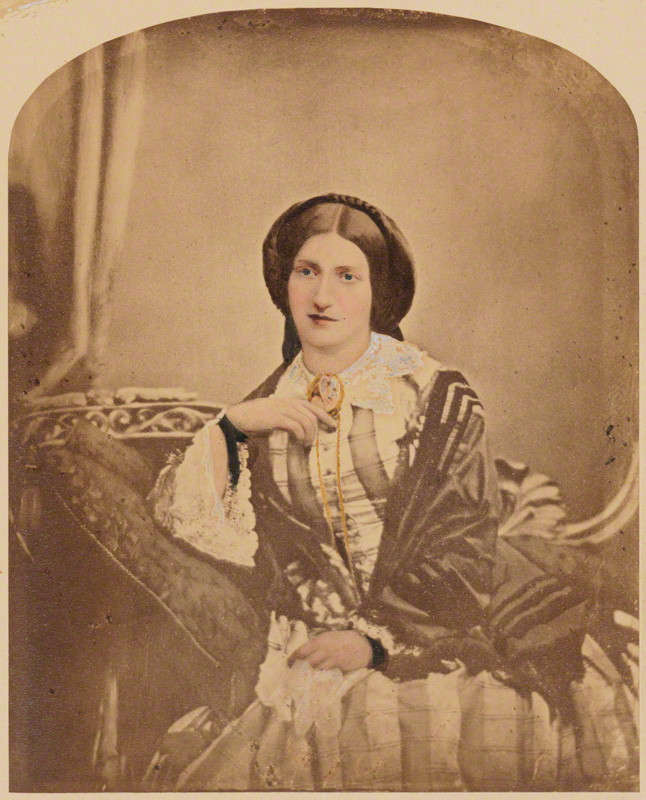
So inoffensive was negus that it became a popular drink with kids, with Mrs Beeton informing us in 1861 that ‘[a]s this beverage is more usually drunk at children’s parties than at any other, the wine need not be very old or expensive for the purpose.’ Her proportions are 1 pint of port to every quart of water, plus a quarter of a pound of sugar, zest and juice of one lemon and some grated nutmeg. She adds: ‘Allow 1 pint of wine, with the ingredients in proportion, for a party of 9 or 10 children.’[6]

It’s essentially a weak version of my favourite hot-booze drink, smoking bishop, but child-friendly. Hm. I suppose it’s one way to get them to sleep on Christmas Eve night!


If you like the blogs and podcast I produce and would to start a £3 monthly subscription, or would like to treat me to virtual coffee or pint: follow this link for more information. Thank you.


The recipe

Use whatever wine you prefer and your favourite citrus fruit. I went with port and a clementine and added some nutmeg and cinnamon. I must say it was very drinkable.

I’ve metricated the volumes, but the rule of thumb here is 1 part wine to 2 parts water, and you can sweeten the mixture to your taste.

Makes 1.3 litres:

400 ml wine (port, claret or white wine)

Zest and juice of 1 citrus fruit (lemon, sweet orange, Seville orange, clementine, etc)

Spices: ¼ freshly grated nutmeg, a snapped cinnamon stick, a teaspoon of cracked allspice berries or bruised cloves; choose your favourites.

800 ml boiling water

100 to 120 g caster sugar.

Heat the wine slowly with the zest and juice of your chosen fruit, and the spices until scalding hot (but not boiling). Add the hot water, then add sugar to taste. Pass through a sieve into a punch bowl or jug. To serve, ladle into beakers or cups.

One final note before I go: in Jerry Thomas and Christian Shultz’s How to Mix Drinks (1862), there is a very interesting-sounding soda negus recipe. The wine is warmed up with sugar and spices, then left to cool, then soda is added before serving.[7] Worth a try I think!


Notes

[1] Purl was an ale that had been infused with wormwood. Sounds full-on. Potential future Christmas booze post.

[2] Anon. (1776) The Free-Mason’s Calendar: or, an Almanac for the Year of Christ 1776.

[3] Wondrich, D. (2021) The Oxford Companion to Spirits and Cocktails. Edited by D. Wondrich and N. Rothbaum. Oxford University Press.

[4] Buchan, W. (1797) Domestic Medicine, Or, A Treatise on the Prevention and Cure of Diseases, by Regimen and Simple Medicines. Edited by I. Cathrall. Richard Folwell.

[5] Dickens, C. (2010) A Christmas Carol and Other Christmas Writings. Penguin Classics.

[6] Beeton, I. (1861) The Book of Household Management. Lightning Source.

[7] Thomas, J. and Schultz, C. (1862) How to Mix Drinks, Or, The Bon-vivant’s Companion. Dick & Fitzgerald.

2 Comments

Filed under Britain, Christmas, Eighteenth Century, Festivals, food, General, history, Recipes, The Victorians, Uncategorized

Edward Kidder’s Early 18th Century Mince Pies


This post complements the 2023 Christmas special of The British Food History Podcast called ‘Mince Pies’:


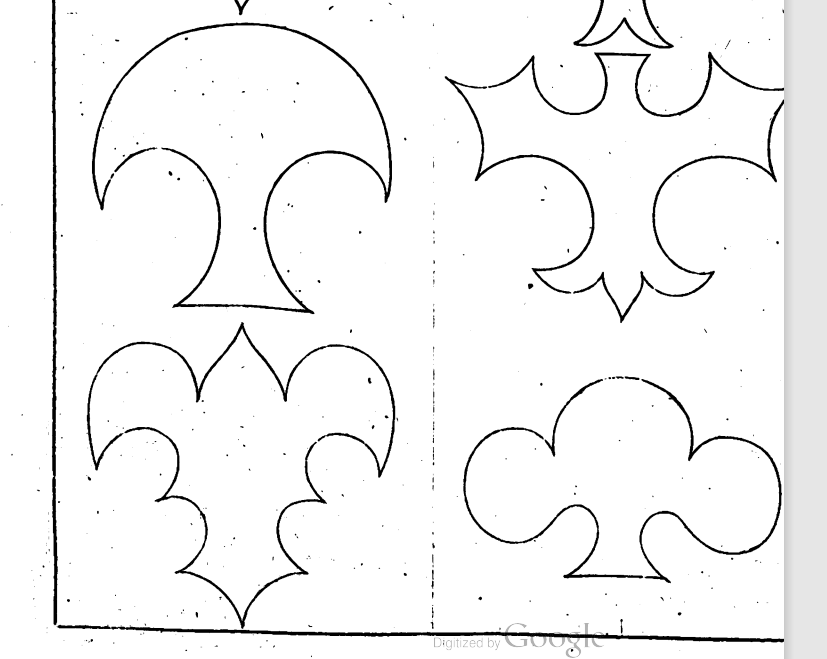
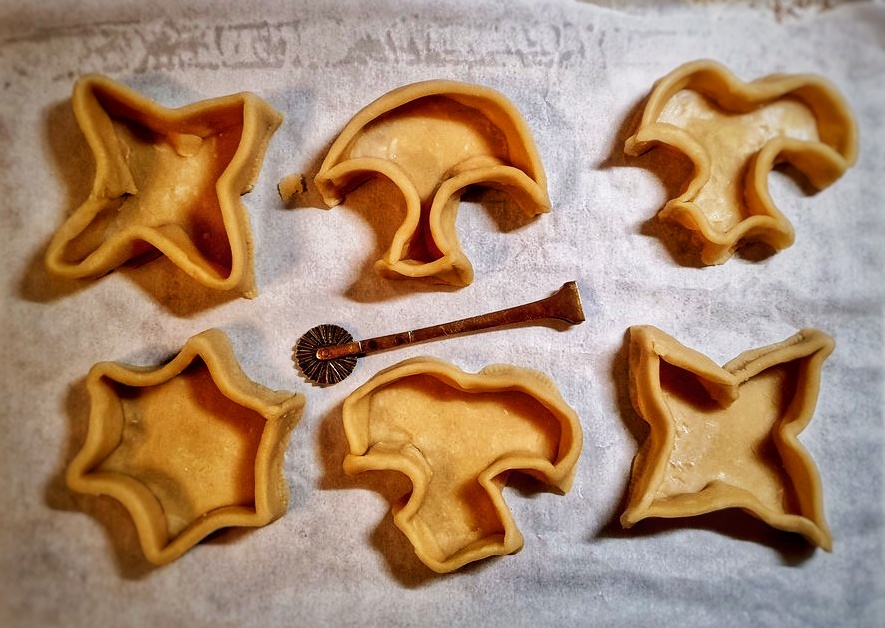
As promised on this year’s Christmas episode of the podcast, all about mince pies, here is my pastry recipe and method for making the shaped-mince pies in E. Kidder’s Receipts of Pastry and Cookery. It was originally published in 1721, but I used the 1740 edition of the book (here’s a link to the document). If you go to the end of the book, you will see lots of different minced pie templates, just like the ones below. The idea was that you rolled out your pastry and cut a shape out, then made pastry walls, filled them with mincemeat, placed on lid on top and baked it. Really beautiful, but fiddly-looking shapes, I’m sure you’ll agree.

I felt a little nervous making them, so let me at this point, say a massive thank you to Ivan Day for the advice he gave me on shaping these pies. Ivan has an excellent blog with a fascinating article about mince pies (click this link to read it).

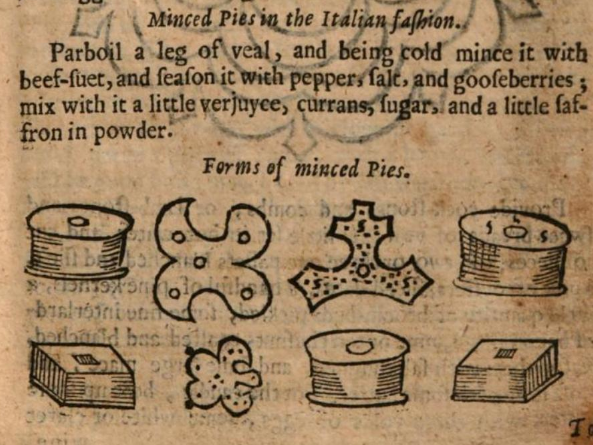
In the Christmas episode, I considered making some of the pie designs in Robert May’s The Accomplisht Cook (first published in 1660), but I found Edward’s designs much easier to extrapolate into three-dimensional pies! However, here are a few from May’s book to give you an idea of the sorts of minced pies he was making:

The Materials

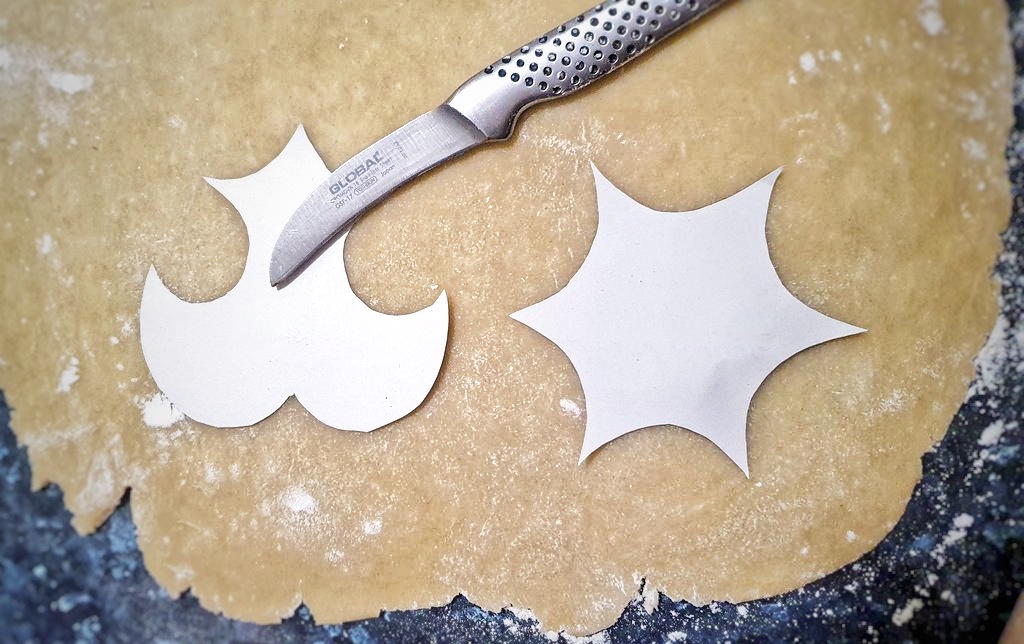
The first thing you need to do is get organised with your templates. I simply took screenshots of the book, printed them out and cut them out. You can make them any size you like. My shapes were around 10cm wide, and I went for the ones that looked the easiest!

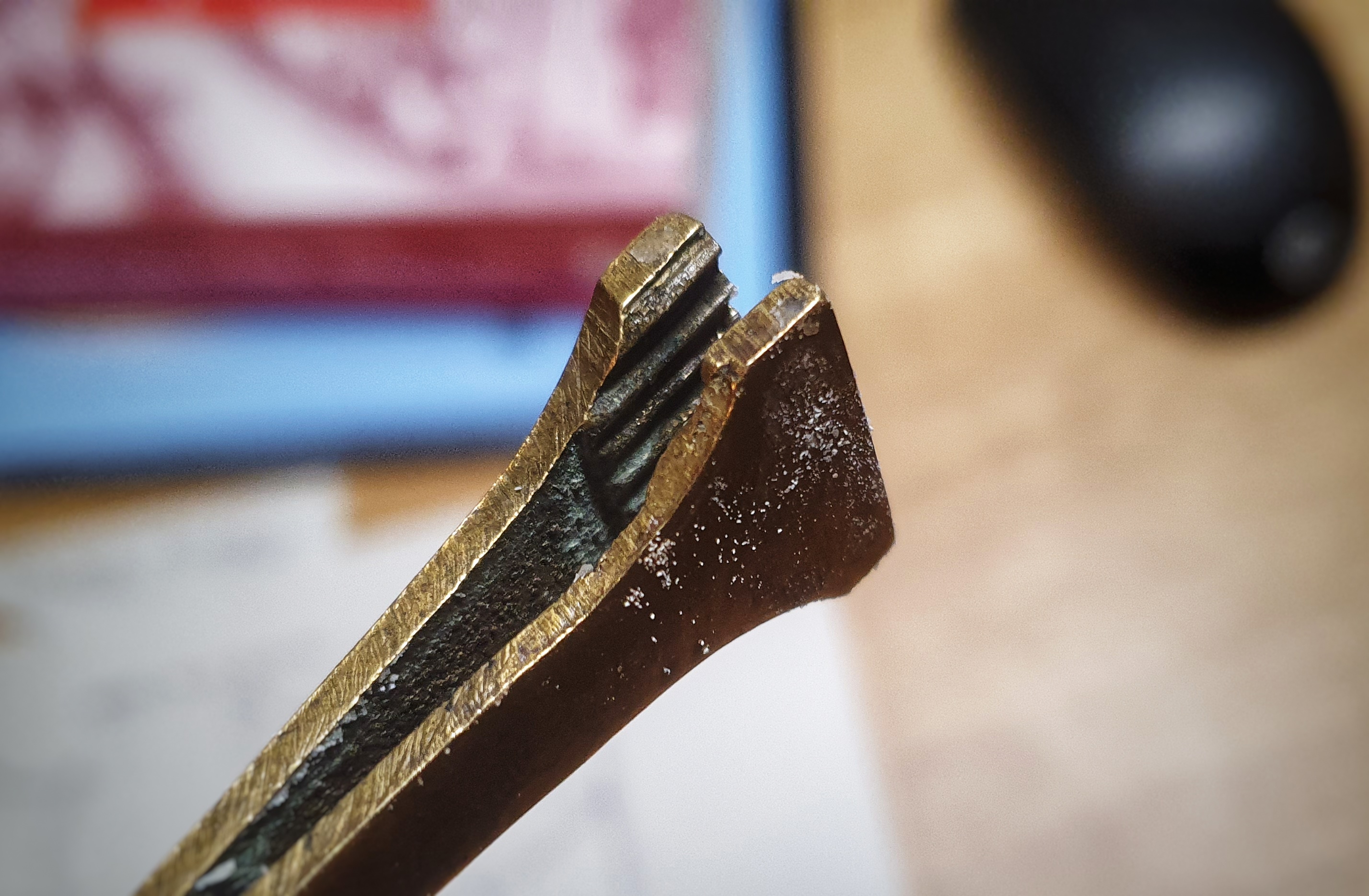
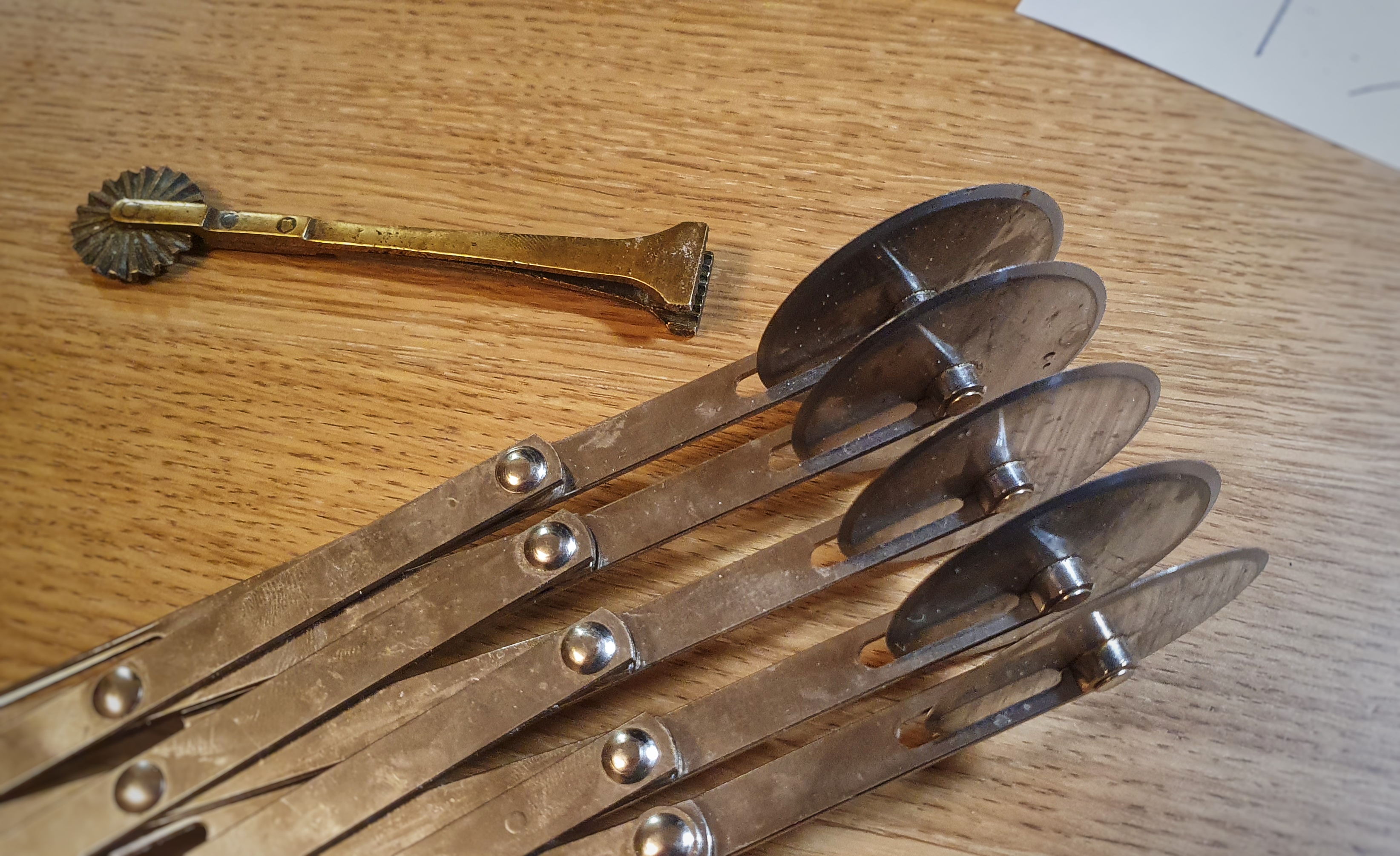
Then you need the correct tools for the job. I have collected over the years various pastry tools, both antique and modern. The wheels are called jiggers, which are used for cutting pastry. The antique ones usually come with a crimping tool attached, and these are used to fuse two pieces of pastry. The one I own with what looks like a flat pair of tweezers was particularly helpful for the pies I made here. I used a paring knife to cut out the shapes – the jiggers weren’t appropriate for these smaller pies.

Jiggers do come in handy for cutting out the pastry walls – essentially strips of pastry – I have a tool that’s made up of 5 jiggers on one expandable frame so you can cut several strips of the same thickness in one go.

That’s the tools of the trade, but now let’s look at our ingredients: we need mincemeat (I used the lamb mincemeat, recipe here) but you can use any you like.[1] Then we need some pastry that is mouldable (we don’t want the walls collapsing in the oven!) yet edible.


If you like the blogs and podcast I produce and would to start a £3 monthly subscription, or would like to treat me to virtual coffee or pint: follow this link for more information. Thank you.


Mouldable Hot Water Pastry

I came up with the following recipe, based on one given by Jane Grigson in English Food.[2] It’s very good for moulding, but not particularly delicious, I made a few changes and I think it’s pretty good. It is simple to make, and this was enough for 8 to 10 pies, depending upon how large your templates are (you could, of course, make one large one!)

500 g plain flour

125 g salted butter, diced

125 g lard, diced

75 ml hot water

2 tbs icing sugar

First, rub the butter into the flour until it resembles breadcrumbs. Put the lard in a saucepan and pour the hot water over it. Heat gently, but be careful – you don’t want it to boil and splutter. Stir in the icing sugar and when it is dissolved, make a well in the centre of the flour-butter mixture and pour into it three-quarters of the hot liquid. Cut the liquid in with a knife, then pour the remaining hot liquid to pour over any dry patches that remain. Once all of the water has been added, give the pastry a knead (leave it to cool a little if you need to). It should be smooth, pliable and waxy. Cover with cling film and allow to cool completely, but do not refrigerate.

Constructing the Pies

Now you can roll out a third of the pastry thinly – aim for the thickness of a pound coin, 2 to 3 millimetres – and cut out your bases. Now roll out another third into a long strip, long enough to go around the perimeter of your shapes. To do this, use a piece of string to trace around the shape. When the appropriate length, use a ruler to cut your strips at your desired thickness. I went for 2 cm, but I could have gone thicker than that, I think.

Now the fiddly bit: brush the edges of the bases with plain water and glue the sides on. Use your finger and thumb to pinch them together, and then crimp them with a crimper tool if you have one. Repeat with all of your shapes and place in the fridge for a few hours to firm up. When firm, roll out the final third of the pastry and cut out your lids.

Fill your pies with your chosen mincemeat, brush the rims of your pies with water and fix on the lids in the same way as you did the bases. Make a steam hole and place back in the fridge for 30 minutes to firm up again. Meanwhile, preheat your oven to 200°C.

If you like, brush your pies with an egg wash before you bake them for 25 minutes, or until a good golden-brown colour. If you are making large pies, turn the heat down to 175°C and cook longer: you should see or hear the filling bubbling, telling you it is ready!


Notes:

[1] Though it is best to use a low-sugar recipe, not a gloopy one from the supermarket shelves. I recommend Jane Grigson’s orange mincemeat or Mrs Beeton’s traditional mincemeat.

[2] See Oldbury Gooseberry Tarts on the other blog.

Leave a comment

Filed under baking, Britain, cooking, Eighteenth Century, food, General, history, Recipes, Teatime, Uncategorized