
Category Archives: Festivals

Christmas Pottage


If you like the blogs and podcast I produce, please consider treating me to a virtual coffee or pint, or even a £3 monthly subscription: follow this link for more information.


It’s getting close to Christmas and I am sure that many of you are starting to plan what food you will making for the big day. I try and give you a Christmas recipe every year and I narrowed things down to four, and then asked Twitter which I should post and Twitter answered: the traditional Christmas pottage, the forerunner to the more familiar Christmas pudding.

Then, in a strange coincidence, Channel 5 asked me to take part in their Christmas special for their Cakes & Bakes show, asking if I would do a bit on the history Christmas pottage/pudding/cake. It won’t be broadcast until Christmas 2021, but it can be viewed on their streaming service to watch right now, just follow this link. As usual it was great fun to film, though – as always – rather nerve-racking.


This blog post complements this podcast episode:


Pottages were thick soups – stews really – made from meat and vegetables, made thick with grains or breadcrumbs. The meat was omitted if it was a fast day of course. Everyone ate them; if you were poor it wasn’t much more than a thin gruel. If you were rich it was packed with meat, boose, dried fruits and spices, and at Christmas they really went overboard.

As far as I know this pottage was made from at least the Late (or, if you prefer, ‘High’) Middle Ages and it was eaten either on Christmas Day, or even better on Christmas Eve: a big steaming bowlful of it would be the perfect way to mark the end the 24-day fast that was Advent and start of the 12-day piss-up that was Christmastide.

And as all the people in the neighbourhood dine with [my uncle] at Christmas, he takes care to place those who are married at the upper end of the table with himself, and to provide them each with a silver spoon to eat his plumb-porridge, which is generally very good, while the batchelors and maidens, at the lower end of the table, are furnished only with wooden spoons, and have their plumb-porridge serv’d up in a wooden bowl.

From ‘Excursion of an Oxonian into the Country’ in The Student, Or, The Oxford and Cambridge Monthly Miscellany (1750)

Here’s the eighteenth century recipe I based mine on:

Plum-Pottage, or Christmas-Pottage.
Take a Leg of Beef, and boil it till it is tender in a sufficient quantity of Water, add two Quarts of red Wine, and two Quarts of old strong Beer; put to these some Cloves, Mace, and Nutmegs, enough to season it, and boil some Apples, pared and freed from the Cores into it, and boil them tender, and break them; and to every Quart of Liquor, put half a Pound of Currans pick’d clean, and rubb’d with a coarse Cloth, without washing. Then add a Pound of Raisins of the Sun, to a Gallon of Liquor, and half a Pound of Prunes. Take out the Beef, and the Broth or Pottage will be fit for use.

Prof. R Bradley, The Country Housewife and Lady’s Director‘ (1728)

It really was quite the dish.

Often pottages were cooked in a hot water pastry instead of expensive earthenware or iron pots; these were given the name ‘coffins’ and overtime pastry and baking became more refined and produced for us the mince pie. Sometimes the pottage (or porridge) was cooked in a bag and boiled (see Cauldron Cooking). It had to be less soupy and bound with eggs but cooking it this way provided us with the Dickensian cannonball-shaped Christmas pudding.

I took a look in the excellent University of Leeds Special Collections and found that they cite this fifteenth century recipe as the first example of the dish. It is more savoury, packed with onions and herbs and died red with saunders (a dye made from cedarwood).

My recipe will feed the whole family, including the “batchelors and maidens” that’s for sure. If you don’t want whole spices you can use ground ones and if you don’t want to use beef (or don’t have the time) just swap the water for beef stock:

500 g shin beef, sliced

1 litre cold water

1 tsp salt

400 ml red wine

400 ml stout

2 nutmegs, cracked, or 1 tsp ground nutmeg

6 blades of mace, or 1 tsp ground mace

1 heaped teaspoon whole cloves, or ½ tsp ground cloves

2 medium-sized Bramley apples, peeled, cored and diced

200 g currants

100 g raisins

100 g prunes

2 or 3 handfuls of fresh breadcrumbs (optional, see recipe)

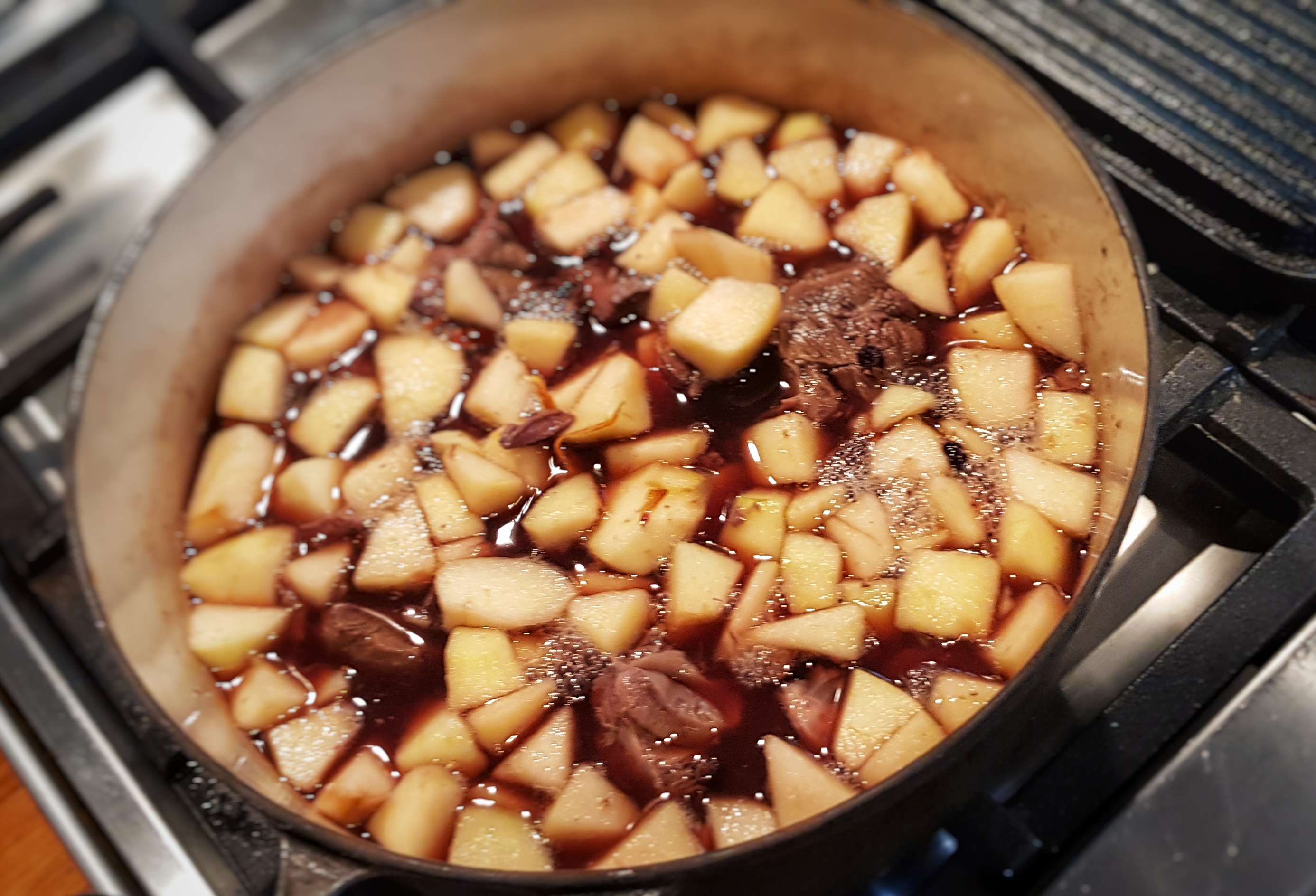
Place the beef shin in a large saucepan with the salt and pour in the water. Heat over a medium flame – take your time – until the wate begins to just simmer. Skim away and scum, cover and leave to simmer very gently 2 ½ to 3 hours or until tender.

Add the remaining ingredients except the breadcrumbs, bring back to a simmer and cook until the apples are tender, and the fruit has plumped up nicely, around 30 minutes.

Break up the beef (if it hasn’t already fallen apart on its own) with the back of your spoon and then add enough breadcrumbs to achieve the desired consistency: you can leave it soupy if you like and add none, though I think it was better thickened slightly. Start by adding 2 handfuls and allow to simmer for 10 minutes, and then add more if you think it needs it.

Taste, adding more salt if you think it needs it and serve.

References

The Country Housewife and Lady’s Director‘ (1728) by Prof. R Bradley

‘The Festival of Christmas’ by Joan P Alcock in Oxford Symposium on Food & Cookery, 1990: Feasting and Fasting: Proceedings (1991)

‘Stewet of Beef to Potage’ in A collection of ordinances and regulations for the government of the royal household, made in divers reigns. From King Edward III. to King William and Queen Mary. Also receipts in ancient cookery (1790) by the Society of Antiquaries of London; University of Leeds Special Collections: https://library.leeds.ac.uk/special-collections/view/811

5 Comments

Filed under Britain, Christmas, cooking, Festivals, food, General, history, Meat, Recipes, Uncategorized

Lent podcast episode 7: Figs & Lambs (ending Lent)
Helen’s Hebridean sheep

In the final episode of the series we look at how the last Sunday of Lent was marked in the past, focussing on Fig Sunday and Palm Sunday.
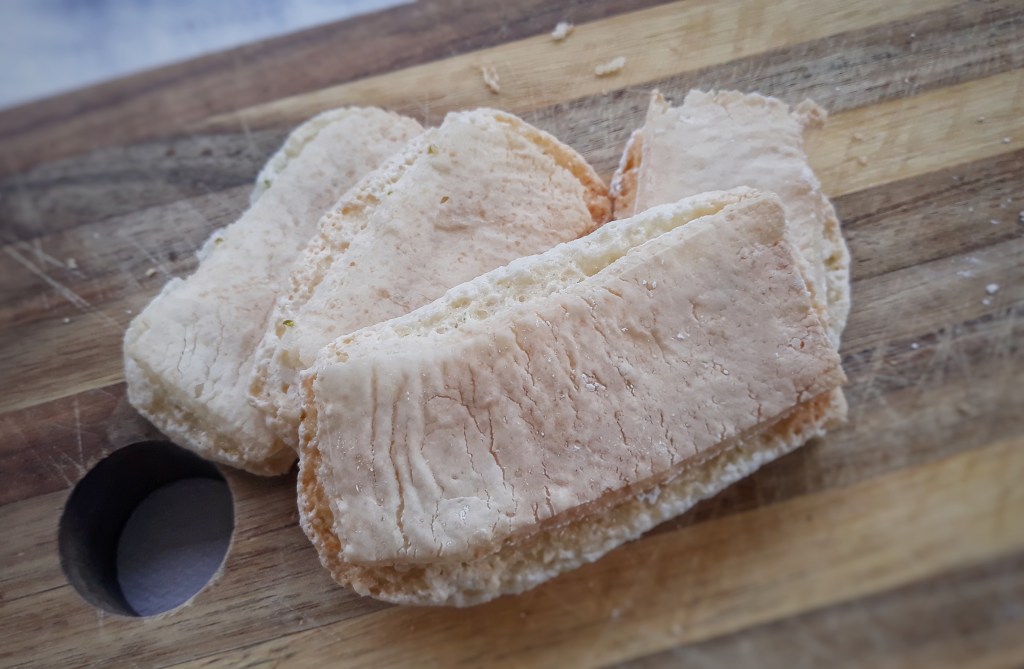
Neil cooks up some historical pax cakes to give out to shoppers and traders at Levenshulme Market so see how then would go down today.

Pax cakes

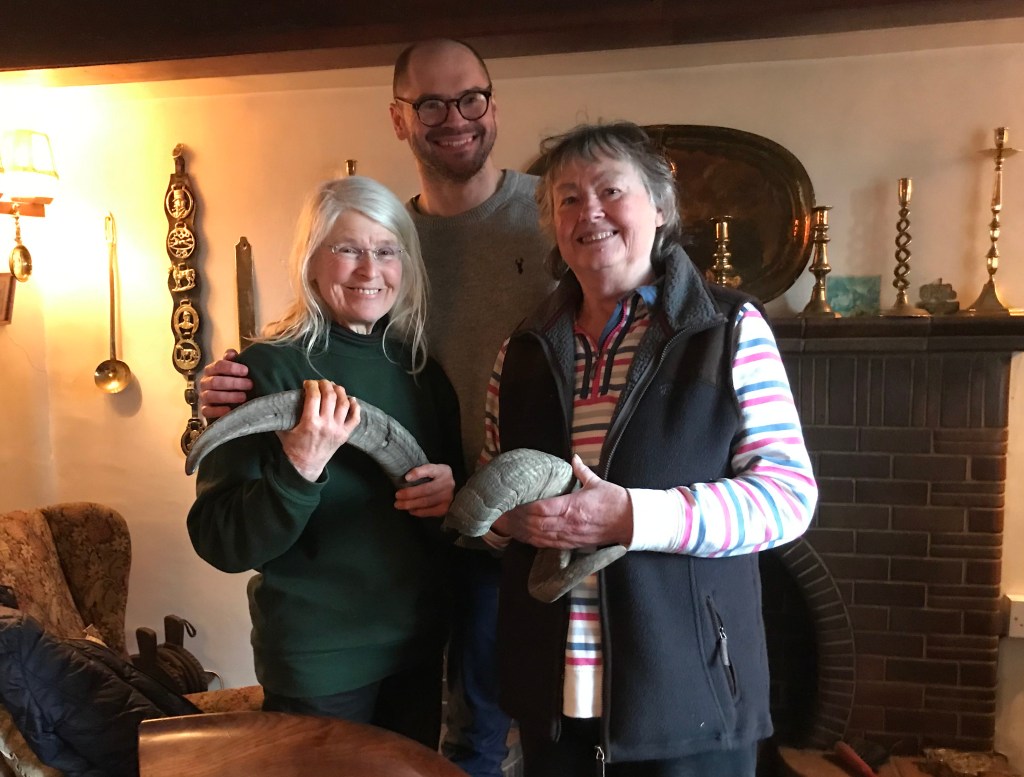
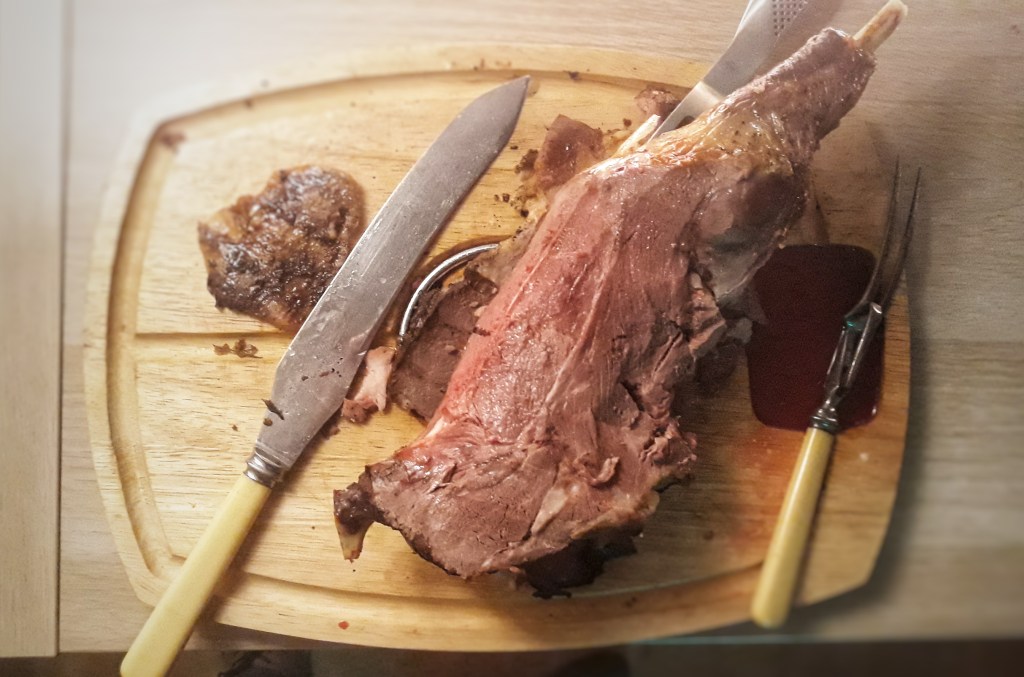
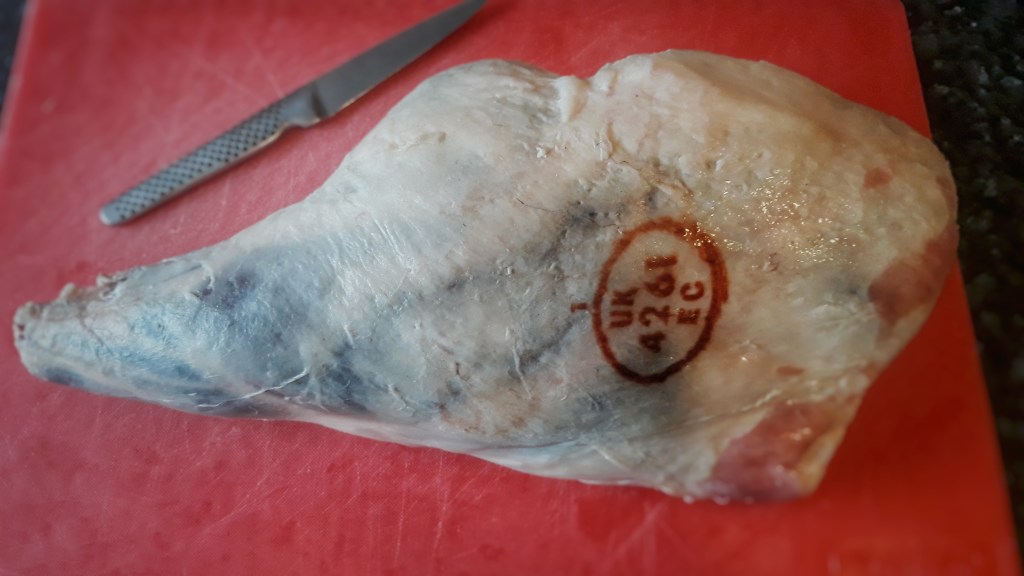
With Easter Sunday on his mind, Neil gets hold of some very special meat from a Hebridean sheep farm and has a chat with farmer Helen Arthan about what it’s like working with such characterful little sheep. On his return to Manchester, he cooks up some roast hogget for two friends of the show.


If you like the blogs and podcast I produce, please consider treating me to a virtual coffee or pint, or even a £3 monthly subscription: follow this link for more information.


Helen, Neil & Vicky

Links and extra bits:

The story of Holy Week: https://www.churchofengland.org/prayer-and-worship/worship-texts-and-resources/common-worship/churchs-year/holy-week-and-easter/holy-week

Recipe for pax cakes:

200g icing sugar, plus extra

30 g cornflour, plus extra

1 tsp orange flower water

Zest half a lemon

1 medium egg white

  1. Preheat your oven to 160°C.
  2. Place all the ingredients in a bowl and whisk slowly to combine, then use an electric mixer to beat the mixture very smooth.
  3. Dust your worktop with icing sugar and cornflour and roll the mixture out to a thickness of around 3 mm.
  4. Cut into rectangles and prick with a fork, then arrange on a baking tray that has been lined with greaseproof paper and dusted with a little cornflour.
  5. Bake for 8 to 10 minutes, until slightly golden brown.
  6. Cool on a rack.

Levenshulme Market website: https://www.levymarket.com/

Hebridean Sheep Society website: https://www.hebrideansheep.org.uk/

‘Neil Cooks Grigson’ blog: https://neilcooksgrigson.com/

Rectangular livestock paintings: https://artuk.org/discover/stories/the-rectangular-cows-of-art-uk

Roast hogget/lamb, recipe number 438: https://neilcooksgrigson.com/2020/04/04/438-plain-roast-primitive-lamb-with-gravy/

‘English Food’ by Jane Grigson: https://www.penguin.co.uk/books/242/24292/english-food/9780140273243.html

Other primitive/ancient sheep breeds of the UK: https://www.accidentalsmallholder.net/livestock/sheep/british-rare-and-traditional-sheep-breeds/

Written and presented by Dr Neil Buttery
Produced by Beena Khetani
 
Made in Manchester by Sonder Radio

4 Comments

Filed under baking, Britain, cooking, Easter, Festivals, food, General, history, Meat, Podcast, Recipes

Lent podcast episode 5: Lent & Diet
In the fifth episode of the series we look at Mid-Lent Sunday, traditionally a day where lots of different celebrations occurred, but we focus on Mothering Sunday and the lesser known Clipping the Church.
Neil with David Walker, Bishop of Manchester

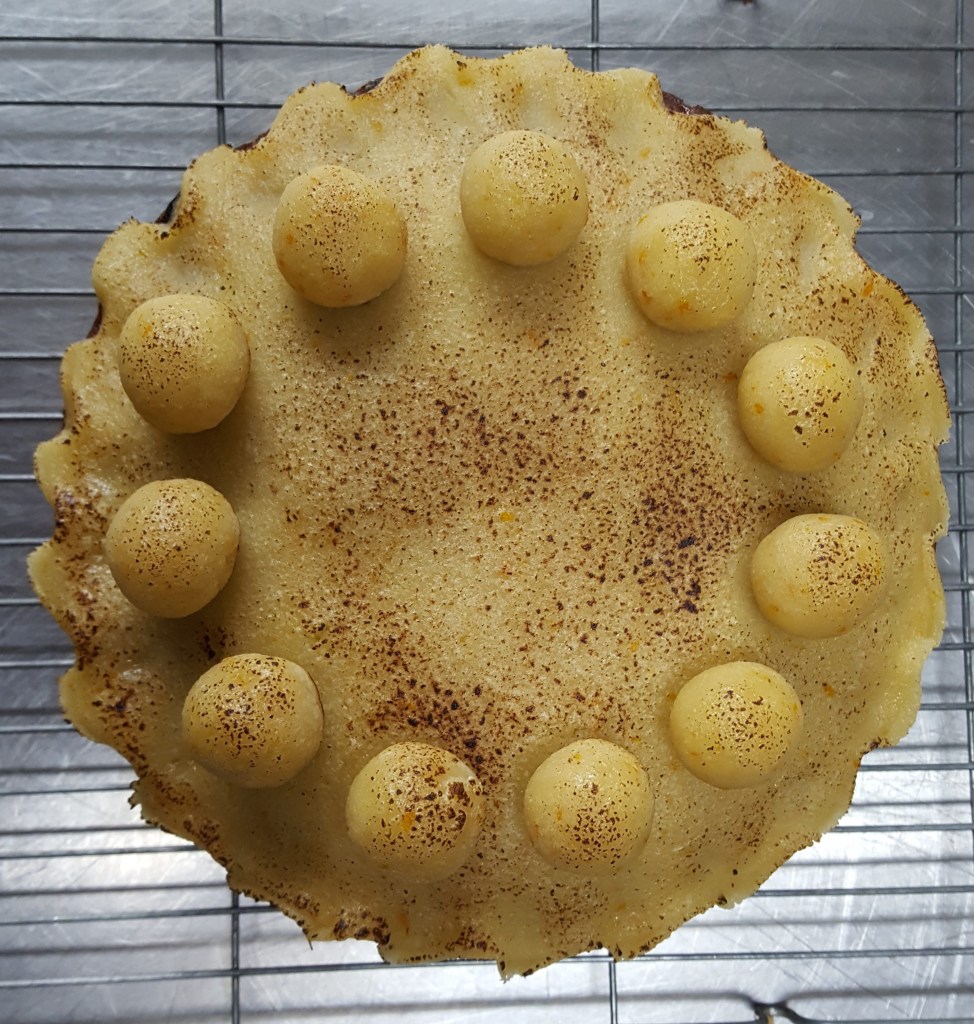
Neil bakes a simnel cake and chats again to the Right Reverend David Walker, Bishop of Manchester, about the history of Mothering Sunday, which is not necessarily the same as Mothering Sunday.

Neil then looks at the evidence that suggests that fasting has many potential health benefits and puts theory to the test by going on a two weeklong fast of his own. There are mixed results and mood swings aplenty.

The only thing Neil could be bothered to cook up. *Hangs head in shame*

There’s also the answer to Professor Matthew Cobb’s minnow mystery from last week.

Produced by Beena Khetani. Made in Manchester by Sonder Radio.


If you like the blogs and podcast I produce, please consider treating me to a virtual coffee or pint, or even a £3 monthly subscription: follow this link for more information.


Links and extra stuff:

David Walker’s page on the Church of England website: https://www.manchester.anglican.org/bishop-manchester/

My recipe for Simnel Cake: https://britishfoodhistory.com/2018/03/19/simnel-cake/

Diabetes and fasting study in more detail: https://www.healthline.com/health-news/intermittent-fasting-and-type-2-diabetes

Lab mice and fasting study in more detail: https://www.nih.gov/news-events/nih-research-matters/fasting-increases-health-lifespan-male-mice

4 Comments

Filed under baking, Britain, cooking, Easter, Festivals, food, General, history, Recipes, Uncategorized

Lent podcast episode 4: Bluebells & Magpies
In this week’s episode we start with a little look at how Lent was dumbed down over the years from extremely strict to almost non-existent.
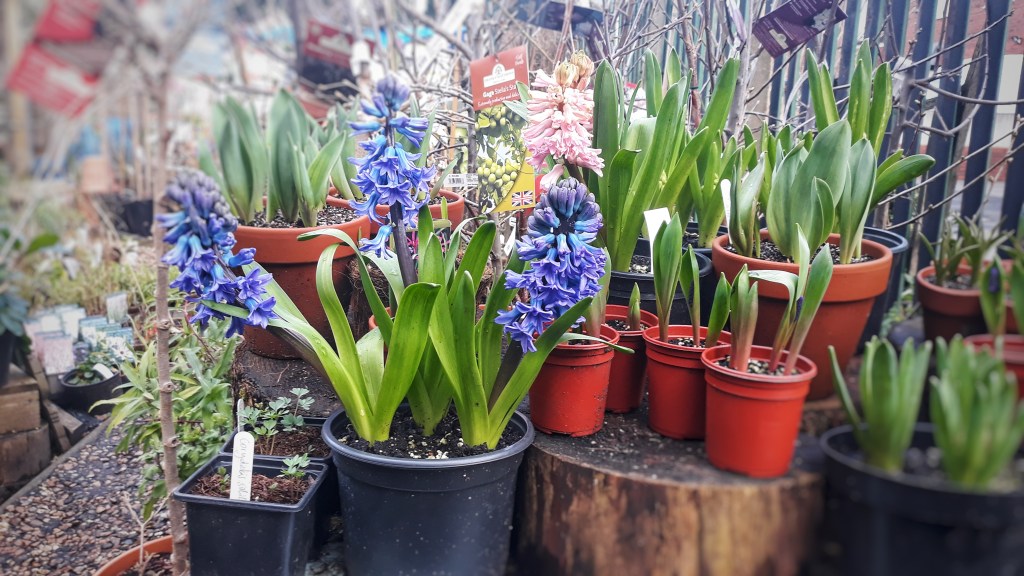
However, the bulk of the episode is about natural history during Lent – there are lots of interesting animal behaviours around at this time of year, such as mad March hares doing their dashing about and boxing matches. Plants are starting to reappear too and seeing their blooms can really lift our spirits.

A bit of Bud…

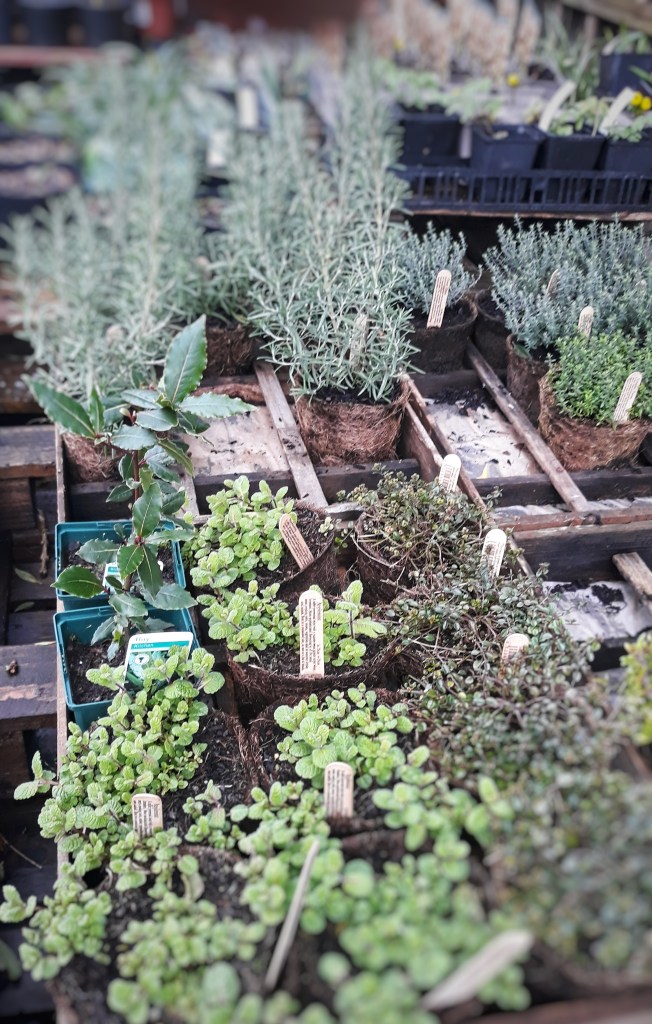
Neil has a conversation about plants with Brenda Smith of Bud Garden Centre, Burnage, Manchester. Brenda grows many of her own plants and has an allotment so she was the perfect person to tell us about what gardeners and growers can be doing. Neil asks if there is anything growing or can be grown this time of year for the dinner table, and we discuss the importance of avoiding peat when gardening at home. We also chat about wild plants that we see in the early spring and how they have adapted to thrive in a rather bleak time of year.

Neil then speaks to Matthew Cobb, Professor of Zoology at Manchester University, about animals and their behaviour in spring including mad March hares, aggression and territoriality in male animals, nesting building, how horrible mallards and robins are, sexual selection, horrible nature, stoat attacks and more.

Professor Matthew Cobb

One of the common threads in both chats is how climate change is affecting things for both plants and animals, which is a bit depressing, but we leave the episode on a fun cliff-hanger from Matthew. If you think you know what happened next, leave a comment below or tweet me at @neilbuttery or email me at neil@britishfoodhistory.com.

Click the link below to go straight to the episode:


If you like the blogs and podcast I produce, please consider treating me to a virtual coffee or pint, or even a £3 monthly subscription: follow this link for more information.


Produced by Beena Khetani. Made in Manchester by Sonder Radio.

Bud’s website: https://www.budgarden.co.uk/

Guardian article about the importance of conserving peat bogs: https://www.theguardian.com/environment/2017/jul/28/ultimate-bogs-how-saving-peatlands-could-help-save-the-planet

More on bluebell hybridisation: https://www.wildsheffield.com/wildlife/wildlife-conservation/true-bluebells-2/bluebell-hybridisation/

Matthew’s brand new book ‘The Idea of the Mind’: https://profilebooks.com/the-idea-of-the-brain-hb.html

Matthew’s new OUP book about smell: https://global.oup.com/ukhe/product/smell-a-very-short-introduction-9780198825258?cc=gb&lang=en&

More on phenology and diaries: https://naturescalendar.woodlandtrust.org.uk/what-we-record-and-why/why-we-record/a-brief-history-of-phenology/

Boxing hares (and rock music, for some reason): https://www.youtube.com/watch?v=pnF9SryDa6A

Stoat behaviour including pack attacks (I wasn’t making it up!): http://www.harpur.org/stoats.htm

The Fortean Times website: https://subscribe.forteantimes.com/

2 Comments

Filed under Britain, Easter, Festivals, food, General, history, natural history, nature, Podcast, Uncategorized

Lent podcast episode 3: Eostra & Eggs

In this week’s episode we look at Pagan Lent and Easter – and look at the ancient pre-Christian celebrations and symbolism that endured to the present day. We also see how the Christian church on one hand had to let the Pagans keep their traditions so they would accept this new religion, yet have them reject it all as heathenous hocus-pocus at the same time. We also find out about the Pagan goddess Eostra, who, as it turns out, we know absolutely nothing about.

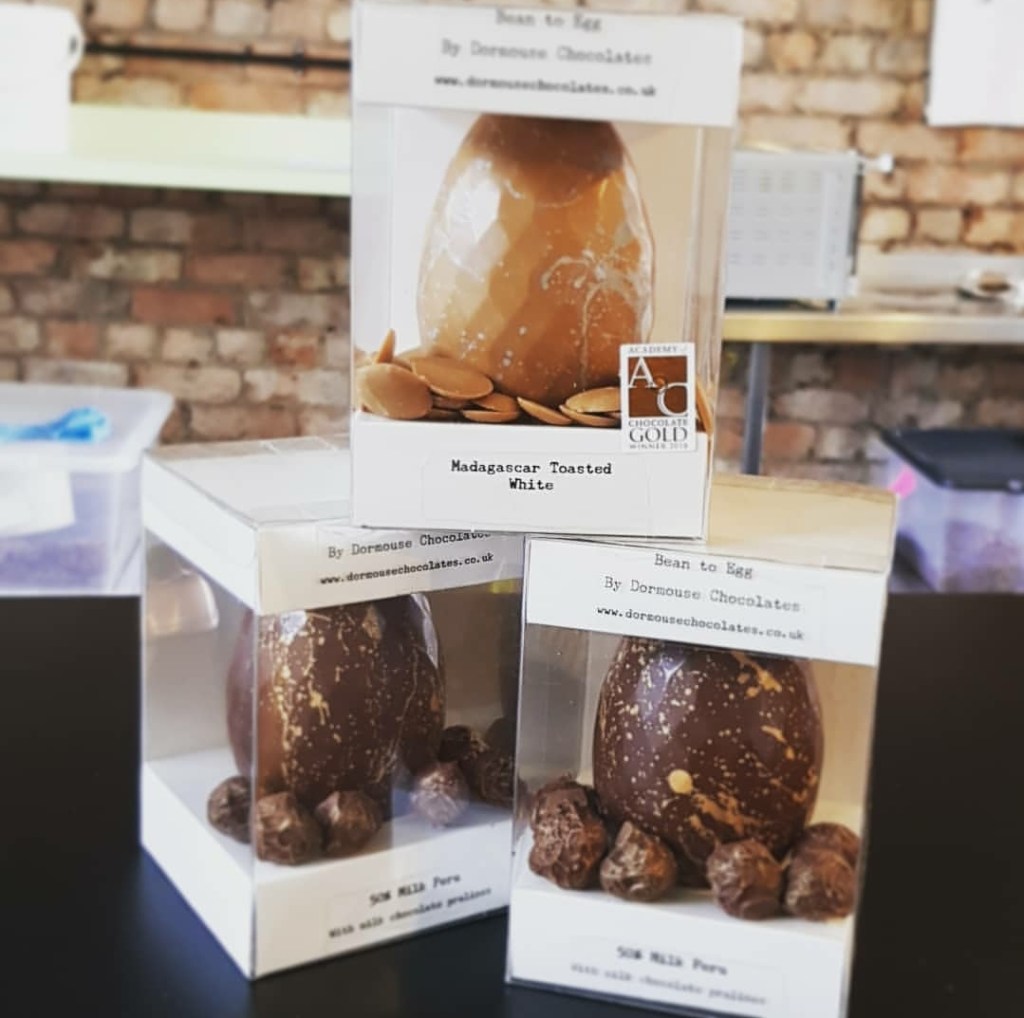
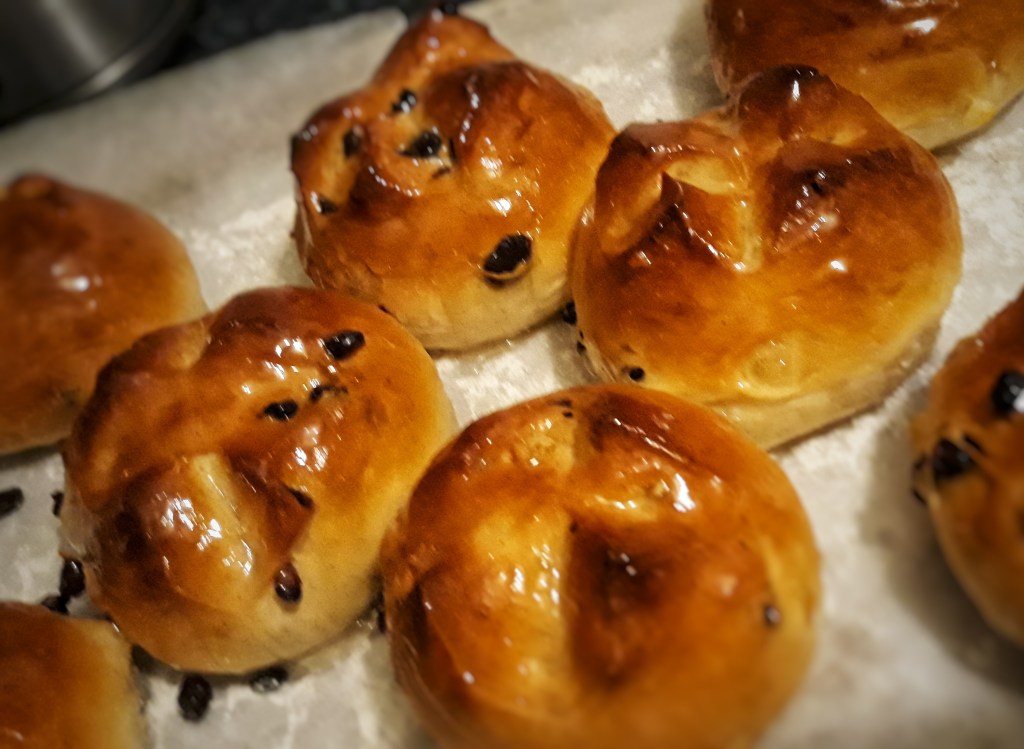
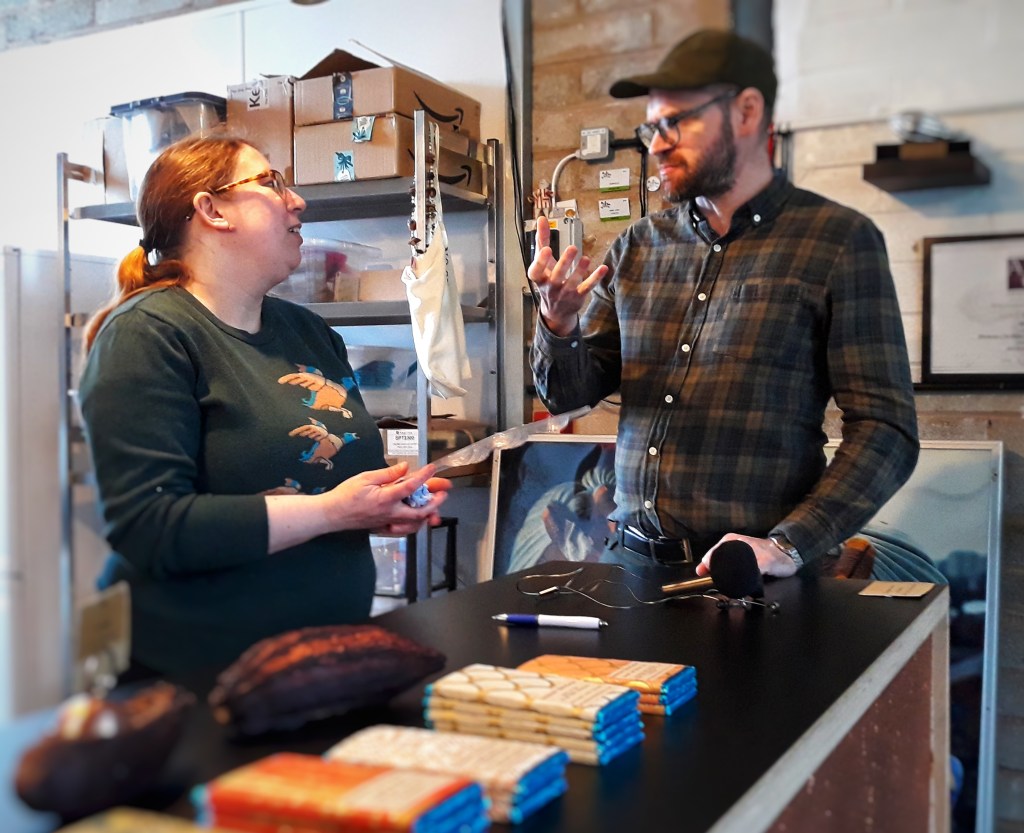
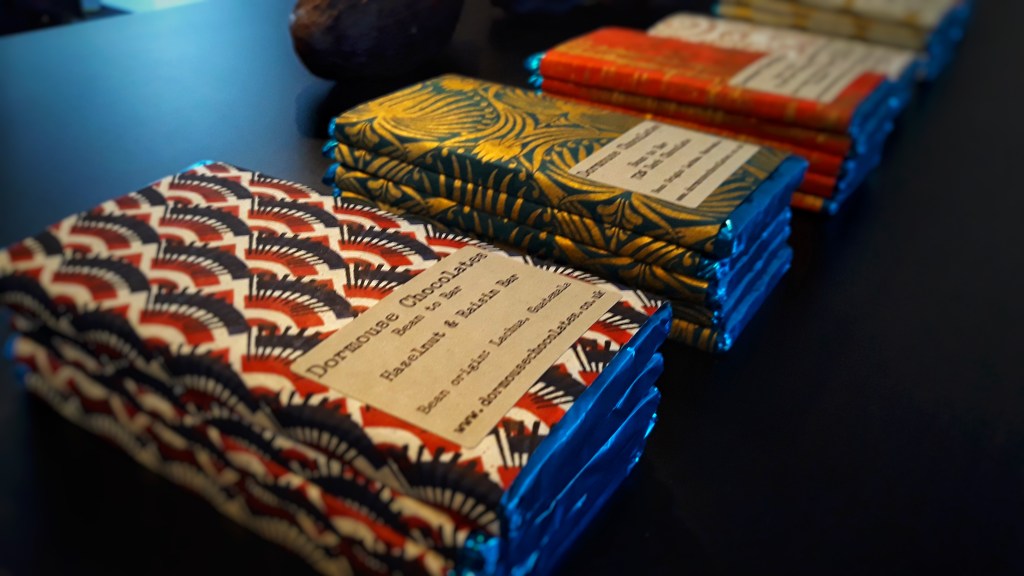
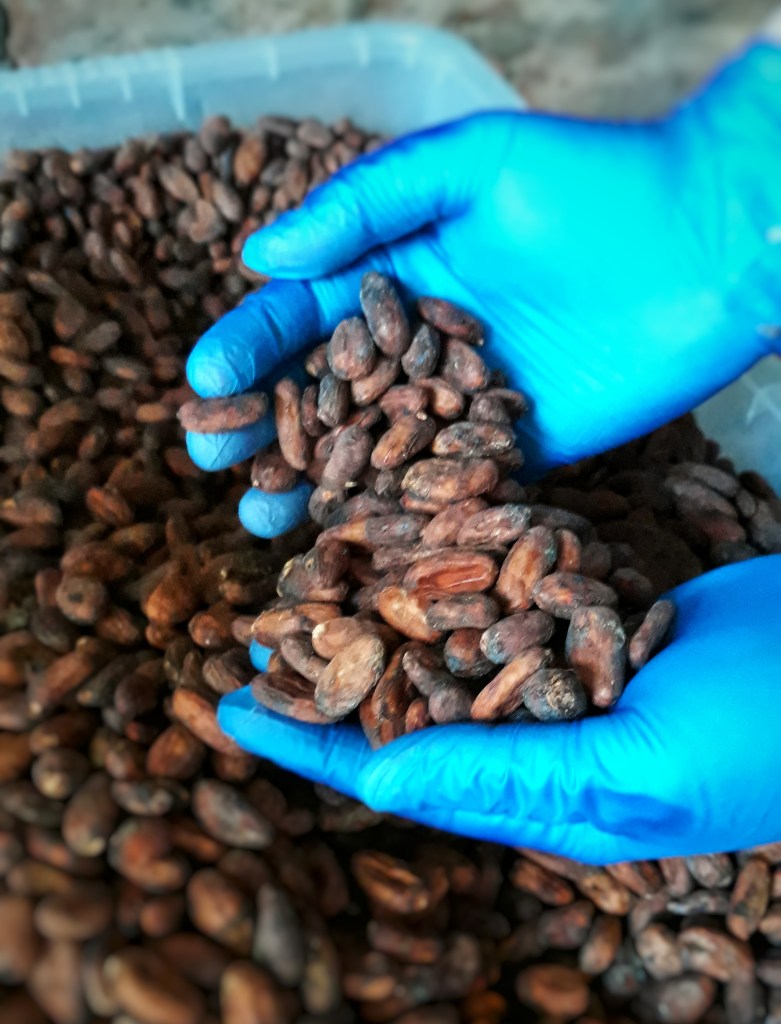
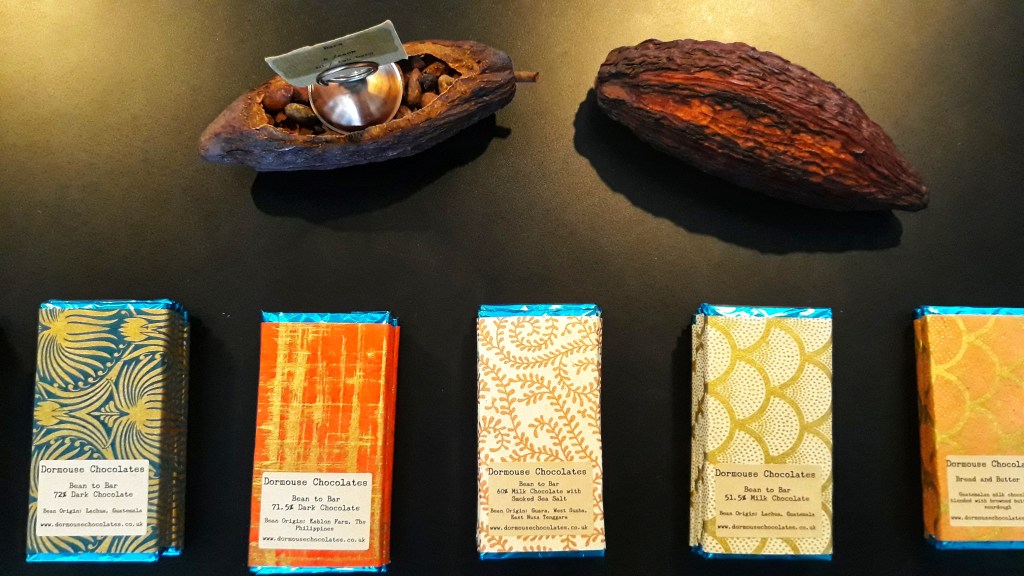
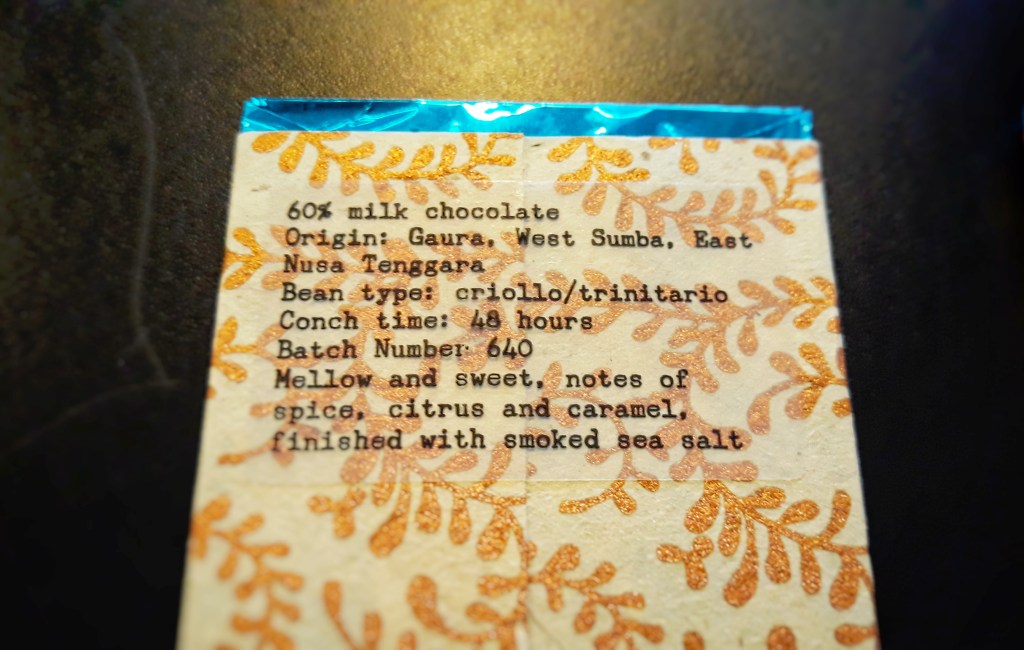
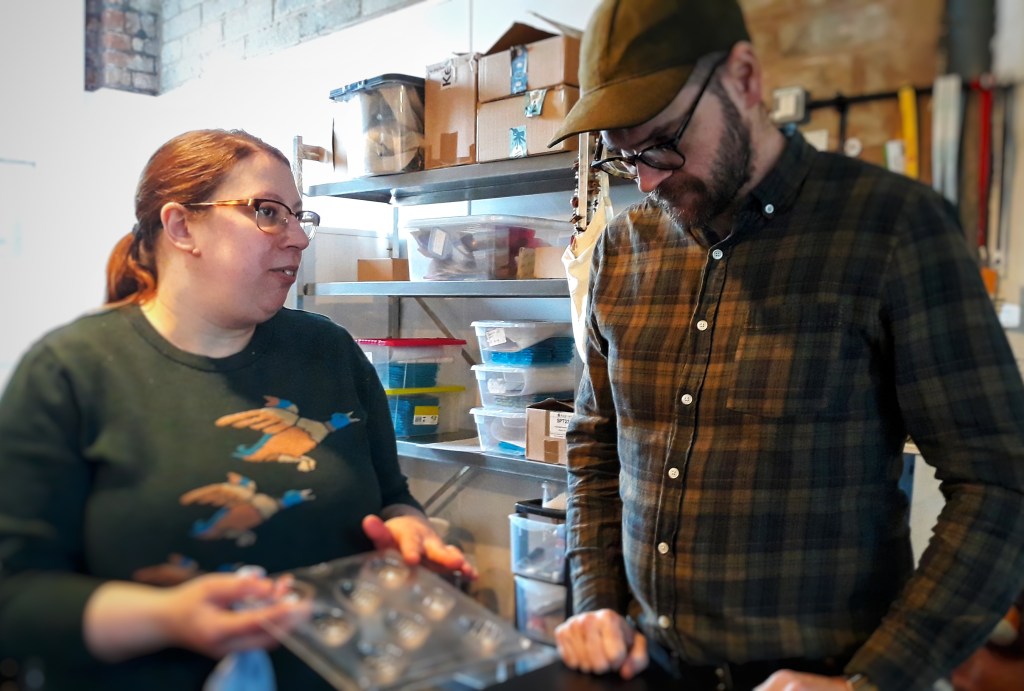
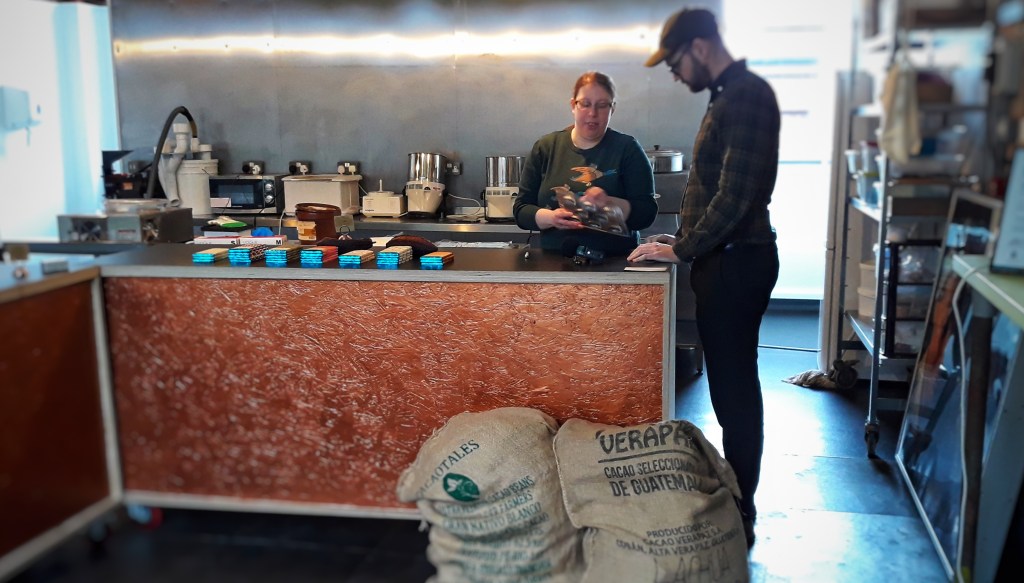
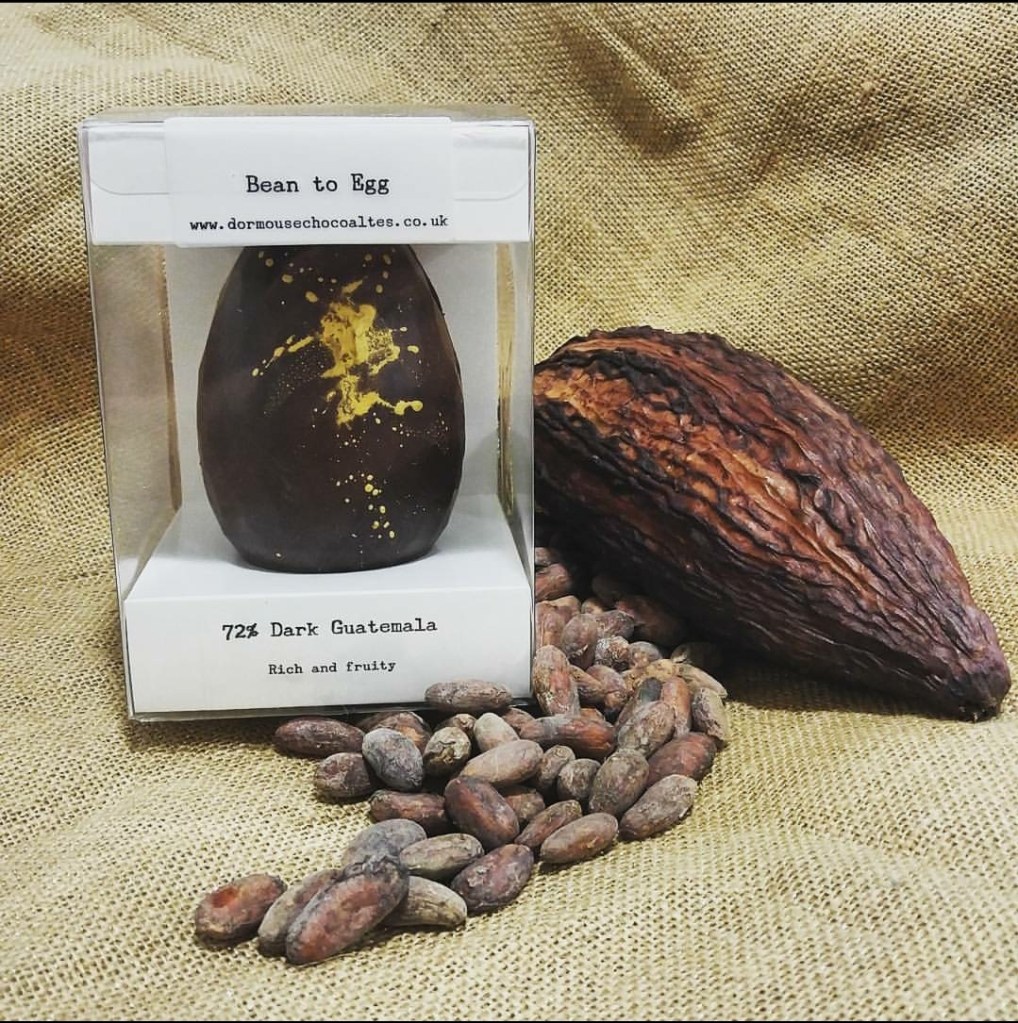
Two of the most Pagan things at Easter time are eggs and buns, so Neil looks at the history of those. He gives out his hot cross bun recipe, and takes a visit to the wonderful Dormouse chocolates – Manchester’s only bean to bar chocolatier.

A big thanks to Isobel of Dormouse Chocolates for sparing the time to chat to me about chocolate eggs and the process of making artisan chocolate.

…and of course, thanks to everyone for listening – if you have any comments, questions or queries about anything you hear, leave a comment on this post, email me at neil@britishfoodhistory.com or find me on twitter @neilbuttery.

Please listen, like and subscribe.

Scroll down to see a list of photos and links all about the things discussed in this episode. See you next week!


If you like the blogs and podcast I produce, please consider treating me to a virtual coffee or pint, or even a £3 monthly subscription: follow this link for more information.


British Food a History: Lent was produced by Beena Khetani and is a Sonder Radio production

Extra bits:

Neil’s hot cross buns recipe: https://britishfoodhistory.com/2012/04/05/hot-cross-buns/

More on Eostra: https://www.northernpaganism.org/shrines/ostara/about.html

Dormouse Chocolates website: http://dormousechocolates.co.uk/

More on Faberge and the Winter Egg: https://www.historyanswers.co.uk/kings-queens/george-vis-fight-against-fascism-history-of-royals-issue-12-on-sale-now/

4 Comments

Filed under Britain, Easter, Festivals, food, history, Podcast, Recipes

Lent podcast episode 2: Fish & Humours

In this episode we look at the history of Lent: When was it enforced? What were the rules? That sort of thing. Neil looks at how the belief in the four humours shaped what we ate in Lent, and how they caused illness and changed our moods throughout the year.

This week – the first full week of fasting – is an Ember Week. There are four Ember Weeks throughout the year – one for each season – and this is the spring one.

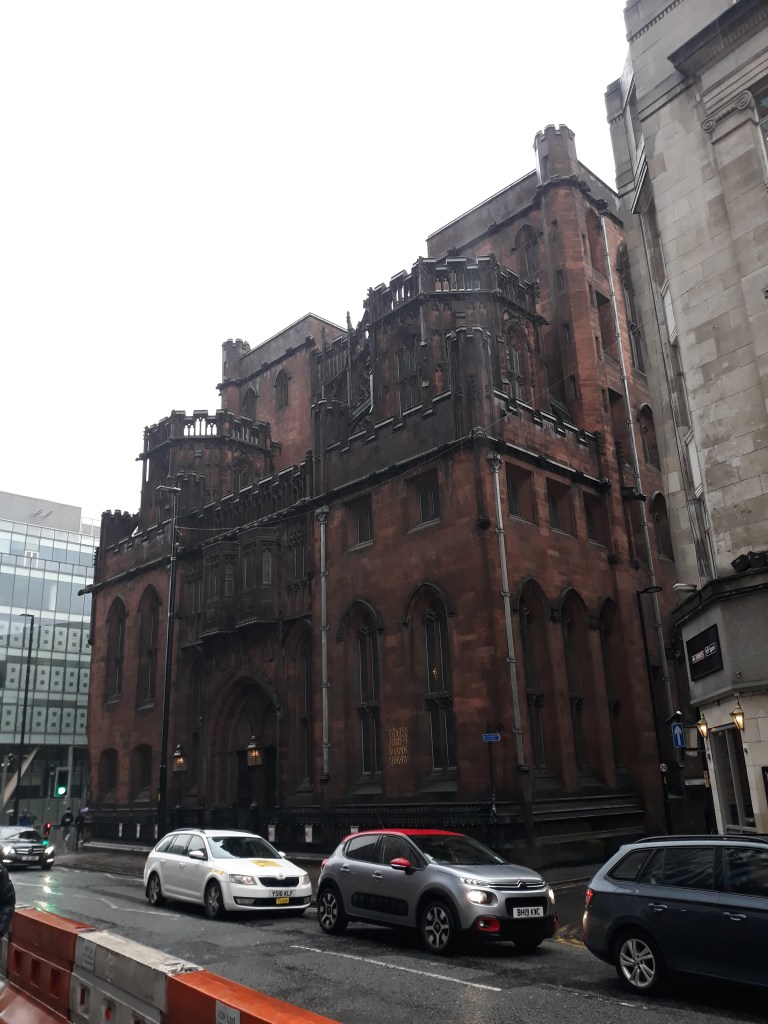
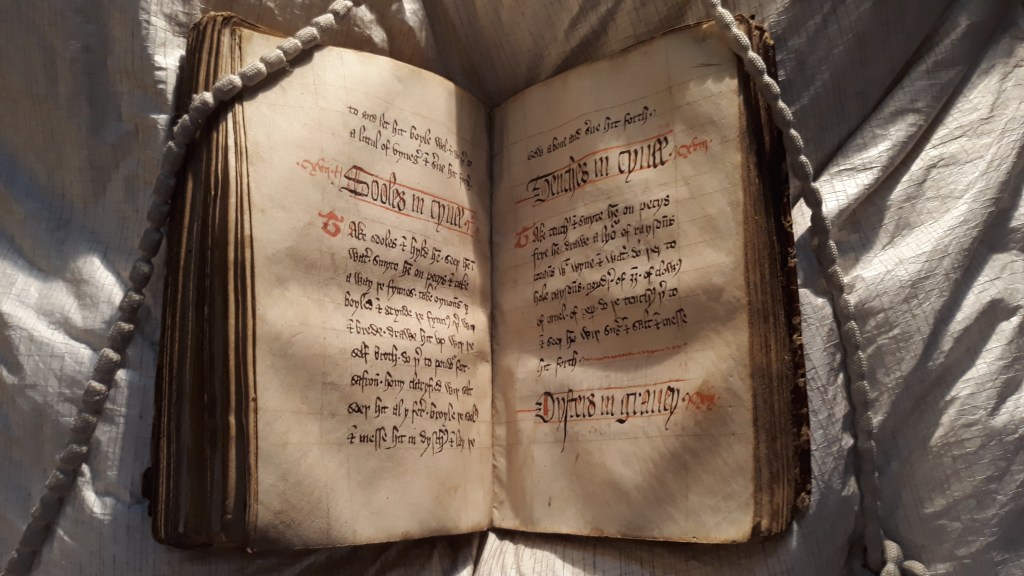
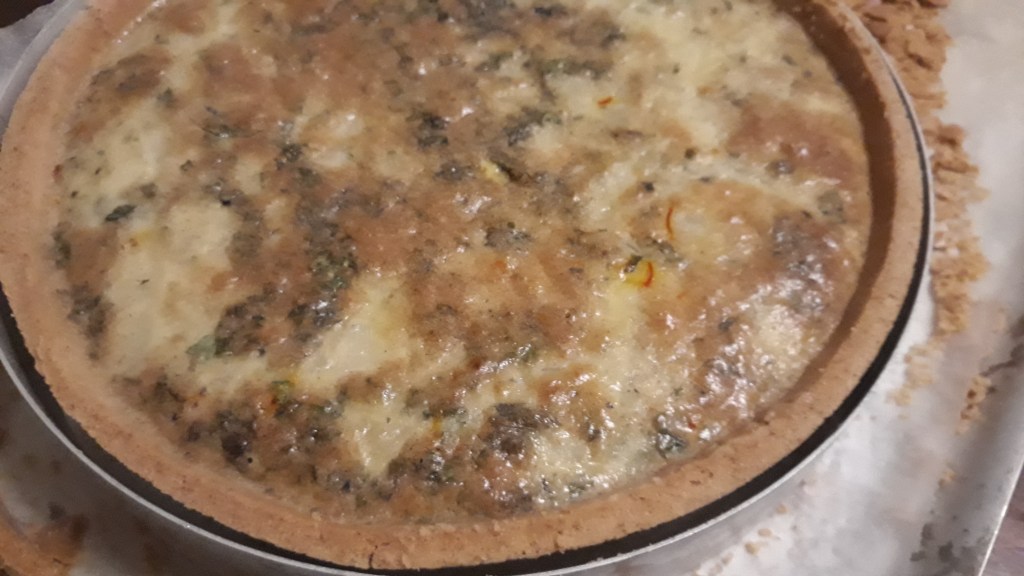
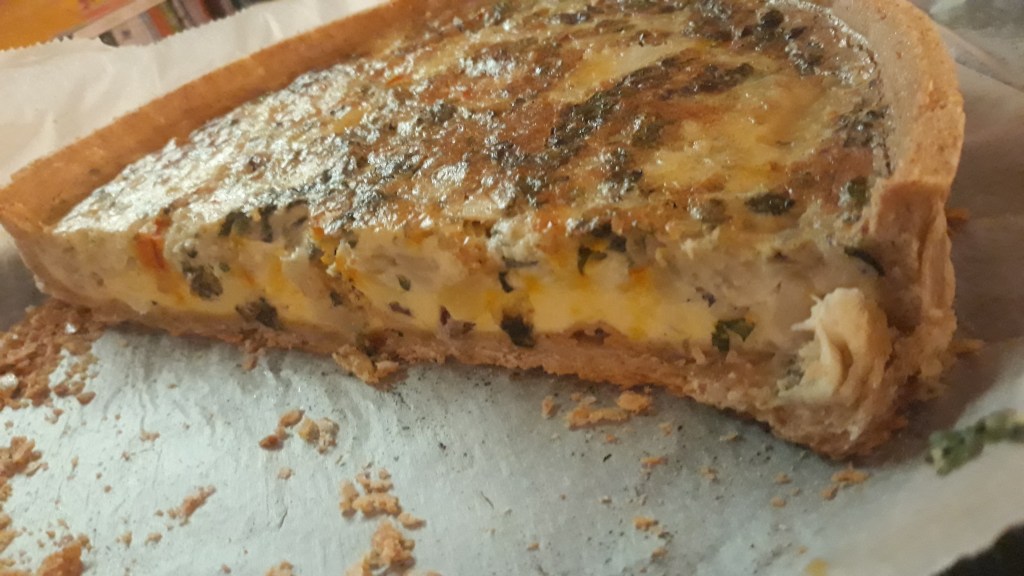
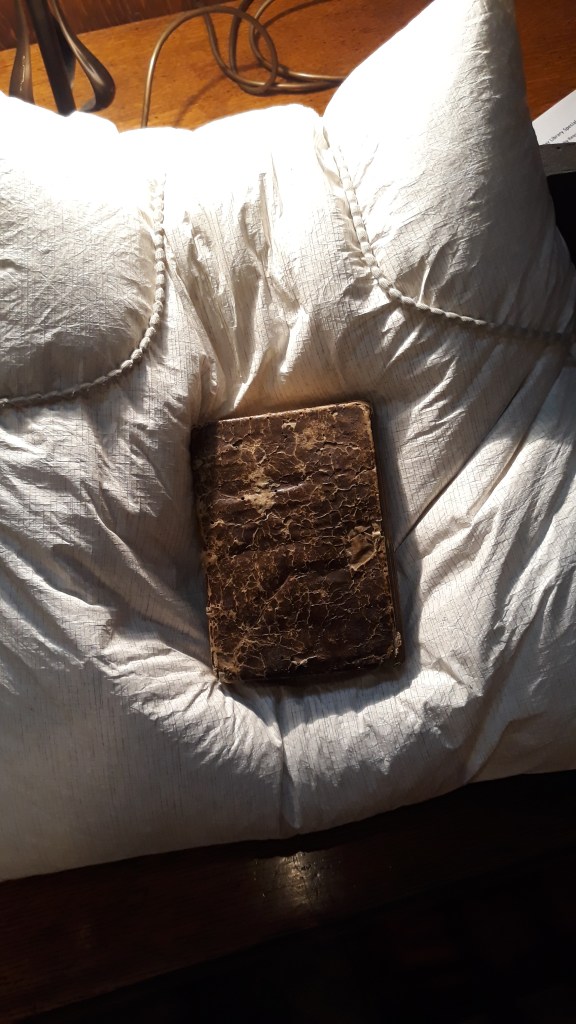
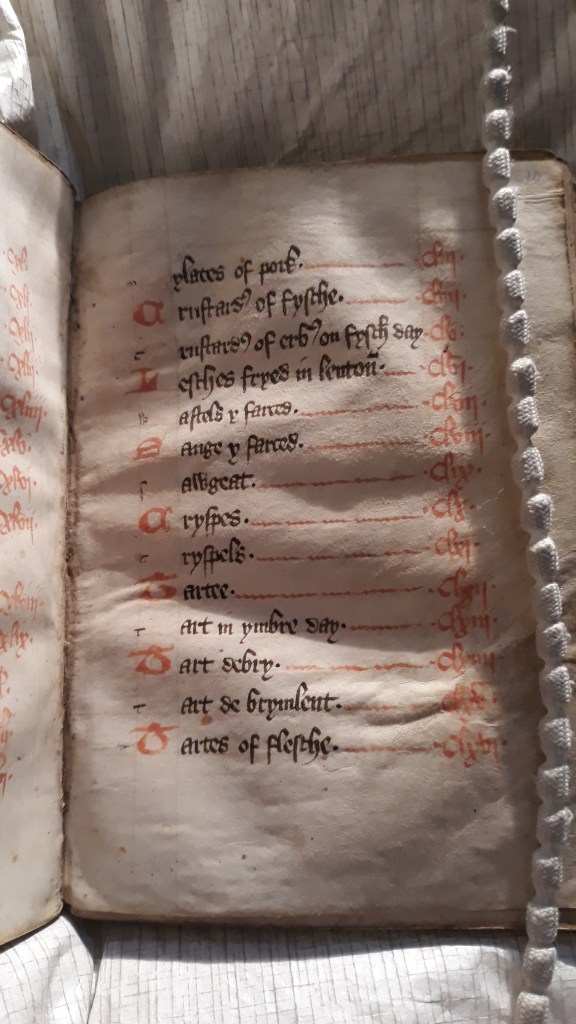
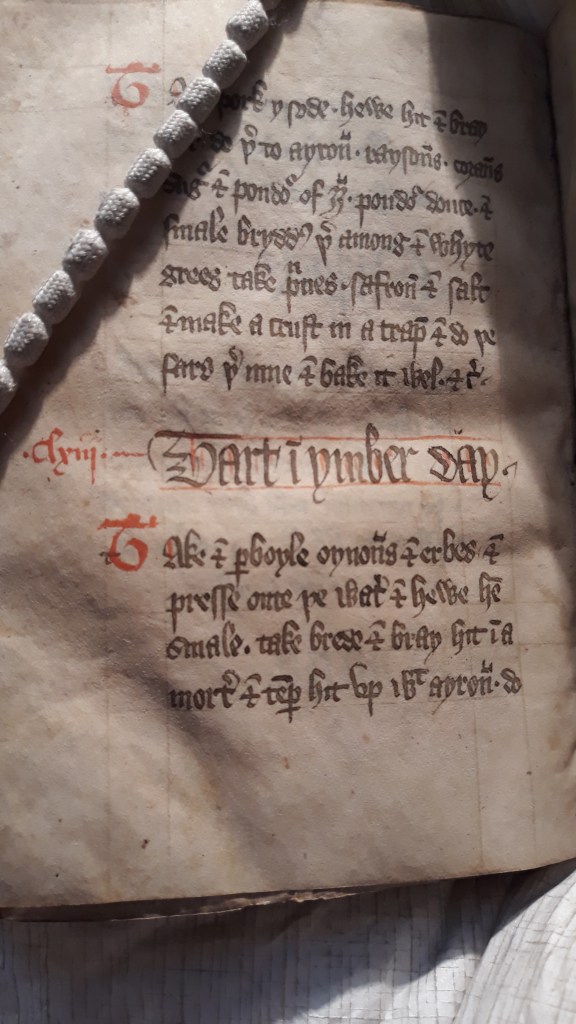
Neil then goes to the beautiful John Ryland’s Library in Manchester to see an early manuscript of the Forme of Cury, the earliest cookbook written in the English language, to find and cook from it ‘a tart for Ember Day’ which he cooks for his friends Kate and Pete with mixed results (recipe below).

A huge thanks to the staff of the John Ryland’s Library, who were very helpful indeed, and to Kate and Pete for letting me assault their taste buds.

Most of all, thanks to you for listening – if you have anything to add about anything you hear, feel free to post a comment, tweet me (@neilbuttery) or email me at neil@britishfoodhistory.com.

Please listen, like and subscribe.

Scroll down to see a list of photos and links all about the things discussed in this episode. See you next week!


If you like the blogs and podcast I produce, please consider treating me to a virtual coffee or pint, or even a £3 monthly subscription: follow this link for more information.


British Food a History: Lent was produced by Beena Khetani and is a Sonder Radio production

Extra bits:

More on the four humours: https://www.nlm.nih.gov/exhibition/shakespeare/fourhumors.html

The story of how King Alfred burnt the cakes: https://britishfoodhistory.com/2018/10/25/king-alfred-burns-the-cakes/

A blog post all about Forme of Cury: https://britishfoodhistory.com/2018/08/10/favourite-cook-books-no-3-the-forme-of-cury-part-i/

…and another with some recipes: https://britishfoodhistory.com/2018/08/14/favourite-cook-books-no-3-the-forme-of-cury-part-2-recipes/

Forme of Cury online: https://archive.org/stream/theformeofcury08102gut/7cury10.txt

The John Ryland’s Library website: https://www.library.manchester.ac.uk/rylands/

Not a tart! A biog of Eleanor of Aquitaine: https://www.britannica.com/biography/Eleanor-of-Aquitaine

The mediaeval cinnamon bird: http://bestiary.ca/beasts/beast242.htm

A recipe for ‘a tart for Ember Day’:

Shortcrust pastry made with 400 g flour

1 medium onion

2 tbs parsley, chopped

1 tbs mint, chopped

1 tsp sage, chopped

A handful of raisins

150 g blue cheese, grated

Pinch of saffron

2 tbs hot milk

10 eggs

75 g melted butter

1/2 tsp salt

1 tsp sugar

  1. Roll out the pastry and use it to line a 10-inch flan ring. Prick the base and place in the fridge to firm up
  2. Preheat the oven to 220°C and bake the case lined with greaseproof paper and filled with baking beans for 30 minutes.
  3. Meanwhile, peel the onion and simmer in salted water for 20 minutes, then drain.
  4. Remove the beans and paper and return the pastry case to the oven  for 7 or 8 minutes to crisp the base.
  5. Turn down the oven to 160°C
  6. Sprinkle over the base the herbs, raisins and cheese, chop up the onions and scatter those too.
  7. Steep the saffron in the hot milk for five minutes, then beat with the eggs, butter, salt and sugar
  8. Pour the eggs over and bake until set, around 45 minutes.

9 Comments

Filed under Britain, cooking, Easter, Festivals, food, history, Mediaeval Age, Podcast, Recipes, Uncategorized

Lent podcast episode 1: Preparing for Lent

Welcome to my first episode all about the history of Lent in Britain. There will be a new episode every Sunday throughout Lent, and over the weeks we will be looking at it from every direction possible.

I’m having great fun making it and it has been amazing to get help and support from Beena Khetani at the amazing Sonder Radio.

A huge thanks to David Walker, Bishop of Manchester for giving up his time to talk to me, and to my pals Kate and Pete for letting me take over their kitchen.

Most of all, thanks to you for listening – if you have anything to add about anything you hear, feel free to post a comment, tweet me (@neilbuttery) or email me at neil@britishfoodhistory.com.

Scroll down for a more description of the episode as well as some useful links and photos.

Please like, follow or subscribe:

In episode one we start our historical journey through Lent, the Sunday before it begins by finding out what Lent (and indeed Easter) is with the help from the Very Reverend David Walker Bishop of Manchester, where we discuss what Lent and Easter means in the Christian Church, the benefits of fasting, how Lent has changed over the centuries, and how eating world’s largest rodent during Lent is absolutely fine (if you live in Venezuela).

Neil then tell us all about Shrovetide. Shrove Tuesday, aka Pancake Day, is the best-known day of Shrovetide of course, but what about its forgotten partner Shrove Monday, aka Collop Monday? You’ll have to listen to find out.

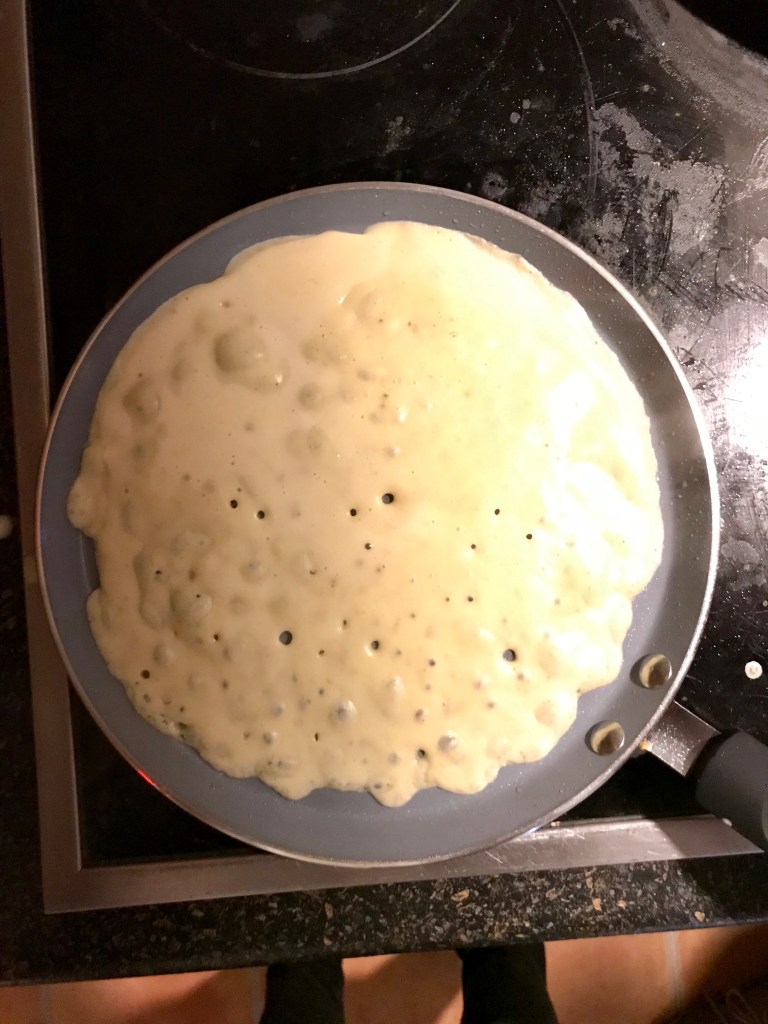
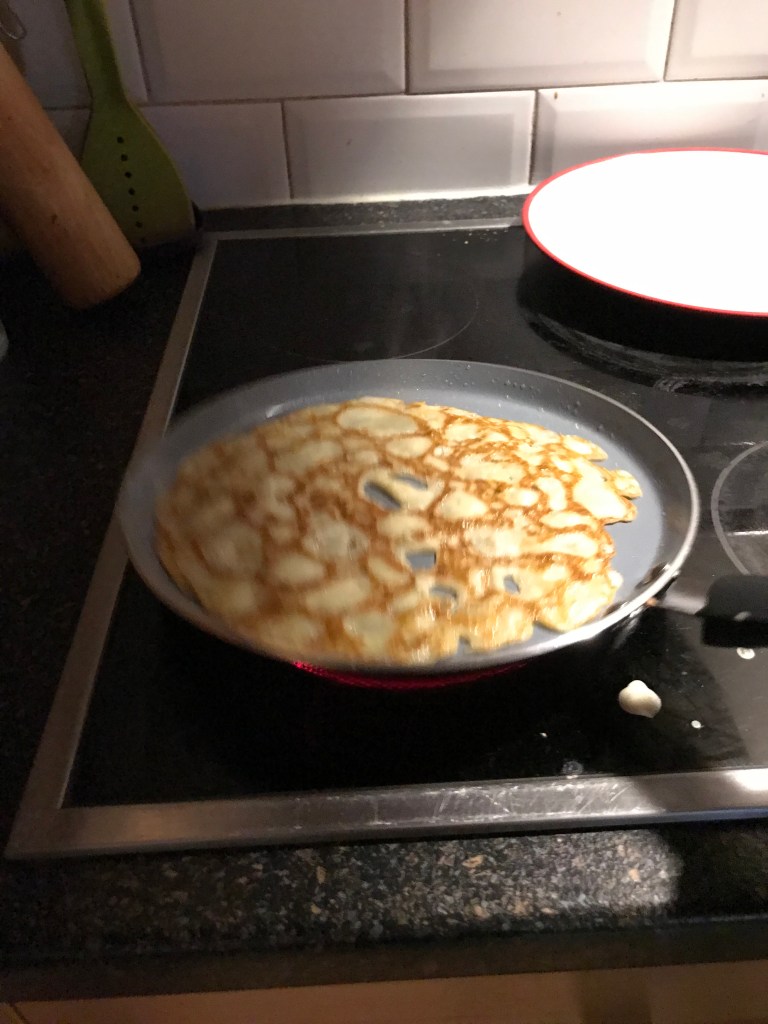
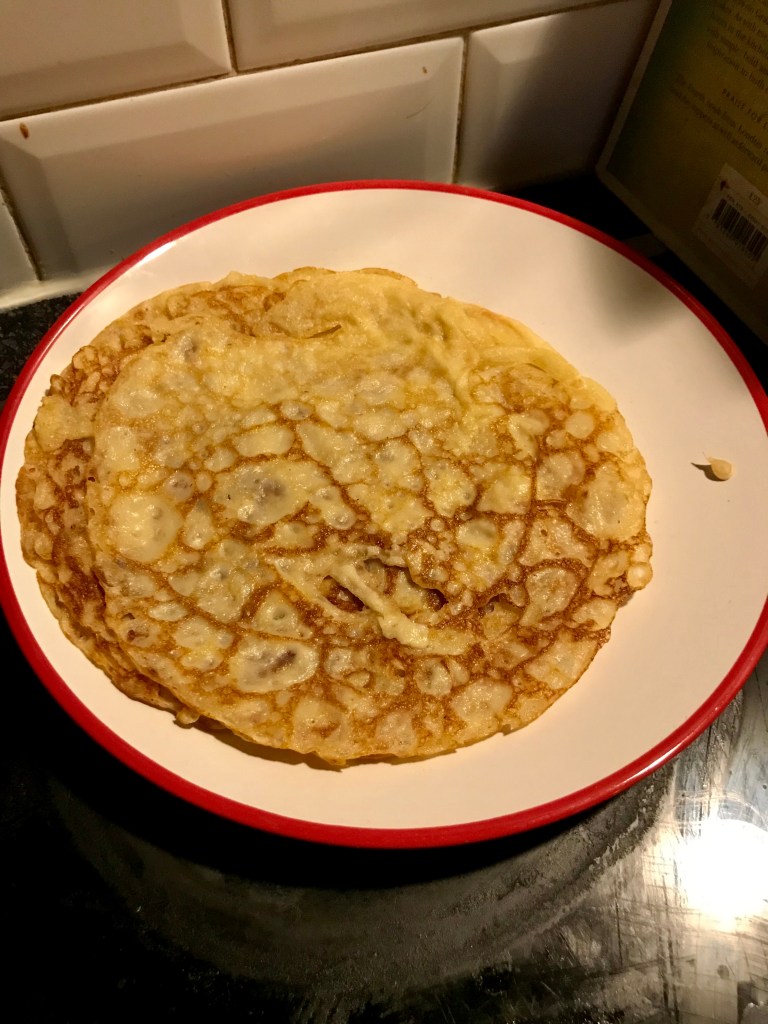
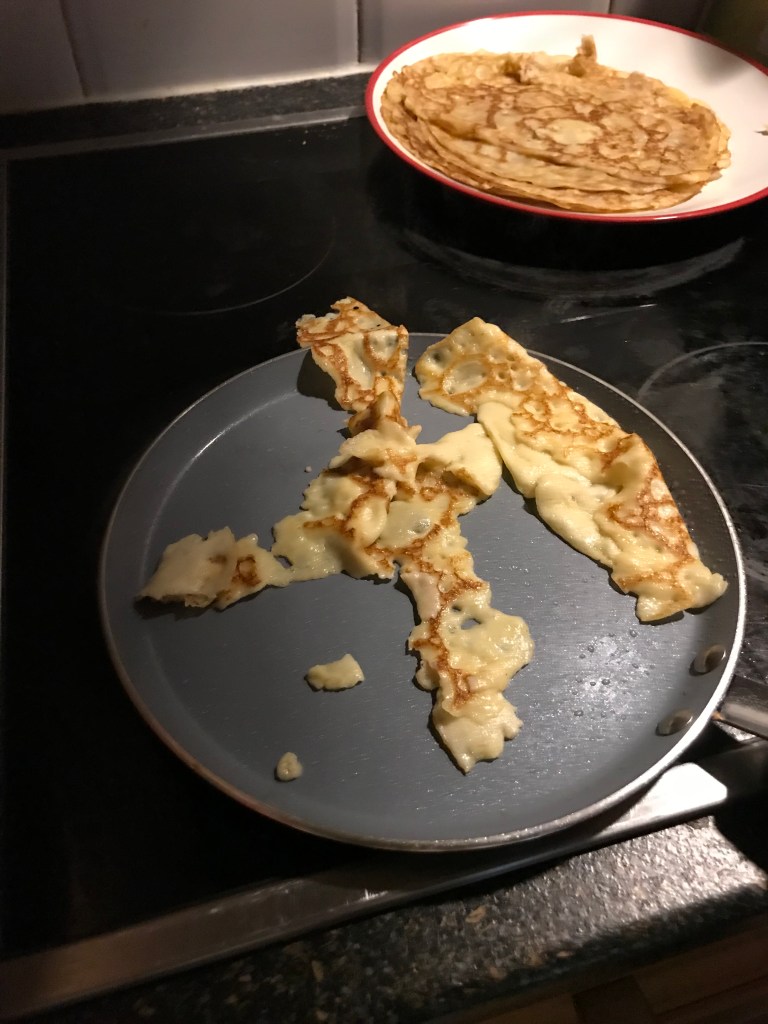
Neil then cooks two different pancakes: ‘Pancakes for the Rich’ and ‘Pancakes for the Poor’ for a couple of his friends Kate and Pete who are used to him shoving historical food under their noses all the time. They discuss the correct way to eat a pancake, what the best toppings and reminisce about that classic Jif Lemon advert from days long gone as well as Yvette Fielding’s massive pancake fail on Blue Peter.

Once well and truly shriven, we gather ourselves and head on to the first day of the 40-day fast Ash Wednesday.


If you like the blogs and podcast I produce, please consider treating me to a virtual coffee or pint, or even a £3 monthly subscription: follow this link for more information.


Useful links:

David Walker’s webpage on the Manchester Diocese website: https://www.manchester.anglican.org/bishop-manchester/

An Atlas Obscura post all about eating the honorary fish capybara: https://www.atlasobscura.com/foods/capybara-venezuela

‘Jif Lemon Day’ ad:

Yvette Fielding’s pancake fail:

‘Pancakes for the Poor’ recipe: https://neilcooksgrigson.com/2008/02/06/25-harvest-pancakes-for-the-poor/

 ‘Pancakes for the Rich’ recipe: https://neilcooksgrigson.com/2007/12/07/13-pancakes-for-the-rich/

Follow Neil Buttery on twitter @neilbuttery

British Food a History: Lent was produced by Beena Khetani and is a Sonder Radio production

6 Comments

Filed under Britain, cooking, Easter, Festivals, food, General, history, Podcast, Recipes, Uncategorized

British Food: A History podcast coming soon…

Hello lovely readers. Just a little post to let you all know that British Food: A History will be releasing its first podcast!

Season 1 is called Lent and the first episode comes out the Sunday before Lent starts – the 23rd February 2020 with new episodes out during every Sunday throughout Lent.

Just like my blog posts, the podcast will have plenty of food history and recipes, but mixed in their will be science, evolutionary biology, natural history and anthropology, as I look at how Lent has been like for people: the hardships, the special events, the lost and forgotten celebrations and practices. I’ve written about Lent and Easter a few times on the blog before, so go and have a look-see if you fancy.

A new tab has appeared on the website where I’ll be posting loads of background bit, photos sand extra material as well as links to each episode of course.

You guys can get involved too – if you don’t follow me on Twitter, find me – @neilbuttery – and post your thoughts and if you have any extra information and facts, or questions, let me know there. Alternatively, email me at neil@britishfoodhistory.com

It would be great if you could listen and get involved. Don’t forget to keep an eye out on the Lent Podcast tab on 23rd February.

Cheers!

Neil x

2 Comments

Filed under Blogs, Britain, Festivals, food, General, history, Podcast

The Snowball

Merry Christmas everyone!

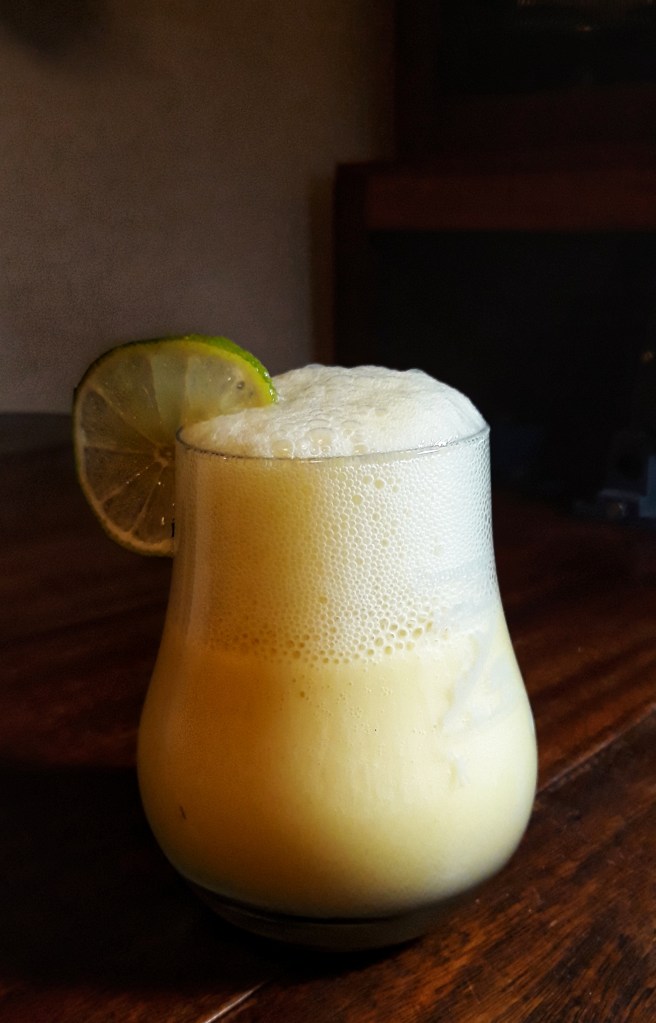
As you may know, I like to write a boozy post at this time of year and this year’s is small but perfectly formed: the Christmassy and rather kitsch classic, the Snowball, a blend of the Dutch egg yolk-based liqueur Advocaat and lemonade.

A lot of people think Snowballs are a bit naff, but I love them. The problem is that they can be too sweet and cloying, but that’s because folk don’t realise that there are two other very important ingredients – brandy and fresh lime juice. They both cut through the custardy sweet Advocaat and subtly transform it. I recommend you go out and buy the ingredients right now!

The Snowball cocktail was invented in the 1940s but didn’t become popular until the 1970s, where it was stripped of all sophistication by those who used only Advocaat and lemonade, missing out the ingredients they supposed to be superfluous producing the sickly cocktail we all know today.

Advocaat is a Dutch liqueur. Its name is a bit of a mystery; most reckon it comes from the Dutch word for advocate or lawyer. The 1882 edition of the Dictionary of the Dutch Language says it is ‘…a good lubricant for the throat and thus considered especially useful for a lawyer, who must speak in public.’

There is another theory that it was originally made by 17th-Century Dutch settlers in the Americas using creamy avocados, sugar and rum. I am assuming that because this is the most exciting story of the two that it is the apocryphal one. Occam’s Razor and all that…

Anyway, I hope you have a great Christmas – and a good few PROPER Snowballs.

xxx

~

Per person:

25 ml (1 shot) Advocaat

12.5 ml (a ½ shot) brandy

Juice ¼ of a lime

Ice

Around 75 ml lemonade

To garnish: a thin slice of lime

Pour the Advocaat, brandy and lime juice in a cocktail shaker and add plenty of ice.

Shake well and strain into glasses. Add a single ice cube per glass and top up with a little lemon (it will fizz up!).

Stir and garnish with the slice of lime.

~


If you like the blogs and podcast I produce, please consider treating me to a virtual coffee or pint, or even a £3 monthly subscription: follow this link for more information.


References:

The History of Christmas Cocktails (2015), Make Me a Cocktail https://makemeacocktail.com/blog/the-history-of-christmas-cocktails/

The Origins of Advocaat, By the Dutch http://www.bythedutch.com/about/origins-of-advocaat/

16 Comments

Filed under Britain, Christmas, Festivals, General, history, Recipes

Twelfth Night Cake

Upon the table was an immense dish, and in the dish was the biggest Twelfth-cake that the eyes of childhood had ever beheld. It was a positive monster, and whitened sugar of the most approved kind encrusted it all over.

From Little Grub, E H Knatchbull-Hugesson 1874

Twelfth Night, on the fifth day of January, is on the last day of Christmastide and was once the party highlight of the twelve-day long festival. In fact, Twelfth Night used to be the big day where gifts would be exchanged, and folk would make much merriment, very aware of the austere months ahead of them. All of this, including the cake, has moved to Christmas Day, of course.

The focal part of the Twelfth Night side-table was the elaborately-decorated Twelfth cake, essentially a rich fruit cake containing brandy, covered in a layer of rock-hard royal icing, the top groaning under the weight of sugar figures and other intricate sculptures and piping. Inside each Twelfth cake a large dried bean or pea would be baked; on the big day those who discovered them would be proclaimed king or queen for the rest of the day.

Queen Victoria’s 1849 Twelfth cake


If you like the blogs and podcast I produce, please consider treating me to a virtual coffee or pint, or even a £3 monthly subscription: follow this link for more information.


Some Twelfth cakes were extremely expensive, and every baker or confectioner in the land worth their salt would produce a breath-taking, awe-inspiring shop window filled with cakes of differing sizes, all covered in wonderful sugar-work. There was huge competition between confectioners to produce the best displays; and no wonder, selling any number of these bespoke cakes meant some real money had been made that winter!

Many people, of all ages and conditions, – young and old, gentle and simple, giddy and thoughtful, – stepped every hour to look through the large plate-glass window, and see the grand show of Twelfth-cakes.

From The Queen of the Twelfth-Cakes, Cuthbert Bede 1857

The Twelfth Night cake began life – like many traditional cakes did – as a yeast-leavened bread, enriched with dried fruit and ale (see also Simnel Cake). Over time, the cakes were enriched further with brandy or rum and sugar, giving it a close texture. Eventually, chemical raising agents were used to give the batter a lift.

Here’s a 1604 recipe from a lady called Elinor Fettiplace:

Take a peck of flower, and fower pound of currance, one ounce of Cinamon, half an ounce of ginger, two nutmegs, of cloves and mace two peniworth, of butter one pound, mingle your spice and flower & fruit together, but as much barme [the yeasty froth from the top of fermenting beer barrels] as will make it light, then take good Ale, & put your butter in it, saving a little, which you must put in the milk, & let the milk boyle with the butter, then make a posset with it, & temper the Cakes with the posset drink, & curd & all together, & put some sugar in & so bake it.

I would love to have a go at this recipe at some point.


If you like the blogs and podcast I produce, please consider treating me to a virtual coffee or pint, or even a £3 monthly subscription: follow this post for more information.


Twelfth Night cake has declined in popularity since the invention of the Christmas cake (which, incidentally, is a hybrid of a Twelfth Night Cake and Simnel Cake). Here’s the recipe that I use, which is slightly different to my Christmas cake. Notice that there are no raising agents used – I like the close-texture it gives, if you disagree, add a teaspoon of bicarbonate of soda to the flour to give it a little lift.

I don’t decorate my cakes elaborately, preferring as thin a layer of icing as possible, so I use half a batch of royal icing, but if it is your thing, you might want to make a little more!

175 g softened salted butter

175 g caster or brown sugar

1 tbs black treacle

3 eggs

175 g plain flour

¼ tsp each ground cinnamon, nutmeg and mace

400 g mixed dried fruit (currants, raisins, sultanas, quartered prunes)

75 g candied peel

50 g slivered almonds

60 ml brandy, rum, strong ale (or milk)

1 dried butter bean (optional)

A half-batch of royal icing

Line and grease an 8-inch cake tin and preheat your oven to 160°C.

Cream the butter, treacle and sugar until pale and fluffy and beat in the eggs one by one before gently stirring in the flour and spices. Once incorporated, mix in the fruits, peel and nuts and stir in the booze (or milk).

Pour into the cake tin, pop in the king/queen bean, level off the top and bake for an hour. Cool in the tin.

Decorate the cake with the royal icing, being as elaborate as you like.

14 Comments

Filed under baking, Britain, cake, Christmas, Festivals, food, General, history, Recipes