I spent the first half of 2024 working on two food history books (news of those coming very soon) which meant the poor old blog barely got a look in: with all of that research and writing I was doing all day everyday, I couldn’t bring myself to do even more. I did want to carry on producing material though, so I kept The British Food History Podcast going, and I’m very glad I did, first because it was a chance to talk to actual people, but also because in this most recent eighth season, I produced some of the best episodes so far.
However, one thing I didn’t do is tell you about it! So, if you don’t subscribe to the podcast on your favourite app, or aren’t a £3 monthly subscriber, you might have missed it. My sincere apologies if you have, I have left Spotify links to the first three episodes of season 7 below: 18th Century Female Cookery Writers with The Delicious Legacy Podcast, Christmas Special 2023: Mince Pies (they’re not just for Christmas, by the way) and Apples & Orchards with Joanna Crosby:
Other topics included chocolate, spices, medieval table manners, the Scottish salt industry and food waste.
The British Food History Podcast will return in 4 weeks’ time.
This is only half of my podcast news though because I started a second with fellow food historians Sam Bilton and Alessandra Pino. It’s called A is for Apple: An Encyclopaedia of Food & Drink. The premise is a simple one: each season we take a letter, and we present and discuss a topic each. There is usually a theme e.g. fruit, vegetables aromatics. There has also been a listener’s choice episode. Topics have included apples (obvs.), adulteration, alewives, asparagus, avocados and Agas.
Listen to the pilot episode here:
Season A has finished and season B will start in the autumn.
You can find both podcasts on all podcast apps, so please make sure you follow them – that way you won’t miss an episode.
Over and out. xxx
If you like the blogs and podcast I produce and would to start a £3 monthly subscription, or would like to treat me to virtual coffee or pint: follow this link for more information.Thank you.
This post complements the episode of The British Food History Podcast called ‘The School Meals Service with Heather Ellis’:
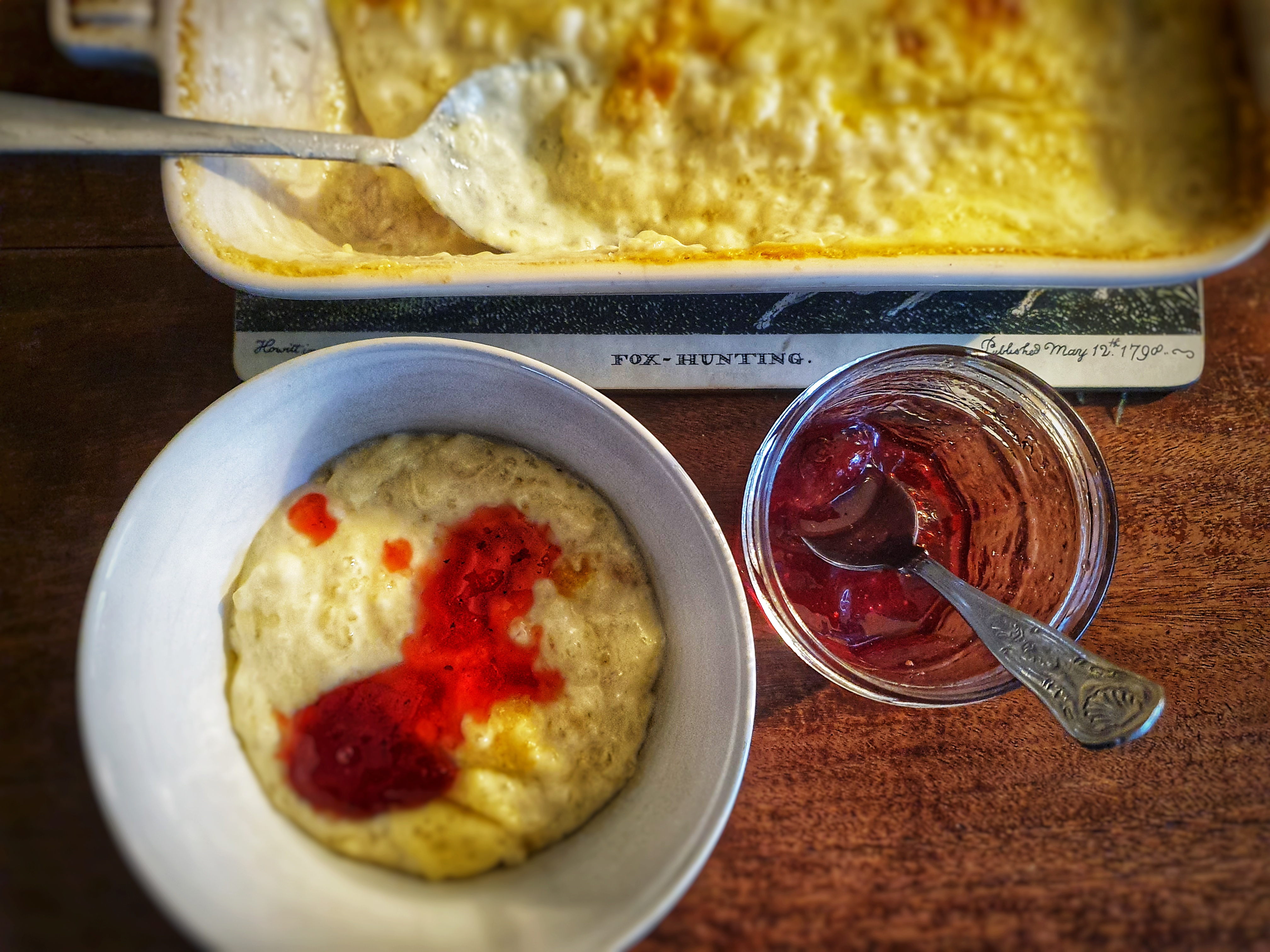
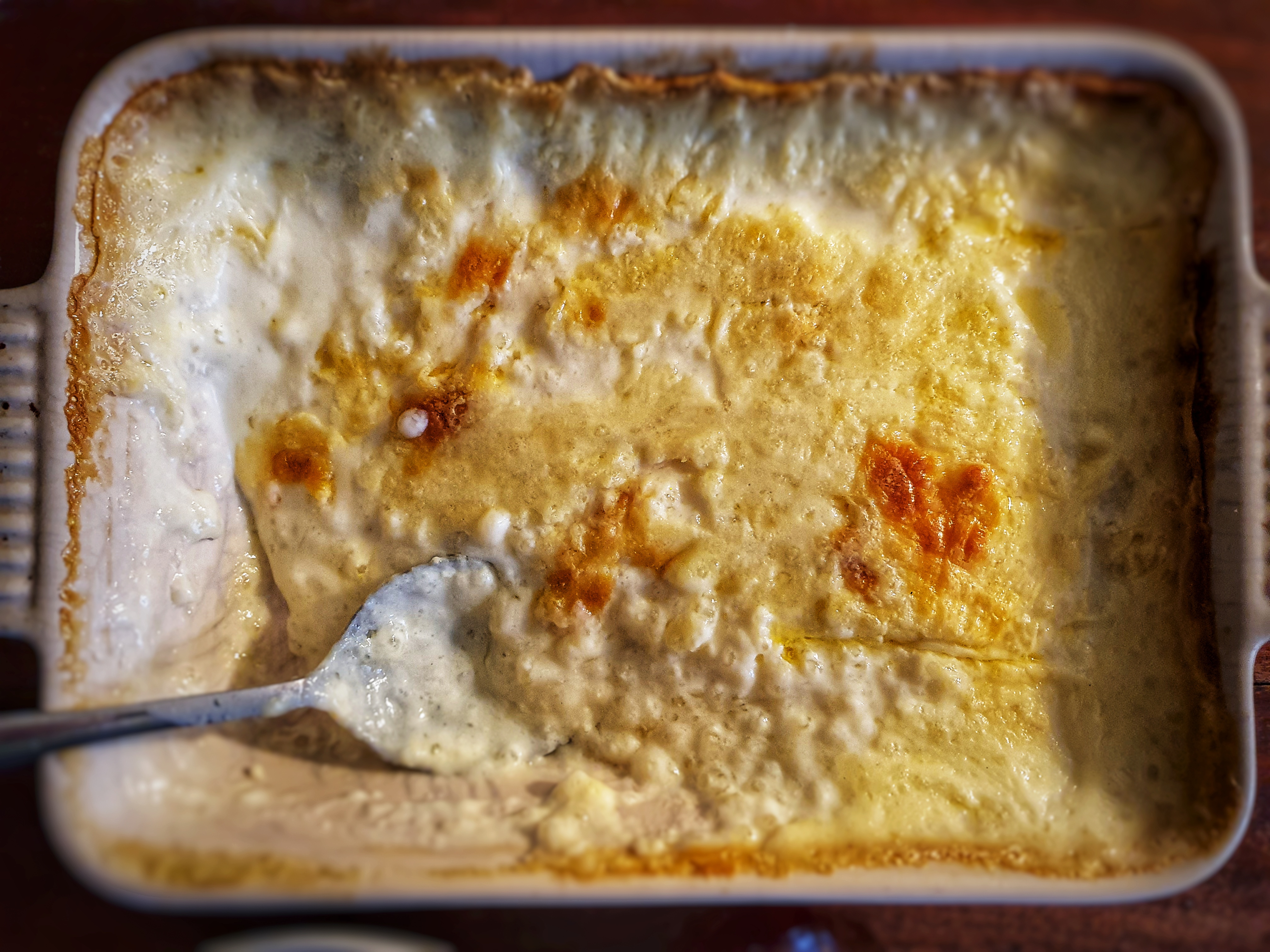
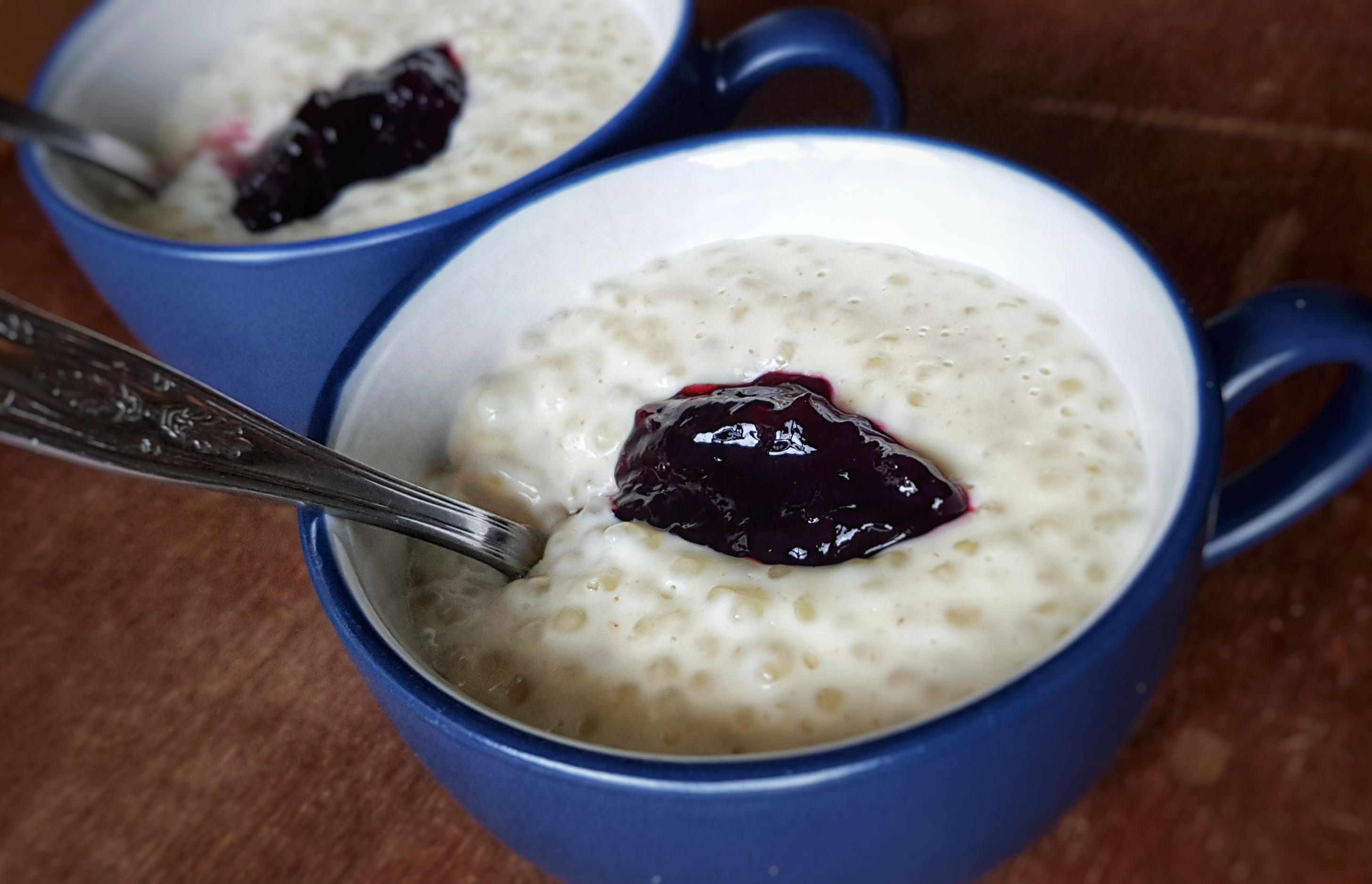
Speaking with Heather Ellis on the podcast about the School Meals Service and school dinners really fired off some food memories, good and bad. If it has in you too, please let the School Meals Project know about them – and let me know about them too – there’s a postbag episode of the podcast coming in just two or three weeks’ time. Three stuck in my mind: sago or tapioca pudding, pink sponge and custard, and Spam fritters. Of those, my favourite is sago/tapioca pudding – it genuinely is one I cook at home regularly. I know it was called frogspawn by children across the country, but if made well, it is delicious. Honest.
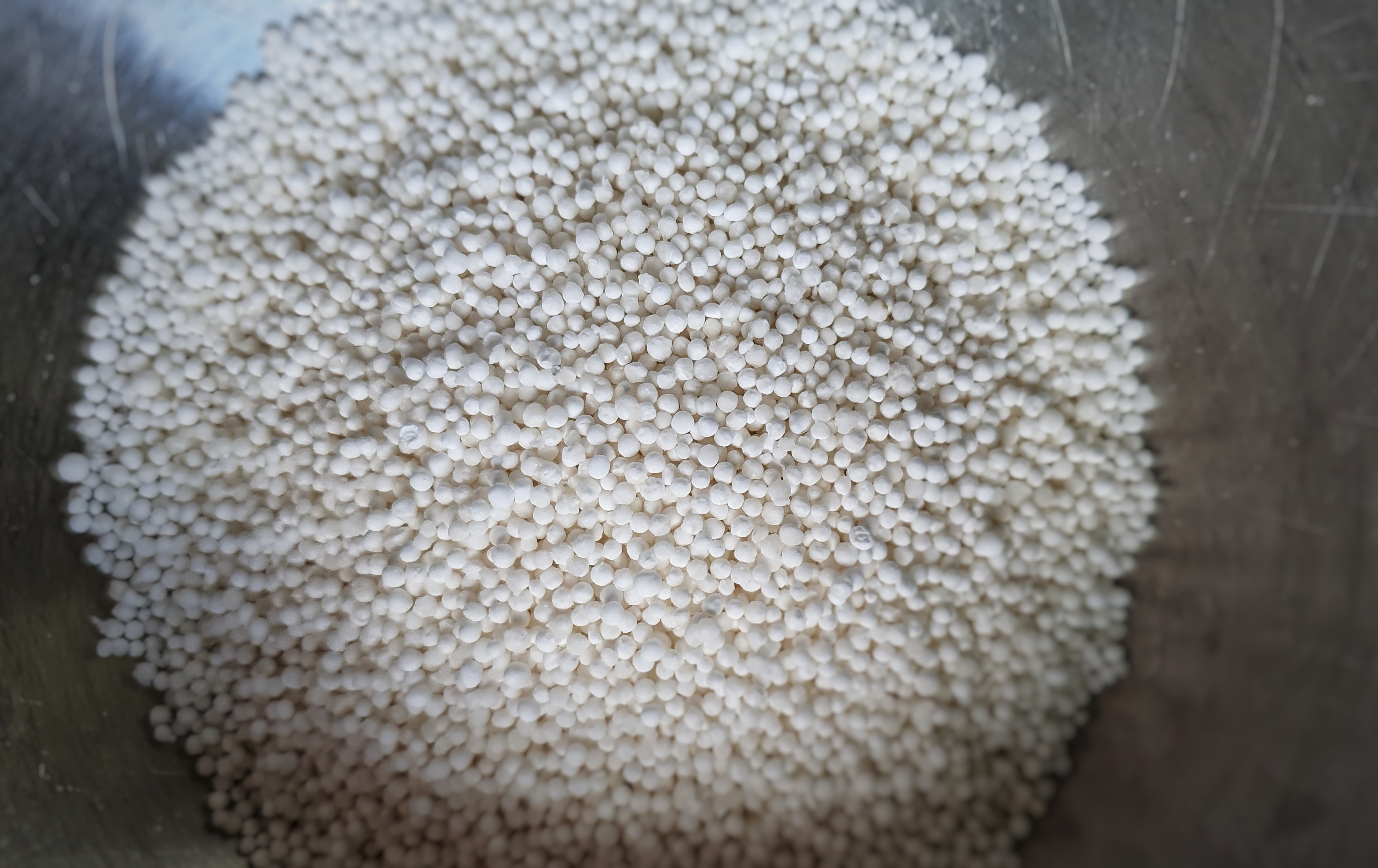
For anyone unfamiliar with it, it is one of a tribe of puddings known as milk puddings which are essentially a starchy ingredient cooked in milk and sweetened with sugar, but in my opinion, they need to also contain cream and flavourings such as bay leaves, vanilla or lemon rind. The best-known of these is rice pudding, but there are also semolina, macaroni and arrowroot puddings. They became popular in schools because they were an excellent way of providing children with their calcium. Sago and tapioca come in the form of small balls or pearls, which turn translucent when cooked in liquid – tapioca pearls are used to make the ‘bubbles’ in bubble tea.
Sago and tapioca can be used interchangeably in recipes and taste the same, but there is a difference between the two; sago comes from the sago palm and tapioca from the cassava plant. The former is found in India and some parts of East Africa, and the latter in the Americas. The starch is extracted from the plants’ pithy centres by grating and squeezing. It is then suspended in a little water to make a paste, which is then passed through a colander to form little pellets that are then dried.[1]
Both are very much associated with Empire, and recipes using sago begin to appear in 18th-century cookery books. In Sarah Harrison’s The House-keeper’s Pocket-book sago is simmered in water and flavoured with sugar, cinnamon and lemon.[2]Elizabeth Raffald has a complex, red-coloured sago pudding containing red wine, sugar, bone marrow and egg yolks. She does have a simpler version closer to what we would recognise today: sago simmered in milk and cream, and flavoured with sack, sugar, eggs and nutmeg.[3] Through the 18th and 19th centuries, the typical way to prepare the pudding would be to cook it on the hob and then bake it in pastry. Mrs Beeton uses sago in two more recipes: a sweet sago sauce for desserts and a sago soup.[4]
If you are unsure about making sago or tapioca pudding (or returning to it after eating the runny school kind of years past), the great food historian Alan Davidson provides some words of encouragement: ‘[I]t is sometimes despised by the ignorant, that is to say, persons who have no knowledge of how good they are when properly made.’ He casts down a caveat, however: ‘[The] texture delights a few cognoscenti in Britain but is repellent to the majority and has no doubt contributed to the virtual disappearance of the pudding from British tables.’[5] And I say that it is a crying shame. It is rarely included in cookery books anymore, not even those specialising in puddings. Justin Gellatly is a fan though, and there are a couple of recipes in Helen Thomas’s excellent Pudding Book, but that’s about it.[6]
If you like the blogs and podcast I produce and would to start a £3 monthly subscription, or would like to treat me to virtual coffee or pint: follow this link for more information.Thank you.
The typical way to cook the pudding these days is to either bake it I the oven or cook it on the hob, and I provide methods for both, though I prefer the latter. It is quick to make and, despite what other recipes say, requires no soaking – just a careful swish in some cold water.
I’ve left the amount of sugar to you. If you intend to eat the pudding with sweet jam, go for around 90 grams, if you are eating it on its own, or with tart fruit like rhubarb or gooseberry, perhaps use 120 grams of sugar.
Serves 6 to 8 people, depending upon greediness. If more appropriate, half the amounts.
Around 30 g butter (if baking)
120 g sago or tapioca pearls
90–120 g caster sugar
1 litre full-fat milk
150 ml double cream
Flavourings: 3 or 4 strips of pared lemon rind, a lightly-crushed fresh bay leaf, a few drops of vanilla extract (or replace caster sugar with vanilla sugar), almond extract, cocoa, etc.
Oven method:
Preheat the oven to 160°C. In a baking dish of 1¼ litre capacity dot the bottom with small knobs of butter. Place the sago pearls in a jug and pour over plenty of cold water to release any starch. Pour through a sieve and then scatter the sago over the base of the dish with the sugar, milk, cream and flavourings. If using cocoa powder, whisk it into the milk before pouring into the dish. Place in the oven and bake for 60-90 minutes, stirring every now and again to disperse lumps. When the time is up, and you want a browner top, you could place it under a hot grill for a few minutes. Leave the pudding to stand for 10 minutes before serving.
Hob method:
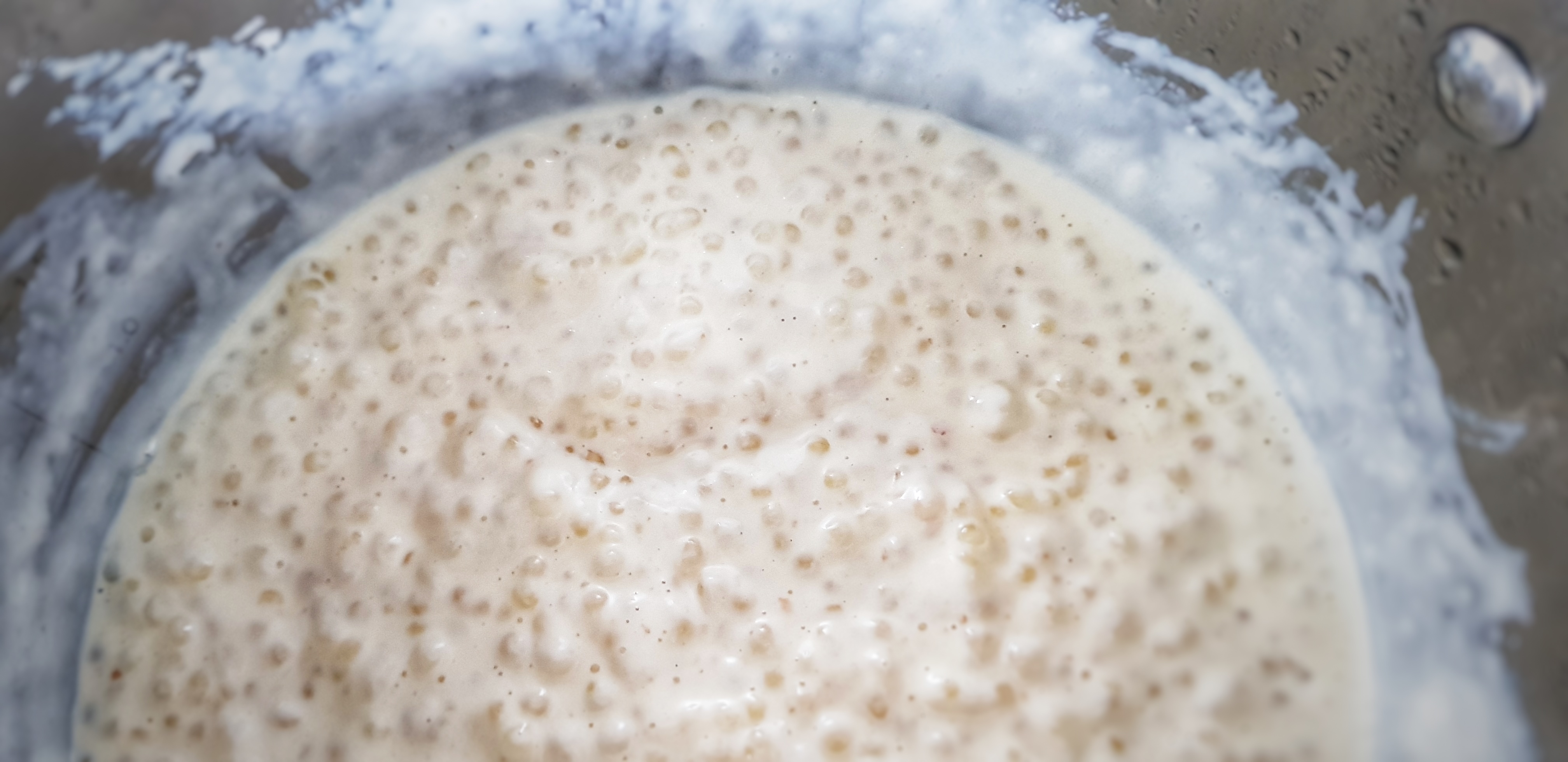
Wash the sago pearls as described above and place them in a saucepan with the remainder of the ingredients, bar the butter. Bring slowly to a simmer, stirring gently. Leave to simmer for around 15 minutes, stirring occasionally. After the 15-minute mark, keep a closer eye on it: cook a further 10 to 15 minutes, but stir more frequently, scraping any stuck bits from the base. Sago pearls stick and catch easily!
Stop cooking when the pearls are soft and gelatinous. Let the pudding stand for 10 minutes before serving. If it seems a little on the thick side, stir a little more milk through it.
References
[1] Beeton, I. (1861). The Book of Household Management. Lightning Source; Davidson, A. (1999). The Oxford Companion to Food. Oxford University Press.
[2] Harrison, S. (1751). The House-keeper’s Pocket-book And Compleat Family Cook (5th ed.). R. Ware.
[3] Raffald, E. (1769). The Experienced English Housekeeper (First Edit). J. Harrop.
[6] Gellatly, J. (2016). Bread, Cake, Doughnut, Pudding: Sweet and Savoury Recipes from Britain’s Best Baker. Penguin Books Limited; Thomas, H. (1980). The Pudding Book. Hutchinson & Co.
Just the quickest of quick posts to let you know (in case you didn’t know already) that the 6th season of The British Food History Podcast has started. I’ve already recorded several chats and still have a good few more to do. I’m really pleased with them: I think I have got a good mix of diverse topics, with England, Wales, Scotland and Ireland all covered.
If you don’t already follow or listen to the podcast, you can find it anywhere you normally find your podcast. Two episodes have already dropped, which you can listen to via this page in case you’re not usually a podcast kind of person.
Episode 1: Cake Baxters in Early Modern Scotland with Aaron Allen
Episode 2: Recreating 16th Century Beer with Susan Flavin & Marc Meltonville
Other episodes to come include Tudor cooking, medlars, the Tavern Cook Richard Briggs, canned food and hopefully quite a few more.
If you weren’t aware, I also recorded a tripe special when I was between seasons. It was a collaboration between me and historian and author Sam Bilton. Have a listen here if you fancy:
Don’t forget I do a postbag episode at the end of each season so if you listen and have a question, comment or query, please contact me – either by leaving a comment at the end of this post, or by emailing me at neil@britishfoodhistory.com. I’d love to hear from you.
If you are a monthly subscriber, you access the Easter Eggs associated with these episodes – full cuts of interviews I had to trim down, outtakes, etc. all very interesting (in fact often the most interesting!) but sadly excised because of time restraints. There is also an extra mini-season of episodes about forgotten foods, as well as an extra bonus episode from season 5. Subscribers also get premium blog content and a monthly newsletter.
If you like the blogs and podcast I produce and would to start a £3 monthly subscription, or would like to treat me to virtual coffee or pint: follow this link for more information.Thank you.
After talking to Lindsay Middleton about her online resource Dishes for the Sick Room, an exciting deep dive into the invalid cookery recipes found in the cookery books of Glasgow Caledonian University, I decided to have a go at making some barley water.
If you haven’t listened to the episode of the Podcast episode Invalid Cookery with Lindsay Middleton, you can do so below:
This premium content post is for
Subscribe to get access
This post is for my subscribers. Read more of this content when you subscribe today and support the blogs and podcast. Subscribers get access to special blog posts, Easter eggs from my podcast, and a monthly newsletter. You can become a subscriber by following this link.
I hope everyone is managing to keep warm in this terribly long cold spell we’re having. It’s pretty miserable, but I hopefully have something for you to help distract you during these cold, long winter nights, at least for a little while: a brand new season of The British Food History Podcast.
Yes, season 5 has just launched with a very special Christmas special with food historian Dr Annie Gray, who came on the podcast talk about Christmas feasting and Christmas food through the ages.
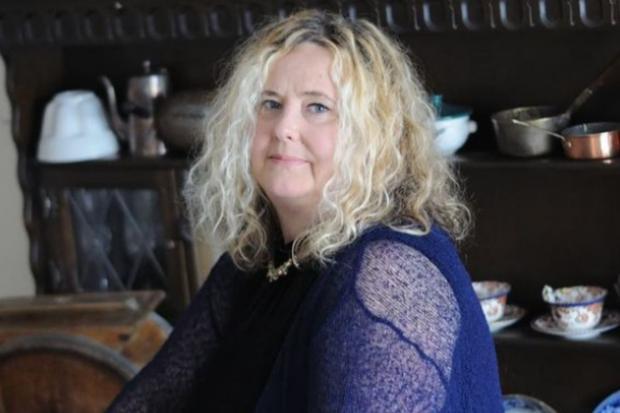
Food historian Annie Gray (Kristy Noble Photography)
Annie is author of several books including the excellent Greedy Queen: Eating with Victoria and Victory in the Kitchen: The Life of Churchill’s Cook. She is also a frequent panellist on Radio 4’s The Kitchen Cabinet, and has appeared on countless television shows, including the excellent A Merry Tudor Christmas with Lucy Worsley.
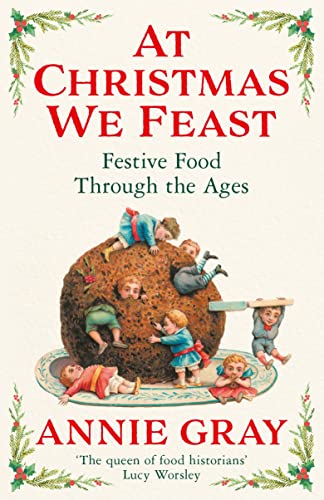
Her most recent, At Christmas we Feast: Festive Food Through the Ages, published by Profile Books, is out now in paperback, and she kindly came on the podcast to tell me about it. We talked about many things: the myths and misconceptions about the food we eat at Christmas; why and how we feast; how the feast of Christmas has changed through time; what the Victorian’s DIDN’T invent; jelly; wassail; the ancient Xmas centrepiece the boar’s head; trifle; Yorkshire Christmas Pye; and her favourite recipes contained within the book.
If you are a £3 monthly subscriber on the blog, there are three Easter Eggs associated with this episode:
An excised discussion about the merits of making one’s own mincemeat for mince pies
The uncut discussion about recipes and revelations, including Yorkshire Christmas frumenty
The uncut discussion about the boar’s head and squeamishness.
If you like the blogs and podcast I produce and would to start a £3 monthly subscription, or would like to treat me to virtual coffee or pint: follow this link for more information.Thank you.
I have some fantastic guests lined up for this season and quite the variety of topics, including Hogmanay with Paula McIntyre, Eighteenth Century Dining with Ivan Day, and London’s Street Food Sellers with Charlie Taverner. You heard it here first!
If you’ve never tuned in before, just search ‘The British Food History Podcast’ wherever you get your podcasts – it’s available from all providers. If you haven’t already, please follow, like and leave a review: every single one counts and helps the podcast move up those algorithms so that it become easier to find by others.
If you don’t listen to podcasts and don’t have an account with a provider, don’t worry, you can listen through this link below:
Hello folks! Just a very quick post to let you all know that the fourth season my podcast – The British Food History Podcast – is underway and the first two episodes are ready for you to download and listen to.
Felicity Cloake
In episode 1, I talk to journalist and food writer Felicity Cloake about the Great British breakfast. Listen here:
We talk about how breakfast might be the only thing uniting all 4 countries that make up the UK, the complexities of planning a nation-wide breakfast tour, injuries, why it’s okay to like both red and brown sauce, as well as neither, the importance of pudding on a fried breakfast, regional specialities and recipe writing.
Emma Kay
In episode 2, my guest is historian and friend of the show Emma Kay. Today we talk about Emma’s new book A History of Herbalism: Cook, Cure & Conjure which was published in June 2022. Listen here:
We talk about the importance of herbs in medicine, magic and food, and how these things were interconnected, the four humours, Anglo-Saxon medical texts, the double standards surrounding men and women who practised magic and medicine, two female pioneers of botany and herbalism, and narcotic garden vegetables.
I have a few extra guests lined up for you throughout August and September, so make sure to subscribe, follow and like wherever you get your podcasts, and if you can, leave comments, ratings and reviews.
There are Easter Eggs associated with the episodes which are available to subscribers.
If you like the blogs and podcast I produce, please consider treating me to a virtual coffee or pint, or even a £3 monthly subscription. Subscriptions give you access to the Easter Eggs page as well as special blog posts: follow this link for more information.
This post complements the episode ‘Cheddar & the Cheese Industry’ on The British Food History Podcast:
Britain’s cheese industry has certainly been through its peaks and troughs over the centuries. As Peter Atkins and I discuss in the podcast episode Cheddar & the Cheese Industry there was once a great variety of local cheeses, but as urban populations grew and there was the need for cheap cheeses for the masses, Britain underwent a cheese bottleneck. The reason? The ‘cheddarfication’ of the industry: our lovely Cheddars were stripped of their character in the 19th and 20th centuries, massed produced and insipid. Not only that, but other cheeses became more like Cheddar, i.e. sharper and harder: Cheshire, Dunlop and Wensleydale all became more like Cheddar. The latter, now a mild and curdy cow’s milk cheese was once a soft, blue ewe’s milk cheese! Writing in the 1950s, Dorothy Hartley thought our cheese industry was dead: ‘the sub-standard cheese is so poor that it invites contrast; so the good cheese standard must be lowered till both are “standard mediocre”. The industrial revolution of the dairy is complete! And our really fine cheeses are lost to England.’1
But then old cheeses and old methods returned with gusto from the late 1980s. How? You’ll have to listen to the podcast! Writing in the 1990s in the third edition of her book English Food, Jane Grigson was impressed by the ‘marvellous choice’ available by the end of the 20th century: ‘One of the happy developments since I wrote [the first edition of] this book has been the renaissance of cheesemaking in Britain.’2 She was particularly happy about the raw milk cheeses, and chesses made with ewe’s and goat’s milk. I’d like to add more soft cheeses and proper full-flavoured hard cheeses.
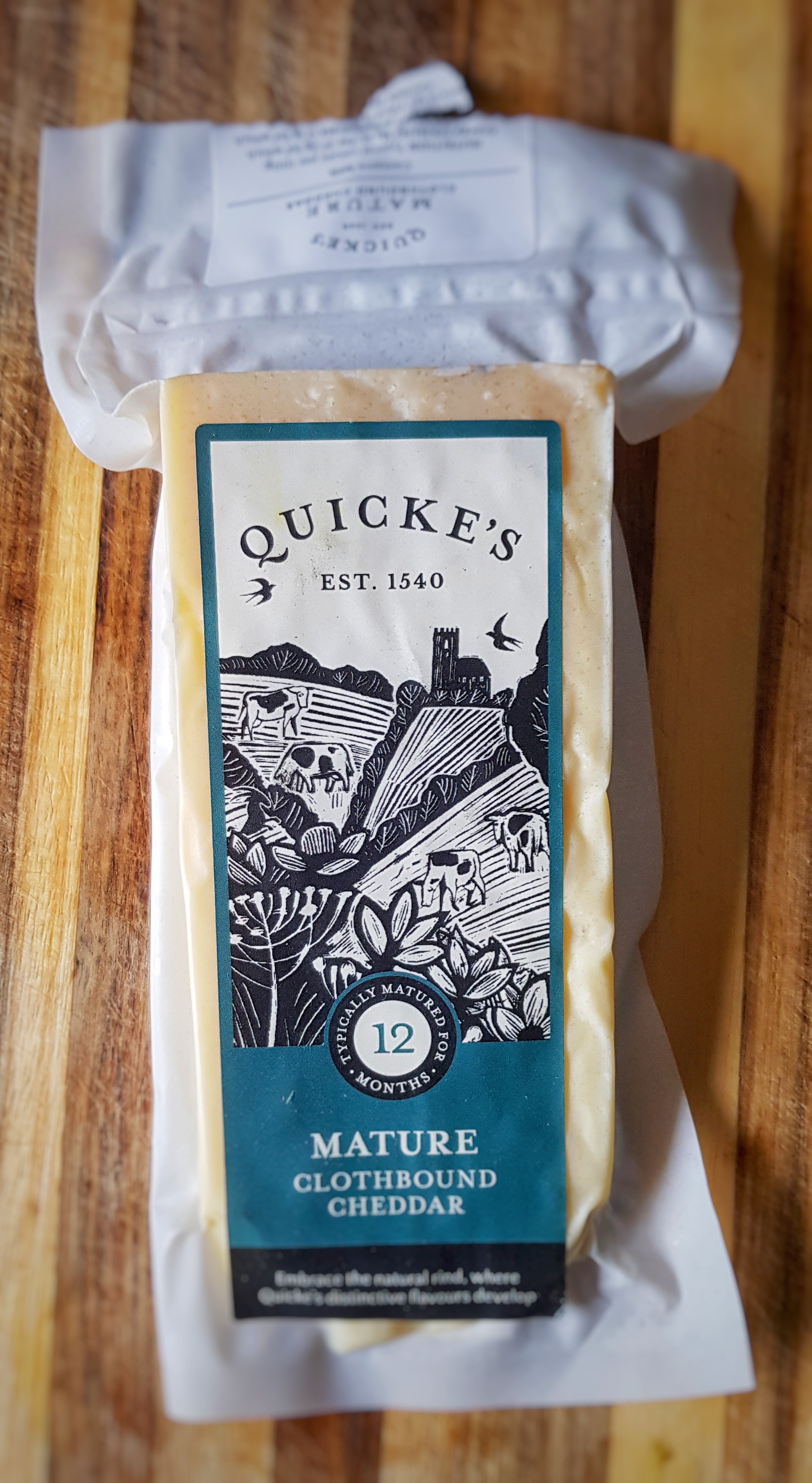
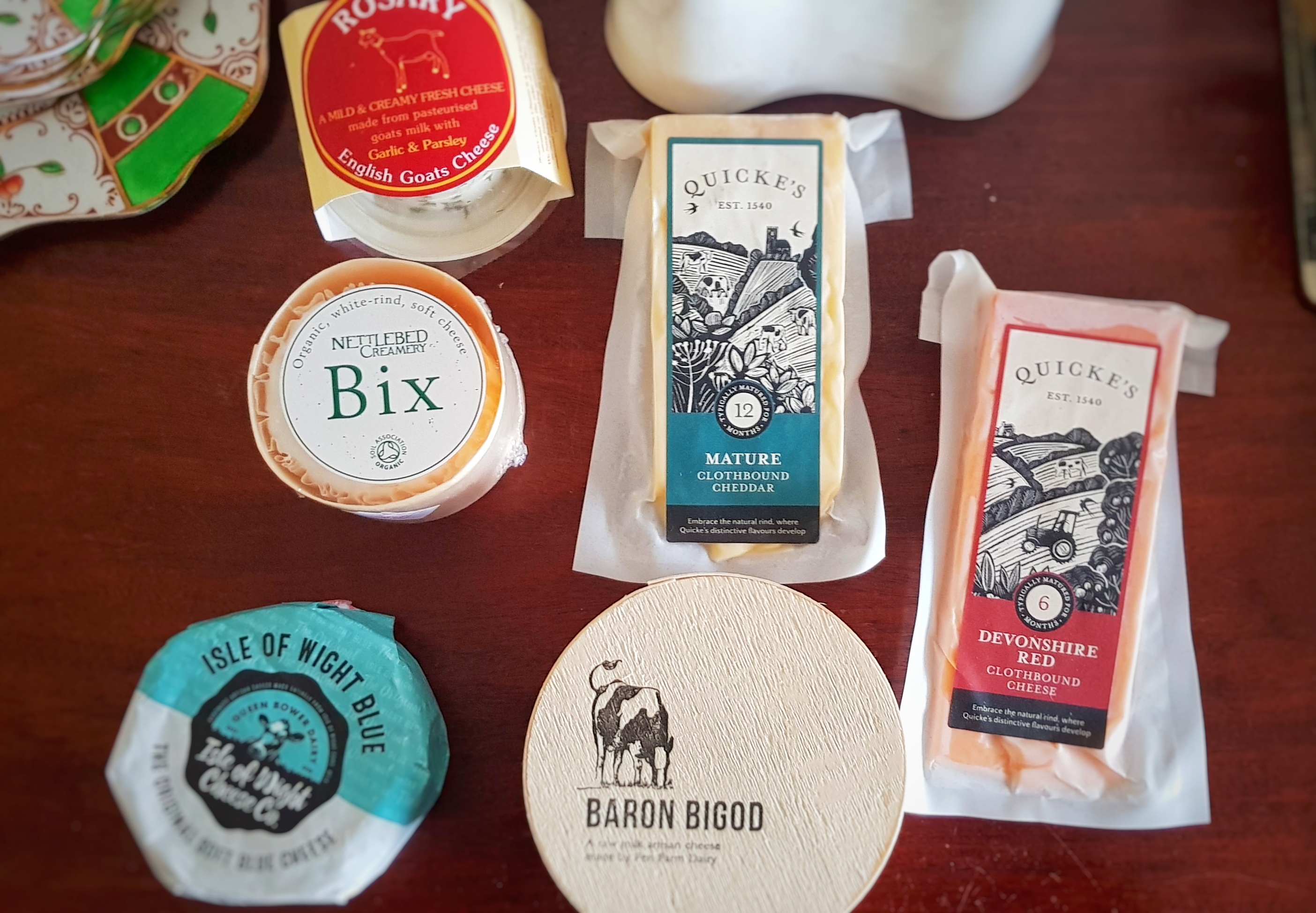
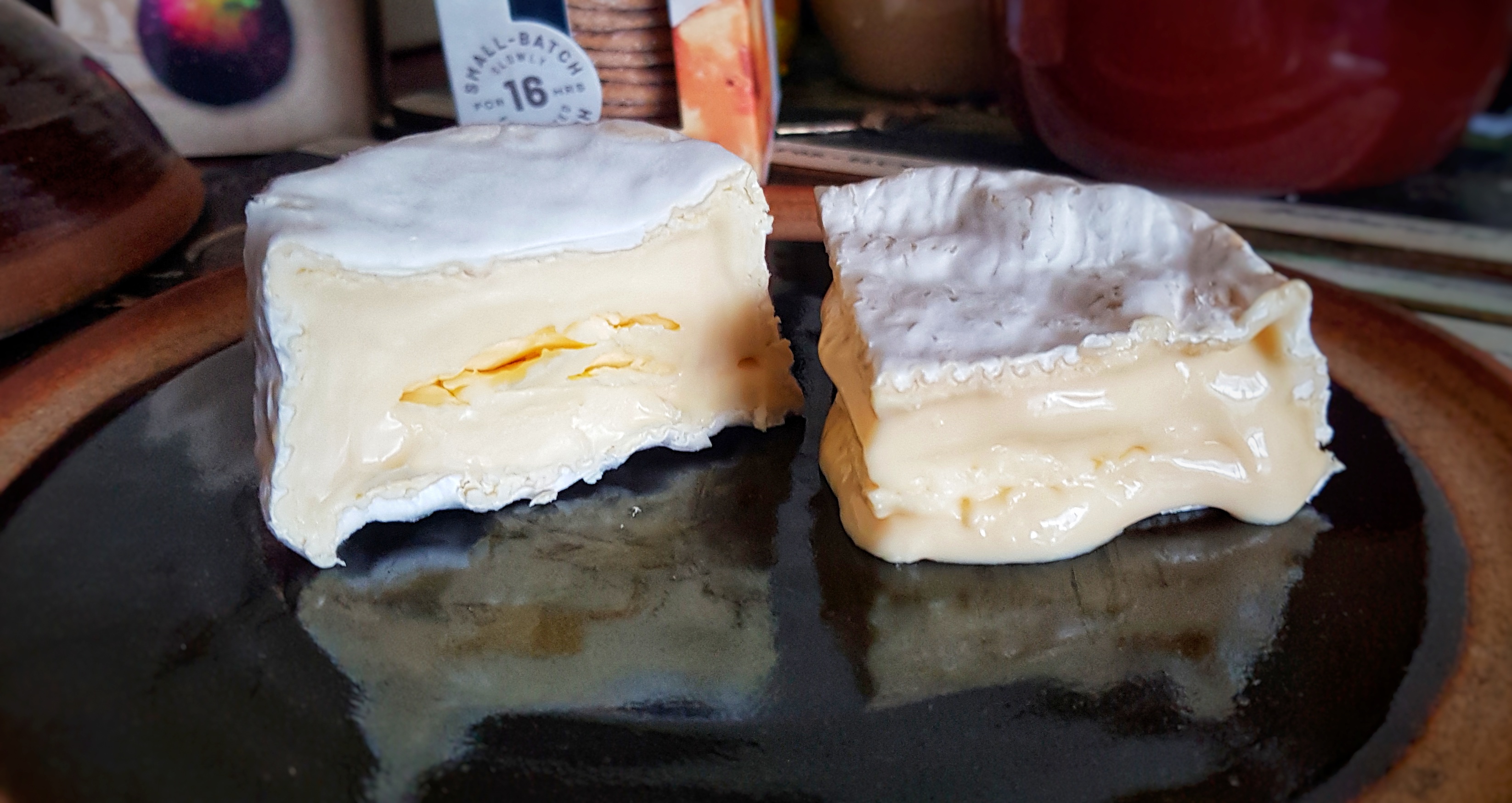
You are not going to find these cheeses in your local supermarket: you need a good purveyor. I can highly recommend Harvey & Brockless. They have some excellent cheeses, in fact some of my absolute all-time favourites. They sent me a selection of British cheeses through the post, and I must say I was impressed.* It wasn’t just the quality but the fact there was the full gamut of historical and traditional cheeses represented: a Romanesque fresh goat’s milk cheese (Rosary), a cheese that could have been Anglo-Saxon (Bix, a raw creamy cow’s milk cheese), my favourite blue cheese of all time (Isle of Wight Blue; just divine). There was too the oozy and very ripe Baron Bigod, and some traditional cheesecloth matured Cheddar and Devonshire Red (both by Quicke’s). There was even a jar of salty raw goat’s cheese in a herby and garlicky oil (Graceburn) which I made into a salad using the oil to make the dressing – excellent!
Eating Cheese
Excellent cheeses such as these require little help. It’s important you allow your cheese to come up to room temperature under a cheese cloche (or upturned bowl). Proper cheese is a living breathing community of bacteria and fungi and it can sit happily under cover for 2 or 3 days in a cool cupboard or larder.
Letting your cheese come up to room temperature brings out their true flavour.
Eat with simple crackers (H&B provided me with Fig & Sultana Toasts from the excellent Millar’s, and Peter’s Yard Sourdough Crispbreads) or good bread, oatcakes and digestive biscuits (recipe coming soon!). In Yorkshire cheese is eaten with fruit cake, apple pie and gingerbread. Add equally simple accoutrements such as fruit jellies, chutneys or pickles.
Cheese Recipes
Using great cheeses in your cooking improves dishes immeasurably and I thought I’d provide you with a couple of good recipes that makes a small amount of cheese go a long way: a historical toasted cheese and a blue cheese ice cream which is excellent served with poached pears and home-made spelt digestives (that one will be coming in the next post).
Lady Shaftsbury’s Toasted Cheese
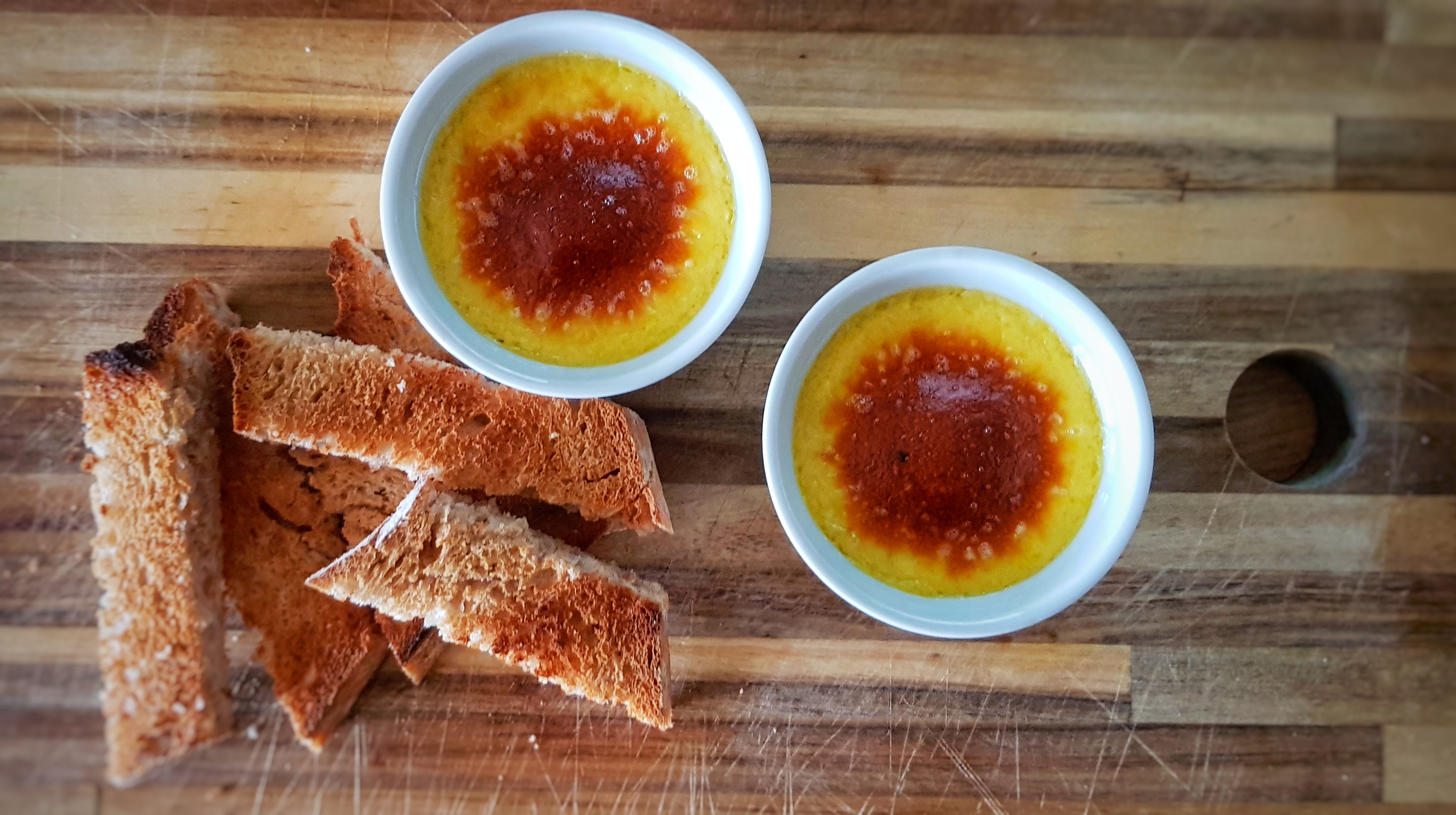
This is a recipe I have adapted slightly from Jane Grigson’s English Food. Jane was fortunate to receive the ‘receipt’ book that belonged to Emily Shaftesbury ‘wife of the great social reformer, the seventh Earl of Shaftesbury’. They were relatively poor, at least as far as the aristocracy go, and were always in debt.2 Because of this, many of the dishes are cheap – again, as far as the aristocracy go – and this one is delicious. It would make an excellent savoury or starter, or even a ‘light’ lunch if served with a green salad on the side.
I use inverted commas when I write ‘light’ because it is actually pretty heavy going; essentially it’s a fondue of good Cheddar cheese, egg yolks and cream that is grilled before serving with toast. The small amounts given are enough to feed four people.
A good strong melting cheese is required, and I used Quicke’s mature clothbound Cheddar. It is perfect: potent, yet creamy with just the merest hint of blue. Just one 150g piece is needed for four people.
Be warned, Jane points out that toasted cheese can cause nightmares,2 so don’t eat it too close to bedtime.**
50 g butter
5 tbs double cream
150 g grated mature Cheddar cheese such as Quicke’s mature clothbound Cheddar
2 medium egg yolks
Freshly ground pepper
Optional extras: pinch of Cayenne pepper or 1-2 tsp smooth or wholegrain mustard
4 slices of toast cut into soldiers
Preheat your grill to a medium-high heat.
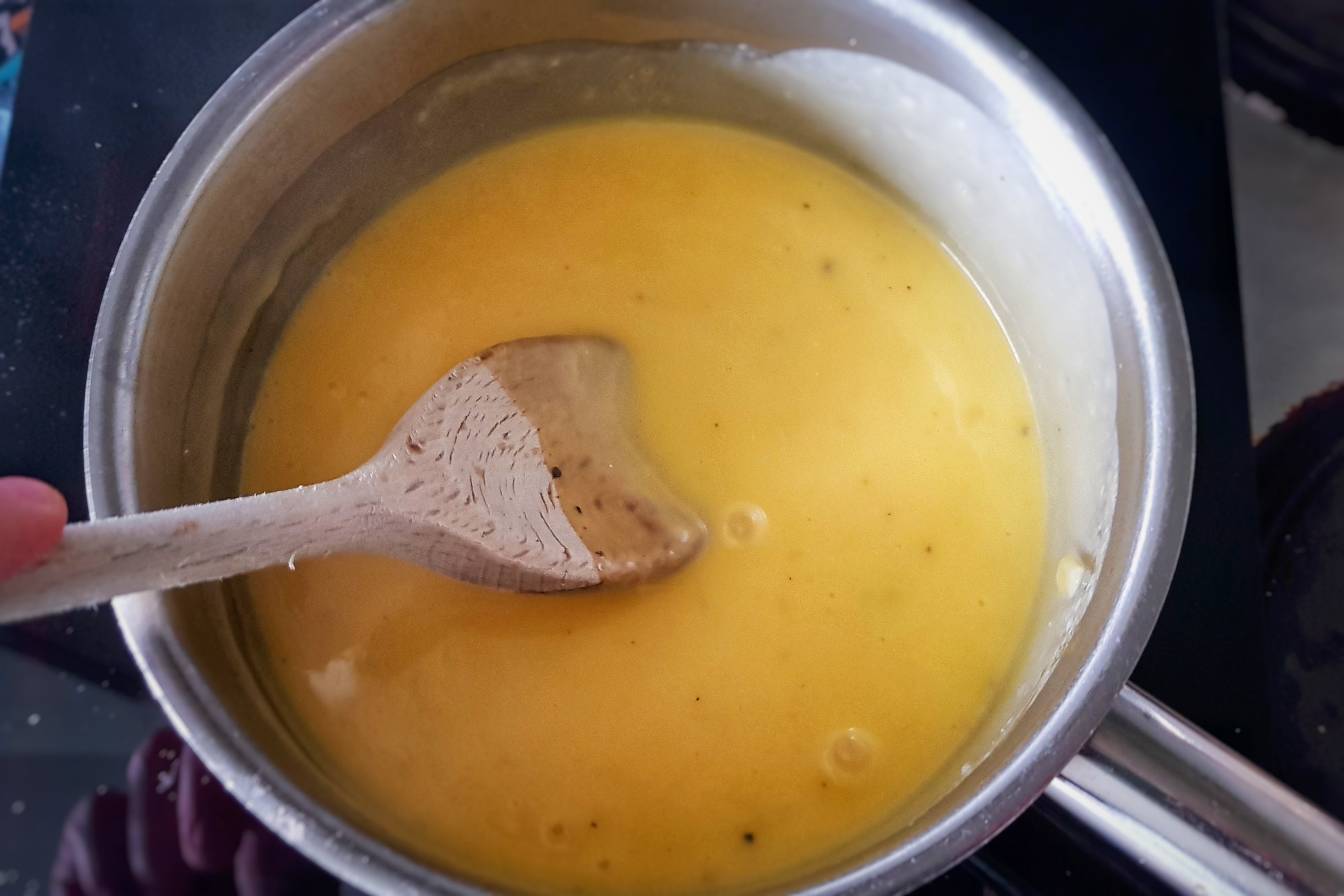
Gently melt the butter in a saucepan over a medium-low heat, then add the cream, cheese and egg yolks.
Stir to combine so that the cheese melts and the egg yolks thicken the mixture to produce a smooth, thick mixture like a thick pouring custard. On no account let it boil, otherwise the cheese may split and the egg yolks scramble. Slow and steady wins the race.
As the sauce is melting, season with pepper and add the Cayenne or mustard if using.
Divide the cheese mixture between four ramekins and grill until a golden brown colour, around 3 minutes.
Serve immediately with the toast soldiers.
References
Hartley, D. Food in England. (Little, Brown & Company, 1954).
Grigson, J. English Food. (Penguin, 1992).
* I should point out that I am asked fairly often to do this sort of thing, but I usually turn the company/producer down, the products on offer not being my thing at all, but the brands sold by Harvey & Brockless are genuinely the ones I purchase anyway. You can be sure I would never endorse a product I didn’t think was excellent. I am no cynic!
“2020 2021 is finally over, and 2021 2022 is here. I hope the blog has been a bit of escapism from all turmoil the last 12 months 2 years have brought us; I’ve tried not to mention it too much.”
It has been surprisingly busy year: I handed in the manuscript of my first book A Dark History of Sugar, and am currently working through a draft of my second, plus I contributed to some food and cookery shows: I made Christmas Pottage and Christmas Cakes on Amazing Christmas Cakes & Bakes, plus some Wassail! On Our Victorian Christmas both on Channel 5. Then there has been the return of the podcast as well!
The Christmas pottage I made for Amazing Christmas Cakes & Bakes
I mention this only because none of it would have happened without you, dear reader: it’s the followers, and the comments and shares that make the blog popular, and makes me want to write year after year…
…and what a year! 2021 saw the blog’s 10th birthdayand a record number of views! Gosh.
The top 10 posts are below; it is nice to see two seasonal posts getting high views – simnel cake and Twelfth Night cake have never made it into the top 10 before. It is, of course, very good to see puddings and offal represented there too.
So thanks for reading, liking, listening and watching; it really does mean a lot. Also: a massive thank you to anyone who had pledged me a virtual coffee or pint, or become a regular subscriber. It is getting increasingly expensive just to have a blog and podcast. It really does help, and it means that I can make more online content.
I’m gonna stop gushing now: I’m a Yorkshireman for goodness sake.
The first part of the new year ahead looks pretty busy: A Dark History of Sugar will be out at Eastertime and my second book will be handed to publisher at the end of January. I’m going to take a few months off from writing books after that – two in two years has been pretty full-on – and concentrate on the blogs and podcast. I have a large backlog of posts, and I really want to get those final Jane Grigson recipes cooked!
I really do hope that by the time we are approaching wintertime 2022 there will be a better looking – dare I say normal? – year ahead of us. But for now, we shall soldier on, eat plenty of puddings, and read more cookery books.
Well, I never expected to reach this milestone, and I certainly did not foresee what would happen in the years after I started up British Food: a History. In fact, I only set it up because my other blog – Neil Cooks Grigson – a blog created only to help me practise my writing skills after starting a PhD at Manchester University in evolutionary biology. The idea behind the blog is that I cook and blog about every recipe in Jane Grigson’s book English Food; cooking and reading her work had got me so enthusiastic about the history and tradition of British food I felt I needed a second blog! Cooking was still intended/expected only be a hobby and an escape from the laboratory, however I had started to find NCG a little restrictive: I was interested in dishes and ingredients that were not included in her book (there are no jam roly-poly, fish and chips or custard recipes for example). I had also become interested in the food and traditions of the other nations of Great Britain as well as Ireland. I was no longer tied to basing every post around a recipe either, I could write essays too.
Another reason for creating the blog was the yearning I had for all things British at the time – by now I had completed my PhD and had started a Post-Doc position in the lab of Joan Strassmann and David Queller in St Louis, Missouri, USA. I loved American culture, but being away from home focussed my own identity as a Brit, fuelling my enthusiasm for the hobby even further.
I can’t remember when the idea dawned on me that I should try and turn the cooking skills I had unwittingly gained into a food business, but off I went, back to the UK and to Manchester, with good wishes from Joan and David, and support from my friends and family – if there were nay-sayers in the camp, they were keeping their ideas to themselves. I returned to Manchester at the start of August 2012 and by the end of it I had set up The Buttery as a market stall. Under a year later I graduated up to pop up restaurant and then eventually restaurant-bar with Mr Brian Mulhearn. Busy as I was, I did try to blog, but it was tricky and I came close to stopping altogether.
The Buttery existed as a bricks-and-mortar affair for two years, but when it closed I decided to write more: it was therapeutic if nothing else, and I was at a very low ebb, so needed any help I could get. How I had missed it! Unfortunately blogging does not pay the bills, so I kept my toe in as a chef, baker and caterer.
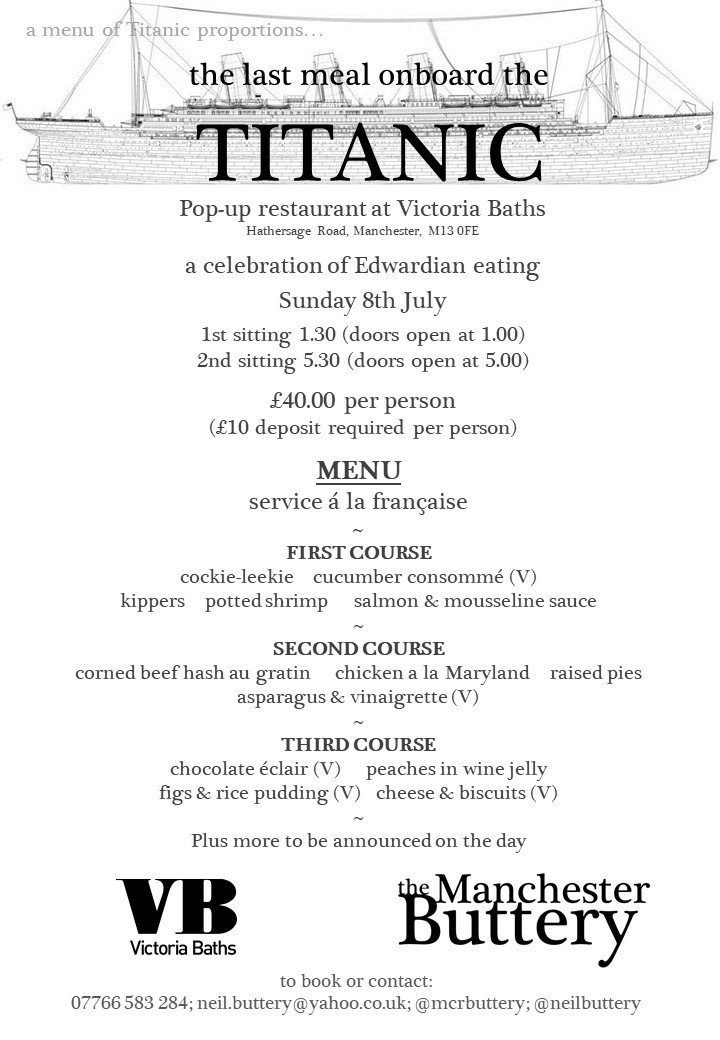
A pop-up restaurant highlight: the Titanic’s last meal inside Victoria Baths!
Over the last couple of years, the blog has become much more popular and seems to be getting recognised more, leading on to a bit of TV and radio work, and I was even approached by publishing house Pen & Sword History to write my first book A Dark History of Sugar which has led to a second book, this time on a subject of my own choosing (I will let you know more about this when I can!).
The British Food History Podcast
The other project that has been borne of the blog was the Lent podcast I made with Sonder Radio and Beena Khetani. What great fun it was. I learned a lot and really wanted to get a second season made…and here it is! It’s taken me almost 18 months to organise myself, but I spotted the anniversary in my diary and thought it a good day to kick season 2 off.
I’m doing all of the writing, presenting and producing myself this time and I’ve come up with a format (I think) of separate seasons of 6 episodes. Each episode will be a standalone subject, but then use the last 2 or 3 episodes to look at a meatier subject in more depth. Kicking off season 2 today is an episode about gingerbread and my guest is the excellent writer, chef and food historian Sam Bilton, author of the cookbook First Catch Your Gingerbread.
To subscribe simply search for ‘The British Food History Podcast’ wherever you usually find your podcasts, or follow this feed to the Captivate website. Please follow, like, subscribe, rate and leave comments: I would be most grateful.
Food historian Sam Bilton helps me kick off season 2
Here’s to another 10 years
What will the next decade bring I wonder? I have no idea, but one thing I do know is that I shall still be writing blog posts and putting together podcast episodes. I just love creating them, and I certainly would have given up years ago if I didn’t have such great, supportive followers on here commenting and telling me about their own memories and experiences – good and bad – on British food. So here’s a big thank you to all of you who have followed the blogs and cooked up my recipes; if I were a religious chap, I would be saying that I feel blessed right now.
I really want to carry on producing more content with more variety, but it is getting increasingly more expensive to produce online content, so if you can please support the blogs and podcast and treat me (should you think I deserve it) to a virtual coffee or pint.
If you like, for £3 per month you can also become a subscriber. If you do, you get access to premium content: extra blog posts and recipes, as well as access to my Easter Eggs tab which will soon start to fill with podcast extras: full interviews, deleted scenes and outtakes. I’m also planning to make some ‘how to’ videos demonstrating some techniques that are best taught by showing rather than by writing a long-winded method.
Right, off I go, this was only supposed to be a quick post and I’ve wittered on for ages. Here’s to the next 10 years!
If you like the blogs and podcast I produce, please consider treating me to a virtual coffee or pint, or even a £3 monthly subscription: follow this post for more information.
Some exciting news! The second series of my podcast will drop from Sunday 25th of July, which is also the tenth birthday of the blog; it seemed appropriate somehow. Craziness. It’s had a slight name change and it now has the less clumsy title of The British Food History Podcast. I would love it if you subscribed to it via your favourite provider. It’s taking a little time to appear on Apple and Google podcasts but is all ready to go on the others: Spotify, Amazon, Deezer etc.
If you look on the episode list you’ll see I have added the episodes of the Lent special I made last year with Sonder Radio. Sorry it’s taken so long to do a second series: in lockdown everyone else made a podcast, but I had such a bee in my bonnet about going on location for interviews etc., I thought I’d wait for enough normality to resume before I started again. Anyway, I got bored of waiting for that obviously. (That said, I did manage to do some real life interviews and jaunts.)
I’m going to produce the podcast in packets of six episodes – life often gets I the way and as much as I’d like to make an episode every single week, the day job rather gets in the way of that.
One final thing – and I flush red as I type – I love making content and hope to be able to spend more time making it so if you like my blog posts and podcast episodes, please consider a monthly subscription or buying me a virtual coffee or a pint?
You can pay a one off donation or start up a monthly £3 subscription. The great thing about being a subscriber is that you get some extra bonus Easter eggs (deleted podcast scenes, bonus episodes, cookery videos) as well as extra blog posts. As more subscribe, the more content I can add for everyone. To find out more visit the Support the Blog and Podcast tab on the blog. I thank you in advance xxx














 British Food: A History